Experiential Learning Boosts CUW Business Students


CUW’s sports and hospitality business students are exposed to experiential learning opportunities that help them create connections and get an inside look at careers in the field.

Students are selected by the department based on their involvement in local opportunities that arise. Experiences range from activation events, to galas, to the Super Bowl, and everything in between. The Concordia University Wisconsin Sports and Hospitality Business programs have made great relationships with companies such as Capture Sports and Entertainment, Team Lammi, and many other local organizations that put on events.

Impact on Students’ College Experience

The impact that this involvement has on college students is tremendous for those who take advantage of them. The opportunities are not only great learning experiences but they also look great on a résumé and can give you a one-up as an interview contender in the future.

CUW Senior Adam Kuglitsch said, “Due to the COVID-19 pandemic, these opportunities were not offered within the first three years of my time at CUW. Therefore, many of the different opportunities I got to interact and engage with fans was something that I did not take for granted… I learned a lot about what it takes to run an event to the scale of the Super Bowl, and it was one of the best experiences I have had during my time here at Concordia.”

It doesn’t just stop at an event. Lifelong connections are made that can repeatedly help students.

CUW Senior Mattson Wick said, “One of the best parts about being able to participate in the experiential learning opportunity was the ability to meet and network with industry professionals. The access to knowledge, advice, and feedback that I was able to gain was extremely helpful in understanding the industry better and determining my goals for my future career.”

Learning Through Opportunities

It is highly encouraged that students take these opportunities because there is so much to learn, and these experiences will be incredibly powerful down the road.

“Traveling across the country to meet new people and discover something completely unfamiliar taught me the value of trying something new even when it is scary,” said CUW Alum Megan Schmitz. “As a group we were taught the value of professionalism, hospitality, and service. The little things ultimately lead you on the path to doing the great things.”

The business world today is so everchanging with advancements in technology, the recent pandemic, and the upcoming generation. College students are not always looked at like they know what they are doing, but with these opportunities they have extra experiences and knowledge about things that most others don’t.

CUW Senior Brittany Davis said, “Because of how large of an event the Super Bowl was, I learned how difficult it is being a young professional in the Sport and Hospitality industry. Many associate age with experience, which is true sometimes, but not always. Realizing I can be a force with the knowledge and experience I have had been the biggest blessing in proving those who underestimate the younger generation wrong.”

Advice Students Would Give

Students come back from these occasions with advice to give to others that are offered to go in the future. “Soak it all in. Wake up each day with an attitude of being ready to learn and listen. Be grateful for the opportunity. Not everything will go just as planned so adapt quickly and move on from mistakes quickly,” said Schmitz.

Since these opportunities are used to learn and grow personally and professionally, the work is not always going to be as glamorous as it may seem.

“Put your best feet forward. There are always jobs that no one wants to do, if you are asked to do it, take it, and make the most of it. There are going to be times that you question why you are in this position, push through, and remember that the fans will thank you for it later. Everyone is always watching and if you do what is asked of you, people will be impressed and want you to work for them in the future. Be grateful to be there and make the most of the opportunities given to you,” said Kuglitsch.
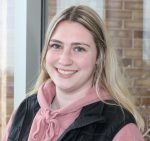
—Morgan Bolz is writer for The Beacon, the official student newspaper of Concordia University Wisconsin. She is pursuing her degree in Sport and Entertainment Business and plans to graduate in 2023.
Are Graduate Certificates Worth It?

Most agree pursuing a full master’s degree largely depends on career goals and financial capability. We’ve found sometimes these career goals can be met with a much simpler certificate option. Graduate certificates are forms of advanced education that offer some of the same benefits of graduate degrees. However, certificates require much less financial investment in the long run. 

Five major benefits of graduate certificates

1. Gain specialized knowledge in less time

Yes, you read that correctly. Less time. Also, ultimately less money out of your bank account (or loan-debt). Most graduate degree programs take at least two years to complete. Conversely, often a graduate certificate takes just 12 months to earn. You’ll spend that year focusing on courses that directly relate to your certificate and goals. Full degrees instead seek to produce a graduate with a well-rounded education. While this is valuable, some students prefer to focus on the quickest pathway to their career goals.

2. Develop expertise for your current job

Here’s an example, Linda earned her undergraduate degree in business. As her career progressed, she increasingly found herself in roles dealing with environmental and business sustainability challenges. Linda realizes a graduate certificate in Sustainability Management and Analytics would provide the extra bit of knowledge and expertise she needs to be confident in her role. 

Graduate certificates enable you to gain a focused understanding of concepts you may need for your career goals. Thereby, gaining education without requiring the time or financial commitment of pursuing a full graduate degree. Grad certificates can also be a way for you to meet state or federal licensing requirements, depending on your career or industry.

3. Prepare for a career shift

John wants to leave his business communications job to start his own nonprofit, but he’s not exactly sure what goes with running a nonprofit. A graduate certificate in Nonprofit Management and Leadership would help pave the way for John to set out on his own. He can start that nonprofit and have the tools to succeed. He already has the drive; he just needs that foundation of specific knowledge. A graduate certificate can set him up for a smooth career shift. In the same way, graduate certificates will help you develop the skills and understanding you need to enter a work-world different from the one you’re in right now.

4. Broaden your professional network

Similar to a master’s degree program, graduate certificates connect you with professors and other students who you likely wouldn’t meet otherwise. These same connections often become valuable mentors and peers in your current or future field. They even sometimes open the door to additional employment or business opportunities. Don’t take any interaction for granted. Should you decide to pursue a graduate certificate, do so with a mindset that values every person the program places in front of you.

5. Use the graduate certificate to trial a full graduate program

Keontay has been thinking of pursuing an MBA, but he wasn’t willing to jump in to a program blind. A graduate certificate in Business Administration allowed him to try the program out and get the benefit of a certificate (slap that on your resume!). Then, if he decides to continue beyond the graduate certificate, Concordia University allows him to roll those certificate credits into our MBA program. No wasted time or money. In fact, any of Concordia School of Business’s 17 graduate certificate programs can count toward an MBA.

What’s next?

Graduate certificates enable you to further your education without the upfront commitment to a master’s degree—while allowing room for you to change your mind later on and get the advanced degree. You won’t have to retake classes or pay for them twice. You can take classes in-person or online.

If you’re considering what a grad-certificate can do for you, explore our graduate certificate offerings. Then, let our team of program experts help you decide if the certificate is right for you and your goals.

This blog was originally published on November 19, 2019. It has been updated to reflect current information.

How to choose the right graduate program

Choosing the right graduate program can be tough. If you know that you want to attend graduate school, but you’re not sure which program to choose, you’re not alone. The Bureau of Labor Statistics showed that even in favorable economic times, grad school could still be worth it. People with graduate degrees tend to have lower rates of unemployment, while also having higher weekly salaries. In other words, graduate school makes sense for a lot of people. But, only you can decide if it’s the right move for you.

If more education is in your future, you’re going to want to choose a program. How do you even do that?

4 Tips for choosing the right graduate program

#1 Choose based on outcome

Leah Herr, Concordia University Wisconsin’s Director of Graduate Counseling, advises people to think about outcome first.

“It’s important to really think through your goals and evaluate where you want to end up,” she suggests. Additionally, you should try to be as clear as possible with your end goal. That way, you can brainstorm the path or paths toward reaching this goal. In doing your research, you might find that you don’t actually need a graduate degree. It’s better to figure that out before you invest time and money into school. On the other hand, your research might confirm that grad school is the right choice for you, and that there are actually multiple programs that will help you achieve your desired outcome.

Herr offers suggestions for people who don’t have a clear outcome in mind yet. “Talk to admissions counselors and program directors,” she says. “Attend webinars and open houses if you can. This will help you get a real feel for the programs you’re looking at and allow your heart to help guide you.”

Furthermore, you can ask to talk to recent graduates and/or current students about what their experience has been like. In doing this, you’ll get to see how the particular program you’re looking at helped someone else meet their goals. Obviously, what works for one person doesn’t necessarily fit for all people. But, actually talking to someone who experienced the program could help you picture yourself in it.

#2 Choose based on return on investment

For some professions, a graduate degree is a sure way to increase your earning potential. Before choosing a program, be sure to research salaries in the location you want to work to get a realistic picture of what could be available to you after you finish your program. Then, when you look at the cost of graduate school, you’ll be able to calculate if your return on investment is worthwhile. Herr reminds people: “Master’s degrees aren’t always going to gain you a new job or bump you up in pay, but they can make you better at the job you’re currently doing.”

When you’re considering your return on investment, don’t forget to include factors beyond finances. Alumni networks and clubs are great ways to stay connected after graduation and to foster professional development. Does your program offer lend itself well to these things?

Concordia University Ann Arbor‘s Director of Enrollment, Kyle Thoms, weighs in on this: “Graduate school is a great way to expand your educational and professional journey. Building your network and collaborating with the professors, students, and other professionals is a benefit of graduate school no matter what program you choose.”

Don’t overlook these crucial factors when determining which program is right for you.

#3 Choose based on program delivery

With so many options available for graduate school, chances are that you can “do school” the way you want to. If program flexibility is one of your top priorities, choosing a program that you can complete online might be ideal. Some programs will allow you to complete your coursework at your own pace, without needing to attend class at the same time throughout the duration of the course.

Other programs might have courses with specific virtual meeting times where attendance is taken. If online learning is new to you, you’re not alone.  There is still the option to go to graduate school in-person, if that’s a high priority for you. However, online learning platforms have come a long way. You can talk with your admissions counselor as well as your program director about what support is available to you as an online student.

In addition to considering your learning medium, think about whether you’d prefer to attend grad school part-time or full-time.

#4 Choose based on university focus

When you’re looking for the right-fit graduate program, start by researching the university’s specialties. While a university might be considered a “good school”, it might not have what you’re looking for in your particular area of study. This is why Herr’s point about talking to admissions counselors and program directors is so important. Some of the best scholars in your chosen program might be serving at universities that you weren’t even considering. Researching the faculty is always a good idea when choosing the right graduate school program.

Gathering information and going for it

Ultimately, only you can decide which graduate school program is right for you. While no program is perfect, taking time to research these four aspects will help you make a choice that meets your needs. If you want more information about graduate school programs, or if you want to talk to someone about what your options are, you can request more information here.

—

If this story has inspired you, why not explore how you can help further Concordia’s mission through giving.

Men’s Lacrosse Participates in Slainte and Shave Celebration


Concordia University Wisconsin Men’s Lacrosse team took on Slainte and Shave St. Patrick’s Day Celebration event on March 17, 2023.

This organization allows people to donate or shave their heads in order to help children who have been diagnosed with or are fighting cancer. The team helped raise over $3,200 and together united to make a difference in kids’ lives.

Head Coach Mike Fahey stated, “I was very proud of our team coming together and contributing to this fundraiser as a group. They supported their community and raised a significant amount of money for such a great cause!”

The team strives to show children that they are not alone and there are people who hope, support, and have faith in their lives. A great opportunity for our men’s lacrosse team to not only inspire the children but also demonstrate that their dreams can turn into reality.

CUW Men’s Lacrosse athlete Zach Wilder said, “We walked into the Stagecoach Inn with 10 participants and when we left 20 members of the CUW men’s lacrosse team shaved their heads. It’s important to us because cancer in some form has affected everyone’s family and it is great to be able to raise money to help young kids effected by cancer and bring together our team for a great cause. We can’t wait to participate next year and hopefully raise some more donations and get an even bigger turnout of shaved heads to show awareness.”

Thank you to CUW Men’s Lacrosse for participating in such a meaningful event.


—Paityn Taormina is writer for The Beacon, the official student newspaper of Concordia University Wisconsin. She is a junior mass communications major with a minor in social work.

A Day in the Life of a Physical Therapy Student

What does a typical day look like for Physical Therapy Student and Graduate Assistant Ashley Nelson?


Hello! My name is Ashley Nelson, and I am a 2nd –year Physical Therapy student here at Concordia University- Wisconsin. I’m also the Graduate Assistant for the Physical Therapy Department, so my schedule might look a little different than other second year students, but I hope this gives you a good idea of what a day looks like as the Graduate Assistant while also a Physical Therapy student. Please follow along as I take you through a typical day for a Physical Therapy student with a job on campus.

6:00 am: Wake up

My first class of the day starts at 7:30 am, so I like to get up early to get ready for the day. After getting ready, I eat breakfast while I look at my planner to prioritize my tasks for the day. I write everything in my planner: assignment due dates, exam dates, guest speakers in class, etc. This allows me to stay on top of my week, which is very important, especially as a student who works.  

6:45 am: Drive to Campus

I only live about 15 minutes from campus, so it’s a quick drive to get to class by 7am. I’m someone that likes to arrive early because it allows me to review my notes before class or get some work done on a short assignment. You definitely don’t have to arrive this early, but a few classmates also get to class early, so this is a great time for us to ask each other questions about topics we might struggle to understand.  

7:30 am: Class

I have two classes Thursday mornings: Exercise Science I and Management of Musculoskeletal Disorders II. In both classes, we spend a lot of time with hands-on labs, but we also discuss the lecture content for that week. Our classes are typically an hour and fifty minutes and almost all of it is spent with hands-on practice, especially as a 2nd –year student.

One of the things I like most about Concordia is the small class size. My class currently has 23 students, and we take all our classes together. In between these two classes is our campus-wide chapel time, held every morning for students to attend. It’s about 25 minutes, and I personally use this time to work on short assignments, do a quick reading for class, or just take a break and hang out with classmates.

12:00 pm: Lunch

Concordia sets aside an hour for lunch every day, so I make sure I take at least a half hour as a schoolwork-free time. It’s an excellent time to recharge from the morning classes and to hang out with my cohort. There are a couple of places on campus I like to go. One is The Landing, which has a great sandwich shop if I buy lunch that day. I typically bring my lunch, so another place is the library. That’s where many of my classmates go to hang out and study. After I eat, I will do a little schoolwork before I start work.  

1:00 pm: Work

I work as the Graduate Assistant for the Physical Therapy Program, which is a position offered to 2nd –year students. For this job, I keep the lab spaces organized and assist the faculty with projects like finding journal articles, data entry for a research project, finding participants for classroom activities, etc. This job is great because I get to set which hours I work and it allows me to work more closely with the faculty. I work 10 hours a week, and today I am working 2 hours.

3:30 pm: Study

When I get home from work, I spend the next few hours studying or doing homework. By Thursday afternoon, I typically have most of the assignments done for the week but if not, I get those finished now. Once those are done, I spend the rest of this time studying the content learned this week.  

6:00 pm: Dinner

I always find time for myself each day because self-care is how I manage my stress level. I like to try and have dinner no later than 6 pm, so I usually stop studying around 5:30 pm. But really, I stop whenever I find my brain needs a break from school. I don’t try to push through being tired. You don’t retain much of what you study while you aren’t awake and ready. Depending on how I feel that night, I might do a quick workout, or just shower and settle in for the night with a movie or TV show. By 8:30 pm, I put away my phone and start to unwind for the night.

In conclusion…

Life as a working graduate student can be hectic. Time management and self-care are two of the essential skills I utilize. Without prioritizing those, my life might be a lot more stressful than it is. If you don’t care for yourself physically and mentally, you will not be setting yourself up for success working a job and working in school. I hope you enjoyed this small insight into a day in the life of a PT student.


More questions about PT?

Check out some of our other blog posts about things like

The School of Health Professions (SHP) offers a wide variety of accredited programs at both the undergraduate and graduate level. Our programs are provided in a variety of teaching formats (face-to-face, online, blended) and curriculums emphasize service to the community and inter-professional collaboration. Students are able to work with community members very early in their educational experience. Explore your options! 


—Ashley Nelson is a second year student and Graduate Assistant in the Physical Therapy program. She is pursuing her doctorate degree in physical therapy and is a member of the class of 2024.

Why choose a Lutheran university?

When choosing a college, many students today are looking for a specific program, from an institution with credibility and strong outcomes. Others might look for an established campus in a beautiful and safe area. Considering a private-college typically means a faith-based, well-rounded approach to education is a priority. Well, at Lutheran universities, you can have it all, but what does this mean for Concordia University’s Wisconsin & Ann Arbor campuses? 

First, let’s define what Lutheranism means to us.

Lutheranism: what does this mean?

Rev. Dr. Ted Hopkins is the Program Director for the Pre-Seminary and Family Life Ministry programs at Concordia University Ann Arbor. He also serves as Associate Professor of Theology.

Hopkins suggests a framework that might help when trying to understand Lutheranism. “Lutheranism is all about justification. Justification focuses on Jesus’ death on the cross and resurrection to save all people from sin. Jesus is at the center of Lutheranism.” Lutherans trust that Jesus has saved sinners, all people, by his work alone.

Jesus gives this gift of salvation through the Holy Spirit by the sacraments, baptism and Holy Communion, and by preaching and teaching the good news of salvation in Jesus. Lutherans also affirm the importance of unity with the Church of all time, especially in the creeds since those teachings help us focus on Jesus, the Son of the eternal Father.

Now, Concordia University and other Lutheran universities, live out their Lutheran-confession through a number of central concepts built into the campus experience.

Lutheran universities have strong faith community

Community is vital for all members of a higher education institution. From students and staff to community members and families, Lutheran universities like Concordia aim to connect all those who are involved with their campus. At a Lutheran college, you will find smaller class sizes where professors serve as mentors to their cherished students.

Also, we place an emphasis on family and relationships that makes its way into every classroom. Being on a Lutheran campus will give you the opportunity to connect with like-minded students and staff who will help you to grow in your faith.

Lutheran universities have faith-filled education

Lutheran universities are also committed to educating the whole person. At Concordia, we put the Lord before all else, including our academics, using our common faith to guide us through challenging and practical content in our courses. We have weave ethics and personal values into our academics, as well. Because of this, you will have the opportunity to pursue Christian coursework and majors to move your faith into all aspects of your life.

Is church work in your future? We are proud to offer programs for those interested in professional ministry.

Also, because Concordia University has such a focus on community, as a student you are more likely to receive scholarships based on academics, extracurriculars, and other factors of merit than a student attending a prominent public college. For example, Concordia offers an audition based music scholarship, as well as athletic talent awards. We also offer a number of scholarships that are open to any student that qualifies.

Lutheran universities are built with faith in mind – literally

Another wonderful aspect about being at a Lutheran university is the ability to worship on campus. Many Lutheran colleges have chapels or other locations on-site so that students, faculty, and staff may attend church services together. At Concordia, students participate in the services offered, as well as volunteer in other ways on campus. They even lead in prayer before or during school related activities such as athletics, concerts, or club meetings.

Students may be involved in musical groups that perform not only in on-campus locations, but other places of worship nearby, like CUW’s choral ensembles. Actually, students at Lutheran colleges are more likely to participate in all of those activities and more. Here at Concordia, we  promote learning abroad as well as service and missionary work, which helps our students to develop a global mindset which they can apply to their future vocations. We also have a robust, student-led Campus Ministry Leadership Team that encourages students to engage in Christian fellowship regularly. 

What’s Next

Want to learn more about the opportunities Concordia can offer you?

We praise God for the success of our alumni. Below you’ll find just a few examples of what you could experience:

To learn more about our Lutheran Christian identity here at Concordia, visit us here.

This blog was originally published on November 23, 2021. It has been updated to reflect current information.

Creating a Healing Organization

Work culture in 2023

Since the onset of the pandemic, we have all seen growing trends of employee fatigue and burnout causing greater turnover and earlier retirements. In response to these challenges, employers have been investing in higher-level retention strategies to further engage and support employees. Some have referred to this practice of improving employee engagement as healing the organization. While these practices aim to improve employee morale and ensure organizational performance, results are not consistently successful. Let’s explore a case for employee engagement practices and the principles of the healing organization in more detail.

Employee Engagement

According to the 2022 Gartner Frontline Worker Experience Reinvented Survey, 58% of organizations that employ frontline workers have invested in improving their employee experience in the past year. About a third of those who haven’t intend to do so in the next 12 months. McKinsey Consulting also indicates a need to engage a more resilient workforce. This will help companies withstand the continuing effects of hybrid and remote working scenarios. It will help establish and maintain generational harmony among all levels of an organization. In many ways, the healing of the organization is paramount to both engaging and supporting employees so they stay, and to create a more purposeful workforce.

Key Elements of a Healing Organization

In “The Healing Organization“, a book by Raj Sisodia and Michael J. Gelb, they discuss three principles that distinguish the make-up of a healing organization. It includes a higher level of ethical and moral capacity that an organization can represent in the marketplace. It also addresses an organization’s concern and care for employees as primary stakeholders. And finally, it looks at how an organization communicates its purpose to a global audience.

The recognition of employees as priority stakeholders in this process includes the following foundations according to “The Healing Organization”.

  • Include families as stakeholders. Try to be inclusive of family members and show employees ways to have a work-life balance. This especially applies when employees are increasingly remote and/or practice hybrid work schedules.
  • Look for opportunities to bring joy, play, and love to the workplace. “Love + Work” by Marcus Buckingham features several strategies for incorporating the notion of community and team building within the workplace.
  • Foster healthy internal competition. Look for opportunities to collaborate with employees in designing exit strategies and career development programming. This helps honor their individual contributions and roles in the enterprise.
  • Invest in healing. Many companies have begun to incorporate wellness programs, deep breathing and relaxation breaks, and dedicated spaces for quiet reflection on the work campus.
  • Enable people to continually grow and evolve. In an ever-changing economic environment, fatigue and struggle are realities. To the extent that managers can show compassion and empathy, there are corollary gains in employee productivity and loyalty.

Moving Forward

The work expectations after the peak of the COVID pandemic continue to evolve and change, there is much to be gained by generating compassionate and caring solutions. According to “Awakening Compassion at Work “, human capital can be enhanced at every level of the organization when there is a genuine emphasis on caring and concern on behalf of employees for one another as well as within the employee-employer relationship. In these times of unprecedented change, coming together for the good of the organization as well as for the positive motivation and resilience of employees can make a sustainable and lasting impact.

Gain expertise at Concordia

Through our online DBA program, you can learn more about employees and their experiences with engagement and support in the workplace. Consider pursuing a concentration in Organizational Performance and Change to further develop your skills and knowledge to make a positive impact.

Dana M. Sendziol, Ph.D. directs the DBA program at Concordia University Wisconsin-Ann Arbor and serves as associate professor of business. Dr. Sendziol is a Certified Resilience Practitioner for the Resilience Alliance and presented at the Creative Problem Solving Institute in June 2023.

References:

Buckingham, M. (2022). Love and Work: How to Find What You Love, Love What You Do, and Do It for the Rest of Your Life. Harvard Business Review Press.
Dutton, J., & Worline, M. (2017). Awakening Compassion at Work: The Quiet Power That Elevates People and Organizations. Berrett-Koehler Publishers.
Sisodia, R. and Gelb, M. (2019). The Healing Organization: Awakening the Conscience of Business to Help Save the World. Harper Collins Publishers.
https://www.gartner.com/en/articles/9-future-of-work-trends-for-2023

Director Spotlight: Dr. Meghan Watry-Christian

Dr. Meghan Watry-Christian, Ph.D., OT/L, is Concordia University’s new program director for the master’s and doctorate occupational therapy programs. As program director, she is excited to lead a program where students may thrive and flourish. Watry-Christian is ready to bring our OT programs to the next level.

Tell us about your educational and career background.

I completed my undergraduate B.A. in psychology at Wisconsin Lutheran College, then my Master of Occupational Therapy from Concordia University WI– that’s right, I’m an alumnus! After completing my MOT, I worked full-time as a school-based occupational therapist in Glendale-River Hills School District. At the same time, I worked part-time at St. Luke’s Medical Center in acute care.

My professional background is mainly focused on pediatrics, however, I have worked in adult clinical care as well. In 2011, I started teaching as an adjunct instructor at CUW and then moved to a full-time instructor in 2013. In 2019, I completed my Ph.D. in Education, emphasizing Special Education.

What brought you back to CUW?

As an alumnus, I remember feeling like CUW was “home.” There are many special memories of my OT faculty and classmates. When I found out there was a full-time opening to teach, it felt like God was calling me to come back to CUW. I don’t think I would have left my clinical practice to teach anywhere else.

What do you like to do for fun?

I like working out and reading. Before I had my youngest daughter, I ran half-marathons and I’m slowly working my way back to getting into running. Crime mysteries are my favorite to read.

What are you most proud of in your career?

I am most proud of seeing the successes of my students. I want to pour into them and give them the support and encouragement needed for them to build confidence and skills to reach their dreams.

In March 2022, I completed the American Occupational Therapy Association’s Academic Leadership Certificate. This was an amazing 6-month process of connecting with leaders in our profession while working toward developing our educational curriculums. It was a really great professional experience for my own development, but I’m most excited about the connections, knowledge, and skills I gained which will support my students in their accomplishments.

As the new OT program director, what are you most excited about?

We have a new entry-level OT Doctorate so I’m excited to see what our OTD graduates will do. Part of the OTD is a capstone experience/project, and many of our students choose to do their capstones in non-traditional settings. I’m excited to see our graduates be change-makers for the future of our profession.

Spend time thinking about your “why.” Why do you want to go to college? Why do you want to be an OT? Knowing your big picture motivation will help carry you through the challenges of graduate school. Becoming an Occupational Therapist isn’t easy, but it’s doable. And it is SO, SO worth it!

Meghan Watry-Christian

What do you love about Concordia?

Teaching at Concordia allows me to be my whole self. I don’t have to leave my faith hidden away, and I love that! Getting to connect with students in really authentic ways as they develop into their professional selves is so fulfilling.

Our faculty and staff really care about students. I just did an orientation with my newest cohort of students and at lunch, one of the students said “At my undergrad school, I never ate lunch with my professors.”  

Another student remarked “I really love the small cohort feel. It’s amazing that you already know my name and who I am.” Students are more than students to us, they are people and we’re genuinely excited to be a part of their professional journey.

What’s the most interesting part about OT?

Occupational therapy emerged in the mental health field that primarily worked with veterans coming back from WWI and struggling to re-integrate into society. While OT has adjusted to a more medical model, we are moving back to acknowledging our mental health roots. We are beginning to incorporate more mental health-based approaches in our repertoire of interventions.

Why should students join Concordia’s OT program?

I think there are so many reasons why Concordia University Wisconsin’s OT program is the place to be. Here are a few.

Hands-on experience

Students get a lot of hands-on experience in our program. In the first semester, students are observing OT treatment in our Interprofessional Community Clinic. Starting in semester two, students begin treating clients with their peer mentors and faculty supervisors each semester. This is built into the required coursework, so students get 3 full semesters of treating clients before they even get to fieldwork.

Having an individual mentor

Our program is built on a mentoring model. Every student is matched with a peer mentor and an OT faculty advisor when they start the program. Therefore they have support and encouragement every step of the way. This mentoring model, along with our university’s amazing Academic Resource Center and peer tutoring services, means students are set up for success from day one.

Integrating Christain values

Spirituality is a core component of what makes people human, according to the Occupational Therapy Practice Framework. This means that no matter what faith or belief system a student might come from, spirituality is a part of OT and the clients we work with. In CUW’s OT program, we intentionally integrate Christian faith into our courses and support students in considering how their faith can impact those they work with. This is an incredible opportunity for students to grow in a unique way, professionally and personally.

RELATED BLOG: What are the requirements for OT school?

Want to learn more?

Check out our Master of Occupational Therapy and the Doctor of Occupational Therapy for more information.

What’s the difference between an OT and PT?

Occupational and physical therapists have many similarities. Both are healthcare professionals that work with patients of various ages to help them recover from injury or manage pain from a permanent disability faster and more effectively.

OTs and PTs have different goals and approaches to helping patients. Occupational therapists work to help patients become more independent in doing daily tasks. These patients are normally diagnosed with long-term disabilities that prevent or make it difficult to complete things without assistance. On the other hand, physical therapists focus on helping to reduce pain and rehabilitate a patient with chronic conditions or after an injury. Let’s take a further look at how OTs and PTs differ.

Occupational Therapist (OT)

The Bureau of Labor Statistics defines an Occupational Therapist as someone who “treat injured, ill, or disabled patients through the therapeutic use of everyday activities. They help these patients develop, recover, improve, as well as maintain the skills needed for daily living and working.” Their main goal is to empower patients to have more independence in their daily lives.

Who are their patients?

Occupational Therapists work with a variety of patients. Most often these patients exhibit:

  • Sensory processing disorders
  • Traumatic injuries to the brain or spinal cord
  • Permanent disabilities such as cerebral palsy
  • Autism and other developmental disorders
  • Down Syndrome
  • Birth injuries or defects
  • Mental or behavioral health problems
  • Any other issues that impact their ability to perform daily tasks

What do OTs do?

Remember that OTs have a holistic approach to helping patients become as independent as they are capable of. Therefore, their responsibilities reflect that goal. Their tasks may include:

  • Reviewing and evaluating a patient’s condition and needs
  • Helps clients perform daily tasks, practice self-care, and advises on adaptive equipment
  • Teaches basic tasks such as eating, bathing, getting dressed, etc.
  • Assist clients in developing fine motor skills
  • Records and assesses progress
  • And much more

Where do OTs work?

There are many settings that Occupational Therapists can work. The most common places include schools, hospitals, retirement homes, or in-home healthcare.

What’s the outlook and how much do OTs make?

The OT field is rapidly growing as they become an essential part of patient treatment. This is especially true for patients with Alzheimer’s, cerebral palsy, autism, or those who have lost limbs. From 2021 to 2031 job openings are projected to grow by 14%, which is much faster than other occupations. In 2021, according to the Bureau of Labor Statistics, the median salary for an occupational therapist was $85,570.

How do you become an OT?

To become an OT, you need to earn a master’s degree at minimum, although some get a doctorate. While in undergraduate studies, many students will choose a major related to occupational therapy, such as rehabilitation science, biology, or other sciences. Concordia University Wisconsin is proud to offer both a master’s and a doctorate in OT program. Check out our blog to learn all about occupational therapy at CUW.


Physical Therapist (PT)

The Bureau of Labor Statistics defines a Physical Therapist as someone who “helps injured or ill people improve movement and manage pain. They are often an important part of preventive care, rehabilitation, and treatment for patients with chronic conditions, illnesses, or injuries.” PTs are experts in movement and specifically help to treat the patient’s impairment. Their main goal is to reduce pain, rehabilitate, and prevent disability.

Who are their patients?

Similar to OTs, physical therapists may see a wide variety of patients, but this can vary depending on their specialty. There are many types of PT specializations to choose from, such as:

  • Orthopedic physical therapy: Treats injuries involving muscles, bones, ligaments, etc.
  • Geriatric physical therapy: Works with older adults that have conditions that affect mobility such as arthritis.
  • Neurological physical therapy: These PTs help patients with neurological conditions such as Parkinson’s and multiple sclerosis.
  • Cardiovascular and pulmonary rehabilitation: Treatment in this specialization can improve cardiovascular endurance and stamina.
  • Pelvic floor rehabilitation: Helps treat conditions that affect the pelvic floor, such as incontinence or pain.

What do PTs do?

The main goal of a PT is to regulate and manage the pain of patients. Although their duties may vary depending on their area of specialization. Responsibilities may include:

  • Listening to patient concerns and needs
  • Diagnosing patients to determine function level
  • Designing an individual care plan based on observations and goals
  • Use exercises and stretches to ease patient pain and prevent further injury
  • Evaluate progress and make adjustments as needed

Where do PTs work?

Physical Therapists can work in many settings, which can differ based on specialty. Common places include sports and fitness facilities, workplaces, retirement homes, schools, hospitals, and outpatient clinics.

What’s the outlook and how much do PTs make?

The physical therapy field is rapidly growing and is a main source of pain management and relief for patients. From 2021 to 2031 job openings are projected to grow by 17%, which is much faster than other occupations. In 2021, according to the Bureau of Labor Statistics, the median salary for a physical therapist was $95,620.

How do you become a PT?

To become a PT you need to receive a doctorate in physical therapy. While in undergraduate studies, many students will choose a major related to physical therapy, such as rehabilitation science, kinesiology, or other sciences. Concordia University Wisconsin is proud to offer a doctorate in PT program. Check out our blog to learn about the PT program at CUW.

Which should you choose?

Ultimately, whichever path you choose it should align with your values and goals. You should consider what type of goal you want to help patients work towards and who your patients are. No matter what you settle on Concordia is here to help. If you’re interested in OT or PT you can learn more below.

Concordia’s accelerated programs: What’s being promised?

As we say goodbye to the past year, we must look back on our Christmas celebration to consider the true gift we have been given. A sincere hope for Christians is that all people will understand the Christmas message of John 3:16:

For God so loved the world that he gave his one and only Son, that whoever believes in him shall not perish but have eternal life.

What’s being promised? Eternal life and salvation. Why do we forget that?

When considering a higher education degree, it’s wise to ask the same question — what’s being promised? When it comes to Concordia’s accelerated programs “what’s being promised?” Concordia students provide the best answers. Here are a few benefits mentioned by our students.

Adjusting to a changing world

Life in the information world is changing everything. Concordia’s accelerated programs in online and virtual formats help students develop skills in our changing society. Real-world application and encouragement by instructors in the field help prepare students to excel in a changing world.

Better paying jobs & economic stability

The Indeed 2021 career guide reviewed the average salaries of various education levels. Results show that those over the age of 25 with no college degree earn an average of $774 per week and hold an unemployment rate of 4.0%. Those who hold a two-year associate degree earn $836 with unemployment dropping to 3.4%. 

The news gets even better for bachelor degree holders, like the CUW alums of the accelerated bachelor programs, who on average earn $1,173 per week with a significantly lower unemployment rate of 2.5%.  Earning an undergrad degree significantly enhances job opportunities and security. Furthermore, it can easily set the stage for further potential growth through graduate and professional degrees.

Taking advantage of employee benefits

“My boss has been encouraging me to go back to school and will even help me pay for the cost,” says one current student. “It would be foolish for me to not take advantage of that!” 

Employers have adjusted to a competitive hiring market. More and more offer back-to-school incentives through tuition reimbursement and grants for employees. Additionally, the military community continues to provide education benefits to veterans and active military members.

Joining a respected institution in the community

Many students received encouragement from relatives, friends, and co-workers who are either alumni of CUWAA or see the community’s respect for Concordia. “Concordia changed my life in so many ways and I appreciate the Christian perspective to my degree,” said a recent graduate.

Setting an example

A common sentiment expressed within the accelerated community is the desire to leave a legacy for children and family members. When a student returns to finish a degree, they quickly learn the program allows for a favorable number of credits to transfer in from accredited programs. 

This policy has assisted many students who thought their previous academic struggles brought about through medical, behavioral, or financial challenges of the past limited their degree potential to set an example of persistence. It has now become a common occurrence for a parent to be earning a degree alongside their own child.

Satisfaction

Finally, a major benefit for many accelerated students is the self-satisfaction that comes from knowing they have done all they could with the talent and abilities the Creator endowed within them. The accelerated format provides the flexibility to move through the program at a pace that works for you. That satisfaction provides an overwhelming sense of achievement.

Ready to move forward?

For the adult learner or even the recent high school graduate who found themselves lost in the traditional world of on-campus coursework, there may be plenty of benefits for you in Concordia’s adult accelerated program. This – and more – is what’s in it for you!

To learn more about all of the accelerated degrees and programs offered for busy adults including those in Arts & Sciences, Business, Computer Science, Education, Health Care, and Public Service visit CUWAA Accelerated Admissions or call 262-243-5700.