Meeting a Growing Need: Concordia Prepares the Next Generation of Physical Therapists

At Concordia University Wisconsin, the Doctor of Physical Therapy (DPT) program prepares students to become highly skilled clinicians who are equipped to serve patients with compassion, expertise, and purpose.


That commitment to excellence is reflected in Concordia’s recognition as a 2026 Best Graduate School by U.S. News & World Report.

Through a rigorous academic experience, hands-on clinical training, and a Christ-centered approach to care, Concordia equips future physical therapists to make a meaningful impact in the lives of their patients and communities.


Focused on what matters most: Outcomes and preparation

Physical therapy is a profession grounded in trust, expertise, and real-world application. Demand for physical therapists continues to grow nationwide, with job growth projected to increase 11% over the next decade, according to the U.S. Bureau of Labor Statistics. As a result, the need for well-prepared, patient-centered clinicians has never been greater.

An aging population, increased focus on mobility and quality of life, and advances in rehabilitation are all contributing to expanded opportunities across the field. Physical therapists play a critical role not only in recovery from injury, but in helping individuals maintain independence and long-term health.

The physical therapy profession continues to evolve with more clinical practice areas and increasing professional autonomy. For example, physical therapists are practicing in expanding practice areas such as oncology, women’s health and telehealth.  Furthermore, professional privileges such as ordering medical imaging improve patient access and enhance the position of physical therapists as primary providers in the healthcare system.

Concordia’s doctoral program emphasizes clinical readiness—developing practitioners who can evaluate, diagnose, and treat movement dysfunction across diverse patient populations. Students engage in a comprehensive curriculum that blends foundational sciences with applied clinical practice, preparing them for licensure and long-term success in the field.

“Our focus has always been on preparing students to be excellent clinicians—individuals who can think critically, adapt to complex situations, and provide high-quality care,” said Dr. Dale Gerke, chair of the physical therapy program. “That’s what ultimately defines the strength of a program.”


Hands-on learning in a collaborative environment

Experiential learning is central to Concordia’s DPT program. Students gain extensive hands-on experience through lab work, simulation and multiple clinical education placements in a variety of healthcare settings.

Faculty bring deep clinical expertise into the classroom, creating a learning environment that is both academically rigorous and highly practical. Small class sizes and close faculty mentorship ensure that students are supported throughout their academic and professional journey.

Graduates leave the program well-prepared to meet the demands of the profession, with the skills and confidence needed to serve patients effectively and compassionately.

“Our Doctor of Physical Therapy program is designed to prepare students for meaningful, impactful careers in healthcare,” said Dr. Linda Samuel, dean of the School of Health Professions. “Our Christ-centered environment makes a difference by shaping graduates who not only excel clinically, but who approach each patient with compassion, integrity and a true sense of calling.


Want in?

The Doctor of Physical Therapy (DPT) program at Concordia University Wisconsin combines strong academic preparation with extensive hands-on clinical experience to develop practice-ready clinicians. Grounded in a Christ-centered learning environment, the program equips graduates to deliver high-quality, compassionate care across a variety of healthcare settings.


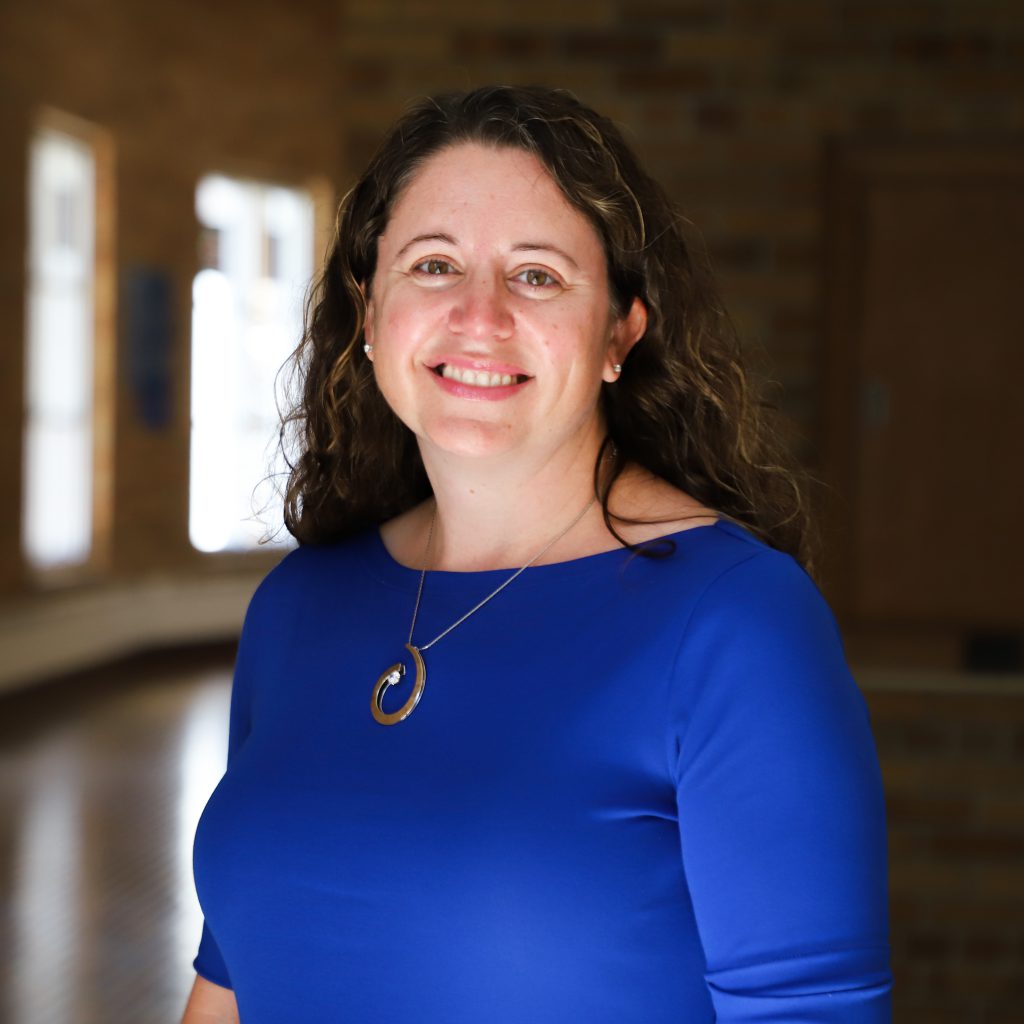
Serving the Students and Serving the Community through Physical Therapy

Concordia University Wisconsin commits to helping students develop in mind, body, and spirit to serve Christ in the Church and the world as a Lutheran higher education community. We invite our community partners and our valued alumni to be partners in advancing that mission.

Our Traditional Program Origins

Nearly 30 years ago, in the fall of 1994, the inaugural cohort of physical therapy (PT) students began their Master of Physical Therapy coursework at Concordia University Wisconsin (CUW). Two years later, the program was officially accredited. In the early 2000s, we converted the Master of Physical Therapy program to a Doctor of Physical Therapy degree, which is now the standard of education for the profession.

Currently, the traditional Doctor of Physical Therapy (DPT) program at CUW welcomes 28 students per cohort annually. The program offers several CUW students accelerated admission, enabling them to complete both a Bachelor of Science in Rehabilitation Science and a DPT degree within 6 years. The traditional program also welcomes other students from CUW and universities nationwide who have completed an undergraduate degree and meet prerequisite requirements for admission.

Other Programs We Offer

In addition to the traditional DPT program, the Physical Therapy Department will welcome its third cohort of students into the Physical Therapist Assistant (PTA) to DPT Bridge program this January. The hybrid nature of this program reaches PTAs across the nation, allowing them to advance their education and career without moving to a new city or state.

About 10 years ago, the Physical Therapy Department developed the Concordia University Orthopedic Residency as a subset. This nationally-accredited post-professional opportunity allows licensed physical therapists to advance their clinical practice in orthopedic care. Upon completing the residency, clinicians can sit for the Orthopedic Specialist Certification examination and earn the national distinction of Board-Certified Specialist in Orthopedic Physical Therapy.

About the Faculty

Eleven full-time faculty and numerous adjunct faculty and lab assistants (many are alumni of CUW) serve the physical therapy students and residents. The faculty hold various terminal-level degrees, including PhD, EdD, ScD, and DPT. Seven of the full-time faculty members also hold recognition as Board Certified Specialists in their respective domains of physical therapy practice.

Service in Practice

Service to the community is a cornerstone of the CUW DPT program. Traditional DPT students must complete at least 30 service hours over three years, but many students far exceed this requirement as they embody and live out the mission of CUW. The curriculum also embeds community outreach. Examples include educational outreach to local and at-risk schools, fall risk and health screens for community members and individuals in assisted-living facilities, and pro-bono physical therapy care. 

Students in the Community Clinic

In the traditional DPT program, students spend three semesters enrolled in a series of Community Clinic courses. During these courses, PT students collaborate with licensed supervising clinicians, classmates, and students/faculty from other healthcare disciplines to provide pro-bono care to community members in need. PT students have the opportunity to work with children, adults, and the elderly population throughout this time. These courses also allow third-year PT students to mentor second-year students, building confidence in knowledge and skills. Over the years, the location of the “Community Clinic” has varied; we have rearranged classrooms on campus and provided services at numerous off-site locations. The opening of the new Interprofessional Clinic on the CUW campus in January 2023 has created an optimal learning environment for conducting patient and client care.

The newly renovated Interprofessional Clinic provides much-needed spaces to continue our efforts to educate all of our students to be interprofessional practitioners.   The clinic includes a welcoming reception area, an ample open gym space, a splinting area, private treatment rooms, an observation room, an apartment, and a simulation lab.

Hear From the Faculty and Students

Elizabeth Paly, Associate Professor of Physical Therapy and Course Coordinator for the Community Clinic courses, speaks on the benefit this space provides the PT students. Dr. Paly has observed that “the IP (Interprofessional) Clinic provides a safe learning environment where our students can apply and practice clinical skills as they progress in the program.” 

The use of the new clinic space is not isolated to the Community Clinic courses. Kate Bennett, Assistant Professor of Physical Therapy, states, “I love using the space to welcome patients with the health conditions students are studying to be patient examples in the Management of Neuromuscular Disorders courses.” This past spring, Dr. Bennett utilized the IP clinic space for students to practice testing and assessing a client with a spinal cord injury. She also finds the space beneficial for conducting lab practical assessments and simulated patient interactions in an environment that closely resembles what students will experience on clinical rotations and in their future careers.

A current DPT student indicates, “The clinic space has been great for real-life application of skills.” The student elaborated that the clinic has “allowed me to connect with community members and students/professionals from other healthcare disciplines.”

In the Future

The PT department is excited to continue exploring opportunities for interprofessional student collaboration and service to the community. Ideas that have been proposed include development screens for infants and toddlers, group exercise classes, and fitness activities for AbleLight students. If you feel the IP clinic or a department within the School of Health Professions could address a community need, please let us know!

Join Us!

At Concordia University Wisconsin, our goal is not only to provide quality education to our students and prepare them to serve but to do so by continuing to cultivate and develop meaningful community collaborations and engage our alumni. Are you interested in becoming partners in the mission of Concordia? Come join us for our upcoming event, Creating Community Collaborations: A CUW Alumni Event, on Wed. October 25th, 5:30-7:30pm. Following a welcome address, our guests will receive a clinic tour and participate in a collective discussion to identify unmet community needs and ways our IP clinic can help address them. We hope you can join us on campus!

National Falls Prevention Awareness Week 2023

CUW’s Physical Therapy department talks about what you can do to help prevent falls this coming winter season.


As a practicing Physical Therapist for over forty years, who has been specializing in working with older adults for the past ten + years, accenting the importance of Falls Prevention comes natural to me. The week of September 18th-22nd is National Falls Prevention Awareness Week. In 2020 this expanded from a day to an entire week. According to the National Council on Aging (NCOA), on the first day of fall, their focus is to bring awareness to fall prevention initiatives for older adults throughout the country. To increase your awareness, I would like to share some facts and some helpful tips with you.

Facts about falls: 

Falls are the leading cause of fatal and non-fatal injuries among older adults that can result in serious injuries as well as increase the risk of additional falls. Falls Prevention programs are effective in saving lives, money and helping older adults remain independent and active members within their community. 

Falls are NOT a normal part of aging. 

For years NCOA has been committed to focusing on helping older adults improve their confidence and skills to prevent a fall.  Fall Prevention requires a team effort. The following individuals are members of this team, and each role is important in reducing the risk of falls. 

Family and friends:  

  • Can provide another set of eyes to assist with clearing fall hazards within your home.  
  • Can join you at your Dr. appointment and assist in asking questions and additional information on preventing falls. 

An Occupational Therapist (OT): 

  • They will identify hazards to be eliminated or modified to prevent falls within your home environment. 
  • They recommend assistive devices to fit your needs to ensure additional safety and independence. 

A Primary Care Physician (PCP):  

  • Important healthcare team member to begin the screening process of fall prevention due to seeing you regularly. 
  • Member of the healthcare team that knows your medical history and can address and refer you to other medical professionals/team members to assist in the process of fall prevention. 

A Pharmacist: 

They are a vital team member of any Fall’s Prevention program. Why?

  • Most adults take medication or supplements daily. 
  • Pharmacists will screen for medications that place an older adult at higher risk for falls.  
  • Consult with your pharmacist about any new medication that you are taking or any side-effects you may be experiencing. 

A Physical Therapist (PT):  

What is a PT? They are movement specialists that assist in identifying impairments contributing to falls. They can:

  • Prescribe exercises and activities to improve balance, strength, and mobility to prevent falls. 
  • Provide resources on evidence-based community programs to maintain and or improve strength and balance. 

These community programs might be found at…

Your local fire department: 

  • Offer home safety checks to spot hazards such as rugs without non-slip backing, too many electrical devices plugged into one outlet, and assist in testing and replacing smoke alarms. 

Your hardware stores: 

  • A place to purchase supplies and materials to make your home a safer place to age in place and remain independent. 
  • Some of these items may include grab bars, a hand-held shower head, nightlights, and brighter lightbulbs as well as non-slip pads for your rugs. 

Your faith-based organization(s): 

  • Individuals that can support you through encouragement and social support. 
  • Provide additional community resources such as providing transportation to medical visits, exercise classes, and or activities related to falls prevention. 

Your library:  

  • Valuable place within your community to access information about falls prevention. 
  • Often a common place for falls prevention programming. 

Your local sporting goods store: 

  • Provide the proper shoes and clothing as well as equipment to stay active and safe. 
  • Assist in obtaining the proper equipment for health and fitness programs such as yoga mats, ankle weights, dumbbells, water bottles, walking sticks and more. 

Additional Sources 

1. Facts About Falls. Centers for Disease Control and Prevention. Injury Prevention and Control. Found on the internet at https://www.cdc.gov/falls/facts.html 

2. Carande-Kulis, V., Stevens, J., Florence, C., Beattie, B.L., Arias, I. (2015). A cost-benefit analysis of three older adult falls prevention interventions. Journal of Safety Research, 52, 65–70. Found on the internet at https://pubmed.ncbi.nlm.nih.gov/25662884/ 

3. Report to Congress in November 2013: The Centers for Medicare & Medicaid Services’ Evaluation of Community-based Wellness and Prevention Programs under Section 4202 (b) of the Affordable Care Act. Found on the internet at http://innovation.cms.gov/Files/reports/CommunityWellnessRTC.pdf 

4. Ackermann RT, Williams B, Nguyen HQ, Berke EM, Maciejewski ML, LoGerfo JP. Healthcare cost differences with participation in a community-based group physical activity benefit for Medicare managed care health plan members. J Am Geriatr Soc. 2008 Aug;56(8):1459-65. doi: 10.1111/j.1532-5415.2008.01804.x. Found on the internet at https://www.sciencedirect.com/science/article/pii/S1551714414000330 

Ayelet Dunsky. The Effect of Balance and Coordination Exercises on Quality of Life in Older Adults: A Mini-Review. 2019. https://www.frontiersin.org/articles/10.3389/fnagi.2019.00318/full 

Falls Prevention Awareness Week is made possible in part by grant number 90FPSG0051 from the U.S. Administration for Community Living, Department of Health and Human Services, Washington, D.20201. Points of view or opinions do not, therefore, necessarily represent official Administration for Community Living policy.   

My clinical practice spans over forty years, with experience in all aspects of acute care and outpatient physical therapy. My areas of expertise are in the physical therapy management of the geriatric patients with special interest in working with the individual with Parkinson Disease. I am a Board Certified Geriatric Clinical Specialist. I recently applied for re-certification which is good for an additional 10 years

What is “Experiential Learning” as a Physical Therapy student?


Graduating from your undergrad program to Physical Therapy school brings exciting learning opportunities in a variety of formats. Some you may already be familiar with, such as textbook readings and faculty lectures. Physical therapy, however, is a field that also requires hands-on experience and practical skills. One of the most effective ways to learn these skills is through experiential learning.

What is experiential learning?

Experiential learning involves hands-on experiences that allow you to apply what you’ve learned in the classroom to real-world situations. A powerful tool for developing practical skills, problem-solving abilities, and critical thinking, experiential learning is a necessary part of the physical therapy curriculum. By working with patients and addressing their unique needs and challenges, students learn to adapt their skills and techniques to different situations. This helps them become better prepared to handle the unexpected patient needs working physical therapists have learned.

What does experiential learning look like?

Compared to your undergrad programs, “labs” in Physical therapy programs might look a little different. Physical therapy programs call in-class experiential learning opportunities “labs”. A good example are chemistry labs, where you conduct chemical experiments while someone watches. Similarly, in a PT lab students work with classmates to role-play and act out situations. Lab simulations develop technical skills, expose you to different types of equipment, and allow you to modify exercises for patients with different abilities and conditions.   

What about clinical education?

Clinical education may be the most important part of experiential learning. Clinical education involves full-time immersion in a variety of clinical settings to complete your learning. This year, the CUW PT program moved many of the practical labs into the new Inter-professional Clinic. The on-campus clinic is always ready to use and allows students the space needed for active role-playing and realistic simulations. Experiential learning with healthy classmates is a starting point to develop your skills.

Another way students develop practical tools is by working with community members in the Inter-professional Clinic. Students have the opportunity to address the same conditions they are learning about in the classroom. Reflection is also an important aspect of Experiential Learning. Students grow by reflecting on their performance related to intellect, technical skills, interpersonal communication as well as feelings. To help students complete their reflection, we hold “debriefs” after our sessions with community members. This is a time for students to reflect on their faith because they see how patients continue to live their lives despite impairments related to their conditions.  


Here is a breakdown of other ways experiential learning goals are met:

Develops Critical Skills

One way experiential learning provides students with the opportunity to gain practical experience is through working with patients. This hands-on experience helps students develop skills by working to assess, diagnose, and treat a wide range of conditions.

Promotes Critical Thinking

Experiential learning encourages students to think critically about the problems they encounter while working with patients. By reflecting on their experiences and analyzing their actions, students can identify areas for improvement and develop more effective treatment plans.

Builds Confidence

Experiential learning helps students develop confidence in their abilities. By working with patients and seeing the positive impact their treatments can have, students gain a sense of satisfaction and accomplishment that boosts their confidence.

Fosters Professionalism

Experiential learning provides students with the opportunity to increase their professional presence. By working with patients and other healthcare professionals, students learn to communicate effectively, work collaboratively, and maintain a high level of ethical conduct.


Experiential learning is a crucial part of physical therapy education. Experiences help students prepare for full-time practice in a mentored environment. They reinforce knowledge and skills. They also help reduce students’ fears and anxieties because they encourage practice with “real” patients. Nothing can replace the opportunity to learn and grow in an active environment.


More questions about PT?

Check out some of our other blog posts about things like

The School of Health Professions (SHP) offers a wide variety of accredited programs at both the undergraduate and graduate level. Our programs are provided in a variety of teaching formats (face-to-face, online, blended) and our curriculum emphasizes service to the community and inter-professional collaboration. Students are able to work with community members very early in their educational experience. Explore your options! 


—Dr. Bennett shares her extensive (20+) clinical experience while teaching clinical application of adult neurologic rehab, pathological gait, and foundational skills.

A Day in the Life of a Physical Therapy Student

What does a typical day look like for Physical Therapy Student and Graduate Assistant Ashley Nelson?


Hello! My name is Ashley Nelson, and I am a 2nd –year Physical Therapy student here at Concordia University- Wisconsin. I’m also the Graduate Assistant for the Physical Therapy Department, so my schedule might look a little different than other second year students, but I hope this gives you a good idea of what a day looks like as the Graduate Assistant while also a Physical Therapy student. Please follow along as I take you through a typical day for a Physical Therapy student with a job on campus.

6:00 am: Wake up

My first class of the day starts at 7:30 am, so I like to get up early to get ready for the day. After getting ready, I eat breakfast while I look at my planner to prioritize my tasks for the day. I write everything in my planner: assignment due dates, exam dates, guest speakers in class, etc. This allows me to stay on top of my week, which is very important, especially as a student who works.  

6:45 am: Drive to Campus

I only live about 15 minutes from campus, so it’s a quick drive to get to class by 7am. I’m someone that likes to arrive early because it allows me to review my notes before class or get some work done on a short assignment. You definitely don’t have to arrive this early, but a few classmates also get to class early, so this is a great time for us to ask each other questions about topics we might struggle to understand.  

7:30 am: Class

I have two classes Thursday mornings: Exercise Science I and Management of Musculoskeletal Disorders II. In both classes, we spend a lot of time with hands-on labs, but we also discuss the lecture content for that week. Our classes are typically an hour and fifty minutes and almost all of it is spent with hands-on practice, especially as a 2nd –year student.

One of the things I like most about Concordia is the small class size. My class currently has 23 students, and we take all our classes together. In between these two classes is our campus-wide chapel time, held every morning for students to attend. It’s about 25 minutes, and I personally use this time to work on short assignments, do a quick reading for class, or just take a break and hang out with classmates.

12:00 pm: Lunch

Concordia sets aside an hour for lunch every day, so I make sure I take at least a half hour as a schoolwork-free time. It’s an excellent time to recharge from the morning classes and to hang out with my cohort. There are a couple of places on campus I like to go. One is The Landing, which has a great sandwich shop if I buy lunch that day. I typically bring my lunch, so another place is the library. That’s where many of my classmates go to hang out and study. After I eat, I will do a little schoolwork before I start work.  

1:00 pm: Work

I work as the Graduate Assistant for the Physical Therapy Program, which is a position offered to 2nd –year students. For this job, I keep the lab spaces organized and assist the faculty with projects like finding journal articles, data entry for a research project, finding participants for classroom activities, etc. This job is great because I get to set which hours I work and it allows me to work more closely with the faculty. I work 10 hours a week, and today I am working 2 hours.

3:30 pm: Study

When I get home from work, I spend the next few hours studying or doing homework. By Thursday afternoon, I typically have most of the assignments done for the week but if not, I get those finished now. Once those are done, I spend the rest of this time studying the content learned this week.  

6:00 pm: Dinner

I always find time for myself each day because self-care is how I manage my stress level. I like to try and have dinner no later than 6 pm, so I usually stop studying around 5:30 pm. But really, I stop whenever I find my brain needs a break from school. I don’t try to push through being tired. You don’t retain much of what you study while you aren’t awake and ready. Depending on how I feel that night, I might do a quick workout, or just shower and settle in for the night with a movie or TV show. By 8:30 pm, I put away my phone and start to unwind for the night.

In conclusion…

Life as a working graduate student can be hectic. Time management and self-care are two of the essential skills I utilize. Without prioritizing those, my life might be a lot more stressful than it is. If you don’t care for yourself physically and mentally, you will not be setting yourself up for success working a job and working in school. I hope you enjoyed this small insight into a day in the life of a PT student.


More questions about PT?

Check out some of our other blog posts about things like

The School of Health Professions (SHP) offers a wide variety of accredited programs at both the undergraduate and graduate level. Our programs are provided in a variety of teaching formats (face-to-face, online, blended) and curriculums emphasize service to the community and inter-professional collaboration. Students are able to work with community members very early in their educational experience. Explore your options! 


—Ashley Nelson is a second year student and Graduate Assistant in the Physical Therapy program. She is pursuing her doctorate degree in physical therapy and is a member of the class of 2024.

What’s the difference between an OT and PT?

Occupational and physical therapists have many similarities. Both are healthcare professionals that work with patients of various ages to help them recover from injury or manage pain from a permanent disability faster and more effectively.

OTs and PTs have different goals and approaches to helping patients. Occupational therapists work to help patients become more independent in doing daily tasks. These patients are normally diagnosed with long-term disabilities that prevent or make it difficult to complete things without assistance. On the other hand, physical therapists focus on helping to reduce pain and rehabilitate a patient with chronic conditions or after an injury. Let’s take a further look at how OTs and PTs differ.

Occupational Therapist (OT)

The Bureau of Labor Statistics defines an Occupational Therapist as someone who “treat injured, ill, or disabled patients through the therapeutic use of everyday activities. They help these patients develop, recover, improve, as well as maintain the skills needed for daily living and working.” Their main goal is to empower patients to have more independence in their daily lives.

Who are their patients?

Occupational Therapists work with a variety of patients. Most often these patients exhibit:

  • Sensory processing disorders
  • Traumatic injuries to the brain or spinal cord
  • Permanent disabilities such as cerebral palsy
  • Autism and other developmental disorders
  • Down Syndrome
  • Birth injuries or defects
  • Mental or behavioral health problems
  • Any other issues that impact their ability to perform daily tasks

What do OTs do?

Remember that OTs have a holistic approach to helping patients become as independent as they are capable of. Therefore, their responsibilities reflect that goal. Their tasks may include:

  • Reviewing and evaluating a patient’s condition and needs
  • Helps clients perform daily tasks, practice self-care, and advises on adaptive equipment
  • Teaches basic tasks such as eating, bathing, getting dressed, etc.
  • Assist clients in developing fine motor skills
  • Records and assesses progress
  • And much more

Where do OTs work?

There are many settings that Occupational Therapists can work. The most common places include schools, hospitals, retirement homes, or in-home healthcare.

What’s the outlook and how much do OTs make?

The OT field is rapidly growing as they become an essential part of patient treatment. This is especially true for patients with Alzheimer’s, cerebral palsy, autism, or those who have lost limbs. From 2021 to 2031 job openings are projected to grow by 14%, which is much faster than other occupations. In 2021, according to the Bureau of Labor Statistics, the median salary for an occupational therapist was $85,570.

How do you become an OT?

To become an OT, you need to earn a master’s degree at minimum, although some get a doctorate. While in undergraduate studies, many students will choose a major related to occupational therapy, such as rehabilitation science, biology, or other sciences. Concordia University Wisconsin is proud to offer both a master’s and a doctorate in OT program. Check out our blog to learn all about occupational therapy at CUW.


Physical Therapist (PT)

The Bureau of Labor Statistics defines a Physical Therapist as someone who “helps injured or ill people improve movement and manage pain. They are often an important part of preventive care, rehabilitation, and treatment for patients with chronic conditions, illnesses, or injuries.” PTs are experts in movement and specifically help to treat the patient’s impairment. Their main goal is to reduce pain, rehabilitate, and prevent disability.

Who are their patients?

Similar to OTs, physical therapists may see a wide variety of patients, but this can vary depending on their specialty. There are many types of PT specializations to choose from, such as:

  • Orthopedic physical therapy: Treats injuries involving muscles, bones, ligaments, etc.
  • Geriatric physical therapy: Works with older adults that have conditions that affect mobility such as arthritis.
  • Neurological physical therapy: These PTs help patients with neurological conditions such as Parkinson’s and multiple sclerosis.
  • Cardiovascular and pulmonary rehabilitation: Treatment in this specialization can improve cardiovascular endurance and stamina.
  • Pelvic floor rehabilitation: Helps treat conditions that affect the pelvic floor, such as incontinence or pain.

What do PTs do?

The main goal of a PT is to regulate and manage the pain of patients. Although their duties may vary depending on their area of specialization. Responsibilities may include:

  • Listening to patient concerns and needs
  • Diagnosing patients to determine function level
  • Designing an individual care plan based on observations and goals
  • Use exercises and stretches to ease patient pain and prevent further injury
  • Evaluate progress and make adjustments as needed

Where do PTs work?

Physical Therapists can work in many settings, which can differ based on specialty. Common places include sports and fitness facilities, workplaces, retirement homes, schools, hospitals, and outpatient clinics.

What’s the outlook and how much do PTs make?

The physical therapy field is rapidly growing and is a main source of pain management and relief for patients. From 2021 to 2031 job openings are projected to grow by 17%, which is much faster than other occupations. In 2021, according to the Bureau of Labor Statistics, the median salary for a physical therapist was $95,620.

How do you become a PT?

To become a PT you need to receive a doctorate in physical therapy. While in undergraduate studies, many students will choose a major related to physical therapy, such as rehabilitation science, kinesiology, or other sciences. Concordia University Wisconsin is proud to offer a doctorate in PT program. Check out our blog to learn about the PT program at CUW.

Which should you choose?

Ultimately, whichever path you choose it should align with your values and goals. You should consider what type of goal you want to help patients work towards and who your patients are. No matter what you settle on Concordia is here to help. If you’re interested in OT or PT you can learn more below.

Animal Assisted Therapy Certificate for therapists, educators, and more

Concordia University Wisconsin offers the state’s first AAT Certificate program for those seeking to use dogs—or other animals—as part of their professional practice.

When you think about it, dogs are truly amazing creatures—genuine gifts from God. They do so many things to serve mankind, from looking after livestock, to protecting people and property, to simply being loyal friends when we need them.

In recent years, their potential to serve as therapy dogs and comfort dogs has also been explored more fully. That’s what makes Concordia University Wisconsin’s Animal Assisted Therapy (AAT) Certificate program—the first of its kind in the state—such an exciting development.

“We now have a much-improved understanding of the strength of the human-animal bond, and how the incorporation of animals into therapeutic or educational plans can help individuals achieve their therapy or educational goals,” said Associate Professor of Physical Therapy Lois Harrison, PT, DPT, MS, C-HAIS. “At the same time, emerging industry standards encourage those carrying out animal assisted therapy to become appropriately trained in order to maximize safe, effective, and ethical practice.”

Therapy and More

The program was created to give therapists and other professionals already in practice the opportunity to offer another level of care, incorporating animals to help clients achieve their therapy goals, or for students to meet their educational goals. AAT is applicable to a wide variety of disciplines, including occupational therapists, physical therapists, speech-language pathologists, therapeutic recreation specialists, nurses, social workers, behavioral health professionals, and educators.

RELATED: 5 unique ways Concordia is supporting students’ emotional wellbeing

“While the focus of the certificate is on canines, the concepts can be applied when other animals might be incorporated into therapy,” Harrison added.

Designed to be completed in just one year, the program consists of four courses: three online and one on-campus weekend course. The on-campus course includes experiential learning opportunities, where students will partner with experienced therapy dog teams to implement AAT interventions.

The curriculum includes a capstone project designed to creatively apply the knowledge gained to the participant’s specific practice situation before the certificate is awarded.

“There are very few Animal Assisted Therapy certificates available for people who are interested, so we are excited to offer one here at Concordia,” Harrison said. “With an AAT Certificate in hand, therapists will have the specialized skills and knowledge they need to provide evidence-based animal-assisted therapy while conforming to best practice standards.”


To learn more about earning an Animal Assisted Therapy Certificate at Concordia University Wisconsin, visit cuw.edu/aat or contact Dr. Lois Harrison at lois.harrison@cuw.edu.