New virtual reality lab at Concordia University Wisconsin brings hands-on learning to a new dimension


CUW’s new VR lab will help students develop practical skills, build confidence and prepare to serve others.


What if nursing students could practice caring for multiple patients, navigate difficult conversations and make critical clinical decisions before encountering those situations in a hospital?

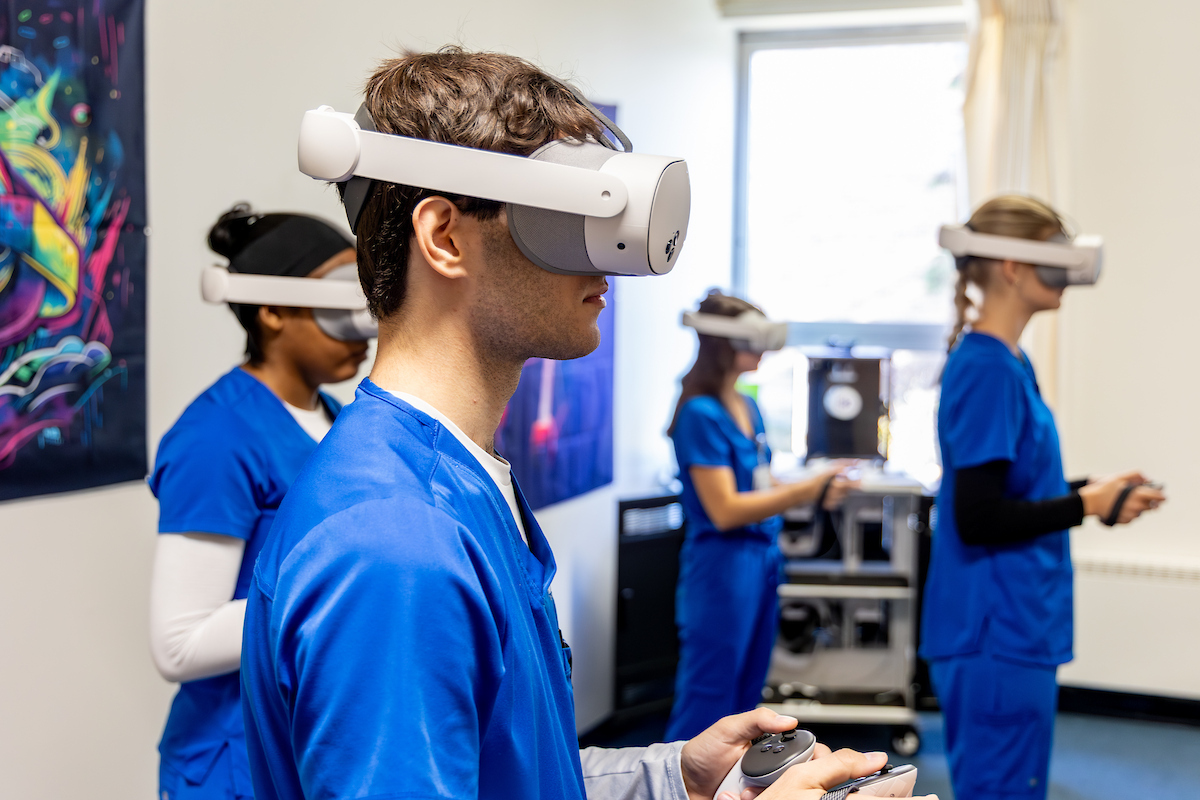
At CUW, a new virtual reality lab will make those learning experiences possible, giving students another way to develop the skills and confidence they need for their future careers.

While nursing students will be among the primary users, the lab is designed to serve disciplines across campus, opening new possibilities for hands-on learning through immersive technology, artificial intelligence and realistic simulations.

More than a technological advancement, the lab represents another way CUW is preparing students to put their knowledge into practice and serve others with competence and compassion.


Preparing nurses for real-world decisions

For nursing students, clinical experiences are an essential part of their education. Working alongside health care professionals in real clinical settings allows students to apply classroom knowledge, develop critical thinking skills and learn to care for patients.

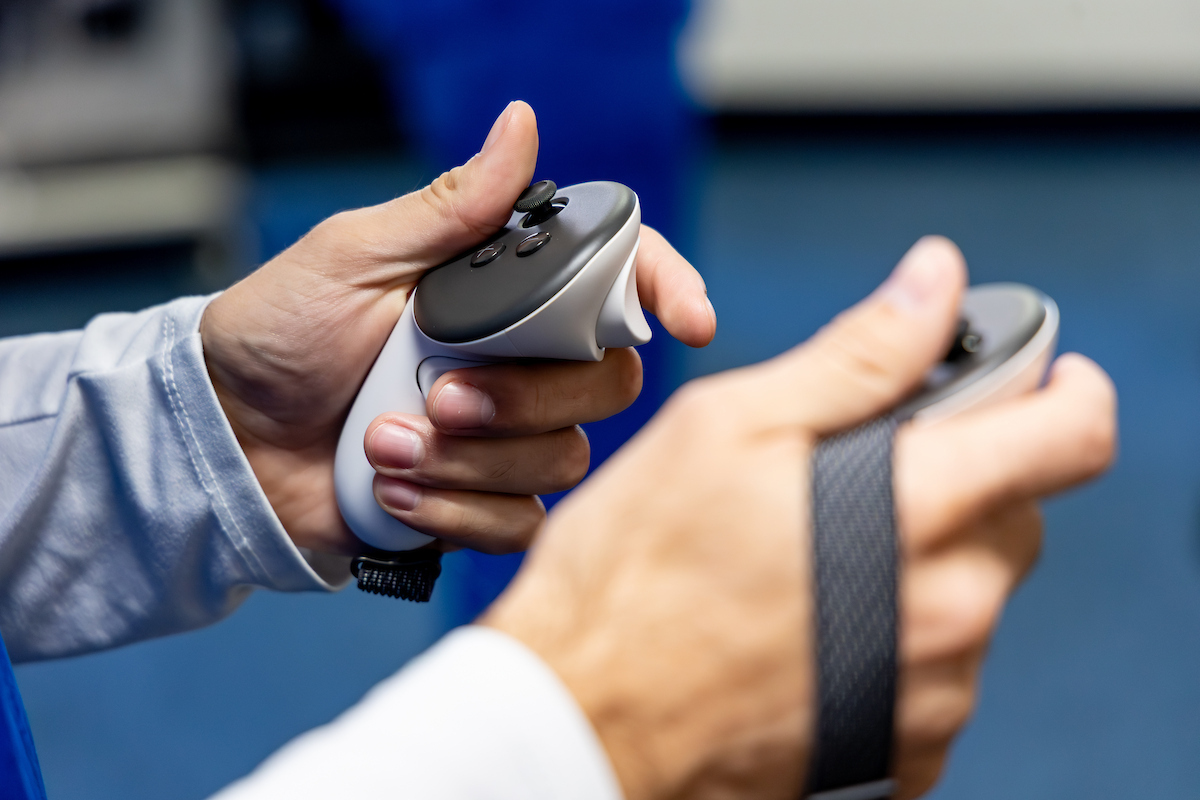
Virtual reality offers an additional layer of preparation.

“VR provides multi-patient access to specifically practice assessments, delegation, prioritization, and communication. These are key aspects of nursing that maximize patient safety and the care provided to them,” said Tina Gaffney, CUW’s simulation and VR center director, psychiatric wellness coordinator and nursing instructor.

Through virtual simulations, students can practice managing multiple patients and determining which needs require their immediate attention. They can also work through decisions about delegating responsibilities, communicating with patients and coordinating care.

These are skills that can be challenging to practice extensively during traditional clinical rotations, where students generally focus on providing bedside care to individual patients.

The lab will use clinical simulation scenarios from Wolters Kluwer, a company whose educational programs are already familiar to CUW nursing students. Faculty and staff will guide students through preparation and reflection sessions before and after each simulation, helping them evaluate their decisions and identify opportunities for improvement.

Unlike real clinical encounters, virtual scenarios can be repeated, giving students additional opportunities to practice, learn from mistakes and strengthen their clinical judgment in a controlled environment.

Gaffney believes this additional preparation will help bridge the gap between nursing education and the demands of professional practice.

“VR will test these concepts further for the students to be more practice ready at graduation,” she said.

Combining clinical skills with compassionate care

Although VR introduces new technology into nursing education, the ultimate goal remains deeply human: preparing nurses to care for people.

At CUW, nursing education emphasizes treating the whole person, recognizing that physical health is only one part of a patient’s well-being.

“At Concordia in nursing we educate on caring for the patient mind, body, and spirit,” Gaffney said. That approach reflects CUW’s Christian mission.

Nursing students learn to consider the physical, psychological, social, spiritual and financial factors that can influence a person’s health. Understanding those circumstances helps future nurses develop care plans that address individual needs while respecting the realities of each patient’s life.

Virtual reality, particularly when combined with AI, creates opportunities to practice those important interpersonal skills.

Students could encounter virtual patients facing complex health challenges, work through sensitive conversations and explore how their responses influence patient care. Such experiences can help them develop not only sound clinical judgment but also the communication skills and compassion essential to the nursing profession.

“We have to show compassion for each person individually and make care plans that fit into their needs and are attainable with their lives in the community,” Gaffney said.

By providing opportunities to practice those conversations, the lab can help students become more comfortable responding to patients with different needs and circumstances.


A resource for learning across campus

Although nursing will be a major focus, the new VR lab has the potential to benefit students throughout Concordia.

Gaffney said the lab will be available to nursing students at every level, from undergraduate education through the upcoming certified registered nurse anesthetist (CRNA) program. Faculty in occupational therapy, social work, psychology and pharmacy have also expressed interest in exploring its applications.

For students preparing to enter professions that involve direct interaction with patients or clients, the technology could offer valuable opportunities to practice communication, assessment and decision-making.

For example, students may be able to rehearse challenging conversations with people living with dementia or those with mental health conditions. Pharmacy students could practice patient education and sensitive discussions, while students in other disciplines could explore scenarios relevant to their future professional responsibilities.

AI-powered interactions are especially promising because they could allow students to practice responding to a range of situations in a simulated environment.

“It really comes down to practice, practice, practice – with VR being another tool for students to become practice ready in whatever field they are going to be using their degree in moving forward,” Gaffney said.


Looking ahead: The future of immersive learning

While the new lab offers exciting possibilities today, advances in technology could make immersive learning even more accessible in the years ahead.

Dr. Michael Litman, professor and chair of computer science, program director for the master’s programs in computer science and artificial intelligence, and co-founder of Concordia’s AI & Quantum Innovation Lab, sees virtual reality evolving into experiences that blend digital information with the physical world.

“I think VR is going to become more immersive with less hardware moving forward,” Litman said.

As headsets become lighter and more comfortable, augmented reality (AR) could allow students to interact with virtual elements while remaining present in their actual surroundings.

Rather than entering a completely virtual environment, students could one day practice skills using digital objects and scenarios integrated into familiar classrooms and shared learning spaces.

Litman envisions a future in which students can practice together without relying on physical training materials for every exercise, potentially reducing waste while creating new opportunities for collaboration.

He also sees significant possibilities in the convergence of AI, robotics and other emerging technologies, particularly in health care.

These advances could eventually help health care professionals perform complex procedures with greater precision while retaining the human judgment essential to patient care.

For Concordia students, learning to engage thoughtfully with emerging technologies may become an increasingly important part of professional preparation.

Innovation with a purpose

As Concordia explores the possibilities of virtual reality, the new lab reflects a commitment to combining innovative education with meaningful service.

For nursing students, that means more opportunities to practice making decisions, communicating with patients and coordinating compassionate care. For students across campus, it offers a new environment to develop professional skills and prepare for real-world challenges.

And for faculty, it creates opportunities to explore new approaches to teaching that connect classroom knowledge with practical experience.

Gaffney hopes the technology will ultimately help students develop the confidence and critical thinking skills needed to serve patients as individuals.

“We can really challenge them to critically think through what they will need to do as a nurse, who is expected to often play many roles, while giving patients that individual whole person-centered care required,” she said.

At Concordia, the technology may be new, but the purpose behind it is familiar: equipping students with the knowledge, skills and compassion to make a difference in the lives of others.

Note: CUW nursing has a story to tell through the students, faculty, alumni and experiences shaping the next generation of compassionate, skilled nurses. As we look ahead to the completion of our expanded nursing wing, we will showcase the strength of our program, the people behind its success and the opportunities this new space will create. Each feature will explore how nursing education brings together academic excellence, hands-on learning, faith and a commitment to serving others.


Want in?

Concordia University Wisconsin is a Lutheran higher education community committed to helping students develop in mind, body and spirit for service to Christ in the Church and the world.

Concordia receives approval for reduced-credit bachelor’s degree program

New Social Work pathway offers students a more efficient path to earning a bachelor’s degree


Concordia University Wisconsin has received approval from the Higher Learning Commission to offer a reduced-credit bachelor’s degree program in Social Work, creating a new pathway for students to complete their degrees in less time and at a lower overall cost.

The new structure is part of Concordia’s efforts to make earning a college degree more accessible and affordable while preparing graduates to serve in their professions and communities. The Bachelor of Social Work program will now offer a program that requires only 92 credits, in addition to the current 120-credit option.

More opportunities, fewer barriers

CUW already offers students choice through two Council on Social Work Education (CSWE)-accredited BSW formats: an in-person program on our Mequon campus and a fully online program designed to provide flexibility for working adults and students across a wide geographic area.

“What excites me most about offering Social Work as a reduced-credit bachelor’s degree is the opportunity to make a BSW more accessible to students who may not otherwise see a four-year degree as attainable,” said Nichole Ostrowski, Bachelor of Social Work (BSW) program director and assistant professor.

“Educational equity and accessibility have been guiding values throughout the design of this proposal. By creating a more affordable and faster pathway to a BSW, we hope to reach more students who have the passion and potential to become caring, skilled social workers but may face financial, family, or work-related responsibilities, including first-generation, veteran, low-income, and nontraditional learners.”

Expanding access to a mission-driven education

The new program reflects Concordia’s commitment to finding innovative approaches to higher education that meet the needs of today’s students while supporting its mission to develop students in mind, body and spirit for service to Christ in the Church and the world.

Classes within this new program begin in fall of 2027. The 92-credit BSW is one of the first programs of its kind in Wisconsin.

While the number of credits differs, the professional preparation does not. Both 92-credit and 120-credit BSW students complete the same rigorous upper-division social work courses, assignments, field education, and competency-based learning outcomes consistent with the Council on Social Work Education standards.


Want in?

Concordia University Wisconsin is a Lutheran higher education community committed to helping students develop in mind, body and spirit for service to Christ in the Church and the world.


Meeting a Growing Need: Concordia Prepares the Next Generation of Physical Therapists

At Concordia University Wisconsin, the Doctor of Physical Therapy (DPT) program prepares students to become highly skilled clinicians who are equipped to serve patients with compassion, expertise, and purpose.


That commitment to excellence is reflected in Concordia’s recognition as a 2026 Best Graduate School by U.S. News & World Report.

Through a rigorous academic experience, hands-on clinical training, and a Christ-centered approach to care, Concordia equips future physical therapists to make a meaningful impact in the lives of their patients and communities.


Focused on what matters most: Outcomes and preparation

Physical therapy is a profession grounded in trust, expertise, and real-world application. Demand for physical therapists continues to grow nationwide, with job growth projected to increase 11% over the next decade, according to the U.S. Bureau of Labor Statistics. As a result, the need for well-prepared, patient-centered clinicians has never been greater.

An aging population, increased focus on mobility and quality of life, and advances in rehabilitation are all contributing to expanded opportunities across the field. Physical therapists play a critical role not only in recovery from injury, but in helping individuals maintain independence and long-term health.

The physical therapy profession continues to evolve with more clinical practice areas and increasing professional autonomy. For example, physical therapists are practicing in expanding practice areas such as oncology, women’s health and telehealth.  Furthermore, professional privileges such as ordering medical imaging improve patient access and enhance the position of physical therapists as primary providers in the healthcare system.

Concordia’s doctoral program emphasizes clinical readiness—developing practitioners who can evaluate, diagnose, and treat movement dysfunction across diverse patient populations. Students engage in a comprehensive curriculum that blends foundational sciences with applied clinical practice, preparing them for licensure and long-term success in the field.

“Our focus has always been on preparing students to be excellent clinicians—individuals who can think critically, adapt to complex situations, and provide high-quality care,” said Dr. Dale Gerke, chair of the physical therapy program. “That’s what ultimately defines the strength of a program.”


Hands-on learning in a collaborative environment

Experiential learning is central to Concordia’s DPT program. Students gain extensive hands-on experience through lab work, simulation and multiple clinical education placements in a variety of healthcare settings.

Faculty bring deep clinical expertise into the classroom, creating a learning environment that is both academically rigorous and highly practical. Small class sizes and close faculty mentorship ensure that students are supported throughout their academic and professional journey.

Graduates leave the program well-prepared to meet the demands of the profession, with the skills and confidence needed to serve patients effectively and compassionately.

“Our Doctor of Physical Therapy program is designed to prepare students for meaningful, impactful careers in healthcare,” said Dr. Linda Samuel, dean of the School of Health Professions. “Our Christ-centered environment makes a difference by shaping graduates who not only excel clinically, but who approach each patient with compassion, integrity and a true sense of calling.


Want in?

The Doctor of Physical Therapy (DPT) program at Concordia University Wisconsin combines strong academic preparation with extensive hands-on clinical experience to develop practice-ready clinicians. Grounded in a Christ-centered learning environment, the program equips graduates to deliver high-quality, compassionate care across a variety of healthcare settings.


New CUW–ICOM partnership opens doors to medical school

Concordia University Wisconsin today announced an important new partnership with the Idaho College of Osteopathic Medicine with the goal of bringing medical school education to its Mequon campus.


Through this agreement, ICOM and CUW will work together to create streamlined pathways for students pursuing careers in medicine, including eventual plans to establish an ICOM instructional site on the CUW campus. The partnership includes an articulation agreement that facilitates qualified Concordia students’ admission into ICOM’s Doctor of Osteopathic Medicine program. The articulation agreement is effective immediately, and plans to establish an ICOM-CUW satellite campus in Mequon are contingent upon the approval by the Commission on Osteopathic College Accreditation.

“This partnership builds directly on Concordia’s strong tradition in the health sciences,” said Dr. Erik Ankerberg, president of Concordia. “We are expanding what’s possible for our students—creating a clearer, more connected path from undergraduate study into medical school while strengthening our Christ-centered role as a leader in preparing healthcare professionals. This is a natural next step for Concordia and a significant benefit for the students and communities we serve.”

In addition to creating new medical school pathways, the partnership establishes opportunities for dual faculty appointments, shared research, interprofessional education and other collaboratives that will enhance the teaching, learning, and scholarly experiences for students and faculty at both institutions.


Importantly, the partnership will also create new and expanded opportunities for ICOM students to complete clinical rotations in the Midwest, broadening their exposure to diverse patient populations and large healthcare systems. At the same time, the collaboration is expected to strengthen the healthcare workforce pipeline—particularly in primary care—by helping bring more physicians to underserved communities across Wisconsin and the region.

“This partnership represents a meaningful step forward in our shared commitment to educating the next generation of physicians,” said Dr. Tracy J. Farnsworth, president of ICOM. “By working together, we are not only expanding opportunities for aspiring medical students but also helping to address critical physician workforce needs in our communities.”

ICOM, Idaho’s first osteopathic medical school, has a mission centered on training future physicians with a focus on service to communities with limited access to healthcare. CUW offers a range of health professions programs designed to prepare students for impactful careers in healthcare and related fields. Together, ICOM and CUW aim to build a stronger, more sustainable healthcare workforce while creating meaningful educational opportunities for students across the region.


Want in?

Concordia University Wisconsin is a Lutheran higher education community committed to helping students develop in mind, body and spirit for service to Christ in the Church and the world.

Concordia’s Occupational Therapy Program Ranked Among Top 25% Nationally

At Concordia University Wisconsin, a commitment to preparing students for lives of purpose and service continues to gain national recognition. Concordia’s Occupational Therapy program is ranked among the top 25% of programs nationwide by U.S. News & World Report in its 2026 Best Graduate Schools rankings.


With more than 500 occupational therapy programs across the country, this distinction reflects Concordia’s growing reputation for academic quality, hands-on preparation, and faith-centered formation.


A program grounded in purpose

Occupational therapy is about helping individuals live fuller, more independent lives—whether recovering from injury, navigating developmental challenges, or adapting to life changes. At Concordia, that work is rooted not only in clinical excellence, but in a deeper sense of calling.

Students in both the Master of Occupational Therapy (MOT) and entry-level Occupational Therapy Doctorate (OTD) programs are prepared to serve with compassion, skill, and integrity—equipped to make a difference in the moments that matter most.

“Being recognized among the top 25% of occupational therapy programs nationally is an affirmation of the work our faculty and students are doing every day,” said Dr. Meghan Watry-Christian, chair and director of Occupational Therapy. “We are proud to prepare occupational therapists who lead with both high levels of competence and a strong sense of purpose.”


Hands-on learning that makes a difference

Concordia’s OT programs emphasize experiential learning from the start. Through hands-on lab experiences, hospital simulations, treating in the campus clinic, community engagement, and fieldwork placements, students gain the practical skills needed to thrive in a wide range of settings—from hospitals and rehabilitation centers to schools and community-based organizations.

Faculty bring both academic expertise and real-world experience into the classroom, mentoring students as they develop clinical reasoning, problem-solving abilities, and a client-centered approach to care.


Flexible pathways to advance your calling

Whether students are beginning their journey or advancing their professional goals, Concordia offers pathways designed to meet them where they are:

Both programs are designed to support students academically, professionally, and personally—within a Christ-centered community that values growth in mind, body, and spirit.

“This recognition speaks to the strength of our health professions programs and the intentional way we prepare students for impactful careers,” said Dr. Linda Samuel, dean of the School of Health Professions. “We are committed to developing graduates who are not only highly skilled, but who serve with compassion and purpose in their communities.”


Want in?

Concordia’s OT program makes stepping forward in your calling as an occupational therapist attainable no matter where you are in your journey. Our multiple program pathways and hybrid course formatting will prepare you holistically through our faith-based, student-centered curriculum, and diverse, hands-on, clinical experiences. You’ll graduate ready to help your patients thrive in a variety of settings.


One day makes a difference: CUW research shows how inactivity reshapes the body’s response to exercise

Concordia University Wisconsin’s Department of Physical Therapy is celebrating a major research milestone — and building momentum for what comes next.


The first externally-funded study from Dr. Kevin Gries’s integrative physiology lab has been published in the American Journal of Physiology–Endocrinology and Metabolism, and the American Heart Association (AHA) has awarded the project an additional year of funding.

Together, the publication and grant extension mark a significant achievement for Gries and highlight Concordia’s growing research presence in exercise science and health physiology.


Why this research matters

Most people understand that regular exercise supports good health. What is less understood is how even brief periods of inactivity affect the body — especially when exercise resumes.

Gries and his research team set out to answer a deceptively simple question: How does a single day of reduced physical activity change the body’s metabolic and molecular response to exercise the following day?

“We wanted to understand whether short-term inactivity could blunt the benefits of exercise — and the answer is yes,” Gries said.

This question has important implications for health, fitness, aging, and chronic disease. Emerging evidence suggests that short-term inactivity can disrupt many of the beneficial adaptations typically triggered by exercise, even in otherwise healthy individuals.


How the study was conducted

Using a rigorous crossover study design, researchers asked healthy adults to complete two exercise trials:

  • After a normal activity day of greater than 8,500 steps
  • After a reduced activity day of less than 5,000 steps

After each day, participants completed 60 minutes of aerobic exercise at 65 percent effort – a standard exercise bout. To understand what was happening inside the body, the research team conducted an unusually comprehensive analysis, including:

  • Skeletal muscle biopsies before and four hours after exercise
  • RNA sequencing of the biopsied skeletal muscle to measure changes in more than 20,000 genes
  • Metabolic gas measurements during exercise
  • Blood samples to track key metabolic markers during exercise and recovery

This level of molecular and metabolic analysis is rarely conducted at small institutions. The grant funding allowed CUW to expand its research capabilities through the purchase of point-of-care blood analyzers and specialized equipment for skeletal muscle biopsies — a technique new to CUW and uncommon in academic settings.


Key findings

The study revealed that even one day of reduced activity significantly altered how the body responded to exercise.

Muscle responses were dramatically different:
At rest, nine genes related to metabolism differed after a low-activity day, which suggests that one day of inactivity already changed skeletal muscle. During exercise, however, inactivity altered the expression of 1,403 genes, compared to 793 genes after a normal activity day. The differences between these gene changes were linked to inflammation, metabolism, immune responses and cell cycle regulation.

Fuel use shifted toward carbohydrates:
After a low-activity day, participants burned more carbohydrates and less fat during exercise, indicating reduced metabolic efficiency.

Blood lipid levels increased:
After a single day of inactivity, triglycerides were higher throughout exercise and recovery — an early marker associated with increased metabolic disease risk.

Fuel substrates within the skeletal muscle changed:
A single day of inactivity caused the muscle to have the fuel source (metabolites) similar to those of older adults or people with obesity.

These findings showed that walking more than 8,500 steps per day produced a meaningfully different exercise response than walking fewer than 5,000 steps, even when structured exercise was the same.


A clear takeaway: movement outside exercise matters

Gries’s findings reinforce a simple but powerful message: you cannot exercise your way out of being sedentary.

Formal exercise remains essential, but daily movement — standing up, walking regularly, and reducing prolonged sitting — is equally important. Even small changes, such as taking a five-minute walk every hour, can help support healthier physiological responses.

“This research shows we need to think beyond exercise alone,” Gries said. “Daily activity matters just as much as structured workouts. Small changes — like taking a short walk every hour — can make a meaningful difference.”

A team effort with student involvement

The project depended on the dedication of a strong research team, including Concordia students who gained hands-on experience in participant testing, muscle biopsy preparation, and data collection.

 “Working on this project gave me meaningful exposure to the rigor behind high-quality research and strengthened my confidence working in research environments.”

— Jonathan Baranowski, pharmacy student involved in the project

Contributing researchers included Joseph McGraw, Emily Goetz-Sutinen, Jessica Grimm, Jonathan Baranowski (pharmacy student), and Mark Berres (faculty member at the University of Wisconsin–Madison). Their involvement reflects CUW’s commitment to high-impact, experiential learning and advanced research training for students.

 “It was an honor and privilege to collaborate with Dr. Kevin Gries on this study,” said Joe McGraw, a pharmaceutical science professor in the School of Pharmacy. “The impact of exercise on chronic illness cannot be understated. Exercise often surpasses drugs for chronic illness prevention and treatment outcomes. The important work of exercise physiologists like Dr. Gries continues to highlight these findings. As we seek to optimize health and longevity, I look forward to future collaborations with him.”


Grant success and what comes next

The original two-year AHA grant totaled $154,000 and concluded at the end of 2025. Due to the project’s success, the American Heart Association awarded an additional year of funding — nearly $74,000—to extend the research into 2026.

 “The one-year extension of Dr. Gries’s prestigious American Heart Association grant is a testament to his ability to execute high-level science at our university,” McGraw said. “The ability, commitment and perseverance necessary to accomplish this work by Dr. Gries and his team cannot be understated.”

Grant funding has also supported professional development, allowing Gries to present findings at national and international conferences, including the American College of Sports Medicine meetings in Boston and Atlanta, the Mitochondrial Physiological Society conference in Copenhagen, and the Integrative Physiology of Exercise conference at Penn State.

Looking ahead, Gries plans to investigate how aging affects exercise response biology, and whether changes are driven by aging itself or by declining physical activity levels over time.

“Understanding whether changes in exercise response are due to aging or inactivity is the next critical question,” Gries said. “This research opens the door to rethinking how we approach physical activity guidelines across the lifespan.”


About Dr. Kevin Gries

Gries is an assistant professor of physical therapy whose research focuses on exercise physiology, skeletal muscle biology, metabolic health, and the molecular adaptations to activity and inactivity. His work supports Concordia’s mission to advance health science research while equipping students to understand the human body from whole-body performance down to cellular function.


Read the full study

“A Single Day of Reduced Activity Alters the Next Day’s Transcriptomic and Metabolic Exercise Response” in the American Journal of Physiology–Endocrinology and Metabolism.

Student Alexis Mader contributed to this article.


Want in?

Concordia University Wisconsin is a Lutheran higher education community committed to helping students develop in mind, body and spirit for service to Christ in the Church and the world.


Concordia University Wisconsin helps address the healthcare workforce shortage

Across Wisconsin and the nation, healthcare systems are facing a critical workforce shortage. Hospitals, clinics, long-term care facilities, and community health organizations continue to feel the strain as demand for care grows and staffing gaps widen.


Concordia University Wisconsin is helping meet this urgent need by preparing 388 healthcare graduates in the class of 2025 who are ready to serve where they are most needed.

“Nursing shortages are being felt in every corner of healthcare, from hospitals and clinics to long-term care and community settings,” said Jessica Leiberg, PhD, DNP, dean of the School of Nursing at CUW. “Our calling as a School of Nursing is to prepare graduates who are clinically prepared, compassionate in their care, and ready to serve patients and families from the moment they enter the profession.”

Graduates stepping into high-demand healthcare roles

In 2025, CUW awarded 1,772 degrees, many in healthcare and health-related fields that are experiencing significant workforce shortages. These graduates are entering the profession prepared to serve patients, families, and communities across the region and beyond.

This year’s healthcare-related graduates include:

Together, these graduates are helping fill critical gaps in nursing, pharmacy, rehabilitation sciences, behavioral health, primary care, and healthcare administration — areas where workforce shortages directly affect patient outcomes and access to care.


Education rooted in service and purpose

Concordia’s approach to healthcare education is grounded in its Lutheran mission to develop students in mind, body and spirit for service to Christ in the Church and the world. Students are prepared not only with clinical knowledge and professional skills, but also with a strong sense of vocation and responsibility to serve others with compassion and integrity.

“At Concordia, we emphasize care for the whole person,” Leiberg said. “Our students learn that nursing is both a profession and a vocation — one that requires excellence, integrity and a deep commitment to serving others.”

Graduates leave CUW ready to step into frontline and specialized roles, equipped to care for patients, support clinical teams, and strengthen the healthcare systems their communities rely on.


Strengthening communities through workforce impact

At a time when healthcare workforce shortages dominate national and state conversations, CUW’s graduates represent immediate, tangible impact. They are joining healthcare teams, supporting clinical partners, and helping stabilize systems that communities depend on every day. As healthcare challenges continue to evolve, CUW remains committed to preparing skilled, compassionate professionals who are ready to meet today’s urgent needs and tomorrow’s challenges

Want in?

Concordia University Wisconsin is a Lutheran higher education community committed to helping students develop in mind, body and spirit for service to Christ in the Church and the world.


WTMJ 4: Concordia PT students start tradition to kick off graduation festivities

Two CUW physical therapy students were featured on Milwaukee television news station in celebration of the inaugural white coat ceremony.


Concordia University Wisconsin’s physical therapy students reached a historic milestone this December with their program’s first-ever white coat ceremony — a moment so significant it caught the attention of a local news station. The story highlighted how this new tradition, launched during graduation week, marks an important transition for students moving from classroom learning to clinical practice.

The inaugural ceremony, held on Friday evening, Dec. 12, 2025, was thoughtfully organized by PT students, including Jamie Schneider and Annabella Kolinski, who were featured in the news segment. The group’s vision was to provide a meaningful way for its student cohort to pause and celebrate their academic journey before stepping into professional roles. “We’re just making sure our cohort has this moment to celebrate,” Schneider told the reporter. Kolinski added, “It is a surreal moment for sure.”

As family and friends looked on, each student received their white coat, a long-standing symbol in the medical field that now takes on personal meaning for this group of Concordians. Program chair and alumnus Dr. Dale Gerke praised the students’ efforts, noting that they had been planning this event since their first year in the program. “It’s really a symbolic celebration of everything they have accomplished academically,” he said.

This new tradition reflects Concordia’s commitment to developing students in mind, body, and spirit for service to Christ in the Church and the world — and honors the initiative of students who live out that mission in meaningful ways.

Take a look at the segment (and blog) by clicking here.


Want in?

Concordia University Wisconsin is a Lutheran higher education community committed to helping students develop in mind, body, and spirit for service to Christ in the Church and the world.


Director Spotlight: Christine Schultz

picture of woman in newspaper clipping
Schultz worked in the Advancement office as a student worker and someone snapped a picture of her at that time.

Christine “Chris” Schultz, a CUW alumna with a bachelor’s degree in elementary education and in parish music, and a master’s degree in special education and in leadership studies, is the new director of the Academic Resource Center & Accessibility Services. Chris is a former parish music director, special education teacher, and special education administrator; she most recently served as Director of Student Services at the School District of North Fond du Lac, in which she led the special education department and created programs like the Bridge Program.

She brings expertise in transition services for students with disabilities, along with proven skills in program development, team leadership, and fostering community partnerships. Chris is thrilled to return to her Concordia roots in a Christ-centered community.


Q&A with Chris

Why CUW?

The opportunity to work full-time with college students at my alma mater in one of my favorite cities on a gorgeous lake was impossible to resist.   

What do you like to do for fun?

I enjoy walking, reading, gardening, live music, and spending time with family and friends. 

What are you most proud of in your career?

I am most proud of my students and staff over the years who were willing to step outside of their comfort zones to grow as people and develop new skills. It is a blessing to foster success in others and serve as a coach and mentor. 

As the new director, what are you most excited about?

I am grateful for our talented and dedicated ARC team, and I look forward to building positive relationships with our students and ensuring that barriers are removed.

What do you love about Concordia?

The atmosphere at CUW is warm and positive. The University is rated as one of the safest campuses in the nation promoting peace of mind.

What’s the most interesting part about ARC?

We love interacting with our students and encourage them to stop by often to connect. So please come in, ask questions, and enjoy a cup of coffee, tea, or hot chocolate.

Our mission is to provide access for our students pursuing their dreams.

Why should students utilize ARC?

It is a FREE, full-service learning support center for all students! We recommend being proactive and utilizing our resources, including tutoring, the math drop-in desk, the writing center, supplemental instruction (peer-led group study sessions and exam reviews), peer coaching, adult literacy, academic support, and retention programs (STAR and Prosper).

Favorite Bible verse?

“Have I not commanded you? Be strong and courageous. Do not be afraid; do not be discouraged, for the Lord your God will be with you wherever you go.” – Joshua 1:9.

This was my confirmation verse. The words have reassured me throughout my life and serve as a good reminder to put my trust in the Lord. His plan is always better than mine. 

Want to learn more?

Concordia University Wisconsin is a Lutheran higher education community committed to helping students develop in mind, body, and spirit for service to Christ in the Church and the world. The Academic Resource Center (ARC) provides free services, programs, and support for all CUW students so they can grow into independent learners and adjust to life as a college student by offering:

A Typical Week as a Echocardiograph Student

Senior, Kylee Barrett, tells us what its like being an Echocardiography student


As a sonography student, I start early most mornings, usually with coffee. From there, I head to either class or a clinical site. As a senior student, our clinics are three days a week, usually Monday, Wednesday, and Friday. Clinical consists of eight-hour days at various Southeast Wisconsin locations, where I practice my skills and apply the knowledge I learn in class. The Aurora St. Luke’s Medical Center, School of Diagnostic Sonography, is where didactic courses and clinical rotations occur. Clinical rotations are a month long and dedicated to a specific area of echocardiography, for example: cardiac stress testing, structural heart disease, and interventional cardiology. I visit a new hospital or clinic within the Advocate Aurora system each month and practice echocardiography or vascular sonography. These rotations allow me to see a wide variety of different scanning techniques and patient populations. Clinical experience is the most crucial part of sonographer education, enabling you to understand different anatomical features and pathologies further.

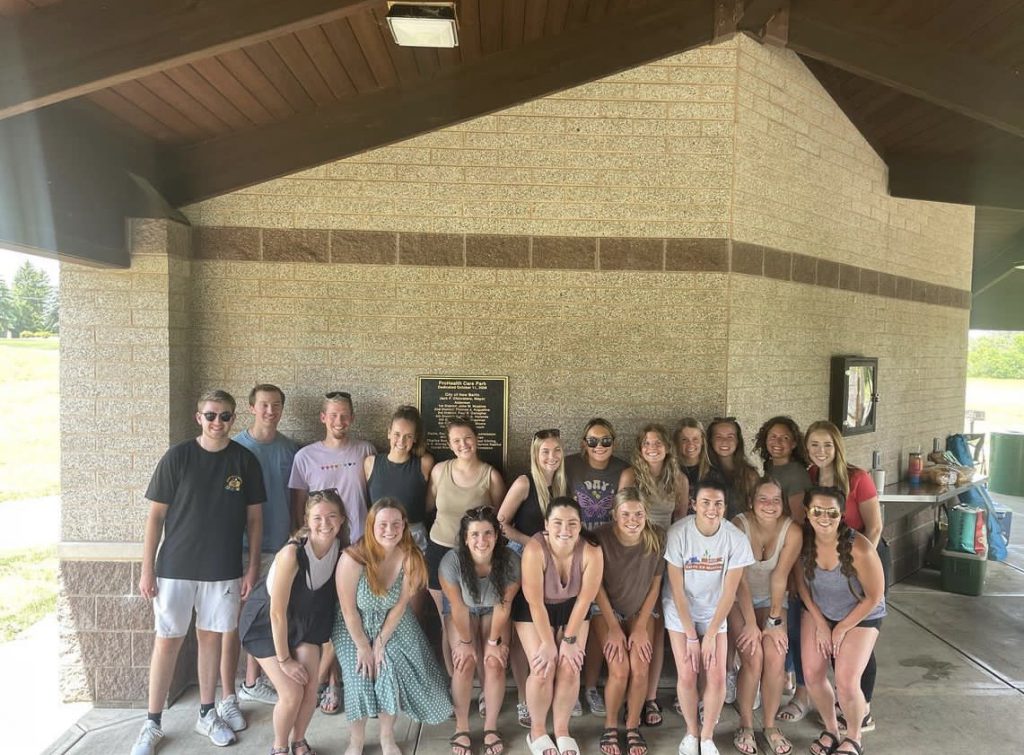
Aurora, St. Luke’s Medical Center School of Diagnostic Medical Sonography class of 2024 at summer picnic

The other two days of the week are lecture and scan lab days. I either have one class and a scan lab or two classes. These days are typically shorter and sometimes have independent study opportunities. During Independent study, professors are generally available to help with practice scanning. Practice scanning is done with another classmate in our scan labs. Our classmates work together developing study material and projects such as case studies and practical scanning techniques. Usually, my days end with studying, working out, or having dinner with friends. Overall, my time at Aurora St. Luke’s Medical Center, School of Diagnostic Sonography, has given me fantastic opportunities to learn the world of echocardiography and vascular sonography and prepared me to be a real-world sonographer.


The Cardiac Sonography program at Concordia University works with Aurora St. Lukes to provide the best educational model for those pursing cardiac sonography. This partnership allows students to get extensive clinical experience, as well as in-class learning opportunities.


Want in?

The Department of Imaging at Concordia University Wisconsin encompasses two bachelor’s degree programs.

The Bachelor of Science in Diagnostic Medical Sonography (DMS) offers three distinct pathways to prepare learners to step forward into their calling as a medical sonographer: the undergraduate DMS certificate, in-person bachelor’s degree, or an online sonography completion program.

Meanwhile, the Bachelor of Science in Radiologic Technology, or rad tech program, is a two-plus-two offering. Students spend the first two years on the Concordia campus taking prerequisite classes before applying for placement into one of our JRCERT-accredited partner rad tech programs. The second two years are within the professional phase of the major and will consist of didactic and clinical coursework.

Learn more by clicking on the links below.


—Kylee Barrett is a student majoring in Echocardiography through Concordia University Wisconsin. She is currently a senior, graduating in May 2024.