New virtual reality lab at Concordia University Wisconsin brings hands-on learning to a new dimension


CUW’s new VR lab will help students develop practical skills, build confidence and prepare to serve others.


What if nursing students could practice caring for multiple patients, navigate difficult conversations and make critical clinical decisions before encountering those situations in a hospital?

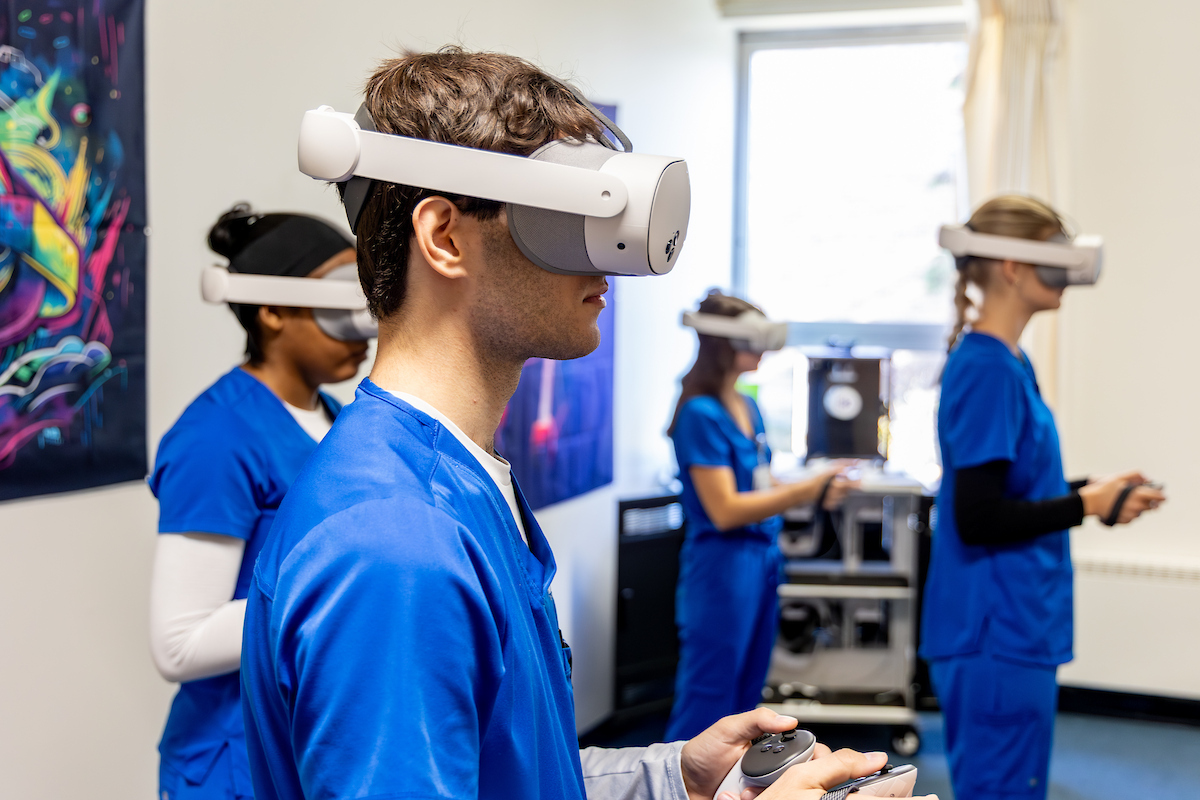
At CUW, a new virtual reality lab will make those learning experiences possible, giving students another way to develop the skills and confidence they need for their future careers.

While nursing students will be among the primary users, the lab is designed to serve disciplines across campus, opening new possibilities for hands-on learning through immersive technology, artificial intelligence and realistic simulations.

More than a technological advancement, the lab represents another way CUW is preparing students to put their knowledge into practice and serve others with competence and compassion.


Preparing nurses for real-world decisions

For nursing students, clinical experiences are an essential part of their education. Working alongside health care professionals in real clinical settings allows students to apply classroom knowledge, develop critical thinking skills and learn to care for patients.

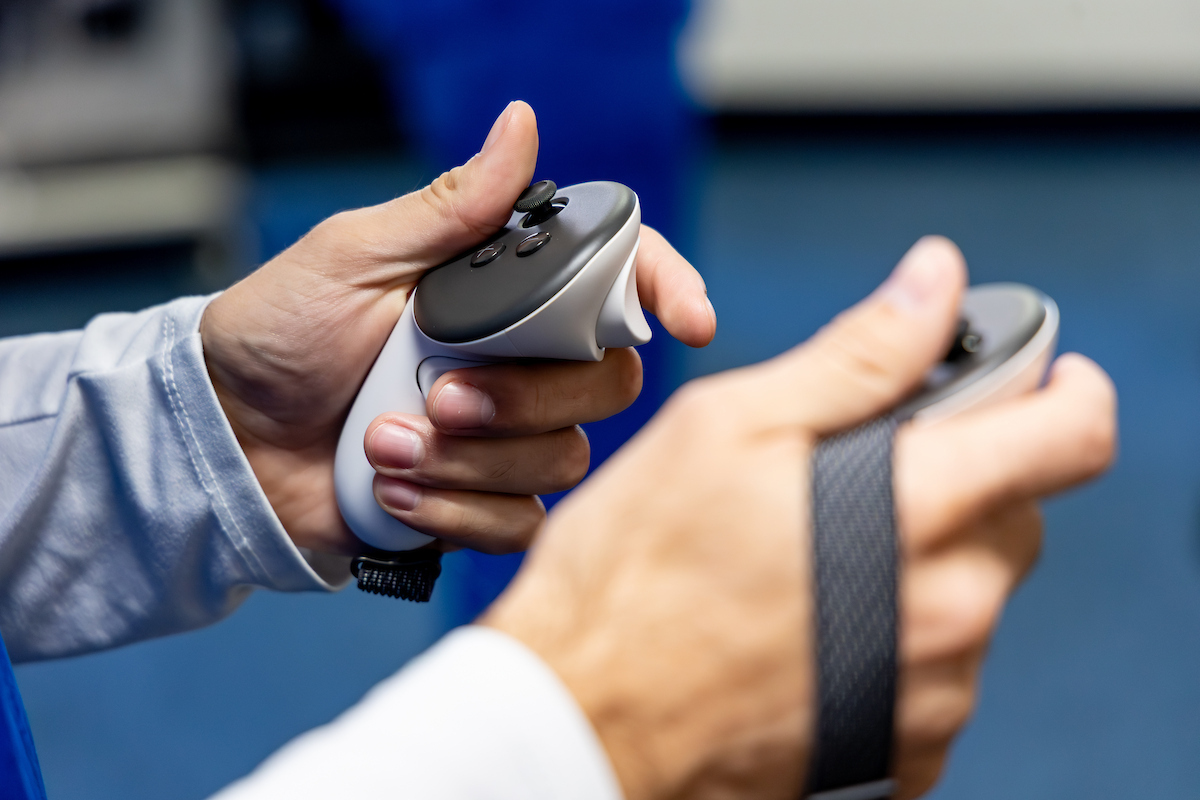
Virtual reality offers an additional layer of preparation.

“VR provides multi-patient access to specifically practice assessments, delegation, prioritization, and communication. These are key aspects of nursing that maximize patient safety and the care provided to them,” said Tina Gaffney, CUW’s simulation and VR center director, psychiatric wellness coordinator and nursing instructor.

Through virtual simulations, students can practice managing multiple patients and determining which needs require their immediate attention. They can also work through decisions about delegating responsibilities, communicating with patients and coordinating care.

These are skills that can be challenging to practice extensively during traditional clinical rotations, where students generally focus on providing bedside care to individual patients.

The lab will use clinical simulation scenarios from Wolters Kluwer, a company whose educational programs are already familiar to CUW nursing students. Faculty and staff will guide students through preparation and reflection sessions before and after each simulation, helping them evaluate their decisions and identify opportunities for improvement.

Unlike real clinical encounters, virtual scenarios can be repeated, giving students additional opportunities to practice, learn from mistakes and strengthen their clinical judgment in a controlled environment.

Gaffney believes this additional preparation will help bridge the gap between nursing education and the demands of professional practice.

“VR will test these concepts further for the students to be more practice ready at graduation,” she said.

Combining clinical skills with compassionate care

Although VR introduces new technology into nursing education, the ultimate goal remains deeply human: preparing nurses to care for people.

At CUW, nursing education emphasizes treating the whole person, recognizing that physical health is only one part of a patient’s well-being.

“At Concordia in nursing we educate on caring for the patient mind, body, and spirit,” Gaffney said. That approach reflects CUW’s Christian mission.

Nursing students learn to consider the physical, psychological, social, spiritual and financial factors that can influence a person’s health. Understanding those circumstances helps future nurses develop care plans that address individual needs while respecting the realities of each patient’s life.

Virtual reality, particularly when combined with AI, creates opportunities to practice those important interpersonal skills.

Students could encounter virtual patients facing complex health challenges, work through sensitive conversations and explore how their responses influence patient care. Such experiences can help them develop not only sound clinical judgment but also the communication skills and compassion essential to the nursing profession.

“We have to show compassion for each person individually and make care plans that fit into their needs and are attainable with their lives in the community,” Gaffney said.

By providing opportunities to practice those conversations, the lab can help students become more comfortable responding to patients with different needs and circumstances.


A resource for learning across campus

Although nursing will be a major focus, the new VR lab has the potential to benefit students throughout Concordia.

Gaffney said the lab will be available to nursing students at every level, from undergraduate education through the upcoming certified registered nurse anesthetist (CRNA) program. Faculty in occupational therapy, social work, psychology and pharmacy have also expressed interest in exploring its applications.

For students preparing to enter professions that involve direct interaction with patients or clients, the technology could offer valuable opportunities to practice communication, assessment and decision-making.

For example, students may be able to rehearse challenging conversations with people living with dementia or those with mental health conditions. Pharmacy students could practice patient education and sensitive discussions, while students in other disciplines could explore scenarios relevant to their future professional responsibilities.

AI-powered interactions are especially promising because they could allow students to practice responding to a range of situations in a simulated environment.

“It really comes down to practice, practice, practice – with VR being another tool for students to become practice ready in whatever field they are going to be using their degree in moving forward,” Gaffney said.


Looking ahead: The future of immersive learning

While the new lab offers exciting possibilities today, advances in technology could make immersive learning even more accessible in the years ahead.

Dr. Michael Litman, professor and chair of computer science, program director for the master’s programs in computer science and artificial intelligence, and co-founder of Concordia’s AI & Quantum Innovation Lab, sees virtual reality evolving into experiences that blend digital information with the physical world.

“I think VR is going to become more immersive with less hardware moving forward,” Litman said.

As headsets become lighter and more comfortable, augmented reality (AR) could allow students to interact with virtual elements while remaining present in their actual surroundings.

Rather than entering a completely virtual environment, students could one day practice skills using digital objects and scenarios integrated into familiar classrooms and shared learning spaces.

Litman envisions a future in which students can practice together without relying on physical training materials for every exercise, potentially reducing waste while creating new opportunities for collaboration.

He also sees significant possibilities in the convergence of AI, robotics and other emerging technologies, particularly in health care.

These advances could eventually help health care professionals perform complex procedures with greater precision while retaining the human judgment essential to patient care.

For Concordia students, learning to engage thoughtfully with emerging technologies may become an increasingly important part of professional preparation.

Innovation with a purpose

As Concordia explores the possibilities of virtual reality, the new lab reflects a commitment to combining innovative education with meaningful service.

For nursing students, that means more opportunities to practice making decisions, communicating with patients and coordinating compassionate care. For students across campus, it offers a new environment to develop professional skills and prepare for real-world challenges.

And for faculty, it creates opportunities to explore new approaches to teaching that connect classroom knowledge with practical experience.

Gaffney hopes the technology will ultimately help students develop the confidence and critical thinking skills needed to serve patients as individuals.

“We can really challenge them to critically think through what they will need to do as a nurse, who is expected to often play many roles, while giving patients that individual whole person-centered care required,” she said.

At Concordia, the technology may be new, but the purpose behind it is familiar: equipping students with the knowledge, skills and compassion to make a difference in the lives of others.

Note: CUW nursing has a story to tell through the students, faculty, alumni and experiences shaping the next generation of compassionate, skilled nurses. As we look ahead to the completion of our expanded nursing wing, we will showcase the strength of our program, the people behind its success and the opportunities this new space will create. Each feature will explore how nursing education brings together academic excellence, hands-on learning, faith and a commitment to serving others.


Want in?

Concordia University Wisconsin is a Lutheran higher education community committed to helping students develop in mind, body and spirit for service to Christ in the Church and the world.


Serving with excellence: Faculty, staff, student and alumni achievements (summer 2026)

As part of our ongoing commitment to recognizing excellence, we regularly celebrate the achievements of the Concordia community.


Twice each year, we gather stories that reflect the many ways members of the Concordia community are living out their callings in service to the Church, their professions and the world. Whether through professional advancement, academic achievement, creative pursuits or service to others, these milestones showcase the gifts and dedication of Concordians across generations.

We are grateful for the many ways they strengthen our university and serve their communities with purpose and care.


FACULTY/STAFF

Article published in Christian journal

HOSA Educational Excellence Award


STUDENTS

Student award winners

  • Graduate Mikayla Dolan exemplifies what it means to lead through service. A double major in psychology and social work, she has been a driving force across campus—serving as president of the Psychology Club, executive director of the Social Work Student Organization, and faith associate. This past spring, Dolan spearheaded the Feed My Starving Children initiative, leading a campus-wide effort that raised over $30,000 to combat global hunger. Her research, “Academic Self-Efficacy and Social Media Usage Among College Students,” reflects her commitment to student well-being, while her practicum at Lakeshore Regional Children’s Advocacy Center highlights her passion for advocacy and care. A recipient of the E. R. Brann Citizenship Award, Dolan will attend Marquette University Law School, where she will continue to serve as a powerful advocate for others. 
  • Autumn Snow’s work reflects both intellectual curiosity and a clear sense of purpose. Her research, “Cognitive Behavioral Therapy Techniques and Female Athlete Performance Anxiety,” demonstrates a thoughtful and applied approach to supporting student well-being. Through her practicum at Affiliated Clinical Services, she gained hands-on experience in therapy and psychological assessment. Snow will pursue a Master of Science in Clinical Mental Health Counseling at the University of Wisconsin–Milwaukee.
  • Micah Yurk distinguished himself through exceptional academic performance and thoughtful engagement throughout his time in the program. He approached his work with strong analytical thinking, creativity and a deep commitment to learning. Yurk’s research, “The Relationship Between Religious Participation and Coping Strategies,” reflects his ability to meaningfully integrate psychology and faith. Through his practicum at Lutheran Child and Family Services, he supported children and families in adoption and foster care settings, bringing compassion and purpose to his work. Yurk will attend Concordia Seminary in St. Louis as his prepares for ministry in the Lutheran Church—Missouri Synod. 
  • Sophia Simonson, a cross-registration student with MIAD, recently took first-place in the Pallas Textiles Competition. The contest challenges emerging designers to create original textile patterns.

Welcoming new Psi Chi members

  • CUW is proud to recognize six students who earned induction into Psi Chi—the International Honor Society in Psychology—this year. Membership is highly selective and recognizes excellence in scholarship, Christian character and commitment to the field of psychology. Inductees include juniors Alexis Anderson, Sarah Poynter, Lilly Stephan, Heidi Weber and Katherine Yinko, and senior Kadan LaFond.

Chinooks full-time announcer

  • Kyle Steiner recently earned a full-time announcer position with the Lakeshore Chinooks after interning with the team last year. He’ll be performing a mix of play-by-play, public address, and color commentary duties as a staff member.

ALUMNI

Doctorate completed

  • Dr. Celeste Cuffie, (’07, ’12) recently completed her coursework and research for her doctorate degree in strategic leadership from Liberty University, Lynchburg, Va.

Books published

  • Kristen Nelson-McKenzie (’78), wife of Rev. Patrick McKenzie (’78, ’80), recently published “When Your Genes Don’t Fit: Nutrigenomics for Transforming Your Metabolism, Immunity, and Health.” Her studies at Concordia and Valparaiso led her to pursue a career in science education and school administration. She also studied emergency medicine, working in advance cardiac life support training as a paramedic. Her new career in functional medicine has inspired her to write more about the relationship between genetics and health. Nelson-McKenzie and McKenzie collaborated recently on another series called “21st Century Christian Parenting: A Modeling Approach,” in which parents, small groups, and pastors counseling new parents can better understand the impact of modeling the faith in the lives of their children. 
  • Erica Gumieny (’18) recently published a book called “Journey from the Ashes: A Devotional,” a transformative 365 day devotional for women on a quest for healing, transformation, and spiritual growth through God’s unchanging love.

Exemplifying the power of practitioner-scholar leadership

  • Co-authored with LICI Assistant Director Dr. Angela Walmsley, Dr. Kristen McLoughlin Panzarella (’23) published “Assessing Our Assessments: Paper vs. Computer” in the professional magazine, Phi Delta Kappan, sparking timely dialogue on assessment practices.

30 under 30

  • Sophie Hengst (’20) earned a spot on Forbes’ 30 Under 30 list as a Creator to Watch in the retail and e-commerce category. The recognition highlights her influence in interior design, product development and digital entrepreneurship. She has built a combined social media following of 1.47 million through smart consumer products and a clean, accessible design aesthetic.

Stepping into influential leadership roles

Celebrating outstanding service and recognition

New instructor of music and Wind Symphony director

Alumni leaders in softball

  • Jasmine Freeze (’25), a first-year fifth-grade special education teacher at John Long Middle School, serves as head coach of the Grafton High School softball program. While at CUW, she scored 24 homeruns over her last three years with the Falcons.
  • Former college softball player and youth coach Julie Schueller (’98, ’00, ’07) is restarting Ozaukee High School’s softball program. Schueller played shortstop at first base at CUW in Mequon.

Have an accomplishment to share?

We want to celebrate the accomplishments of our Concordia community. If you know a faculty member, staff member, student or alumnus who has received an award, recognition or other notable honor, please let us know.

Submit a news request or email the details directly to Susan Suleski at susan.suleski@cuw.edu.


The uncommon pharmacist who serves patients and country

‘Service’ is not a word that 2026 pharmacy graduate Gracie Wilson takes lightly.


She lives it out every day, whether serving her community as a pharmacist, or serving her country as a staff sergeant in the Air National Guard.

The Deerfield, Wis., native graduated earlier this month and has accepted a residency to work at the Milwaukee VA.

“Matching to a residency at the Milwaukee VA is incredibly meaningful to me, both personally and professionally,” Wilson said. “Through my military service, I have developed a deep respect for those who have served, making the VA’s mission especially significant to me… More than anything, it will allow me to continue serving others in a way that aligns with both my values and long-term goals as a pharmacist.”

Wilson added that being part of the military community has given her a “greater appreciation for the sacrifices service members make, and has created a strong desire to continue supporting veterans through different stages of life, whether they are navigating some of their most difficult health challenges or working to improve their quality of life.”

During her residency, she said, she hopes to “make an impact by contributing to patient care in a meaningful and consistent way while continuing to strengthen my clinical decision-making skills.”


A calling rooted in service

Dr. Michael Brown, associate dean for Academic Affairs and professor in the School of Pharmacy, calls Wilson a “remarkable person,” citing her service in the Concordia community as well as to her patients.

“In addition to service in our Concordia community and service to her patients as a student and now graduate, Dr. Gracie Wilson serves in the United States military, protecting our freedoms,” Brown said. “Her selflessness and courage are inspiring.”

Wilson, who graduated with an undergraduate degree in biochemistry from Wisconsin Lutheran College in 2022, said Concordia University Wisconsin enabled her to retain a “close-knit environment” where she could get to know classmates and build meaningful connections with professors.

“When I visited CUW, it immediately felt like a good fit in that sense. The class sizes were smaller, the faculty seemed very approachable, and it felt like a place where I would feel supported throughout the program.”


Building confidence through community

Throughout her training at Concordia, Wilson grew to appreciate the pharmacy staff, clinical preceptors and their support. She is grateful for their guidance, mentorship and dedication to teaching, which have played a key role in her growth as a student and future pharmacist.

“I am especially appreciative of the time they took to share their knowledge, encourage learning and provide meaningful feedback, all of which have helped shape my clinical skills and confidence,” Wilson said.

Her experiences in the Air National Guard have also helped her grow as a leader and pharmacist. In fact, she says, some of the most important skills she has learned—discipline and time management—have been instrumental in her education and career.

“Balancing military responsibilities with pharmacy school has required me to be intentional with my time, stay organized and learn how to prioritize responsibilities effectively,” Wilson said. “My experience has also reinforced the importance of clear communication and teamwork. Working in a military setting requires effective collaboration, and I’ve found those same skills to be essential in interprofessional healthcare environments.”


A servant leader in pharmacy

Brown said what stands out most about Wilson’s impact on her peers, faculty and patients is that she always puts others first in everything she does.

 “She has spent her time at Concordia developing into a highly gifted and talented pharmacy professional, and has the knowledge, skills and attitude to make a difference in the lives of her patients.

“She is going to be an amazing pharmacist!”


cat head
Emmy
cat scottie
Scottie

At a glance

  1. Who has made the biggest impact on your college journey? It’s incredibly hard to choose just one person, but my husband, Sid, has had the greatest impact on my college journey. He’s been there through all the daily struggles and stress, and has supported me in every way throughout pharmacy school. Whether it’s helping me think through career paths, offering encouragement on difficult days, or simply being a steady source of support, he has truly helped me stay grounded and motivated the entire time.
  2. If your life had a theme song right now, what would it be? Right now, it would be “Good Time” by Niko Moon because it has such an upbeat and positive vibe. Lately, I have been trying to focus on enjoying the moment and appreciating the simple things with friends and family, even during busy seasons.
  3. What’s your go-to comfort food when you need a pick-me-up? Any type of pasta. It’s always simple, comforting and just a perfect meal to make a long day a little better.
  4. If you could teleport anywhere for a weekend getaway, where would you go? Italy. It’s always been a dream vacation for me as I’m really drawn to the culture, history and, of course, the food. I love the idea of spending time exploring different cities and enjoying authentic Italian.
  5.  What’s something small that never fails to make you laugh or smile? I would have to say my two cats, Emmy and Scottie, at home. Whether they are running around chasing each other or just curling up to cuddle, they never fail to make me smile or brighten my day.

Editor’s note: This is one in a series of stories highlighting a few Concordia’s uncommon graduates. Faculty and staff submit candidates for consideration. Stories are posted in the days leading up to or after commencement. View more uncommon graduates here.


Want in?

Concordia University Wisconsin is a Lutheran higher education community committed to helping students develop in mind, body and spirit for service to Christ in the Church and the world.


One day makes a difference: CUW research shows how inactivity reshapes the body’s response to exercise

Concordia University Wisconsin’s Department of Physical Therapy is celebrating a major research milestone — and building momentum for what comes next.


The first externally-funded study from Dr. Kevin Gries’s integrative physiology lab has been published in the American Journal of Physiology–Endocrinology and Metabolism, and the American Heart Association (AHA) has awarded the project an additional year of funding.

Together, the publication and grant extension mark a significant achievement for Gries and highlight Concordia’s growing research presence in exercise science and health physiology.


Why this research matters

Most people understand that regular exercise supports good health. What is less understood is how even brief periods of inactivity affect the body — especially when exercise resumes.

Gries and his research team set out to answer a deceptively simple question: How does a single day of reduced physical activity change the body’s metabolic and molecular response to exercise the following day?

“We wanted to understand whether short-term inactivity could blunt the benefits of exercise — and the answer is yes,” Gries said.

This question has important implications for health, fitness, aging, and chronic disease. Emerging evidence suggests that short-term inactivity can disrupt many of the beneficial adaptations typically triggered by exercise, even in otherwise healthy individuals.


How the study was conducted

Using a rigorous crossover study design, researchers asked healthy adults to complete two exercise trials:

  • After a normal activity day of greater than 8,500 steps
  • After a reduced activity day of less than 5,000 steps

After each day, participants completed 60 minutes of aerobic exercise at 65 percent effort – a standard exercise bout. To understand what was happening inside the body, the research team conducted an unusually comprehensive analysis, including:

  • Skeletal muscle biopsies before and four hours after exercise
  • RNA sequencing of the biopsied skeletal muscle to measure changes in more than 20,000 genes
  • Metabolic gas measurements during exercise
  • Blood samples to track key metabolic markers during exercise and recovery

This level of molecular and metabolic analysis is rarely conducted at small institutions. The grant funding allowed CUW to expand its research capabilities through the purchase of point-of-care blood analyzers and specialized equipment for skeletal muscle biopsies — a technique new to CUW and uncommon in academic settings.


Key findings

The study revealed that even one day of reduced activity significantly altered how the body responded to exercise.

Muscle responses were dramatically different:
At rest, nine genes related to metabolism differed after a low-activity day, which suggests that one day of inactivity already changed skeletal muscle. During exercise, however, inactivity altered the expression of 1,403 genes, compared to 793 genes after a normal activity day. The differences between these gene changes were linked to inflammation, metabolism, immune responses and cell cycle regulation.

Fuel use shifted toward carbohydrates:
After a low-activity day, participants burned more carbohydrates and less fat during exercise, indicating reduced metabolic efficiency.

Blood lipid levels increased:
After a single day of inactivity, triglycerides were higher throughout exercise and recovery — an early marker associated with increased metabolic disease risk.

Fuel substrates within the skeletal muscle changed:
A single day of inactivity caused the muscle to have the fuel source (metabolites) similar to those of older adults or people with obesity.

These findings showed that walking more than 8,500 steps per day produced a meaningfully different exercise response than walking fewer than 5,000 steps, even when structured exercise was the same.


A clear takeaway: movement outside exercise matters

Gries’s findings reinforce a simple but powerful message: you cannot exercise your way out of being sedentary.

Formal exercise remains essential, but daily movement — standing up, walking regularly, and reducing prolonged sitting — is equally important. Even small changes, such as taking a five-minute walk every hour, can help support healthier physiological responses.

“This research shows we need to think beyond exercise alone,” Gries said. “Daily activity matters just as much as structured workouts. Small changes — like taking a short walk every hour — can make a meaningful difference.”

A team effort with student involvement

The project depended on the dedication of a strong research team, including Concordia students who gained hands-on experience in participant testing, muscle biopsy preparation, and data collection.

 “Working on this project gave me meaningful exposure to the rigor behind high-quality research and strengthened my confidence working in research environments.”

— Jonathan Baranowski, pharmacy student involved in the project

Contributing researchers included Joseph McGraw, Emily Goetz-Sutinen, Jessica Grimm, Jonathan Baranowski (pharmacy student), and Mark Berres (faculty member at the University of Wisconsin–Madison). Their involvement reflects CUW’s commitment to high-impact, experiential learning and advanced research training for students.

 “It was an honor and privilege to collaborate with Dr. Kevin Gries on this study,” said Joe McGraw, a pharmaceutical science professor in the School of Pharmacy. “The impact of exercise on chronic illness cannot be understated. Exercise often surpasses drugs for chronic illness prevention and treatment outcomes. The important work of exercise physiologists like Dr. Gries continues to highlight these findings. As we seek to optimize health and longevity, I look forward to future collaborations with him.”


Grant success and what comes next

The original two-year AHA grant totaled $154,000 and concluded at the end of 2025. Due to the project’s success, the American Heart Association awarded an additional year of funding — nearly $74,000—to extend the research into 2026.

 “The one-year extension of Dr. Gries’s prestigious American Heart Association grant is a testament to his ability to execute high-level science at our university,” McGraw said. “The ability, commitment and perseverance necessary to accomplish this work by Dr. Gries and his team cannot be understated.”

Grant funding has also supported professional development, allowing Gries to present findings at national and international conferences, including the American College of Sports Medicine meetings in Boston and Atlanta, the Mitochondrial Physiological Society conference in Copenhagen, and the Integrative Physiology of Exercise conference at Penn State.

Looking ahead, Gries plans to investigate how aging affects exercise response biology, and whether changes are driven by aging itself or by declining physical activity levels over time.

“Understanding whether changes in exercise response are due to aging or inactivity is the next critical question,” Gries said. “This research opens the door to rethinking how we approach physical activity guidelines across the lifespan.”


About Dr. Kevin Gries

Gries is an assistant professor of physical therapy whose research focuses on exercise physiology, skeletal muscle biology, metabolic health, and the molecular adaptations to activity and inactivity. His work supports Concordia’s mission to advance health science research while equipping students to understand the human body from whole-body performance down to cellular function.


Read the full study

“A Single Day of Reduced Activity Alters the Next Day’s Transcriptomic and Metabolic Exercise Response” in the American Journal of Physiology–Endocrinology and Metabolism.

Student Alexis Mader contributed to this article.


Want in?

Concordia University Wisconsin is a Lutheran higher education community committed to helping students develop in mind, body and spirit for service to Christ in the Church and the world.


Concordia University Wisconsin helps address the healthcare workforce shortage

Across Wisconsin and the nation, healthcare systems are facing a critical workforce shortage. Hospitals, clinics, long-term care facilities, and community health organizations continue to feel the strain as demand for care grows and staffing gaps widen.


Concordia University Wisconsin is helping meet this urgent need by preparing 388 healthcare graduates in the class of 2025 who are ready to serve where they are most needed.

“Nursing shortages are being felt in every corner of healthcare, from hospitals and clinics to long-term care and community settings,” said Jessica Leiberg, PhD, DNP, dean of the School of Nursing at CUW. “Our calling as a School of Nursing is to prepare graduates who are clinically prepared, compassionate in their care, and ready to serve patients and families from the moment they enter the profession.”

Graduates stepping into high-demand healthcare roles

In 2025, CUW awarded 1,772 degrees, many in healthcare and health-related fields that are experiencing significant workforce shortages. These graduates are entering the profession prepared to serve patients, families, and communities across the region and beyond.

This year’s healthcare-related graduates include:

Together, these graduates are helping fill critical gaps in nursing, pharmacy, rehabilitation sciences, behavioral health, primary care, and healthcare administration — areas where workforce shortages directly affect patient outcomes and access to care.


Education rooted in service and purpose

Concordia’s approach to healthcare education is grounded in its Lutheran mission to develop students in mind, body and spirit for service to Christ in the Church and the world. Students are prepared not only with clinical knowledge and professional skills, but also with a strong sense of vocation and responsibility to serve others with compassion and integrity.

“At Concordia, we emphasize care for the whole person,” Leiberg said. “Our students learn that nursing is both a profession and a vocation — one that requires excellence, integrity and a deep commitment to serving others.”

Graduates leave CUW ready to step into frontline and specialized roles, equipped to care for patients, support clinical teams, and strengthen the healthcare systems their communities rely on.


Strengthening communities through workforce impact

At a time when healthcare workforce shortages dominate national and state conversations, CUW’s graduates represent immediate, tangible impact. They are joining healthcare teams, supporting clinical partners, and helping stabilize systems that communities depend on every day. As healthcare challenges continue to evolve, CUW remains committed to preparing skilled, compassionate professionals who are ready to meet today’s urgent needs and tomorrow’s challenges

Want in?

Concordia University Wisconsin is a Lutheran higher education community committed to helping students develop in mind, body and spirit for service to Christ in the Church and the world.


Pharmacists in Federally Qualified Health Centers

Picking a specialization as a pharmacist isn’t always easy. However, hearing about a specialty from a professional can make it easier to determine if it would be a good fit. We asked Dr. Francesca Johnson about her work as a pharmacist with federally qualified health centers.

What is a Federally Qualified Health Center? 

Federally Qualified Health Centers (FQHCs) are public health centers focused on serving at-risk and medically underserved populations. They offer access to comprehensive healthcare regardless of a patient’s ability.

FQHCs qualify for grants and enhanced reimbursement from Medicare and Medicaid to offset costs for patients who cannot pay for care. FQHCs provide a wide range of services. These include preventive health services, dental services, mental health, and substance abuse services. They also provide transportation services necessary for adequate patient care and specialty care.  

What are the responsibilities of pharmacists in FQHCs? 

Pharmacists can serve in multiple roles in FQHCs. If the FQHC has a pharmacy onsite, pharmacists can practice in a dispensing role in a community pharmacy setting.

Pharmacists in this role have many responsibilities. They fulfill the medication and information needs of patients in an outpatient setting. Additionally, they provide discounted medications through the 340 Drug Pricing Program which allows qualifying hospitals and clinics that treat low-income and uninsured patients to buy outpatient prescription drugs at a discount.  

FQHC pharmacists can also practice in an ambulatory care role, where they provide comprehensive medication management under a collaborative practice agreement. Dr. Johnson is responsible for one-on-one patient visits at her practice site. During these visits, she evaluates medication regimens and provides education. She also adjusts care plans and medications to help patients understand and manage their chronic health issues. 

FQHC pharmacists can improve healthcare quality in many ways. They act as experts on medication and provide support to primary care providers. This helps to improve quality measures in the treatment and prevention of diabetes, blood pressure, and cardiovascular disease. They can contribute to departmental planning, make outreach calls to encourage medication adherence, and provide population health services.

Additionally, they can make recommendations to providers that align with quality measures. Dr. Johnson dedicates part of her time to this role. She has significantly improved star ratings and reimbursement rates at her organization.  

Do FQHC Pharmacists interact with students?

FQHC pharmacists frequently precept students and also residents in both the community and ambulatory care settings. Post-graduate residents have the option to complete their residency entirely at an FQHC. Alternatively, they may undertake a rotation at an FQHC during their residency. 

How do I become an FQHC Pharmacist? 

First, you must receive a Doctor of Pharmacy (PharmD) degree. If entering into a community role at an FQHC, typically no additional training is required. Pharmacists entering an ambulatory care practice role at an FQHC usually require one to two years of post-graduate residency. Therefore, the residency should include several rotations in ambulatory care.  

Additionally, FQHCs are mission-driven organizations. Pharmacists should have a strong passion for helping others. They should also strive to reduce health disparities and be aware of different cultures. This is essential in this practice area.

The patient care experience is incredibly fulfilling. It enables pharmacists to be servant leaders who provide care to those in the community who need it most.     

Why Concordia for pharmacy school? 

Concordia’s School of Pharmacy can help you find the right pharmacy field for your healthcare skills and interests. It will also help you grow as a servant leader. The coursework, patient labs, and experiential education will advance your abilities, knowledge, and compassion to provide culturally sensitive pharmacy services.  

Want more information? 

To learn more about the pharmacy program, visit our School of Pharmacy.

What does an Inpatient Clinical Pharmacist do?

There is a misconception that Pharmacists only work in retail store pharmacies. And while that is one setting they operate in, there are so many other settings in which they are active. We want to start this year by highlighting these numerous settings with an interview with our faculty about their area of expertise. Let’s kick things off with Inpatient Clinical Pharmacists.

Concordia Pharmacy Faculty

Dr. Anne Graff LaDisa, PharmD., BCPS, received her Pharm.D. (2001) from Drake University in Des Moines, IA. In 2012, she joined the faculty at CUWSOP in the Department of Pharmacy Practice. Dr. LaDisa practices as an inpatient clinical pharmacist in an acute care GI/GU surgical unit at Aurora St. Luke’s Medical Center in Milwaukee, WI. She also serves as a preceptor for pharmacy IPPE and APPE students, as well as PGY-1 residents. Check out her insight into being an inpatient clinical pharmacist.

What is an Inpatient Clinical Pharmacist?

A clinical pharmacist is responsible for ensuring the medications prescribed for a patient contribute to the best possible health outcomes. Clinical pharmacists work in various settings, but I work in the inpatient setting, which means I work in a hospital and my patients are hospitalized with acute health issues. Inpatient clinical pharmacists can work in critical care settings, like an ICU (intensive care unit) or an acute care floor (non-intensive care). In larger hospitals, these ICUs or acute care floors can be designated for specific types of patients, like patients with cardiac, neurologic, oncologic, surgical, or internal medicine issues.

What does an Inpatient Clinical Pharmacist do?

I work in a large hospital in Milwaukee on an acute care surgical floor, so my patients are primarily those awaiting or recovering from surgery.

Identifying drug issues

During my shift, I review patients’ new medication orders and monitor their current medication therapy. Additionally, I help to identify drug therapy problems for the patients. These problems can include:

  • A patient may need a different antibiotic based on microbiology and culture results.
  • Perhaps there is a new medication prescribed for a patient that will interact with a medication they are currently taking and we need to stop or modify one of the two drugs for safety.
  • A patient could be taking a medication that could potentially be causing a side effect and I’ll recommend we draw a blood sample to assess the level of medication in their blood.
  • Perhaps a patient’s kidneys aren’t functioning properly and the dose of their medication needs to be reduced. Kidneys are one of the ways we clear medications from our bodies.

Working hand in hand with others

Simultaneously we work closely with physicians, nurses, and other health professionals almost daily. We answer any questions they may have about medications and make recommendations on any drug therapy problems. Generally, we will attend patient care rounds with everyone to identify barriers to discharging the patient efficiently and safely.

Transitions in care

In the hospital, we first review the medications a patient was taking prior to admission. This is necessary to evaluate what is appropriate for them to continue taking while they are in the hospital. Next, we identify any problems with the medications that may have led to their acute issue.

Then we may decide to put patients on a new medication, change their dosing, or fully stop taking a medication previously used. Finally, we educate patients on any new medications that they will take after discharge.

Educating residents

Another task I have as a clinical pharmacist is working with graduate students and residents. I regularly work with P4 CUW students who are on their Acute Care clinical rotation. In addition, I work with pharmacy residents who are in their first year of residency training after graduation. Together we take care of our patients while they learn with hands-on experience.

How do I become an Inpatient Clinical Pharmacist?

First, you must receive a Doctor of Pharmacy (PharmD) degree. Pharmacy residencies aren’t required to be inpatient clinical pharmacists, but many working in this area have residency training. Following graduation, I completed a 1-year pharmacy practice residency. Now I’ve been working as an inpatient clinical pharmacist for 20 years.

Additional certifications are also not required, but many clinical pharmacists have advanced certifications. Inpatient clinical pharmacists can specialize in Internal Medicine, Cardiology, Critical Care, Infectious Diseases, Oncology, or Transplant to name a few. After completing my residency I took an exam in addition to my licensing exams and I’m now a Board Certified Pharmacotherapy Specialist (BCPS).

Interested in this specialization?

If the area of Inpatient Clinical Pharmacy peaks your interest, feel free to learn more about our School of Pharmacy and apply for more information.

Why I became a pharmacist: Melissa Theesfeld

Choosing a career comes easy to some, but for others, it’s not always a clear path. Even faculty may not have thought about going into their field until later. Pharmacy professor Melissa Theesfeld told us what led her to a career in pharmacy.

Theesfeld graduated from UW-Madison with a BS in Medical Microbiology & Immunology in 2000. She later returned and in 2006 graduated with her PharmD. Theesfeld has worked as a pharmacist for the last 16 years. Read why she became a pharmacist below.

I became a Pharmacist because…

Initially, I didn’t know that I wanted to be a pharmacist. I stumbled upon this career path while working in a research lab in Madison while finishing my undergraduate degree. At the lab, I was able to interact with pharmacists who helped design new drugs and clinical trials for drug companies. At the time, I had no idea pharmacists were involved in those processes.

That experience led me to pharmacy school, where I fell in love with the hospital environment. I love the energy of hospital staff members and their facilities. And pharmacists can have a huge impact in hospital settings. The healthcare team relies heavily on pharmacists to make medication decisions that have immediate and long-term impacts on patients’ health.

What do you like about working with pharmacy students?

I love connecting pharmacy students with other pharmacy professionals. The pharmacy networks that develop and grow during pharmacy school are very important and influential throughout your career.

I oversee all the experiential rotations that students complete during the PharmD curriculum. I love helping pharmacy students figure out and achieve their career goals. It’s a great day when I can talk with students about what they’re hoping to do as a pharmacist and then connect them with a pharmacist practicing in that area or help set up a rotation for them to get a similar experience.

What keeps you engaged in the field?

The pharmacy field is continually growing and evolving. Pharmacists are providing care to patients in new and innovative ways. The implementation of pharmacist provider status in Wisconsin in the coming years will allow us to expand our services to more patients. This will allow pharmacists to bill for services for WI Medicaid patients.

Provider status ensures that pharmacists, as medication experts, are recognized as part of the integrated healthcare team. It’ll increase access to pharmacist-provided services by ensuring that pharmacists are equitably paid for the patient care services they provide.

What pharmacy organizations/associations are you involved with currently?

I’m an active member and recently finished a 3-year presidential term with the Pharmacy Society of Wisconsin. As PSW President, I represented all pharmacists, technicians, and pharmacy students across Wisconsin in advocacy and educational efforts. Additionally, I’m a member of the Greater Milwaukee College of Clinical Pharmacy (GMCCP), the American Society of Hospital Pharmacists (ASHP), and the American Association of Colleges of Pharmacy (AACP).  

What advice do you have for pharmacy students?

Keep an open mind. There are so many areas of healthcare that pharmacists can practice in and new opportunities are created all of the time. Try things that you are unfamiliar with because you never know where you might find your passion.

RELATED: Faculty Spotlight: Dr. Michael Oldani

We are proud to have such knowledgeable and passionate faculty, like Melissa Theesfeld. If you’re interested in learning more about the pharmacy program at Concordia University Wisconsin, visit us below.

Uncommon Business Part 2: Transforming Business Sustainability through Impactful Education

Impactful education develops modern leaders and generates valuable solutions. It moves beyond discussing problems, to focus on sustainable outcomes and positive impacts. In case you missed Part 1 of this series on business sustainability, make sure to check it out. Now our approach to impactful education in our Business Sustainability concentration highlights three main areas:

  1. Applying the most modern strategies to assess environmental risks
  2. Engaging science and economics to promote innovation and generate value
  3. Implementing solutions that are ethical and sustainable

The primary purpose of these focus areas is to support entrepreneurial leaders. We have established several advanced learning experiences for emerging leaders and business practitioners to support complex decision-making, innovation, and sustainable business practices.   

Assessing Environmental Risks

Transforming business sustainability requires the application of the newest strategies to assess environmental risks. Modern leaders in business sustainability are increasingly using Dynamic Systems-Thinking (DST), a multi-methods approach, to analyze complex problems. Our DST approach explores transformative business practices and strategies to manage supply chain risks, resource scarcity, energy security, and new patterns of production and consumption.

By the end of our new course, Environmental Risks and Sustainable Solutions for Business, our learners are able to:

  • Use multiple methods to assess environmental risks
  • Apply innovative practices to change the carbon trajectory
  • Address energy security
  • Implement commodity tracking systems
  • Develop sustainable solutions for their business

Engaging Science and Economics

Modern businesses need to be able to engage science and ecological economics to address environmental challenges facing businesses in the competitive global market. To meet the triple bottom line, people-planet-profit, we need to apply concepts of decision sciences, circular economies, lifecycle analysis, and commodity tracking.

Circular economies improve environmental sustainability and boost economic growth through innovation while reversing planned obsolescence and reducing negative externalities. We have developed several new courses to address these emerging strategies, including Engaging Science to Promote Business Innovation, Ecological Economics and Sustainable Development, and Circular Economies and Supply Chain Stewardship.

They examine the newest methods to manage the energy-water-food-climate nexus, including strategies to minimize systematic waste. The objective of engaging science and economics is to improve sustainability, evaluate resource scarcity, address supply chain risks, deliver innovative solutions, and advance responsible corporate stewardship.

Ethical and Sustainable Solutions

To support entrepreneurial leaders, businesses need to re-train or upskill their emerging leaders in strategic leadership and environmental stewardship. They also need to support ethical work environments for innovators and foster sustainable solutions, as well as support efforts to align sustainability goals with master strategic plans.

We have established a capstone learning experience for our students to develop custom environmental stewardship plans for their businesses. Advanced students can also develop environmental stewardship plans with corporate partners or conduct environmental consultancy practicums. In the new course, Environmental Stewardship Plan Development for Business, students apply stewardship and strategic planning to support business ethics and promote sustainable business practices and learn multiple methods to measure and report on progress and impacts.

Through project-based learning experiences, our students gain knowledge in sustaining vital ecosystem services, generating value, and supporting corporate responsibility through environmental stewardship.

Our work in Business Sustainability is committed to transformative practices in sustainability, innovative leadership, and sustainable solutions.

Learn more

For additional information about business sustainability or DBA-related questions, contact Professor Jenny Kehl at jenny.kehl@cuw.edu or visit us here.

You can also learn more about DBA faculty Dr. Jenny Kehl here.

Alumni Spotlight on Austin Starkey

Austin Starkey, PharmD, MBA, is a Concordia University Wisconsin School of Pharmacy Alumni. Since his graduation, Austin has taken a role as Manager of Clinical Initiatives at NCODA (National Community Oncology Dispensing Association). While at Concordia, Austin found the specialty he was passionate about and it helped determine his career path.

Why did you decide to become a pharmacist?

I’ve always had the goal to work within the healthcare field. Growing up I was mostly figuring out exactly what I wanted to do in the field. In middle school, I took a chemistry class that got me hooked on pharmacy.

Then it really hit me how a single molecule can influence and impact our bodies so much. Molecules could be both beneficial and harmful depending on the amount. I wanted to learn as much about pharmacy as possible and pursuing a PharmD would allow me to do that.

How did your experience at Concordia influence your interest in oncology pharmacy?

During school, I became involved in organizations and classes that allowed me to learn as much as I could about those roles. Part of my experience at CUWSOP was founding the IPhO (Industry Pharmacists Organization) chapter and helping to educate other classmates about different roles within the industry. Additionally, I took classes geared toward the industry side such as the Big Pharma elective course.

We all know someone who has been affected by cancer. As far as my interest in oncology, that did not develop until my fourth year APPEs. I wanted to challenge myself and take an oncology elective. Since oncology was taught so late in our 3rd year it was hard to really develop an appreciation for it. I realized that I could apply everything I learned throughout my program in this disease state.

Working in oncology truly allows me to practice at the top of my license. I couldn’t be happier as I absolutely fell in love with the field. It is one of the few places where patients truly take every word you say to heart. If a recommendation is made, they listen and follow through with it.

What is NCODA and what do they do in healthcare?

NCODA is a grassroots, not-for-profit organization with a commitment to developing unique resources to help medically integrated oncology teams deliver top-tier care. We create educational resources for oral and IV anti-cancer therapies. Whether it’s through thoughtful community-building networking at our annual events or utilizing our complimentary suite of tools, we’re here to deliver quality and sustainable value to all stakeholders involved in cancer care.

What is your current role at NCODA?

My current role at NCODA is Manager of Clinical Initiatives. In my role, I get to collaborate with a variety of different stakeholders ranging from clinical practice members, pharmacy students, and industry sponsors. A lot of my initiatives and day-to-day tasks focus on some of our real-world evidence data initiatives and help to develop educational resources for both patients and providers.

How were you initially exposed to opportunities at NCODA and what about the organization impressed you most?

I came across NCODA during my APPE rotations. While completing an oncology elective, I used NCODA’s Oral Chemotherapy Education resources to help me educate patients about their new oncology medications. The thing that I was most impressed with about the organization was the culture. Everything they do is unique and done in a way that is not traditionally seen.

All NCODA membership and most resources are offered complimentary, which as an organization is almost unheard of. After interviewing with a few team members, I could tell right away that the organization is truly there to support and better the field of oncology. It was very evident that they were a patient-centered organization.

What has been the most memorable moment of working as a pharmacist?

The most memorable moment for me has been the ability to give back. I’m currently in the position to take on APPE students for myself and to help shape their future. I’m able to provide resources that touch so many more lives than I could as an individual in a more traditional setting.

I have the opportunity to create healthcare resources and publish articles that are seen by thousands of people across the nation and even the world. I recently published an article about the Financial Impact of Medically Integrated Pharmacy interventions on Oral Oncolytic Prescriptions.

It’s crazy to think that I grew up in a town of around 3,000 people and I work for an organization that has over 6,000 people. It’s truly impressive to see how many lives I am able to impact.

What advice do you have for future pharmacists?

My advice for future pharmacists is “growth lies at the end of your comfort zone.” In other words, you need to try and become comfortable with being uncomfortable. It’s easy to get stuck in your ways and just push through but that doesn’t lead to growth for yourself or others. Take on those challenges because that is how you are going to grow both personally and professionally.

If you would have asked me during school if I could ever see myself as a preceptor, publishing articles, or giving presentations I would have told you no, to all of it. Now I can proudly say that I do them all. I owe a lot of it to my current team and my professors for always pushing me to achieve my best and could not picture myself in any other career.

Interested in a career in pharmacy?

If you are considering a career in pharmacy, check out information on how to become a pharmacist. Or if you are ready to get started learn more below.