What is an ambulatory care pharmacist

Dive into a helpful overview that will introduce you to the career of an ambulatory care pharmacy from one of Concordia’s pharmacy professors. Concordia will set you up for success as a pharmacist in the healthcare setting of your choice.

Meet pharmacy faculty

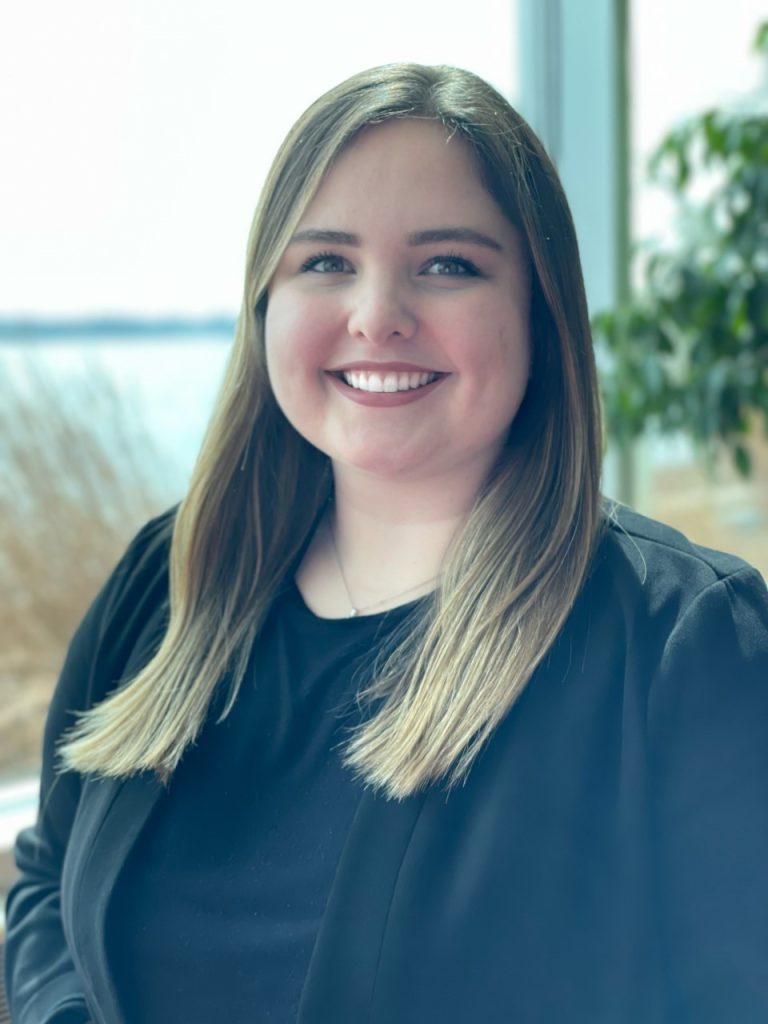
Dr. Kassy Bartelme, PharmD, BCACP, is an Associate Professor in Concordia’s School of Pharmacy and has been with the program since 2011. She earned her Doctor of Pharmacy from the University of Minnesota in the Twin Cities. Dr. Bartelme then completed a 2-year post-graduate residency with the University of Minnesota College of Pharmacy (COP). During her residency, Kassy spent time teaching in the COP and gaining experience in ambulatory care pharmacy practices. She currently practices as an ambulatory care pharmacist at Ascension Columbia St. Mary’s Cardiology Clinic in Mequon, WI.

What is an ambulatory care pharmacist?

An ambulatory care pharmacist cares for patients that go to a clinic for an appointment in an outpatient setting. These pharmacists primarily manage chronic medical conditions, such as high blood pressure, diabetes, atrial fibrillation, heart failure, asthma, pain management, mental health, and others in collaboration with physicians and other prescribers.

A key part of being a pharmacist is to ensure patient’s medications are necessary, effective, and safe. The pharmacists also evaluate the accessibility of medications and address potential adherence issues. As a specialized pharmacist, you can work in primary care clinics, outpatient disease-state management clinics in hospitals, and pharmacies. You can also provide services through telepharmacy.

What are the responsibilities of an ambulatory care pharmacist?

The pharmacist meets with the patient to discuss medications, therapy goals, and also assess for side effects or adherence issues. In this role, you may also perform physical assessments, such as blood pressure and heart rate, order labs, and assess results. The pharmacist helps patients when a condition is deemed uncontrolled or they experience side effects. This can also include helping patients that are unable to adhere to a drug regimen. It is the pharmacist’s responsibility to adjust the patient’s current medications, add new medications, and/or discontinue medications. As a pharmacist, you may need to educate patients on lifestyle changes and other nonpharmacologic ways to manage a condition. Ambulatory care pharmacists have the opportunity to create long-term relationships with patients through frequent follow-ups.

These pharmacists are also required to document each patient visits. This includes reporting subjective information (what the patient told them), objective information (labs, vitals, physical assessment results), their assessment (is the patient at goal and if not, what needs to be done), and the plan (what will be done, such as starting or discontinuing a medication, adjusting doses, ordering labs, and when to follow-up). This documentation is in the patient’s chart and is available for any other health care providers to read.

How does this pharmacy specialization serve in a cardiology clinic?

As an ambulatory care pharmacist in the cardiology clinic, Dr. Bartelme primarily manages anticoagulation for patients with atrial fibrillation or a history of blood clots. These patients take a blood-thinning (anticoagulant) medication called warfarin. She measures the effectiveness of warfarin by checking a patient’s INR (International Normalized Ratio). Dr. Bartelme also ensures the INR is within the patient’s goal range and if not, she adjusts the warfarin dose. Patients who take warfarin must have their INR checked at least every four weeks or sooner as needed. In this type of practice, she gets to know her patients well through frequent visits.

What other roles does an ambulatory care pharmacist serve?

Ambulatory care pharmacists frequently precept students and also residents. All pharmacist students must complete an ambulatory care pharmacy rotation during their Advanced Pharmacy Practice Experiences (APPE) in their fourth year. Post-graduate residents may opt to do an ambulatory care-focused residency, or complete this specific pharmacy rotation during their general pharmacy residency.

How do I become an Ambulatory Care Pharmacist?

First, you must receive a Doctor of Pharmacy (PharmD) degree. In general, pharmacists complete one to two years of post-graduate residency. You can complete a focused ambulatory care residency in your first year or as a specialized second-year residency. You may also earn board certification and add the letters BCACP after your name (Board Certified Ambulatory Care Pharmacist). After residency, you take a test to become a Board-Certified Ambulatory Care Pharmacist. To maintain your certification, you need to earn 100 hours of continuing education every seven years, or you can simply retake the test.

Why Concordia for pharmacy school?

Concordia’s school of pharmacy will help you discover the area of pharmacy that best fits your skills and interests as a healthcare provider. You might know from year one how you want to serve in pharmacy, or maybe you find out later on during your pharmacy practice experiences. Whatever your path, the coursework, patient labs, and experiential education will advance your abilities, knowledge and compassion to provide pharmacy services.

Want more information on this pharmacy specialization?

Contact Dr. Kassy Bartelme about her work as an ambulatory care pharmacist. She can also give you more details on our manageable and patient-centered pharmacy school.
How to Prepare for a Pharmacy School Interview

The pharmacy school interview is a critical component of the pharmacy school admission process. How do you prepare for a pharmacy school interview? It is a question every prospective student should consider. By researching more about the school and preparing yourself mentally, you will be confident and ready when the big day comes. Below you’ll find some tips and honest advice about how to prepare for your interview.

The pharmacy school admission process has many steps, but few are as important as the interview day. Being prepared for the interview is just as important as preparing for the PCAT or a final exam. The more you prepare, the less anxious you’ll be and the better you’ll perform. Lack of preparation will show in your interview and can oftentimes lead to an unfavorable admission decision. To avoid being unprepared or uncomfortable, it is worth it to prepare by researching the school and thinking deeply about what is driving your desire to become a pharmacist.

Prepare for questions you may be asked.

You won’t know exactly what questions you’ll be asked, but you can still think about general questions any interview team would like to know. As with a job interview, the team interviewing you wants to know more about you. For example, they want to know what you know about pharmacy, why you want to be a part of the community, what makes you tick, and why you have a passion for pharmacy. Here are a few questions you might be asked:

  • What are the pharmacists’ roles as a member of the healthcare team?
  • Why do you want to become a pharmacist?
  • Why do you want to attend Concordia University Wisconsin School of Pharmacy?
  • How have you been involved in community service, volunteer, and leadership activities; and how does this relate to the role of a pharmacist?

Be you and answer honestly.

The interview is your opportunity to show how you are uniquely qualified for admission. As you prepare for your interview, think about your “story.” How did you decide that you want to be a pharmacist? Did you have a defining moment that solidified your career path? If so, what was it? Chances are, no one else will have that same story – that’s what makes you unique!

You should be open and honest about any shortcomings that may appear on your PharmCAS application, such as a bad semester/year, a failed class, repeated classes, lack of community service or pharmacy experience, etc. Being open and honest regarding your record demonstrates the trust necessary in the profession of pharmacy, and is viewed positively in the interview.

Be professional.

It’s a good idea to present yourself in a professional manner. A good way to do this is to wear professional business attire and show up with a polished, clean look you feel confident in. Always arrive on time with a few minutes to spare so you are relaxed and composed before your interview day begins. Just knowing where to go and what time to arrive are two easy ways to feel more confident as you prepare for your pharmacy school interview. First impressions matter!

Practice your communications skills.

During your interview, your communication skills are important. Pharmacists need to be able to communicate important medication information to patients, and the interview team will want to see that you can communicate clearly.  Communication can be both verbal and nonverbal. Be sure to practice both by using appropriate language, making good eye contact, listening, and answering questions thoroughly but concisely.  Provide specific examples as much as possible but avoid rambling off on a tangent.

Ask questions!

Finally, ask questions! The interview team wants to know that you are genuinely interested in Concordia University Wisconsin. When you are doing your research about the school, some questions should naturally come up. What would you like to know about classes, professors, research opportunities, or campus culture?

The interview is as much about you interviewing the school as it is about the school interviewing you! Be prepared with your own set of questions, and be observant of your surroundings. Do students and faculty seem happy and supportive? Are scholarships available? Are there research opportunities? Does the school offer dual degrees? Are there leadership opportunities? At the end of the interview day, ask yourself if this is a school you can see yourself at for the next four years. Ask away!

Here are a few other tips:

  • Be a few minutes early! It takes many faculty and staff to put on an interview day. Being late or not showing up at all will leave a negative impression.
  • Look up the address and meeting location the day before. Knowing where you are going and how long it will take to get there in traffic is always a good move.
  • Applicants who decide to cancel an interview must do so two business days prior to the scheduled interview to avoid an unprofessional behavior notation (which is viewable by all programs) on their PharmCAS application.
  • Practice mock interviews with someone who can give you objective feedback.
  • Follow up. It never hurts to send a thank you note or email to faculty or staff you interviewed with. Ask for their business card or email address at the conclusion of the interview. If you forget to ask, this information is usually available on the school website.

What’s next?

With these practical tips, you’ve gained a little more insight on how to prepare for a pharmacy school interview. For more information about Concordia University School of Wisconsin’s School of Pharmacy, visit: www.cuw.edu/pharmacy

This blog was originally published on January 17, 2020. It has been updated to reflect current information.

Alumni Showcase: Karina Rauenhorst

Concordia University Wisconsin loves to hear updates from alumni. Last year, graduate Karina Rauenhorst, shared her story as a School of Pharmacy student. In the time since graduation, Karina has been busy with her residency and being active in the pharmacy community. Let’s catch up with her and see where she’s headed.

Where are you practicing during your residency?

I started my residency in July 2022 at Progressive Community Health Center, an ambulatory care clinic that serves the underserved in the Milwaukee area. In my position, I provide health education for patients with chronic health conditions, such as diabetes, hypertension, and hyperlipidemia. My second-year site is yet to be determined.

When not in the clinic, I also teach at CUW in various coursework. Most of my time is spent as a lab instructor for our Applied Patient Care (APC) labs but I have also lectured in Pharmacotherapy coursework. It’s fascinating to learn some of the “behind the scenes” work that goes into the courses that I took only a couple years ago.

What are the most challenging and rewarding parts of the residency?

Navigating the balance of multiple long-term projects from a variety of sources is my biggest challenge. In pharmacy school, most projects were brief, but my two-year residency will involve long-term projects. My program director, preceptors, and mentors on campus have given me the skills needed to manage these challenges, but putting them into practice is a whole new learning process.

The most rewarding part of my residency so far has been the impact I have made on my patients in the clinic. I love the unique opportunity to serve and provide quality care to an underserved population here in Milwaukee. I strive to form a trusting and collaborative relationship with my patients and serve as a reliable resource in their disease state management. Seeing the joy in a patient’s eyes after achieving a health goal, I feel like I am answering my true calling in life.

Continuing to learn

Why did you choose to pursue a Master’s in Education while in your residency?

After graduating with my PharmD I wanted to further develop my teaching skills and enrolled in the Master of Education program at CUW. I found my passion for teaching during my second year of pharmacy school. While serving as a teaching assistant in the APC labs, I knew I wanted to incorporate teaching into my future career. The coursework in my master’s program provides me a foundational framework and essential skills that will help me better connect with and educate future learners.

How have your first classes in the School of Education been so far?

My first class was an elective, Multimedia in the Classroom, and I loved it! I’ve always been passionate about making content engaging and interesting, so this course was right up my alley. Another resident and I sent a presentation suggestion to the AACP, hoping to present the course’s findings at their yearly conference to pharmacists all around the US.

What has been easier and harder than you expected in the Master of Education?

The style of education and learning in the master’s curriculum is different from what I experienced in the PharmD program. The courses have been requiring a lot more insightful reflection, creative writing, and direct application of knowledge, instead of intensive content retention and exams. I’m grateful to not be up late studying various topic materials and taking exams anymore.

I really enjoy the self-paced nature because it allows for flexibility in my already busy schedule. However, this does add to my previously mentioned challenge of managing long-term responsibilities and balancing my schedule.

Being active in the pharmacy community

With the goal of connecting with other professionals in the field, Karina continues to stay active in the Kappa Psi Pharmaceutical Society. Kappa Psi is the oldest and largest pharmacy fraternity. It has the mission to develop leaders with a passion for service to their community while creating lifelong professional connections. Once a brother of Kappa Psi, you become a brother for life.

How long have you been involved with this fraternity? Why should others join?

I was initiated into the Zeta Theta chapter at Concordia University Wisconsin (CUW) in the Fall of 2018. I first heard of Kappa Psi while completing my undergraduate degree at the University of Minnesota – Duluth. The comradery and professional growth mindset sparked my interest. I joined with the goal of meeting new pharmacists from across the world while promoting the profession of pharmacy.

Throughout my time so far, I have been able to:

  • Meet some of the most incredible and inspiring pharmacists
  • Volunteer for over 200 hours at a local free clinic
  • Develop leadership skills that will help me be a better servant to the community

Pledging Kappa Psi has been one of the best decisions I have made in my pharmacy career to date and will recommend joining to everyone.

What are your responsibilities as the next President of the Northern Plains Province (NPP)?

As President of the Northern Plains Province, I oversee 10 collegiate and 6 graduate Kappa Psi chapters across North Dakota, South Dakota, Nebraska, Iowa, Minnesota, and Wisconsin. One of my most significant responsibilities is to organize and facilitate our three-day biannual regional conference for over 200 attendees.

Between these conferences, I arrange regular meetings with the NPP executive board, assign charges to our various regional committees, and establish goals that support our overarching vision for the province. In addition, I serve as a resource to my fellow NPP brothers and represent them to the best of my ability.

Do you have specific initiatives or goals that you want to achieve during your time as president of this fraternity?

The main goal of the NPP executive committee this year is to be innovative with our events while staying true to our traditions. With the recent return to in-person conferences, it’s a pivotal time to enhance the experiences of our brothers while continuing the traditions. It’s our hope that through educational webinars, brotherly competitions, and improved communication throughout the region, we will see an increase in participation and retention by both collegiate and graduate brothers.

Want to find out more?

If you want to learn more about Concordia University Wisconsin’s School of Pharmacy, visit us here.

What does an Inpatient Clinical Pharmacist do?

There is a misconception that Pharmacists only work in retail store pharmacies. And while that is one setting they operate in, there are so many other settings in which they are active. We want to start this year by highlighting these numerous settings with an interview with our faculty about their area of expertise. Let’s kick things off with Inpatient Clinical Pharmacists.

Concordia Pharmacy Faculty

Dr. Anne Graff LaDisa, PharmD., BCPS, received her Pharm.D. (2001) from Drake University in Des Moines, IA. In 2012, she joined the faculty at CUWSOP in the Department of Pharmacy Practice. Dr. LaDisa practices as an inpatient clinical pharmacist in an acute care GI/GU surgical unit at Aurora St. Luke’s Medical Center in Milwaukee, WI. She also serves as a preceptor for pharmacy IPPE and APPE students, as well as PGY-1 residents. Check out her insight into being an inpatient clinical pharmacist.

What is an Inpatient Clinical Pharmacist?

A clinical pharmacist is responsible for ensuring the medications prescribed for a patient contribute to the best possible health outcomes. Clinical pharmacists work in various settings, but I work in the inpatient setting, which means I work in a hospital and my patients are hospitalized with acute health issues. Inpatient clinical pharmacists can work in critical care settings, like an ICU (intensive care unit) or an acute care floor (non-intensive care). In larger hospitals, these ICUs or acute care floors can be designated for specific types of patients, like patients with cardiac, neurologic, oncologic, surgical, or internal medicine issues.

What does an Inpatient Clinical Pharmacist do?

I work in a large hospital in Milwaukee on an acute care surgical floor, so my patients are primarily those awaiting or recovering from surgery.

Identifying drug issues

During my shift, I review patients’ new medication orders and monitor their current medication therapy. Additionally, I help to identify drug therapy problems for the patients. These problems can include:

  • A patient may need a different antibiotic based on microbiology and culture results.
  • Perhaps there is a new medication prescribed for a patient that will interact with a medication they are currently taking and we need to stop or modify one of the two drugs for safety.
  • A patient could be taking a medication that could potentially be causing a side effect and I’ll recommend we draw a blood sample to assess the level of medication in their blood.
  • Perhaps a patient’s kidneys aren’t functioning properly and the dose of their medication needs to be reduced. Kidneys are one of the ways we clear medications from our bodies.

Working hand in hand with others

Simultaneously we work closely with physicians, nurses, and other health professionals almost daily. We answer any questions they may have about medications and make recommendations on any drug therapy problems. Generally, we will attend patient care rounds with everyone to identify barriers to discharging the patient efficiently and safely.

Transitions in care

In the hospital, we first review the medications a patient was taking prior to admission. This is necessary to evaluate what is appropriate for them to continue taking while they are in the hospital. Next, we identify any problems with the medications that may have led to their acute issue.

Then we may decide to put patients on a new medication, change their dosing, or fully stop taking a medication previously used. Finally, we educate patients on any new medications that they will take after discharge.

Educating residents

Another task I have as a clinical pharmacist is working with graduate students and residents. I regularly work with P4 CUW students who are on their Acute Care clinical rotation. In addition, I work with pharmacy residents who are in their first year of residency training after graduation. Together we take care of our patients while they learn with hands-on experience.

How do I become an Inpatient Clinical Pharmacist?

First, you must receive a Doctor of Pharmacy (PharmD) degree. Pharmacy residencies aren’t required to be inpatient clinical pharmacists, but many working in this area have residency training. Following graduation, I completed a 1-year pharmacy practice residency. Now I’ve been working as an inpatient clinical pharmacist for 20 years.

Additional certifications are also not required, but many clinical pharmacists have advanced certifications. Inpatient clinical pharmacists can specialize in Internal Medicine, Cardiology, Critical Care, Infectious Diseases, Oncology, or Transplant to name a few. After completing my residency I took an exam in addition to my licensing exams and I’m now a Board Certified Pharmacotherapy Specialist (BCPS).

Interested in this specialization?

If the area of Inpatient Clinical Pharmacy peaks your interest, feel free to learn more about our School of Pharmacy and apply for more information.

Alumni Spotlight on Austin Starkey

Austin Starkey, PharmD, MBA, is a Concordia University Wisconsin School of Pharmacy Alumni. Since his graduation, Austin has taken a role as Manager of Clinical Initiatives at NCODA (National Community Oncology Dispensing Association). While at Concordia, Austin found the specialty he was passionate about and it helped determine his career path.

Why did you decide to become a pharmacist?

I’ve always had the goal to work within the healthcare field. Growing up I was mostly figuring out exactly what I wanted to do in the field. In middle school, I took a chemistry class that got me hooked on pharmacy.

Then it really hit me how a single molecule can influence and impact our bodies so much. Molecules could be both beneficial and harmful depending on the amount. I wanted to learn as much about pharmacy as possible and pursuing a PharmD would allow me to do that.

How did your experience at Concordia influence your interest in oncology pharmacy?

During school, I became involved in organizations and classes that allowed me to learn as much as I could about those roles. Part of my experience at CUWSOP was founding the IPhO (Industry Pharmacists Organization) chapter and helping to educate other classmates about different roles within the industry. Additionally, I took classes geared toward the industry side such as the Big Pharma elective course.

We all know someone who has been affected by cancer. As far as my interest in oncology, that did not develop until my fourth year APPEs. I wanted to challenge myself and take an oncology elective. Since oncology was taught so late in our 3rd year it was hard to really develop an appreciation for it. I realized that I could apply everything I learned throughout my program in this disease state.

Working in oncology truly allows me to practice at the top of my license. I couldn’t be happier as I absolutely fell in love with the field. It is one of the few places where patients truly take every word you say to heart. If a recommendation is made, they listen and follow through with it.

What is NCODA and what do they do in healthcare?

NCODA is a grassroots, not-for-profit organization with a commitment to developing unique resources to help medically integrated oncology teams deliver top-tier care. We create educational resources for oral and IV anti-cancer therapies. Whether it’s through thoughtful community-building networking at our annual events or utilizing our complimentary suite of tools, we’re here to deliver quality and sustainable value to all stakeholders involved in cancer care.

What is your current role at NCODA?

My current role at NCODA is Manager of Clinical Initiatives. In my role, I get to collaborate with a variety of different stakeholders ranging from clinical practice members, pharmacy students, and industry sponsors. A lot of my initiatives and day-to-day tasks focus on some of our real-world evidence data initiatives and help to develop educational resources for both patients and providers.

How were you initially exposed to opportunities at NCODA and what about the organization impressed you most?

I came across NCODA during my APPE rotations. While completing an oncology elective, I used NCODA’s Oral Chemotherapy Education resources to help me educate patients about their new oncology medications. The thing that I was most impressed with about the organization was the culture. Everything they do is unique and done in a way that is not traditionally seen.

All NCODA membership and most resources are offered complimentary, which as an organization is almost unheard of. After interviewing with a few team members, I could tell right away that the organization is truly there to support and better the field of oncology. It was very evident that they were a patient-centered organization.

What has been the most memorable moment of working as a pharmacist?

The most memorable moment for me has been the ability to give back. I’m currently in the position to take on APPE students for myself and to help shape their future. I’m able to provide resources that touch so many more lives than I could as an individual in a more traditional setting.

I have the opportunity to create healthcare resources and publish articles that are seen by thousands of people across the nation and even the world. I recently published an article about the Financial Impact of Medically Integrated Pharmacy interventions on Oral Oncolytic Prescriptions.

It’s crazy to think that I grew up in a town of around 3,000 people and I work for an organization that has over 6,000 people. It’s truly impressive to see how many lives I am able to impact.

What advice do you have for future pharmacists?

My advice for future pharmacists is “growth lies at the end of your comfort zone.” In other words, you need to try and become comfortable with being uncomfortable. It’s easy to get stuck in your ways and just push through but that doesn’t lead to growth for yourself or others. Take on those challenges because that is how you are going to grow both personally and professionally.

If you would have asked me during school if I could ever see myself as a preceptor, publishing articles, or giving presentations I would have told you no, to all of it. Now I can proudly say that I do them all. I owe a lot of it to my current team and my professors for always pushing me to achieve my best and could not picture myself in any other career.

Interested in a career in pharmacy?

If you are considering a career in pharmacy, check out information on how to become a pharmacist. Or if you are ready to get started learn more below.

Faculty Spotlight: Kassy Bartelme

Kassy Bartelme, PharmD., BCACP, has been at Concordia in the School of Pharmacy since 2011. During her time here, Bartelme has impacted her students and the Concordia community in her role as an associate professor. Let’s learn about what makes this influential member of our teaching community so beloved.

How long have you been a pharmacist?

I have been a pharmacist for 13 years. In 2009, I graduated from the University of Minnesota – Twin Cities College of Pharmacy (COP). After graduation, I did a two-year residency at the COP where I split my time between teaching and ambulatory care pharmacy practice with a focus on leadership.

Finish this sentence. I became a pharmacist because…

I love serving patients. After my freshman year of college, I started working in a pharmacy. I began as a cashier then a prescription filler, and ultimately a technician. While working I knew I wanted to continue serving patients with the knowledge and skills of a pharmacist. I enjoyed getting to know my patients on a personal level. As a pharmacist, I am able to help them with questions and problems related to their health and medications and help them achieve their healthcare goals.

What field within pharmacy interests you the most. How did you discover this?

I love ambulatory care pharmacy. I learned about it on the first day of pharmacy school in my Pharmaceutical Care Practice course. The professors called it pharmaceutical care then and it has morphed into ambulatory care pharmacy. It’s the perfect combination of pharmacy and general/family practice medicine. It allows me to work at the top of my license and work closely with patients and other health care providers.  

What keeps you engaged in pharmacy? 

The profession of pharmacy is always changing. Pharmacists are already trusted and well-respected professionals in the community. In the past couple of decades, pharmacists have been earning a new appreciation for their skills and knowledge. They have also been given more responsibilities, such as provider status and prescribing rights. I am excited about the expansion of pharmacy services.   

What do you love about working with pharmacy students? 

Seeing students develop into confident and competent pharmacists is something I love. They learn so much from year to year and it is rewarding to see their confidence and knowledge significantly increase throughout. Being a professor I enjoy getting to know students on a more personal level and what makes them tick. Those relationships help me provide career advice as needed.   

What is your area of expertise within pharmacy?

My clinical area of expertise is anticoagulation management. I practice in a cardiology clinic where I monitor the effectiveness of warfarin, a blood-thinning medication for patients. Then I meet some patients face-to-face and perform a finger-stick blood test while other patients have the test done elsewhere and I talk to them on the phone. After that’s all done, I am able to adjust the medication dose based on the blood test.

My teaching areas of expertise include nonprescription pharmacotherapy, women’s health pharmacotherapy, and applied patient care skills, including clinical documentation. 

Are you involved in any current research projects? 

Yes, I am collaborating with a faculty member at UW-Madison School of Pharmacy to survey community pharmacists in Wisconsin. It will report on their perceptions of the provision of reproductive health care services following the overturn of Roe v. Wade.  

Anything else you are passionate about?

Recently I was elected to be the secretary for the American College of Clinical Pharmacy (ACCP) Women’s Health Practice and Research Network (PRN). This two-year term begins in October 2022 at the ACCP Global Conference.

The Women’s Health PRN includes pharmacists and pharmacy students who either teach, practice, or have an interest in women’s health. Members serve as a resource for other members. Additionally, PRN members carry out women’s-health-related research and advocacy.

As secretary, I get to attend and take minutes at the PRN officer meetings and the PRN business and networking forum at the annual conference. After the annual conference, I then develop and disseminate a membership survey. I will serve as the Co-Chair of the Communications Committee which will publish a PRN newsletter twice a year, update the PRN website, and monitor the listserv. I am also a member of the Student/Resident/Fellow Committee. 

What advice do you have for current pharmacy students? 

I have two main points of advice for pharmacy students. First, get involved while in pharmacy school. Join student organizations and participate in activities. It will provide you with real-life opportunities to serve patients and network with other pharmacy students and pharmacists.

Second, be sure to advocate for yourself. If you’re struggling with anything, whether it’s classes, personal concerns, or something else, please ask for help. Talk to your professors, SOP staff, counselors, friends, or someone else you trust.  

Looking for a student’s perspective? Check out what a recent grad enjoyed about the program.

Do you want to know more?

You can learn from Kassy Barteleme and our other accomplished faculty in our pharmacy program. If you’re interested in learning more, visit us here.