Earn your initial teacher licensure in this accelerated program

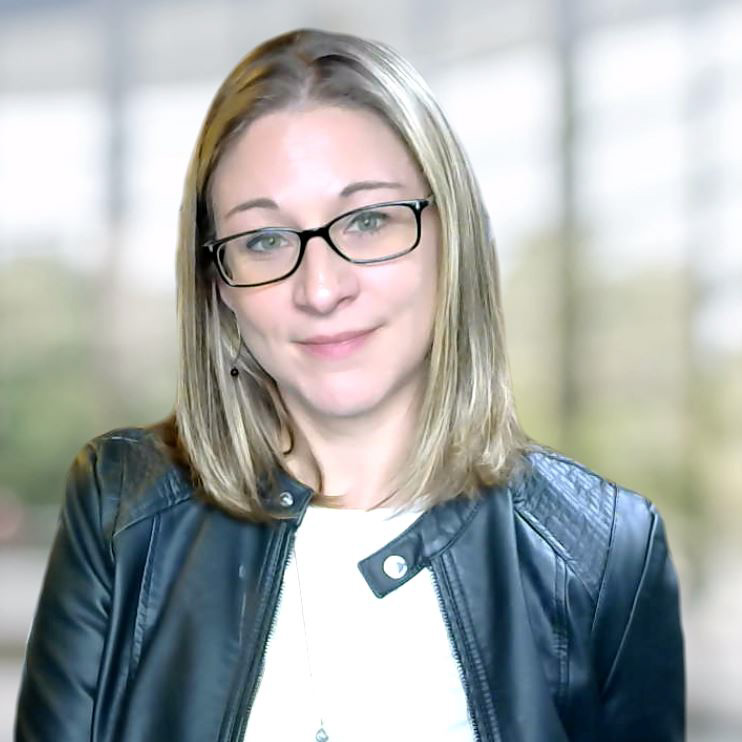
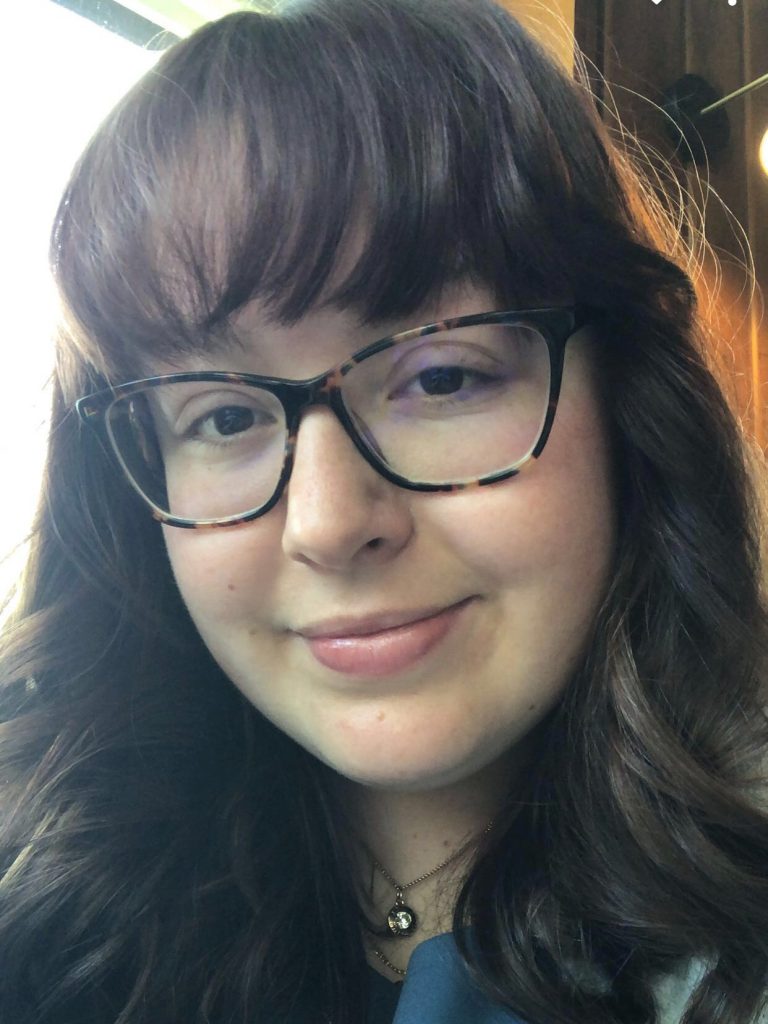
Tatiana was already dedicating her time and talent to education when she decided to fulfill her dream of becoming a licensed teacher. Through the Concordia Accelerated Plan for Teacher Licensure (CAPTL), Tatiana is now leading a classroom as a certified teacher. Learn about her experiences in our online program.

The CAPTL program is for individuals that already hold a bachelor’s degree in any field. We will develop and enhance your teaching skills and strategies through coursework, observation, and the ever important student teaching. Faculty will provide continuous support and feedback throughout the program to ensure your teaching career will flourish.


What was your bachelor’s degree in?

I earned a Bachelor of Arts in English Literature and in Spanish from the University of Wisconsin-Madison. I knew I was passionate about English and Spanish, but I wasn’t sure which profession I wanted those subjects to translate to at the time. A campus priest suggested I work at St. Peter for a year, I figured I had nothing to lose. That first year in teaching was a whirlwind especially because it was when COVID hit, but I still fell in love with teaching.

Are you currently teaching in a school?  If so, where?

Yes! I teach at St. Peter Catholic School in Ashton, Wisconsin. I am confident that the Lord has called me to education, and I love serving my students everyday. 

What made you interested in our CAPTL program?

I jumped headfirst into teaching with not much thought about long-term plans in education. As it became clearer and clearer that teaching was my calling, I began the hunt for a flexible program to earn my Wisconsin teacher license. Concordia’s CAPTL program was the perfect fit! It helps non-traditional students like me earn their teacher licensure and their master’s degree in education.

Tell us about your experiences in the CAPTL program. 

My cohort was absolutely the best part of my experience in the CAPTL program. We worked together to reach success in all of our classes, and we also keep in touch about personal struggles and achievements.

One assignment that was really memorable was in the course “Interdisciplinary Instruction — Teaching in the Middle School.” We were asked to reach out to thank a teacher that had been influential during our time in school. It was nostalgic to be back in touch with a teacher from our past. Everything comes full circle, I suppose! 

As for student teaching, honestly, after the balance of teaching full-time and keeping up with classwork, student teaching was a breeze. It reminded me why I love what I do. 

What grade level(s) do you see yourself teaching during your career?

I thought I would really enjoy teaching middle school. I’ve been teaching 4th and 5th graders for the last four years and I truly love this age.

What made Concordia stand out versus other institutions?

After speaking with other universities, it was clear that Concordia’s CAPTL program would be best for me. It was the most cost effective option per credit. Also, the elementary education licensure range was broad (Kindergarten through 9th). The staff that I spoke with on the phone were incredibly helpful and encouraging. I knew I would be valued and supported at Concordia.

Read more CAPTL student experiences and what to expect in our accelerated teaching licensure program.


Are there other pathways to teaching license?

Concordia’s School of Education has multiple pathways to help individuals earn their teaching license.

The CAPTL program

In this accelerated program, your core courses will focus on building your teaching skills and strategies. Then you fulfill required hours in the classroom observing and student teaching which will further establish your teaching abilities and confidence. Tatiana pursued her teacher licensure in elementary education but we offer other grade levels to meet your needs!

The 3YR teacher licensure + bachelor’s degree program

Our 3-year online accelerated program is also for non-traditional students. If you are seeking to earn your teacher license and your bachelor’s degree together, this is the program. You can select from one of the following grade levels.

The School of Education at Concordia is working to deliver programs to non-traditional students that want to have a career in teaching. If you want to teach, we can help your earn your teaching licensure. It is a rewarding career that gives you the opportunity to work with today’s youth and prepare them for promising futures.
Social work announces student, alumni awards

As part of its National Social Work Month celebration, CUW’s social work faculty and students nominated three deserving individuals for awards.


CUW’s social work department celebrated National Social Work Month throughout the month of March. Activities included an essay contest, a panel presentation where professionals shared about their experiences in the field, and the announcement of Uncommon Christian Social Worker awards.

Nominees were drawn from three separate pools:

  • Bachelor of Social Work
  • Master of Social Work
  • Alumni of Concordia

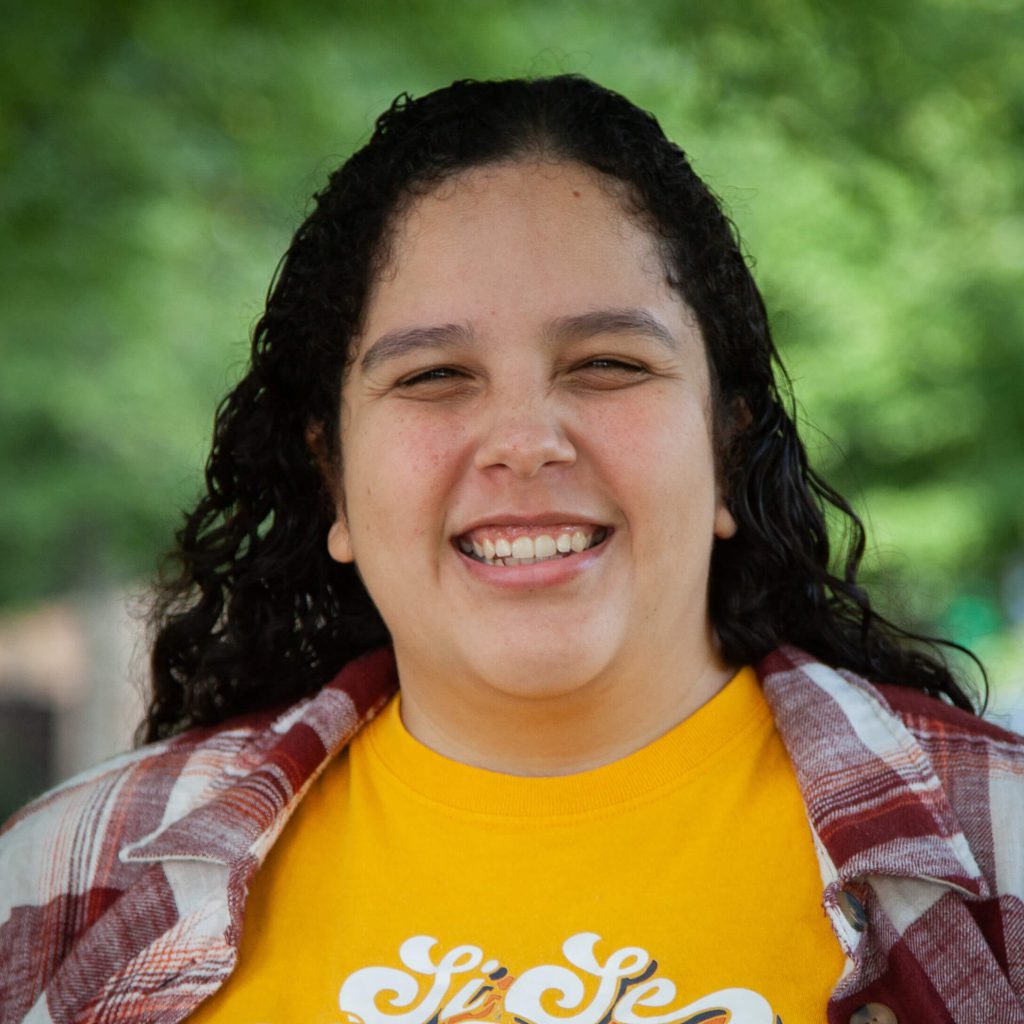
Bachelor of Social Work Awardee—Giselle Torres

Here is what nominators had to say about Giselle:

  • She is determined and incredibly hardworking. She always goes above and beyond for those in need. The strong faith and prayers from Giselle and her family is what keeps her motivated.
  • I have had the distinct pleasure of having Giselle as a student in both theology and philosophy courses at CUW. She is kind and compassionate and a very willing learner. She consistently would ask questions in and out of class that showed her desire to find ways to apply the truth of God’s Word or some philosophical idea. She comes from a Latino family that has made its way to the US through hard work and an honest faith in Christ. Giselle embodies the mission of our university. She is preparing to serve with the light of Christ those families who, like her own, are coming from other countries to the United States and seeking citizenship. I believe she will be a great blessing to many.
  • She is a joy to talk to and has strong values that she lives by.
  • She is an amazing person inside and out. This is demonstrated by her ability to see the best in people. 
  • Giselle has a unique approach to her work that sets her apart from others in her field. Her faith is incorporated into her practice in a way that goes beyond what is typical for most Christian social workers because she shows inclusion and compassion.

Master of Social Work Awardee—Brooke Brockman

Here is what nominators had to say about Brooke:

  • Brooke Brockman goes above and beyond in their work, consistently embodying the values of compassion, empathy, and selflessness. She never shies away from difficult cases or challenging situations, and always approaches work with a heart for service.
  • Brooke has significantly impacted the lives of countless individuals and families. She has dedicated her career to serving vulnerable populations, helping with addiction. Through her tireless efforts, she has helped countless people find hope, healing, and a path to a brighter future.
  • Brooke is an inspiration to her colleagues and peers. She leads by example, demonstrating what it means to be a true servant leader. Her dedication to her clients and her unwavering commitment to social justice is a testament to her character and integrity.
  • I have known Brooke for close to 4 years now. We met as undergraduate students at Concordia. Even back then, when Brooke was still deciding if she wanted to pursue social work, she demonstrated a high level of compassion for everyone that she interacted with, always looking to understand and know the individual in an objective and kind manner.
  • In her final semester of graduate school, Brooke has paired her natural skillset with clinical reasoning to best serve her clients. She sets a professional standard during her clinical internships that encourages others to reflect on their own actions and do the same.
  • Brooke has an authenticity to how she carries herself that allows for a genuine, therapeutic relationship with her clients.

Alumna Social Work Awardee—Amanda Krzykowski (BSW ’02)

Here is what one nominator had to say about Amanda;

A 20-year veteran in social services, Amanda has worked in roles focused on serving youth and families in the Milwaukee, Houston, and Chicago-area communities. In her current role as Director of Performance and Quality Improvement at Lutheran Social Services of Wisconsin and Upper Michigan (LSS), Amanda is responsible for developing, implementing and maintaining systems for measuring and reporting client outcomes and impact. She also oversees systems related to risk reduction, quality improvement and business analytics for the nonprofit organization. Amanda works closely with her team to promote and implement quality improvement. She does this through an equity lens by identifying trends and bringing attention to and working to address disparities within social services systems.

Amanda is a true champion of change. She advocates at the state level for removing barriers faced by social services organizations and the people they serve. She is a coalition builder who gathers individuals and entities to learn together and align their actions to achieve greater impact. Amanda is part of many committees working to make impactful changes. Committees include the Board for Coalition to Expand School Based Mental Health, Office of Children’s Mental Health Impact Council, Midwest Results Network, and Concordia University of Wisconsin’s Social Work Advisory Board.

As a servant-leader, Amanda is dedicated to the growth of others and this shows in her efforts to prepare future generations of social workers. In her role as adjunct instructor at CUW since 2017, she offers students opportunities to apply what they are learning to research projects within LSS and has created social work internships at LSS, hosting a dozen or more interns in her department in the past seven years. In these ways, Amanda exposes students to practical and meaningful learning experiences that help them explore their interests and better understand what practice-informed research and research-informed practice is all about.

Amanda lives in Cedarburg with her husband, Brett, son, Calvin and dogs, Rollie and Cooper. She has a BSW from CUW and MSW from Loyola University Chicago.


Want in?

Concordia’s social work program uses Christian service, quality research, and hands-on learning to grow you as a competent professional. Earn your bachelor’s degree at CUW and then continue on to acquire an MSW, the most sought-after social services degree. Learn more about our programs by clicking below.


‘You come too’: Reflections on Palm Sunday

“Look, the world has gone after Him!” (John 12:19) … You come too.


By the Rev. Dr. Jason D. Lane
Associate Professor of Theology, Concordia University Wisconsin

I’m a New Englander, and that means Robert Frost’s poetry is required reading. There’s a lovely little poem that Frost wrote about springtime on a farm. It’s called “The Pasture.” Frost’s invitation to come and to see life renewed is perfectly suited to Palm Sunday and to all of Holy Week. Here’s how it goes:

I’m going out to clean the pasture spring;
I’ll only stop to rake the leaves away
(And wait to watch the water clear, I may):
I shan’t be gone long. — You come too.

I’m going out to fetch the little calf
That’s standing by the mother. It’s so young,
It totters when she licks it with her tongue.
I shan’t be gone long. — You come too.

Jesus bids us come. He has gone up to Jerusalem not to clean the pasture spring, but to cleanse the world and every heart from sin. He calls to all those who are weary and heavy laden, “You come too.”

Save us, Lord

Palm Sunday is a celebration of Jesus’ triumphal entry into Jerusalem. Christians across the world imitate the children of God in Jerusalem and sing praise to their triumphant King. We wave our palm branches and sing “all glory, laud, and honor to You, Redeemer King” (LSB 442)! We lay down our palms before Him, and our lives, and say, “Hosanna to the Son of David!” The church goes out to meet Him. You come too.

Hosanna means in Hebrew “save us!” It’s what you say to your King, because it’s what your King comes to do. Jesus entered Jerusalem to save it and with it the whole world. But to save it from what? It doesn’t take long for those who know Christ to make a list. How about foolishness, pride, and lust? How about self-righteousness and laziness? How about all sin and everlasting death? Oh, Lord, help! Save us! They went out to meet Him with palms in hand and laying out their coats for Him. You come too.

Many Lutheran congregations use Palm Sunday as “Passion Sunday.” The triumphal entry of Jesus is read at the beginning of the service and then, with the procession of palms and joyful singing of Hosanna, it moves into the main service and the reading of Christ’s entire passion according to Matthew, Mark, and Luke. St. John’s passion is reserved for Good Friday. The reason for focusing on the passion is wonderful. Jesus came into Jerusalem pay for the world’s sin and to make peace for us with God by the blood of His cross. Come there too, and then to the empty tomb.

Let us together follow

But before Good Friday or Easter, there is Palm Sunday. There is this moment to shout for joy to our King who comes in the Name of the Lord (Luke 19:38) and who raised Lazarus and has power over death (John 12:18). There is a time to be children, to run in joyful procession to Jesus, to our King who has come to establish an everlasting Kingdom. According to St. Luke, it’s like Christmas again, when the children of God shout to creation’s King: “Peace in heaven and glory in the highest” (Luke 19:38b). They all came out to meet the King. You come too.

Jesus knew what that peace in heaven would cost. He knew that on Mount Zion it would be nails, spear that pierce Him through, and then the sin of the whole world and the wrath of God to crush Him. I like to think that the Pharisees who told Jesus, “Rebuke Your disciples” (Luke 19:39), were just trying to be reverent, that they recognized in some small measure that Jesus had come to pay for the sin of the world in a bloody death, and so they thought the joyful shouts at His triumphal entry were in bad taste. It’s as if they said, “Jesus, they don’t know what You’re here to do. Tell them to stop singing so joyfully. This is supposed to be a death procession.” But Jesus said, “Let them sing.” He really did say, “I tell you, if these children were silent, even the stones would shout” (Luke 19:40)!

What does it all mean? It means that Palm Sunday is time to welcome the King who comes to save us. He knows the terms of peace. He knows the cost, which is to say, He also knows how much each of us is worth. This week all the Christians of the earth are gathering and laying down their lives before the King. You come too. Let us together follow our King into the Holy City and up to Calvary and through the grave and into Paradise. Jesus says to me and you, “You come too.”

Note: This piece was originally published on Palm Sunday in 2022.


Want in?

The Theology Department at CUW is responsible for several areas of theological study. The faculty provide the core classes in Bible and Christian Doctrine along with the many theology electives. A third elective Theology course is then chosen by students according to their interests and major area of study. For more information about theology programs at Concordia University Wisconsin, click on the link below:


CUW pharmacy grads achieve top quartile on national NAPLEX exam

Concordia’s most recent pharmacy graduates achieved above-average pass rates on the NAPLEX and MPJE certifying exams.


Concordia’s most recent pharmacy graduates achieved above-average pass rates on certifying exams. The class of 2022’s NAPLEX scores placed them in the top quartile of all pharmacy schools nationwide. Meanwhile, their MPJE scores earned them the number one spot in the state.

Top quartile nationally for NAPLEX

The CUW class of 2022 scored in the 77th percentile on the NAPLEX exam, according to results released earlier this year by the National Association of Boards of Pharmacy (NABP). The purpose of the NAPLEX is to determine whether candidates possess the necessary knowledge, judgment, and skills to begin working as a pharmacist. Graduates of a PharmD program must also pass the NAPLEX before they are eligible to practice pharmacy in the U.S.

Top in the state for MPJE

Meanwhile, the MPJE exam is unique for each state. It tests knowledge of the legal framework for pharmacy practice. Concordia’s School of Pharmacy graduates placed in the top third of all schools nationally on the MPJE and beat out the two other pharmacy schools in Wisconsin.

9th best nationally for residency matching   

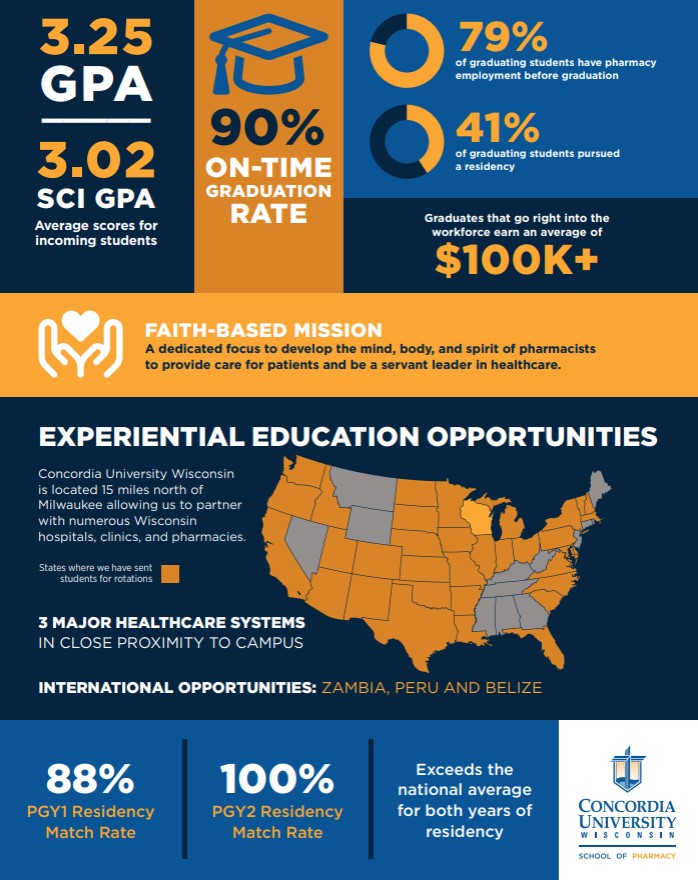
Earlier this month, the American Society of Health-system Pharmacist (ASHP) released residency match rate results for universities nationwide. Concordia’s School of Pharmacy not only topped the national average, its class of 2022 88 percent residency match rate was the 9th highest in the U.S. (out of 147 schools). The ASHP National Resident Matching Program provides an unbiased mechanism for matching applicants’ preferences with those of residency programs across the country.

More stats

These latest results add to an already-impressive resume of achievements for the CUW SOP:

Pharmacy statistics

* Information above shows statistics and information from 2022.


Want in?

As a CUW pharmacy student, you can expect to participate in active applied learning throughout your degree program. Our accomplished faculty teach and mentor each individual student in a welcoming Christ-centered environment. Our highest priority is helping you develop your talents for a rewarding life, not only a career.

Experiential Learning Boosts CUW Business Students


CUW’s sports and hospitality business students are exposed to experiential learning opportunities that help them create connections and get an inside look at careers in the field.

Students are selected by the department based on their involvement in local opportunities that arise. Experiences range from activation events, to galas, to the Super Bowl, and everything in between. The Concordia University Wisconsin Sports and Hospitality Business programs have made great relationships with companies such as Capture Sports and Entertainment, Team Lammi, and many other local organizations that put on events.

Impact on Students’ College Experience

The impact that this involvement has on college students is tremendous for those who take advantage of them. The opportunities are not only great learning experiences but they also look great on a résumé and can give you a one-up as an interview contender in the future.

CUW Senior Adam Kuglitsch said, “Due to the COVID-19 pandemic, these opportunities were not offered within the first three years of my time at CUW. Therefore, many of the different opportunities I got to interact and engage with fans was something that I did not take for granted… I learned a lot about what it takes to run an event to the scale of the Super Bowl, and it was one of the best experiences I have had during my time here at Concordia.”

It doesn’t just stop at an event. Lifelong connections are made that can repeatedly help students.

CUW Senior Mattson Wick said, “One of the best parts about being able to participate in the experiential learning opportunity was the ability to meet and network with industry professionals. The access to knowledge, advice, and feedback that I was able to gain was extremely helpful in understanding the industry better and determining my goals for my future career.”

Learning Through Opportunities

It is highly encouraged that students take these opportunities because there is so much to learn, and these experiences will be incredibly powerful down the road.

“Traveling across the country to meet new people and discover something completely unfamiliar taught me the value of trying something new even when it is scary,” said CUW Alum Megan Schmitz. “As a group we were taught the value of professionalism, hospitality, and service. The little things ultimately lead you on the path to doing the great things.”

The business world today is so everchanging with advancements in technology, the recent pandemic, and the upcoming generation. College students are not always looked at like they know what they are doing, but with these opportunities they have extra experiences and knowledge about things that most others don’t.

CUW Senior Brittany Davis said, “Because of how large of an event the Super Bowl was, I learned how difficult it is being a young professional in the Sport and Hospitality industry. Many associate age with experience, which is true sometimes, but not always. Realizing I can be a force with the knowledge and experience I have had been the biggest blessing in proving those who underestimate the younger generation wrong.”

Advice Students Would Give

Students come back from these occasions with advice to give to others that are offered to go in the future. “Soak it all in. Wake up each day with an attitude of being ready to learn and listen. Be grateful for the opportunity. Not everything will go just as planned so adapt quickly and move on from mistakes quickly,” said Schmitz.

Since these opportunities are used to learn and grow personally and professionally, the work is not always going to be as glamorous as it may seem.

“Put your best feet forward. There are always jobs that no one wants to do, if you are asked to do it, take it, and make the most of it. There are going to be times that you question why you are in this position, push through, and remember that the fans will thank you for it later. Everyone is always watching and if you do what is asked of you, people will be impressed and want you to work for them in the future. Be grateful to be there and make the most of the opportunities given to you,” said Kuglitsch.

—Morgan Bolz is writer for The Beacon, the official student newspaper of Concordia University Wisconsin. She is pursuing her degree in Sport and Entertainment Business and plans to graduate in 2023.

Are Graduate Certificates Worth It?

Most agree pursuing a full master’s degree largely depends on career goals and financial capability. We’ve found sometimes these career goals can be met with a much simpler certificate option. Graduate certificates are forms of advanced education that offer some of the same benefits of graduate degrees. However, certificates require much less financial investment in the long run. 

Five major benefits of graduate certificates

1. Gain specialized knowledge in less time

Yes, you read that correctly. Less time. Also, ultimately less money out of your bank account (or loan-debt). Most graduate degree programs take at least two years to complete. Conversely, often a graduate certificate takes just 12 months to earn. You’ll spend that year focusing on courses that directly relate to your certificate and goals. Full degrees instead seek to produce a graduate with a well-rounded education. While this is valuable, some students prefer to focus on the quickest pathway to their career goals.

2. Develop expertise for your current job

Here’s an example, Linda earned her undergraduate degree in business. As her career progressed, she increasingly found herself in roles dealing with environmental and business sustainability challenges. Linda realizes a graduate certificate in Sustainability Management and Analytics would provide the extra bit of knowledge and expertise she needs to be confident in her role. 

Graduate certificates enable you to gain a focused understanding of concepts you may need for your career goals. Thereby, gaining education without requiring the time or financial commitment of pursuing a full graduate degree. Grad certificates can also be a way for you to meet state or federal licensing requirements, depending on your career or industry.

3. Prepare for a career shift

John wants to leave his business communications job to start his own nonprofit, but he’s not exactly sure what goes with running a nonprofit. A graduate certificate in Nonprofit Management and Leadership would help pave the way for John to set out on his own. He can start that nonprofit and have the tools to succeed. He already has the drive; he just needs that foundation of specific knowledge. A graduate certificate can set him up for a smooth career shift. In the same way, graduate certificates will help you develop the skills and understanding you need to enter a work-world different from the one you’re in right now.

4. Broaden your professional network

Similar to a master’s degree program, graduate certificates connect you with professors and other students who you likely wouldn’t meet otherwise. These same connections often become valuable mentors and peers in your current or future field. They even sometimes open the door to additional employment or business opportunities. Don’t take any interaction for granted. Should you decide to pursue a graduate certificate, do so with a mindset that values every person the program places in front of you.

5. Use the graduate certificate to trial a full graduate program

Keontay has been thinking of pursuing an MBA, but he wasn’t willing to jump in to a program blind. A graduate certificate in Business Administration allowed him to try the program out and get the benefit of a certificate (slap that on your resume!). Then, if he decides to continue beyond the graduate certificate, Concordia University allows him to roll those certificate credits into our MBA program. No wasted time or money. In fact, any of Concordia School of Business’s 17 graduate certificate programs can count toward an MBA.

What’s next?

Graduate certificates enable you to further your education without the upfront commitment to a master’s degree—while allowing room for you to change your mind later on and get the advanced degree. You won’t have to retake classes or pay for them twice. You can take classes in-person or online.

If you’re considering what a grad-certificate can do for you, explore our graduate certificate offerings. Then, let our team of program experts help you decide if the certificate is right for you and your goals.

This blog was originally published on November 19, 2019. It has been updated to reflect current information.

Can accelerated OT students still play sports at Concordia?

As the Occupational Therapy (OT) Department Chair, one question I frequently get is: “Can accelerated track OT students still play sports?” The answer is YES!


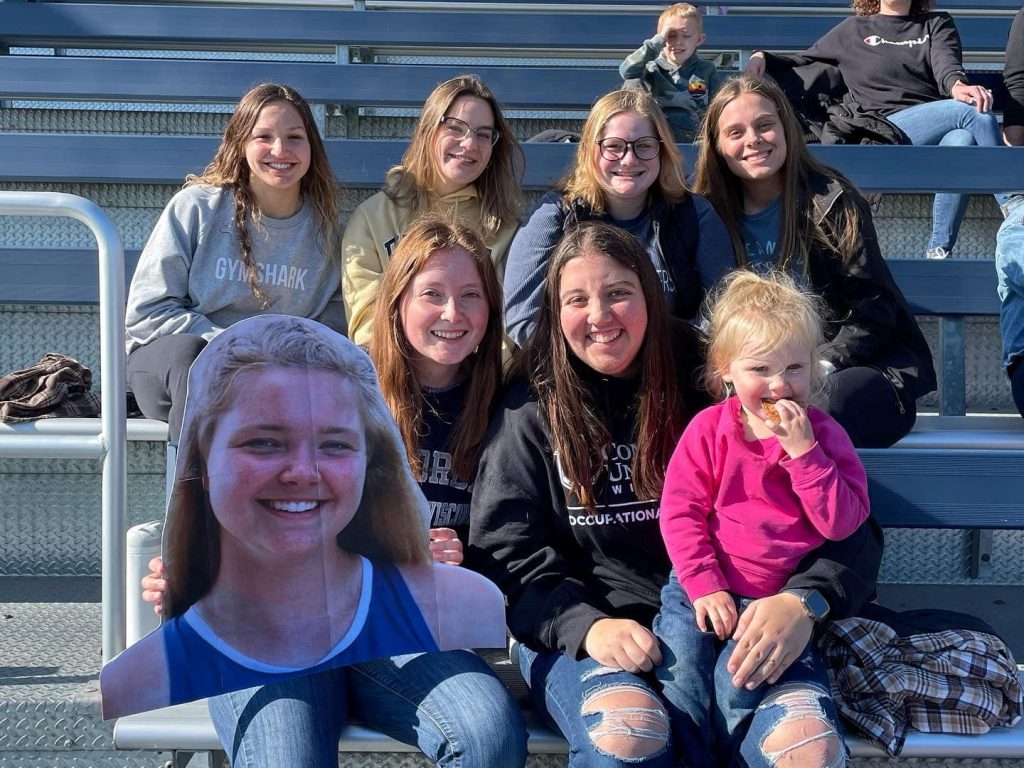
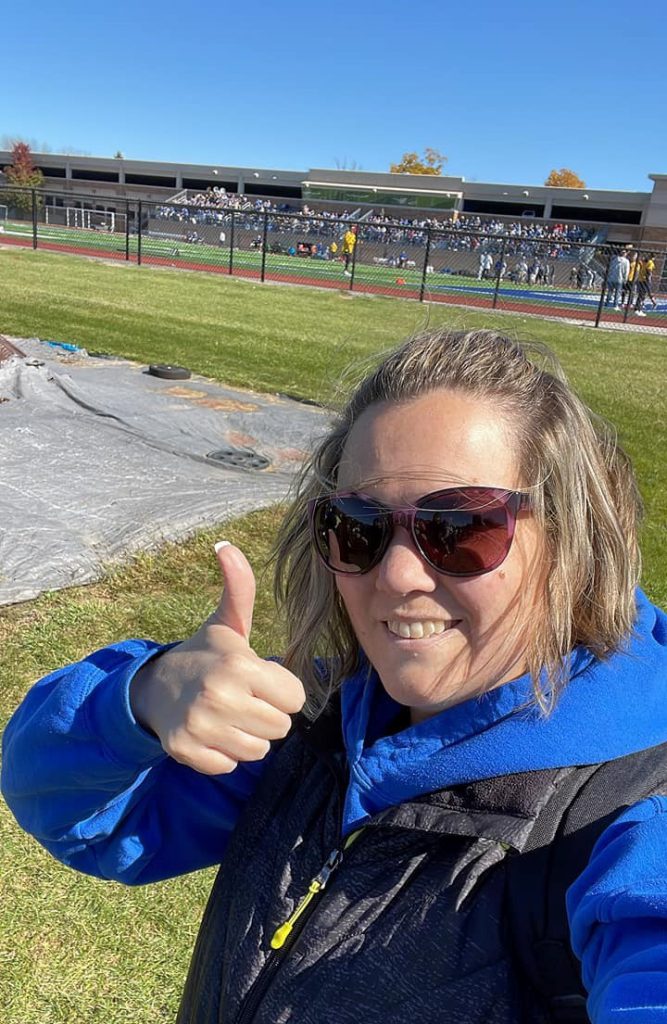
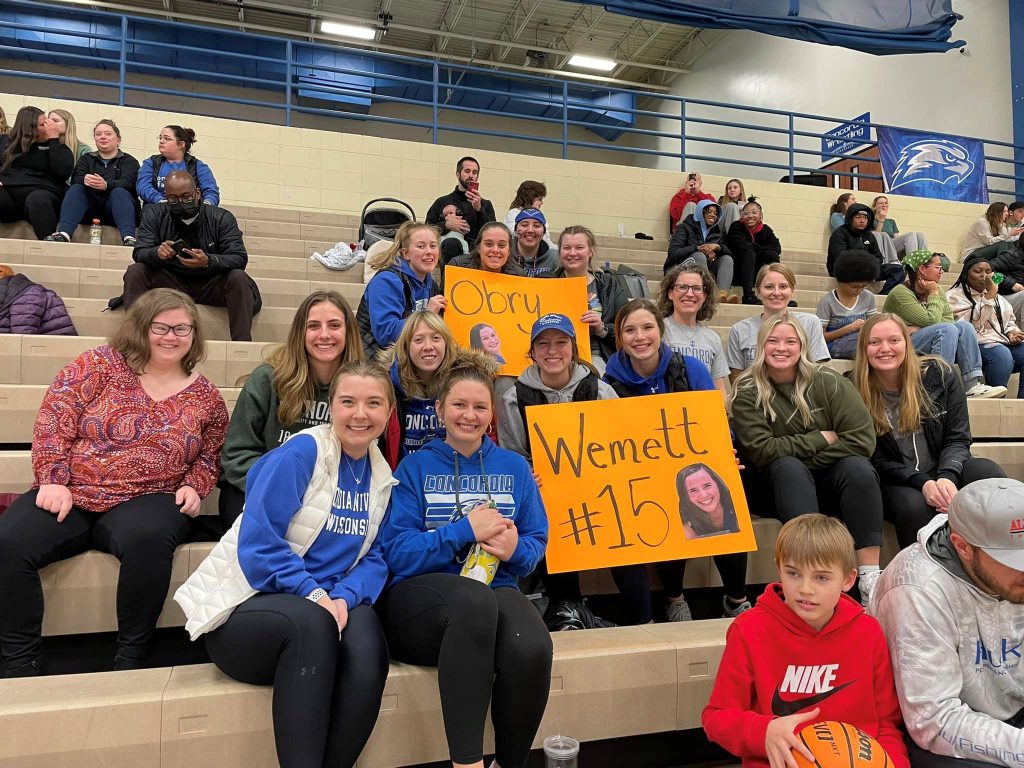
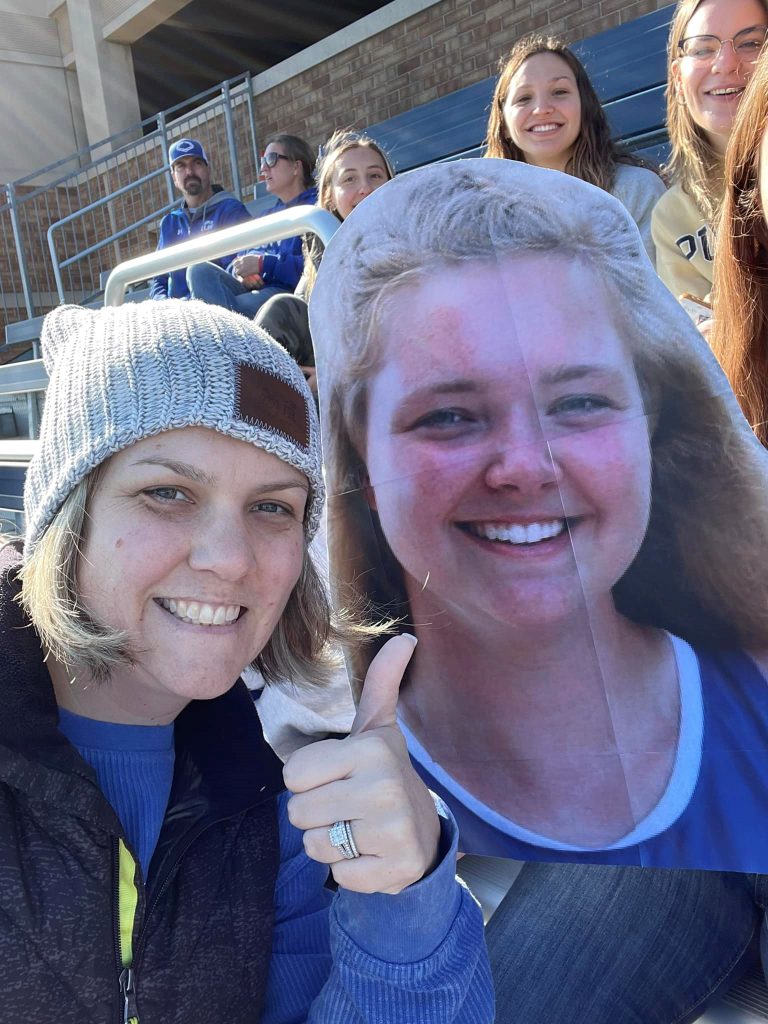
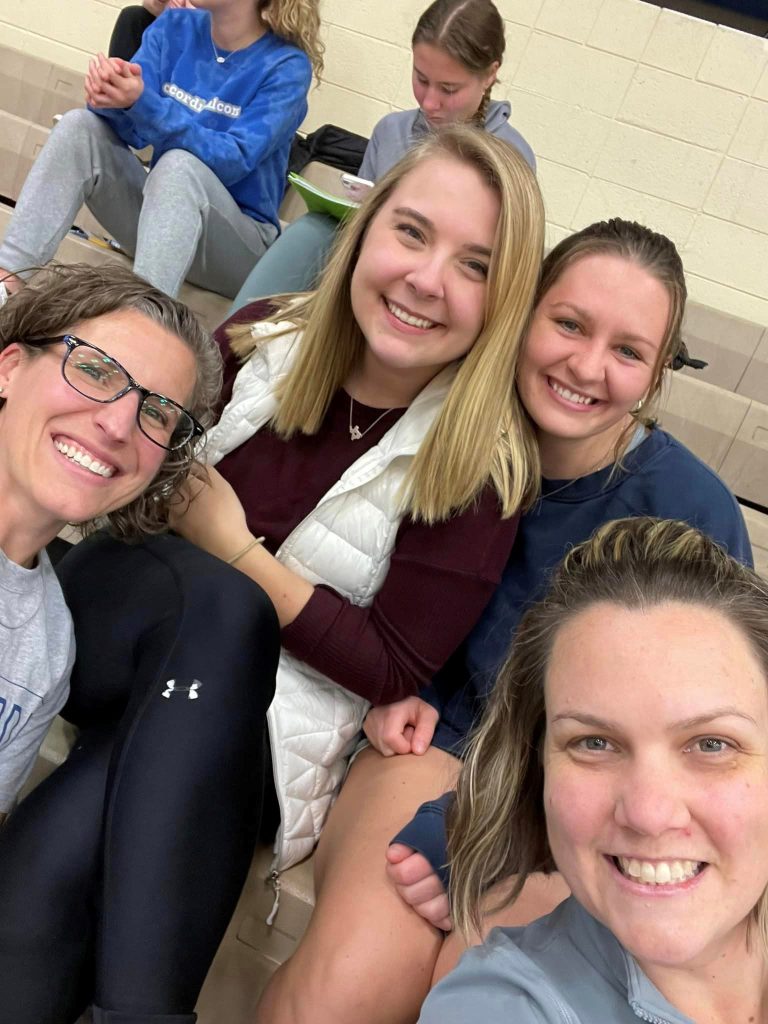
In fact, we have several student athletes in our program and I love going to games to cheer them on in one of their favorite occupations. This year, I made it a goal to attend at least one game of each sport I have a student athlete in. I also invited OT faculty and students as a way to build community within our program.

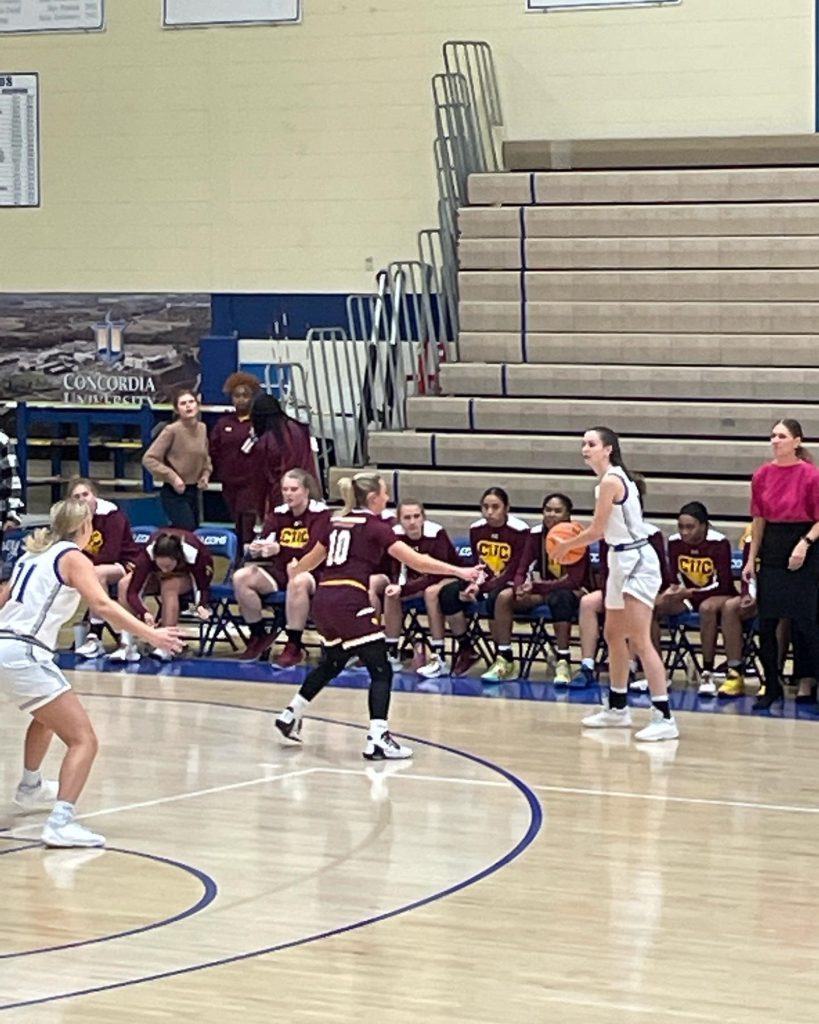
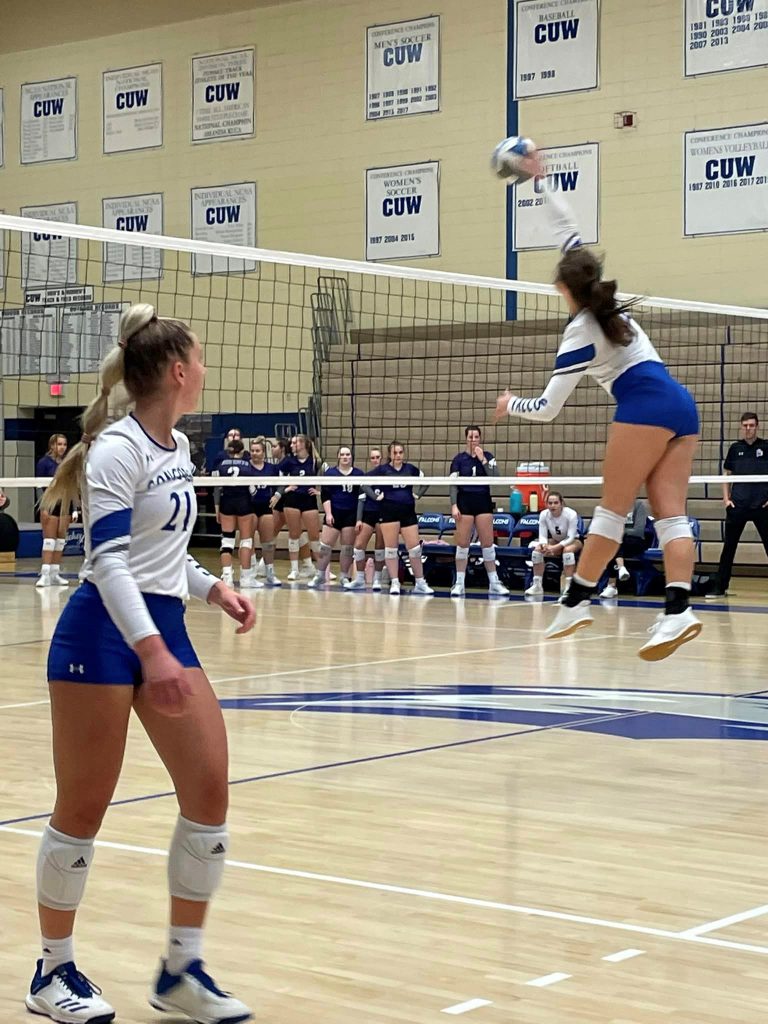
I got to cheer on students in soccer, football, field hockey, volleyball, basketball and softball. Getting to know my students outside of the classroom is so important to me. It’s one way our program supports CUW’s mission of “developing students in mind, body, and spirit.”

The occupational therapy program at Concordia University Wisconsin offers a fast-track to an entry-level master’s (MOT) or doctoral (OTD) degree in occupational therapy (OT) for incoming freshman who know they want to be an OT. This track, called the accelerated track, allows students in the Bachelor of Science in Rehabilitation Science, pre-OT major to join the graduate OT program in their junior year. This means students in the accelerated track can get their MOT degree in 4.5 years, or an OTD degree in five years.

Expectations are high with the accelerated program, and oftentimes, sacrifices are needed to ensure you have enough time to study and prepare for the requirements of the program. However, rigor doesn’t necessarily mean you have to sacrifice everything else you love. For those individuals who are willing to put in the work, you can make athletics and your pursuit of your OT degree possible, as many others before you have done.


Want in?

At Concordia University Wisconsin, we prepare uncommon OTs who are ready to serve their communities and clients. The OT program at CUW prepares students to obtain employment in a variety of settings. Three tracks are offered in both the master’s and doctoral programs: accelerated, bridge, and post-baccalaureate. Explore your options by clicking on either of the links below.


—Meghan Watry-Christian, PhD, OT-L, serves as chair of the department of occupational therapy at CUW. She received her bachelor’s in psychology from Wisconsin Lutheran College in 2003, a Master of Occupational Therapy degree from CUW in 2007, and PhD in Special Education from Northcentral University in 2019.

How to choose the right graduate program

Choosing the right graduate program can be tough. If you know that you want to attend graduate school, but you’re not sure which program to choose, you’re not alone. The Bureau of Labor Statistics showed that even in favorable economic times, grad school could still be worth it. People with graduate degrees tend to have lower rates of unemployment, while also having higher weekly salaries. In other words, graduate school makes sense for a lot of people. But, only you can decide if it’s the right move for you.

If more education is in your future, you’re going to want to choose a program. How do you even do that?

4 Tips for choosing the right graduate program

#1 Choose based on outcome

Leah Herr, Concordia University Wisconsin’s Director of Graduate Counseling, advises people to think about outcome first.

“It’s important to really think through your goals and evaluate where you want to end up,” she suggests. Additionally, you should try to be as clear as possible with your end goal. That way, you can brainstorm the path or paths toward reaching this goal. In doing your research, you might find that you don’t actually need a graduate degree. It’s better to figure that out before you invest time and money into school. On the other hand, your research might confirm that grad school is the right choice for you, and that there are actually multiple programs that will help you achieve your desired outcome.

Herr offers suggestions for people who don’t have a clear outcome in mind yet. “Talk to admissions counselors and program directors,” she says. “Attend webinars and open houses if you can. This will help you get a real feel for the programs you’re looking at and allow your heart to help guide you.”

Furthermore, you can ask to talk to recent graduates and/or current students about what their experience has been like. In doing this, you’ll get to see how the particular program you’re looking at helped someone else meet their goals. Obviously, what works for one person doesn’t necessarily fit for all people. But, actually talking to someone who experienced the program could help you picture yourself in it.

#2 Choose based on return on investment

For some professions, a graduate degree is a sure way to increase your earning potential. Before choosing a program, be sure to research salaries in the location you want to work to get a realistic picture of what could be available to you after you finish your program. Then, when you look at the cost of graduate school, you’ll be able to calculate if your return on investment is worthwhile. Herr reminds people: “Master’s degrees aren’t always going to gain you a new job or bump you up in pay, but they can make you better at the job you’re currently doing.”

When you’re considering your return on investment, don’t forget to include factors beyond finances. Alumni networks and clubs are great ways to stay connected after graduation and to foster professional development. Does your program offer lend itself well to these things?

Concordia University Ann Arbor‘s Director of Enrollment, Kyle Thoms, weighs in on this: “Graduate school is a great way to expand your educational and professional journey. Building your network and collaborating with the professors, students, and other professionals is a benefit of graduate school no matter what program you choose.”

Don’t overlook these crucial factors when determining which program is right for you.

#3 Choose based on program delivery

With so many options available for graduate school, chances are that you can “do school” the way you want to. If program flexibility is one of your top priorities, choosing a program that you can complete online might be ideal. Some programs will allow you to complete your coursework at your own pace, without needing to attend class at the same time throughout the duration of the course.

Other programs might have courses with specific virtual meeting times where attendance is taken. If online learning is new to you, you’re not alone.  There is still the option to go to graduate school in-person, if that’s a high priority for you. However, online learning platforms have come a long way. You can talk with your admissions counselor as well as your program director about what support is available to you as an online student.

In addition to considering your learning medium, think about whether you’d prefer to attend grad school part-time or full-time.

#4 Choose based on university focus

When you’re looking for the right-fit graduate program, start by researching the university’s specialties. While a university might be considered a “good school”, it might not have what you’re looking for in your particular area of study. This is why Herr’s point about talking to admissions counselors and program directors is so important. Some of the best scholars in your chosen program might be serving at universities that you weren’t even considering. Researching the faculty is always a good idea when choosing the right graduate school program.

Gathering information and going for it

Ultimately, only you can decide which graduate school program is right for you. While no program is perfect, taking time to research these four aspects will help you make a choice that meets your needs. If you want more information about graduate school programs, or if you want to talk to someone about what your options are, you can request more information here.

—

If this story has inspired you, why not explore how you can help further Concordia’s mission through giving.

Go for Vitality gold

Let’s go for the gold…Vitality gold, that is!

How did your first quarter go?! Are you crushing your goals? Or looking for a reset? Vitality is here for you no matter where you are on your journey. To maximize your points, make sure you check in frequently and submit points often. Remember, in addition to points for physical activity, you can get weekly points for goal check-ins, attending Bible studies and having your spouse do the same! Here are some additional ideas to add to your points plan!

Week 14

It’s never too early to plan for retirement. During the week of Spring Break, CUW had our Concordia Plans Retirement Rep/Financial Educator on site. If you attended one of the presentations offered by Laura Scheer, navigate to the points planner in Vitality, scroll to Financial Wellness and select the box for “Attend Live Presentation.” (If you attended via Zoom, that works too!) If you need assistance proving your attendance, let Sarah Gartman know and she can get a list of attendees from Laura!

Week 15

Spring has sprung (I mean…if not now…then when?!) Do you participate in a sports league? Did you know you can earn 350 points per league? To learn more, navigate to Resources/Guide to Vitality/Vitality Points/Physical Activity. There are dozens of types of sports leagues. See if yours qualifies!

Week 16

Part of your Retirement Readiness is keeping your beneficiary designations up to date. Earn 100 Vitality Points for updating your beneficiaries in two areas:

  • Concordia Retirement Savings Plan (CRSP) and
  • Concordia Disability and Survivor Plan(CDSP)/Accidental Death and Dismemberment/Supplemental Life. This is done in the Concordia Plans portal.

To receive Vitality Points, submit proof that your beneficiaries are current: a photo or scanned copy of your Fidelity Beneficiaries screen, Portal Beneficiaries screen or Beneficiary Allocations page

Week 17

Take a nutrition course. Vitality offers 6 online courses to choose from. You can receive points for 3 per year (and each course is worth 300 points). Learn how to eat for weight management, healthy eating in a modern world, or how to achieve a healthy balanced diet. It’s a great way to earn points while getting back to the basics of nutrition. Navigate to Resources/Health Resources/Nutrition Courses to get started.

New Concordia Health Plans telehealth options

Did you know that Concordia Health Plans has two telehealth options now?  

Both options give you access to licensed, board-certified doctors, physical therapists and mental health professionals via computer, smartphone or tablet from the comfort of your home. Telehealth saves you money!! Depending on the service you choose, it can be free or less expensive than traditional visits. Some common issues that employees use telehealth for are:

  • Prescription refills
  • Medical questions/referrals
  • Treatment for cold/cough or flu
  • Skin conditions
  • Asthma and allergies
  • Urinary Tract Infections
  • Psychological issues such as stress or anxiety

The two telehealth options available to CUWAA employee enrolled in Concordia Health Plans are:

1) 98point6

A text-based, 24/7 telehealth option. No cost for Concordia Health Plan members. Photo, video and voice support used when needed.

and

2) Teladoc (Wisconsin – UMR subscribers)

Video based telehealth option. $10 co-pay for Healthy Me Copay D subscribers, $60 copay for HSA plans. Psychology or Psychiatry services are $75-288, depending on the provider and length of service. After deductible is met, employees pay 20% of the fee.

or

Dr. on Demand (Michigan – BCBSM subscribers)

Video based telehealth option. $10 co-pay for Healthy Me Copay D subscribers, $49 copay for HSA plans. Psychology or Psychiatry services are $90-220, depending on the provider and length of service. $85 for dermatology services. After deductible is met, employees pay 20% of the fee.