CUW nursing turns 40


Can you believe it has been four decades since the first nursing class was admitted at Concordia College?!

Editor’s note: This story first appeared in the fall 2022 edition of Hearts Together, a Concordia University Wisconsin and Ann Arbor special magazine edition.


That was just the beginning of what has become a strong, enduring tradition of Concordia University Wisconsin nursing graduates fulfilling Concordia’s mission to serve Christ in the Church and in the world.

“It started with the Rev. Dr. John Buuck, the school president at the time, who really had a vision,” reflects Dr. Carol Lueders Bolwerk, professor of nursing and director of parish nursing and congregational health ministry. “Based on his background as both a minister and a biologist, he felt that nursing was a calling, a vocation. So when the school bought this campus in Mequon, they hired Dr. Marge Viehl, who was LCMS, to develop a nursing program.”

Ever since, the integration of faith into a nursing education is one thing that distinguishes the CUW program. One way that happens is through a dedicated course on Christian caregiving, which provides a Christ-centered framework to holistic health care. Since 1989, the program has also incorporated parish nursing—now often known as “faith community nursing”—into the curriculum.

This emphasis on faith is also reflected in the importance of annual nursing mission trips. Since 2005, hundreds of nursing students have traveled to places such as Mexico, Costa Rica, Honduras, and Belize, bringing much-needed medical care while spreading the Gospel of Christ.

Today, CUW’s fully accredited nursing programs truly stand out, with state-of-the-art simulation labs, diverse clinical opportunities (Including women’s health in OB/GYN), excellent student-teacher ratios, and a wide variety of degree paths (including BSN to DNP, BSN completion, second degree in nursing-accelerated format, and more) to name just a few.

As the health care industry continues to face a severe nurse shortage, faith-based education and care become ever more important.

“Nurses offer hope and inspiration, things that are needed now more than ever, so we’re going to continue to find new ways to train nurses to care for patients in mind, body, and spirit,” Lueders Bolwerk says. “And, of course, we continue to share the Gospel. Because when all is said and done that’s really the most important thing of all.”

Measures of Christ-centered care

As the CUW School of Nursing celebrates its 40th anniversary this year, here are just a few of the milestone numbers this outstanding program has reached:

#1

First among the Concordia University System to offer a nursing degree

3,642

Number of CUW nursing alumni in the field

93%

Most recent NCLEX first-tie pass rate (more than 6 points above the national average)

11

Number of bachelor’s, master’s, doctoral, and certificate program tracks available

14

Years of Doctor of Nursing Practice, the longest-running such program in Wisconsin

30

Number of annual parish nurse and congregational health ministries conference events held on campus to date

Decades of alumni in the field

Concordia is proud to call more than 3,500 nursing graduates our own. Here are just a few who have spanned the decades of CUW’s nursing history.
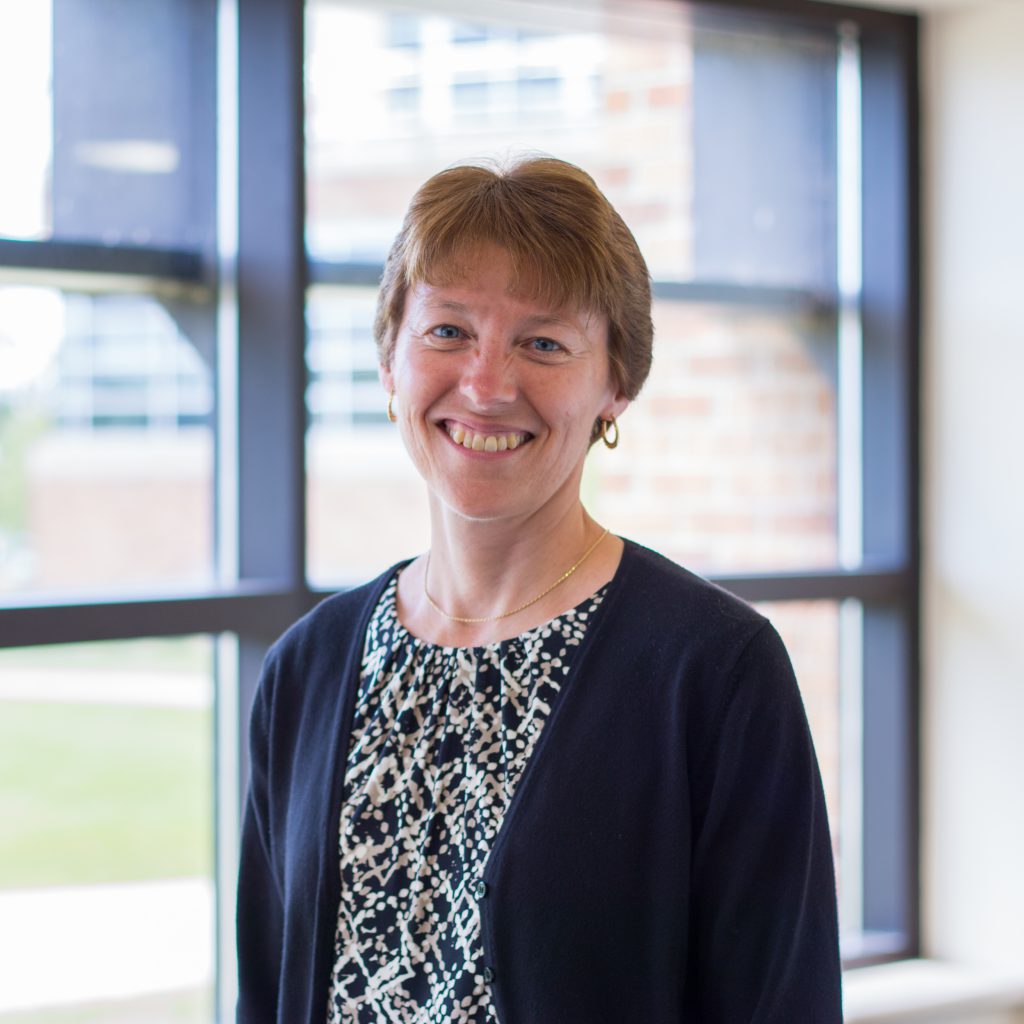
Cindy Witte (’90, ’02), DNP, RN, FNP, CNE

Associate professor of nursing at Concordia University Wisconsin

“Whether as a student or faculty member, CUW has been my home for the majority of my professional life. The opportunity to proclaim Christ amid coursework is paramount.”
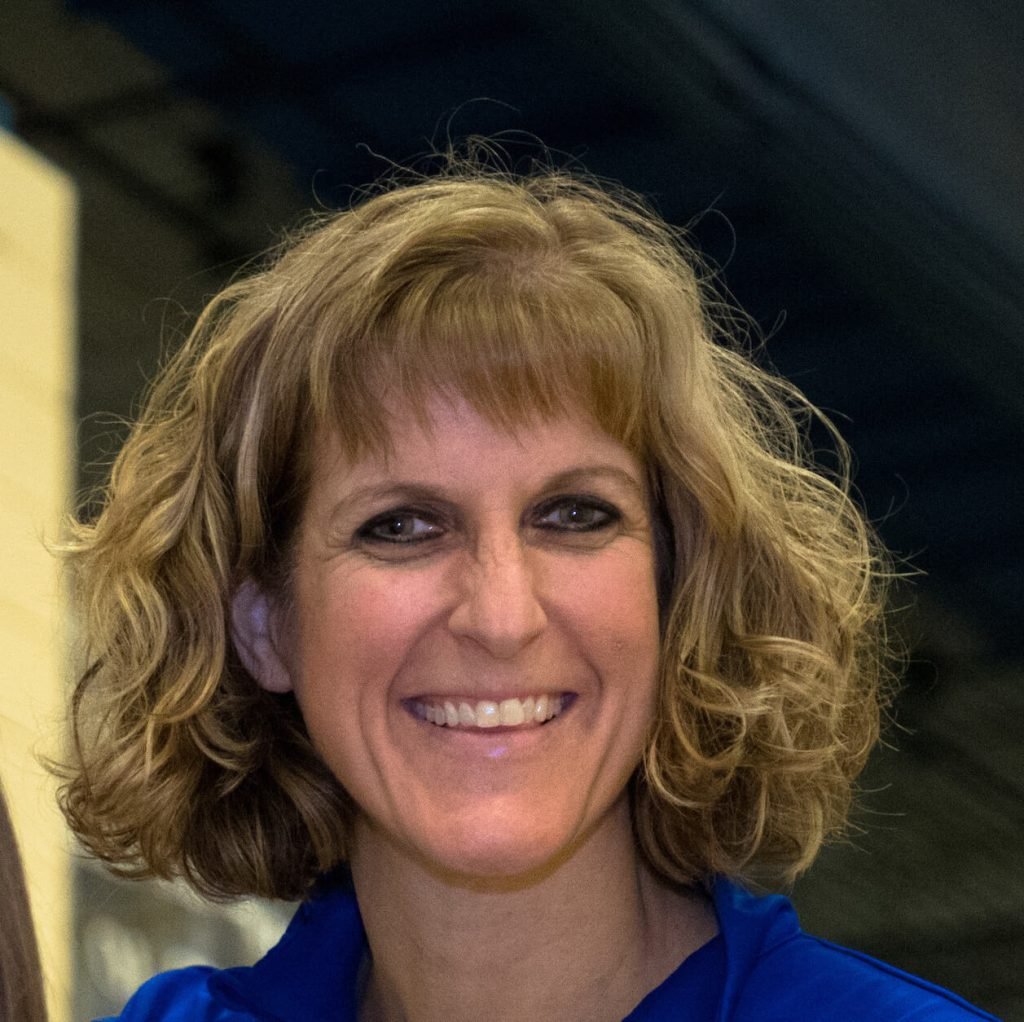
Sue Hafemann (’92, ’08), RN, FNP, APNP-BC

Family nurse practitioner for Aurora Health Care Wisconsin

“I continue to see the blessings of a CUW education in the students I mentor in practice, and I’m also very proud that my three daughters have pursued their nursing education/careers at CUW!”
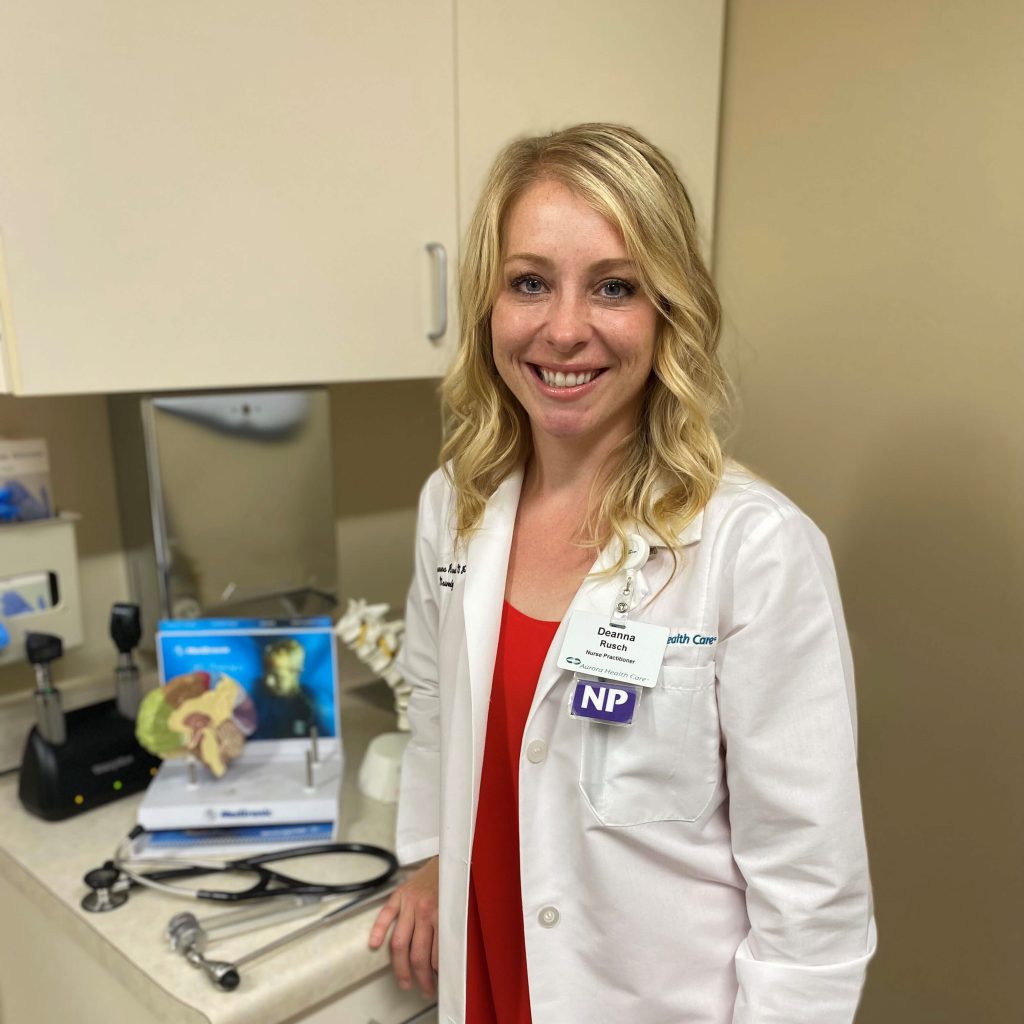
Deanna Rusch (’08, ’15), MSN, APNP, SNP-BS

Lead nurse practitioner-neurology for Aurora Advance Good Hope Clinic

“Concordia taught me how to use servant leadership and provide care holistically in the field of neurology.”
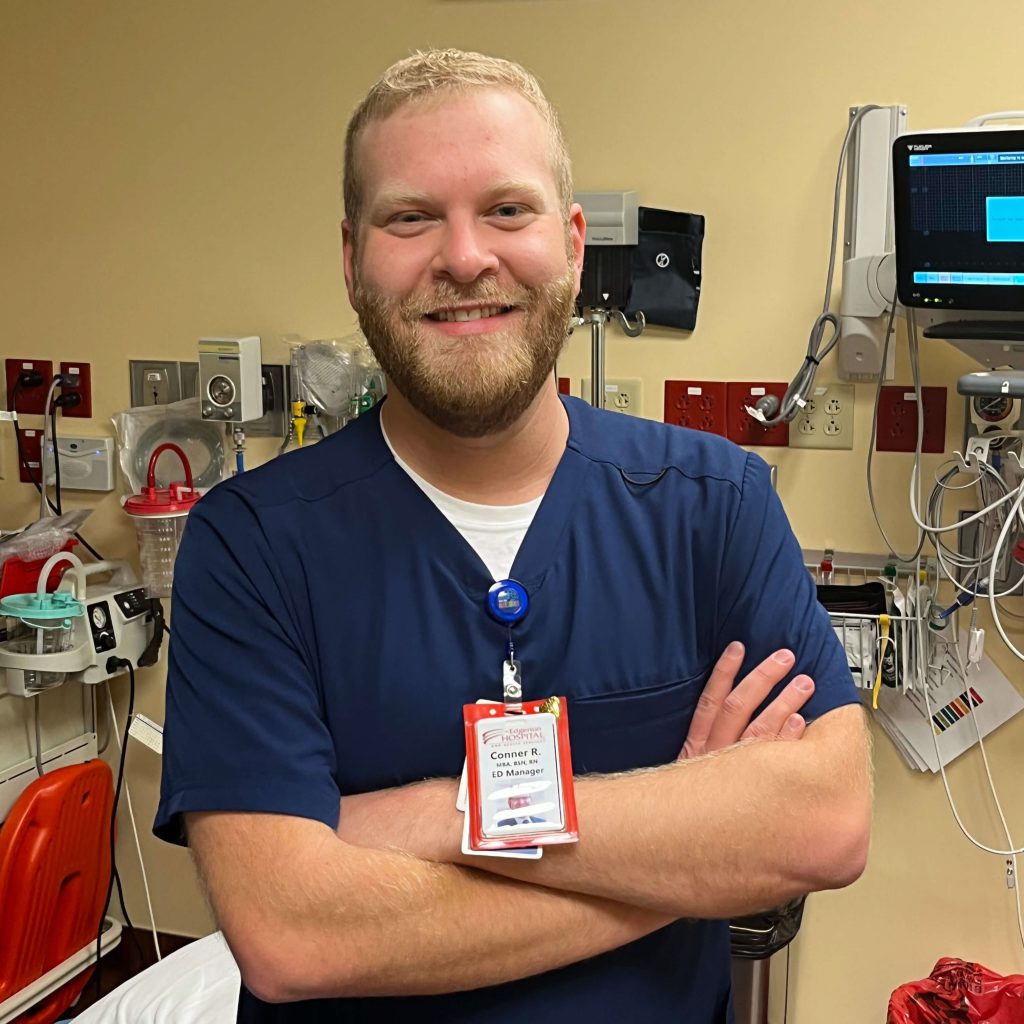
Conner Ruosch (’16), MBA, BSN, RN

Emergency department and med/surg unit manager at Edgerton Hospital and Health Services

“I absolutely loved the faculty and staff at Concordia. It was like having 10 extra moms and aunts all cheering me on.”


Want in?

CUW is proud to offer the longest-running Lutheran nursing degree in the nation, as well as the earliest established DNP in the state of Wisconsin. Click on the link below to learn more.


—The fall 2022 Hearts Together magazine hit mailboxes in early October. View a PDF version of the magazine here. If you are not on our mailing list, but are interested in receiving a free copy, email Jennifer.Hackmann@cuaa.edu.

Prescribing for prisons


Makayla Hopp (’18) serves as assistant pharmacy director for the Wisconsin Department of Corrections and oversees a team of 18 pharmacists who play a role in filling prescriptions for the entirety of the state’s prison population.

Editor’s note: This story first appeared in the fall 2022 edition of Hearts Together, a Concordia University Wisconsin and Ann Arbor special magazine edition.


It’s hard to grow up in Waupun and not be reminded of the criminal justice system. The Wisconsin city is home to three prisons, including the state’s oldest penitentiary. About one-fourth of Waupun’s 11,300-person population is incarcerated.

Although Makayla Hopp (’18) never had any direct experience with correctional institutions growing up, the Waupun native was acutely aware of their presence in her hometown. So when it came time to rank her rotation preferences while in her final year of pharmacy school at CUW, she naturally paired with the Wisconsin Department of Corrections (DOC), whose pharmaceutical facility is in Waupun.

Hopp stayed on with the DOC after earning her PharmD in 2018, and quickly rose to a leadership position due to her aptitude and affinity for her native city. She now serves as assistant pharmacy director and oversees a team of 18 pharmacists who play a role in filling prescriptions for the entirety of the state’s prison population. Altogether, Hopp and her team fill about 2,500 prescriptions a day.

“Our goal is patient care,” says Hopp. “Ultimately, we want to reduce recidivism. We want to provide the best possible care for our patients while they’re here in order to set them up for success.”

That attention to exemplary care was modeled to her at CUW.

“It’s more of a community at Concordia,” Hopp says. “The professors know you and care about you, and if you need to get ahold of them they’re available to you. At Concordia, they’re really invested in your education.”


Want in?

In 2021, the Accreditation Council for Pharmacy Education (ACPE) extended CUW School of Pharmacy’s accreditation for the maximum eight-year term and named it one of only five “Noteworthy Examples” of exceptional achievement nationwide. Learn more about SOP by clicking on the link below.


—The fall 2022 Hearts Together magazine hit mailboxes in early October. View a PDF version of the magazine here. If you are not on our mailing list, but are interested in receiving a free copy, email Jennifer.Hackmann@cuaa.edu.

Faculty Spotlight: Kassy Bartelme

Kassy Bartelme, PharmD., BCACP, has been at Concordia in the School of Pharmacy since 2011. During her time here, Bartelme has impacted her students and the Concordia community in her role as an associate professor. Let’s learn about what makes this influential member of our teaching community so beloved.

How long have you been a pharmacist?

I have been a pharmacist for 13 years. In 2009, I graduated from the University of Minnesota – Twin Cities College of Pharmacy (COP). After graduation, I did a two-year residency at the COP where I split my time between teaching and ambulatory care pharmacy practice with a focus on leadership.

Finish this sentence. I became a pharmacist because…

I love serving patients. After my freshman year of college, I started working in a pharmacy. I began as a cashier then a prescription filler, and ultimately a technician. While working I knew I wanted to continue serving patients with the knowledge and skills of a pharmacist. I enjoyed getting to know my patients on a personal level. As a pharmacist, I am able to help them with questions and problems related to their health and medications and help them achieve their healthcare goals.

What field within pharmacy interests you the most. How did you discover this?

I love ambulatory care pharmacy. I learned about it on the first day of pharmacy school in my Pharmaceutical Care Practice course. The professors called it pharmaceutical care then and it has morphed into ambulatory care pharmacy. It’s the perfect combination of pharmacy and general/family practice medicine. It allows me to work at the top of my license and work closely with patients and other health care providers.  

What keeps you engaged in pharmacy? 

The profession of pharmacy is always changing. Pharmacists are already trusted and well-respected professionals in the community. In the past couple of decades, pharmacists have been earning a new appreciation for their skills and knowledge. They have also been given more responsibilities, such as provider status and prescribing rights. I am excited about the expansion of pharmacy services.   

What do you love about working with pharmacy students? 

Seeing students develop into confident and competent pharmacists is something I love. They learn so much from year to year and it is rewarding to see their confidence and knowledge significantly increase throughout. Being a professor I enjoy getting to know students on a more personal level and what makes them tick. Those relationships help me provide career advice as needed.   

What is your area of expertise within pharmacy?

My clinical area of expertise is anticoagulation management. I practice in a cardiology clinic where I monitor the effectiveness of warfarin, a blood-thinning medication for patients. Then I meet some patients face-to-face and perform a finger-stick blood test while other patients have the test done elsewhere and I talk to them on the phone. After that’s all done, I am able to adjust the medication dose based on the blood test.

My teaching areas of expertise include nonprescription pharmacotherapy, women’s health pharmacotherapy, and applied patient care skills, including clinical documentation. 

Are you involved in any current research projects? 

Yes, I am collaborating with a faculty member at UW-Madison School of Pharmacy to survey community pharmacists in Wisconsin. It will report on their perceptions of the provision of reproductive health care services following the overturn of Roe v. Wade.  

Anything else you are passionate about?

Recently I was elected to be the secretary for the American College of Clinical Pharmacy (ACCP) Women’s Health Practice and Research Network (PRN). This two-year term begins in October 2022 at the ACCP Global Conference.

The Women’s Health PRN includes pharmacists and pharmacy students who either teach, practice, or have an interest in women’s health. Members serve as a resource for other members. Additionally, PRN members carry out women’s-health-related research and advocacy.

As secretary, I get to attend and take minutes at the PRN officer meetings and the PRN business and networking forum at the annual conference. After the annual conference, I then develop and disseminate a membership survey. I will serve as the Co-Chair of the Communications Committee which will publish a PRN newsletter twice a year, update the PRN website, and monitor the listserv. I am also a member of the Student/Resident/Fellow Committee. 

What advice do you have for current pharmacy students? 

I have two main points of advice for pharmacy students. First, get involved while in pharmacy school. Join student organizations and participate in activities. It will provide you with real-life opportunities to serve patients and network with other pharmacy students and pharmacists.

Second, be sure to advocate for yourself. If you’re struggling with anything, whether it’s classes, personal concerns, or something else, please ask for help. Talk to your professors, SOP staff, counselors, friends, or someone else you trust.  

Looking for a student’s perspective? Check out what a recent grad enjoyed about the program.

Do you want to know more?

You can learn from Kassy Barteleme and our other accomplished faculty in our pharmacy program. If you’re interested in learning more, visit us here.

Concordia School of Pharmacy increases student enrollment

Nationally, since the 2012-2013 admissions cycle, there has been a decline in applicants pursuing pharmacy school. The data estimates the 2021-2022 admissions cycle suffered a 14% decline in applicants nationwide compared to last year. With a multi-pronged recruitment strategy, Concordia School of Pharmacy overcame the challenging landscape.

“The pharmacists’ role on the healthcare team has evolved tremendously. Typically, when people picture a pharmacist, they may think of their local community pharmacist dispensing medications and providing healthcare advice. While community pharmacy is a common and rewarding route for pharmacists, there are so many other career options in pharmacy that allow the flexibility to practice in different settings and specialize in a vast number of clinical focuses” said Kaylan Gaines, Director of Recruitment & Admissions at Concordia’s School of Pharmacy.

During the 2021-2022 admissions cycle, the school of pharmacy saw an increase of submitted applications by 20%, resulting in an increase in student enrollment by 11% compared to last year.

The fall 2022 cohort is made up of 63% women & 37% men and has an average age of 24. These new students are from 19 different colleges/universities across eight states: WI, MI, IL, IA, FL VA, MI, and HI. Although nationally enrollment has decreased, Concordia’s pharmacy program has managed to continue seeing increases in student enrollment.

So what do we do differently?

In our pharmacy program we focus on creating a student-centereted program that provides an excellent education and hands-on experiences. We strive to mold our students into knowledgable, patient-centered pharmisists.

Manageable schedule

We recognize the need to refresh and refocus. Therefore, we have created the program to allow time to recharge.

In the summer, there are no classes, unlike some schools that go year-round. This gives you a break from studying and time to be with family or friends. Some students even pick up jobs in the summer.

Caring and actively involved faculty

Our pharmacy faculty is dedicated to helping you succeed in your journey to becoming a pharmacist. They are practicing pharmacists and pharmaceutical scientists who are here to help you succeed.

RELATED: Read more about one of the pharmacy professors, Sarah Ray

Smaller and more personal feel

As a smaller, private university, we’re able to provide more individual attention to students. Our classes have a 10:1 student-to-faculty ratio, allowing you and the faculty to work closer together.

Practice experiences at leading healthcare organizations

Our campus is located 20 minutes from Milwaukee, the largest city in Wisconsin. Being close to the MKE area allows you to serve in rural and urban settings. It also gives you an opportunity to make connections at potential residency or employment sites. Some health systems Concordia partners with are:

  • Advocate Aurora Healthcare
  • Ascension Healthcare
  • Froedtert Healthcare

Focus on patient care is the #1 priority

Throughout the program, our focus is on developing your patient care skills. To make this a priority, when you are doing your pharmacy practice experience, you have no other courses at that time. This allows you to solely focus on learning and practicing patient care.


“This accomplishment doesn’t go without recognizing the work and efforts done by the recruitment & admissions team, faculty, staff, current students, and alumni. I appreciate the school of pharmacy for building a proactive recruitment culture where everyone plays a part in the admissions process. I am overjoyed at the enrollment increase and look forward to building on the success” said Kaylan Gaines, Director of Recruitment & Admissions at Concordia’s School of Pharmacy.  

Want in?

Interested in pursuing pharmacy school? Contact our admissions and recruitment team at pharmacy@cuw.edu or visit us here.