Serving the Students and Serving the Community through Physical Therapy

Concordia University Wisconsin commits to helping students develop in mind, body, and spirit to serve Christ in the Church and the world as a Lutheran higher education community. We invite our community partners and our valued alumni to be partners in advancing that mission.

Our Traditional Program Origins

Nearly 30 years ago, in the fall of 1994, the inaugural cohort of physical therapy (PT) students began their Master of Physical Therapy coursework at Concordia University Wisconsin (CUW). Two years later, the program was officially accredited. In the early 2000s, we converted the Master of Physical Therapy program to a Doctor of Physical Therapy degree, which is now the standard of education for the profession.

Currently, the traditional Doctor of Physical Therapy (DPT) program at CUW welcomes 28 students per cohort annually. The program offers several CUW students accelerated admission, enabling them to complete both a Bachelor of Science in Rehabilitation Science and a DPT degree within 6 years. The traditional program also welcomes other students from CUW and universities nationwide who have completed an undergraduate degree and meet prerequisite requirements for admission.

Other Programs We Offer

In addition to the traditional DPT program, the Physical Therapy Department will welcome its third cohort of students into the Physical Therapist Assistant (PTA) to DPT Bridge program this January. The hybrid nature of this program reaches PTAs across the nation, allowing them to advance their education and career without moving to a new city or state.

About 10 years ago, the Physical Therapy Department developed the Concordia University Orthopedic Residency as a subset. This nationally-accredited post-professional opportunity allows licensed physical therapists to advance their clinical practice in orthopedic care. Upon completing the residency, clinicians can sit for the Orthopedic Specialist Certification examination and earn the national distinction of Board-Certified Specialist in Orthopedic Physical Therapy.

About the Faculty

Eleven full-time faculty and numerous adjunct faculty and lab assistants (many are alumni of CUW) serve the physical therapy students and residents. The faculty hold various terminal-level degrees, including PhD, EdD, ScD, and DPT. Seven of the full-time faculty members also hold recognition as Board Certified Specialists in their respective domains of physical therapy practice.

Service in Practice

Service to the community is a cornerstone of the CUW DPT program. Traditional DPT students must complete at least 30 service hours over three years, but many students far exceed this requirement as they embody and live out the mission of CUW. The curriculum also embeds community outreach. Examples include educational outreach to local and at-risk schools, fall risk and health screens for community members and individuals in assisted-living facilities, and pro-bono physical therapy care. 

Students in the Community Clinic

In the traditional DPT program, students spend three semesters enrolled in a series of Community Clinic courses. During these courses, PT students collaborate with licensed supervising clinicians, classmates, and students/faculty from other healthcare disciplines to provide pro-bono care to community members in need. PT students have the opportunity to work with children, adults, and the elderly population throughout this time. These courses also allow third-year PT students to mentor second-year students, building confidence in knowledge and skills. Over the years, the location of the “Community Clinic” has varied; we have rearranged classrooms on campus and provided services at numerous off-site locations. The opening of the new Interprofessional Clinic on the CUW campus in January 2023 has created an optimal learning environment for conducting patient and client care.

The newly renovated Interprofessional Clinic provides much-needed spaces to continue our efforts to educate all of our students to be interprofessional practitioners.   The clinic includes a welcoming reception area, an ample open gym space, a splinting area, private treatment rooms, an observation room, an apartment, and a simulation lab.

Hear From the Faculty and Students

Elizabeth Paly, Associate Professor of Physical Therapy and Course Coordinator for the Community Clinic courses, speaks on the benefit this space provides the PT students. Dr. Paly has observed that “the IP (Interprofessional) Clinic provides a safe learning environment where our students can apply and practice clinical skills as they progress in the program.” 

The use of the new clinic space is not isolated to the Community Clinic courses. Kate Bennett, Assistant Professor of Physical Therapy, states, “I love using the space to welcome patients with the health conditions students are studying to be patient examples in the Management of Neuromuscular Disorders courses.” This past spring, Dr. Bennett utilized the IP clinic space for students to practice testing and assessing a client with a spinal cord injury. She also finds the space beneficial for conducting lab practical assessments and simulated patient interactions in an environment that closely resembles what students will experience on clinical rotations and in their future careers.

A current DPT student indicates, “The clinic space has been great for real-life application of skills.” The student elaborated that the clinic has “allowed me to connect with community members and students/professionals from other healthcare disciplines.”

In the Future

The PT department is excited to continue exploring opportunities for interprofessional student collaboration and service to the community. Ideas that have been proposed include development screens for infants and toddlers, group exercise classes, and fitness activities for AbleLight students. If you feel the IP clinic or a department within the School of Health Professions could address a community need, please let us know!

Join Us!

At Concordia University Wisconsin, our goal is not only to provide quality education to our students and prepare them to serve but to do so by continuing to cultivate and develop meaningful community collaborations and engage our alumni. Are you interested in becoming partners in the mission of Concordia? Come join us for our upcoming event, Creating Community Collaborations: A CUW Alumni Event, on Wed. October 25th, 5:30-7:30pm. Following a welcome address, our guests will receive a clinic tour and participate in a collective discussion to identify unmet community needs and ways our IP clinic can help address them. We hope you can join us on campus!
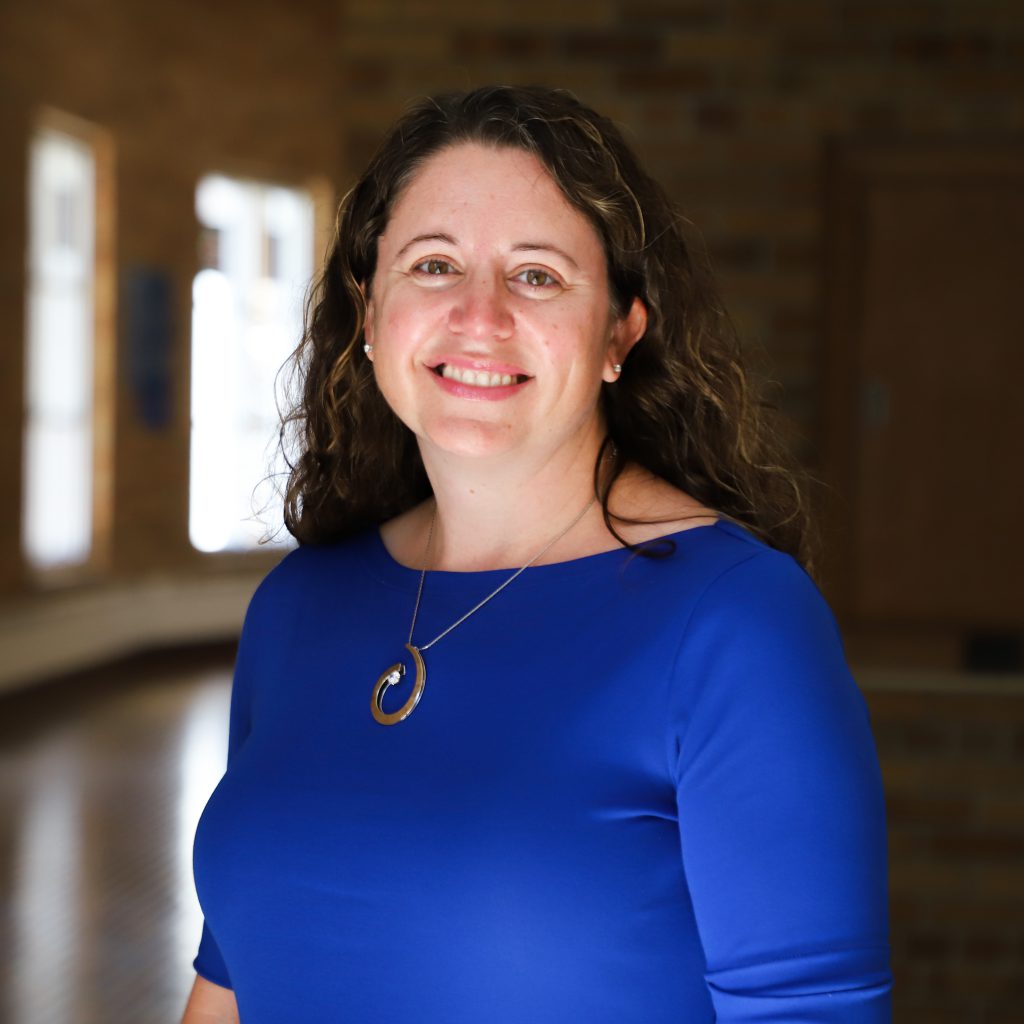
CUW Occupational Therapy: New Partnership with Michigan Tech


Concordia’s Master of Occupational Therapy (MOT) or Doctor of Occupational Therapy (OTD) offers a possible path for individuals seeking to pursue their calling as occupational therapists, regardless of their current stage of the journey.


Concordia University recently signed an articulation agreement with the Michigan University of Technology.

This agreement will ensure that students enrolled in a bachelor’s degree program at Michigan Technological University (MTU) and seeking admission to the Wisconsin campus of Concordia University for the foundational Master of Occupational Therapy (MOT) or Doctor of Occupational Therapy (OTD) will be given priority admission status.

Why is priority admission important?

Priority admission allows us to review the applications from MTU students separately from and before the general applicant pool. Because of this, students applying with priority admission have a higher chance of selection for the program.

What is the significance and what factors contributed to CUW’s decision to partner with Michigan Tech?

We have a recent student who is an alum of MTU and their pre-healthcare professions advisor reached out to CUW’s admission team. MTU is located in the upper peninsula of Michigan and does not offer a graduate-level occupational therapy degree. Working with them to provide a pathway for students who want to become occupational therapists has been a great experience.

What are the fieldwork requirements for the program?

OT educational programs include 2 types of fieldwork experiences: Level I and Level II. At CUW, Level I experiences are provided in pediatrics and behavioral health through a 1-week intensive residency requirement during the second summer of the program. Level II experiences happen after students complete their didactic coursework. Every student will complete 2, 12-week Level II fieldwork experiences, each in a different practice setting. Level II experiences are the final step in the educational process. This is where students practice full-time, under the supervision of a licensed OT. Here they apply the knowledge they’ve acquired in the classroom.

What are the employment outcomes for graduates of the program?

  • An important metric of success for OT programs is Licensure Exam Pass Rate, and CUW Occupational Therapy’s current pass rate is 97%
    • Additionally, based on our last “new grad” survey — here’s where our recent grads are at now:
      • 75% of new grads were employed in OT
      • 20% were applying for further educational opportunities
      • 5% were still seeking employment

What are the most important skills and competencies that you aim to impart to students during the program?

Our students will graduate with the hands-on clinical skills needed to both evaluate and treat clients in a variety of clinical settings. Even more importantly, we highly value the professional reasoning skills, leadership skills, and advocacy skills that our students gain. Our hope is that they use these skills to become change agents in the profession.

What advice do you have for students who are considering pursuing a career in occupational therapy?

Spend time shadowing occupational therapists in at least 2 different settings. It’s important to have a sense of what makes us unique in the healthcare and educational setting we work in.

If potential students have a question about this program, or OT in general, who should they reach out to?

As the program director, I LOVE talking to future occupational therapists. Please reach out to me at Meghan.watry-christian@cuw.edu


Want in?

Concordia’s OT program makes stepping forward in your calling as an occupational therapist attainable no matter where you are in your journey. Our multiple program pathways and hybrid course formatting will prepare you holistically. Through our faith-based, student-centered curriculum, and diverse, hands-on, clinical experiences you will graduate confident in your skills. Learn more about our programs below.


—Dr. Meghan Watry-Christian, PHD, OT-L, is the Department Chair of the Department of Master of Occupational Therapy (MOT) and Doctor of Occupational Therapy (OTD) Programs and is an Associate Professor within the School of Health Professions.

What is “Experiential Learning” as a Physical Therapy student?


Graduating from your undergrad program to Physical Therapy school brings exciting learning opportunities in a variety of formats. Some you may already be familiar with, such as textbook readings and faculty lectures. Physical therapy, however, is a field that also requires hands-on experience and practical skills. One of the most effective ways to learn these skills is through experiential learning.

What is experiential learning?

Experiential learning involves hands-on experiences that allow you to apply what you’ve learned in the classroom to real-world situations. A powerful tool for developing practical skills, problem-solving abilities, and critical thinking, experiential learning is a necessary part of the physical therapy curriculum. By working with patients and addressing their unique needs and challenges, students learn to adapt their skills and techniques to different situations. This helps them become better prepared to handle the unexpected patient needs working physical therapists have learned.

What does experiential learning look like?

Compared to your undergrad programs, “labs” in Physical therapy programs might look a little different. Physical therapy programs call in-class experiential learning opportunities “labs”. A good example are chemistry labs, where you conduct chemical experiments while someone watches. Similarly, in a PT lab students work with classmates to role-play and act out situations. Lab simulations develop technical skills, expose you to different types of equipment, and allow you to modify exercises for patients with different abilities and conditions.   

What about clinical education?

Clinical education may be the most important part of experiential learning. Clinical education involves full-time immersion in a variety of clinical settings to complete your learning. This year, the CUW PT program moved many of the practical labs into the new Inter-professional Clinic. The on-campus clinic is always ready to use and allows students the space needed for active role-playing and realistic simulations. Experiential learning with healthy classmates is a starting point to develop your skills.

Another way students develop practical tools is by working with community members in the Inter-professional Clinic. Students have the opportunity to address the same conditions they are learning about in the classroom. Reflection is also an important aspect of Experiential Learning. Students grow by reflecting on their performance related to intellect, technical skills, interpersonal communication as well as feelings. To help students complete their reflection, we hold “debriefs” after our sessions with community members. This is a time for students to reflect on their faith because they see how patients continue to live their lives despite impairments related to their conditions.  


Here is a breakdown of other ways experiential learning goals are met:

Develops Critical Skills

One way experiential learning provides students with the opportunity to gain practical experience is through working with patients. This hands-on experience helps students develop skills by working to assess, diagnose, and treat a wide range of conditions.

Promotes Critical Thinking

Experiential learning encourages students to think critically about the problems they encounter while working with patients. By reflecting on their experiences and analyzing their actions, students can identify areas for improvement and develop more effective treatment plans.

Builds Confidence

Experiential learning helps students develop confidence in their abilities. By working with patients and seeing the positive impact their treatments can have, students gain a sense of satisfaction and accomplishment that boosts their confidence.

Fosters Professionalism

Experiential learning provides students with the opportunity to increase their professional presence. By working with patients and other healthcare professionals, students learn to communicate effectively, work collaboratively, and maintain a high level of ethical conduct.


Experiential learning is a crucial part of physical therapy education. Experiences help students prepare for full-time practice in a mentored environment. They reinforce knowledge and skills. They also help reduce students’ fears and anxieties because they encourage practice with “real” patients. Nothing can replace the opportunity to learn and grow in an active environment.


More questions about PT?

Check out some of our other blog posts about things like

The School of Health Professions (SHP) offers a wide variety of accredited programs at both the undergraduate and graduate level. Our programs are provided in a variety of teaching formats (face-to-face, online, blended) and our curriculum emphasizes service to the community and inter-professional collaboration. Students are able to work with community members very early in their educational experience. Explore your options! 


—Dr. Bennett shares her extensive (20+) clinical experience while teaching clinical application of adult neurologic rehab, pathological gait, and foundational skills.

A Day in the Life of a Physical Therapy Student

What does a typical day look like for Physical Therapy Student and Graduate Assistant Ashley Nelson?


Hello! My name is Ashley Nelson, and I am a 2nd –year Physical Therapy student here at Concordia University- Wisconsin. I’m also the Graduate Assistant for the Physical Therapy Department, so my schedule might look a little different than other second year students, but I hope this gives you a good idea of what a day looks like as the Graduate Assistant while also a Physical Therapy student. Please follow along as I take you through a typical day for a Physical Therapy student with a job on campus.

6:00 am: Wake up

My first class of the day starts at 7:30 am, so I like to get up early to get ready for the day. After getting ready, I eat breakfast while I look at my planner to prioritize my tasks for the day. I write everything in my planner: assignment due dates, exam dates, guest speakers in class, etc. This allows me to stay on top of my week, which is very important, especially as a student who works.  

6:45 am: Drive to Campus

I only live about 15 minutes from campus, so it’s a quick drive to get to class by 7am. I’m someone that likes to arrive early because it allows me to review my notes before class or get some work done on a short assignment. You definitely don’t have to arrive this early, but a few classmates also get to class early, so this is a great time for us to ask each other questions about topics we might struggle to understand.  

7:30 am: Class

I have two classes Thursday mornings: Exercise Science I and Management of Musculoskeletal Disorders II. In both classes, we spend a lot of time with hands-on labs, but we also discuss the lecture content for that week. Our classes are typically an hour and fifty minutes and almost all of it is spent with hands-on practice, especially as a 2nd –year student.

One of the things I like most about Concordia is the small class size. My class currently has 23 students, and we take all our classes together. In between these two classes is our campus-wide chapel time, held every morning for students to attend. It’s about 25 minutes, and I personally use this time to work on short assignments, do a quick reading for class, or just take a break and hang out with classmates.

12:00 pm: Lunch

Concordia sets aside an hour for lunch every day, so I make sure I take at least a half hour as a schoolwork-free time. It’s an excellent time to recharge from the morning classes and to hang out with my cohort. There are a couple of places on campus I like to go. One is The Landing, which has a great sandwich shop if I buy lunch that day. I typically bring my lunch, so another place is the library. That’s where many of my classmates go to hang out and study. After I eat, I will do a little schoolwork before I start work.  

1:00 pm: Work

I work as the Graduate Assistant for the Physical Therapy Program, which is a position offered to 2nd –year students. For this job, I keep the lab spaces organized and assist the faculty with projects like finding journal articles, data entry for a research project, finding participants for classroom activities, etc. This job is great because I get to set which hours I work and it allows me to work more closely with the faculty. I work 10 hours a week, and today I am working 2 hours.

3:30 pm: Study

When I get home from work, I spend the next few hours studying or doing homework. By Thursday afternoon, I typically have most of the assignments done for the week but if not, I get those finished now. Once those are done, I spend the rest of this time studying the content learned this week.  

6:00 pm: Dinner

I always find time for myself each day because self-care is how I manage my stress level. I like to try and have dinner no later than 6 pm, so I usually stop studying around 5:30 pm. But really, I stop whenever I find my brain needs a break from school. I don’t try to push through being tired. You don’t retain much of what you study while you aren’t awake and ready. Depending on how I feel that night, I might do a quick workout, or just shower and settle in for the night with a movie or TV show. By 8:30 pm, I put away my phone and start to unwind for the night.

In conclusion…

Life as a working graduate student can be hectic. Time management and self-care are two of the essential skills I utilize. Without prioritizing those, my life might be a lot more stressful than it is. If you don’t care for yourself physically and mentally, you will not be setting yourself up for success working a job and working in school. I hope you enjoyed this small insight into a day in the life of a PT student.


More questions about PT?

Check out some of our other blog posts about things like

The School of Health Professions (SHP) offers a wide variety of accredited programs at both the undergraduate and graduate level. Our programs are provided in a variety of teaching formats (face-to-face, online, blended) and curriculums emphasize service to the community and inter-professional collaboration. Students are able to work with community members very early in their educational experience. Explore your options! 


—Ashley Nelson is a second year student and Graduate Assistant in the Physical Therapy program. She is pursuing her doctorate degree in physical therapy and is a member of the class of 2024.

Director Spotlight: Dr. Meghan Watry-Christian

Dr. Meghan Watry-Christian, Ph.D., OT/L, is Concordia University’s new program director for the master’s and doctorate occupational therapy programs. As program director, she is excited to lead a program where students may thrive and flourish. Watry-Christian is ready to bring our OT programs to the next level.

Tell us about your educational and career background.

I completed my undergraduate B.A. in psychology at Wisconsin Lutheran College, then my Master of Occupational Therapy from Concordia University WI– that’s right, I’m an alumnus! After completing my MOT, I worked full-time as a school-based occupational therapist in Glendale-River Hills School District. At the same time, I worked part-time at St. Luke’s Medical Center in acute care.

My professional background is mainly focused on pediatrics, however, I have worked in adult clinical care as well. In 2011, I started teaching as an adjunct instructor at CUW and then moved to a full-time instructor in 2013. In 2019, I completed my Ph.D. in Education, emphasizing Special Education.

What brought you back to CUW?

As an alumnus, I remember feeling like CUW was “home.” There are many special memories of my OT faculty and classmates. When I found out there was a full-time opening to teach, it felt like God was calling me to come back to CUW. I don’t think I would have left my clinical practice to teach anywhere else.

What do you like to do for fun?

I like working out and reading. Before I had my youngest daughter, I ran half-marathons and I’m slowly working my way back to getting into running. Crime mysteries are my favorite to read.

What are you most proud of in your career?

I am most proud of seeing the successes of my students. I want to pour into them and give them the support and encouragement needed for them to build confidence and skills to reach their dreams.

In March 2022, I completed the American Occupational Therapy Association’s Academic Leadership Certificate. This was an amazing 6-month process of connecting with leaders in our profession while working toward developing our educational curriculums. It was a really great professional experience for my own development, but I’m most excited about the connections, knowledge, and skills I gained which will support my students in their accomplishments.

As the new OT program director, what are you most excited about?

We have a new entry-level OT Doctorate so I’m excited to see what our OTD graduates will do. Part of the OTD is a capstone experience/project, and many of our students choose to do their capstones in non-traditional settings. I’m excited to see our graduates be change-makers for the future of our profession.

Spend time thinking about your “why.” Why do you want to go to college? Why do you want to be an OT? Knowing your big picture motivation will help carry you through the challenges of graduate school. Becoming an Occupational Therapist isn’t easy, but it’s doable. And it is SO, SO worth it!

Meghan Watry-Christian

What do you love about Concordia?

Teaching at Concordia allows me to be my whole self. I don’t have to leave my faith hidden away, and I love that! Getting to connect with students in really authentic ways as they develop into their professional selves is so fulfilling.

Our faculty and staff really care about students. I just did an orientation with my newest cohort of students and at lunch, one of the students said “At my undergrad school, I never ate lunch with my professors.”  

Another student remarked “I really love the small cohort feel. It’s amazing that you already know my name and who I am.” Students are more than students to us, they are people and we’re genuinely excited to be a part of their professional journey.

What’s the most interesting part about OT?

Occupational therapy emerged in the mental health field that primarily worked with veterans coming back from WWI and struggling to re-integrate into society. While OT has adjusted to a more medical model, we are moving back to acknowledging our mental health roots. We are beginning to incorporate more mental health-based approaches in our repertoire of interventions.

Why should students join Concordia’s OT program?

I think there are so many reasons why Concordia University Wisconsin’s OT program is the place to be. Here are a few.

Hands-on experience

Students get a lot of hands-on experience in our program. In the first semester, students are observing OT treatment in our Interprofessional Community Clinic. Starting in semester two, students begin treating clients with their peer mentors and faculty supervisors each semester. This is built into the required coursework, so students get 3 full semesters of treating clients before they even get to fieldwork.

Having an individual mentor

Our program is built on a mentoring model. Every student is matched with a peer mentor and an OT faculty advisor when they start the program. Therefore they have support and encouragement every step of the way. This mentoring model, along with our university’s amazing Academic Resource Center and peer tutoring services, means students are set up for success from day one.

Integrating Christain values

Spirituality is a core component of what makes people human, according to the Occupational Therapy Practice Framework. This means that no matter what faith or belief system a student might come from, spirituality is a part of OT and the clients we work with. In CUW’s OT program, we intentionally integrate Christian faith into our courses and support students in considering how their faith can impact those they work with. This is an incredible opportunity for students to grow in a unique way, professionally and personally.

RELATED BLOG: What are the requirements for OT school?

Want to learn more?

Check out our Master of Occupational Therapy and the Doctor of Occupational Therapy for more information.

What are the requirements for OT school?

Wherever you go to college, each place will have a different set of requirements for OT school. Here at Concordia University Wisconsin, we want to make it easy for you to find and understand what steps you need to take to apply. Below we have outlined our admissions requirements for OT school and how to apply.

Master of Occupational Therapy admission requirements

To apply for our MOT program you must have the following:

  • Minimum undergraduate GPA of 3.0
  • Bachelor’s degree from a regionally accredited institution -OR- current enrollment in a BSRS degree program at Concordia University Wisconsin
  • 8-semester credits of Human Anatomy & Physiology, from a Biology, Anatomy, or Physiology department with a lab component, completed with a grade of B or better in each course
  • 3-semester credits of Statistics, completed with a grade of B or better
  • Ability to perform Essential Functions of an occupational therapist
  • Official college transcripts from all previously attended institutions
  • Three letters of recommendation
  • Essays as designated per track

MOT Tracks

Bridge Track

Our bridge track is designed for Certified Occupational Therapy Assistants that want to further their education. Check out the requirements below.

  • Licensed OTA with at least 1 year of work experience as an OTA or currently working at least 80 hours per month
  • 4 credits of Anatomy & Physiology (with lab) with a C or better
  • Cumulative GPA of 3.0 or better from an OTA program
  • 1 letter of recommendation from a current employer
  • Current resume including proof of current license to practice

Post-baccalcalaureate Track

You have options if you have a bachelor’s degree in another field but want to become an OT. Our post-baccalaureate track gives you that chance. In addition to the MOT requirements, you will need the following:

  • Documentation of 40 hours of job shadowing
  • Applicants for the Post-Baccalaureate Track must submit an online application through OTCAS

Accelerated Track

The Accelerated track is designed for high school graduates who are prepared to pursue both a bachelor’s and graduate degree. Students who begin their undergraduate career as a freshman in Concordia University Wisconsin’s Bachelor of Science in Rehabilitation Science (BSRS) program may apply to the MOT program – Accelerated track during the fall of their sophomore year. Some requirements include:

  • Must have a high school GPA of 3.2 or higher
  • ACT score of 21 or higher
  • Documentation of 40 hours of job shadowing

Doctor of Occupational Therapy admission requirements

Students interested in the entry-level Occupational Therapy Doctorate (OTDe), must first apply to the MOT program. At the end of the second semester of the MOT program, you may apply for the OTDe program, if you meet the following requirements:

  • Cumulative and semester OT GPA of 3.0 or better
  • Current enrollment in the Concordia MOT program
  • No current or past professional or academic probation

The following must be completed by the end of your second MOT semester:

  • Year 1 Student Portfolio
  • OTDe Application
  • OTDA Admissions Interview

Applying for the MOT and OTDe

To apply for our Master of Occupational Therapy program, click below if interested in the bridge or accelerated track. Students in the MOT program interested in the doctorate should speak to their advisor about applying.

Need more information?

If you need more information about earning a Master of Occupational Therapy, or Doctor of Occupational Therapy, or about our program, visit our page below.

What are the requirements for PT school?

Wherever you go to college, each place will have a different set of requirements for PT school. Here at Concordia University Wisconsin, we want to make it easy for you to find and understand what steps you need to take to apply. Below we have laid out our admissions requirements for PT school and how to apply.

Doctor of Physical Therapy admission requirements

To apply for our DPT program you must have the following:

  • Minimum undergraduate GPA of 3.0
  • Bachelor’s degree from an accredited institution
  • Minimum GPA of 3.0 in all required sciences with no final individual science prerequisite course grade less than a C
  • Ability to perform Essential Functions of a physical therapist
  • Completion of the following courses:
    • Human Anatomy and Physiology I & II. Must include labs.
    • Chemistry I & II. Must include labs.
    • Physics I & II. Must include labs. Courses do not need to be Calculus-based.
    • Psychology
    • Statistics Course: one semester of the following courses meet statistics requirement: Biostatistics; Business: Statistics, Mathematics: Statistics; Psychology: Statistics; Education: Statistics

Special circumstances

Admission policy for partner schools

Current students and alumni of St. Norbert College (SNC) and Viterbo University (VU) will be given priority admission to the DPT program if they meet the following requirements:

  • A verified PTCAS application by the deadline
  • Earned a 3.30 in the science prerequisite courses
  • Have a 3.0 overall GPA
  • All science courses will need to be from SNC or VU

For additional requirements for SNC and VU graduates, please check with your pre-physical therapy advisor.

Accelerated DPT admission for CUW students

Students that start at CUW as a freshman will have the opportunity to complete the DPT in six years rather than seven. These students will receive a Bachelor’s in Rehabilitation Science on the way to their doctorate. If you’re interested in this path, feel free to check out the requirements here.

Applying for the DPT

To apply for our Doctor of Physical Therapy program, you will go through an online service called Physical Therapist Centralized Application Service (PTCAS). Visit PTCAS to learn more about the application process, prerequisites, CUW’s admission requirements, and admission deadlines.

Need more information?

If you need more information about becoming a Doctor of Physical Therapy, or about our program, visit our page below.

Animal Assisted Therapy Certificate for therapists, educators, and more

Concordia University Wisconsin offers the state’s first AAT Certificate program for those seeking to use dogs—or other animals—as part of their professional practice.

When you think about it, dogs are truly amazing creatures—genuine gifts from God. They do so many things to serve mankind, from looking after livestock, to protecting people and property, to simply being loyal friends when we need them.

In recent years, their potential to serve as therapy dogs and comfort dogs has also been explored more fully. That’s what makes Concordia University Wisconsin’s Animal Assisted Therapy (AAT) Certificate program—the first of its kind in the state—such an exciting development.

“We now have a much-improved understanding of the strength of the human-animal bond, and how the incorporation of animals into therapeutic or educational plans can help individuals achieve their therapy or educational goals,” said Associate Professor of Physical Therapy Lois Harrison, PT, DPT, MS, C-HAIS. “At the same time, emerging industry standards encourage those carrying out animal assisted therapy to become appropriately trained in order to maximize safe, effective, and ethical practice.”

Therapy and More

The program was created to give therapists and other professionals already in practice the opportunity to offer another level of care, incorporating animals to help clients achieve their therapy goals, or for students to meet their educational goals. AAT is applicable to a wide variety of disciplines, including occupational therapists, physical therapists, speech-language pathologists, therapeutic recreation specialists, nurses, social workers, behavioral health professionals, and educators.

RELATED: 5 unique ways Concordia is supporting students’ emotional wellbeing

“While the focus of the certificate is on canines, the concepts can be applied when other animals might be incorporated into therapy,” Harrison added.

Designed to be completed in just one year, the program consists of four courses: three online and one on-campus weekend course. The on-campus course includes experiential learning opportunities, where students will partner with experienced therapy dog teams to implement AAT interventions.

The curriculum includes a capstone project designed to creatively apply the knowledge gained to the participant’s specific practice situation before the certificate is awarded.

“There are very few Animal Assisted Therapy certificates available for people who are interested, so we are excited to offer one here at Concordia,” Harrison said. “With an AAT Certificate in hand, therapists will have the specialized skills and knowledge they need to provide evidence-based animal-assisted therapy while conforming to best practice standards.”


To learn more about earning an Animal Assisted Therapy Certificate at Concordia University Wisconsin, visit cuw.edu/aat or contact Dr. Lois Harrison at lois.harrison@cuw.edu.