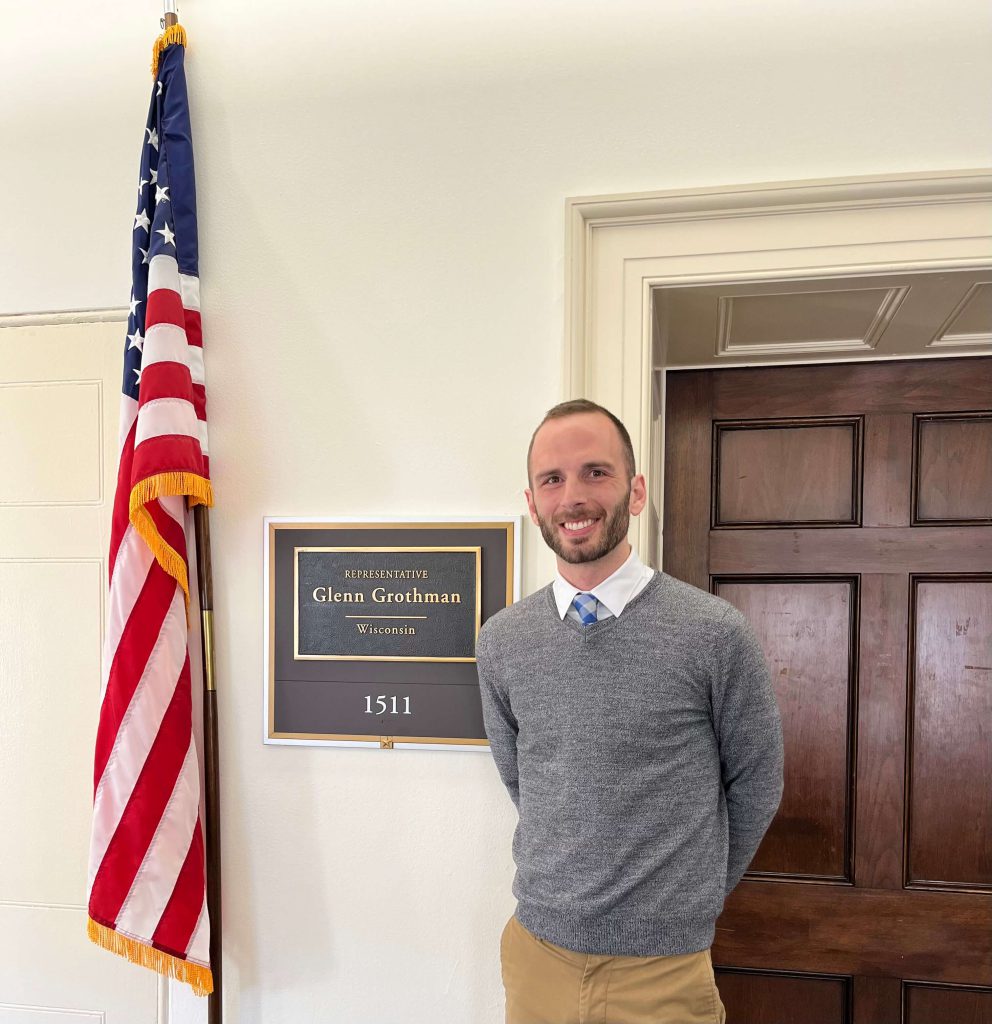
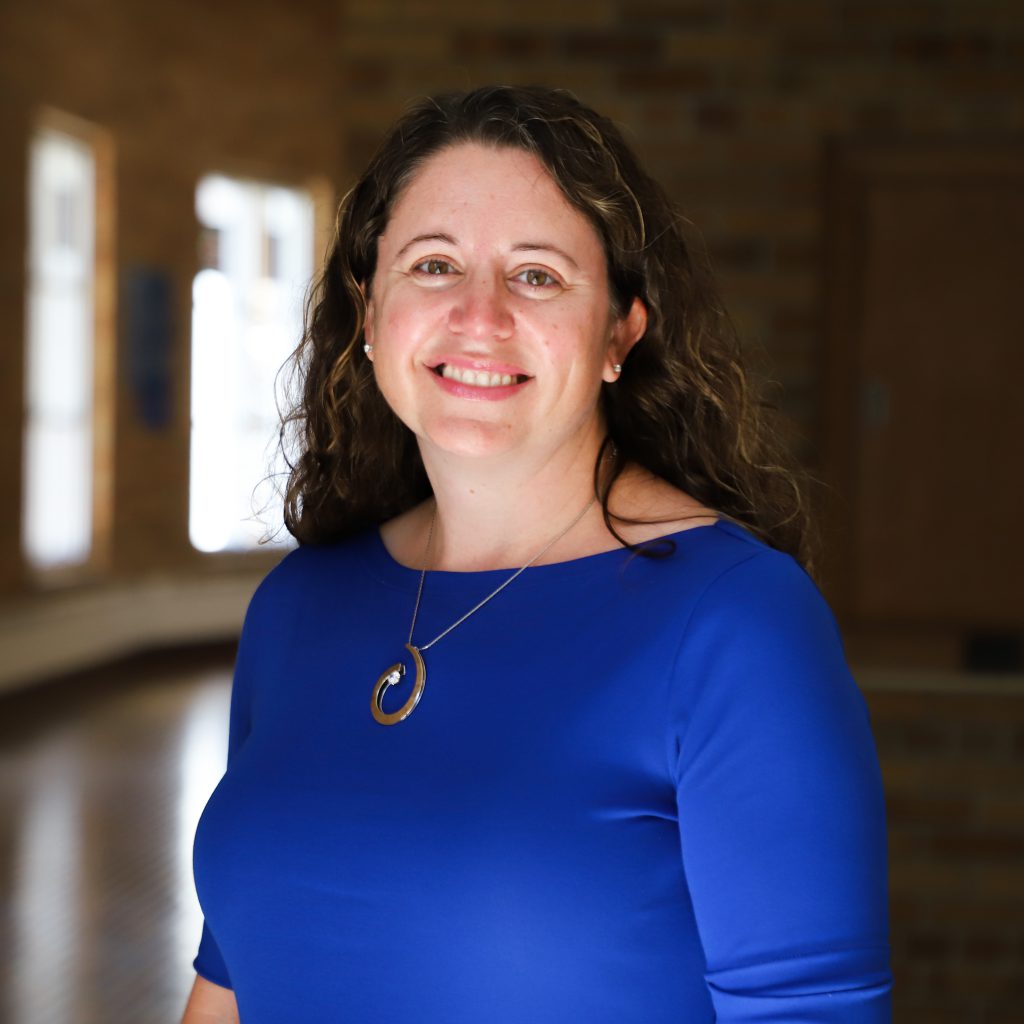
NLSW: Payton Bickett


Meet Payton Bickett (’24) from Lake Country Lutheran, majoring in Elementary/Special Education.


Why should someone from Lake Country Lutheran consider CUW?

CUW is a great school for students from LCL looking to transition to college but keep the Lutheran education foundation. The university’s commitment to academic excellence, combined with its Lutheran heritage, creates a unique and supportive environment for students navigating the crucial step from high school to college.The supportive network at CUW understands the importance of preserving the sense of community that student similar to what they would have experiences at LCL. The university strives to recreate this sense of belonging through various student organizations, faith-based activities, and mentorship programs, ensuring that students feel connected and supported as they navigate the college landscape.

One of the key strengths of CUW lies in its ability to provide a nurturing atmosphere that upholds the values and principles of the LCMS. The university’s Lutheran identity fills various aspects of campus life, fostering a community where students can continue to grow spiritually and intellectually. The chapel services, religious studies programs, and campus ministries serve as pillars, ensuring that students have ample opportunities to deepen their faith while pursuing higher education.

CUW, similar to LCL, has a commitment to academic rigor that encourages success for its students. The university offers a diverse range of programs, providing students with the flexibility to explore various disciplines while rooted in a faith-based context. The faculty play a pivotal role in guiding students through their academic journey. This integration of academic excellence and spiritual growth sets CUW apart as an ideal choice for students seeking a holistic college experience.

How did Lake Country Lutheran HS prepare you for life after high school?

Lake Country Lutheran High School (LCLHS) has been instrumental in preparing me for college. The school’s commitment to academic excellence, character development, and a supportive community has equipped me with the skills and mindset necessary for success. The rigorous curriculum challenged me academically, fostering critical thinking and problem-solving skills. The emphasis on spiritual growth provided me with a strong moral foundation, while the focus on character development instilled qualities like integrity and responsibility. Engaging in leadership opportunities such as LIFT leader and extracurricular activities allowed me to develop essential skills like teamwork and communication. The supportive community at LCLHS created an environment where I felt known and valued, contributing to a positive transition to college at Concordia. The school’s emphasis on college and career readiness and involvement in extracurricular activities further enriched my overall educational experience. In summary, LCLHS has not only prepared me academically but has also nurtured my personal and spiritual growth, laying a solid foundation for success in high school and beyond.

What has been the impact of a Lutheran education in your life?

The impact of Lutheran education on my life has been transformative, beginning with my transfer to a Lutheran school in fourth grade. Since then, attending Lutheran schools has not only provided an environment of academic excellence but has also fostered spiritual growth and a strong sense of community. The decision to make this transition marked a pivotal moment, introducing me to an educational setting where Christian values were seamlessly integrated into the learning experience. This shift in perspective influenced not only my academic journey but also shaped my character and deepened my faith.

Have any teachers or professors impacted your life while at CUW and Lake Country Lutheran?

Gratitude fills my heart as I reflect on the faculty in these Lutheran schools, who have played a central role in my educational experience. Their commitment to academic excellence has been complemented by a genuine extension of God’s love through personalized guidance, encouragement, and support. The integration of faith into daily learning, coupled with a strong sense of community, has provided a nurturing environment that goes beyond traditional education. The faculty’s dedication to fostering an atmosphere of love and care has left an indelible mark on my life, making my educational journey within Lutheran schools truly enriching and spiritually fulfilling.

What is the most underrated element of CUW?

The dance team! ?

What is your favorite spot on campus?

Evelyn’s place or the business building

What drew you to Concordia?

The Education department offers a dual certification without dual major program. This is very rare and saves education majors a lot of time in their studies by combining coursework that would otherwise crossover.

What has been your favorite class here at CUW and why?

My favorite class during my time at CUW was Teaching Students with significant disabilities. This class was taught by Dr. Hensel and was very interactive. This course was crucial in my preparation for becoming a special education teacher.


Want in?

Our comprehensive program, guided by experienced faculty, nurtures your passion and skills to support K-9 students, including those with disabilities. Starting in your freshman year, you’ll engage in education coursework and fieldwork, gaining content knowledge, instructional strategies, and management skills. Graduates with dual licensure in general and special education are highly sought after. Rooted in a liberal arts foundation with a Christian emphasis, our focus extends beyond academics to develop the mind, body, and spirit of teacher candidates. The program leads to a Wisconsin teaching license in Elementary/Middle Education (K-9th) and Cross Categorical Special Education (K-12), with options for a Lutheran Teaching Diploma (LTD) or a Christian Teaching Certificate (CTC). Enjoy small class sizes and diverse student teaching opportunities locally and beyond.


National Falls Prevention Awareness Week 2023

CUW’s Physical Therapy department talks about what you can do to help prevent falls this coming winter season.


As a practicing Physical Therapist for over forty years, who has been specializing in working with older adults for the past ten + years, accenting the importance of Falls Prevention comes natural to me. The week of September 18th-22nd is National Falls Prevention Awareness Week. In 2020 this expanded from a day to an entire week. According to the National Council on Aging (NCOA), on the first day of fall, their focus is to bring awareness to fall prevention initiatives for older adults throughout the country. To increase your awareness, I would like to share some facts and some helpful tips with you.

Facts about falls: 

Falls are the leading cause of fatal and non-fatal injuries among older adults that can result in serious injuries as well as increase the risk of additional falls. Falls Prevention programs are effective in saving lives, money and helping older adults remain independent and active members within their community. 

Falls are NOT a normal part of aging. 

For years NCOA has been committed to focusing on helping older adults improve their confidence and skills to prevent a fall.  Fall Prevention requires a team effort. The following individuals are members of this team, and each role is important in reducing the risk of falls. 

Family and friends:  

  • Can provide another set of eyes to assist with clearing fall hazards within your home.  
  • Can join you at your Dr. appointment and assist in asking questions and additional information on preventing falls. 

An Occupational Therapist (OT): 

  • They will identify hazards to be eliminated or modified to prevent falls within your home environment. 
  • They recommend assistive devices to fit your needs to ensure additional safety and independence. 

A Primary Care Physician (PCP):  

  • Important healthcare team member to begin the screening process of fall prevention due to seeing you regularly. 
  • Member of the healthcare team that knows your medical history and can address and refer you to other medical professionals/team members to assist in the process of fall prevention. 

A Pharmacist: 

They are a vital team member of any Fall’s Prevention program. Why?

  • Most adults take medication or supplements daily. 
  • Pharmacists will screen for medications that place an older adult at higher risk for falls.  
  • Consult with your pharmacist about any new medication that you are taking or any side-effects you may be experiencing. 

A Physical Therapist (PT):  

What is a PT? They are movement specialists that assist in identifying impairments contributing to falls. They can:

  • Prescribe exercises and activities to improve balance, strength, and mobility to prevent falls. 
  • Provide resources on evidence-based community programs to maintain and or improve strength and balance. 

These community programs might be found at…

Your local fire department: 

  • Offer home safety checks to spot hazards such as rugs without non-slip backing, too many electrical devices plugged into one outlet, and assist in testing and replacing smoke alarms. 

Your hardware stores: 

  • A place to purchase supplies and materials to make your home a safer place to age in place and remain independent. 
  • Some of these items may include grab bars, a hand-held shower head, nightlights, and brighter lightbulbs as well as non-slip pads for your rugs. 

Your faith-based organization(s): 

  • Individuals that can support you through encouragement and social support. 
  • Provide additional community resources such as providing transportation to medical visits, exercise classes, and or activities related to falls prevention. 

Your library:  

  • Valuable place within your community to access information about falls prevention. 
  • Often a common place for falls prevention programming. 

Your local sporting goods store: 

  • Provide the proper shoes and clothing as well as equipment to stay active and safe. 
  • Assist in obtaining the proper equipment for health and fitness programs such as yoga mats, ankle weights, dumbbells, water bottles, walking sticks and more. 

Additional Sources 

1. Facts About Falls. Centers for Disease Control and Prevention. Injury Prevention and Control. Found on the internet at https://www.cdc.gov/falls/facts.html 

2. Carande-Kulis, V., Stevens, J., Florence, C., Beattie, B.L., Arias, I. (2015). A cost-benefit analysis of three older adult falls prevention interventions. Journal of Safety Research, 52, 65–70. Found on the internet at https://pubmed.ncbi.nlm.nih.gov/25662884/ 

3. Report to Congress in November 2013: The Centers for Medicare & Medicaid Services’ Evaluation of Community-based Wellness and Prevention Programs under Section 4202 (b) of the Affordable Care Act. Found on the internet at http://innovation.cms.gov/Files/reports/CommunityWellnessRTC.pdf 

4. Ackermann RT, Williams B, Nguyen HQ, Berke EM, Maciejewski ML, LoGerfo JP. Healthcare cost differences with participation in a community-based group physical activity benefit for Medicare managed care health plan members. J Am Geriatr Soc. 2008 Aug;56(8):1459-65. doi: 10.1111/j.1532-5415.2008.01804.x. Found on the internet at https://www.sciencedirect.com/science/article/pii/S1551714414000330 

Ayelet Dunsky. The Effect of Balance and Coordination Exercises on Quality of Life in Older Adults: A Mini-Review. 2019. https://www.frontiersin.org/articles/10.3389/fnagi.2019.00318/full 

Falls Prevention Awareness Week is made possible in part by grant number 90FPSG0051 from the U.S. Administration for Community Living, Department of Health and Human Services, Washington, D.20201. Points of view or opinions do not, therefore, necessarily represent official Administration for Community Living policy.   

My clinical practice spans over forty years, with experience in all aspects of acute care and outpatient physical therapy. My areas of expertise are in the physical therapy management of the geriatric patients with special interest in working with the individual with Parkinson Disease. I am a Board Certified Geriatric Clinical Specialist. I recently applied for re-certification which is good for an additional 10 years

How to be a Successful Student from Dr. Robert Barnhart


I have had the privilege of being a physical therapist for 44 years. Twenty-seven of those years have been as a faculty member in academic physical therapy programs. Prior to being a faculty member, I was a full-time clinician for 17 years in a wide variety of pediatric settings with various responsibilities in each of those settings. 

I have over the years developed perspective on how to be a successful student in the DPT program. If you would have asked me 15 years ago, I would have said “strong aptitude for the sciences, good grades in college, hard worker, and good communicator.”

However…

Today, I would instead ask “What do you mean by successful?” If you mean getting good grades and graduating from your DPT program, those characteristics will obviously help. However, if you view graduate/professional education as preparing you for success after graduation; my initial answer is not enough. Good grades are not enough to make a successful student in the Physical Therapy program.

So how can you be successful as a DPT student?

Very successful DPT students share the same traits as very successful people. For starters, successful people are active learners. Active learners question things around them, they push through their challenges, and they are humble enough to ask for help. As an active learner, your desire to learn is stronger than your desire to look good in front of others.

Being humble enough to ask questions translates to another trait of successful students: curiosity. Curiosity leads to seeking out knowledge from professors and peers. That level of knowledge-seeking will not only help you in your studies, but it will help you in your life. Curiosity also tends to lead to spending a lot of time listening to others, which gives you the opportunity to practice being a good listener. Good listeners know when it’s time to add opinions and when it’s time to listen to what others have to say. You learn from people who know more, rather than focusing on sharing your opinions all the time.

Another trait of successful students? They are willing to be risk takers. Risk taking means placing yourself in a learning/listening situation where you just might fail. You won’t learn anything if you aren’t engaging with situations where you don’t have all the answers. A willingness to fail means you try new things and learn from your mistakes. In order to be willing to fail, your identity needs to not be rooted in what you do or what people think of you. A successful CUW student, to me, has their identity rooted in the fact that they are made in the image of God (II Corinthians 5:17). Which regardless of whether you succeed or fail, that part of your identity never changes.


More questions about PT?

Check out some of our other blog posts about things like

The School of Health Professions (SHP) offers a wide variety of accredited programs at both the undergraduate and graduate level. Our programs are provided in a variety of teaching formats (face-to-face, online, blended) and curriculums emphasize service to the community and inter-professional collaboration. Students are able to work with community members very early in their educational experience. Explore your options! 


— Dr. Robert Barnhart is a Professor at Concordia University Wisconsin. He received his PT degree from Emory University (1979), his MS from the University of Tennessee Knoxville (1992), and his ScDPT from the University of Tennessee Health Science Center (2006). He has authored or co-authored 8 peer review articles on pediatric rehabilitation topics.

CUW Occupational Therapy: New Partnership with Michigan Tech


Concordia’s Master of Occupational Therapy (MOT) or Doctor of Occupational Therapy (OTD) offers a possible path for individuals seeking to pursue their calling as occupational therapists, regardless of their current stage of the journey.


Concordia University recently signed an articulation agreement with the Michigan University of Technology.

This agreement will ensure that students enrolled in a bachelor’s degree program at Michigan Technological University (MTU) and seeking admission to the Wisconsin campus of Concordia University for the foundational Master of Occupational Therapy (MOT) or Doctor of Occupational Therapy (OTD) will be given priority admission status.

Why is priority admission important?

Priority admission allows us to review the applications from MTU students separately from and before the general applicant pool. Because of this, students applying with priority admission have a higher chance of selection for the program.

What is the significance and what factors contributed to CUW’s decision to partner with Michigan Tech?

We have a recent student who is an alum of MTU and their pre-healthcare professions advisor reached out to CUW’s admission team. MTU is located in the upper peninsula of Michigan and does not offer a graduate-level occupational therapy degree. Working with them to provide a pathway for students who want to become occupational therapists has been a great experience.

What are the fieldwork requirements for the program?

OT educational programs include 2 types of fieldwork experiences: Level I and Level II. At CUW, Level I experiences are provided in pediatrics and behavioral health through a 1-week intensive residency requirement during the second summer of the program. Level II experiences happen after students complete their didactic coursework. Every student will complete 2, 12-week Level II fieldwork experiences, each in a different practice setting. Level II experiences are the final step in the educational process. This is where students practice full-time, under the supervision of a licensed OT. Here they apply the knowledge they’ve acquired in the classroom.

What are the employment outcomes for graduates of the program?

  • An important metric of success for OT programs is Licensure Exam Pass Rate, and CUW Occupational Therapy’s current pass rate is 97%
    • Additionally, based on our last “new grad” survey — here’s where our recent grads are at now:
      • 75% of new grads were employed in OT
      • 20% were applying for further educational opportunities
      • 5% were still seeking employment

What are the most important skills and competencies that you aim to impart to students during the program?

Our students will graduate with the hands-on clinical skills needed to both evaluate and treat clients in a variety of clinical settings. Even more importantly, we highly value the professional reasoning skills, leadership skills, and advocacy skills that our students gain. Our hope is that they use these skills to become change agents in the profession.

What advice do you have for students who are considering pursuing a career in occupational therapy?

Spend time shadowing occupational therapists in at least 2 different settings. It’s important to have a sense of what makes us unique in the healthcare and educational setting we work in.

If potential students have a question about this program, or OT in general, who should they reach out to?

As the program director, I LOVE talking to future occupational therapists. Please reach out to me at Meghan.watry-christian@cuw.edu


Want in?

Concordia’s OT program makes stepping forward in your calling as an occupational therapist attainable no matter where you are in your journey. Our multiple program pathways and hybrid course formatting will prepare you holistically. Through our faith-based, student-centered curriculum, and diverse, hands-on, clinical experiences you will graduate confident in your skills. Learn more about our programs below.


—Dr. Meghan Watry-Christian, PHD, OT-L, is the Department Chair of the Department of Master of Occupational Therapy (MOT) and Doctor of Occupational Therapy (OTD) Programs and is an Associate Professor within the School of Health Professions.

Congratulations to the Class of 2023!


On May 12th 2023, we welcomed a new group of physical therapists to the profession. Concordia University Wisconsin’s Doctorate of Physical Therapy program wants to congratulate all of its graduates in the Class of 2023! We are so excited to see what great things you achieve in your careers serving your communities through your commitment to excellence.

How to prepare for the job market

Finding the right job is not always an easy task. However, there are ways to make sure you are ready to face the job market. By taking the time to develop your skills and knowledge, you’ll become an attractive candidate for employers.

To make sure you’re a strong candidate, focus on improving your communication skills and your ability to work with others. Finally, prepare to discuss your qualifications and experiences during the interview process. These steps can help you achieve the qualities desired by employers and become the perfect employee.

Research, research, research

The job market can be overwhelming. The first step is to do thorough research to know exactly what is out there and what you want. Think about these questions during your research process.

  • What industries or companies interest me?
  • What are my expectations for the position?
  • What skills do I need for the job?
  • What is the process to obtain the position I want?
  • What are the goals and values of the company?

After narrowing your search, choose positions that interest you, and review specifics on the role and the company. You want a position that fits your skills and values.

Interview the right way

Interviews are an inevitable part of getting a job. Many times there are many other candidates fighting for the same role. So, you need to stand out and show why you’re perfect for the job. How can you stand out in this job market?

Know the company

It’s critical that you have some background knowledge about the company. Don’t go in blind! Look closely at your resume and modify it to reflect why you are perfect for the position. Have specific examples that demonstrate how your skills will fit into the role.

Take time to understand more about the company and its mission. Hiring managers appreciate applicants who demonstrate their commitment by researching and familiarizing themselves with the company.

Have questions at the ready

Interviewer: “Do you have any questions for us?”

Candidate: “I don’t think so.”

Every interview always ends with this question, and most of us say no which then ends the interview. However, this is the part where you get to ask questions and make sure they are the right fit for you.

Prepare thoughtful questions about the position, the team or department, and the overall direction of the company. Some of my favorite questions to ask are:

  • What’s your favorite part about working here?
  • What you are looking for in an ideal candidate?
  • Can you tell me what the day-to-day will look like?

Preparing questions can demonstrate your intelligence, seriousness, and ability to provide value to the company fast. It’ll also spare you the awkward, “Nope, I’m good.”

Bring your notebook

Taking careful notes during interviews is a must. Being able to look back on information discussed with the interviewer, such as a department’s goals or difficulties, will help you stand out. Additionally, demonstrating an understanding of the company’s systems and how they fit together will display your value to the company.

Practice makes perfect

To be sure of yourself during an interview, it is necessary to PRACTICE beforehand. Doing mock interviews with a trusted friend or family member is a great way to prepare without anything being official. Try answering common interview questions until you feel comfortable. This will help you walk into your interview ready to represent yourself well and put your best foot forward.

Build a strong network

Forming professional relationships is one of the biggest sources of success when it comes to the job market. Your network can help you find jobs and different opportunities. 

You have more connections than you might even realize. Friends, family, neighbors classmates, your church congregation, and social media followers are all connections. 

Start to interact with people who might have a connection or are part of an industry you are interested in and build your network.

Cultural competence

Not everyone looks, thinks, or believes the same way you do. Can you navigate those differences to work well with others? If you’re culturally competent, you’re conscious of the difference between yourself and employees of other cultural, ethnic, or even socioeconomic backgrounds. Embrace your differences, appreciate them, and learn from them, to strengthen your working relationships.

Become a better communicator

Communication is something we all do, but are not all good at. Nevertheless, it’s a part of every area of our lives. Both written and oral communication are skills crucial to being a great employee. 

If you’re a weak communicator, you’ll have a hard time meeting expectations and being understood. Just like communication is the key to a relationship, it is also the key to any role.

Check this out: Unlock Your Dream Job With 3 Hirable Skills

Be ready to adapt

With the world constantly changing it’s important that you’re adaptable. Be flexible with new tools, teams, and environments. A company might make a number of changes to the workforce or company in general for a number of reasons.

So, how can you become adaptable? Be willing to learn. Keep up with current trends in your field. Or ask your employer for personal development opportunities.

When you are flexible and adaptable, you’ll become a valuable and better employee.

Feel ready to tackle the job market?

Don’t rush yourself if you don’t feel prepared; take some time to hone your skills and bolster your assurance. But, if you are confident and ready, you have the capability to accomplish your goal!

DBA Student Story: Part One

This DBA Student Story features Jennifer Kowal, a doctoral student concentrating on Organizational Performance and Change in the Doctorate of Business Administration (DBA) program at Concordia University Wisconsin. Outside of her education, she manages a full-time job and is a wife and a mother of three young adult children. She hopes to inspire and motivate others by sharing her academic experience.

Discover a little about Jennifer’s background and what led her to enroll in our DBA program.


Tell us about yourself

Hello, my name is Jennifer Kowal and I’m a student in the DBA program in Cohort #2 at CUW. I’m currently 5/12th done with the program, but who is counting? In addition to being a student, I’m a wife and mother of two college students, a high school student, and a full-time professional. Yes, I have a lot on my plate but I am determined to earn my DBA.

Why was now the right time to become a student again?

Well, simply put I have always wanted to be a Dr. It is an achievement I have wanted to conquer. However, I was unsure what kind of Doctorate or Ph.D. it would be, though certainly not a medical degree. Everything came together in the fall of 2021. Before I knew it, I was committed to making this goal happen. I started with some online research and found the DBA degree pretty quickly.

The DBA sounded familiar and maybe a bit comfortable since it is so close to the MBA. So, I continued my discovery by looking for schools that offered a DBA. I filled out forms for a few universities online. Within a week, I had scheduled introductory calls. As you can see, I can move pretty quickly in my decisions, once I know what I want.

The introduction calls with a few universities validated which DBA program was right for me. Also, from those conversations I knew which university would be the best fit.

What made you choose CUW’s DBA program?

I chose the DBA program at CUW because it checked all the boxes. Also, the decision just felt right. Follow your heart and gut, as it’s often said.

Two main criteria for me were the number of residencies and the cohort model. I knew I needed some on-campus time, but not too frequently. Furthermore, I knew I wanted the community offered by the cohort model in CUW’s DBA program. Within a couple of months, my acceptance letter arrived and I embraced being a student again in all ways.

What is your research focus?

My research focuses on motivation, curiosity, and a growth-oriented mindset in organizational development at the individual level. CUW’s Organizational Performance and Change concentration is teaching me to apply methods and theories for improving performance at all levels of an organization.

Describe the DBA program in your own words

The Doctor of Business Administration (DBA) program aims to develop individuals into scholar-practitioners. A scholar-practitioner integrates academic learning with practical experience in their chosen field of study. DBA students use theoretical knowledge and academic expertise to improve their practical work. Their valuable work experience also informs how they apply academic knowledge.

Students come from various fields, including education, business, and public policy. They typically possess a terminal degree and significant practical experience in their area of expertise.

What is a DBA scholar-practitioner exactly?

I like to think of being a scholar-practitioner as a bridge. On one side of the bridge is your day job, your work, your profession. On the other side is academic research. The DBA program develops its students to be that bridge, the conduit, between the practice of one’s profession and research. The bridge, in my mental model, is built with Legos and each scholar-practitioner adds more Legos to the body of knowledge in their field. Thereby strengthening both the academic and practitioner sides.

One aspect of being a scholar-practitioner that I find exciting is the opportunity to engage in research, evaluation, and critical analysis. I get to contribute to the development of new knowledge in my field. I’ll explain more about this opportunity in future articles.

The DBA program also opened a whole new community of like-minded individuals committed to bridging the gap between theory and practice in their respective fields.

Any words of wisdom?

Here’s a quote from my cohort during our first residency. It sums up the program and is a daily reminder that some things, like this program, need to be challenging.

A terminal degree is so much more than a degree.  It can break you down to your most vulnerable form but has the potential to build you back together to become a resilient, determined, humble, and knowledgeable researcher.  This process takes time and patience.  Please don’t give up on yourself.  It’s not just about getting the degree.  It’s about becoming who you are meant to be.

Unknown Author

Advocating for Yourself and Your Program

DPT Faculty Kevin Gries shares his experience on promoting his program to politicians and public figures.


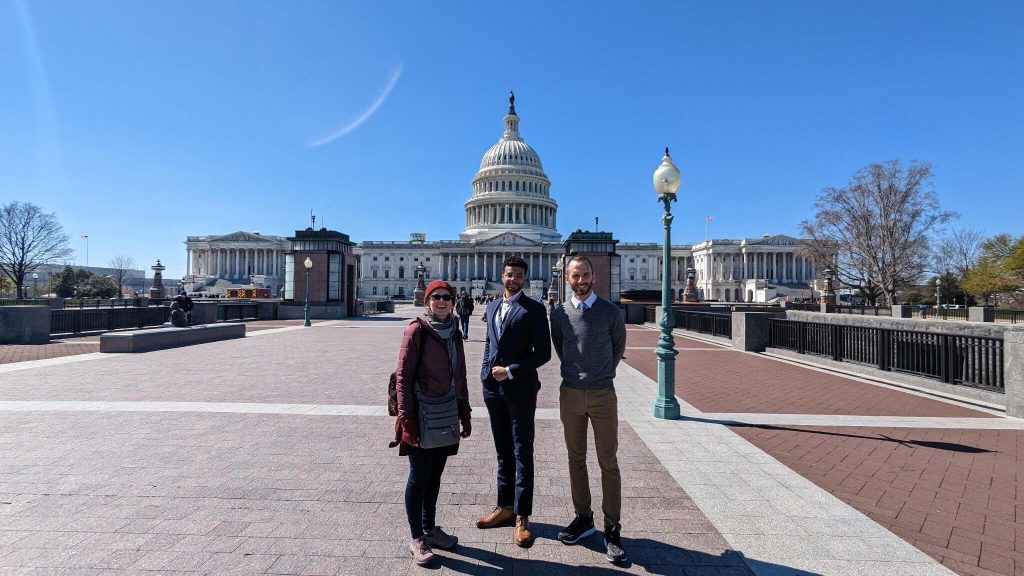
On March 14th, I had the opportunity to discuss scientific funding with federal lawmakers for the Federation of American Societies for Experimental Biology. As I write this blog while waiting for my flight from D.C. back to Milwaukee, I cannot help but think of the importance of advocating for what you believe in. This trip has taught me several things that I wanted to share as well as tips for advocating.

Kevin Gries in front of the US Capitol Building

Government influences our jobs, whether we like it or not

We underestimate how much governmental funding and regulations affect our day to day lives. However, those that are making these decisions are often several steps removed from the challenges we face and therefore misconceptions arise. An example of this occurred in our meetings where we stressed money distributed from the National Institutes of Health (NIH) is distributed based on a peer-review system of scientists across the country and not just officials within the NIH.  This small misunderstanding led to the staffer drastically changing their demeanor on increasing scientific funding. I sit here thinking how many misconceptions may be out there regarding all of our professions that can be fixed by meeting and advocating for your cause with politicians.

Have uncomfortable conversations

I also noticed the need to talk with people who disagree with us. We live in an increasing polarized world in all aspects of life, not just politics. When we disagree with people, we often find ourselves uncomfortable which leads us to find friends who affirm our believes, watch tv stations that only say what we want to say, and follow people on social media who agree with us.

However, it is uncomfortable conversations that make us grow and reflect, and make us think about if our beliefs are truly the right way to act. These conversations also allow us to least learn about “the other side” and see the people as humans rather than simply the opposition. We need to avoid echo chambers. We also need to see that leaders often want to help you, but their means just may be different than what you think. Having this attitude will help us see those we disagree with as still brothers and sisters in Christ.

Kevin Gries talks about how to advocate in DC

Ways to advocate

I am extremely fortunate to be asked to travel to Washington D.C. to advocate for what I believe. So, while this specific trip may not be for everyone, there are ways in which you can advocate for your beliefs:

Focus on your sphere of influence.

This isn’t an attractive piece of advice, but is the most effective. If you want to see good/a change in the world, start with the people you spend the most time with. Be good to your family, friends, neighbors, community, classmates, etc. It does not do any good to take our frustrations on your family based on things far away and that you cannot control.

Meet government officials.

This doesn’t mean travel to Washington D.C. Maybe your state capitol is more reasonable. Several public offices will hold Zoom meetings, which makes talking to your representatives as easy as a phone call. Perhaps you can speak with your representative directly when they visit your district. You can also write letters, use social media, and call their offices. You can make a difference.

Use the power of media.

This can include writing letters to the editors in journals or magazines (be sure to select the source based on your target audience). This can also mean use social media. However, to be an effective advocate on social media, you have to be ready to have your information scrutinized. If you want your opinion to be taken seriously, that means you need to be taken seriously. Clean up your profile before doing this.

Join an advocacy group.

I am a part of several scientific and other advocacy groups based on topics I am passionate about. If you feel uncomfortable speaking your opinion, you can donate to these groups (traveling is not free), or just give moral support by simply being there.

This trip to Washington D.C. is one I plan to make yearly. I enjoy communicating the importance of the scientific process to lawmakers to improve the health of our society. We need to remember the power that we have, no matter what stage of your career you are in (yes, even students), and use that power to improve the lives of those around us, no matter the topic.


Feeling Inspired?

If you want to learn more about becoming a physical therapist, feel free to check out our website.

You can also take a look at our most recent blog posts about A Day in the Life of a Physical Therapy Student or learn about Experiential Learning


  • Dr. Kevin Gries is a professor at CUW in the Physical Therapy department

CUW celebrates Psychology Week April 23-29

In honor of Psychology Week, more than 50 students presented research posters on a variety of topics.


Psychology positively impacts our lives and our communities in many ways. Concordia’s Psychology Department celebrated the second annual National #PsychologyWeek by showcasing senior students’ original research projects at a university-wide poster fair.

On Wednesday, April 26 over 50 undergraduate and graduate students from various majors and schools presented their research posters to faculty, staff, family, and friends. These projects reflect the students’ hard work and effort on topics that fulfill CUW’s mission of using knowledge and education to serve to others.

Eighteen senior psychology students put a tremendous amount of effort into researching, analyzing data, and presenting their findings at the event. The topics they explored included why people are attracted to horror movies, impacts of social media, college student success, prayer’s relationship to stress reduction, student-athlete mental health, and attitudes of predestination among Christian missionaries – just to name a few!

Participating in a research poster fair is a valuable experience for our students and is one of the ways that a Concordia education is UNCOMMON. It provides them with an opportunity to develop important skills in communication and public speaking, as well as build their professional confidence. They connect with others who share their academic interests and learn from peers and mentors. All psychology majors at CUW create original research under the supervision of a faculty member. The department is one of the largest producers of undergraduate research on campus.

The mission of the psychology program is to increase the awareness of the boundaries and applications of psychology, foster intellectual development and problem solving, and encourage students to serve others within the context of Christian faith. The psychology program is committed to cultivating multicultural awareness and appreciation for the magnificence of God viewed through human diversity. The program prepares students to pursue helping professions and/or graduate study.


Feeling Inspired?

The mission of the psychology program is to increase the awareness of the boundaries and applications of psychology, foster intellectual development and problem solving, and encourage students to serve others within the context of Christian faith. The psychology program is committed to cultivating multicultural awareness and appreciation for the magnificence of God viewed through human diversity. The program prepares students to pursue helping professions and/or graduate study.


What is “Experiential Learning” as a Physical Therapy student?


Graduating from your undergrad program to Physical Therapy school brings exciting learning opportunities in a variety of formats. Some you may already be familiar with, such as textbook readings and faculty lectures. Physical therapy, however, is a field that also requires hands-on experience and practical skills. One of the most effective ways to learn these skills is through experiential learning.

What is experiential learning?

Experiential learning involves hands-on experiences that allow you to apply what you’ve learned in the classroom to real-world situations. A powerful tool for developing practical skills, problem-solving abilities, and critical thinking, experiential learning is a necessary part of the physical therapy curriculum. By working with patients and addressing their unique needs and challenges, students learn to adapt their skills and techniques to different situations. This helps them become better prepared to handle the unexpected patient needs working physical therapists have learned.

What does experiential learning look like?

Compared to your undergrad programs, “labs” in Physical therapy programs might look a little different. Physical therapy programs call in-class experiential learning opportunities “labs”. A good example are chemistry labs, where you conduct chemical experiments while someone watches. Similarly, in a PT lab students work with classmates to role-play and act out situations. Lab simulations develop technical skills, expose you to different types of equipment, and allow you to modify exercises for patients with different abilities and conditions.   

What about clinical education?

Clinical education may be the most important part of experiential learning. Clinical education involves full-time immersion in a variety of clinical settings to complete your learning. This year, the CUW PT program moved many of the practical labs into the new Inter-professional Clinic. The on-campus clinic is always ready to use and allows students the space needed for active role-playing and realistic simulations. Experiential learning with healthy classmates is a starting point to develop your skills.

Another way students develop practical tools is by working with community members in the Inter-professional Clinic. Students have the opportunity to address the same conditions they are learning about in the classroom. Reflection is also an important aspect of Experiential Learning. Students grow by reflecting on their performance related to intellect, technical skills, interpersonal communication as well as feelings. To help students complete their reflection, we hold “debriefs” after our sessions with community members. This is a time for students to reflect on their faith because they see how patients continue to live their lives despite impairments related to their conditions.  


Here is a breakdown of other ways experiential learning goals are met:

Develops Critical Skills

One way experiential learning provides students with the opportunity to gain practical experience is through working with patients. This hands-on experience helps students develop skills by working to assess, diagnose, and treat a wide range of conditions.

Promotes Critical Thinking

Experiential learning encourages students to think critically about the problems they encounter while working with patients. By reflecting on their experiences and analyzing their actions, students can identify areas for improvement and develop more effective treatment plans.

Builds Confidence

Experiential learning helps students develop confidence in their abilities. By working with patients and seeing the positive impact their treatments can have, students gain a sense of satisfaction and accomplishment that boosts their confidence.

Fosters Professionalism

Experiential learning provides students with the opportunity to increase their professional presence. By working with patients and other healthcare professionals, students learn to communicate effectively, work collaboratively, and maintain a high level of ethical conduct.


Experiential learning is a crucial part of physical therapy education. Experiences help students prepare for full-time practice in a mentored environment. They reinforce knowledge and skills. They also help reduce students’ fears and anxieties because they encourage practice with “real” patients. Nothing can replace the opportunity to learn and grow in an active environment.


More questions about PT?

Check out some of our other blog posts about things like

The School of Health Professions (SHP) offers a wide variety of accredited programs at both the undergraduate and graduate level. Our programs are provided in a variety of teaching formats (face-to-face, online, blended) and our curriculum emphasizes service to the community and inter-professional collaboration. Students are able to work with community members very early in their educational experience. Explore your options! 


—Dr. Bennett shares her extensive (20+) clinical experience while teaching clinical application of adult neurologic rehab, pathological gait, and foundational skills.