Alumni Showcase: Karina Rauenhorst

Concordia University Wisconsin loves to hear updates from alumni. Last year, graduate Karina Rauenhorst, shared her story as a School of Pharmacy student. In the time since graduation, Karina has been busy with her residency and being active in the pharmacy community. Let’s catch up with her and see where she’s headed.

Where are you practicing during your residency?

I started my residency in July 2022 at Progressive Community Health Center, an ambulatory care clinic that serves the underserved in the Milwaukee area. In my position, I provide health education for patients with chronic health conditions, such as diabetes, hypertension, and hyperlipidemia. My second-year site is yet to be determined.

When not in the clinic, I also teach at CUW in various coursework. Most of my time is spent as a lab instructor for our Applied Patient Care (APC) labs but I have also lectured in Pharmacotherapy coursework. It’s fascinating to learn some of the “behind the scenes” work that goes into the courses that I took only a couple years ago.

What are the most challenging and rewarding parts of the residency?

Navigating the balance of multiple long-term projects from a variety of sources is my biggest challenge. In pharmacy school, most projects were brief, but my two-year residency will involve long-term projects. My program director, preceptors, and mentors on campus have given me the skills needed to manage these challenges, but putting them into practice is a whole new learning process.

The most rewarding part of my residency so far has been the impact I have made on my patients in the clinic. I love the unique opportunity to serve and provide quality care to an underserved population here in Milwaukee. I strive to form a trusting and collaborative relationship with my patients and serve as a reliable resource in their disease state management. Seeing the joy in a patient’s eyes after achieving a health goal, I feel like I am answering my true calling in life.

Continuing to learn

Why did you choose to pursue a Master’s in Education while in your residency?

After graduating with my PharmD I wanted to further develop my teaching skills and enrolled in the Master of Education program at CUW. I found my passion for teaching during my second year of pharmacy school. While serving as a teaching assistant in the APC labs, I knew I wanted to incorporate teaching into my future career. The coursework in my master’s program provides me a foundational framework and essential skills that will help me better connect with and educate future learners.

How have your first classes in the School of Education been so far?

My first class was an elective, Multimedia in the Classroom, and I loved it! I’ve always been passionate about making content engaging and interesting, so this course was right up my alley. Another resident and I sent a presentation suggestion to the AACP, hoping to present the course’s findings at their yearly conference to pharmacists all around the US.

What has been easier and harder than you expected in the Master of Education?

The style of education and learning in the master’s curriculum is different from what I experienced in the PharmD program. The courses have been requiring a lot more insightful reflection, creative writing, and direct application of knowledge, instead of intensive content retention and exams. I’m grateful to not be up late studying various topic materials and taking exams anymore.

I really enjoy the self-paced nature because it allows for flexibility in my already busy schedule. However, this does add to my previously mentioned challenge of managing long-term responsibilities and balancing my schedule.
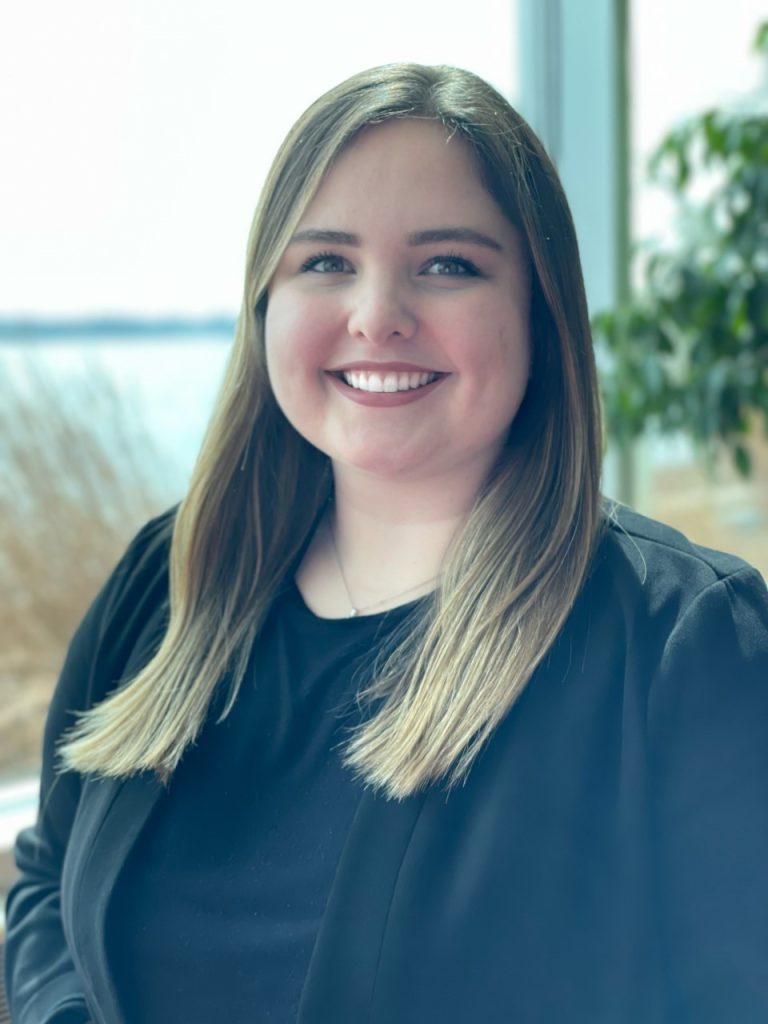
Being active in the pharmacy community

With the goal of connecting with other professionals in the field, Karina continues to stay active in the Kappa Psi Pharmaceutical Society. Kappa Psi is the oldest and largest pharmacy fraternity. It has the mission to develop leaders with a passion for service to their community while creating lifelong professional connections. Once a brother of Kappa Psi, you become a brother for life.

How long have you been involved with this fraternity? Why should others join?

I was initiated into the Zeta Theta chapter at Concordia University Wisconsin (CUW) in the Fall of 2018. I first heard of Kappa Psi while completing my undergraduate degree at the University of Minnesota – Duluth. The comradery and professional growth mindset sparked my interest. I joined with the goal of meeting new pharmacists from across the world while promoting the profession of pharmacy.

Throughout my time so far, I have been able to:

  • Meet some of the most incredible and inspiring pharmacists
  • Volunteer for over 200 hours at a local free clinic
  • Develop leadership skills that will help me be a better servant to the community

Pledging Kappa Psi has been one of the best decisions I have made in my pharmacy career to date and will recommend joining to everyone.

What are your responsibilities as the next President of the Northern Plains Province (NPP)?

As President of the Northern Plains Province, I oversee 10 collegiate and 6 graduate Kappa Psi chapters across North Dakota, South Dakota, Nebraska, Iowa, Minnesota, and Wisconsin. One of my most significant responsibilities is to organize and facilitate our three-day biannual regional conference for over 200 attendees.

Between these conferences, I arrange regular meetings with the NPP executive board, assign charges to our various regional committees, and establish goals that support our overarching vision for the province. In addition, I serve as a resource to my fellow NPP brothers and represent them to the best of my ability.

Do you have specific initiatives or goals that you want to achieve during your time as president of this fraternity?

The main goal of the NPP executive committee this year is to be innovative with our events while staying true to our traditions. With the recent return to in-person conferences, it’s a pivotal time to enhance the experiences of our brothers while continuing the traditions. It’s our hope that through educational webinars, brotherly competitions, and improved communication throughout the region, we will see an increase in participation and retention by both collegiate and graduate brothers.

Want to find out more?

If you want to learn more about Concordia University Wisconsin’s School of Pharmacy, visit us here.
A ChatGPT-generated review of CUW

I asked ChatGPT to review the top reasons to attend CUW and here’s what it had to say.


Ever since ChatGPT’s public launch two months ago, it has had people in a tizzy over its ultra-sophisticated AI capabilities, as well as the potential ethical pitfalls such a tool presents. If you haven’t heard of ChatGPT, here’s a basic description of what it is and what it does.

Now, as a writer, I’m sure you can appreciate the reservations I have about a free tool that generates original copy in minutes (i.e. basically does my job). Given all the hype, however, I thought it would be interesting to test ChatGPT’s capabilities when it comes to Concordia. I asked it to “list the top reasons to attend Concordia University Wisconsin,” and here’s what it came up with.

Top reasons to attend Concordia University Wisconsin

Christian focus

What ChatGPT had to say: Concordia University Wisconsin is a Christian university and incorporates Christian values and teachings into its curriculum and campus culture.

What it missed: I’d argue that we don’t just incorporate Christianity, it’s the basis of all that we do. Sure, we don’t always “do life” perfectly, but when there’s a question or decision to be made, I can confidently say that Concordia’s leaders and community turn to Scriptures for the answer and seek to have God’s Word inform our practices. It’s part of not only our Christian identity, but our Lutheran tradition to hold God’s Word as the inerrant truth.

Small class sizes

What ChatGPT had to say: The university prides itself on small class sizes, which allow for individualized attention and personalized learning experiences.

What it missed: Yes, we’re proud of the fact that we have an 11:1 student-to-teacher ratio and an average class size of 16, because we firmly believe that a personalized education is the best education. But it’s not just the small class sizes that make us unique. It’s the combination of our “big-school opportunities” paired with this personal approach. At Concordia, students can be confident they’re getting the best of both worlds.

Wide range of academic offerings

What ChatGPT had to say: Concordia offers a wide variety of undergraduate and graduate programs, in fields such as business, education, nursing, and theology, that are designed to prepare students for successful careers.

What it missed: We have more than 70 undergraduate programs, 50-plus graduate programs, and six doctoral offerings, to be more specific. Half of our academic schools are devoted to health care-related fields. In fact, we cover virtually every health care career you could want with the exceptions of MD and dentistry. We also offer a variety of business and education-related degrees, as well as a wide range of degrees in the arts and sciences.

ChatGPT also fails to mention Concordia’s impressive job placement/graduate school rate (95.2%) and the fact that a majority of outgoing students who are surveyed each year say that their academic program helped them develop skills needed to be successful in life.

Experienced faculty

What ChatGPT had to say: The university’s faculty members are experienced professionals in their fields, and they are dedicated to providing a high-quality education to their students.

What it missed: Nearly 90% of our full-time faculty hold terminal degrees and the rest are working towards them. Many of these individuals continue to be practitioners in their fields as well, contributing to important research or serving the community through their lens of expertise. Unlike big state schools, where students may never actually have [insert name of impressive professor here] as their teacher, Concordia students are actually taught by the experts, not a TA.

Extracurricular activities

What ChatGPT had to say: The university has a wide range of extracurricular activities, clubs, and organizations that students can participate in, including sports teams, music groups, and volunteer organizations.

What it missed: Concordia is ahead of the game with many of its sports teams, offering unique athletic programs that provide individuals from all walks of life and with all types of athletic interests an opportunity to compete at the collegiate level. Music offerings are robust as well, with a total of 12 ensembles to choose from. And there are no shortage of opportunities to get involved or step into leadership roles through student groups like SGA or CAB.

Location

What ChatGPT had to say: The university is located in Mequon, Wisconsin, a suburban area near Milwaukee, which offers access to a variety of cultural, recreational, and job opportunities.

What it missed: Uh, how about that gorgeous view of Lake Michigan?!?!

Strong support services

What ChatGPT had to say: The university offers a range of support services, including academic advising, career counseling, and mental health services, to help students succeed both academically and personally.

What it missed: Our support services are so awesome that they regularly make the news for the exceptional or forward-thinking approaches – like the time CUW was featured in The Washington Post for our exemplary approach to mental health services or when the Milwaukee Journal Sentinel detailed how Concordia’s Academic Resource Center is putting in the extra work to help post-pandemic students who are struggling.


Want in?

There are many more reasons to like Concordia. The best way to see if the university is the right fit for you is to pay us a visit. Schedule a stop today!


What does an Inpatient Clinical Pharmacist do?

There is a misconception that Pharmacists only work in retail store pharmacies. And while that is one setting they operate in, there are so many other settings in which they are active. We want to start this year by highlighting these numerous settings with an interview with our faculty about their area of expertise. Let’s kick things off with Inpatient Clinical Pharmacists.

Concordia Pharmacy Faculty

Dr. Anne Graff LaDisa, PharmD., BCPS, received her Pharm.D. (2001) from Drake University in Des Moines, IA. In 2012, she joined the faculty at CUWSOP in the Department of Pharmacy Practice. Dr. LaDisa practices as an inpatient clinical pharmacist in an acute care GI/GU surgical unit at Aurora St. Luke’s Medical Center in Milwaukee, WI. She also serves as a preceptor for pharmacy IPPE and APPE students, as well as PGY-1 residents. Check out her insight into being an inpatient clinical pharmacist.

What is an Inpatient Clinical Pharmacist?

A clinical pharmacist is responsible for ensuring the medications prescribed for a patient contribute to the best possible health outcomes. Clinical pharmacists work in various settings, but I work in the inpatient setting, which means I work in a hospital and my patients are hospitalized with acute health issues. Inpatient clinical pharmacists can work in critical care settings, like an ICU (intensive care unit) or an acute care floor (non-intensive care). In larger hospitals, these ICUs or acute care floors can be designated for specific types of patients, like patients with cardiac, neurologic, oncologic, surgical, or internal medicine issues.

What does an Inpatient Clinical Pharmacist do?

I work in a large hospital in Milwaukee on an acute care surgical floor, so my patients are primarily those awaiting or recovering from surgery.

Identifying drug issues

During my shift, I review patients’ new medication orders and monitor their current medication therapy. Additionally, I help to identify drug therapy problems for the patients. These problems can include:

  • A patient may need a different antibiotic based on microbiology and culture results.
  • Perhaps there is a new medication prescribed for a patient that will interact with a medication they are currently taking and we need to stop or modify one of the two drugs for safety.
  • A patient could be taking a medication that could potentially be causing a side effect and I’ll recommend we draw a blood sample to assess the level of medication in their blood.
  • Perhaps a patient’s kidneys aren’t functioning properly and the dose of their medication needs to be reduced. Kidneys are one of the ways we clear medications from our bodies.

Working hand in hand with others

Simultaneously we work closely with physicians, nurses, and other health professionals almost daily. We answer any questions they may have about medications and make recommendations on any drug therapy problems. Generally, we will attend patient care rounds with everyone to identify barriers to discharging the patient efficiently and safely.

Transitions in care

In the hospital, we first review the medications a patient was taking prior to admission. This is necessary to evaluate what is appropriate for them to continue taking while they are in the hospital. Next, we identify any problems with the medications that may have led to their acute issue.

Then we may decide to put patients on a new medication, change their dosing, or fully stop taking a medication previously used. Finally, we educate patients on any new medications that they will take after discharge.

Educating residents

Another task I have as a clinical pharmacist is working with graduate students and residents. I regularly work with P4 CUW students who are on their Acute Care clinical rotation. In addition, I work with pharmacy residents who are in their first year of residency training after graduation. Together we take care of our patients while they learn with hands-on experience.

How do I become an Inpatient Clinical Pharmacist?

First, you must receive a Doctor of Pharmacy (PharmD) degree. Pharmacy residencies aren’t required to be inpatient clinical pharmacists, but many working in this area have residency training. Following graduation, I completed a 1-year pharmacy practice residency. Now I’ve been working as an inpatient clinical pharmacist for 20 years.

Additional certifications are also not required, but many clinical pharmacists have advanced certifications. Inpatient clinical pharmacists can specialize in Internal Medicine, Cardiology, Critical Care, Infectious Diseases, Oncology, or Transplant to name a few. After completing my residency I took an exam in addition to my licensing exams and I’m now a Board Certified Pharmacotherapy Specialist (BCPS).

Interested in this specialization?

If the area of Inpatient Clinical Pharmacy peaks your interest, feel free to learn more about our School of Pharmacy and apply for more information.

New CPA Exam Blueprints Released

The long wait for the highly-anticipated new CPA exam blueprints has ended. This month, the AICPA released the finalized blueprints for the revised CPA exam, launching in 2024. Check out the quick highlights below of what changes you can expect and how to prepare for the revised exam.

Over time, the CPA exam has evolved to meet the needs of the profession. A notable revision was in 2004 when the CPA exam transitioned from a paper and pencil exam to a computerized exam. In 2024, the CPA exam will undergo another major revision. This time, instead of a simple format change, there will be a major change to the content of the CPA exam.

The governing bodies responsible for the CPA Exam (NASBA & AICPA) received feedback from over 3,000 stakeholders regarding the future direction of the CPA exam. Results determined that modern CPAs need deeper skill sets in critical thinking, problem-solving, understanding of business systems, controls, and risk, data management and analysis, and SOC engagements.

Coupling these new skills with the fact that standards have changed immensely, a reimagining of the CPA exam was overdue. As the body of knowledge continues to grow, the need for specialization has become apparent.

What’s changing?

The highlights of the changes to the 2024 exam are described below:

3 Core + Discipline Model

Currently, the exam includes four stand-alone sections. However, the new exam will have three core sections that each candidate must take. Each candidate will then select their fourth exam from a choice of three discipline-specific exams. The goal of the 3 Core + Discipline model is to move some of the more specialized content out of the core sections, and into a discipline-specific exam. Therefore, candidates may select another exam based on their area of interest in developing expertise.

For instance, those not specializing in tax don’t need to study the more complex details if they don’t take the Tax Compliance and Planning exam. Note that the discipline selected will not be identified on the CPA license.

Elimination of BEC

The stand-alone Business Environment and Concepts (BEC) section goes away in 2024. Although this exam had the highest pass rates, it was also one of the more troublesome exams for students, as the content often seemed random. The elimination of the BEC exam does not mean that content is eliminated, however. Content currently covered in BEC will be shifted to other exams.

Exam Content Changes by Section

AUD

The Auditing and Attestation (AUD) section of the exam will cover four main areas:

  • Ethics, Professional Responsibilities, and General Principles
  • Assessing Risk and Developing a Planned Response
  • Performing Further Procedures and Obtaining Evidence
  • Forming Conclusions and Reporting
FAR

The Financial Accounting and Reporting (FAR) section of the exam will cover three main areas:

  • Financial Reporting
  • Select Balance Sheet Accounts
  • Select Transactions
REG

The Taxation and Regulation (REG) section of the exam will cover six main areas:

  • Ethics, Professional Responsibilities
  • Federal Tax Procedures
  • Business Law
  • Federal Taxation of Property Transactions
  • Federal Taxation of Individuals
  • Federal Taxation of Entities

New Discipline Exams

BAR

The new Business Analysis and Reporting (BAR) discipline exam is intended for those who wish to demonstrate specialized knowledge in financial accounting, analytics, and reporting. This exam will cover three main areas:

  • Business Analysis
  • Technical Accounting and Reporting
  • State and Local Governments
ISC

The new Information Systems and Controls (ISC) discipline exam is designed for those who wish to demonstrate specialized knowledge in information systems and security. This exam will cover three main areas:

  • Information Systems and Data Management
  • Security, Confidentiality, and Privacy
  • Considerations for System and Organization Controls (SOC) Engagements
TCP

The new Tax Compliance and Planning (TCP) discipline exam is intended for those who wish to demonstrate specialized knowledge in taxation. This exam will cover four main areas:

  • Tax Compliance and Planning for Individuals and Personal Financial Planning
  • Entity Tax Compliance
  • Entity Tax Planning
  • Property Transactions

Preparing for this new exam

Preparing for the exam is a marathon, not a sprint. Success starts with a solid educational foundation. Although requirements vary by state, generally, candidates should start with a bachelor’s degree that provides a solid foundation in business courses. Most states require a set number of credits in business courses plus specific accounting courses in order to qualify to sit for the exam. 

It’s important to note that educational requirements to sit for the exam can differ from the requirements to be licensed as a CPA. For example, in Michigan, an undergraduate degree is required to sit for the exam, but 150 credits are required to be licensed. Most students choose to earn a master’s degree in accounting to meet this 150-hour requirement. 

Additionally, candidates will find that extra practice with CPA exam review services is a necessary ingredient to their success in passing the exam. Concordia’s new Master of Science in Accountancy combines the best of both worlds by providing students with relevant, up-to-date courses that were developed around the needs of the CPA exam revisions and incorporating Gleim CPA review right into the courses.

What’s next?

The new CPA exam will have more focus on critical thinking skills and analytics, as well as the opportunity to learn more specialized skills. If you’re planning on taking your Exam before these changes take effect in 2024, consider if these changes are in your favor. Concordia’s new Master of Science in Accountancy program is ready to help you learn and grow in your skills, and prepare for this exam. Find out more information about our program below.

CUW computer science professor delves into ethics of AI

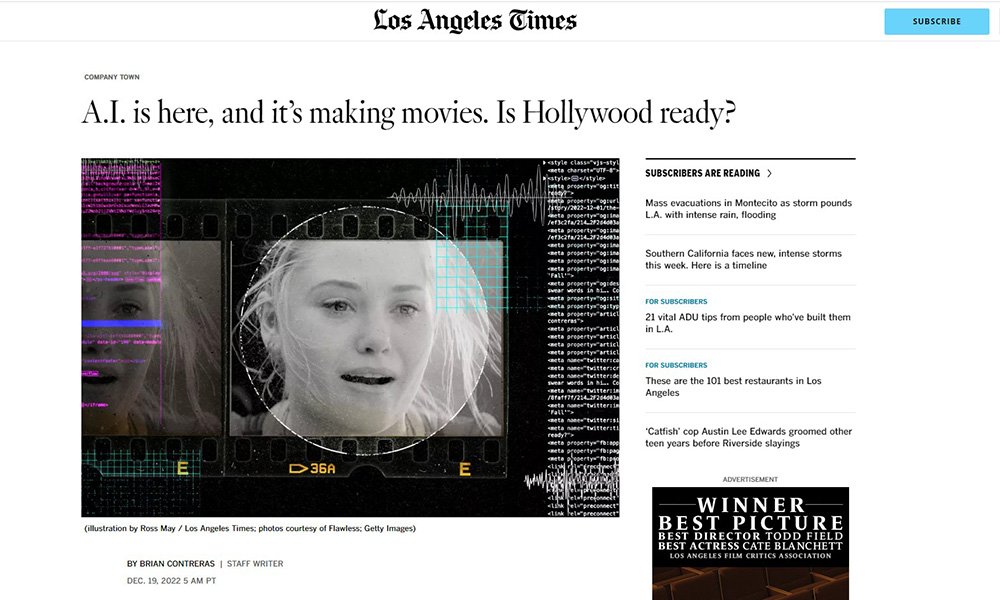
As Artificial Intelligence becomes more accessible, questions about its potential to deceive become more relevant. CUW’s Dr. Robert Wahl, who has published a paper on the subject, recently shared some thoughts with the L.A. Times.


AI—or “Artificial Intelligence”—has been in the news a lot lately. From apps like ChatGPT that can write articles to cars that can drive themselves, the potential applications are virtually endless. And sometimes a little scary.

As with almost any new technology, it also raises potential ethical concerns. As it becomes ever more difficult to distinguishing between content made through artificial intelligence and that created by God-given human ability, artists and content creators must ask themselves at what point enhancing reality crosses the line into deception. Readers and viewers, as well, must become more discerning, lest they become victims of manipulation and misinformation.

AI goes Hollywood

One area where AI technology has really taken hold is in the movies. Already in wide use is “de-aging” technology, which allows actors to essentially play younger versions of themselves.

Late last year, Associate Professor of Computer Science Dr. Robert Wahl, who has written on the ethics of such technology in media, was contacted by a reporter at the Los Angeles Times to comment on the subject. Below are a few excerpts from what he told the reporter.

Q: What are some of the ethical concerns raised by AI technology in the movie-making business?

Recent technology has allowed the re-creation of believable characters, such as Peter Cushing as Grand Moff Tarkin in Rogue One and the re-creation of Carrie Fisher as Princess Leia in Star Wars: The Rise of Skywalker. It is important to note that in both cases permission was given by family members for the re-creations.

While it would be nice if the software was used in controlled settings and used only by a few industry professionals, it is becoming evident that the software will follow the trend of most software, and that the prices will come down, technology will improve, ease of use will improve, and it will become available to the masses. Just [recently] the Disney Corporation released a new software product known as Fran that allows for images of actors to be aged or de-aged in a matter of seconds, so the tech is rapidly evolving. “Deepfake” technology will likely follow this same pattern.

Q: What are some of the wider societal implications of this technology (along the lines of the mainstreaming of high-quality deepfakes)?

One of the challenges with these technologies is that as the technology becomes more widely available and simpler to use, more people can take advantage of it for good or bad purposes.

Photoshop and other similar photo editing tools have put the power of powerful editing software into the hands of the average user to the point that we can no longer fully trust what we see in an image. With artificial intelligence and Deepfake technology, we will see the same thing happen for editing films. Software already exists that can alter an actor’s physique by increasing their height or muscle mass dynamically. We can no longer take what we see on the screen at face value.

Q: What are some ways this sort of technology can be approached/developed safely—legally, culturally, or otherwise?

The safe and fair way to implement this emerging technology is by getting consent from the people involved (actors) to use this technology rather than doing it without permission. If everyone agrees to use this new technology problems will be minimized. Since it may be easier to use the software rather than doing a re-shoot, and if the end result is just as good, problems can be avoided. Only when the software is used without permission, does it become an ethical/legal problem.


Thank you, Bob, for sharing your expertise with such a widely read publication. To read the full L.A. Times article in which Dr. Wahl is quoted, click here. Wahl’s paper, “The Ethical Implications of CGI in Media,” presented at the 83rd Annual Meeting of the Association of Lutheran College Faculties (ALCF) in 2019, can be read here.


Want in?

We are in a world where almost everything we do involves computers, and that isn’t changing anytime soon. Technology, advancement, and innovation surround us and it’s a smart, always evolving field to get involved in.

At Concordia University, you become part of a genuine community of learning; a place where your faith and your intellect intertwine; where you are uniquely developed to achieve your fullest potential. The School of Arts and Sciences encompasses a broad range of disciplines, across 13 departments, which house more than 40 degree programs. The School also guides the experience of all Concordia undergraduate students through the Concordia Core.


What are the requirements for OT school?

Wherever you go to college, each place will have a different set of requirements for OT school. Here at Concordia University Wisconsin, we want to make it easy for you to find and understand what steps you need to take to apply. Below we have outlined our admissions requirements for OT school and how to apply.

Master of Occupational Therapy admission requirements

To apply for our MOT program you must have the following:

  • Minimum undergraduate GPA of 3.0
  • Bachelor’s degree from a regionally accredited institution -OR- current enrollment in a BSRS degree program at Concordia University Wisconsin
  • 8-semester credits of Human Anatomy & Physiology, from a Biology, Anatomy, or Physiology department with a lab component, completed with a grade of B or better in each course
  • 3-semester credits of Statistics, completed with a grade of B or better
  • Ability to perform Essential Functions of an occupational therapist
  • Official college transcripts from all previously attended institutions
  • Three letters of recommendation
  • Essays as designated per track

MOT Tracks

Bridge Track

Our bridge track is designed for Certified Occupational Therapy Assistants that want to further their education. Check out the requirements below.

  • Licensed OTA with at least 1 year of work experience as an OTA or currently working at least 80 hours per month
  • 4 credits of Anatomy & Physiology (with lab) with a C or better
  • Cumulative GPA of 3.0 or better from an OTA program
  • 1 letter of recommendation from a current employer
  • Current resume including proof of current license to practice

Post-baccalcalaureate Track

You have options if you have a bachelor’s degree in another field but want to become an OT. Our post-baccalaureate track gives you that chance. In addition to the MOT requirements, you will need the following:

  • Documentation of 40 hours of job shadowing
  • Applicants for the Post-Baccalaureate Track must submit an online application through OTCAS

Accelerated Track

The Accelerated track is designed for high school graduates who are prepared to pursue both a bachelor’s and graduate degree. Students who begin their undergraduate career as a freshman in Concordia University Wisconsin’s Bachelor of Science in Rehabilitation Science (BSRS) program may apply to the MOT program – Accelerated track during the fall of their sophomore year. Some requirements include:

  • Must have a high school GPA of 3.2 or higher
  • ACT score of 21 or higher
  • Documentation of 40 hours of job shadowing

Doctor of Occupational Therapy admission requirements

Students interested in the entry-level Occupational Therapy Doctorate (OTDe), must first apply to the MOT program. At the end of the second semester of the MOT program, you may apply for the OTDe program, if you meet the following requirements:

  • Cumulative and semester OT GPA of 3.0 or better
  • Current enrollment in the Concordia MOT program
  • No current or past professional or academic probation

The following must be completed by the end of your second MOT semester:

  • Year 1 Student Portfolio
  • OTDe Application
  • OTDA Admissions Interview

Applying for the MOT and OTDe

To apply for our Master of Occupational Therapy program, click below if interested in the bridge or accelerated track. Students in the MOT program interested in the doctorate should speak to their advisor about applying.

Need more information?

If you need more information about earning a Master of Occupational Therapy, or Doctor of Occupational Therapy, or about our program, visit our page below.

Fox6 WakeUp: Concordia’s Jeff Shawhan demos Raku pottery

Fox6 WakeUp’s Gino Salomone stopped by Cream City Clay in West Allis to observe a Raku pottery demonstration by CUW art professor Jeff Shawhan.


Cream City Clay has added more square footage its West Allis location, opening up new possibilities for community artists. The hugely popular studio offers lessons and a space for inspired people to gather and create.

Fox6 WakeUp’s Gino Salomone visited the studio and met with local artists who offered insights into tricks of the trade. Concordia art professor Jeff Shawhan demonstrated Raku.

Raku is an ancient Japanese technique that produces a unique finish to hand-crafted pieces (as opposed to those produced on a potter’s wheel). The ceramic is glazed and put into a kiln, but is removed while still hot as opposed to the typical duration. A material is then applied to cause the glowing embers to cool very quickly.

Click on the video below to view Shawhan at work on Fox6.


Want in?

At Concordia University Wisconsin, your creativity has no end. The university offers students plenty of academic and extracurricular activities in art. Students can express themselves creatively and even have the opportunity to showcase their work in art gallery exhibitions or on the stage.


Concordia’s accelerated programs: What’s being promised?

As we say goodbye to the past year, we must look back on our Christmas celebration to consider the true gift we have been given. A sincere hope for Christians is that all people will understand the Christmas message of John 3:16:

For God so loved the world that he gave his one and only Son, that whoever believes in him shall not perish but have eternal life.

What’s being promised? Eternal life and salvation. Why do we forget that?

When considering a higher education degree, it’s wise to ask the same question — what’s being promised? When it comes to Concordia’s accelerated programs “what’s being promised?” Concordia students provide the best answers. Here are a few benefits mentioned by our students.

Adjusting to a changing world

Life in the information world is changing everything. Concordia’s accelerated programs in online and virtual formats help students develop skills in our changing society. Real-world application and encouragement by instructors in the field help prepare students to excel in a changing world.

Better paying jobs & economic stability

The Indeed 2021 career guide reviewed the average salaries of various education levels. Results show that those over the age of 25 with no college degree earn an average of $774 per week and hold an unemployment rate of 4.0%. Those who hold a two-year associate degree earn $836 with unemployment dropping to 3.4%. 

The news gets even better for bachelor degree holders, like the CUW alums of the accelerated bachelor programs, who on average earn $1,173 per week with a significantly lower unemployment rate of 2.5%.  Earning an undergrad degree significantly enhances job opportunities and security. Furthermore, it can easily set the stage for further potential growth through graduate and professional degrees.

Taking advantage of employee benefits

“My boss has been encouraging me to go back to school and will even help me pay for the cost,” says one current student. “It would be foolish for me to not take advantage of that!” 

Employers have adjusted to a competitive hiring market. More and more offer back-to-school incentives through tuition reimbursement and grants for employees. Additionally, the military community continues to provide education benefits to veterans and active military members.

Joining a respected institution in the community

Many students received encouragement from relatives, friends, and co-workers who are either alumni of CUWAA or see the community’s respect for Concordia. “Concordia changed my life in so many ways and I appreciate the Christian perspective to my degree,” said a recent graduate.

Setting an example

A common sentiment expressed within the accelerated community is the desire to leave a legacy for children and family members. When a student returns to finish a degree, they quickly learn the program allows for a favorable number of credits to transfer in from accredited programs. 

This policy has assisted many students who thought their previous academic struggles brought about through medical, behavioral, or financial challenges of the past limited their degree potential to set an example of persistence. It has now become a common occurrence for a parent to be earning a degree alongside their own child.

Satisfaction

Finally, a major benefit for many accelerated students is the self-satisfaction that comes from knowing they have done all they could with the talent and abilities the Creator endowed within them. The accelerated format provides the flexibility to move through the program at a pace that works for you. That satisfaction provides an overwhelming sense of achievement.

Ready to move forward?

For the adult learner or even the recent high school graduate who found themselves lost in the traditional world of on-campus coursework, there may be plenty of benefits for you in Concordia’s adult accelerated program. This – and more – is what’s in it for you!

To learn more about all of the accelerated degrees and programs offered for busy adults including those in Arts & Sciences, Business, Computer Science, Education, Health Care, and Public Service visit CUWAA Accelerated Admissions or call 262-243-5700.

Come cheer our Falcons at home!

Just because it’s Winterim, that doesn’t mean our Falcon athletes are taking a break. You can show your support by coming out to cheer on our teams at these upcoming home events!


Upcoming home games are listed below. For more information and complete Falcons athletic schedules, visit cuwfalcons.com.


Friday, Jan. 6

  • Men’s Ice Hockey vs. Lake Forest | 7:05 p.m.
  • ACHA Men’s Ice Hockey vs. MSOE | 9:45 p.m.

Saturday, Jan. 7

  • ACHA Men’s Ice Hockey vs. MSOE | 8:30 p.m.

Tuesday, Jan. 10

  • Men’s Basketball vs. Lakeland | 7:00 p.m.

Friday, Jan. 13

  • Men’s Volleyball vs. Wisconsin Lutheran (exhibition) | 7:00 p.m.

Saturday, Jan. 14

  • Men’s Basketball vs. Illinois Tech | 2:00 p.m.
  • Men’s Ice Hockey vs. Aurora | 3:00 p.m.
  • Women’s Basketball vs. Illinois Tech | 4:15 p.m.
  • Women’s Ice Hockey vs. Lake Forest | 7:00 p.m.

Friday, Jan. 20

  • ACHA Men’s Ice Hockey vs. Illinois State | 3:30 p.m.
  • Men’s Volleyball vs. Cardinal Stritch (exhibition) | 7:00 p.m.
  • Men’s Ice Hockey vs. MSOE | 7:05 p.m.

Saturday, Jan. 21

  • Men’s Wrestling CCIW Conference Duals | 10:00 a.m.
  • ACHA Men’s Ice Hockey vs. Illinois State | 12:30 p.m.
  • Men’s Ice Hockey vs. MSOE | 4:00 p.m.
  • Women’s Ice Hockey vs. Aurora | 7:15 p.m.

NOTE: Hockey games are played at the Ozaukee Ice Center. All other contests take place at the R. John Buuck Field House on the CUW campus.


Want in?

Being a Concordia Falcon isn’t just about out-scoring competitors in the athletic arena. It’s about developing as an individual, both in and out of the game. Dedicated coaches and staff put in the time to see that you walk away from your Concordia experience as a better athlete, a stronger Christian, and a champion of character. To learn more, click on the link below.


Student Spotlight: Netra Chhantyal

Today, there is high demand for nurses. Many individuals are now changing careers to meet this demand. But can someone who already has a bachelor’s degree become a nurse without doing four more years? Absolutely. This is the exact situation Netra Chhantyal, a current ABSN student at Concordia University Wisconsin, was facing.

What is the ABSN program?

Concordia Wisconsin’s Accelerated Second Degree BSN (ABSN) program is made for those who have a bachelor’s degree in a non-nursing field and are ready to transition their career into nursing. The 14-month program combines online and in-person classes on our Mequon campus.

The program is geared towards giving you the skills you need to hit the ground running as a registered nurse. You will have hands-on experience with clinicals at Milwaukee area hospitals. When you graduate you will be ready to take on your new career.

After completing her bachelor’s degree, student Netra Chhantyal, found her passion for becoming a nurse and is now almost finished with Concordia’s ABSN program. Let’s hear about her experience.

Why did you choose to enroll in your nursing degree at Concordia University Wisconsin?

I had a bachelor’s degree in a different field and my passion to help people push me to pursue a Nursing degree. I was looking for an accelerated BSN option. My cousin told me that Concordia University Wisconsin has a program for Accelerated BSN which was only 14 months. So, I applied and enrolled.

Would you recommend your program to others and why?

I would recommend this program to those who already hold a bachelor’s degree in a different field and want to pursue Nursing. The reason I recommend this program is that this program is extremely fast-paced, and they can get a nursing degree within 14 months.

What are you hoping to do with your degree when you finish?

Once I finish my degree, I would like to work in a hospital either on the med-surg floor or in the pediatric department.

What advice would you give an individual contemplating a nursing degree?

Providing care to the population is a huge responsibility. You must keep your professional and personal life to the side and always keep your patient the top priority. So, I would advise an individual to be selfless, patient, and compassionate because you’ll encounter various types of patients and needs.

What are a few challenges you encountered as a nursing student?

Time management is my main challenge. In the program, our courses require many assignments, projects, and discussions that need to be completed within a certain time. Another challenge is the level of stress in the clinical setting.

The clinical was truly eye-opening. I worked with patients that were sick, critically ill, and had behavior problems. During the experience, I did have a moment when I questioned if I could manage these chaotic situations. Over time, this hands-on experience has given me the confidence to provide excellent care in the midst of these realistic and difficult situations.

What are the greatest benefits of CUW’s nursing programs?

The greatest benefit is that in our in-person courses, students were broken into small groups. Therefore we could interact more and have more individual attention during skill labs. Also, the program takes a holistic approach to nursing, meaning treating patients in mind, body, and spirit. This is a great benefit to healthcare as when nurses provide holistic care the recovery time is shorter.

What motivated/supported you through our program?

I’m fortunate to be in Concordia University Wisconsin’s Accelerated BSN program. The lectures, readings, Simulation Lab, work, and clinicals boost my nursing abilities, inspiring me to work hard to be an excellent nurse in the future.

What is your advice to future students?

Focus on your studies and manage your time to complete assigned readings and assignments on time because time management is critical in this nursing degree.

Want to become a nurse?

If you have your bachelor’s degree in a non-nursing field but want to become a nurse in 14 months, we have your back. Check out more information about our program below.