National Falls Prevention Awareness Week 2023

CUW’s Physical Therapy department talks about what you can do to help prevent falls this coming winter season.


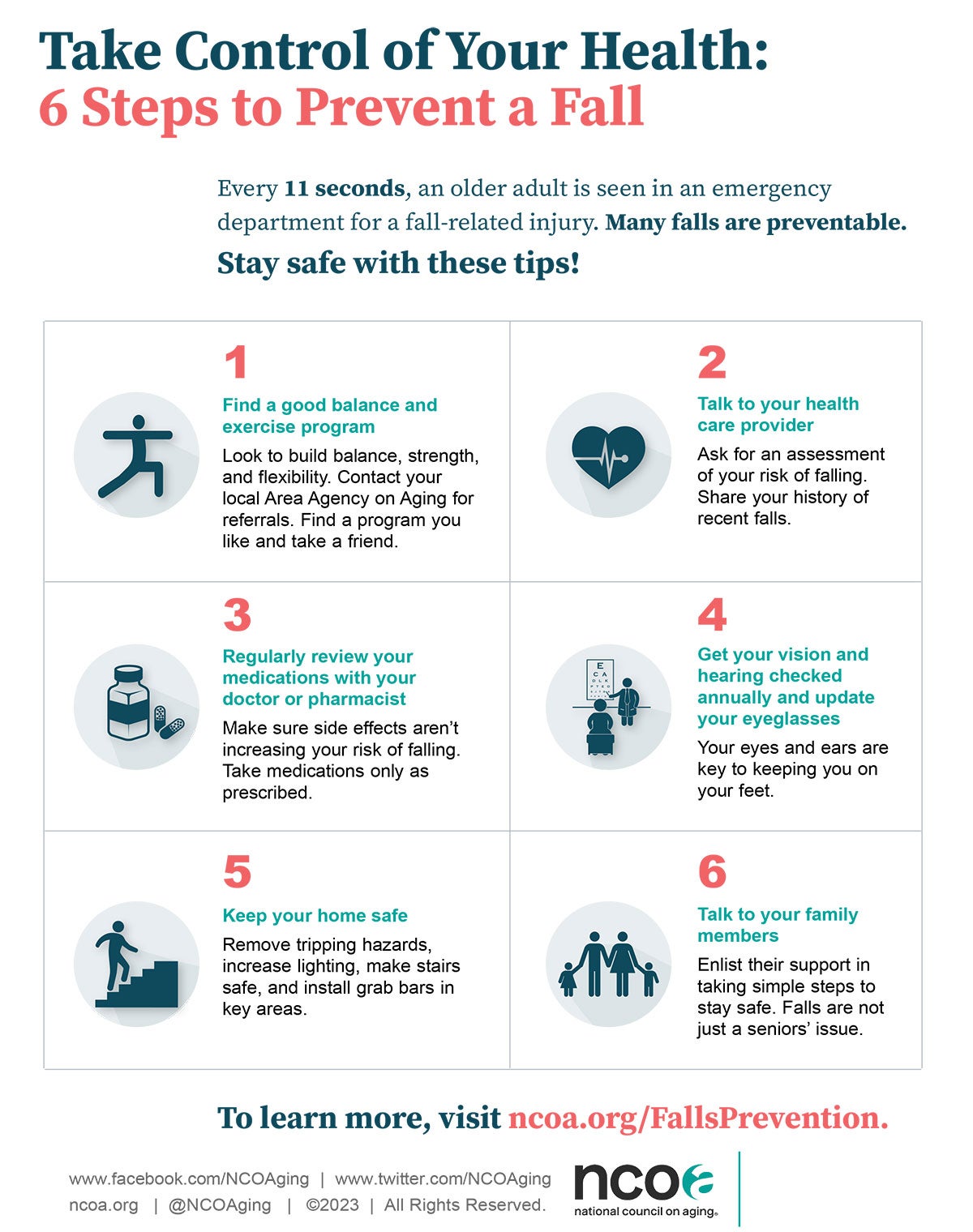
As a practicing Physical Therapist for over forty years, who has been specializing in working with older adults for the past ten + years, accenting the importance of Falls Prevention comes natural to me. The week of September 18th-22nd is National Falls Prevention Awareness Week. In 2020 this expanded from a day to an entire week. According to the National Council on Aging (NCOA), on the first day of fall, their focus is to bring awareness to fall prevention initiatives for older adults throughout the country. To increase your awareness, I would like to share some facts and some helpful tips with you.

Facts about falls: 

Falls are the leading cause of fatal and non-fatal injuries among older adults that can result in serious injuries as well as increase the risk of additional falls. Falls Prevention programs are effective in saving lives, money and helping older adults remain independent and active members within their community. 

Falls are NOT a normal part of aging. 

For years NCOA has been committed to focusing on helping older adults improve their confidence and skills to prevent a fall.  Fall Prevention requires a team effort. The following individuals are members of this team, and each role is important in reducing the risk of falls. 

Family and friends:  

  • Can provide another set of eyes to assist with clearing fall hazards within your home.  
  • Can join you at your Dr. appointment and assist in asking questions and additional information on preventing falls. 

An Occupational Therapist (OT): 

  • They will identify hazards to be eliminated or modified to prevent falls within your home environment. 
  • They recommend assistive devices to fit your needs to ensure additional safety and independence. 

A Primary Care Physician (PCP):  

  • Important healthcare team member to begin the screening process of fall prevention due to seeing you regularly. 
  • Member of the healthcare team that knows your medical history and can address and refer you to other medical professionals/team members to assist in the process of fall prevention. 

A Pharmacist: 

They are a vital team member of any Fall’s Prevention program. Why?

  • Most adults take medication or supplements daily. 
  • Pharmacists will screen for medications that place an older adult at higher risk for falls.  
  • Consult with your pharmacist about any new medication that you are taking or any side-effects you may be experiencing. 

A Physical Therapist (PT):  

What is a PT? They are movement specialists that assist in identifying impairments contributing to falls. They can:

  • Prescribe exercises and activities to improve balance, strength, and mobility to prevent falls. 
  • Provide resources on evidence-based community programs to maintain and or improve strength and balance. 

These community programs might be found at…

Your local fire department: 

  • Offer home safety checks to spot hazards such as rugs without non-slip backing, too many electrical devices plugged into one outlet, and assist in testing and replacing smoke alarms. 

Your hardware stores: 

  • A place to purchase supplies and materials to make your home a safer place to age in place and remain independent. 
  • Some of these items may include grab bars, a hand-held shower head, nightlights, and brighter lightbulbs as well as non-slip pads for your rugs. 

Your faith-based organization(s): 

  • Individuals that can support you through encouragement and social support. 
  • Provide additional community resources such as providing transportation to medical visits, exercise classes, and or activities related to falls prevention. 

Your library:  

  • Valuable place within your community to access information about falls prevention. 
  • Often a common place for falls prevention programming. 

Your local sporting goods store: 

  • Provide the proper shoes and clothing as well as equipment to stay active and safe. 
  • Assist in obtaining the proper equipment for health and fitness programs such as yoga mats, ankle weights, dumbbells, water bottles, walking sticks and more. 
Additional Sources 

1. Facts About Falls. Centers for Disease Control and Prevention. Injury Prevention and Control. Found on the internet at https://www.cdc.gov/falls/facts.html 

2. Carande-Kulis, V., Stevens, J., Florence, C., Beattie, B.L., Arias, I. (2015). A cost-benefit analysis of three older adult falls prevention interventions. Journal of Safety Research, 52, 65–70. Found on the internet at https://pubmed.ncbi.nlm.nih.gov/25662884/ 

3. Report to Congress in November 2013: The Centers for Medicare & Medicaid Services’ Evaluation of Community-based Wellness and Prevention Programs under Section 4202 (b) of the Affordable Care Act. Found on the internet at http://innovation.cms.gov/Files/reports/CommunityWellnessRTC.pdf 

4. Ackermann RT, Williams B, Nguyen HQ, Berke EM, Maciejewski ML, LoGerfo JP. Healthcare cost differences with participation in a community-based group physical activity benefit for Medicare managed care health plan members. J Am Geriatr Soc. 2008 Aug;56(8):1459-65. doi: 10.1111/j.1532-5415.2008.01804.x. Found on the internet at https://www.sciencedirect.com/science/article/pii/S1551714414000330 

Ayelet Dunsky. The Effect of Balance and Coordination Exercises on Quality of Life in Older Adults: A Mini-Review. 2019. https://www.frontiersin.org/articles/10.3389/fnagi.2019.00318/full 

Falls Prevention Awareness Week is made possible in part by grant number 90FPSG0051 from the U.S. Administration for Community Living, Department of Health and Human Services, Washington, D.20201. Points of view or opinions do not, therefore, necessarily represent official Administration for Community Living policy.   
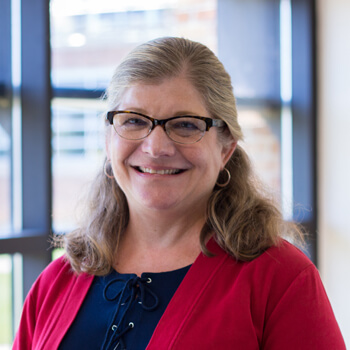
My clinical practice spans over forty years, with experience in all aspects of acute care and outpatient physical therapy. My areas of expertise are in the physical therapy management of the geriatric patients with special interest in working with the individual with Parkinson Disease. I am a Board Certified Geriatric Clinical Specialist. I recently applied for re-certification which is good for an additional 10 years
Chapel schedule: August/September 2023


Join us in the Chapel of Christ Triumphant for daily Chapel services, Monday-Friday at 9:30 a.m.


Schedule subject to change. In-person attendance is always encouraged, but Chapel services can also be livestreamed HERE.

Monday, Aug. 28 Preacher: Erik Ankerberg | Proverbs 3:5-6; Psalm 42:5 | LSB 861 | Combined with CUAA

Tuesday, Aug. 29 Preacher: Steve Smith | Psalm 138 | LSB 703

Wednesday, Aug. 30 Preacher: Dan Paavola | Romans 11:33-12:8 | Haven Musicians

Thursday, Aug. 31  Matins | Leader: Steve Smith | Isaiah 51:1-6 | Hymn LSB 648

Friday, Sept. 1 Preacher: Steve Smith | Matthew 16:13-20 | LSB 645 | CMLT Installation


Monday, Sept. 4  Labor Day: No Classes; No Chapel

Tuesday, Sept. 5  Matins | Leader: Steve Smith | Psalm 26 | Hymn: LSB 701

Wednesday, Sept. 6  Preacher: Kurt Taylor | Romans 19:9-21 | LSB 696

Thursday, Sept. 7 Preacher: Michael Uden | Matthew 16:21-28 | LSB 647

Friday, Sept. 8  Preacher: Steve Smith | Jeremiah 15:15-21 | Printed Hymn | Sophomore Nursing Dedication


Monday, Sept. 11 Preacher: Brian German | Psalm 32:1-7 | LSB 568

Tuesday, Sept. 12  Matins | Leader: Steve Smith | Romans 13:1-10 | Hymn: LSB 966; Te Deum LSB 941

Wednesday, Sept. 13  Preacher: Roy Peterson | Matthew 18:1-20| Haven Musicians

Thursday, Sept. 14 | Preacher: Aaron Moldenhauer | 1 Corinthians 1:18-25 | LSB 455

Friday, Sept. 15  Preacher: Jastram | Ezekiel 33:7-9 | LSB 839 | Chapel Choir


Monday, Sept. 18 Matins | Leader: Steve Smith | Psalm 103:1-12 | LSB 558

Tuesday, Sept. 19 Preacher: Jason Soenksen | Genesis 50:15-21 | LSB 843

Wednesday, Sept. 20  Preacher: Steve Smith | Matthew 18:21- 35 | Haven Musicians

Thursday, Sept. 21 | Preacher: Harald Tomesch | Matthew 9:9-13 | LSB 559 | St. Matthew

Friday, Sept. 22 | No Classes; No Chapel


Inauguration Week

Monday, Sept. 25 Preacher: Juhl (guest) | Leader: Jason Lane | Psalm 27 | LSB 713

Tuesday, Sept. 26 | Preacher: Henrichs (guest) | Leader: Jason Lane | Colossians 1:15-20 | Hymn: LSB 538

Wednesday, Sept. 27  Preacher: Berg (guest) | Leader: Jason Lane | Hosea 14:1-9 | LSB 536

Thursday, Sept. 28 | Preacher: Nuckols (guest) | Leader: Jason Lane | 1 John 4:1-16 | LSB 768

Friday, Sept. 29  Preacher: Bayens (guest) | Leader: Jason Lane | Matthew 18:1-11 | LSB 716 | Chapel Choir


Learn more

For more information about worship opportunities on campus, click the link below.


Why Should I Consider a Career in Geriatric Physical Therapy?

What is Geriatric Physical Therapy, and why might it be the career path for you?


Put simply, “geriatric” physical therapists focus their care on older adult patients and clients. Typically, this means people 60 years and older, but the definition varies from age 50 (AARP age) to 65 (Medicare age). There is no upper limit for the ages seen—my oldest patient to date was 104 and didn’t retire until 102.

Other physical therapy specialties focus on specific body systems, like cardiovascular/pulmonary, neurologic, and orthopedic. However, geriatrics as a specialty pulls together all body systems as they relate to typical and atypical age-related changes.

Additionally, any conditions a person acquires during their lifetime might “stack up” in the same person as they get older. A unique challenge and opportunity for the geriatric physical therapist is to master a wide variety of information from all body systems and all areas of physical therapy to best treat the needs of older adult patients and clients.

Why specialize in Geriatric Physical Therapy?

My journey to physical therapy in general goes back at least to high school, when I had the opportunity to take several anatomy and physiology classes. Various life events have guided me toward PT school, though along the way I was (and still am) interested in many areas that physical therapy ties together.

My interest in geriatrics goes back to Year 2 of the program.

Orthopedic content was pretty interesting, but neurological rehabilitation content was even more interesting. I wasn’t sure at this point what population would be the most interesting for me to work with. However, the next three clinical rotations were in inpatient, skilled nursing facility, and outpatient settings. I noticed that working with older adults provided a good challenge for me.

Since then, I have grown to appreciate geriatrics as a specialty for even more reasons. I earned board certification in geriatric physical therapy in 2016.

My favorite aspects of working with older adults include…

The life stories they have to tell, and the need to use multiple areas of my knowledge every day. The visible health and happiness benefits that they can gain from simply being more physically active than they have been. There are certainly challenges. Some patients may not make it all the way through PT due to worsening illness or even death. However, even that has given me more appreciation for the life and health God has given me to serve them.

What Options Are Available for Geriatric Physical Therapy?

One of the best parts of geriatric physical therapy is the ability to practice in virtually any setting. Older adults are increasing in numbers in many countries. Most remain living independently in their communities until their 70s or 80s. If you like sports, so do many older adults. Even Senior Olympians who are just as competitive as their younger counterparts! If you prefer working with people in their own living environments, home care is a great option. Just about the only setting where you wouldn’t be likely to work with older adults would be exclusively pediatric clinics.

Besides clinics, hospitals, homes, and nursing homes, some geriatric physical therapists go less-traditional routes. These can include private practice, telehealth, consulting, and wellness. No matter where the PT practices, there are always older adults to serve and who can improve with therapy.

Okay, I’m Interested. What Do I Do?

A great place to start is right now, during DPT coursework. Pay attention to the “aging” aspects of the material you are learning. Aging affects every body system. On clinical rotations, note how working with older adults is similar to and different from working with younger adults. This will give you a more accurate view of what it’s like to work with older adults as a specialty.

After graduation, many continuing education and mentorship opportunities exist for PTs interested in geriatrics. Continuing education courses address varied issues related to health and the aging process, including specific diagnoses like vestibular problems. If you want to fast-track your expertise in working with older adults, consider also a geriatrics residency program. A unique benefit graduates appreciate the most about residency is the mentorship they receive. Particularly the mentorship relating to how they interact and clinically-reason with specific, complex patients. Currently, there are less than 20 geriatrics residencies in the United States. I am working at Concordia to develop one more that will hopefully get started in a few years.

Get to know Dr. Hannah Baker

  • What’s your name/degree/specialty?
    • Dr. Hannah Baker, PT, DPT, PhD, Board Certified Clinical Specialist in Geriatrics
  • How long have you been teaching at Concordia?
    • As a proud CUW DPT grad myself, I have been teaching full-time at Concordia for 2 years. I also had the opportunity to be a lab assistant and guest lecturer for 5 years before that.
  • Which classes do you teach?
    • A little bit of everything, including a pediatrics-geriatrics elective, electrotherapy/wound care, neuroscience, gait analysis, and psychosocial aspects of health care.
  • How did you decide to be a PT?
    • I’ve always been fascinated by how the human body works according to its design. My dad broke his leg when I was a freshman in college. Seeing his rehab process and the hiccups made me want to do better. However, I didn’t make the final decision until my senior year. The “light at the end of the tunnel” and the support of the faculty were a great help!
  • Favorite areas of research?
    • Currently, I am working on projects related to quality/process improvement and detecting fall risk early on. I’m also studying the effects of an annual PT “physical.”
  • What’s your favorite part of being a CUW faculty? The family atmosphere has allowed me to grow personally and professionally.
  • What lessons/courses/research projects do you have coming up that you’re excited about?
    • Besides my regular courses, I am particularly excited about the courses I’m developing for our geriatrics residency.
  • What do you do in your free time?
    • Play or walk with my son John (1 ½), read everything I can, and watch Star Trek with my husband.
  • What advice would you give to someone thinking about becoming a PT?
    • Count the cost (monetary, psychological, time…) and get used to practicing things that aren’t necessarily the most interesting. That skill and mindset will set you ahead of your peers!

Feeling Inspired?

If you’re interested in learning more about becoming a physical therapist, explore a day in the life of a physical therapy student. Feel free to check out our website.

How to be a Successful Student from Dr. Robert Barnhart


I have had the privilege of being a physical therapist for 44 years. Twenty-seven of those years have been as a faculty member in academic physical therapy programs. Prior to being a faculty member, I was a full-time clinician for 17 years in a wide variety of pediatric settings with various responsibilities in each of those settings. 

I have over the years developed perspective on how to be a successful student in the DPT program. If you would have asked me 15 years ago, I would have said “strong aptitude for the sciences, good grades in college, hard worker, and good communicator.”

However…

Today, I would instead ask “What do you mean by successful?” If you mean getting good grades and graduating from your DPT program, those characteristics will obviously help. However, if you view graduate/professional education as preparing you for success after graduation; my initial answer is not enough. Good grades are not enough to make a successful student in the Physical Therapy program.

So how can you be successful as a DPT student?

Very successful DPT students share the same traits as very successful people. For starters, successful people are active learners. Active learners question things around them, they push through their challenges, and they are humble enough to ask for help. As an active learner, your desire to learn is stronger than your desire to look good in front of others.

Being humble enough to ask questions translates to another trait of successful students: curiosity. Curiosity leads to seeking out knowledge from professors and peers. That level of knowledge-seeking will not only help you in your studies, but it will help you in your life. Curiosity also tends to lead to spending a lot of time listening to others, which gives you the opportunity to practice being a good listener. Good listeners know when it’s time to add opinions and when it’s time to listen to what others have to say. You learn from people who know more, rather than focusing on sharing your opinions all the time.

Another trait of successful students? They are willing to be risk takers. Risk taking means placing yourself in a learning/listening situation where you just might fail. You won’t learn anything if you aren’t engaging with situations where you don’t have all the answers. A willingness to fail means you try new things and learn from your mistakes. In order to be willing to fail, your identity needs to not be rooted in what you do or what people think of you. A successful CUW student, to me, has their identity rooted in the fact that they are made in the image of God (II Corinthians 5:17). Which regardless of whether you succeed or fail, that part of your identity never changes.


More questions about PT?

Check out some of our other blog posts about things like

The School of Health Professions (SHP) offers a wide variety of accredited programs at both the undergraduate and graduate level. Our programs are provided in a variety of teaching formats (face-to-face, online, blended) and curriculums emphasize service to the community and inter-professional collaboration. Students are able to work with community members very early in their educational experience. Explore your options! 


— Dr. Robert Barnhart is a Professor at Concordia University Wisconsin. He received his PT degree from Emory University (1979), his MS from the University of Tennessee Knoxville (1992), and his ScDPT from the University of Tennessee Health Science Center (2006). He has authored or co-authored 8 peer review articles on pediatric rehabilitation topics.

CUW Occupational Therapy: New Partnership with Michigan Tech


Concordia’s Master of Occupational Therapy (MOT) or Doctor of Occupational Therapy (OTD) offers a possible path for individuals seeking to pursue their calling as occupational therapists, regardless of their current stage of the journey.


Concordia University recently signed an articulation agreement with the Michigan University of Technology.

This agreement will ensure that students enrolled in a bachelor’s degree program at Michigan Technological University (MTU) and seeking admission to the Wisconsin campus of Concordia University for the foundational Master of Occupational Therapy (MOT) or Doctor of Occupational Therapy (OTD) will be given priority admission status.

Why is priority admission important?

Priority admission allows us to review the applications from MTU students separately from and before the general applicant pool. Because of this, students applying with priority admission have a higher chance of selection for the program.

What is the significance and what factors contributed to CUW’s decision to partner with Michigan Tech?

We have a recent student who is an alum of MTU and their pre-healthcare professions advisor reached out to CUW’s admission team. MTU is located in the upper peninsula of Michigan and does not offer a graduate-level occupational therapy degree. Working with them to provide a pathway for students who want to become occupational therapists has been a great experience.

What are the fieldwork requirements for the program?

OT educational programs include 2 types of fieldwork experiences: Level I and Level II. At CUW, Level I experiences are provided in pediatrics and behavioral health through a 1-week intensive residency requirement during the second summer of the program. Level II experiences happen after students complete their didactic coursework. Every student will complete 2, 12-week Level II fieldwork experiences, each in a different practice setting. Level II experiences are the final step in the educational process. This is where students practice full-time, under the supervision of a licensed OT. Here they apply the knowledge they’ve acquired in the classroom.

What are the employment outcomes for graduates of the program?

  • An important metric of success for OT programs is Licensure Exam Pass Rate, and CUW Occupational Therapy’s current pass rate is 97%
    • Additionally, based on our last “new grad” survey — here’s where our recent grads are at now:
      • 75% of new grads were employed in OT
      • 20% were applying for further educational opportunities
      • 5% were still seeking employment

What are the most important skills and competencies that you aim to impart to students during the program?

Our students will graduate with the hands-on clinical skills needed to both evaluate and treat clients in a variety of clinical settings. Even more importantly, we highly value the professional reasoning skills, leadership skills, and advocacy skills that our students gain. Our hope is that they use these skills to become change agents in the profession.

What advice do you have for students who are considering pursuing a career in occupational therapy?

Spend time shadowing occupational therapists in at least 2 different settings. It’s important to have a sense of what makes us unique in the healthcare and educational setting we work in.

If potential students have a question about this program, or OT in general, who should they reach out to?

As the program director, I LOVE talking to future occupational therapists. Please reach out to me at Meghan.watry-christian@cuw.edu


Want in?

Concordia’s OT program makes stepping forward in your calling as an occupational therapist attainable no matter where you are in your journey. Our multiple program pathways and hybrid course formatting will prepare you holistically. Through our faith-based, student-centered curriculum, and diverse, hands-on, clinical experiences you will graduate confident in your skills. Learn more about our programs below.


—Dr. Meghan Watry-Christian, PHD, OT-L, is the Department Chair of the Department of Master of Occupational Therapy (MOT) and Doctor of Occupational Therapy (OTD) Programs and is an Associate Professor within the School of Health Professions.

Congratulations to the Class of 2023!


On May 12th 2023, we welcomed a new group of physical therapists to the profession. Concordia University Wisconsin’s Doctorate of Physical Therapy program wants to congratulate all of its graduates in the Class of 2023! We are so excited to see what great things you achieve in your careers serving your communities through your commitment to excellence.

Celebrating CUW’s latest church work graduates

Concordia celebrates its latest crop of graduates who will be entering into called positions for the LCMS.


As each has received a gift, use it to serve one another, as good stewards of God’s varied grace.

1 Peter 4:10

Nurtured by CUW to serve as the hands and feet of Christ throughout the world, these Concordians are among the latest graduates to receive calls or designations to Lutheran schools, churches, or organizations. We congratulate our Concordians, and celebrate with the ministries they will soon serve.

EDUCATION

The following is a list of the CUW education graduates who have accepted contracts, designations, or calls to serve within Lutheran schools, or who are eligible to receive a call.

EARLY CHILDHOOD

Jerika Heroux | St. John’s Lutheran School | West Bend, WI

Katarina Hinck | St. Paul Lutheran School | Des Peres, MO

Katherine Mollwitz | Trinity Lutheran School of Freistadt | Mequon, WI

Olivia Riemer | Zion Lutheran School | St. Charles, MO

Rebecca Zobel | Divine Redeemer Lutheran School | Hartland, WI

*Megan Long

Grace Kelle (December grad) | Hales Corners Lutheran School | Hales Corners, WI

*Ku Mo (December grad)

ELEMENTARY

Rachel Bender | First Immanuel Lutheran School | Cedarburg, WI

Elizabeth Schmidt | Trinity Lutheran School | Wausau, WI

Rebekah Self | St. John Lutheran School | Plymouth, WI

Josh Shull | Lutheran High School | Parker, CO

Sarah Wallace | Good Shepherd Lutheran School | Collinsville, IL

Grace Wilshire | Redeemer Lutheran School | Verona, PA

Katie Borcherding (December grad) | Messiah Lutheran School | Lincoln, NE

Andria Reimer (December grad) | Hales Corners Lutheran School | Hales Corners, WI

Anna Wiesneski (December grad) | St. John Lutheran School | Merrill, WI

*Mary Jo Pergande

SECONDARY/K-12

Nathan Bauknecht | First Immanuel Lutheran School | Cedarburg, WI

*Elizabeth Bredman

Madison Chiappetta | Milwaukee Lutheran High School | Milwaukee, WI

Ben Dubke | Valley Lutheran Cedar Falls, IA

Mary Dubke | Valley Lutheran School | Cedar Falls, IA

Hannah Ebel | Lutheran High School West | Cleveland, OH

Abi Fruend | Immanuel Lutheran School | Wentzville, MO

*Sarah Greenhow

Susan Habegger | Lutheran High School | Parker, CO

Anna Krafft | Living Word Lutheran High School | Jackson, WI

Alex Lauersdorf | N.E.W. Lutheran High School | Green Bay, WI

Drew Mickelson | Living Word Lutheran High School | Jackson, WI

Zach Roeglin | Living Word Lutheran High School | Jackson, WI

Rebecca Roth | Lutheran High School North | St. Louis, MO

*Emily Schuh

*Heidi Witte

Gabrielle Nelson (December grad) | Lutheran Association for Special Education | St. Louis, MO

Rachel Osell (December grad) | Living Word Lutheran High School | Jackson, WI                       

Rebecca Gehm (December grad) | St. Michael’s Lutheran School | Reese, MI

CLASSICAL EDUCATION

Elizabeth Paul | Advent Lutheran School | Zionsville, IN

*Christal Hopfensperger

PAST GRADUATES

James Switch | St. John’s Lutheran School | Norwood Young America, MN

Hannah Brockman | Lutheran High School of St. Charles County | St. Charles, MO

Emily Reinecke | St. Paul’s Lutheran School | Des Peres, MO

Julia Gray | Immanuel Lutheran School | Wentzville, MO

*Graduate is eligible for a call but may still be considering designations or is choosing to defer for a period.

DIRECTOR OF CHURCH MINISTRIES

Paige Hendrikson | St. Peter’s Lutheran Church and School | Reedsburg, WI

*Nicholas Johnson

Hannah Mielke | Lakeview Ministries | Seymour, IN

*Joshua Siler-Glasshagel

**Katelyn Hamilton

**Lyle McBurney

**Becka Prestwich

*Graduate is eligible for a call but may still be considering designations or is choosing to defer for a period.

**Graduate will be eligible for a call upon completion of final course or designation requirements.

DIRECTOR OF PARISH MUSIC

*Hunter Kinnison

*Christal Hopfensperger

*Graduate is eligible for a call but may still be considering designations or is choosing to defer for a period.

PRE-SEMINARY CANDIDATES

Pre-Seminary students at CUW typically continue their education by going on to seminary to become pastors of The Lutheran Church-Missouri Synod. Pre-seminary students must complete a major or minor in Theological Languages and often complete a major in Applied Theology or any of a variety of other majors or minors that help to prepare them for seminary and the pastoral ministry.

The following individuals graduated with pre-seminary distinction this May:

Brian Fish | Individualized Health Ministry major

Brian Frank | Applied Theology major

Alexander Kaboskey | Applied Theology major

Hunter Kinnison | Parish Music major

Ryan Milbrath | Applied Theology major

Isaiah Mudge | Theological Languages & Philosophy majors

Peter Pohlod | Theological Languages major

Kurtis Polodna | Pre-Seminary Studies major


Want in?

If you seek to serve the Lord through a career in church work, you have plenty of options at Concordia! Whether you’re new in your faith or have grown up in the Church, Concordia’s programs are specifically designed to help cultivate your God-given gifts so that you can have the greatest impact for His Kingdom.

We did it again! CUW named 2023 ‘Top Workplace’

For the fourth year in a row, Concordia University Wisconsin has been named among the Milwaukee Journal Sentinel’s best places to work.


Four scores! Every year we have entered the Milwaukee Journal Sentinel’s annual program, CUW has earned Top Workplace status. This year, the Journal Sentinel recognized 160 companies and organizations in the Milwaukee- and Southeast Wisconsin-area. That’s more than double the entries from last year. CUW came in #17 on the list!

Employee survey feedback determines Top Workplace award winners. The surveys are conducted by a third-party research partner named Energage LLC. Concordia’s 2023 results show that 74% of employees feel engaged in the company. Additionally, marks went up related to how well-informed employees feel and flexibility afforded.

“It is a joy to be part of an organization that has such a strong history of employee engagement,” said President Erik P. Ankerberg, PhD. “Our shared mission and commitment to providing students with the highest-quality experience is clearly strong. I want to extend my sincere thanks to the employees here who care so deeply about their work and our students.”

Here’s a peek at the employee base at Concordia:

  • 11:1 student-to-faculty ratio
  • 88% of full-time faculty have terminal degrees
  • 100% of 2022 doctoral graduates and 92.9% of traditional bachelor’s degree graduates reported feeling like faculty and staff personally cared for them and their growth as an individual.
  • 100% of full-time faculty are Christian; 44% are Lutheran

To view the Top Workplaces special section in the Milwaukee Journal Sentinel, click HERE.


Want in?

If you’re looking to join the Concordia team, check out our employment page.

How to prepare for the job market

Finding the right job is not always an easy task. However, there are ways to make sure you are ready to face the job market. By taking the time to develop your skills and knowledge, you’ll become an attractive candidate for employers.

To make sure you’re a strong candidate, focus on improving your communication skills and your ability to work with others. Finally, prepare to discuss your qualifications and experiences during the interview process. These steps can help you achieve the qualities desired by employers and become the perfect employee.

Research, research, research

The job market can be overwhelming. The first step is to do thorough research to know exactly what is out there and what you want. Think about these questions during your research process.

  • What industries or companies interest me?
  • What are my expectations for the position?
  • What skills do I need for the job?
  • What is the process to obtain the position I want?
  • What are the goals and values of the company?

After narrowing your search, choose positions that interest you, and review specifics on the role and the company. You want a position that fits your skills and values.

Interview the right way

Interviews are an inevitable part of getting a job. Many times there are many other candidates fighting for the same role. So, you need to stand out and show why you’re perfect for the job. How can you stand out in this job market?

Know the company

It’s critical that you have some background knowledge about the company. Don’t go in blind! Look closely at your resume and modify it to reflect why you are perfect for the position. Have specific examples that demonstrate how your skills will fit into the role.

Take time to understand more about the company and its mission. Hiring managers appreciate applicants who demonstrate their commitment by researching and familiarizing themselves with the company.

Have questions at the ready

Interviewer: “Do you have any questions for us?”

Candidate: “I don’t think so.”

Every interview always ends with this question, and most of us say no which then ends the interview. However, this is the part where you get to ask questions and make sure they are the right fit for you.

Prepare thoughtful questions about the position, the team or department, and the overall direction of the company. Some of my favorite questions to ask are:

  • What’s your favorite part about working here?
  • What you are looking for in an ideal candidate?
  • Can you tell me what the day-to-day will look like?

Preparing questions can demonstrate your intelligence, seriousness, and ability to provide value to the company fast. It’ll also spare you the awkward, “Nope, I’m good.”

Bring your notebook

Taking careful notes during interviews is a must. Being able to look back on information discussed with the interviewer, such as a department’s goals or difficulties, will help you stand out. Additionally, demonstrating an understanding of the company’s systems and how they fit together will display your value to the company.

Practice makes perfect

To be sure of yourself during an interview, it is necessary to PRACTICE beforehand. Doing mock interviews with a trusted friend or family member is a great way to prepare without anything being official. Try answering common interview questions until you feel comfortable. This will help you walk into your interview ready to represent yourself well and put your best foot forward.

Build a strong network

Forming professional relationships is one of the biggest sources of success when it comes to the job market. Your network can help you find jobs and different opportunities. 

You have more connections than you might even realize. Friends, family, neighbors classmates, your church congregation, and social media followers are all connections. 

Start to interact with people who might have a connection or are part of an industry you are interested in and build your network.

Cultural competence

Not everyone looks, thinks, or believes the same way you do. Can you navigate those differences to work well with others? If you’re culturally competent, you’re conscious of the difference between yourself and employees of other cultural, ethnic, or even socioeconomic backgrounds. Embrace your differences, appreciate them, and learn from them, to strengthen your working relationships.

Become a better communicator

Communication is something we all do, but are not all good at. Nevertheless, it’s a part of every area of our lives. Both written and oral communication are skills crucial to being a great employee. 

If you’re a weak communicator, you’ll have a hard time meeting expectations and being understood. Just like communication is the key to a relationship, it is also the key to any role.

Check this out: Unlock Your Dream Job With 3 Hirable Skills

Be ready to adapt

With the world constantly changing it’s important that you’re adaptable. Be flexible with new tools, teams, and environments. A company might make a number of changes to the workforce or company in general for a number of reasons.

So, how can you become adaptable? Be willing to learn. Keep up with current trends in your field. Or ask your employer for personal development opportunities.

When you are flexible and adaptable, you’ll become a valuable and better employee.

Feel ready to tackle the job market?

Don’t rush yourself if you don’t feel prepared; take some time to hone your skills and bolster your assurance. But, if you are confident and ready, you have the capability to accomplish your goal!

DBA Student Story: Part One

This DBA Student Story features Jennifer Kowal, a doctoral student concentrating on Organizational Performance and Change in the Doctorate of Business Administration (DBA) program at Concordia University Wisconsin. Outside of her education, she manages a full-time job and is a wife and a mother of three young adult children. She hopes to inspire and motivate others by sharing her academic experience.

Discover a little about Jennifer’s background and what led her to enroll in our DBA program.


Tell us about yourself

Hello, my name is Jennifer Kowal and I’m a student in the DBA program in Cohort #2 at CUW. I’m currently 5/12th done with the program, but who is counting? In addition to being a student, I’m a wife and mother of two college students, a high school student, and a full-time professional. Yes, I have a lot on my plate but I am determined to earn my DBA.

Why was now the right time to become a student again?

Well, simply put I have always wanted to be a Dr. It is an achievement I have wanted to conquer. However, I was unsure what kind of Doctorate or Ph.D. it would be, though certainly not a medical degree. Everything came together in the fall of 2021. Before I knew it, I was committed to making this goal happen. I started with some online research and found the DBA degree pretty quickly.

The DBA sounded familiar and maybe a bit comfortable since it is so close to the MBA. So, I continued my discovery by looking for schools that offered a DBA. I filled out forms for a few universities online. Within a week, I had scheduled introductory calls. As you can see, I can move pretty quickly in my decisions, once I know what I want.

The introduction calls with a few universities validated which DBA program was right for me. Also, from those conversations I knew which university would be the best fit.

What made you choose CUW’s DBA program?

I chose the DBA program at CUW because it checked all the boxes. Also, the decision just felt right. Follow your heart and gut, as it’s often said.

Two main criteria for me were the number of residencies and the cohort model. I knew I needed some on-campus time, but not too frequently. Furthermore, I knew I wanted the community offered by the cohort model in CUW’s DBA program. Within a couple of months, my acceptance letter arrived and I embraced being a student again in all ways.

What is your research focus?

My research focuses on motivation, curiosity, and a growth-oriented mindset in organizational development at the individual level. CUW’s Organizational Performance and Change concentration is teaching me to apply methods and theories for improving performance at all levels of an organization.

Describe the DBA program in your own words

The Doctor of Business Administration (DBA) program aims to develop individuals into scholar-practitioners. A scholar-practitioner integrates academic learning with practical experience in their chosen field of study. DBA students use theoretical knowledge and academic expertise to improve their practical work. Their valuable work experience also informs how they apply academic knowledge.

Students come from various fields, including education, business, and public policy. They typically possess a terminal degree and significant practical experience in their area of expertise.

What is a DBA scholar-practitioner exactly?

I like to think of being a scholar-practitioner as a bridge. On one side of the bridge is your day job, your work, your profession. On the other side is academic research. The DBA program develops its students to be that bridge, the conduit, between the practice of one’s profession and research. The bridge, in my mental model, is built with Legos and each scholar-practitioner adds more Legos to the body of knowledge in their field. Thereby strengthening both the academic and practitioner sides.

One aspect of being a scholar-practitioner that I find exciting is the opportunity to engage in research, evaluation, and critical analysis. I get to contribute to the development of new knowledge in my field. I’ll explain more about this opportunity in future articles.

The DBA program also opened a whole new community of like-minded individuals committed to bridging the gap between theory and practice in their respective fields.

Any words of wisdom?

Here’s a quote from my cohort during our first residency. It sums up the program and is a daily reminder that some things, like this program, need to be challenging.

A terminal degree is so much more than a degree.  It can break you down to your most vulnerable form but has the potential to build you back together to become a resilient, determined, humble, and knowledgeable researcher.  This process takes time and patience.  Please don’t give up on yourself.  It’s not just about getting the degree.  It’s about becoming who you are meant to be.

Unknown Author