Why you should learn Photoshop, even if you’re not a design major

Adobe Photoshop is a versatile and powerful program that can be used for a variety of stunning visuals and you can learn it easily here at Concordia University even if you’re NOT a design major.


‍Adobe Photoshop is an industry-standard program used by professional graphic designers, photographers, artists and other creative professionals. It can be used to create everything from logos to web design, from photo editing to digital painting. If you’re a creative professional, Adobe Photoshop is an invaluable tool that can help you create stunning visuals. But what if you’re not a designer? Why should you learn Adobe Photoshop?

In this post, I’ll answer all your questions about Adobe Photoshop and why it’s so important for everyone, even if you’re not a designer. I’ll explain the benefits of learning Adobe Photoshop, how easy it is to use for social media, and how you can create graphics and artwork using the program.

Your story starts here. Below are some commonly used modules that may be duplicated or simply deleted.

Introduction to Adobe Photoshop

Learn Photoshop at Concordia University Wisconsin Ann Arbor

Adobe Photoshop is a powerful image-editing software program that is used by professional designers, photographers, artists and creative professionals, as well as casual users. It provides all the tools and features necessary to create stunning visuals, including retouching, compositing, color correction and painting.

Adobe Photoshop has been around for over 30 years, and it has become the industry-standard for professional graphic design. It provides the tools needed to manipulate images and create stunning visuals, and it’s been used to create everything from logos to web design and from photo editing to digital painting.

Adobe Photoshop is available for both macOS and Windows, and it’s available as part of the Adobe Creative Cloud subscription. The program is constantly evolving, so you always have access to the latest features and updates.

Benefits of Learning Adobe Photoshop

Learning Adobe Photoshop can be an invaluable tool for everyone, even if you’re not a professional designer. It can help you create beautiful visuals for your projects, and it can be used to create stunning artwork and graphics. Here are some of the benefits of learning Adobe Photoshop:

  • It can help you create stunning visuals. Adobe Photoshop provides all the tools and features needed to create beautiful visuals. You can use it to manipulate images, retouch photos, create graphics, and more.
  • It’s easy to use. Adobe Photoshop is designed to be user-friendly, so even if you’re new to the program, you’ll be able to quickly learn how to use it.
  • It’s incredibly versatile. Adobe Photoshop is incredibly versatile, so you can use it for a wide range of projects. From photo editing to web design, Adobe Photoshop can help you create stunning visuals.
  • It can help you stand out. Learning Adobe Photoshop can help you stand out from other designers and creatives. With the skills you learn, you can create stunning visuals that will help you get noticed.
  • It’s fun. Adobe Photoshop can be a lot of fun to use. You can experiment with different effects and techniques, and you can create stunning visuals that you can share with your friends and family.

It’s easy to use. Adobe Photoshop is designed to be user-friendly, so even if you’re new to the program, you’ll be able to quickly learn how to use it.

Photoshop is Fun

Learn Photoshop at Concordia University Wisconsin Ann Arbor

Adobe Photoshop can be a lot of fun to use. You can experiment with different effects and techniques, and you can create stunning visuals that you can share with your friends and family. Plus, it’s easy to use, so even if you’re a beginner, you’ll be able to quickly learn how to use the program.

Plus, Adobe Photoshop also provides tutorials and guides to help you learn how to use the program. You can watch tutorials to learn how to use the different tools and features, and you can experiment with different effects and techniques. Adobe Photoshop also has a huge community of users who can provide help and advice when you get stuck.

And because Adobe Photoshop is used by professionals, you can also find tons of resources online to help you improve your skills. There are tons of tutorials, blogs and forums dedicated to Adobe Photoshop, so you can always find advice and help when you need it.

What Things Can You Do with Adobe Photoshop?

Adobe Photoshop is incredibly versatile, so you can use it for a wide range of projects. Here are some of the things you can do with Adobe Photoshop:

  • Create stunning visuals. Adobe Photoshop provides all the tools and features needed to create beautiful visuals. You can use it to manipulate images, retouch photos, create graphics, and more.
  • Create artwork and illustrations. Adobe Photoshop can be used to create stunning artwork and illustrations. You can use the program to create digital paintings, illustrations, and other forms of art.
  • Edit photos and videos. Adobe Photoshop can be used for photo and video editing. You can retouch photos, adjust colors and lighting, and more.
  • Design websites and graphics. Adobe Photoshop can be used to create stunning visuals for websites and graphics. You can create logos, icons, banners, and more.
  • Create 3D models. Adobe Photoshop can be used to create 3D models. You can use the program to create 3D objects, characters, and more.

It’s Easy to Use Photoshop for Social Media

Learn Photoshop at Concordia University Wisconsin Ann Arbor

Adobe Photoshop is incredibly easy to use for social media. You can use the program to create stunning visuals for your social media pages, such as graphics, logos, and banners. You can also use the program to edit photos and videos, so you can create stunning visuals for your social media posts.

Adobe Photoshop also has a variety of tools that you can use to create stunning visuals for your social media page. You can use the Layer Mask tool to blend photos and create unique effects, and you can use the painting tools to create custom artwork. You can also use the text tools to create custom text effects.

Plus, Adobe Photoshop makes it easy to share your creations on social media. You can easily export your creations as images, videos, or GIFs, and you can quickly upload them to your social media pages.

How to Create Graphics and Artwork in Adobe Photoshop

Adobe Photoshop is a powerful program that can be used to create stunning visuals and artwork. Here are some tips for creating graphics and artwork with Adobe Photoshop:

  1. Use layers. Adobe Photoshop is a layer-based program, so it’s important to use layers when creating your graphics and artwork. Layers allow you to separate elements of your artwork, so you can easily make changes or adjustments.
  2. Use brushes and textures. Adobe Photoshop provides a variety of brushes and textures that you can use to create unique and interesting effects. You can also use the program to create your own custom brushes and textures.
  3. Use masks and selections. Adobe Photoshop provides powerful masking and selection tools that you can use to create complex compositions. You can use masks to blend images together, and you can use selections to isolate specific elements of your artwork.
  4. Experiment with effects. Adobe Photoshop provides a variety of effects that you can use to create stunning visuals. You can use the filters to create unique effects, and you can use the adjustment layers to make subtle changes to your artwork.
  5. Create custom shapes. Adobe Photoshop provides a variety of tools that you can use to create custom shapes. You can use the pen tool to create custom shapes, and you can use the shape tools to create simple geometric shapes.

Conclusion

Learn Photoshop at Concordia University Wisconsin Ann Arbor

Adobe Photoshop is an invaluable tool for everyone, even if you’re not a professional designer. It can help you create stunning visuals for your projects, and it can be used to create stunning artwork and graphics. Plus, it’s easy to use, so even if you’re a beginner, you’ll be able to quickly learn how to use the program.

If you’re looking for a powerful and versatile program to help you create stunning visuals, Adobe Photoshop is the perfect choice. Sign up for Digital Design Fundamentals to learn how to use Adobe Photoshop and create stunning visuals for your projects.


Want in?

Visual communication is all around you—websites you visit, books and magazines you read, food you buy at the store—influencing the way you see the world. With this degree, you will discover how you can impact the world through design.

Courses that specifically teach Photoshop at CUWAA to all students:

GD 100. Digital Design Fundamentals (geared towards non-art majors)
GD 111. Graphic Design II
ART 130 Digital Photography I


—For the past 35+ years, Mario Macari has been an outstanding illustrator with a passion for graphic arts. His experience in this field dates back to 1985 when he purchased his first Macintosh computer and adopted software like Photoshop and Illustrator into his workflow. Currently, Mr. Macari is proudly serving as an adjunct professor at Concordia University Wisconsin Ann Arbor–imparting the same knowledge that equipped him with these cutting-edge skills many years ago.
Demand is surging for business sustainability professionals

Growing demand for sustainability professionals

Businesses today face more frequent and more severe environmental risks, such as supply chain vulnerabilities and carbon trajectories. Accordingly, the demand for sustainability professionals is surging. According to Greenbiz, “while there is high demand for sustainability workers and an increase in supply of sustainability jobs, there is still a sense of randomness to how sustainability jobs are getting filled.” The article indicates a need for improved student preparation for navigating and winning in the booming sustainability field.

The demand and success in the field are based on a growing need for the three main skills and responsibilities of business sustainability professionals:

  1. Multi-faceted environmental risk assessment
  2. Strategic planning through ESG, EMS, or ISO-complaint environmental management
  3. Development and implementation of sustainable solutions

Where are the sustainability jobs?

Careers in sustainability are now replacing many existing jobs. Traditional positions and employees are being ousted by modern positions and by new leaders who have better training in transformative business practices in sustainability. These new sustainability jobs include Sustainability Mangers and Chief Sustainability Officers. Along with a variety of other business sustainability professionals, these constitute Sustainability Teams (ESG, EMS, or ISO Teams). This is why many professionals are seeking modern education and advanced training. Furthermore, educators need to rise to meet the market demand by supporting, training, and launching business sustainability professionals.

Forward-thinking businesses are increasing their commitment to sustainability by pursuing the triple bottom line (people-planet-profit). This commitment levels a business’s social value with their ability to generate profit. As evidence of this change, there was a 45% increase between 2016-2020 in the number of businesses which expressly committed to sustainable practices. Further, TSC measured a 38% increase in sustainability improvements across 1,700 manufacturers over the same time period.

How do I start in sustainability?

Accordingly, Gray Associates, a strategy firm focused on higher education, recently reported in their Higher Education Demand Trends analysis that sustainability is currently “one of the Top Ten Most In-Demand” programs for graduate study. This is a direct contemporary result of business professionals actively seeking to retrain and upskill to modernize toward sustainable practices.

As business professionals rise to meet modern challenges, educators are also rising to meet the demand for advanced education in business sustainability. Concordia University has developed two modern programs to address this demand. The master’s degree MBA Concentration in Business Sustainability and the doctoral degree DBA Concentration in Business Sustainability. We are training professionals to assess environmental risks and develop strategic plans. Students gain confidence and expertise in the development and execution of sustainable solutions.

Through advanced training in MBA and DBA programs, scholar-practitioners gain legitimate credentials while upskilling in strategic leadership and environmental stewardship. This is an effective way to develop and launch your personalized ESG, EMS, or ISO-compliant plan for your business.

Next steps

If you have any questions about our curriculum or the benefits of professional sustainability training, considering contacting me at jenny.kehl@cuw.edu. Read more about our Business Sustainability concentrations in our 2-part blog series.

Men’s Lacrosse Participates in Slainte and Shave Celebration


Concordia University Wisconsin Men’s Lacrosse team took on Slainte and Shave St. Patrick’s Day Celebration event on March 17, 2023.

This organization allows people to donate or shave their heads in order to help children who have been diagnosed with or are fighting cancer. The team helped raise over $3,200 and together united to make a difference in kids’ lives.

Head Coach Mike Fahey stated, “I was very proud of our team coming together and contributing to this fundraiser as a group. They supported their community and raised a significant amount of money for such a great cause!”

The team strives to show children that they are not alone and there are people who hope, support, and have faith in their lives. A great opportunity for our men’s lacrosse team to not only inspire the children but also demonstrate that their dreams can turn into reality.

CUW Men’s Lacrosse athlete Zach Wilder said, “We walked into the Stagecoach Inn with 10 participants and when we left 20 members of the CUW men’s lacrosse team shaved their heads. It’s important to us because cancer in some form has affected everyone’s family and it is great to be able to raise money to help young kids effected by cancer and bring together our team for a great cause. We can’t wait to participate next year and hopefully raise some more donations and get an even bigger turnout of shaved heads to show awareness.”

Thank you to CUW Men’s Lacrosse for participating in such a meaningful event.


—Paityn Taormina is writer for The Beacon, the official student newspaper of Concordia University Wisconsin. She is a junior mass communications major with a minor in social work.

Alyssa Giese is Concordia’s March Student of the Month

Congratulations to CUW’s March Student of the Month, Broadfield Social Studies major Alyssa Giese!


March 2023 Student of the Month

The CUW faculty have selected Alyssa Giese as the March Student of the Month. Alyssa is a Broadfield Social Studies major with a keen interest in political science and policy. She has served as a Peer Leader in Christian Citizenship for multiple sections and also excels in her own studies. In addition, she is acting vice president of the Philosophy Club and a member of the Debate Club, Education Club, and CUW’s Action Shooting team. Alyssa also works as a student worker in the International Admissions office.

Alyssa was nominated by Dr. Lamont Colucci.

Concordia University Wisconsin has been awarding Student of the Month since 2016. Want to see our previous Student of the Month awardees? Take a look here!


Want in?

At Concordia University Wisconsin, we believe that education is at the junction of faith and learning. That means that we get to know you personally – your unique gifts and skills – so that we can help you develop fully in mind, body, and spirit to achieve your highest potential. To learn more or to apply, click the link below.

A Day in the Life of a Physical Therapy Student

What does a typical day look like for Physical Therapy Student and Graduate Assistant Ashley Nelson?


Hello! My name is Ashley Nelson, and I am a 2nd –year Physical Therapy student here at Concordia University- Wisconsin. I’m also the Graduate Assistant for the Physical Therapy Department, so my schedule might look a little different than other second year students, but I hope this gives you a good idea of what a day looks like as the Graduate Assistant while also a Physical Therapy student. Please follow along as I take you through a typical day for a Physical Therapy student with a job on campus.

6:00 am: Wake up

My first class of the day starts at 7:30 am, so I like to get up early to get ready for the day. After getting ready, I eat breakfast while I look at my planner to prioritize my tasks for the day. I write everything in my planner: assignment due dates, exam dates, guest speakers in class, etc. This allows me to stay on top of my week, which is very important, especially as a student who works.  

6:45 am: Drive to Campus

I only live about 15 minutes from campus, so it’s a quick drive to get to class by 7am. I’m someone that likes to arrive early because it allows me to review my notes before class or get some work done on a short assignment. You definitely don’t have to arrive this early, but a few classmates also get to class early, so this is a great time for us to ask each other questions about topics we might struggle to understand.  

7:30 am: Class

I have two classes Thursday mornings: Exercise Science I and Management of Musculoskeletal Disorders II. In both classes, we spend a lot of time with hands-on labs, but we also discuss the lecture content for that week. Our classes are typically an hour and fifty minutes and almost all of it is spent with hands-on practice, especially as a 2nd –year student.

One of the things I like most about Concordia is the small class size. My class currently has 23 students, and we take all our classes together. In between these two classes is our campus-wide chapel time, held every morning for students to attend. It’s about 25 minutes, and I personally use this time to work on short assignments, do a quick reading for class, or just take a break and hang out with classmates.

12:00 pm: Lunch

Concordia sets aside an hour for lunch every day, so I make sure I take at least a half hour as a schoolwork-free time. It’s an excellent time to recharge from the morning classes and to hang out with my cohort. There are a couple of places on campus I like to go. One is The Landing, which has a great sandwich shop if I buy lunch that day. I typically bring my lunch, so another place is the library. That’s where many of my classmates go to hang out and study. After I eat, I will do a little schoolwork before I start work.  

1:00 pm: Work

I work as the Graduate Assistant for the Physical Therapy Program, which is a position offered to 2nd –year students. For this job, I keep the lab spaces organized and assist the faculty with projects like finding journal articles, data entry for a research project, finding participants for classroom activities, etc. This job is great because I get to set which hours I work and it allows me to work more closely with the faculty. I work 10 hours a week, and today I am working 2 hours.

3:30 pm: Study

When I get home from work, I spend the next few hours studying or doing homework. By Thursday afternoon, I typically have most of the assignments done for the week but if not, I get those finished now. Once those are done, I spend the rest of this time studying the content learned this week.  

6:00 pm: Dinner

I always find time for myself each day because self-care is how I manage my stress level. I like to try and have dinner no later than 6 pm, so I usually stop studying around 5:30 pm. But really, I stop whenever I find my brain needs a break from school. I don’t try to push through being tired. You don’t retain much of what you study while you aren’t awake and ready. Depending on how I feel that night, I might do a quick workout, or just shower and settle in for the night with a movie or TV show. By 8:30 pm, I put away my phone and start to unwind for the night.

In conclusion…

Life as a working graduate student can be hectic. Time management and self-care are two of the essential skills I utilize. Without prioritizing those, my life might be a lot more stressful than it is. If you don’t care for yourself physically and mentally, you will not be setting yourself up for success working a job and working in school. I hope you enjoyed this small insight into a day in the life of a PT student.


More questions about PT?

Check out some of our other blog posts about things like

The School of Health Professions (SHP) offers a wide variety of accredited programs at both the undergraduate and graduate level. Our programs are provided in a variety of teaching formats (face-to-face, online, blended) and curriculums emphasize service to the community and inter-professional collaboration. Students are able to work with community members very early in their educational experience. Explore your options! 


—Ashley Nelson is a second year student and Graduate Assistant in the Physical Therapy program. She is pursuing her doctorate degree in physical therapy and is a member of the class of 2024.

Faculty Spotlight: Jennifer Becker

Jennifer Becker, Ph.D. is the Director of Licensing and Assessment in CUW’s School of Education and also serves as the Director of the Office of Field Experience. Her teaching responsibilities include both graduate and undergraduate education courses. Dr. Becker has also been serving as the Assistant Director of the Doctorate of Education in Leadership in Innovation and Continuous Improvement (LICI) and as advisor to the New York LICI program co-horts.

How long have you been serving in education and what made you choose this career path?

Prior to joining Concordia University Wisconsin, I served for 20 years as a K-12 teacher. My greatest joy over those years was making learning an enjoyable experience and inspiring children to become lifelong learners. Now educating at the University level, helping adult students discover learning tactics and supporting them as they find answers to their questions, inspires me as a teacher. I am now able to help pre-service teachers discover the how and why of teaching and learning. Then they can create student-centered classrooms where children are supported as they discover their world.

Any advice for current teachers/administrators?

Of course, teaching isn’t all joyful learning and exciting “light-bulb” moments. Balancing the demands of teaching and personal life is one of the greatest challenges of all. In the midst of the challenges, remember the students are your ministry and establishing strong connections enables deep learning to take place. Take joy in the role you’re able to play in student development and lifelong learning habits.

What are the strengths of Concordia’s Ed.D. program?

My favorite course to teach in our LICI program is our Dissertation Seminar, allowing me to support my student’s exciting research. The structure of our dissertation process and the multi-disciplinary programming is our strength. Students get to work with their dissertation chair from the very beginning. This individualized support continues throughout the entire program creating an excellent student experience and producing higher quality dissertations.

Name something fun about yourself?

Well, I enjoy farming and gardening, which can be more challenging in Wisconsin’s shortened growing season, but I like the challenge. One of the things I learned long ago is that, depending on my chosen plants, starting seedlings indoors in February is a must and saves me the expense of buying started plants from the store. This year I hope to try making a quilt, so if you have any quilting experience please send your advice!

Thanks for your time getting to know Dr. Jennifer Becker. If you’re considering an online doctorate but aren’t sure where to start, stop by our head-to-head match-up between the Ed.D LICI and DBA using the button below.

What is a DBA residency?

If you’re considering the Doctorate of Business Administration program at Concordia University Wisconsin, you likely have some questions. Here we’ll discuss the benefits and experiences a DBA residency creates for our students.

If you’re still unsure about what a DBA can do for you, catch up on our uncommon approach and get all the details.

Residency timing and benefits

The DBA residency is an in-person event that lasts three or four days at the CUW campus. The residencies take place in either January or July, at the beginning of a new course cycle. We require students to attend two residencies: at the start of their first year and third year.

The residency brings students, faculty, and staff together to learn, grow, and dive deeper into multiple areas. Among these areas you can expect rich scholar-practitioner conversations, focused research, and even tangible action. Students meet others in their cohort, who will journey with them throughout the program. Building professional and personal connections lasting far beyond the length of the program.

Peer Connection

Students are excited to have interaction not only with their peers, but also with their Faculty, Staff, and Research Advisors. These fellowship and networking opportunities help our students truly feel part of something special. Furthermore, students take opportunities to meet with research librarians, methodologists, student success advisors, guests speakers, senior leadership and many others. As you can see, we invest in the learning development and success of our students. If students are lucky, they may even catch a high five from Concordia’s on-site emotional support dog. 

Scholar-Practitioner Research

For many students, the initial residency is the first time they will dive deeply into a topic of interest. Understanding what it’s like to have a scholarly discussion can be a hurdle, but importantly students bring their practitioner knowledge to residency. Before long, students gain the skills and knowledge needed to apply research to critical business topics. As students learn to explore these deeper discussions and tackle tough questions, they also experience the development of research ideas and implementation plans.  

Now during the second residency, students can expect to focus deeply on their dissertation topics. Implementing methodologies aligned with their paradigm to tackle their chosen research problem. The ultimate goal of this work culminates in the ability to improve current bodies of existing research and create a real impact in the wider community. 

Path to DBA

Also, we discuss the 3-year journey to DBA. What to expect, desired outcomes, and we provide a step-by-step checklist of what it takes to be successful. Faculty and staff are available, supporting the students from application to graduation, and beyond. Supporting with tools, resources, and expert feedback. Our goal is the success of every student and we are dedicated every step of the way.

But wait, there’s more! As an added bonus, imagine the stunning views of Lake Michigan.

Bluff path in autumn

What sums up our residency experience and the entire DBA program is stated on the CUW Batterman School of Business website, “We are in the business of doing good.” Come check us out.

Chapel schedule: February/March 2023


Join us in the Chapel of Christ Triumphant for daily Chapel services, Monday-Friday at 9:30 a.m.


Schedule subject to change. In-person attendance is always encouraged, but Chapel services can also be livestreamed HERE.

Wednesday, Feb. 22  Leader: Steve Smith | Psalm 51 | Hymns  LSB  613, 610 | Ash Wednesday, Service of Corporate Confession & Absolution

Thursday, Feb. 23  Preacher: Steve Smith | Matthew 6:1-6, 16-21 | Haven Musicians

Friday, Feb. 24  Preacher: Aaron Moldenhauer | 2 Corinthians 5:20b-21 | LSB 546


Monday, Feb. 27  Preacher: Harald Tomesch | Romans 5:12-19 | LSB 562

Tuesday, Feb. 28  Preacher: Michael Uden | Matthew 4:1-11 | LSB 421

Wednesday, March 1  Preacher: Doug Bender | Haven Musicians | March Matchness

Thursday, March 2  Matins | Leader: Doug Bender | Psalm 32:1-7 | LSB 611

Friday, March 3  Preacher: Steve Smith | Genesis 3:1-21 | LSB 561 | Chapel Choir


Monday, March 6  Preacher: Michael Young | John 3:1-17 | Hymn: LSB 571

Tuesday, March 7  Matins | Leader: Steve Smith | Psalm 121 | LSB 746

Wednesday, March 8  Preacher: Daniel Paavola | Romans 4:1-8, 13-17 | Haven Musicians

Thursday, March 9  Preacher: Jason Lane | Genesis 12:1-9 | LSB 718 | Chapel Ringers

Friday, March 10  Preacher: Steve Smith | Psalm 121 | LSB 734 | Chapel Choir


March 12-19  SPRING BREAK – NO CHAPEL


Monday, March 20  Preacher: Steve Smith | John 4:5-26 | LSB 435

Tuesday, March 21  Preacher: Thomas Saleska | John 9:1-7,13-17,34-39 | LSB 694

Wednesday, March 22  Choral Service – Laudamus – St. Louis Seminary | Leader: Steve Smith | LSB 423

Thursday, March 23  Matins | Leader: Doug Bender | Isaiah 42:14-21 | LSB 420

Friday, March 24  Preacher: Doug Bender | Ephesians 5:8-14 | LSB 684 | Chapel Choir


Learn more

For more information about worship opportunities on campus, click the link below.


Must-read children’s books for Black History Month

During February we celebrate Black History Month. While Black history should be incorporated into year-round learning for students, this month provides an opportunity to dig deeper and celebrate the accomplishments of Black pioneers and trailblazers!

Reading is powerful and telling stories are even more so. As an educator, reading aloud is one way to engage students with content from Black authors and illustrators. Here are some titles to include in your celebration for Black History Month:

The Electric Slide and Kai

By Kelly J. Baptist, illustrated by Darnell Johnson
Kai’s aunt is getting married, and everyone in the Donovan family is excited about the wedding … except Kai. More than anything, he wants to prove that he can boogie with the rest of his family, but can he break through his nerves and break it down on the dance floor?

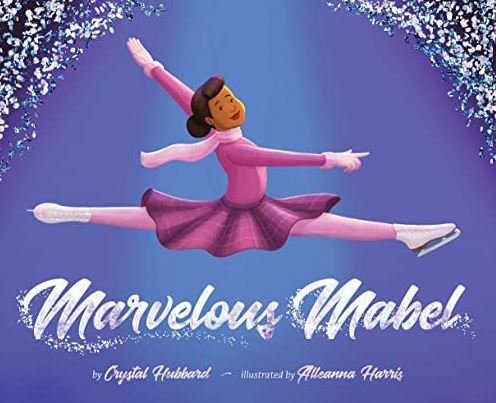
Marvelous Mabel: Figure Skating Superstar

By Crystal Hubbard, illustrated by Alleanna Harris
A captivating journey into the history of one of the world’s unsung heroes of American Figure Skating.

Sunday Shopping

By Sally Derby Miller, illustrated by Shadra Strickland
Every Sunday night a young girl and her grandmother go on an imaginary shopping trip in this delightful picture book.

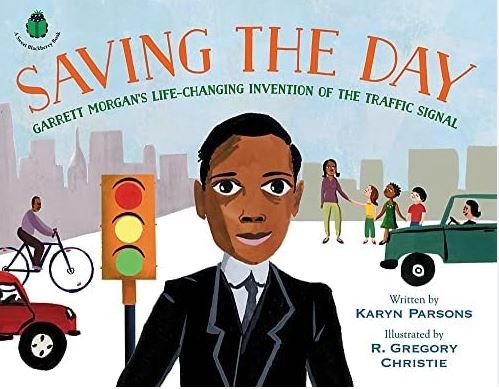
Saving the Day: Garrett Morgan’s Life Changing Invention of the Traffic Signal

By Karyn Parsons, illustrated by R. Gregory Christie
This book tells a little-known story about a man whose talent would be a gift to the world.

Mae Among the Stars

By Roda Ahmed, illustrated by Stasia Burrington
Mae Jemison was the first African-American woman in space, and this book shares her dreams as a child, her hard work and ultimately, her success in and out of space.

Ron’s Big Mission

By Rose Blue and Corrine Naded, illustrated by Don Tate
This book shares the accomplishments of Ronald McNair, an American physicist and NASA astronaut who died during the Space Shuttle Challenger launch, and the lesser-known story of how he helped integrate a library as a kid.

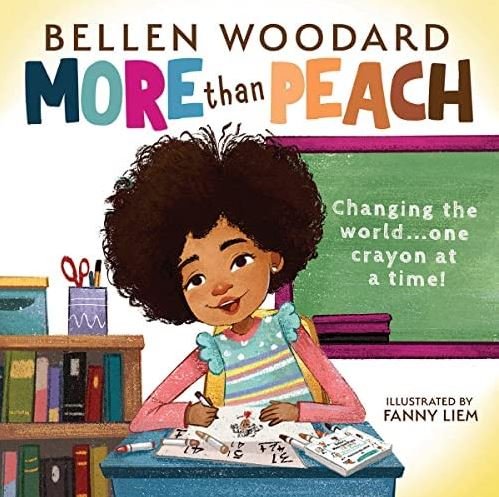
More Than Peach

By Bellen Woodard, illustrated by Fanny Liem
This picture book spreads 11 year old Bellen’s message of inclusivity, empowerment, and the importance of inspiring the next generation of leaders.

Want to learn more?

You can learn more about Black History Month here.

Olivia Olson Hartwig is Concordia’s February Student of the Month

Congratulations to CUW’s February Student of the Month, Biomedical Sciences major Olivia Olson Hartwig!


The CUW faculty have selected Olivia Olson Hartwig as the February Student of the Month. Olivia is a faithful and academically excellent biomedical sciences senior minoring in bioethics.  She’s taken advantage of CUW’s breadth of opportunities and furiously shared those opportunities with others.  She’ll be graduating with 139 credits (transferring in nothing but some AP tests); her “extra” classes include challenging science courses and additional religion classes.  She currently is president of the pre-medical club, a supplemental instructor for organic chemistry (for a second full year), in ROTC, and a third-year RA.  She’s done research in both Biology and Chemistry, including presenting her work characterizing a new genus/species of bacteria at a regional undergraduate research conference.  In her spare time, she works as a CNA at Ascension-Elmbrook and volunteers at St. Luke’s Medical Center.  

Olivia was nominated for Student of the Month by Dr. Michael Young.


Want in?

At Concordia University Wisconsin, we believe that education is at the junction of faith and learning. That means that we get to know you personally – your unique gifts and skills – so that we can help you develop fully in mind, body, and spirit to achieve your highest potential. To learn more or to apply, click the link below.