Built into the story

Though retirement is near, Steve Hibbard’s connection to Concordia and the campus he helped build remains strong.


If you ask Buildings and Grounds Director Steve Hibbard when he’s retiring, he’ll give you a date: June 30. If you ask whether he’s actually leaving Concordia, the answer gets a little more complicated.

“There’s kind of a funny saying at Concordia,” Hibbard said. “People retire, but they never really leave.”

After 27 years of service, Hibbard is stepping away from his full-time role at Concordia. True to that tradition, he plans to remain involved in projects that have occupied much of his attention in recent years, including the future nursing addition.

For someone who has spent nearly three decades helping shape the physical campus, walking away entirely was never going to be easy. Hibbard first considered retirement several years ago, but major projects kept drawing him back.

“There’s always been something that keeps you staying, that makes you want to see things finished,” Hibbard said.

Even after June 30, he plans to continue working part-time, helping bring some of those long-awaited projects across the finish line.

Watching Concordia grow

That affection for Concordia is visible everywhere you look.

When Hibbard arrived on July 1, 1999, the campus looked very different. Many buildings lacked air conditioning. The university relied more heavily on student workers. Athletic fields required irrigation systems that had to be moved by hand.

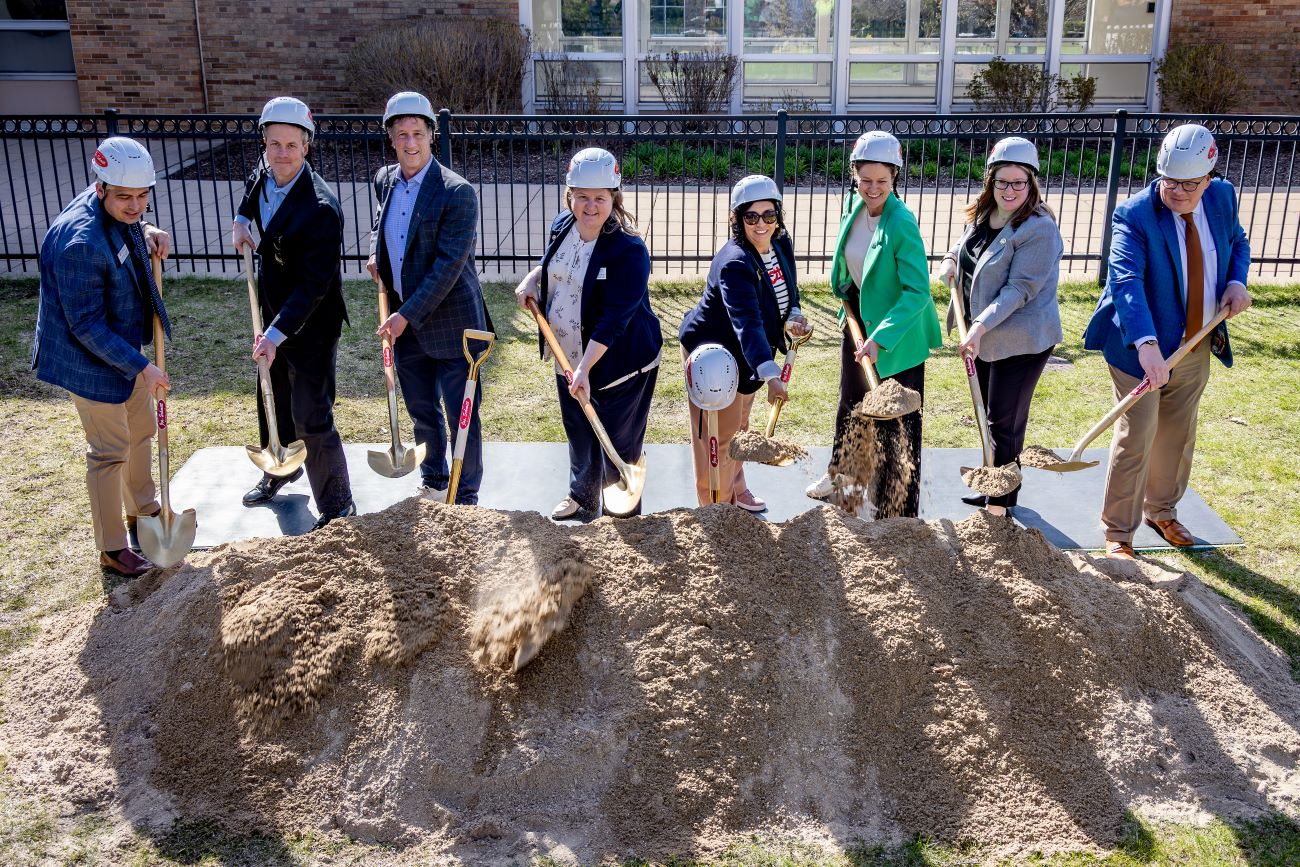
Since then, he has watched the campus evolve through major construction projects, infrastructure upgrades, residence hall renovations, new academic facilities, and the redesign of the bluff and front entrance that now greets visitors arriving from Lake Shore Drive.

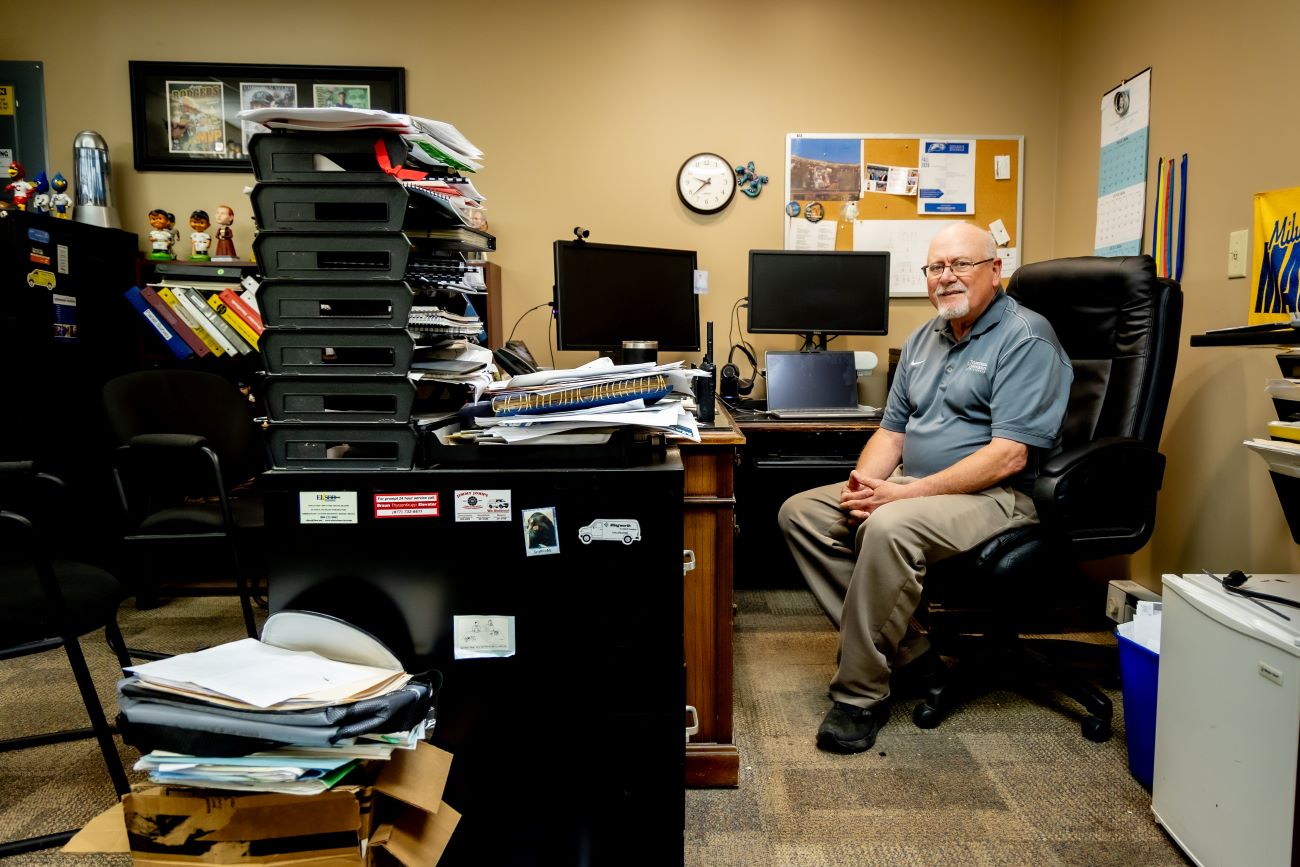
In his office hangs an aerial photograph from his early days at Concordia. It serves as a reminder of how much has changed. “It’s just amazing to look back and see all the changes,” he said.

When Concordia purchased the Mequon campus in 1983, it encompassed about 750,000 square feet. Today, the campus is approximately 1.5 million square feet—a growth Hibbard has helped support through decades of renovations, infrastructure improvements and new construction.


A legacy of stewardship
Former Executive Vice President and Chief Operating Officer Al Prochnow worked alongside Hibbard for more than two decades and saw firsthand the care he brought to both people and projects.

“The concept that the head of maintenance would also be an accomplished organist was a testament to his many talents,” Prochnow said.

Prochnow praised Hibbard’s commitment to his colleagues and his ability to lead projects from start to finish. Under Hibbard’s leadership, facilities projects were completed with care, and he built a team that helped shape the campus for future generations.

“Steve was and remains a dear friend,” Prochnow said.

Yet Hibbard’s Concordia story began long before he became responsible for maintaining the campus.

His wife, Suzanne (’91, ’97), earned her master’s degree in church music at Concordia. Hibbard studied organ performance with longtime professor John Behnke, and occasionally played weddings in the Chapel of Christ Triumphant. When an opening became available in facilities management, he applied and eventually joined the university.

Music, in fact, had already shaped much of his life. As the son of a pastor, Hibbard first learned to play the organ as a teenager. His father wanted to start a summer midweek worship service but didn’t have the budget to hire a musician.

“That made me really qualified to play for that service,” Hibbard joked.

That blend of humility and humor has remained part of his personality throughout his career.


Problem solving and people

Ask Hibbard about memorable moments, and he’s just as likely to mention discovering an undocumented, underground fuel tank during a construction project as he is a major campus renovation.

Facilities work, he explains, often requires patience and adaptability. “There’s a lot of times in maintenance where you have to have short memories,” he said. “We’ll figure this out.”

Over the years, Hibbard has also enjoyed watching students grow long after graduation. Former student workers still stop by to visit. Some now hold advanced degrees, lead organizations or have families of their own.

Those relationships are among the memories he treasures most.
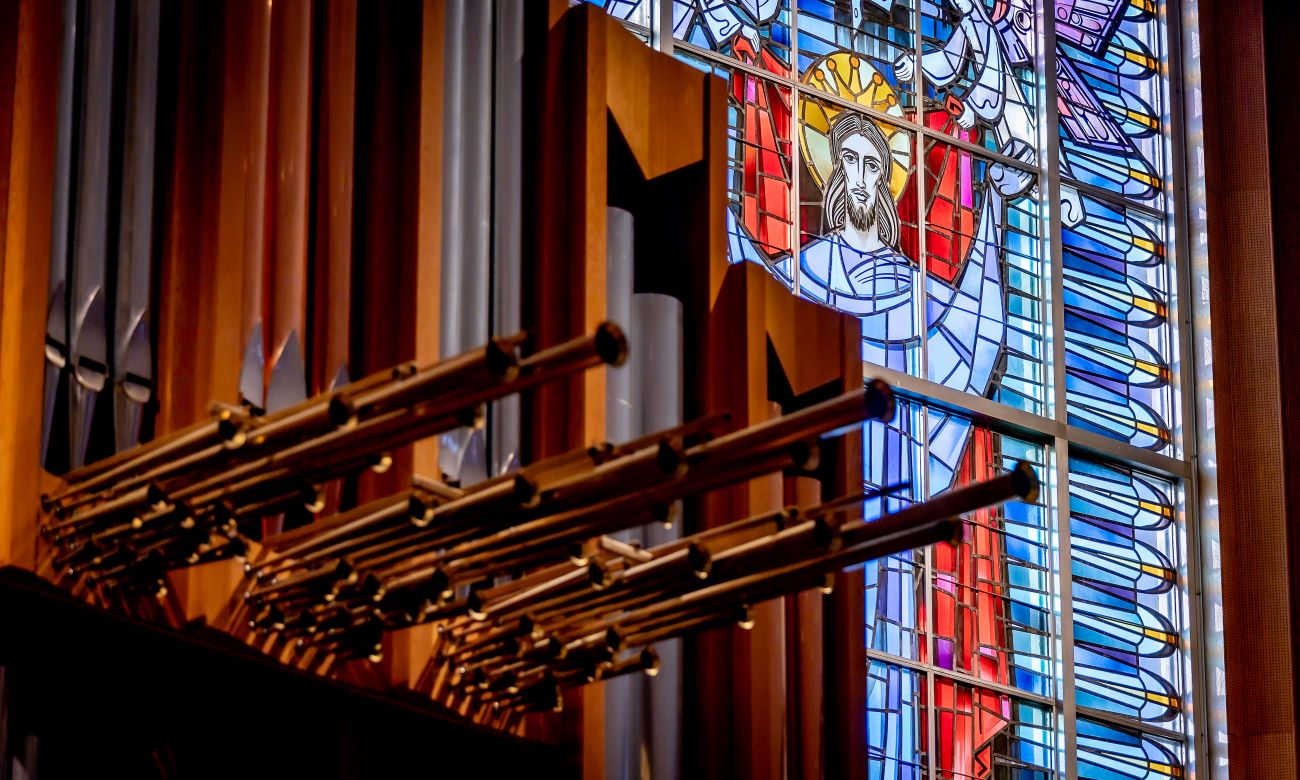

organ in the chapel

A favorite place

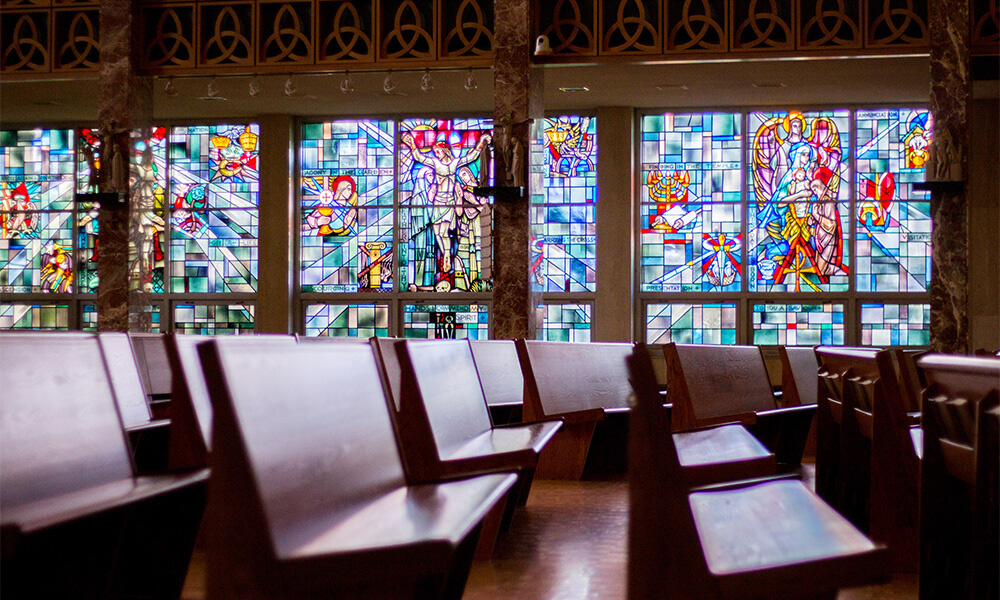
Of all the places on campus, one remains closest to his heart. “The chapel,” he said without hesitation.

Each morning, he drives through campus and takes in the view of Lake Michigan, one of his favorite daily rituals. When life becomes busy, the chapel has long been a place where he can slow down and reflect.

“Especially in the summer,” he said. “It’s usually quiet in there.”


Looking ahead
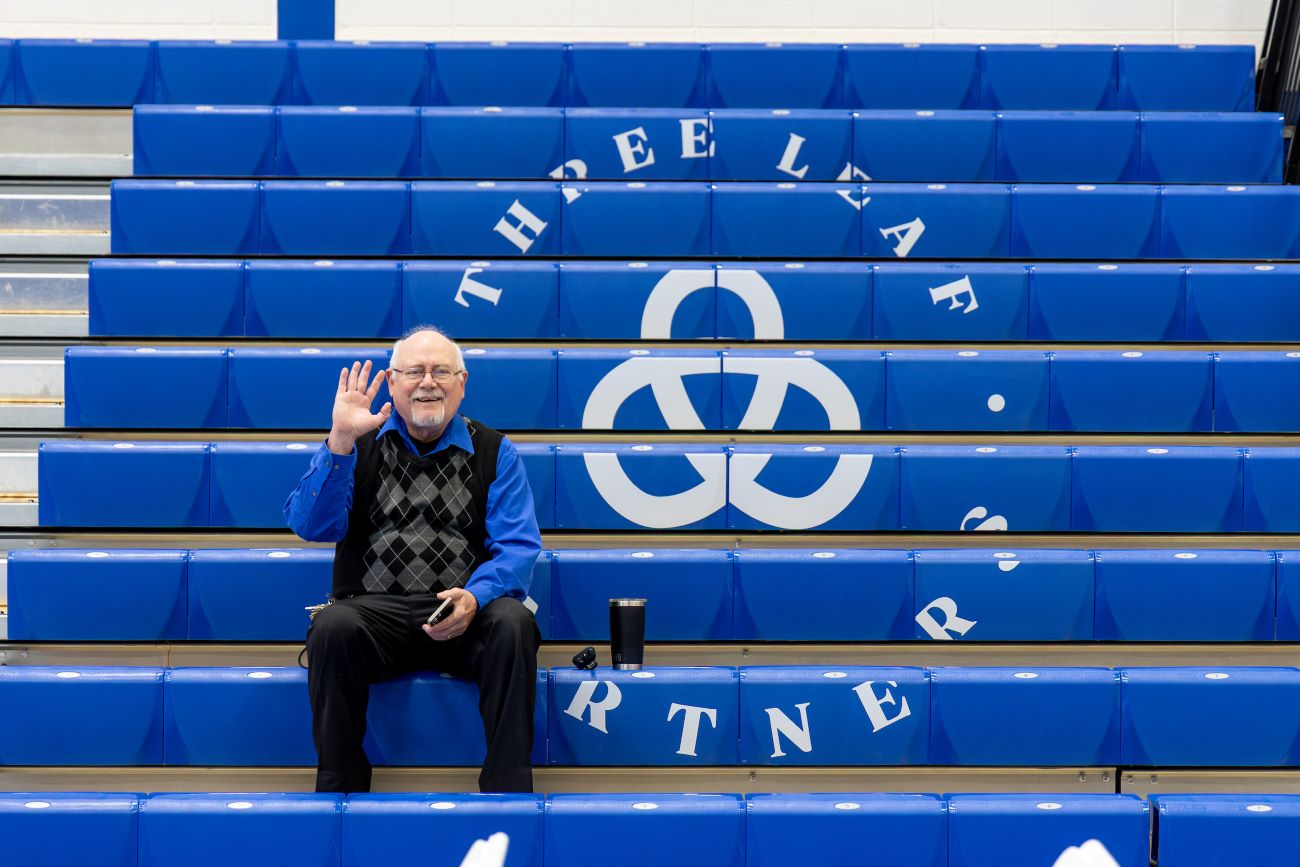
As retirement approaches, Hibbard looks forward to spending more time with family, enjoying the cottage he and his wife own in northern Wisconsin, and revisiting old adventures. This fall, he may attend a reunion marking 50 years since he bicycled across the United States with two friends during the nation’s bicentennial celebration in 1976.

Still, even as new adventures await, his connection to Concordia remains strong. That connection, he says, comes from something deeper than buildings or construction projects.

“This has just been a wonderful place,” Hibbard said. “It’s a community.”

He points to the ways faculty and staff support one another through life’s joys and hardships. Whether celebrating milestones, offering prayers during difficult seasons or simply showing up when someone needs help, those relationships have left a lasting impression.

As he reflects on nearly three decades at CUW, Hibbard hopes the university continues to grow while remaining grounded in its mission. “I just hope the school continues strong so that it can continue its mission of developing students in mind, body and spirit,” he said.

And while June 30 may mark the official end of one chapter, it is unlikely to be the last time the Concordia community sees Steve Hibbard.

After all, around here, retirement doesn’t always mean goodbye.

The Concordia community will have an opportunity to celebrate Hibbard’s 27 years of service on Friday, June 26, from 9-10:30 a.m. in the Friends of Concordia Room (FH 034).


Concordia then and now

Then
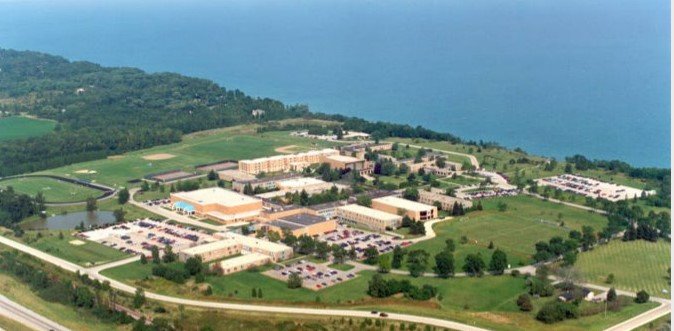
  • Approximately 750,000 square feet of campus space
  • Two entrances from Lake Shore Drive
  • Many buildings without air conditioning
  • Athletic fields watered with portable irrigation lines
  • Campus relied primarily on well water
  • 50-60 student workers supported facilities operations each summer

Now
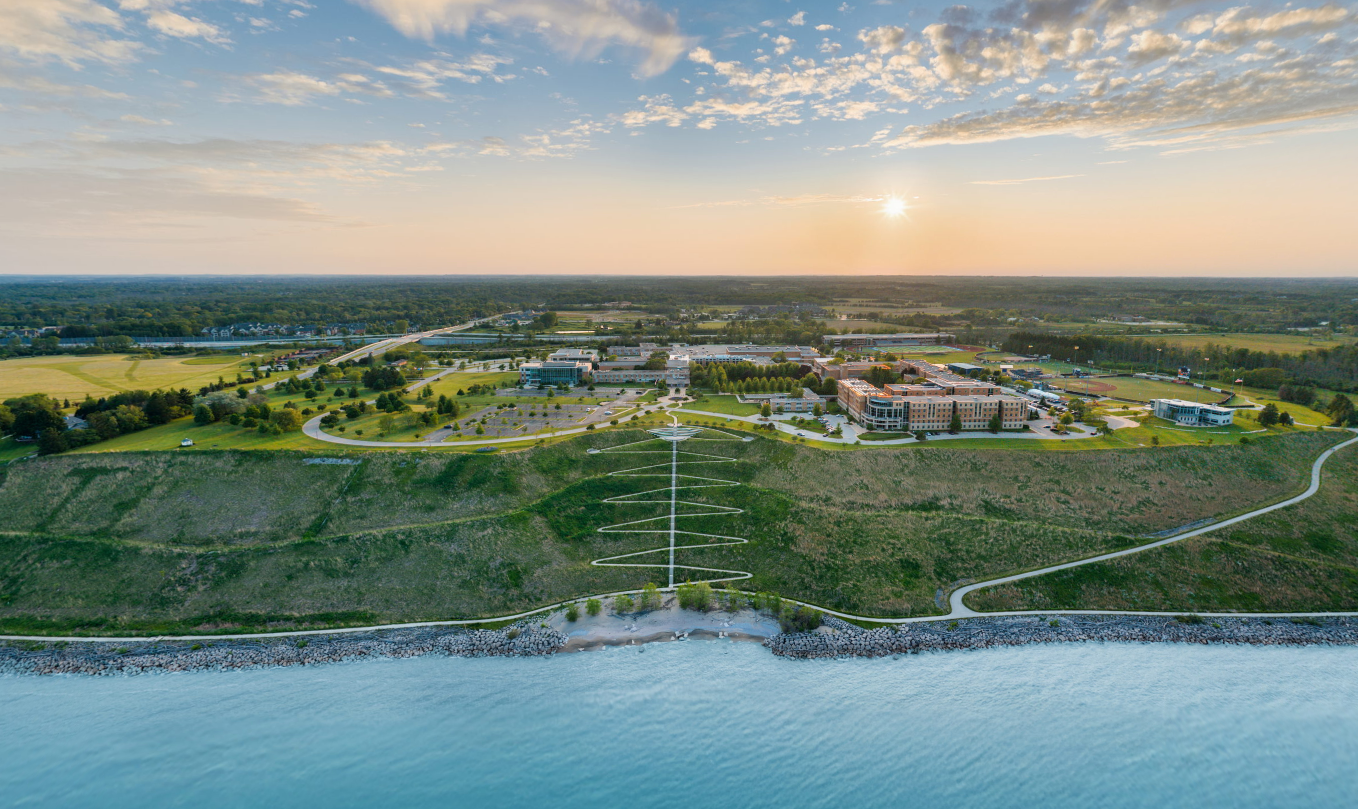
  • Approximately 1.5 million square feet of campus space
  • One signature entrance with views of Lake Michigan
  • Extensive HVAC upgrades across campus
  • Synthetic athletic fields
  • Newer buildings connected to city water
  • Major additions including the Sports and Fitness Center, Robert W. Plaster Free Enterprise Center, Coberg Hall, and residence hall renovations

Campus growth: Concordia’s footprint has nearly doubled since acquiring the Mequon campus in 1983.

A few fun facts
  • Favorite place on campus: Chapel of Christ Triumphant
  • Hidden campus gem: The fifth-floor balcony in Coberg Hall
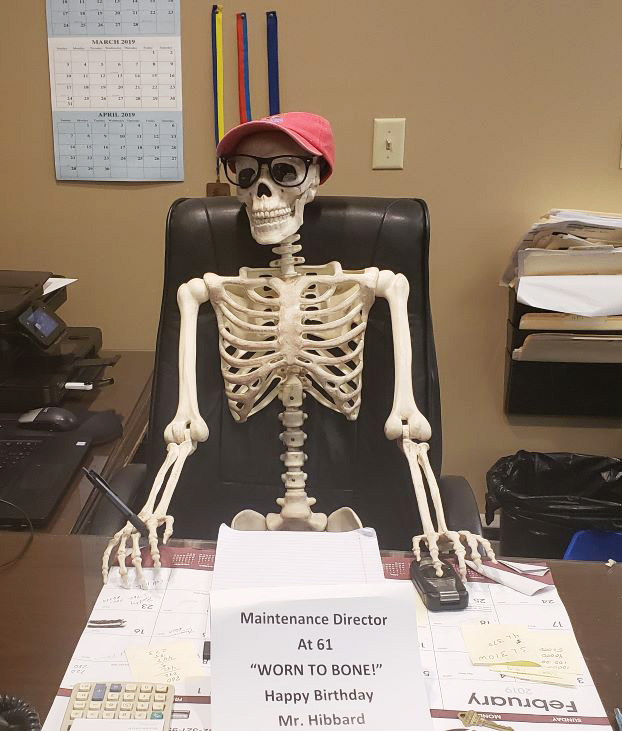
  • Collection size: More than 100 bobbleheads located in his office
  • Unexpected hobby: Organist and choir director
  • Bucket-list retirement activity: More time at the family cottage
  • Fun fact: Bicycled across the U.S. in 1976
  • Visited the original 10 Concordia University System campuses during his career
  • Concordia connection: His wife earned her master’s degree and taught at CUW; 2 of their 4 children are CUW alum
  • Campus claim to fame: “Hibbard’s Pond” once referred to a flooded commuter parking lot (Ask him about it!)


Want in?

Concordia University Wisconsin is a Lutheran higher education community committed to helping students develop in mind, body and spirit for service to Christ in the Church and the world.


In the News: Rev. Thomas Pietsch discusses faith’s resurgence on WPR

Concordia University Wisconsin Assistant Professor of Theology Rev. Thomas Pietsch recently joined a Wisconsin Public Radio panel discussion exploring a growing national trend: a renewed interest in faith and religion in everyday life.

According to Pietsch, the data reflects something many church leaders have already been noticing. Throughout history, people have often turned toward faith during life’s most significant moments, whether in seasons of great joy or times of uncertainty.

“I’ve seen people have a baby for the first time and they receive a gift so great that it forces them outside of themselves and they start thinking spiritually,” Pietsch shared during the discussion. “But also in times of anxiety.”

As rates of anxiety continue to rise, particularly among teens and young adults, Pietsch said it is not surprising to see church attendance stabilizing and, in some places, increasing. In his own congregation, he has noticed more young men in the pews on Sunday mornings, a trend echoed by other church leaders participating in the conversation.

Still, Pietsch noted that curiosity about faith is only the beginning. The greater challenge is helping people move from intellectual interest to lived faith through worship, community, service and participation in the life of the Church.

“It’s one thing to intellectualize the faith or think that it’s good for society or good for me,” Pietsch said. “But it’s another thing to actually begin a life of love toward your neighbor.”

At Concordia, this integration of faith and daily life remains central to our mission of helping students develop in mind, body and spirit for service to Christ in the Church and the world.


Want in?

Concordia University Wisconsin is a Lutheran higher education community committed to helping students develop in mind, body and spirit for service to Christ in the Church and the world.


Christian Leadership Series highlights Concordia’s vision for the future

University leaders share updates on academic programs, student success initiatives, and the future of Concordia’s mission-driven education.


Concordia University Wisconsin welcomed community members, business leaders, alumni and friends to campus June 17 for the latest Christian Leadership Series breakfast, Innovations & What’s Next at Concordia, sponsored by Port Washington State Bank.

The morning offered attendees an opportunity to hear directly from university leadership about current priorities, emerging opportunities and the work taking place across schools and programs.

President Dr. Erik Ankerberg opened the event by reflecting on Concordia’s mission and the university’s continued focus on preparing students for lives of service in the church, workplace and community.

“This event provides a wonderful opportunity for us to gather together, meet leaders from our community, learn from their experiences, consider the significant issues we all face today, and think in new ways about how to best live out our faith in our various leadership roles,” Ankerberg said.

Ankerberg also shared updates on institutional priorities and highlighted ways Concordia is building on its strengths while remaining grounded in its Lutheran identity.

Joining Ankerberg were three academic leaders who provided updates from their respective schools.


Preparing students for service

woman in white coat with short brown hair

Jessica Leiberg, PhD, DNP, dean of the School of Nursing, discussed efforts to prepare the next generation of healthcare professionals through Christ-centered education, student support and strong clinical partnerships. She highlighted the school’s commitment to meeting workforce needs while ensuring students are equipped to provide compassionate, high-quality care in a changing healthcare environment.

“Healthcare continues to evolve, but the need for caring, well-prepared nurses remains constant,” Leiberg said. “Through Christ-centered education, meaningful clinical experiences and strong support systems, we are preparing students to serve others with skill, compassion and purpose in every stage of their nursing careers.”

Rachel Ware Carlton, DMA, dean of the School of Arts and Sciences, shared how the school is preparing students for both professional success and lives of service. She discussed efforts to strengthen the student experience through a reimagined core curriculum and new work in artificial intelligence and emerging technologies, while helping students connect their education to their vocation.

“We have been thinking about the future of Arts & Sciences through a simple idea: the School of ‘&,’” Ware Carlton said. “That little word in our name captures something essential to Concordia. Students should not have to choose between career preparation and a life of purpose, practical skills and personal formation, or excellence and service.”


Leadership with purpose

Representing the Batterman School of Business, Clarke Griffin, EdD, associate dean of Academic Affairs, discussed the importance of experiential learning and mission-focused leadership. He emphasized that preparing students for today’s workforce requires both practical experience and a strong ethical foundation.

“Innovation is not just about new programs or emerging technologies,” Griffin said. “It is about preparing students to lead with purpose, serve with character and see business as a way to care for people. Through global learning opportunities, applied projects and partnerships across Concordia, we are preparing Christian business leaders ready to serve their communities and the world.”

Throughout the presentations, speakers emphasized Concordia’s commitment to preparing students for lives of purpose, service and leadership. The Christian Leadership Series continues to bring together university leaders and community members for conversations about faith, leadership and the issues shaping higher education.

View the photo gallery below for highlights from the morning’s presentations, networking and fellowship.


people at leadership breakfast

Want in?

Concordia University Wisconsin is a Lutheran higher education community committed to helping students develop in mind, body and spirit for service to Christ in the Church and the world.


Preserving Concordia’s story: Faculty-led grant project chronicles two decades of transformation

Thirty-five interviews and years of research reveal the voices, values and vision behind a transformative era in Concordia’s history.


For more than two years, a team of Concordia University Wisconsin faculty and staff has been engaged in an ambitious effort to preserve and share an important chapter of the university’s history.

Supported by a $40,000 NetVUE grant, “Reframing the Institutional Saga” has documented the experiences, perspectives, and memories of those who helped shape Concordia during a period of significant growth and change. The project focuses on the years 2000-23, capturing an era marked by institutional growth, academic expansion, and an ongoing commitment to Lutheran higher education.

Originally proposed in 2023, the project was designed to preserve institutional memory, examine the role of the liberal arts in Concordia’s mission, and better understand how the university’s identity has evolved while remaining grounded in its Lutheran foundation. The research team officially began its work in February 2024.

“This project began with a simple conviction: if we didn’t capture these stories now, many of them would be lost,” said Dr. Bill Cario, former university interim president, provost, and professor of history who co-led the project. “The people who built Concordia’s culture and carried its mission forward have experiences worth preserving for future generations.”


Capturing voices before they are lost

At the heart of the project are 35 oral history interviews conducted with faculty and staff members, many of whom are also Concordia alumni. Together, these firsthand accounts provide a unique perspective on the university’s development during a transformative period in its history.

In addition to the oral histories, the project includes a collection of scholarly essays and personal vignettes exploring key themes, events and institutional milestones. The collection, Living Uncommon: Retrospections on Lutheran Identity and Mission at CUWAA, is currently registered with the U.S. Copyright Office.

The project was led by Cario, Dr. Susan Mobley and Dr. Sandra Jahns, all of the School of Arts and Sciences. Theresa Kenney contributed the book’s design work, while faculty contributors included Joshua La Feve, Lori Woodall, and Kenney. Brenda Jobe also assisted throughout the research process.

As researchers reviewed interviews and historical materials, three recurring themes emerged: Concordia’s mission-centered culture, the central role of spiritual life on its campuses, and the leadership that helped guide the university through seasons of growth and change.


Studying change while living through it

The project itself unfolded during a period of institutional transition. As Concordia navigated operational changes, staffing transitions, and revisions to university learning outcomes and the core curriculum, researchers found themselves documenting history while simultaneously living through it.

Head and shoulders shot of Sandra Jahns
Dr. Sandra Jahns

“As the university was experiencing change, we found ourselves studying change,” said Jahns, assistant professor of Communication. “That forced us to move beyond documenting events and ask deeper questions about identity, mission, and what it means to be a Lutheran university today.”

Those questions helped shape the project’s second phase and informed many of the essays and reflections included in the final publication.


Mission, worship and community

One of the strongest themes to emerge from the oral histories was the importance of Concordia’s spiritual life and mission-centered culture. Interviewees repeatedly pointed to Chapel, worship, and the integration of faith and learning as defining characteristics of the Concordia experience.

Researchers found that despite changes in programs, facilities, and organizational structures, Concordia’s commitment to developing students in mind, body and spirit has remained remarkably consistent. Participants described a university where faith is not simply discussed in the classroom, but lived out through relationships, service, worship and community.

Together, these stories reveal how mission and Christian community have remained defining characteristics of Concordia’s identity throughout periods of growth and change.


Leadership and stewardship

The oral histories also highlighted how leadership helped guide Concordia through significant periods of transformation. Participants reflected on the leadership of Rev. Dr. R. John Buuck and Rev. Dr. Patrick Ferry, whose combined decades of service oversaw major milestones in the university’s history, including enrollment growth, academic expansion, and the development of new programs and schools.

Yet one of the project’s most important findings was that mission and culture were sustained not only by presidents and administrators, but by faculty and staff across the university.

“One of the clearest findings from the project was that Concordia’s mission has never rested solely with its leadership,” Mobley said. “Faculty and staff have been the stewards of the culture, the people who translate mission into lived experience for students every day.”


The enduring role of the liberal arts

Researchers also found a remarkable continuity in Concordia’s historic commitment to the liberal arts. Across mission statements, curriculum documents, and personal recollections, a common theme emerged: Concordia seeks to prepare students not only for careers, but also for lives of purpose, service and Christian vocation.

Grounded in Lutheran educational tradition, the university’s approach to education has consistently emphasized the holistic development of students. The research concluded that Concordia equips graduates for vocations that encompass both career and calling.

“When we looked across two decades of interviews, documents, and reflections, we found a remarkable continuity,” Cario said. “Programs changed, campuses grew, and challenges emerged, but Concordia’s commitment to developing students in mind, body, and spirit remained constant.”


 A book years in the making

The project has culminated in the publication of a nearly 170-page book combining oral histories, essays, vignettes, and photographs documenting Concordia’s history and mission. Living Uncommon: Retrospections on Lutheran Identity and Mission at CUWAA has been self-published by Concordia University and will be made available through Amazon near the end of the summer.

In addition to the printed volume, a digital archive will preserve the material for future generations of students, faculty, staff, alumni, and researchers.


Want in?

Concordia University Wisconsin is a Lutheran higher education community committed to helping students develop in mind, body and spirit for service to Christ in the Church and the world.


Emma Fritz found purpose serving at the 2026 Winter Paralympics

The alumna traveled to Italy to volunteer behind the scenes at one of the world’s largest sporting events—and left with a new perspective.


Most people dream about attending the Olympics someday. Emma Fritz (’23) found herself volunteering at one. Earlier this year, she traveled to Cortina d’Ampezzo, Italy, to serve as an event services volunteer at the Alpine Ski venue during the 2026 Winter Paralympics. She thought it would simply be an interesting experience. It became much more than that.

ski hill

“I’m a serial try-everything-once kind of person,” Fritz said with a laugh. “I had always loved watching the Olympics, and I also love event planning, so I just wanted to see for myself what it was like.”

That willingness to try something unfamiliar has followed Fritz well beyond graduating with a degree in Entrepreneurship and Small Business Administration. It is also what led her back to Austria, where she is currently serving with Word of Life, a missionary organization supporting local churches and youth ministry efforts.

But before the mountains of southern Austria became home for nearly a year, there was another mountain waiting for her in Italy. And she almost never made it there.


A year and a half of waiting

Fritz first applied to volunteer for the Paralympics in fall 2024 after learning during the Paris Olympics that everyday people could actually help work the Games.

More than 130,000 people applied. Only about 18,000 positions were available. For months, she heard nothing.

Eventually, she was offered a reserve volunteer position. Then more waiting followed. By January 2026—less than two months before the Paralympics began—Fritz finally received confirmation that she had been selected. By then, she had accepted that it was not going to happen.

“I had already chalked it up as a loss,” Fritz said. “Then all of a sudden it was, ‘Okay, let’s get down to business.’”

At the time, Fritz was already living in Austria through her mission work, placing her only a few hours away from Cortina. She quickly figured out transportation, housing and logistics because, as she put it, “When will I ever be this close to the Olympics again?”


From CUW to the Winter Paralympics

Long before she was directing Paralympic fans through snowy walkways in Italy, Fritz was learning many of those same people skills on Concordia’s campus.

She spent three years serving as a student ambassador, helping welcome prospective students and families to CUW.

Cassandra Chmielewski, assistant director of admissions for guest experience, remembers Fritz as someone who brought energy and curiosity to every interaction.

“She was so bubbly and sweet and truly down for anything,” Chmielewski said. “She connected naturally with families on tour and was always eager to share her global perspective.”

During her senior year, she also interned with Festivals of Cedarburg, where she gained firsthand experience organizing large-scale events.

“That internship really showed me the event process from start to finish,” Fritz said. “How many moving parts are needed for something like that to run. The Olympics are just that on a much, much bigger scale.”

Fritz’s connection to Austria actually began during her time at Concordia, when she spent a semester studying abroad at the University of Applied Sciences Upper Austria in 2021. The experience left a lasting impression on her.

“That’s when I really realized the lack of Christian community there,” Fritz said. “I really wanted to come back and be involved in that somehow.”

Years later, a connection she made during that semester helped lead her back to Austria for mission work with Word of Life.

Looking back, Fritz believes Concordia gave her something just as valuable as practical skills: the confidence to keep trying new things.

“At Concordia, I was already exposed to so many new experiences,” she said. “I think that stuck with me. I’m still doing that now—still trying new things, learning lessons, learning more about myself and the world.”


Inside the “magical bubble”

Every morning during the Paralympics, Fritz reported to the workforce center at 6 a.m. on the mountain before being assigned wherever help was needed most.

Some days she worked in the stands, helping guests find their seats. Other days she assisted fans traveling to the venue via the gondola routes leading up the mountain. At times, she monitored restricted areas to ensure only accredited individuals entered secure spaces.

The assignments changed every day, but one thing didn’t. “Everyone was just happy to be there,” Fritz said.

She lived with five other volunteers from different countries during the Games, and together they started referring to Cortina as a “magical bubble.”

“It wasn’t country against country,” Fritz explained. “The whole community was celebrating all of the athletes. Everyone was there for the same reason—cheering people on and celebrating how they’d overcome obstacles.”

What stayed with her most was watching the Paralympic athletes themselves.

At first, Fritz had actually applied to volunteer for the regular Olympics. Instead, organizers placed her at the Paralympics—a decision she now says completely changed her perspective.

“Watching Olympians become faster and stronger every year is amazing,” she said. “But watching blind skiers race down a mountain is incredible. I can barely make it down a mountain as-is.”

She became especially fascinated by the vision-impaired skiing division, where athletes race alongside guides who communicate instructions through headsets while speeding down the slopes.

“They train together and form such a bond,” Fritz said. “The competitor skis right behind the seeing guide, who narrates the course in real time. It’s astonishing.”

More than anything, though, Fritz remembers the atmosphere surrounding the athletes.

“They weren’t heroes in spite of their disabilities,” she said. “They were heroes because of them.”


Faith, purpose and what comes next

Fritz’s path since graduation has hardly followed a straight line.

While attending Concordia, she studied abroad in Austria before stepping into a marketing role after graduation. Along the way, she taught herself enough German to communicate with Austrian and German fans during the Games. Despite having little prior experience working with youth groups, she made the decision to return to Austria for mission work.

And she is perfectly okay not having every detail figured out yet.

“There’s no such thing as wasted time,” Fritz said. “Even if something outside your comfort zone ends up being something you hate, or something doesn’t pan out how you expected, I still think God puts you through experiences to teach you lessons.”

That perspective continues to shape how she approaches life, faith, work and travel. Fritz currently has a goal of visiting 20 countries in her 20s. She has already reached 16.

For now, though, one experience stands above the rest. Not because of the mountain views or the international atmosphere. It’s because of the people and the shared joy. And because somewhere in the middle of one of the world’s largest sporting events, a Concordia alumna learned that serving others often leaves the greatest impact on yourself.


A pocketful of pins and stories

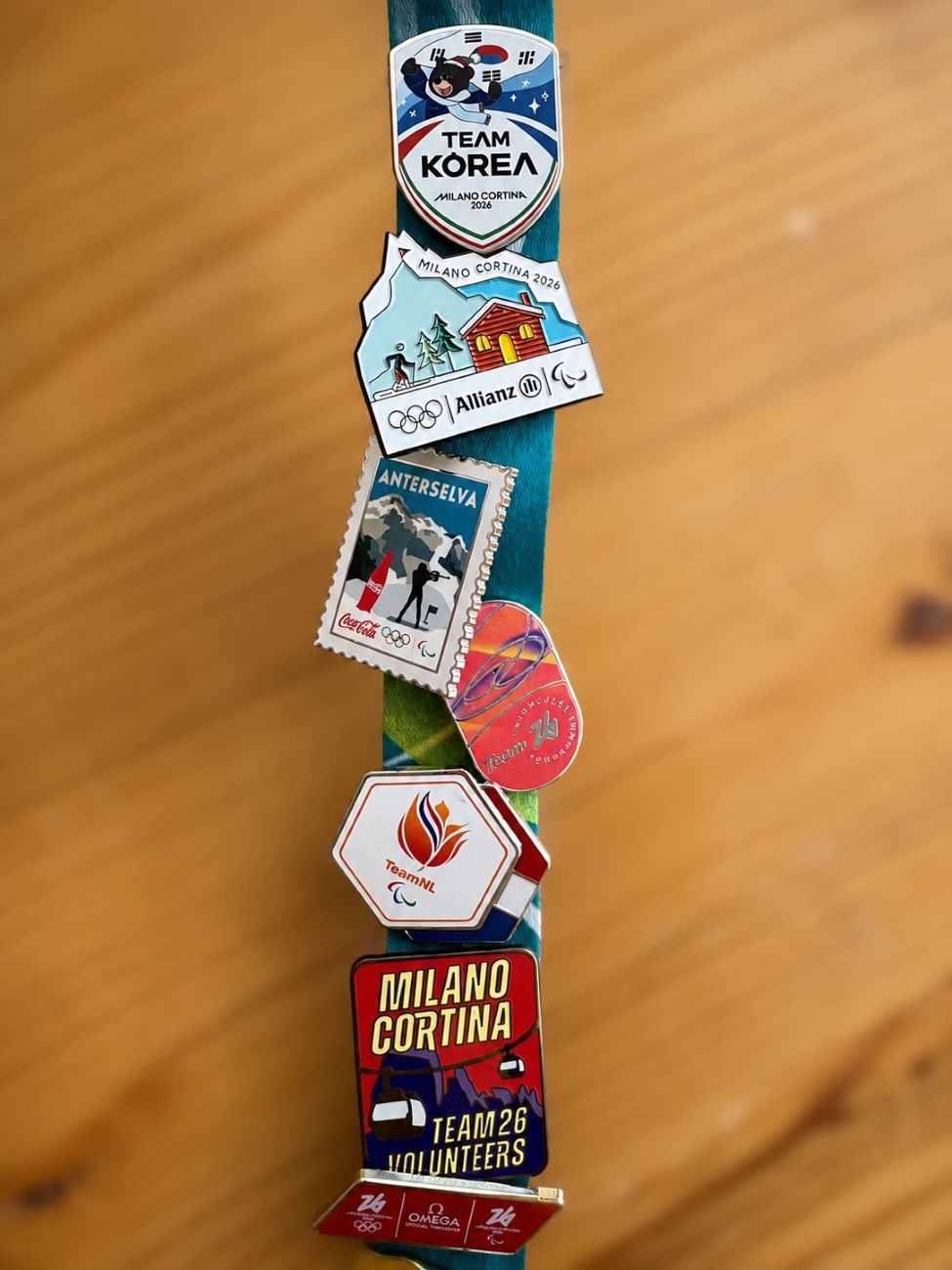
pins on wood background

Pin trading is a long-standing Olympic and Paralympic tradition, and for Fritz, it quickly became one of the most memorable parts of the Games.

Volunteers, athletes, media members and fans exchanged small collectible pins representing countries, teams and organizations. What may seem like a simple souvenir tradition quickly became one of the easiest ways for strangers to start conversations.

“You could walk up to almost anyone and ask to trade pins,” Fritz said. “It instantly gave you something to talk about.”

By the end of the Paralympics, Fritz had collected pins from across the world, many tied to brief conversations and shared moments she still remembers. Some came from fellow volunteers. Others came from athletes or fans she met while working throughout the venue.

For Fritz, the pins became more than collectibles. They became reminders of the people she encountered inside what volunteers affectionately called the “magical bubble” of the Games.


Want in?

Concordia University Wisconsin is a Lutheran higher education community committed to helping students develop in mind, body and spirit for service to Christ in the Church and the world.


Concordia named among Wisconsin’s most beautiful campuses

Where breathtaking beauty meets purposeful learning, faith and community on the shores of Lake Michigan.


There are some things that students, alumni, faculty and staff at Concordia University Wisconsin have known for years. The view of Lake Michigan at sunrise. The peaceful walking paths winding through campus. The iconic bluff overlooking the water. The way every season seems to bring a new kind of beauty to our Mequon campus.

Now, the rest of Wisconsin is taking notice, too.

Recently, Concordia University Wisconsin was recognized by Up North News as one of “The 8 Most Beautiful College Campuses in Wisconsin.” The statewide publication highlighted campuses across Wisconsin known for their distinctive settings and memorable landscapes, placing Concordia among some of the state’s most picturesque destinations.

For anyone who has spent time on Concordia’s campus, the recognition comes as little surprise.

Nestled along the shores of Lake Michigan, Concordia’s campus offers a unique blend of natural beauty and purpose-filled learning. Whether students are gathering for class, meeting friends in the campus center, attending Chapel, cheering on the Falcons, or simply taking a walk along the bluff, the environment serves as a daily reminder of God’s creation and the opportunities that lie ahead.

The beauty of Concordia extends beyond its scenery. As a Lutheran higher education community, Concordia is committed to helping students develop in mind, body and spirit for service to Christ in the Church and the world. The campus itself reflects that mission, providing a welcoming place where faith, learning and community come together.

While rankings and recognitions are always appreciated, what makes Concordia truly special is the people who call it home. The students pursuing their vocations, the faculty and staff who invest in their success, and the alumni who carry Concordia’s mission into their communities all contribute to a campus experience that is as meaningful as it is beautiful.

For those who have not yet visited, this latest recognition is one more reason to see CUW for yourself. Stand on the bluff, take in the view, and discover why so many people consider this corner of Wisconsin one of the most beautiful places to learn, grow, and live uncommon.


Want in?

Concordia University Wisconsin is a Lutheran higher education community committed to helping students develop in mind, body and spirit for service to Christ in the Church and the world.


Improving Omega-3 fatty acids in farmed Walleye

Concordia students explored a new approach to increasing omega-3 fatty acids in farm-raised fish.


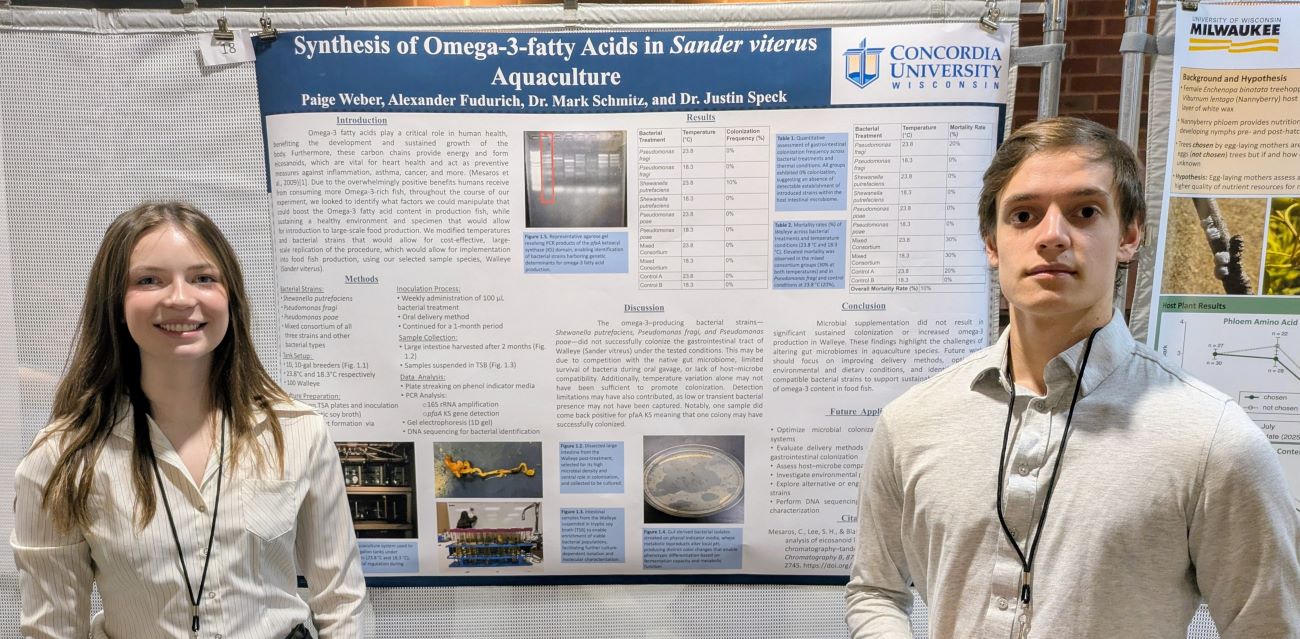
Research often begins with a question and leads to new discoveries. Earlier this spring, students Paige Weber and Alexander Furdurich presented their work at the Milwaukee Area Undergraduate Research Symposium, sharing findings focused on increasing omega-3 fatty acids in farm-raised walleye.

Omega-3 fatty acids support heart health, brain function and disease prevention. While wild-caught fish naturally contain higher levels of these nutrients, farm-raised fish often contain less because of differences in feed and production methods.

Weber and Furdurich wanted to see whether bacteria capable of producing omega-3s could help change that.


two students with science poster

Researching a better fish

Their research examined the possibility of introducing omega-3-producing bacteria into the gut microbiome of walleye (Sander vitreus). Their goal was to determine whether the bacteria could improve the nutritional value of farmed fish while remaining practical for aquaculture operations.

Inside temperature-controlled tank environments, the students monitored a four-week inoculation period while testing different conditions for bacterial colonization. The work required patience, precision and steady observation as they evaluated how the bacteria interacted with the fish over time.

“I enjoy the opportunity to work more closely with students and watch them grow as they pursue research,” said Dr. Justin Speck, associate professor of microbiology.

“By exploring the hidden microbial communities that shape fish health, I developed a deeper appreciation for the intricate relationships connecting environmental biology, nutrition and human well-being,” Weber said.

“It was exciting through research to get a first look at interdisciplinary biological practices. The experience not only provided a glimpse of what graduate research might hold, but also what we can do to make a difference,” Furdurich added.

Projects like this give students the opportunity to apply classroom learning in meaningful ways. Alongside faculty mentors, students participate in research connected to current challenges facing industries and communities.

Weber plans to attend medical school and continue studying biological systems connected to human health. Furdurich hopes to pursue graduate research or a career in aquaculture.

Undergraduate research remains a defining part of the Concordia experience. Students are encouraged to ask questions, test ideas and contribute to work that reaches beyond the classroom. Through projects like this, they gain experience conducting research that addresses real-world challenges.


Want in?

Concordia University Wisconsin is a Lutheran higher education community committed to helping students develop in mind, body and spirit for service to Christ in the Church and the world.


5 reasons future nurses choose Concordia

Preparing nurses who care for the whole person.


Nursing calls for more than clinical knowledge. It asks for compassion, discernment and the ability to care for people during some of life’s most vulnerable moments. As healthcare continues to evolve, the need for nurses who lead with both skill and empathy remains as important as ever.

At CUW, students prepare for that vocation through hands-on learning, Christ-centered mentorship and a community grounded in caring for the whole person. From their first days on campus to their clinical experiences in the field, nursing students grow academically, professionally and spiritually. The result is an education shaped not only by preparation for a career, but by preparation for a life of service.


No. 1: More than a number

Caring for the whole person starts long before clinicals. Nursing students are known by name, supported by faculty and surrounded by a Christ-centered community.

Through small cohorts and close relationships with professors and classmates, students gain the confidence to ask questions, learn from one another and prepare for the realities of patient care.

May 2026 graduate Jenna Mundt said Concordia’s smaller class sizes helped create a close-knit community where relationships with faculty members and classmates developed naturally over time.

“I felt valued not just as a student but as a person,” Mundt said. “The nursing faculty goes above and beyond to connect with students and help us succeed.”

Throughout her time in the program, Mundt met with faculty members for individual tutoring sessions, test reviews and conversations about personal challenges. She said that care extended beyond academics.

“What stood out most to me was the Christ-centered environment,” Mundt said. “Many classes began with devotions and prayer requests, and faculty genuinely followed up to see how we were doing. That level of care showed me that I wasn’t just another student. I was truly known, supported and encouraged academically, personally and spiritually.”

For sophomore nursing student and student-athlete Luke Eggemeyer, that care became especially meaningful after he injured his hip during basketball season in the middle of a clinical rotation. Missing the required number of clinical hours could have delayed his progress in the program, but faculty members worked closely with him to help him recover and stay on track academically.

“Faculty made it very clear that me passing the clinical was their top priority while also maintaining both my safety and health after the surgery,” Eggemeyer said. “They were extremely welcoming, compassionate and understanding of the situation.”

Eggemeyer said the experience reinforced what he had already come to expect from the program: Faculty members cared about him as a person, not just as a student.


No. 2: Roll up your sleeves

Clinical experiences play a central role in preparing nursing students for their vocation. Beginning in their sophomore year, students step into hands-on learning opportunities that introduce them to patient care early in their academic journey.

Through faculty-guided learning, students work with patients in a range of care environments, including long-term care facilities, acute care hospitals, community health agencies, outpatient clinics, simulation labs and specialty practice areas. These experiences allow students to step into the role of a professional nurse long before graduation while gaining a clearer understanding of modern nursing practice.

“Clinical experiences allow students to connect what they are learning in the classroom to the realities of patient care,” said Dawn Kuerschner, associate professor of nursing and chair of the undergraduate nursing program. “These hands-on opportunities help students build confidence, refine their skills and develop the compassion and professionalism needed to care for diverse patient populations.”


No. 3: Training for what’s next

Today’s healthcare students are preparing for a profession that changes quickly. That preparation extends far beyond lectures and textbooks. Students learn through hands-on technology designed to reflect the realities of modern patient care.

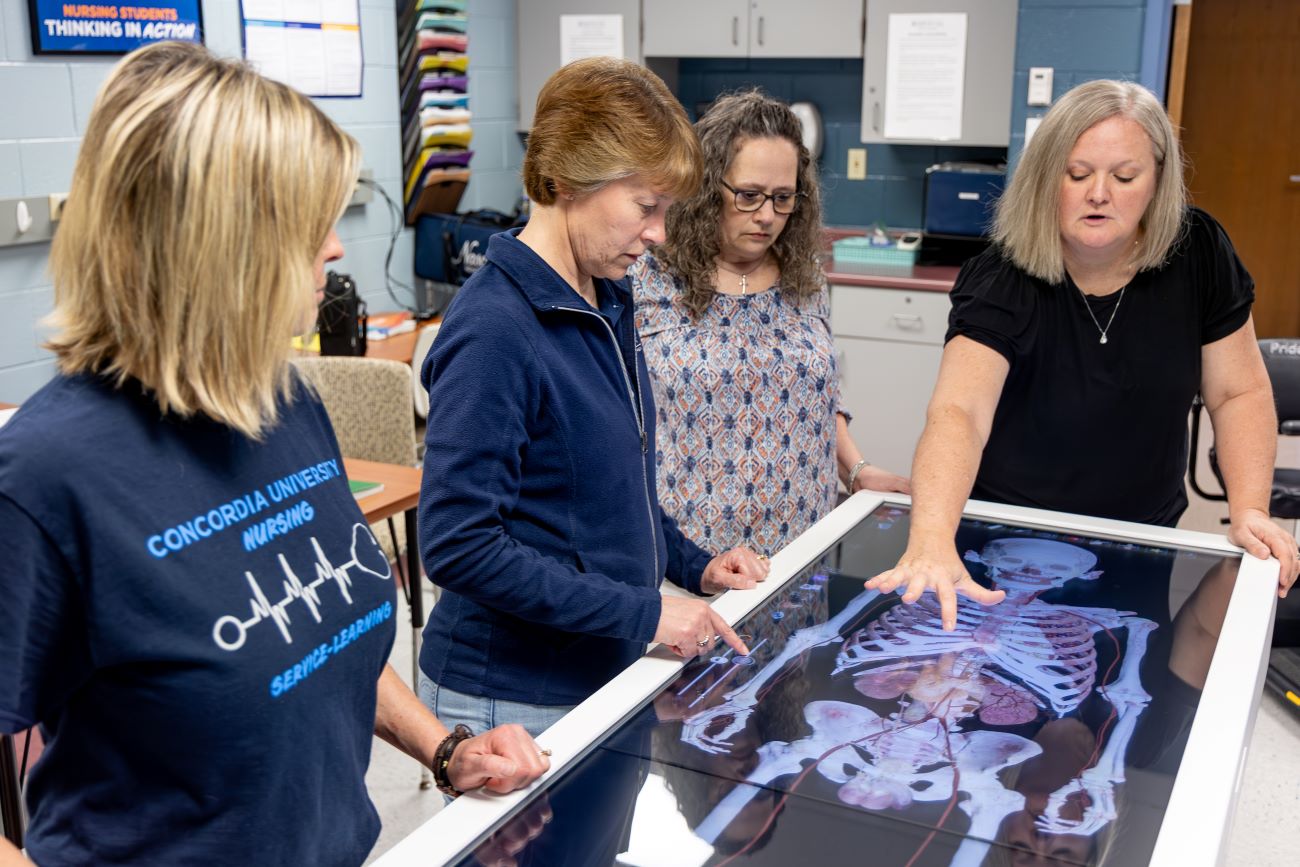
Inside the university’s simulation and virtual reality spaces, students use Anatomage Tables, VR resources and high-fidelity AI simulation manikins to connect classroom learning with clinical practice.

The Anatomage Table allows students to explore human anatomy through detailed 3D models. Virtual reality experiences place students in patient-care scenarios where they practice assessment, communication and decision-making skills. High-fidelity simulation manikins respond to treatments and interventions in real time, helping students prepare for medical, surgical, mental health and community care situations.

“Taking learned information from textbook and theory classes and bringing it into simulation through the Anatomage Table, virtual reality and high-fidelity AI manikins sets our program apart,” said Tina Gaffney, MSN, RN, simulation and VR center director. “This style of learning creates realism in the healthcare situations students will encounter during clinicals and throughout their careers.”

These experiences help students build confidence and clinical judgment before caring for patients in real-world settings.


No. 4: Room to grow

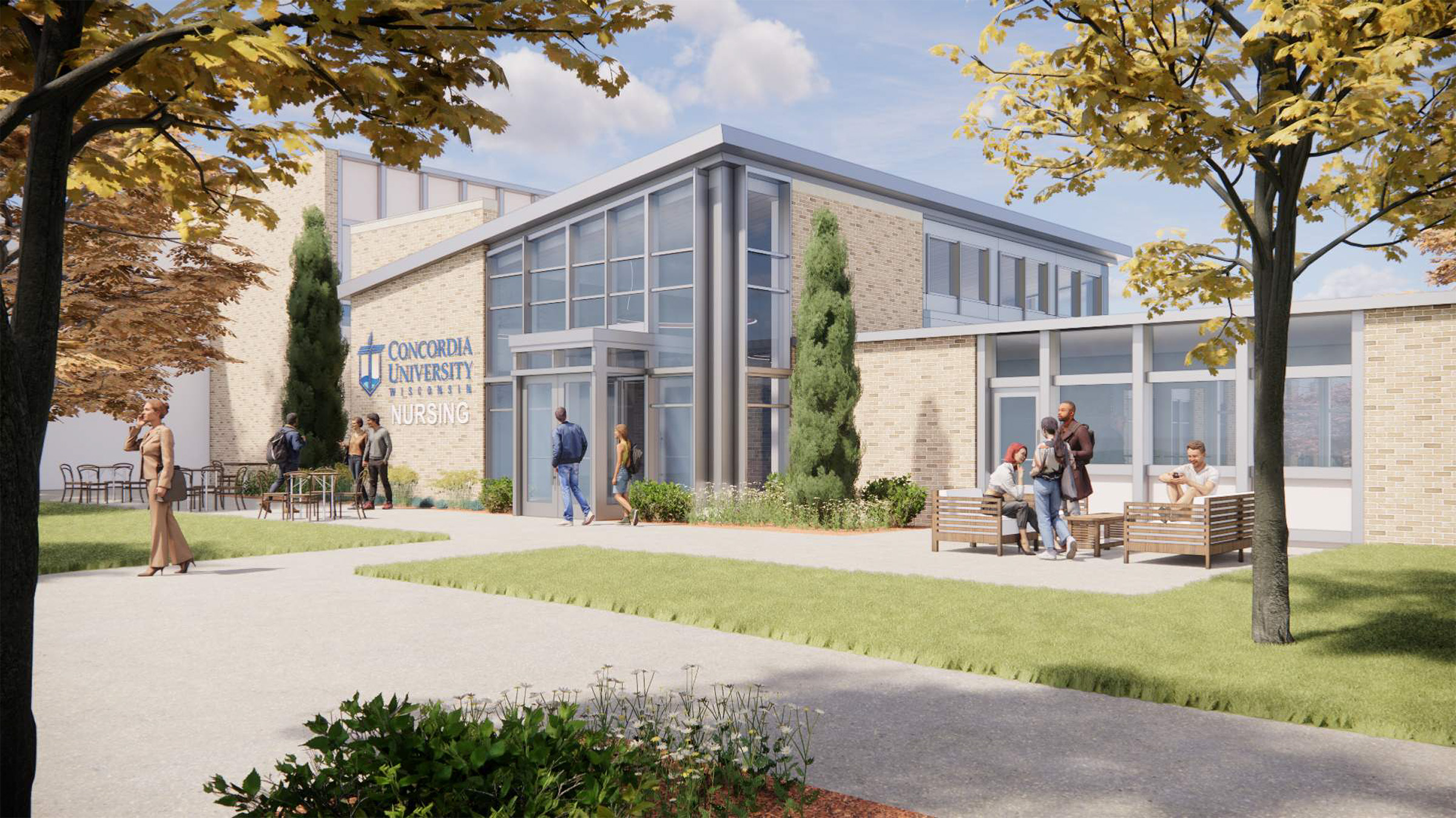
With new nursing facilities on the horizon, students will learn in spaces designed for today’s healthcare environment.

Rendering of the new nursing wing
Architectural rendering of the new nursing wing addition.

The wing addition will include immersive simulation labs, flexible classrooms and hands-on spaces modeled after real healthcare settings. The expansion will also create more opportunities for collaboration, clinical training and team-based learning.

“This project represents an investment not only in our nursing students, but in the future of healthcare,” said Jessica Leiberg, PhD, DNP, dean of the School of Nursing.

“By creating learning environments designed specifically for nursing education, we are preparing students with the confidence, clinical judgment and hands-on experience needed to provide exceptional, Christ-centered patient care.”


No. 5: Walk with Him

Before students enter a hospital room or clinical setting, faculty remind them that nursing involves far more than procedures, assessments or treatment plans. It is about people. Nurses walk alongside patients and families during some of the most vulnerable moments of their lives.

Whether comforting a patient after a difficult diagnosis or listening to a worried family member, students learn that compassion, presence and human connection remain at the heart of quality care.

Through a Christian worldview, they learn to care for the whole person while navigating the ethical, emotional and spiritual realities of healthcare.

That perspective shapes how students approach both their work and their calling.

“In the calling to nursing, God will walk with you,” said Carol A. Lueders Bolwerk, PhD, RN, professor of nursing and director of parish nursing and congregational health ministry. “The School of Nursing gives students the tools to serve as Christian caregivers who care for others in mind, body and spirit. Walk with Him as He leads you toward a future filled with hope and purpose in your calling as nurses.”

Note: Concordia’s nursing program now offers a direct-entry pathway for those called to a new vocation in healthcare.


Want in?

Concordia University Wisconsin is a Lutheran higher education community committed to helping students develop in mind, body and spirit for service to Christ in the Church and the world.


Faith, research and a future in medicine

On track to becoming a surgeon, CUW student Cole Oechsner is researching bacteriophages as a possible tool against antibiotic-resistant biofilms.


Inside Concordia’s microbiology lab, Cole Oechsner is researching bacteriophages with the hope that one day they could help heal patients facing difficult bacterial infections. Bacteriophages are viruses that infect bacteria.

Originally studying mechanical engineering at Milwaukee School of Engineering, Oechsner believed he had chosen a practical and stable career path. But after the unexpected loss of his younger brother, Denny, his perspective shifted.

“I felt led toward healthcare,” Oechsner said. “I wanted to provide healing and serve people in that way.”

Now entering his final year as a biomedical sciences major, Oechsner is preparing for medical school while spending long hours researching in the microbiology lab. His work, conducted alongside Dr. Justin Speck, associate professor of microbiology, examines whether bacteriophages could help break down bacterial biofilms that are often resistant to antibiotics.

“Cole is a talented young man, and it was a joy to conduct research with him,” Speck said.

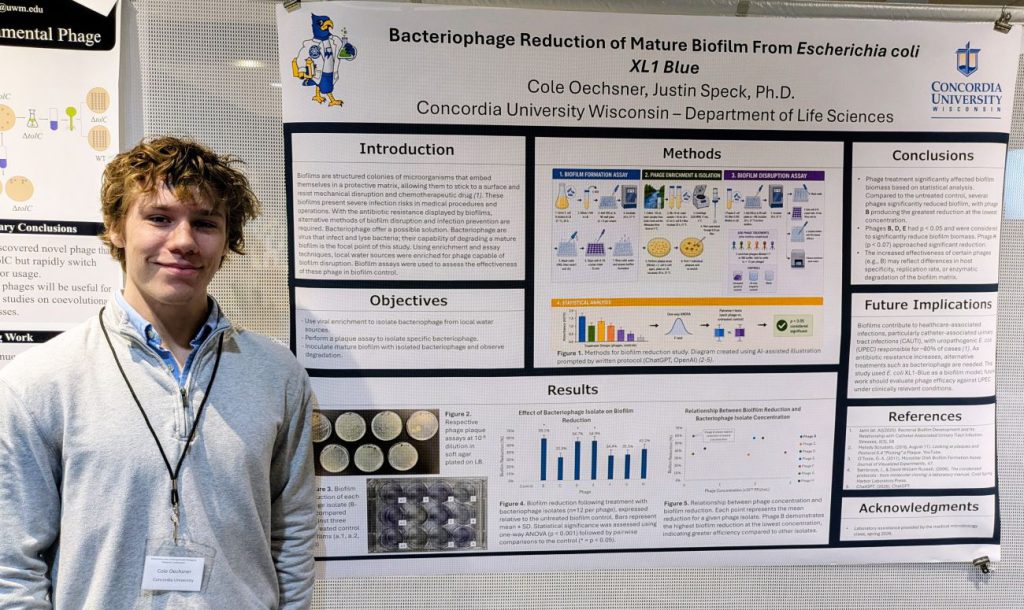
The project recently earned attention at the Milwaukee Area Undergraduate Research Symposium, where Oechsner presented findings showing that several phages collected from local waterways reduced E. coli biofilms in laboratory testing.

“As I’m going into the medical field, I’m always thinking, ‘What can I do? How can I solve this problem? How can I bring a new approach to this medical condition?’” Oechsner said.

two young men posing in front of an ocean
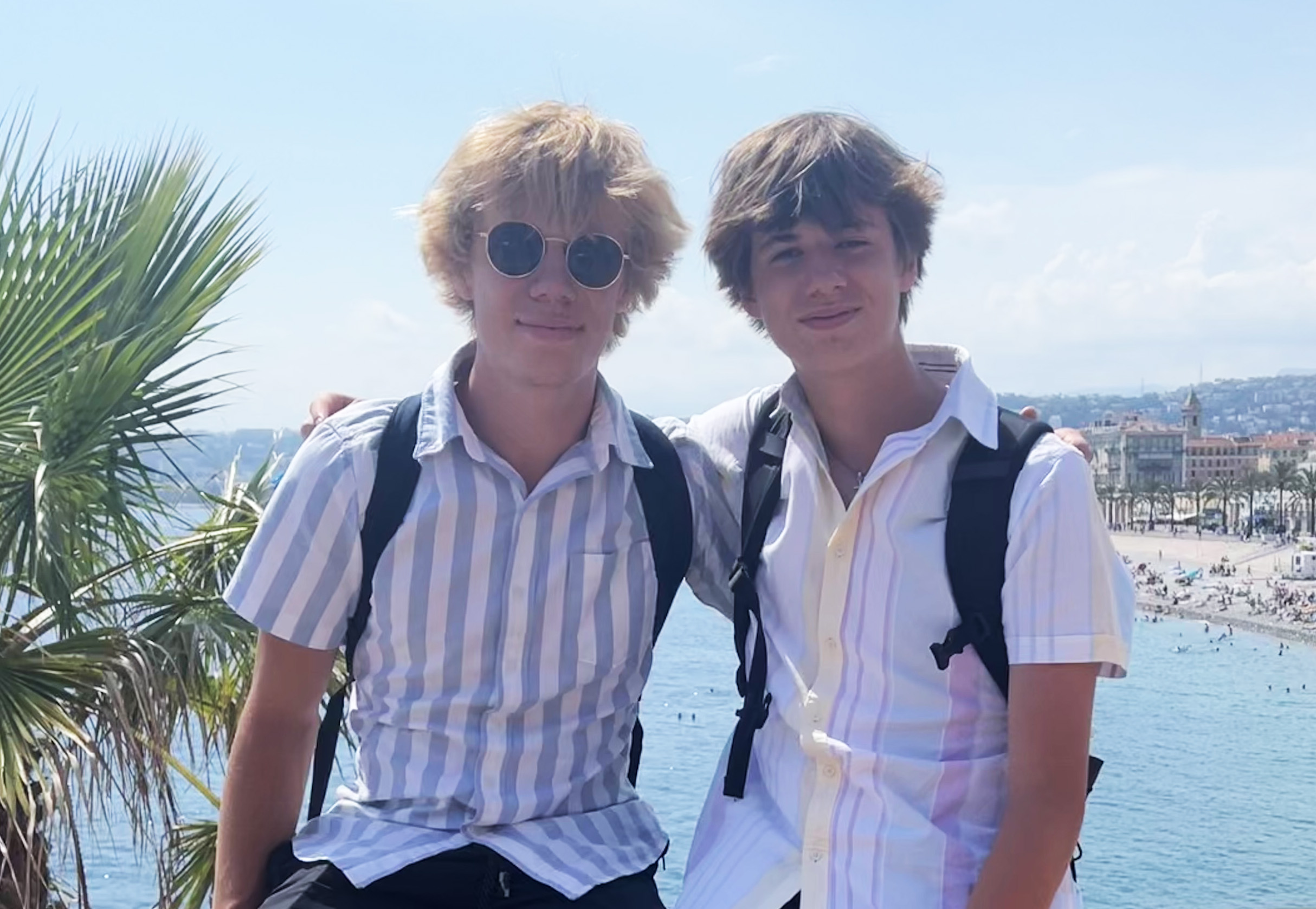
Cole Oechsner and his brother Denny in Nice, France, in the summer of 2023.

Looking at infections differently

young man standing by poster

Biofilms are protective bacterial layers that form on surfaces such as catheters, medical implants and surgical sites. Once established, they become difficult to remove and can contribute to persistent infections.

“When bacteria form biofilms, they interlock and create this slick layer over a surface,” Oechsner explained. “Antibiotics and other forms of disruption are often ineffective.”

The challenge caught his attention during microbiology coursework with Speck. “At the same time we were learning about biofilms, we were also studying bacteriophage and how effective they are at infecting bacteria,” Oechsner said. “With antibiotic resistance becoming a growing issue in healthcare, I started wondering whether phages could help disrupt these biofilms without relying on traditional antibiotics.”

That question eventually became a semester-long undergraduate research project.


Searching for phages in Wisconsin waterways

To begin the study, Oechsner collected freshwater samples from Cedar Creek and the Milwaukee River, locations he already knew from previous microbiology work.

“The first place that came to mind to look for viruses that infect E. coli was Cedar Creek, and thankfully that’s where I found them,” he said.

Back in the microbiology lab, Oechsner used plaque assays and sterile laboratory techniques to isolate bacteriophages capable of targeting Escherichia coli strain XL1 Blue, a strain selected because it formed strong biofilms during testing.

By the end of the semester, he had identified seven phages, currently labeled Phage B through H. Three produced statistically significant reductions in biofilm growth. One, labeled “Phage B,” reduced biofilm formation by more than 59%.

“We took the project one step at a time because we didn’t know whether the bacteria would form strong enough biofilms,” Oechsner said. “We didn’t know if we would even be able to isolate the phages from the water samples. But things started falling into place.”

The research process included setbacks familiar to many scientists. “Sometimes the bacteria didn’t behave the way we needed them to,” he said. “There were days where I had to regrow cultures and repeat parts of the experiment. But that was part of the learning experience.”

Speck praised Oechsner’s dedication throughout the project. “I am impressed with his persistence and hard work in data collection,” he said.


Learning through hands-on research

The project offered more than laboratory results. It provided Oechsner with a firsthand look at how scientific research develops.

“This was the most hands-on and independent project I’ve worked on,” Oechsner said. “Dr. Speck gave me room to learn while still guiding me through protocols and helping me understand why we were doing each step.”

The experience deepened his appreciation for the research behind medical advancements. “I don’t necessarily see myself becoming a full-time researcher,” he said. “But now I have a much greater appreciation for the amount of work behind every advancement in medicine and science.”

The project also gave him an opportunity to connect with researchers outside Concordia. During the undergraduate research symposium, Oechsner presented his findings to faculty members, students and other phage researchers from across Wisconsin.

“There were a lot of questions,” he said with a laugh. “Some of them were questions I couldn’t fully answer yet, but that was exciting because it showed there’s still so much more to learn.”


The next phase for the phage

Oechsner hopes to continue the project by sequencing the genomes of the most successful phages. If the phages prove to be previously unidentified strains, they could eventually be registered and named through microbiological databases used by researchers around the world.

“If they are novel, we could register them with a microbiological society,” Oechsner said. “Then we’d really dive into how those bacteriophages disrupt the biofilm and kill off the bacteria.”

The possibility of naming a newly discovered phage also carries personal meaning for him.

“I think it would be fun to name one after my brother,” he said. “I don’t know how he’d feel about having a virus named after him, but I think it would be meaningful.”


What’s next for Oechsner?

While the possibility of contributing something new to the scientific community is exciting, Oechsner said the larger goal remains helping people.

After graduating from Concordia in spring 2027, Oechsner plans to attend medical school and pursue a career in surgery.

In addition to research, Oechsner serves on the executive board for Concordia’s pre-med club, tutors organic chemistry through Supplemental Instruction, and works at Aurora Medical Center in Grafton as a phlebotomist and laboratory technician.

“I never would have imagined myself working in healthcare when I was younger,” he said. “Now I feel completely certain this is where I’m supposed to be.”

He credits Concordia faculty and his faith for helping shape his path forward. “The professors at Concordia have been phenomenal,” Oechsner said. “I’ve learned so much from all of them. They take time to meet with me, discuss difficult topics, and really give me the environment I need to grow.”

Oechsner said his faith has also given him confidence as he prepares for a future in medicine.

“My faith allows me to relinquish those anxieties and trust that things will work out,” he said. “I feel like God guided me onto this path, and I feel like I’m doing the right thing. I trust that if I continue doing the right thing, He’ll continue opening doors.”


Want in?

Concordia University Wisconsin is a Lutheran higher education community committed to helping students develop in mind, body and spirit for service to Christ in the Church and the world.


Welcoming Concordia’s newest class to campus

Falcon Days are underway, welcoming the next generation of Falcons as they prepare for life on campus.


Held throughout June and July, Falcon Days give first-year students an early look at the people, places and resources that will shape their college experience. Families spend the day learning about academics, student life, residence halls, campus support services and the faith-centered community that awaits them in the fall.

“These days are filled with excitement and are always fun for all involved,” said Elizabeth Polzin, EdD, vice president of student success and associate professor of education. “Our goal is to answer questions families may have, get them excited about arriving to campus in the fall, and help them understand what life as a Falcon may look like at CUW.”


student holding a sign

Building excitement before move-in day

The first Falcon Day reached capacity, with 100 families registered to attend. The strong response reflects the anticipation many incoming students and families feel as they prepare for the transition to college life.
“We love the fun vibes and helping students go from uncertain, unfamiliar, maybe a little nervous to excited,” said Kara Janowski, MA, director of student engagement. “That’s really what Falcon Day is all about.”

Additional Falcon Days will take place on:

  • Wednesday, June 10
  • Monday, June 15
  • Friday, June 26
  • Friday, July 10

At these events, students and families hear from Campus Ministry, faculty, advisors and university leaders. They also explore campus resources and tour residence halls. For many families, Falcon Days provide an early glimpse of what life at Concordia will be like.

Faculty members from each school join families for lunch during the day. The informal gathering allows parents to ask questions about academic programs and connect directly with faculty before the semester begins.

“When incoming students and their families enter our campus, we want to cultivate the feeling of being welcomed home,” said Leah Flolo, coordinator of student activities and orientation. “College is a huge transition for both students and their families, so our goal is to make that transition feel natural and exciting.”


students doing activities

What does a Falcon Day look like?

Families arrive on campus in the morning for student-led tours, advising sessions and opportunities to connect with faculty, staff and fellow Falcons.

A typical Falcon Day includes:

  • Welcome sessions and advising.
  • A buffet-style lunch with faculty and staff.
  • Guided residence hall tours.
  • Student activities led by orientation leaders.
  • Opportunities to learn more about academics, financial aid and campus life.

Commuter students and their families can also participate in specialized sessions and campus tours tailored to their experience.

Read last year’s article, “Falcon Days help new students take flight,” for additional information!


woman holding sign Future Falcon

Photo gallery: A first look at Falcon life

For many incoming students and families, Falcon Day is more than an orientation event. It is one of their first opportunities to picture what everyday campus life might look and feel like.

Through conversations with faculty and staff, residence hall visits and interactions with future classmates, students begin to see themselves as part of the Concordia community.

The photo gallery below captures some of those moments across campus today.


Want in?

Concordia University Wisconsin is a Lutheran higher education community committed to helping students develop in mind, body and spirit for service to Christ in the Church and the world.