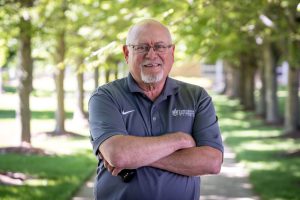
Though retirement is near, Steve Hibbard’s connection to Concordia and the campus he helped build remains strong.
If you ask Buildings and Grounds Director Steve Hibbard when he’s retiring, he’ll give you a date: June 30. If you ask whether he’s actually leaving Concordia, the answer gets a little more complicated.
“There’s kind of a funny saying at Concordia,” Hibbard said. “People retire, but they never really leave.”
After 27 years of service, Hibbard is stepping away from his full-time role at Concordia. True to that tradition, he plans to remain involved in projects that have occupied much of his attention in recent years, including the future nursing addition.
For someone who has spent nearly three decades helping shape the physical campus, walking away entirely was never going to be easy. Hibbard first considered retirement several years ago, but major projects kept drawing him back.
“There’s always been something that keeps you staying, that makes you want to see things finished,” Hibbard said.
Even after June 30, he plans to continue working part-time, helping bring some of those long-awaited projects across the finish line.
Watching Concordia grow
That affection for Concordia is visible everywhere you look.
When Hibbard arrived on July 1, 1999, the campus looked very different. Many buildings lacked air conditioning. The university relied more heavily on student workers. Athletic fields required irrigation systems that had to be moved by hand.
Since then, he has watched the campus evolve through major construction projects, infrastructure upgrades, residence hall renovations, new academic facilities, and the redesign of the bluff and front entrance that now greets visitors arriving from Lake Shore Drive.
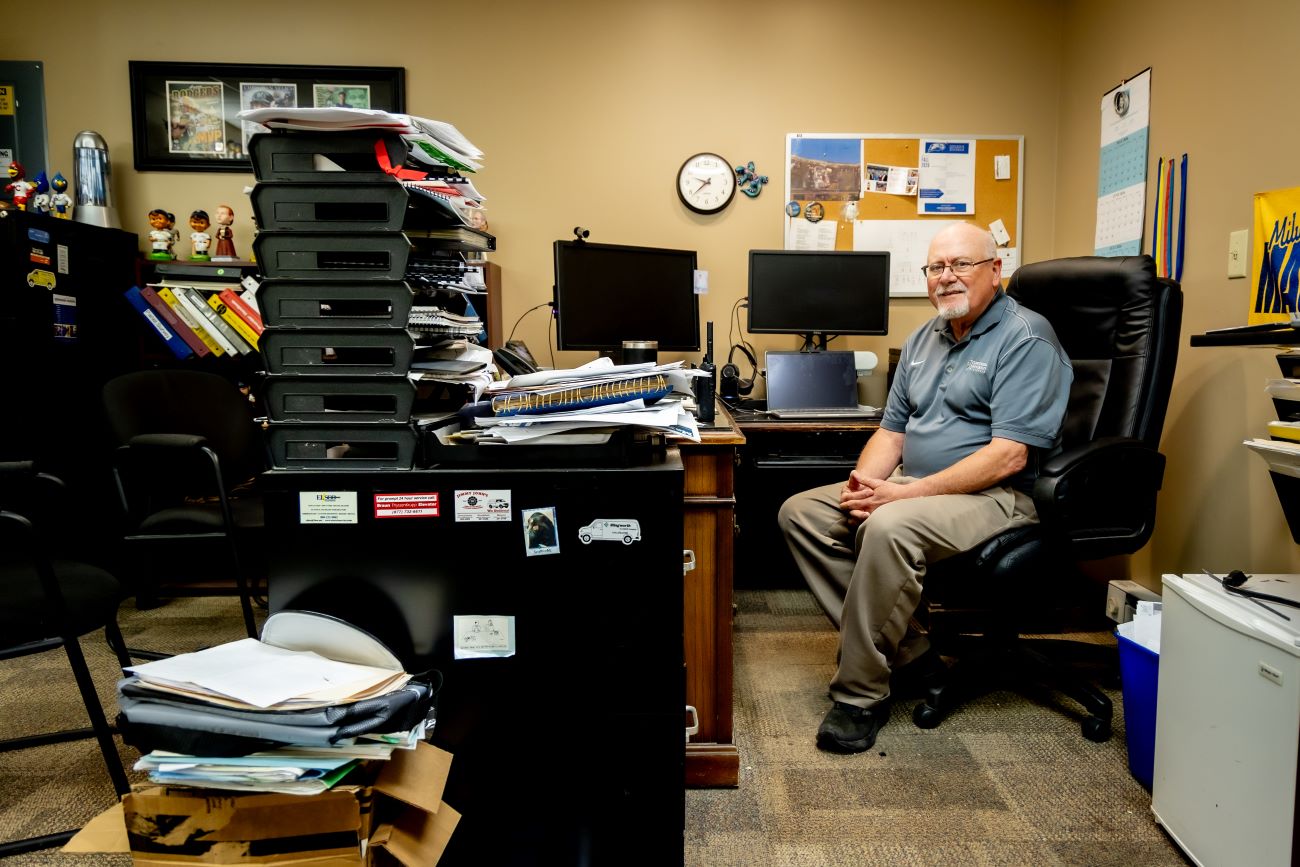
In his office hangs an aerial photograph from his early days at Concordia. It serves as a reminder of how much has changed. “It’s just amazing to look back and see all the changes,” he said.
When Concordia purchased the Mequon campus in 1983, it encompassed about 750,000 square feet. Today, the campus is approximately 1.5 million square feet—a growth Hibbard has helped support through decades of renovations, infrastructure improvements and new construction.
A legacy of stewardship
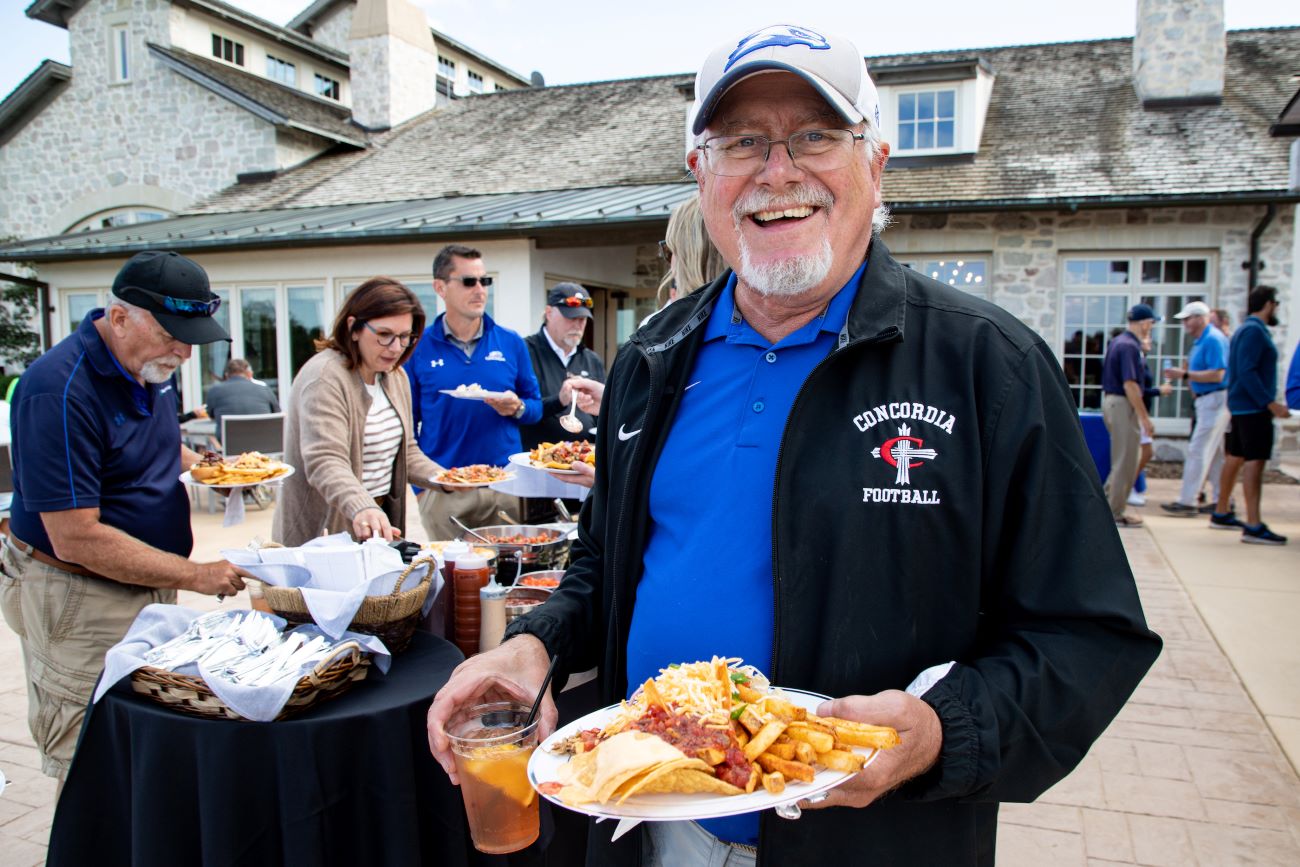
Former Executive Vice President and Chief Operating Officer Al Prochnow worked alongside Hibbard for more than two decades and saw firsthand the care he brought to both people and projects.
“The concept that the head of maintenance would also be an accomplished organist was a testament to his many talents,” Prochnow said.
Prochnow praised Hibbard’s commitment to his colleagues and his ability to lead projects from start to finish. Under Hibbard’s leadership, facilities projects were completed with care, and he built a team that helped shape the campus for future generations.
“Steve was and remains a dear friend,” Prochnow said.
Yet Hibbard’s Concordia story began long before he became responsible for maintaining the campus.
His wife, Suzanne (’91, ’97), earned her master’s degree in church music at Concordia. Hibbard studied organ performance with longtime professor John Behnke, and occasionally played weddings in the Chapel of Christ Triumphant. When an opening became available in facilities management, he applied and eventually joined the university.
Music, in fact, had already shaped much of his life. As the son of a pastor, Hibbard first learned to play the organ as a teenager. His father wanted to start a summer midweek worship service but didn’t have the budget to hire a musician.
“That made me really qualified to play for that service,” Hibbard joked.
That blend of humility and humor has remained part of his personality throughout his career.
Problem solving and people
Ask Hibbard about memorable moments, and he’s just as likely to mention discovering an undocumented, underground fuel tank during a construction project as he is a major campus renovation.
Facilities work, he explains, often requires patience and adaptability. “There’s a lot of times in maintenance where you have to have short memories,” he said. “We’ll figure this out.”
Over the years, Hibbard has also enjoyed watching students grow long after graduation. Former student workers still stop by to visit. Some now hold advanced degrees, lead organizations or have families of their own.
Those relationships are among the memories he treasures most.
A favorite place
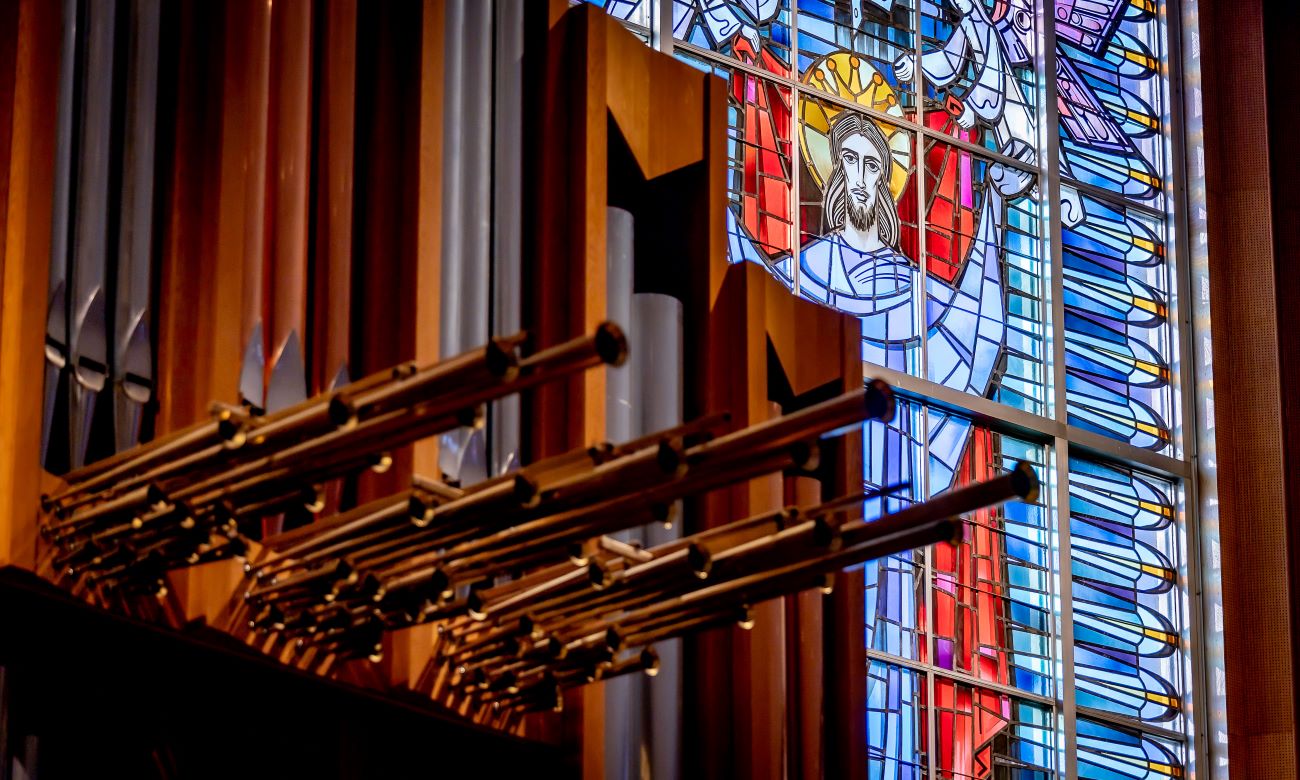
Of all the places on campus, one remains closest to his heart. “The chapel,” he said without hesitation.
Each morning, he drives through campus and takes in the view of Lake Michigan, one of his favorite daily rituals. When life becomes busy, the chapel has long been a place where he can slow down and reflect.
“Especially in the summer,” he said. “It’s usually quiet in there.”
Looking ahead
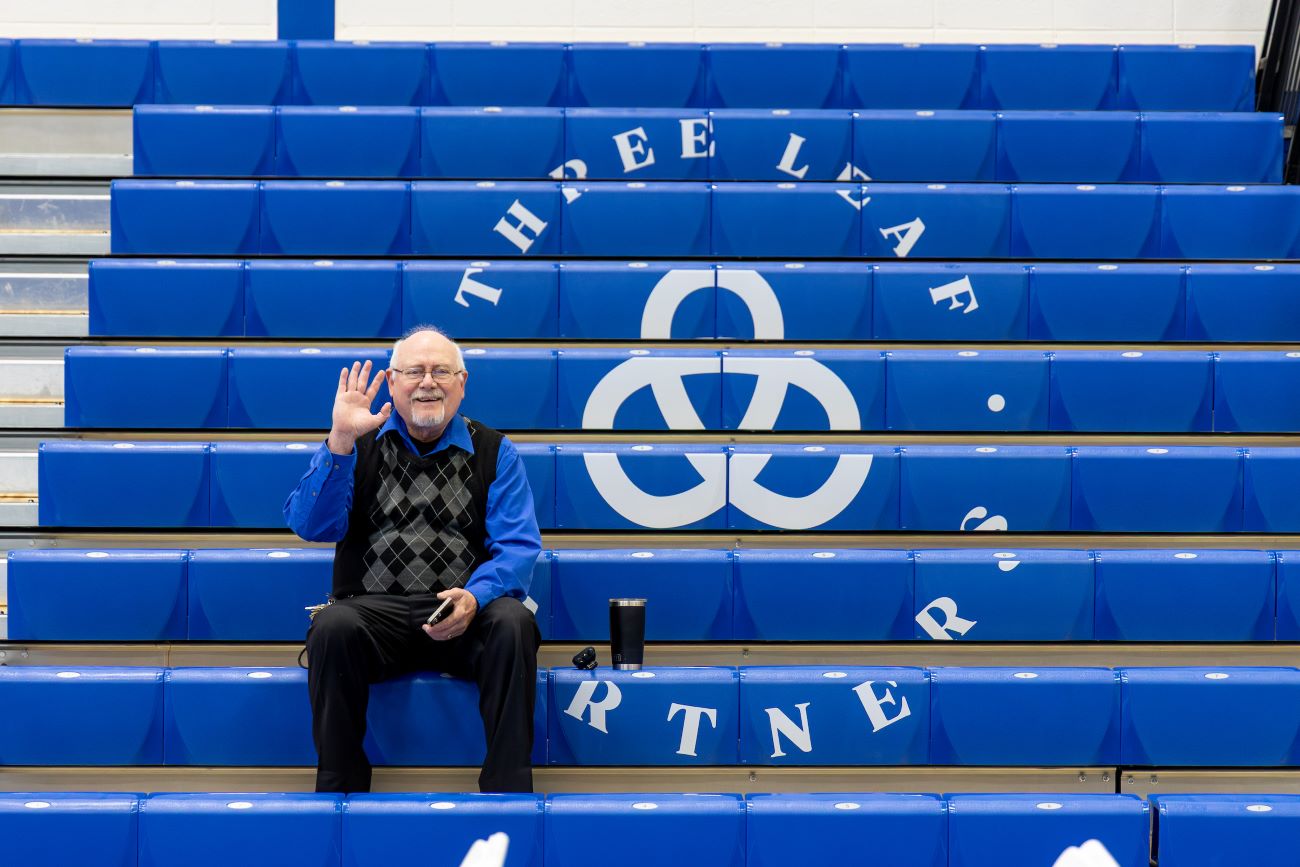
As retirement approaches, Hibbard looks forward to spending more time with family, enjoying the cottage he and his wife own in northern Wisconsin, and revisiting old adventures. This fall, he may attend a reunion marking 50 years since he bicycled across the United States with two friends during the nation’s bicentennial celebration in 1976.
Still, even as new adventures await, his connection to Concordia remains strong. That connection, he says, comes from something deeper than buildings or construction projects.
“This has just been a wonderful place,” Hibbard said. “It’s a community.”
He points to the ways faculty and staff support one another through life’s joys and hardships. Whether celebrating milestones, offering prayers during difficult seasons or simply showing up when someone needs help, those relationships have left a lasting impression.
As he reflects on nearly three decades at CUW, Hibbard hopes the university continues to grow while remaining grounded in its mission. “I just hope the school continues strong so that it can continue its mission of developing students in mind, body and spirit,” he said.
And while June 30 may mark the official end of one chapter, it is unlikely to be the last time the Concordia community sees Steve Hibbard.
After all, around here, retirement doesn’t always mean goodbye.
The Concordia community will have an opportunity to celebrate Hibbard’s 27 years of service on Friday, June 26, from 9-10:30 a.m. in the Friends of Concordia Room (FH 034).
Concordia then and now
Then
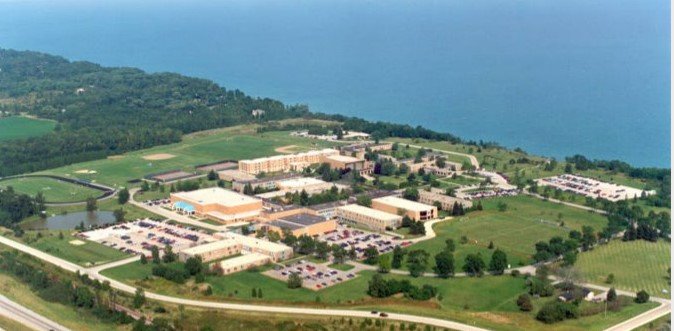
- Approximately 750,000 square feet of campus space
- Two entrances from Lake Shore Drive
- Many buildings without air conditioning
- Athletic fields watered with portable irrigation lines
- Campus relied primarily on well water
- 50-60 student workers supported facilities operations each summer
Now
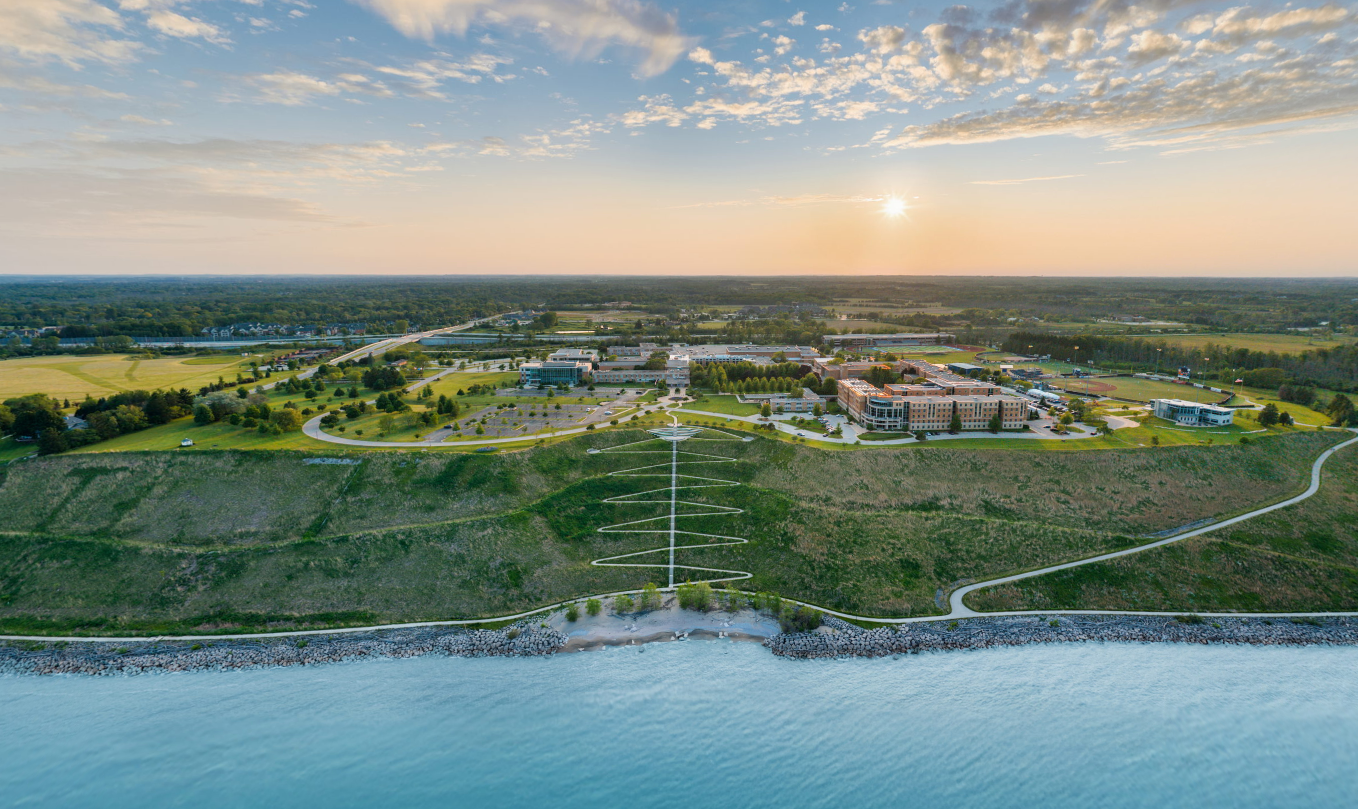
- Approximately 1.5 million square feet of campus space
- One signature entrance with views of Lake Michigan
- Extensive HVAC upgrades across campus
- Synthetic athletic fields
- Newer buildings connected to city water
- Major additions including the Sports and Fitness Center, Robert W. Plaster Free Enterprise Center, Coberg Hall, and residence hall renovations
Campus growth: Concordia’s footprint has nearly doubled since acquiring the Mequon campus in 1983.

A few fun facts
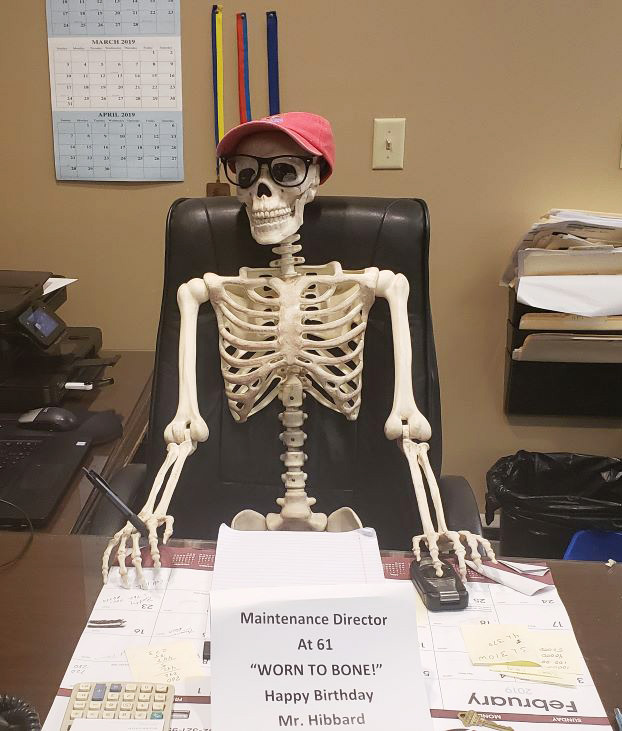
- Favorite place on campus: Chapel of Christ Triumphant
- Hidden campus gem: The fifth-floor balcony in Coberg Hall
- Collection size: More than 100 bobbleheads located in his office
- Unexpected hobby: Organist and choir director
- Bucket-list retirement activity: More time at the family cottage
- Fun fact: Bicycled across the U.S. in 1976
- Visited the original 10 Concordia University System campuses during his career
- Concordia connection: His wife earned her master’s degree and taught at CUW; 2 of their 4 children are CUW alum
- Campus claim to fame: “Hibbard’s Pond” once referred to a flooded commuter parking lot (Ask him about it!)
Want in?
Concordia University Wisconsin is a Lutheran higher education community committed to helping students develop in mind, body and spirit for service to Christ in the Church and the world.