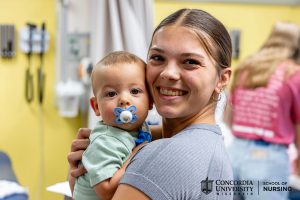
Preparing nurses who care for the whole person.
Nursing calls for more than clinical knowledge. It asks for compassion, discernment and the ability to care for people during some of life’s most vulnerable moments. As healthcare continues to evolve, the need for nurses who lead with both skill and empathy remains as important as ever.
At CUW, students prepare for that vocation through hands-on learning, Christ-centered mentorship and a community grounded in caring for the whole person. From their first days on campus to their clinical experiences in the field, nursing students grow academically, professionally and spiritually. The result is an education shaped not only by preparation for a career, but by preparation for a life of service.
No. 1: More than a number
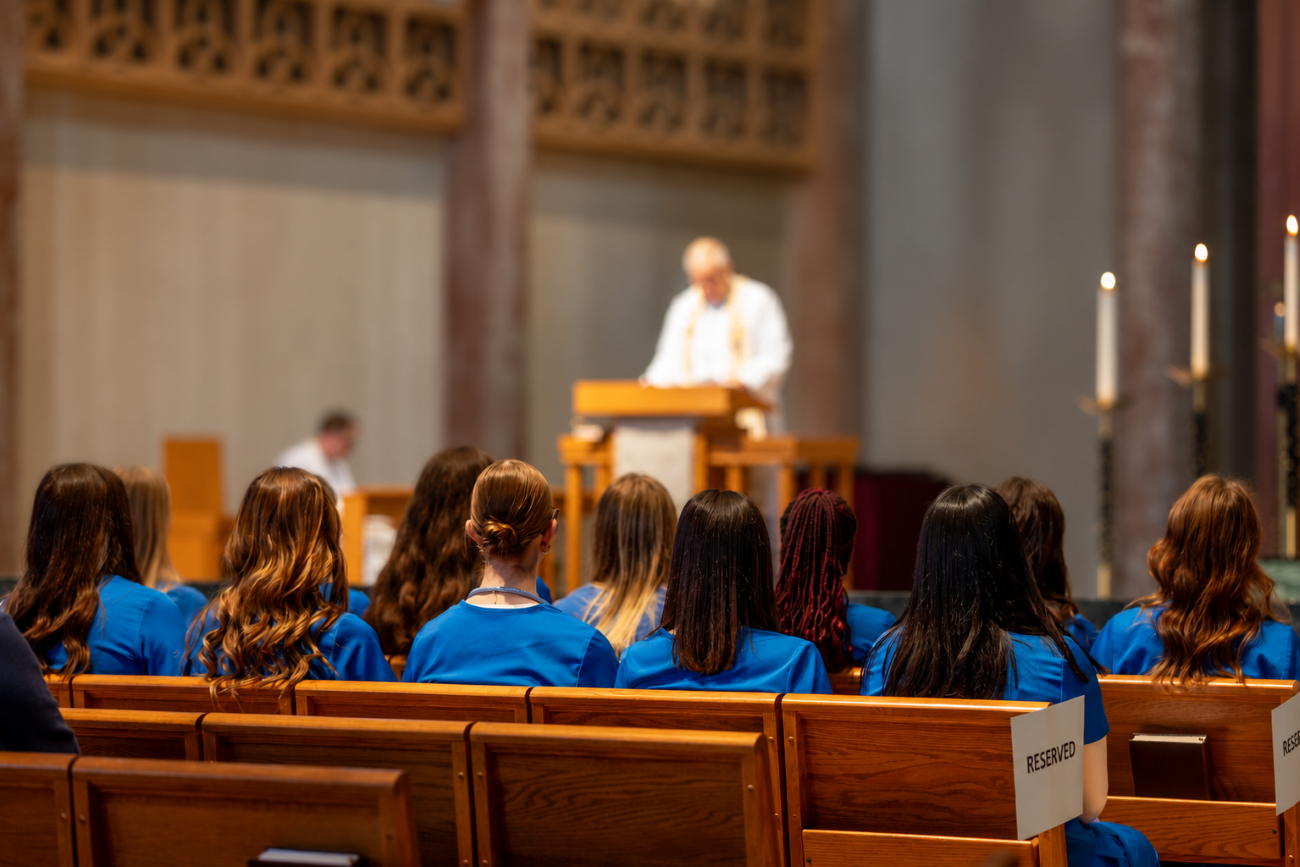
Caring for the whole person starts long before clinicals. Nursing students are known by name, supported by faculty and surrounded by a Christ-centered community.
Through small cohorts and close relationships with professors and classmates, students gain the confidence to ask questions, learn from one another and prepare for the realities of patient care.
May 2026 graduate Jenna Mundt said Concordia’s smaller class sizes helped create a close-knit community where relationships with faculty members and classmates developed naturally over time.
“I felt valued not just as a student but as a person,” Mundt said. “The nursing faculty goes above and beyond to connect with students and help us succeed.”
Throughout her time in the program, Mundt met with faculty members for individual tutoring sessions, test reviews and conversations about personal challenges. She said that care extended beyond academics.
“What stood out most to me was the Christ-centered environment,” Mundt said. “Many classes began with devotions and prayer requests, and faculty genuinely followed up to see how we were doing. That level of care showed me that I wasn’t just another student. I was truly known, supported and encouraged academically, personally and spiritually.”
For sophomore nursing student and student-athlete Luke Eggemeyer, that care became especially meaningful after he injured his hip during basketball season in the middle of a clinical rotation. Missing the required number of clinical hours could have delayed his progress in the program, but faculty members worked closely with him to help him recover and stay on track academically.
“Faculty made it very clear that me passing the clinical was their top priority while also maintaining both my safety and health after the surgery,” Eggemeyer said. “They were extremely welcoming, compassionate and understanding of the situation.”
Eggemeyer said the experience reinforced what he had already come to expect from the program: Faculty members cared about him as a person, not just as a student.
No. 2: Roll up your sleeves
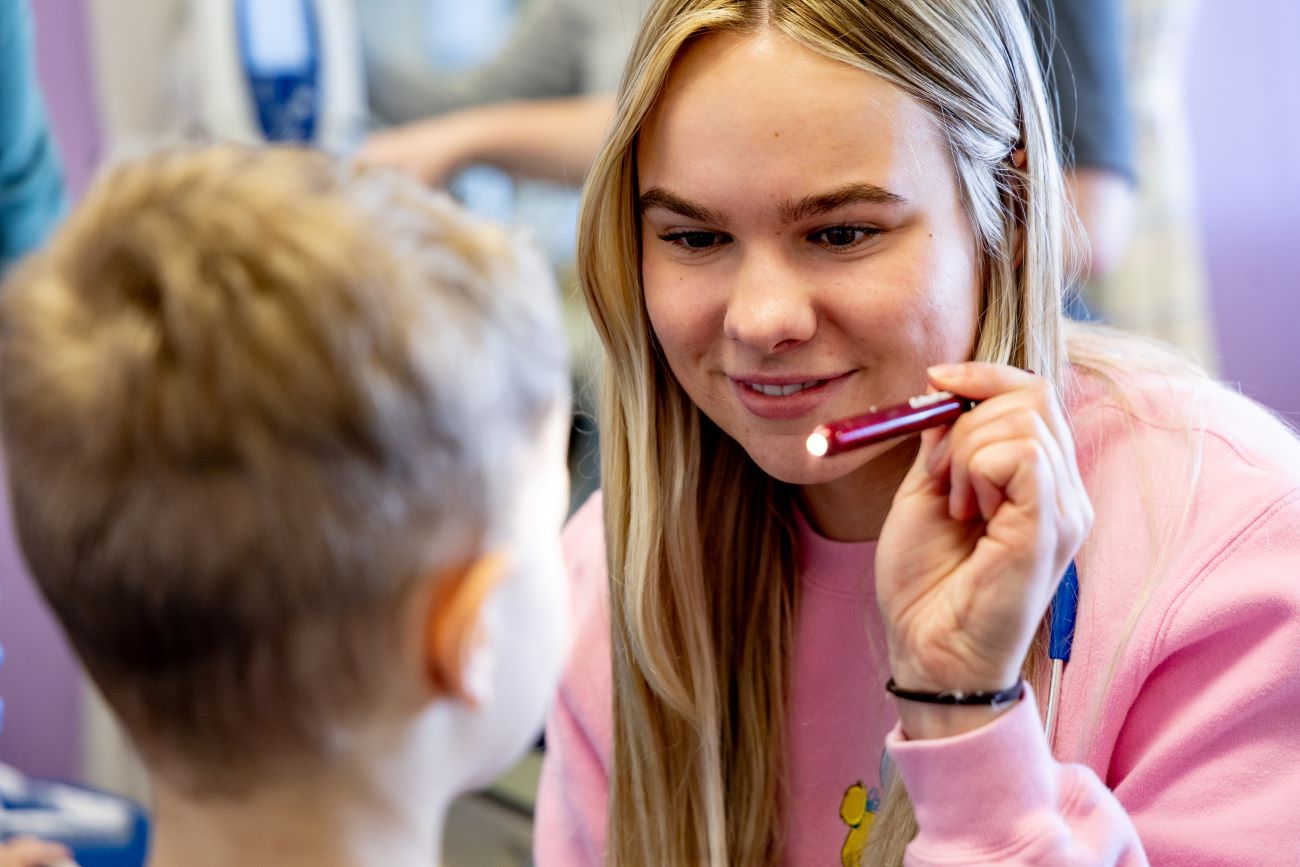
Clinical experiences play a central role in preparing nursing students for their vocation. Beginning in their sophomore year, students step into hands-on learning opportunities that introduce them to patient care early in their academic journey.
Through faculty-guided learning, students work with patients in a range of care environments, including long-term care facilities, acute care hospitals, community health agencies, outpatient clinics, simulation labs and specialty practice areas. These experiences allow students to step into the role of a professional nurse long before graduation while gaining a clearer understanding of modern nursing practice.
“Clinical experiences allow students to connect what they are learning in the classroom to the realities of patient care,” said Dawn Kuerschner, associate professor of nursing and chair of the undergraduate nursing program. “These hands-on opportunities help students build confidence, refine their skills and develop the compassion and professionalism needed to care for diverse patient populations.”
No. 3: Training for what’s next
Today’s healthcare students are preparing for a profession that changes quickly. That preparation extends far beyond lectures and textbooks. Students learn through hands-on technology designed to reflect the realities of modern patient care.
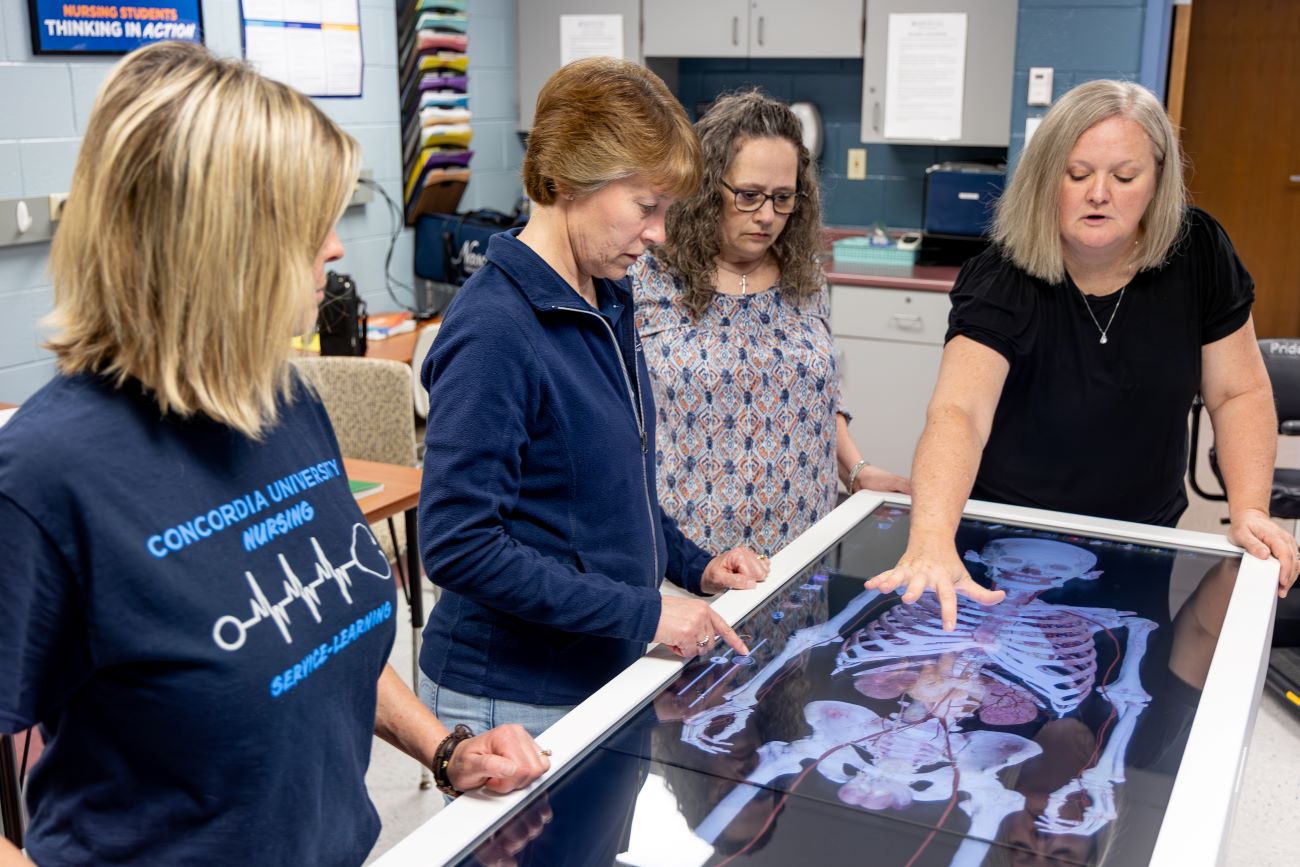
Inside the university’s simulation and virtual reality spaces, students use Anatomage Tables, VR resources and high-fidelity AI simulation manikins to connect classroom learning with clinical practice.
The Anatomage Table allows students to explore human anatomy through detailed 3D models. Virtual reality experiences place students in patient-care scenarios where they practice assessment, communication and decision-making skills. High-fidelity simulation manikins respond to treatments and interventions in real time, helping students prepare for medical, surgical, mental health and community care situations.
“Taking learned information from textbook and theory classes and bringing it into simulation through the Anatomage Table, virtual reality and high-fidelity AI manikins sets our program apart,” said Tina Gaffney, MSN, RN, simulation and VR center director. “This style of learning creates realism in the healthcare situations students will encounter during clinicals and throughout their careers.”
These experiences help students build confidence and clinical judgment before caring for patients in real-world settings.
No. 4: Room to grow
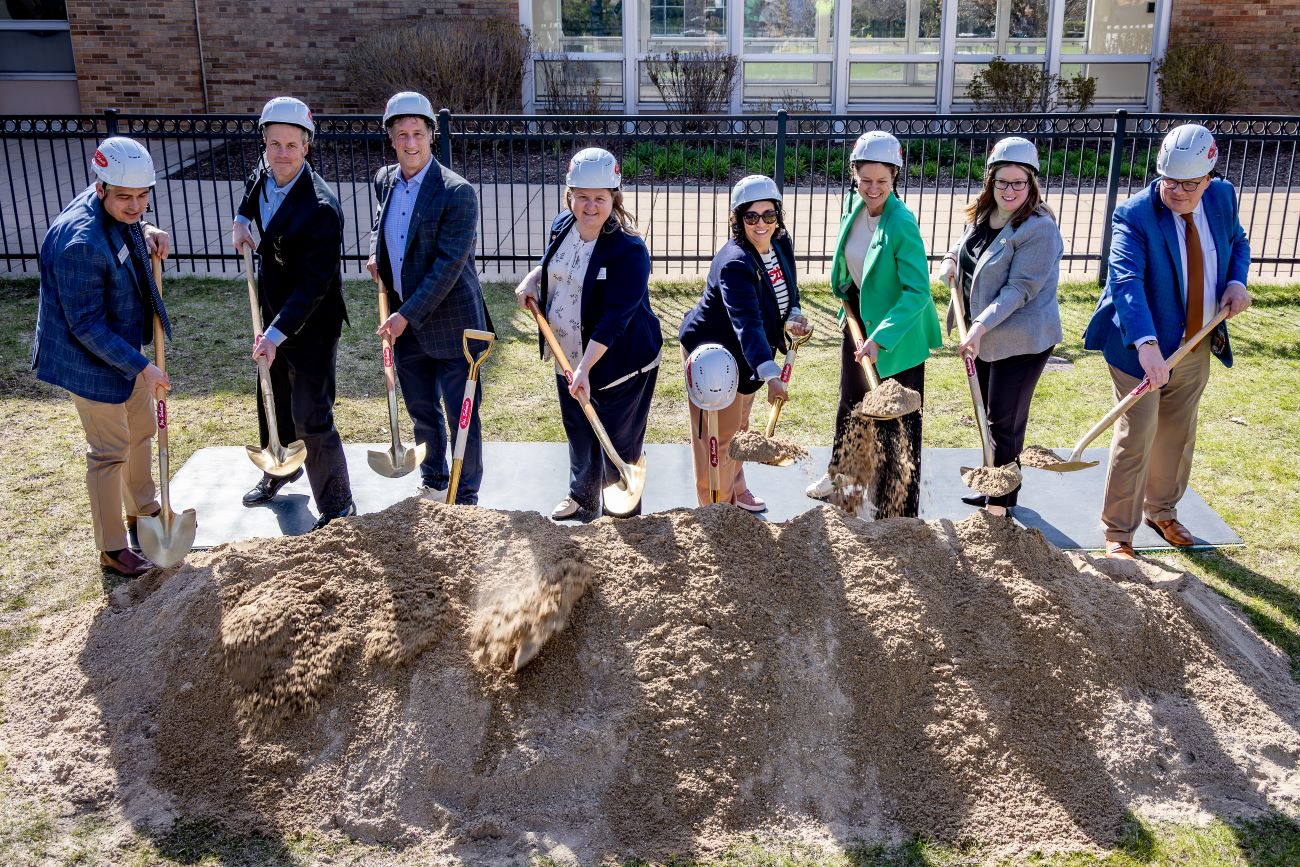
With new nursing facilities on the horizon, students will learn in spaces designed for today’s healthcare environment.
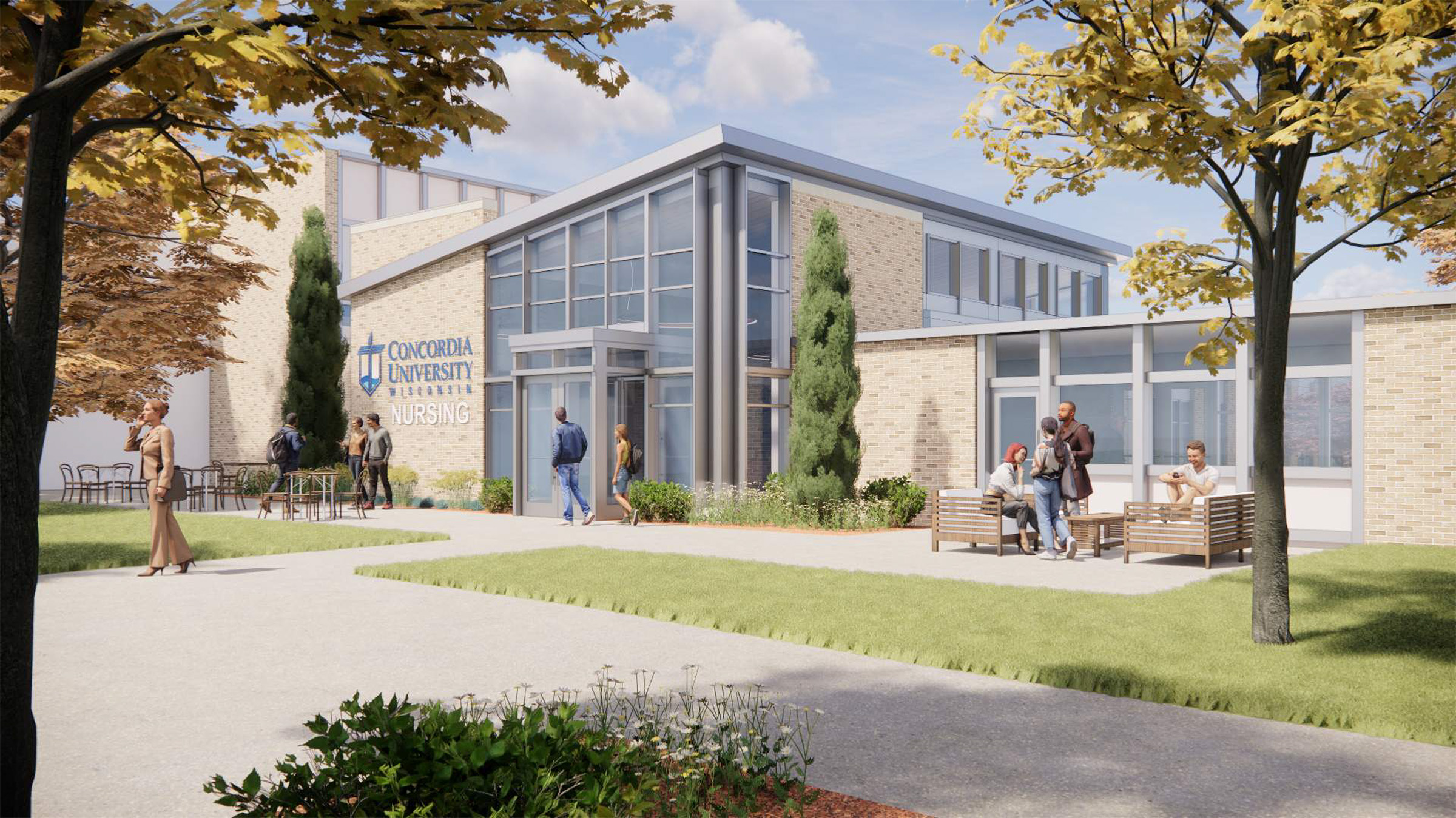
The wing addition will include immersive simulation labs, flexible classrooms and hands-on spaces modeled after real healthcare settings. The expansion will also create more opportunities for collaboration, clinical training and team-based learning.
“This project represents an investment not only in our nursing students, but in the future of healthcare,” said Jessica Leiberg, PhD, DNP, dean of the School of Nursing.
“By creating learning environments designed specifically for nursing education, we are preparing students with the confidence, clinical judgment and hands-on experience needed to provide exceptional, Christ-centered patient care.”
No. 5: Walk with Him
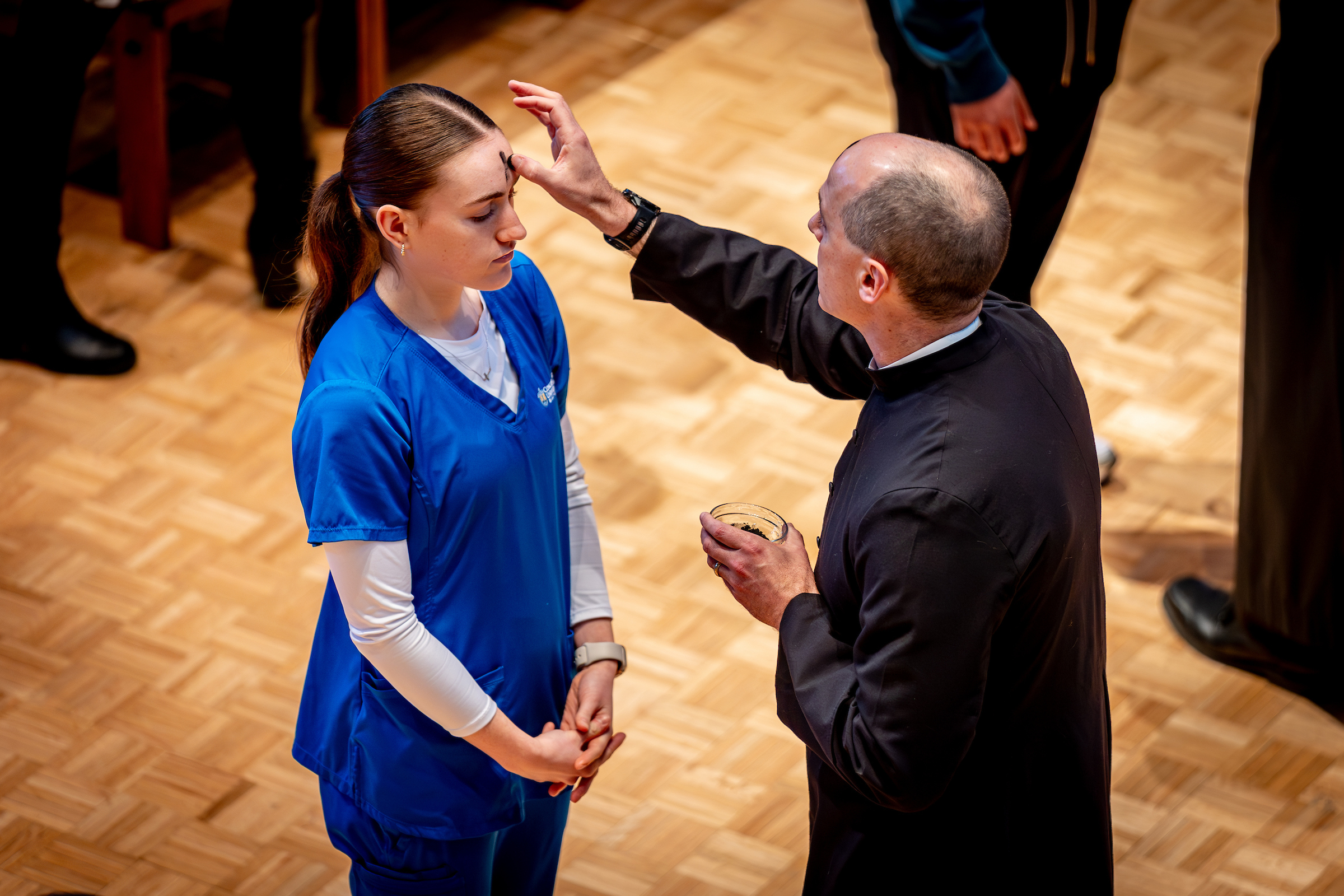
Before students enter a hospital room or clinical setting, faculty remind them that nursing involves far more than procedures, assessments or treatment plans. It is about people. Nurses walk alongside patients and families during some of the most vulnerable moments of their lives.
Whether comforting a patient after a difficult diagnosis or listening to a worried family member, students learn that compassion, presence and human connection remain at the heart of quality care.
Through a Christian worldview, they learn to care for the whole person while navigating the ethical, emotional and spiritual realities of healthcare.
That perspective shapes how students approach both their work and their calling.
“In the calling to nursing, God will walk with you,” said Carol A. Lueders Bolwerk, PhD, RN, professor of nursing and director of parish nursing and congregational health ministry. “The School of Nursing gives students the tools to serve as Christian caregivers who care for others in mind, body and spirit. Walk with Him as He leads you toward a future filled with hope and purpose in your calling as nurses.”
Note: Concordia’s nursing program now offers a direct-entry pathway for those called to a new vocation in healthcare.
For more articles related to nursing:
- The uncommon nurse practitioner who rose against the odds
- Preparing nurses for moments that matter: Concordia breaks ground on new nursing wing addition
- Cultivating Tomorrow’s Nurse Leaders: Why Employers Are Investing in MSN-Prepared Nurses
- DE-MSN: A beacon of hope for the future of nursing
- Bringing Anatomy to Life: CUW’s New Anatomage Table Enriches Learning Across Health Programs
- Beyond the hype: Safe and ethical AI use for nurses
- Concordia names Jessica Leiberg as dean of School of Nursing
Want in?
Concordia University Wisconsin is a Lutheran higher education community committed to helping students develop in mind, body and spirit for service to Christ in the Church and the world.