Concordia launches new dual acute care MSN program to prepare nurses to care across the lifespan

New Master of Science in Nursing program prepares advanced practice nurses to provide acute care for pediatric, adult and geriatric patients, with particular value for rural communities


Concordia University Wisconsin is expanding its graduate nursing offerings with a new program designed to prepare advanced practice nurses to care for patients across the lifespan, from children to older adults.

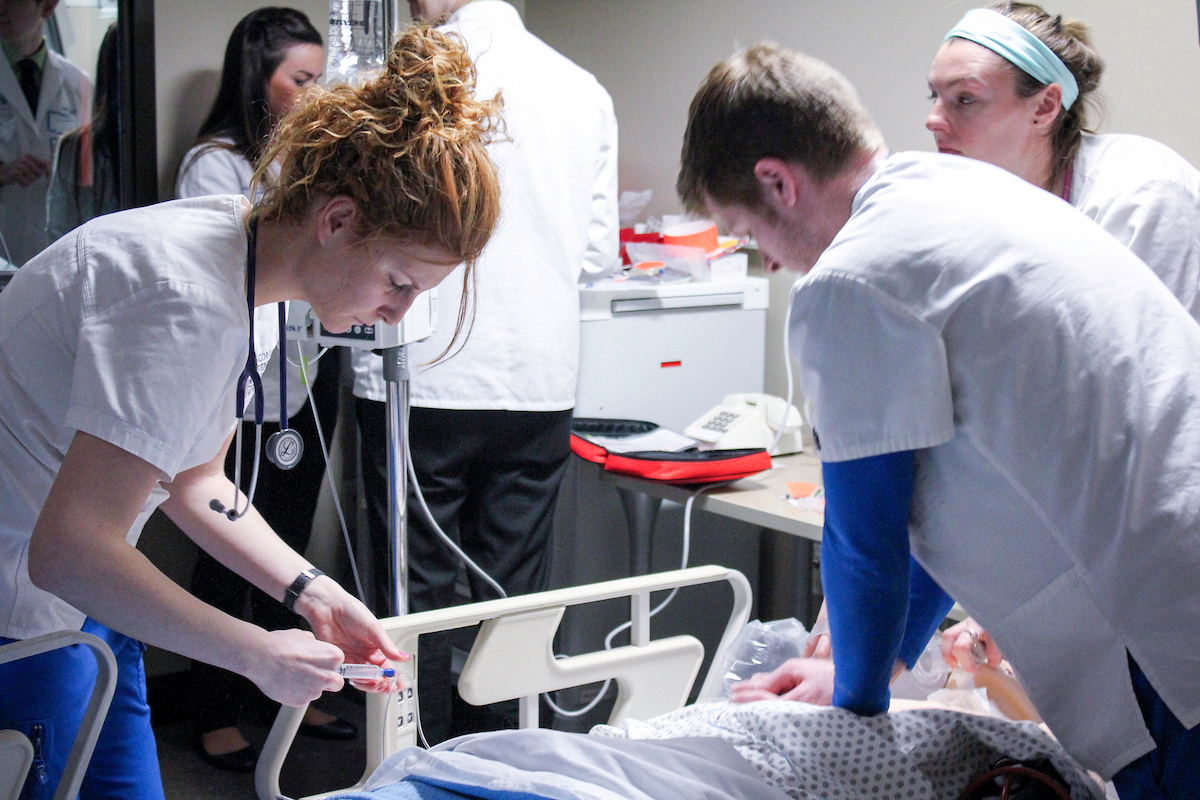
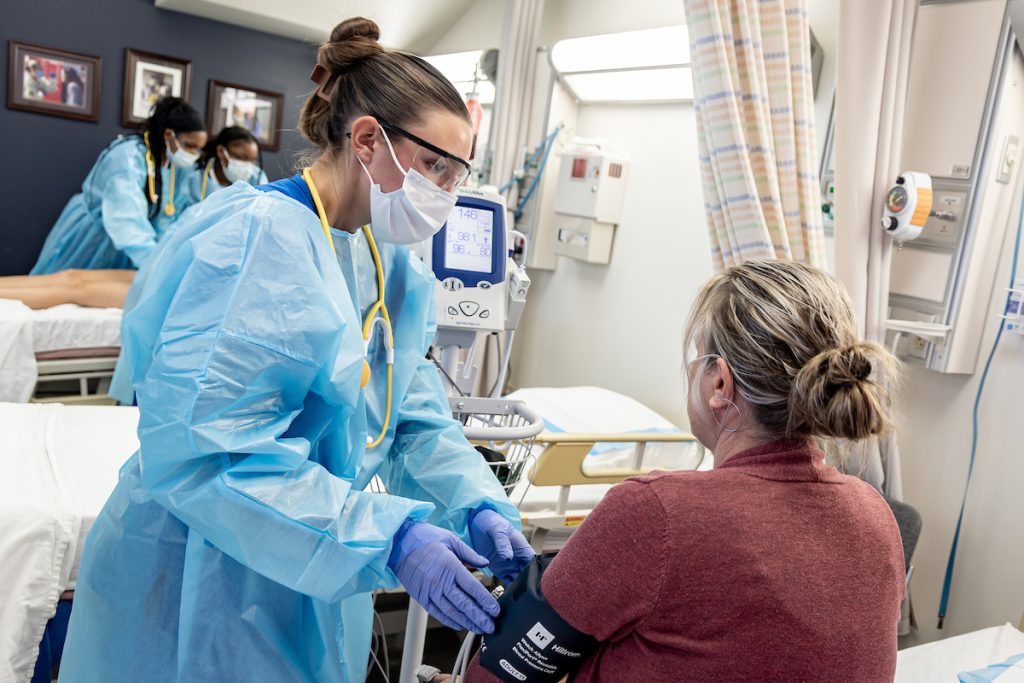
The new Master of Science in Nursing: Dual Acute Care Pediatric and Adult/Gerontology program integrates pediatric and adult-gerontology acute care preparation into one 50-credit graduate program. Designed for BSN-prepared registered nurses seeking to advance into acute care nurse practitioner roles, the program provides preparation to assess, diagnose and manage complex acute health conditions in pediatric, adult and geriatric populations.

Students will also prepare to pursue two national board certifications, one in pediatric acute care and another in adult-gerontology acute care.

“This program prepares nurses to serve people of all ages with confidence and compassion,” said Jennifer Nicpon, DNP, FNP-BC, director of Graduate Nursing and assistant professor. “That breadth of preparation gives graduates greater flexibility to respond to complex needs in acute care.”


Greater flexibility in urban and rural healthcare

The dual acute care program is designed to address needs in both urban and rural healthcare settings.

As acute care credentials become increasingly important in urban hospitals, preparation in two acute care specialties can give nurse practitioners greater flexibility to serve pediatric and adult populations within larger health systems.

That versatility may be especially valuable in rural communities, where hospitals need providers who can serve patients across a broader continuum of care. Preparing nurse practitioners to work with patients from childhood through older adulthood can help equip them to meet the varied needs of the communities they serve.

“Rural hospitals need practitioners with the versatility to serve people of all ages,” said Jessica Leiberg, PhD, DNP, dean of the School of Nursing. “By preparing nurse practitioners in both pediatric and adult specialties, we’re helping strengthen the healthcare workforce in communities where that range of expertise can make a strong impact.”


One program, two acute care specialties

The 50-credit program is designed to be completed over eight semesters and combines online coursework with in-person clinical experiences in high-acuity healthcare settings.

Students will study advanced pathophysiology, pharmacotherapeutics, advanced health assessment, evidence-based nursing practice, diagnostic skills for advanced practice registered nurses, healthcare policy and pediatric and adult-gerontology acute care.

Concordia nursing professionals also help match students with clinical locations, allowing students to focus on developing the knowledge and advanced practice skills they will need in their careers.

Graduates may pursue opportunities in settings such as hospital emergency departments, trauma centers, intensive care units and pediatric intensive care units.


Christ-centered care when patients need it most

The new program builds on Concordia’s approach to graduate nursing education by combining rigorous clinical preparation with a Christ-centered understanding of service.

Students in the Master of Science in Nursing: Dual Acute Care Pediatric and Adult/Gerontology program will integrate evidence-based practice, advanced clinical knowledge and interprofessional collaboration as they prepare to care for patients and families during some of their most critical moments.

That approach reflects Concordia’s mission as a Lutheran higher education community committed to helping students develop in mind, body and spirit for service to Christ in the Church and the world.
Applicants must hold a BSN from an accredited institution and possess a current, unencumbered registered nurse license. Additional admission requirements apply.

For more information about the Master of Science in Nursing: Dual Acute Care Pediatric and Adult/Gerontology, visit https://www.cuw.edu/academics/programs/dual-acute-care-msn/.


Want in?

Concordia University Wisconsin is a Lutheran higher education community committed to helping students develop in mind, body and spirit for service to Christ in the Church and the world.


CUW Justice Summit to examine emerging challenges facing American justice system

Artificial intelligence, violence against women and the challenges of investigating missing and unidentified persons will be among the issues explored during Concordia University Wisconsin’s Justice Summit 2026 on Wednesday, Oct. 14.


Hosted by Concordia’s Justice & Public Policy program, the free summit will bring together students, justice and public policy professionals, faculty, staff and community members for conversations about challenges facing the American justice system.

The summit, themed “Old Wine in New Bottles: New Challenges Facing the American Justice System,” will take place from 9 a.m. to 3 p.m. in the Collaboratorium of the Robert W. Plaster Free Enterprise Center on Concordia’s Mequon campus.

“At a time of growing uncertainty and concern about the justice system, Concordia University Wisconsin’s Justice & Public Policy program is bringing together representative perspectives for the 2026 Justice Summit,” said Dr. Ken Harris, associate professor and chair of the Department of Justice & Public Policy. “Our purpose is straightforward: to encourage honest conversation, strengthen mutual understanding and build trust between institutions and the communities they serve.”


EVENT DETAILS

What: Justice Summit 2026
Theme: “Old Wine in New Bottles: New Challenges Facing the American Justice System”
When: Wednesday, Oct. 14, 9 a.m. to 3 p.m.
Where: Robert W. Plaster Free Enterprise Center, Collaboratorium, Concordia University Wisconsin, 12800 N. Lake Shore Drive, Mequon
Cost: Free
Registration required: https://events.hometownticketing.com/boxoffice/cuw/L2VtYmVkL2V2ZW50LzUzNQ==


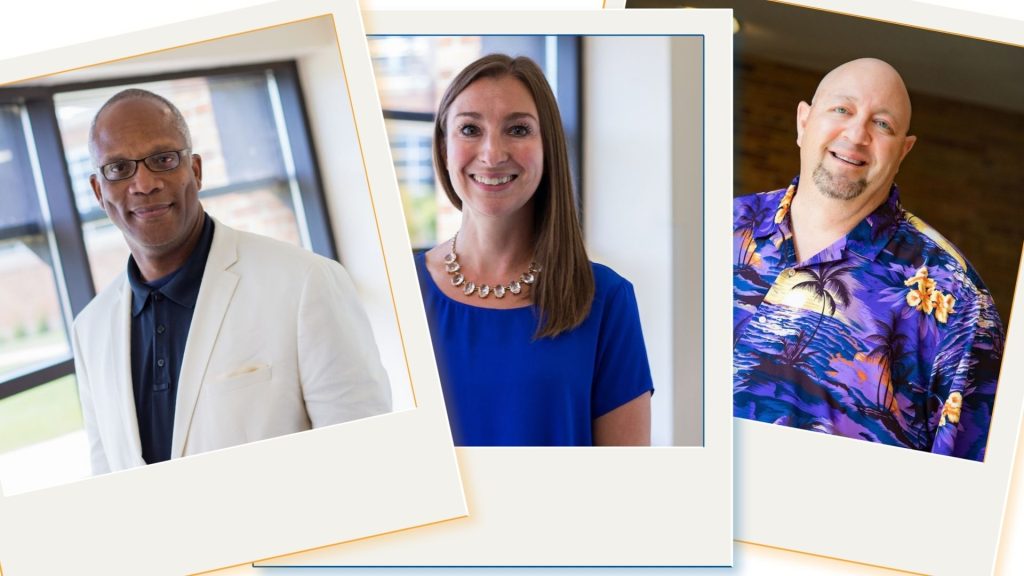
Head and shoulder shots of a man in a white shirt, woman in blue shirt and a man in a Hawaiian shirt
From left: Dr. Ken Harris, associate professor and chair of the Department of Justice & Public Policy; Rachel Pickett, PhD, professor of Psychology, department chair, and Summit presenter; and Dr. Michael Litman, professor of computer science and Summit presenter.

The summit will feature three panel discussions examining timely issues within the justice system.

The first, “Artificial Intelligence in the Justice System,” will explore topics including constitutional and ethical considerations, investigative benefits, privacy, public trust and accountability, and emerging AI technologies.

A second panel, “Violence Against Women,” will address domestic violence, sexual assault, human trafficking, victim advocacy, prevention, investigation and prosecution, and community collaboration.

The afternoon panel, “Missing and Unidentified Persons,” will examine DNA technology, forensic genealogy, interagency cooperation, national databases, victim identification and cold case investigations.

Panelists will include representatives from the Milwaukee Police Department, Milwaukee County Medical Examiner’s Office and CUW, with additional invited participants from area district attorney offices.

“We want this event to expose our students to the people who actually do this work and to the ideas, challenges and responsibilities that come with serving in the justice system,” Harris said.

The summit will also include a Lunch & Learn featuring Justice & Public Policy graduates discussing career preparation, internships, professional development and leadership. The day will conclude with a conversation about the future of justice leadership and the importance of interdisciplinary collaboration.

While the summit is free, registration is required. Click here.

Want in?

Concordia University Wisconsin is a Lutheran higher education community committed to helping students develop in mind, body and spirit for service to Christ in the Church and the world.

A legacy that lives on: Concordia honors Dr. Rob Barnhill

During Welcome Back Weekend, Concordia University Wisconsin celebrated the life and legacy of longtime Director of Athletics Dr. Rob Barnhill with two lasting honors: induction into the CUW Athletics Hall of Fame and the dedication of the Dr. Rob Barnhill Lobby inside the R. John Buuck Field House.


For more than 25 years, Dr. Rob Barnhill helped shape CUW Athletics.

He helped build programs, develop facilities and create new opportunities for student-athletes. He coached, led and cast a vision for what Concordia Athletics could become.

But for those who knew Barnhill, who died in July, his legacy was never simply about what he built. It was about the people he served along the way.

That legacy took center stage during Concordia’s Welcome Back Weekend on Saturday, Oct. 3, when the university honored Barnhill in two significant ways.

Barnhill was inducted posthumously into the CUW Athletics Hall of Fame, with his son Ty accepting the honor on his father’s behalf. Later that morning, members of the Concordia community gathered at the R. John Buuck Field House to dedicate its newly renovated lobby as the Dr. Rob Barnhill Lobby.

Together, the honors recognize a leader whose influence will remain a part of Concordia Athletics for generations.


Article content

More than buildings and championships

Barnhill began his Concordia career as the offensive coordinator for the Falcons football program, a position he held for nine seasons. During that time, the Falcons compiled a 70-20 record, captured four conference championships and qualified for the NCAA Tournament three times.

In spring 2001, Barnhill was named Concordia’s director of athletics. Over the decades that followed, he helped lead a remarkable transformation of Falcon Athletics.

New sports brought new opportunities for students. Athletic facilities across campus were built or improved. Barnhill was instrumental in the development of Kapco Park, Fitting Field, Catalyst Park, Tomasini Stadium and the Catalyst Training Center, among other projects.

Those who worked alongside him saw something beyond the physical transformation.

In an interview with the Ozaukee County News Graphic following Barnhill’s death, Stacey Brunner Jones, CUW women’s basketball head coach and interim athletic director, spoke about his impact on the growth of Concordia Athletics.

“When I started, it was the normal Midwest sports, if that makes sense. We have added new sports almost every year. And I think that is huge,” Brunner Jones said. “Then, yes, you can talk about all of the new fields and the new buildings, and all of that. He was always just looking to make sure we kept growing, and he always had a hand in that. He was our leader.”


A leader who cared for people

Barnhill’s leadership extended well beyond facilities, programs and competition.

For generations of Falcons, he was a mentor, advocate and steady presence who cared deeply about the students and colleagues entrusted to him.

Lennie Childs (’16), who played hockey at Concordia from 2012-16 and now serves as head coach and general manager of the Janesville Jets, remembers Barnhill’s influence personally.

“Incredible leader of people. Took care of his students like they were his own. I will never forget the impact he had on me and the others who had the honor to know him.”

That care for others also stood out to Concordia President Dr. Erik Ankerberg. In a message to the Concordia community following Barnhill’s death, Ankerberg reflected on what he believed mattered most about Barnhill’s years of service.

“What I will remember most is not the buildings, the championships, or the growth of our programs. I will remember Rob’s steadfast commitment to people,” Ankerberg wrote. “He cared deeply for our students, believed in the work God had called this university to do, and faithfully served that calling until the very end.”

Barnhill’s influence reached beyond Concordia, too.

In a statement following Barnhill’s death, Northern Athletics Collegiate Conference Commissioner Jeff Ligney reflected on Barnhill’s impact not only at CUW, but throughout the conference.

“Rob Barnhill’s impact on the Northern Athletics Collegiate Conference extended far beyond the success of Concordia University Wisconsin’s athletics programs. Throughout his career, Rob was a visionary leader who understood that athletics are ultimately about developing people. His unwavering commitment to student-athletes, his support of coaches and administrators, and his collaborative approach to leadership helped strengthen not only his own institution but the entire NACC.

“Rob was a friend, trusted colleague, respected mentor, and thoughtful voice whose leadership was guided by integrity, humility, and a genuine desire to create opportunities for others to succeed, Ligney continued. “His legacy will be reflected for years to come in the thousands of student-athletes whose lives were enriched by his leadership and in the countless colleagues who were fortunate to work alongside him.”


Article content

A name that will welcome Falcons home

Now, Barnhill’s name has a permanent place inside a building that represents so much of the athletics community he spent decades serving.

The newly renovated Dr. Rob Barnhill Lobby welcomes student-athletes, alumni, families, friends and visitors into the R. John Buuck Field House, Concordia’s gymnasium. The Field House itself bears the name of former Concordia President Rev. Dr. R. John Buuck, who served from 1979 to 1996.

For future Falcons, Barnhill’s name on the lobby will offer an opportunity to learn about the man who helped build the athletics experience they inherit. For alumni, coaches and colleagues who knew him, it will be a reminder of a leader, mentor and friend.

The dedication and Hall of Fame induction also point to something deeper about Barnhill’s legacy at Concordia.

His work was ultimately about creating opportunities for people to grow.

That calling reflects Concordia’s mission to develop students in mind, body and spirit for service to Christ in the Church and the world. Barnhill lived out that mission through athletics, using his vocation to serve students, support colleagues and help others develop the gifts God had given them.

Even through illness, he continued serving the university community and the mission in which he believed.

Barnhill leaves behind his wife, Stephanie, and their sons, Ty and Caden, along with generations of Falcons whose lives bear witness to his service.

Buildings will change. Records will be broken. New teams will take the field.

But the people Barnhill invested in will continue to carry his influence forward.

And now, every time Falcons enter the Dr. Rob Barnhill Lobby, they will be reminded of a life spent serving them.

“God is our refuge and strength, an ever-present help in trouble.” (Psalm 46:1)


Want in?

Concordia University Wisconsin is a Lutheran higher education community committed to helping students develop in mind, body and spirit for service to Christ in the Church and the world.


CUW ranks No. 2 among Wisconsin’s private national universities

Concordia University Wisconsin is the second-highest-ranked private institution in Wisconsin, according to the 2027 U.S. News & World Report National Universities rankings. CUW ranks No. 4 among all national universities in Wisconsin, with only one private institution ranking higher.


The university also climbed 30 spots to No. 299 among national universities and ranks No. 142 among private universities.

President Erik Ankerberg acknowledged the rise in the rankings but said they are only one measure of the work happening across the university.

“The ranking is an encouraging external validation of the work we see happening across this campus every day,” he said. “But rankings are only one way of looking at a university. What matters most is the education we provide, the opportunities we create for our students and the impact our graduates have in the communities they serve.”


Gaining breadth without losing identity

The rankings reflect a university with an increasingly broad academic reach while maintaining the Lutheran identity at the heart of its mission.

Students come from 49 states and 23 countries to attend a university that offers more than 70 undergraduate programs, more than 30 master’s programs and eight doctoral programs.

CUW continues to expand opportunities in the health professions while building new academic partnerships. Its partnership with Idaho College of Osteopathic Medicine creates pathways for qualified students pursuing medical education and includes plans for an ICOM instructional site on the campus, contingent on accreditation.

Faculty scholarship and research continue across disciplines, while partnerships with schools, churches, healthcare organizations and businesses extend Concordia’s reach beyond campus.

The larger story is not simply one of growth. It is about expanding academic opportunities while maintaining a commitment to excellence and Concordia’s Lutheran identity.


Deep roots and a growing reach

Concordia’s roots remain central to its identity. The university continues to serve students and communities throughout the state through partnerships with schools, churches, employers and other organizations.

At the same time, CUW’s graduate programs, research activity and health professions programs are extending its reach. Doctoral programs, graduate education and partnerships in healthcare position the university to serve students and communities in new ways.

None of that guarantees a higher ranking next year. Rankings and methodologies change. What the latest results show is where Concordia stands today, even as the university remains focused on its Lutheran mission.


Finding the right fit

Each year, students choose Concordia for reasons that extend beyond rankings. For some, it is the university’s Christ-centered, confessional Lutheran identity. For others, it is particular academic programs, career pathways, athletics, fine arts opportunities or student organizations.

For many, it is the combination of those things within a close-knit university community.

Senior Jenna Piwowarczyk, who is majoring in politics, philosophy and economics, said her experience at Concordia has shaped several areas of her life.

“It’s no surprise to me that Concordia University Wisconsin continues to flourish and climb the rankings,” Piwowarczyk said. “Since coming to Concordia, I have grown in every aspect of my life: faith, academics, social life and even physical health. All of my classes offer discussion and one-on-one work with astounding professors, so I always feel set up to succeed. Faith on campus guides the strong community among students and gives each person the chance to grow in their own way. It’s been one of the best decisions of my life!”

U.S. News considers factors including graduation and retention, academic reputation, faculty and financial resources, graduate earnings and research when compiling its Best Colleges rankings.

Those measures can provide useful context, but they cannot capture every factor that shapes a student’s college experience. Choosing a college is about finding a place that fits who students are and helps prepare them for who God has called them to be. That is something a national ranking cannot fully measure.

At Concordia, the goal is not simply to move higher on a list. The university is committed to helping students develop in mind, body and spirit for service to Christ in the Church and the world. That mission is lived out through strong academics, meaningful experiences and preparation for lives of vocation and service.

For a Lutheran university with deep Wisconsin roots and an expanding academic portfolio, moving 30 places in the rankings marks an important moment. But Concordia’s greater measure of success remains what happens beyond the rankings: how students grow during their time at the university and how they use their education in service to Christ, the Church and the world.

Lead. Teach. Serve.


In the news: CUW’s rise in the U.S. News & World Report rankings has also drawn attention from local media. The Milwaukee Journal Sentinel, Milwaukee Business Journal and KDHL Radio have reported on Concordia’s movement in the latest rankings.


Want in?

Concordia University Wisconsin is a Lutheran higher education community committed to helping students develop in mind, body and spirit for service to Christ in the Church and the world.


Why Concordia’s Compassion Care Certificate prepares you for any career

Students from every major learn that compassion may be one of the most valuable skills they take with them after graduation.


Technical skills may open doors, but compassion is what often changes lives.

Compassion is both innate and nurtured. It grows through relationships, experiences and a willingness to see others as Christ sees them. In a world where anxiety, loneliness and grief have become all too common, learning how to care for others may be one of the most valuable skills a person can develop.

Sometimes that learning begins with an unexpected teacher, like a beloved family pet. At CUW, it often begins with a comfort dog.

Through the Compassion Care Certificate, students combine coursework in trauma-informed care and social-emotional learning with hands-on experiences alongside Runner, Concordia’s comfort dog who participates in the program.

When Kylie Kapler first visited Concordia, the concept of comfort dogs caught her attention. It was something she hadn’t encountered at other universities. Now a senior interior architecture and design major, a student in the Compassion Care Certificate program, and the current treasurer of Concordia’s Comfort Dog Club, she says learning about the certificate changed her college experience.

“When I learned that there was a program on campus, it really sparked my interest to become a handler,” Kapler said. “I was excited about developing handling skills with comfort dogs and learning compassion caregiving skills that I can use now and into my future.”


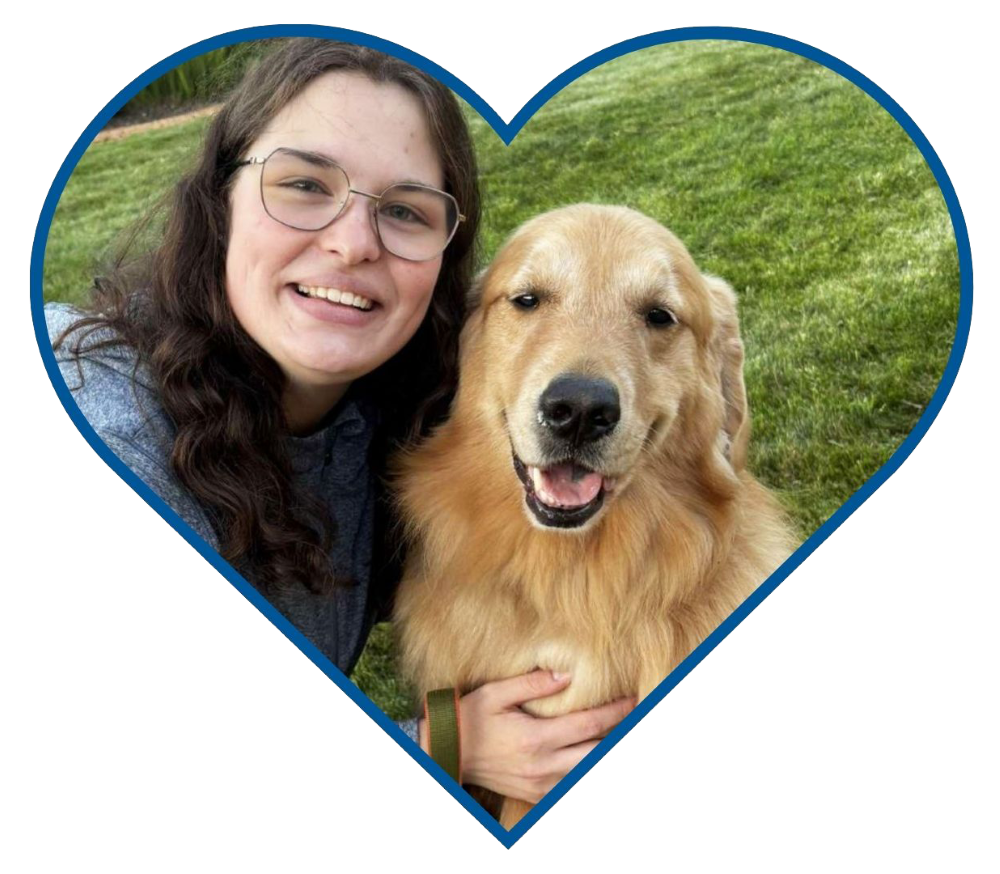
dog head in hear
Meet Runner! He is housed under the School of Education, but serves a variety of majors across campus.

Learning with purpose

Launched in 2021, the Compassion Care Certificate prepares students to serve others through coursework in trauma-informed care, social-emotional learning and compassionate caregiving. Students pair classroom learning with hands-on experiences alongside Runner. The beauty of the program is that they develop practical skills they can carry into any profession.

Rhonda Verdegan, PhD, professor of athletic training and co-creator of the Compassion Care Certificate, has watched students grow through the program since its inception.

“The dogs open the door,” she said. “They give students a way to connect with people who are hurting, grieving, struggling or simply having a difficult day. The certificate gives students tools they can carry into whatever profession they choose.”


Compassion isn’t limited to one profession

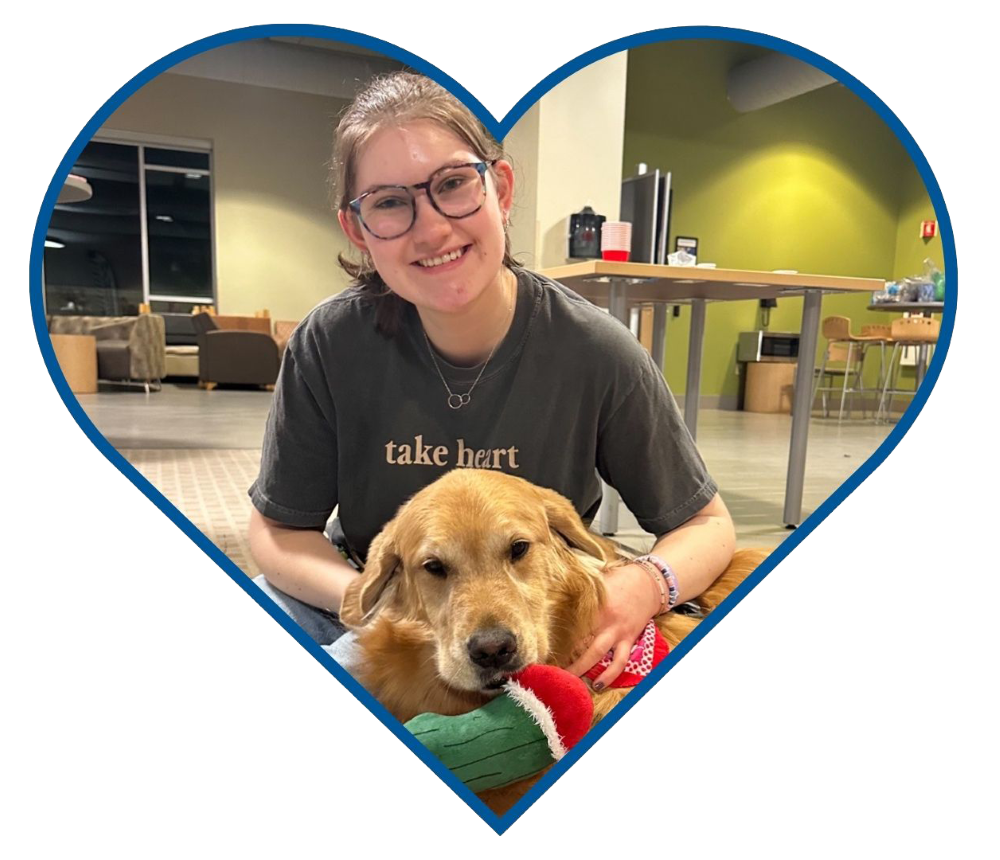
dog head and girl head in heart
“Runner brings smiles, laughter and calm to everyone he greets. He’s such a blessing to our Concordia family.” —Kylie Kapler

Fun fact: Although education students make up the largest group in the program, the certificate attracts students from psychology, counseling, social work, athletic training, physical therapy, occupational therapy and many other majors. Compassion has value in every profession.

“The classes help develop relationship-building skills that everyone can benefit from, regardless of what they are majoring in,” Kapler said. “I’ve developed leadership skills and have grown my self-confidence throughout this program. This is something that I can share with others.”

Verdegan sees that same growth in students each year. Through weekly handling responsibilities, reflection assignments and community outreach, students build confidence, strengthen interpersonal skills and learn to recognize when someone needs support.


Learning through service

The classroom is only one part of the experience. Student handlers accompany Runner during visits to schools, nursing homes, hospitals, churches and other community organizations. They learn that compassionate care often begins with simply showing up.

Some of Runner’s visits are planned in advance, while others come with little notice—a request from an alumnus whose parent is hospitalized, a school seeking comfort after the loss of a student or a call asking Runner to support those affected by a tragedy on campus.

“We’ll get invites from community people quite frequently,” said Verdegan. “Going to nursing homes, going to schools—we’ve gone to hospitals in the past. We’ll sometimes get special messages from people who know about Concordia or graduated from here saying, ‘My mom is really sick in the hospital. Is there any way Runner could come visit?'”

Those experiences reinforce the idea that compassionate care isn’t limited to one profession or setting. Whether supporting a grieving family, visiting residents in a nursing home or sitting quietly with someone who needs a listening ear, students learn that one of the greatest acts of service is simply being present.


A campus of care

girl with glasses and dog
“The dogs help students forget about their issues for at least a few minutes.” —Brenna Bennett

That same spirit of care extends across campus with a second dog named Sage.

Junior accounting major Brenna Bennett, president of the Comfort Dog Club, says students naturally gravitate toward Runner and Sage wherever they go. While Runner participates in the

Compassion Care Certificate program, Sage serves through a separate ministry with Lutheran Church Charities (LCC). Both dogs bring comfort and companionship to the Concordia community.

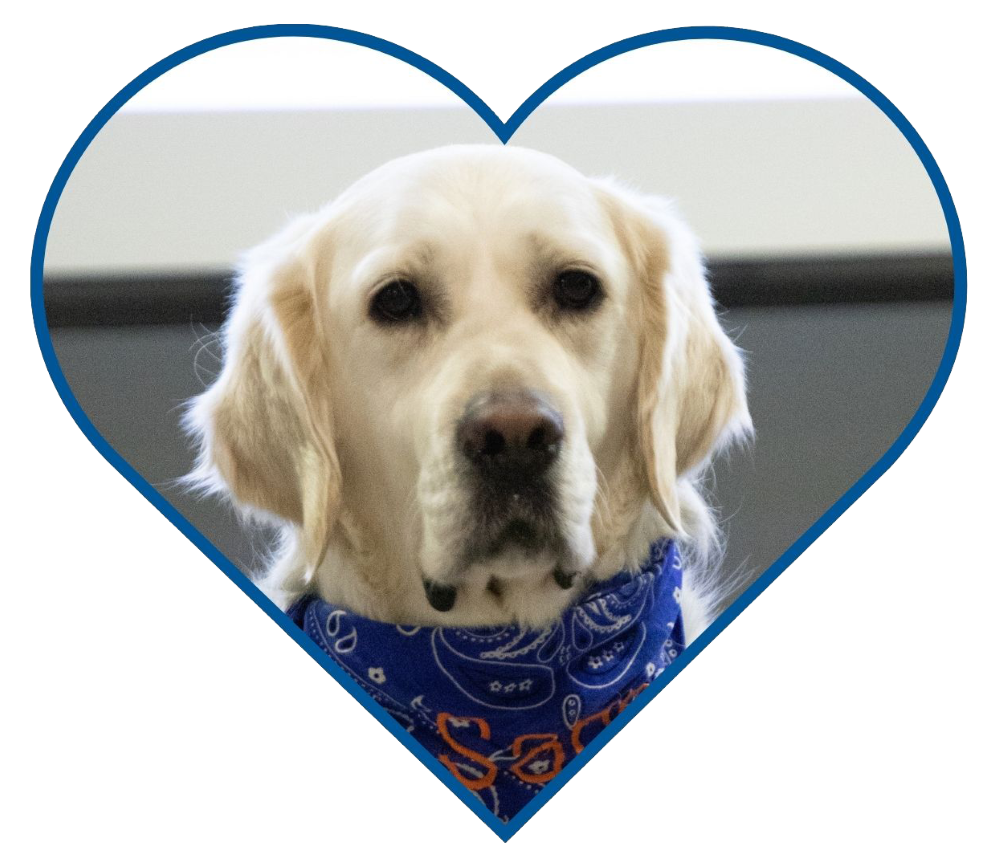
dog head inside hear
Meet Sage! An LCC K-9 Comfort Dog serving through Concordia’s School of Health Professions.

“When I walk around campus with Runner, we always get stopped by students who want to pet him and say hi,” Bennett said. “I can always tell where Sage or Runner are because there will be a crowd of students sitting on the floor around them. The dogs help students forget about their issues for at least a few minutes.”

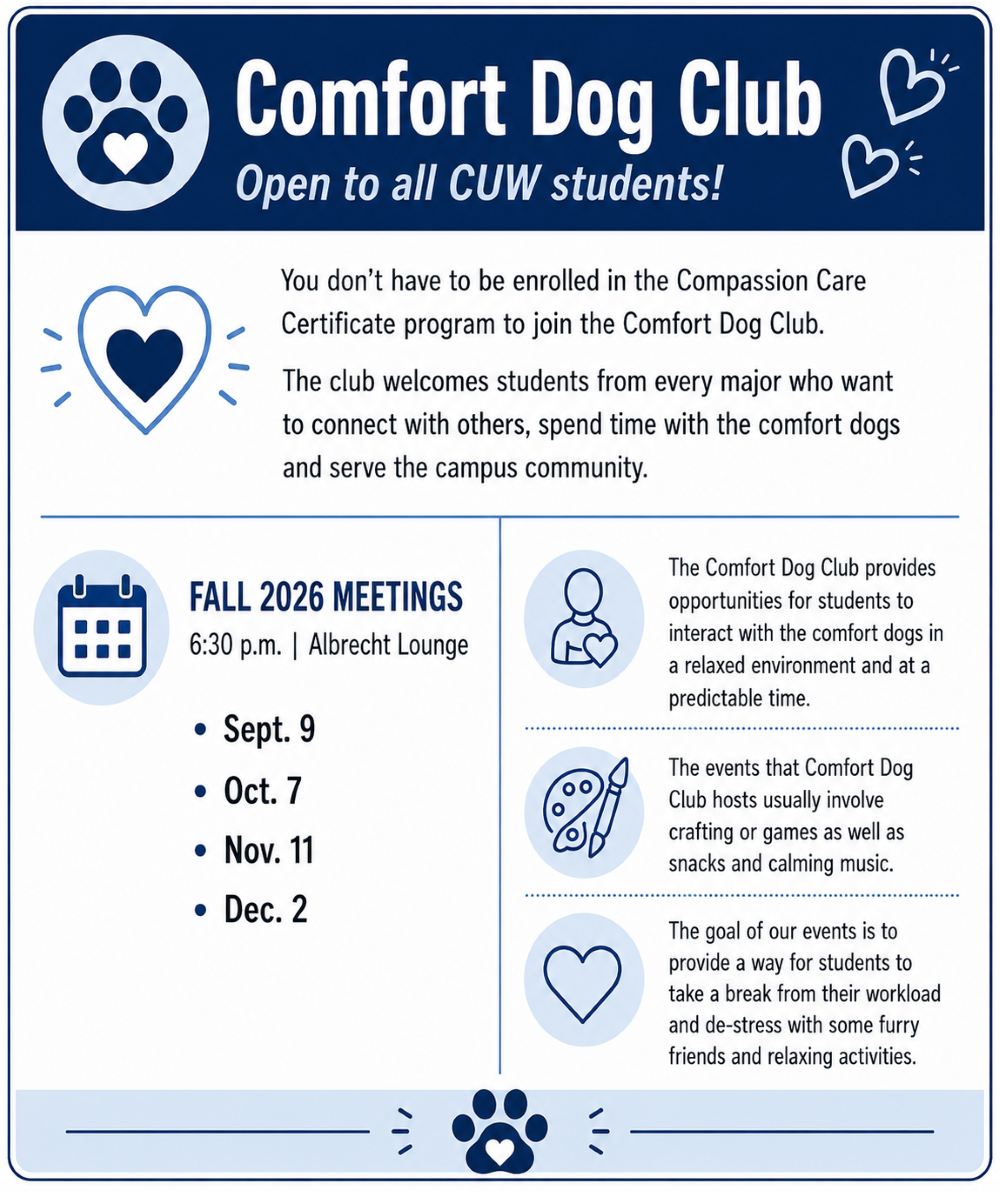
The Comfort Dog Club gives students from every major an opportunity to spend time with the dogs. Open to all students, the club hosts monthly gatherings featuring crafts, games, snacks, calming music and time with the comfort dogs.

“The goal of our events is to provide a way for students to take a break from their workload and de-stress with some furry friends and relaxing activities,” Bennett said.


Preparing students for a lifetime of service

Verdegan believes the need for compassionate caregivers is greater than ever. Through Runner and the students who serve alongside him, she has witnessed the difference a simple act of kindness can make in someone’s life. With tears in her eyes, she reflected on the lesson she hopes students carry with them long after graduation.

“I don’t think any of our struggles are going to go away,” she said. “Having someone recognize you and say, ‘How can I help you?’ or ‘How can I listen to you?’—those are really important things that we all need to continue to be thoughtful about when it comes to helping others.”

Kapler said the certificate has strengthened her understanding of Concordia’s mission and the importance of serving others through faith.

“CUW is deeply rooted in faith, focusing on how we can provide comfort and service to people on campus as well as out in the community,” she said. “There is always a need for giving and providing comfort, and I’m so grateful that the certificate offers this opportunity to students.”

Verdegan hopes the program continues to shape students for years to come because, in the end, it has never really been about the dogs alone.

“The dogs remind us that sometimes the most important thing we can do for someone is simply be present,” she said. “That’s why I hope the program continues to grow and remains part of Concordia for a long time.”

Editor’s note (Oct. 14, 2026): Sage is a Lutheran Church Charities K-9 Comfort Dog who serves through a ministry separate from Concordia’s Compassion Care Certificate program. Sage does not participate in the certificate program. We apologize for any confusion.

Like this article? Check out “The legacy of Concordia’s first comfort dog.”


Want in?

Concordia University Wisconsin is a Lutheran higher education community committed to helping students develop in mind, body and spirit for service to Christ in the Church and the world.

One conversation can change healthcare

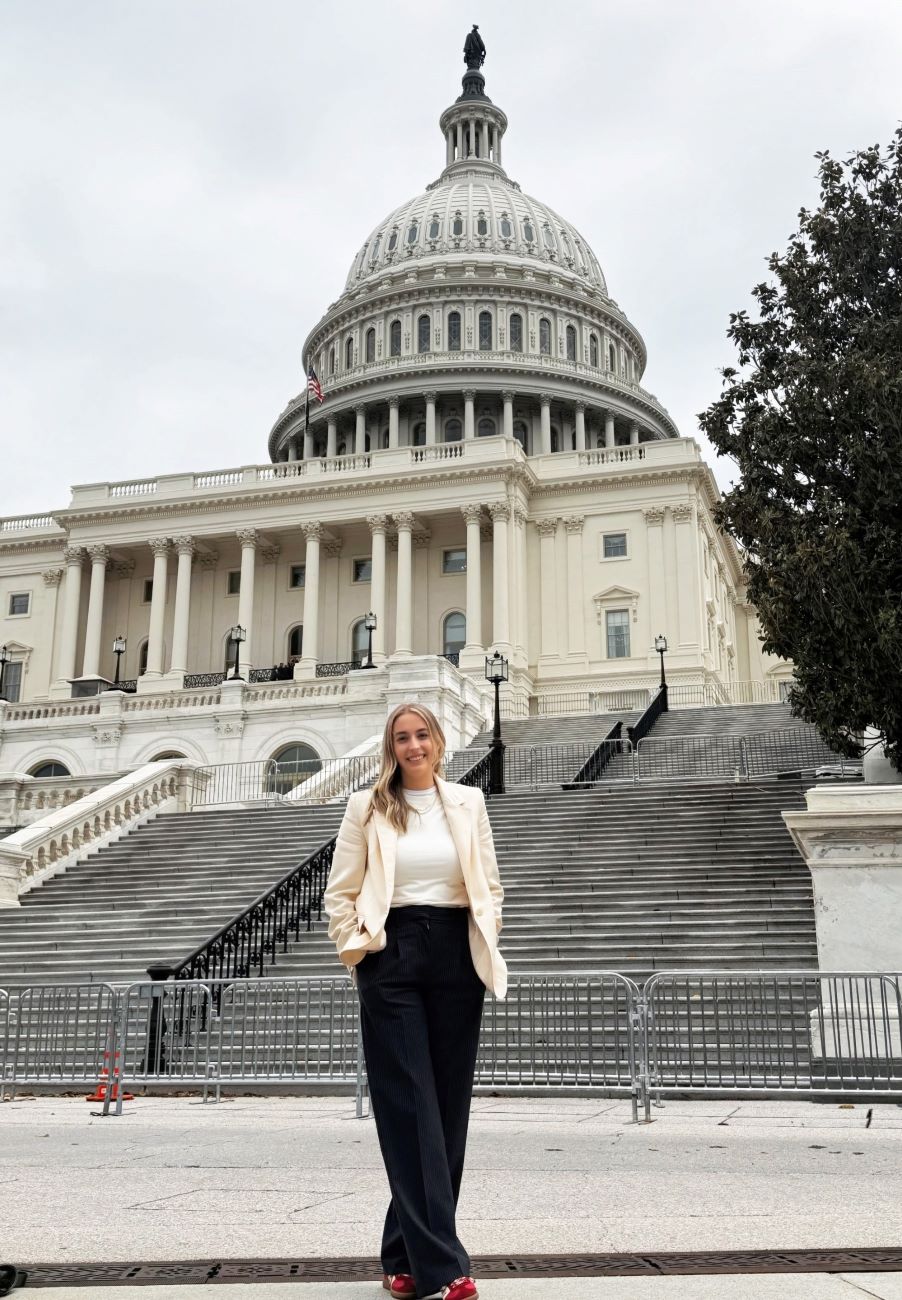
Concordia alumna Kayla Hensley (’23) advocates for patients and providers on Capitol Hill.


Kayla Hensley, a 2023 graduate of CUW’s Speech-Language Pathology program and current regional vice president for Continuum Therapy Partners, traveled to Washington, D.C., earlier this year as part of the National Association of Rehab Providers and Agencies (NARA) Advocacy Expert Program.

Alongside rehabilitation leaders from across the country, she met with congressional staff members and healthcare leaders to discuss issues affecting patient care, telehealth access, reimbursement policies and the future of rehabilitation professions.

The experience gave Hensley the opportunity to represent not only speech-language pathologists, but rehabilitation professionals across multiple disciplines.

“We need to build relationships with legislators so they understand how policies affect our professions, our students and our patients,” Hensley said. “They can’t make informed decisions unless healthcare professionals are part of those conversations.”


Learning to lead through advocacy

woman dressed professionally in front of Capital

The NARA Advocacy Expert Program prepares therapy professionals for advocacy work at the state and federal levels through a yearlong initiative. Participants receive training on healthcare policy, legislation, reimbursement structures and communication strategies before meeting directly with lawmakers in Washington.

Leaders within her organization nominated Hensley for the program, and the selection committee chose her as part of the program’s second cohort.

“I was shocked and very appreciative,” she said. “Advocacy is already a large part of what therapists do every day when we advocate for patients and services. This experience took that advocacy to another level.”

During meetings on Capitol Hill, Hensley and her cohort discussed several pressing healthcare topics. One major issue involved telehealth services for therapy disciplines, including speech-language pathology, occupational therapy and physical therapy.

As current legislation stands, expanded telehealth access for some therapy services could expire in 2027 unless lawmakers take additional action.

“We talked a lot about how important telehealth is for rural communities, especially in states like Wisconsin,” Hensley said. “Some patients may have to drive hours to access care. Telehealth allows them to receive services more safely and efficiently.”

The group also addressed Medicare reimbursement reductions affecting therapy providers and the financial barriers students face while pursuing advanced healthcare degrees.

For Hensley, one of the most eye-opening parts of the experience was realizing how heavily lawmakers rely on clinicians to explain what is happening within healthcare systems.

“What stood out most was how much legislators and staffers genuinely didn’t know about what’s happening in our field,” she said. “That reinforced how important advocacy is.”


A foundation built at Concordia

Although advocacy work took Hensley to Washington, she says the foundation for that work began at Concordia.

After earning her undergraduate degree from Indiana University, Hensley moved to the Milwaukee area and worked as a hearing instrument specialist before deciding to pursue graduate school. Concordia’s smaller program and close-knit faculty support drew her in.

“I really wanted a program where I had quick access to professors and strong support systems because of how intensive clinical education is in speech-language pathology,” she said. “Concordia stood out immediately.”

Now working closely with universities and clinical placement programs across Wisconsin, Hensley says CUW students continue to impress healthcare partners.

“The feedback we consistently receive from clinical instructors is that Concordia students are very well prepared,” she said. “Their clinical education is top notch.”

“Kayla’s dedication to excellence was evident in every setting—classroom, clinic, and research—where she led with integrity and followed the data,” said Dr. Cindy Lund, CCC-SLP, C/NDT, associate professor of speech-language pathology. “What impressed me most was her readiness to do the hard, ethical thing when no one was watching; that’s the kind of clinician patients deserve.”

“As Kayla’s advisor and mentor, I saw her lead with quiet conviction—speaking up and advocating for what’s ethically right,” Lund added. “Across settings, she paired evidence with empathy, modeling the kind of advocacy-driven leadership our profession needs.”

Hensley credits several faculty members for helping shape both her educational experience and professional path, adding that the support she received at Concordia continues to this day.

“The entire program really stays connected with students long after graduation,” she said.


Looking ahead

That sense of connection and purpose continues to influence the way Hensley approaches leadership today.

“Concordia emphasizes service, leadership and vocation,” she said. “Being grounded in my faith and understanding that my work serves patients and clinicians has been really meaningful.”

Hensley plans to continue advocating throughout her career, even though advocacy is not formally included in her job title. She is especially passionate about mentoring students entering the profession and helping them understand healthcare’s clinical and policy sides.

“When students complete clinical placements within our facilities, we teach them not only clinical skills, but also how healthcare systems and regulations work,” she said. “I want students to feel confident entering the profession and understand how to advocate for themselves and their patients.”

Looking back on her experience, Hensley says the trip reinforced how much progress can begin with a single conversation.

“You don’t have to go to Washington, D.C., to advocate,” she said. “You can start within your own state, your organization, or your professional network.”

Her journey from Wisconsin to Washington reflects the growing role healthcare professionals play in shaping the future of patient care. It also highlights how CUW graduates are stepping into leadership roles far beyond the classroom.


Want in?

Concordia University Wisconsin is a Lutheran higher education community committed to helping students develop in mind, body and spirit for service to Christ in the Church and the world.

Where to find Concordia this summer

Students, alumni, families and friends are invited to join Concordia at three signature summer events across Ozaukee County.


Summer in Wisconsin brings communities together. From county fairs and outdoor concerts to neighborhood festivals, people gather to enjoy some of the year’s most anticipated traditions. Concordia’s participation in these events reflects its commitment to serving and connecting with the communities it calls home.

As Executive Vice President Steven P. Taylor, EdD, explains, “Connection beyond campus is where education becomes lived experience—where partnerships turn into shared impact and lasting relationships.”

This summer, Concordia will be part of three popular events throughout Ozaukee County.


crowd in front of musician
Photos courtesy of Rise and Shine in the Park

Spend an evening at Rise and Shine in the Park

July 27 | Mequon

flyer for Rise and Shine 2026 with woman sitting on couch

Rise and Shine in the Park has become a summertime tradition for many local families. This year’s event features Christian recording artist Jamie MacDonald, along with live music from The Praise & Spirits Band. Guests can enjoy food vendors, a beer garden, and opportunities to gather with neighbors and friends.

This free community event takes place at The Foxyard at Foxtown Station in Mequon and does not require registration.

Concordia will once again join the celebration, offering attendees an opportunity to connect with Falcons, while enjoying an evening centered on faith, music and community.

Lori Lorenz, president of the Mequon-Thiensville Community Foundation, said Concordia has been a valued partner of the Rise and Shine Music Series since its launch in 2022.

“They have supported our annual concerts featuring Christian artists such as Danny Gokey, Cain, Unspoken and now Jamie MacDonald,” she said. “With Concordia’s support, it has grown into a vibrant community gathering rooted in hope, worship and unity.”

Doors open at 4:30 p.m. The Praise & Spirits Band performs at 5:30 p.m., followed by Jamie MacDonald at 7 p.m. Please bring lawn chairs.

Location: The FoxYard at Foxtown Station, 6209 W. Mequon Rd., Mequon, Wis.


girl with chicken on left and light up ferris wheel on right
Photos courtesy of Ozaukee County Agricultural Society

Celebrate a community tradition at the Ozaukee County Fair

July 29-Aug. 2 | Cedarburg

circle county fair logo

Concordia will be part of the festivities at the Ozaukee County Fair, one of Wisconsin’s longest-running community traditions.

Now in its 167th year, the fair welcomes thousands of visitors each summer for five days of entertainment, agriculture, food and family activities. It also remains one of the last free county fairs in the state.

For generations, the fair has brought together families from across Ozaukee County and beyond, making it a summer tradition for many in the community.

Students and alumni visiting the fair are encouraged to stop by the Concordia booth to connect with university representatives and fellow Falcons.

This year’s fair will feature the world-famous Budweiser Clydesdales, making one of only a few Wisconsin appearances during their 2026 tour. Fairgoers can see the iconic horses throughout the week.

Families can enjoy carnival rides throughout the week, with ride hours beginning at 4 p.m. Wednesday and noon Thursday through Sunday. Special accommodations will be available from noon to 2 p.m. Friday, when free midway rides will be offered to individuals with special needs.

Location: Ozaukee County Fair Grounds, W67 N866 Washington Avenue, Cedarburg, Wis.


Musicians on stage with fans in background
Photos courtesy of Country in the Burg

Look for Concordia at Country in the Burg

Aug. 28-29 | Cedarburg

Concordia’s largest sponsorship of the summer will take place at Country in the Burg.

flyer with musicians listed

As the event’s exclusive higher education partner and entrance sponsor, CUW will have a visible presence throughout the two-day music festival. Attendees will see Concordia branding at the main entrance, on-site engagement opportunities and recognition before featured performances.

The event draws visitors from across Wisconsin and northern Illinois, creating a lively atmosphere for country music fans and festivalgoers alike.

Students, alumni, faculty and staff can also look for Concordia’s booth, where university representatives and student ambassadors will be available to connect with attendees throughout the weekend.

Country in the Burg founder and organizer Alex Uhan believes the partnership is a natural fit.

“CUW and Country in the Burg are the perfect partners. It’s a great way for students, faculty and staff to kick off the school year with the region’s largest country music festival right down the road from campus before the fall semester begins,” he said. “It’s also great for Country in the Burg because we can promote CUW as the festival’s official university partner and give our fans a chance to see what CUW is all about as an amazing university.”

Location: Cedar Creek Park, N54 W5900 Portland Road, Cedarburg, Wis.


family at community event

Growing community

Some traditions are worth showing up for because some of the best moments happen outside the classroom.

Whether it’s gathering for an evening of worship and music, spending a day at the county fair with family or making memories with friends at a summer festival, these experiences have a way of bringing people together across generations. They remind us that relationships are built one conversation, one shared experience and one moment at a time.

Whether you’re reconnecting with fellow Falcons, enjoying live music or celebrating a local tradition, these events offer meaningful ways to be part of the places Concordia proudly calls home.


Local partnerships

For additional reading on summer partnerships:


Want in?

Concordia University Wisconsin is a Lutheran higher education community committed to helping students develop in mind, body and spirit for service to Christ in the Church and the world.

New tuition rates expand affordability for online and graduate students

At a time when many colleges and universities are increasing costs, Concordia University Wisconsin is taking a different approach.


The university has lowered tuition for its online undergraduate programs and several graduate programs, helping remove financial barriers for working adults and students seeking to advance their careers.

This decision reflects Concordia’s ongoing commitment to expanding opportunities for learners who may have delayed their educational plans because of cost.

For many students, cost remains one of the biggest obstacles to pursuing a degree. Concordia’s new tuition model lowers costs directly while helping students better understand the true cost of attendance from the start.

“Concordia decided to lower tuition because we wanted to make our online undergraduate and graduate programs more affordable, transparent and accessible,” said Kevin Sheridan, vice president for Enrollment. “While scholarships had helped offset costs in the past, they also made the published tuition price appear higher than what many students actually paid. By reducing tuition directly, we are giving students a clearer understanding of their investment from the beginning.”


Making education more attainable

“This tuition reduction tells prospective students who may have delayed completing or starting a degree, because of cost, that Concordia is working to make that next step more attainable,” Sheridan said. “By lowering tuition directly and making pricing more transparent, we are reducing uncertainty and helping students better understand the true cost of their investment. The message is clear: If cost has been holding you back, now may be the right time to reconsider Concordia.”

The change also makes Concordia’s programs more competitive and easier for prospective students to evaluate alongside other institutions.

“These reductions are significant because they make Concordia’s online undergraduate and several graduate programs more transparent, more competitive and easier for prospective students to evaluate against other programs in the region,” Sheridan said. “Many students compare programs before applying, and a lower, more straightforward tuition rate can make Concordia stand out as an affordable, high-quality option.”


Supporting working adults and career-minded learners

The new tuition rates are expected to benefit a wide range of learners, particularly those who are carefully weighing cost, value and return on investment.

“The students who will benefit most are working adults, career changers, first-generation graduate students, and those who are paying out of pocket, using loans or relying on employer reimbursement,” Sheridan said. “These students are often very focused on affordability, transparency and return on investment. By lowering tuition directly, Concordia is making our high-quality education more financially realistic for students who may have delayed or dismissed the possibility because of cost.”

For students balancing careers, families and financial responsibilities, the reduced tuition rates provide a more predictable pathway toward educational advancement and long-term career goals.


Addressing workforce needs in education

The impact of affordability extends beyond individual students. It also affects communities and professions facing critical workforce shortages.

Across Wisconsin and the nation, schools continue to seek qualified teachers, administrators, counselors and educational leaders. Dr. James Pingel, dean of Concordia’s School of Education, says affordability plays an important role in helping address those challenges.

“‘Affordability’ has been the term that’s been spoken about and felt, perhaps more than any other the last five years,” Pingel said. “Since so many people are living paycheck to paycheck, anything universities can do to lower costs, including tuition, the more affordable higher education becomes for families and prospective teachers.”

Current educators often face two significant barriers when considering graduate education.

“Time and money have always been barriers for earning a post-bachelor’s degree,” Pingel said. “Most people who would like to pursue a master’s degree are already working fulltime jobs and they also are living paycheck to paycheck. Moreover, many schools used to provide extra professional development funds that teachers could use to earn their master’s degree, but many schools are no longer providing this monetary support. So current teachers have to weigh if the time, money and lack of employer-funded scholarships are worth it.”

Reducing tuition helps make advanced degrees, certifications, and leadership preparation more attainable for those already serving in classrooms and schools.


More than a degree

While affordability is important, Concordia leaders emphasize that education is about more than earning a credential.

“While earning your advanced degree can do a lot for you (that’s the transactional), it’s what the learning does to you that matters even more (that’s the transformational aspect of lifelong learning),” Pingel said. “And as you grow and learn, you become a more effective teacher or administrator and a better citizen. You are modeling the way!”

As educators and professionals continue to grow, they share their knowledge and experience with others, creating a ripple effect throughout schools, organizations, churches and communities.


Living out Concordia’s mission

The tuition reduction reflects Concordia’s mission of helping students develop in mind, body and spirit for service to Christ in the Church and the world. It also aligns with the university’s commitment to increasing access and opportunity for learners.
“This decision reflects Concordia’s commitment to affordability, access and student success because we are always looking for ways to increase student access by making our education more affordable,” Sheridan said. “By lowering tuition directly, we are reducing financial barriers, making costs more transparent, and helping students better understand the investment required.”

Looking ahead, university leaders see affordability initiatives as an investment in both students and the communities they serve.

“Affordability initiatives like this help Concordia strengthen the leadership pipeline by making our online undergraduate and graduate education more accessible to talented students who are already serving their communities,” Sheridan said. “In turn, communities benefit from graduates who are equipped to lead with skill, purpose and a commitment to service.”

For Pingel, the significance goes beyond the numbers.

“The real story is that we care about our students beyond a transaction, a tuition payment,” he said. “We know the affordability challenge is real for many of them, and a tuition reduction—of any size—demonstrates that we are listening and attuned to their circumstances and needs.”

By lowering costs and increasing transparency, Concordia continues its commitment to helping students pursue their calling, advance their careers, and prepare to make a meaningful difference in the Church and the world.


Want in?

Concordia University Wisconsin is a Lutheran higher education community committed to helping students develop in mind, body and spirit for service to Christ in the Church and the world.

Where learning meets ministry

Director of Church Ministries students are spending their summer serving churches, camps and communities across the country while putting classroom learning into practice.


This summer, Director of Church Ministries students are serving in churches, camps and youth ministries from Indiana to Arkansas to Colorado. Through their internships, they are gaining firsthand ministry experience while supporting congregations and communities.

“First and foremost, these internships help prepare our students for church work,” said Rev. Dr. Kurt Taylor, professor of theology and director of Church Ministries. “A blessed byproduct is that the wider church has an opportunity to see the quality of our Concordia students and the gifts they bring to ministry.”

For Kelsie Gerhardt, Adam Homann and Ally Moreno, that preparation is taking shape in ministry settings across the country.


Equipping the next generation

woman with glasses and black shirt

Junior Kelsie Gerhardt is serving at Cornerstone Lutheran Church, a multisite LCMS congregation in Indiana. As a member of the church’s Faith Formation team, she works primarily at the Carmel site, helping lead ministry for students in grades 5-12.

This summer, Gerhardt is leading youth groups, writing Bible studies and supporting mission experiences for students. One trip brought youth to St. Louis, where they partnered with St. Trinity Lutheran Church to lead a Vacation Bible School for neighborhood children. Later this summer, students will travel to Detroit to participate in service projects throughout the city.

Gerhardt said serving at a multisite congregation has given her the opportunity to work alongside ministry staff across five cities. She also appreciates the congregation’s culture of prayer and collaboration, from gathering weekly to pray for church members to serving together on mission trips throughout the summer.

“I’m learning what larger church ministry is like, and it’s so different from anything I’ve ever done before,” she said.


Leading a summer of faith and adventure

man with burgundy shirt and glasses

At Camp Trinity on Petit Jean Mountain in Arkansas, senior Adam Homann is serving as summer program director. Located near Petit Jean State Park, the camp welcomes 20 to 40 campers each week for five-night stays filled with outdoor activities, Christian fellowship and faith formation.

Campers spend their days participating in activities such as archery, canoeing, hiking, horseback riding and camp games. Behind the scenes, Homann helps ensure each week runs smoothly. He oversees summer counselors and staff, develops Bible study curriculum, writes nightly chapel devotions and leads staff training before each camp session.

The internship aligns closely with Homann’s goal of serving in full-time camp ministry after graduation.

“Camp ministry is so important to our well-being as Christians,” said Homann, known at camp as “Switch.” “It allows us to take a step back from the busyness of life and dedicate our time to studying God’s Word and fellowshipping with other Christians in God’s beautiful creation.”

After camp is over, Homann said campers and staff alike return to the “real world” refreshed and renewed in their faith. “I am blessed to play a part in this wonderful ministry this summer,” he said.


Building community through ministry

woman singing into microphone surrounded by children

Senior Ally Moreno is spending her summer in Colorado Springs, Colo., as the student ministry intern at Family of Christ Lutheran Church.

Throughout her 12-week internship, Moreno works with children, youth and college students, helping them grow in their faith through service, fellowship and Bible study.

Among the summer’s highlights was Junior High Service Week, which sent students throughout the Colorado Springs and Denver metropolitan areas to serve local organizations and communities.

Moreno helped lead Vacation Bible School, which served more than 200 children this summer. She also supports weekly fellowship events and Bible studies for middle and high school students while helping lead the church’s growing college ministry. Earlier this summer, the ministry welcomed about a dozen students to its kickoff event, the largest college ministry gathering in the congregation’s history.

Moreno said the internship has given her an opportunity to apply what she has learned in the DCM program while serving students and families at Family of Christ. “It has been meaningful to see how the Lord uses what I have learned to serve this incredible community at Family of Christ,” she said.


Beyond the classroom

Taylor said internships help students connect classroom learning with real-world ministry experiences.

“These summer internships display the zeal and excitement our DCM students have for church work,” he said. “It won’t be long before these students take what they’ve learned and develop into church leaders.”

From leading Bible studies and mentoring young people to directing camp programs and serving communities through mission work, DCM students are spending their summer living out their faith. In the process, they are building the knowledge, confidence and experience to serve the Church for years to come.


Read more


Want in?

Concordia University Wisconsin is a Lutheran higher education community committed to helping students develop in mind, body and spirit for service to Christ in the Church and the world. Rooted in the belief that every member of the Body of Christ has a unique role to play, Concordia’s Director of Church Ministries (DCM) program prepares students to serve as faithful ministry leaders who support the work of the Church in a variety of settings.


A new way to see: Inside Concordia’s Anatomage Table

An interactive tool meets students where they are, turning complex anatomy into something they can see, feel and explore.


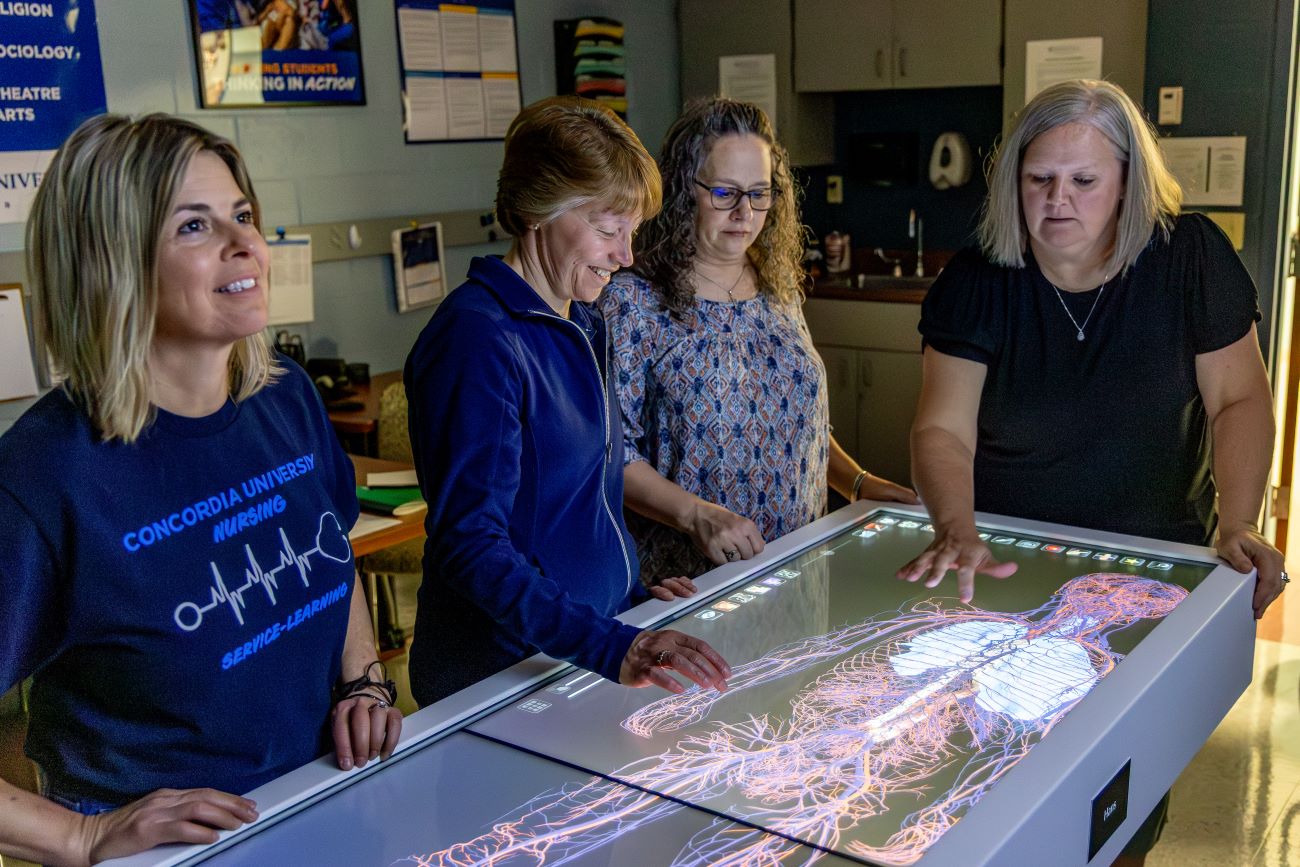
At first glance, it looks like an oversized touchscreen. But that impression doesn’t hold for long. Once it’s on and someone begins to move through it, it becomes something more.

The human body comes into view. Systems take shape on the screen, each one connected, each one able to be explored in more detail. With a swipe, a heart begins to beat. With another, it changes—no longer healthy, but struggling.

For students gathered around the table, the human body is no longer just something to study. It’s something to work through. Here, it even has a name.

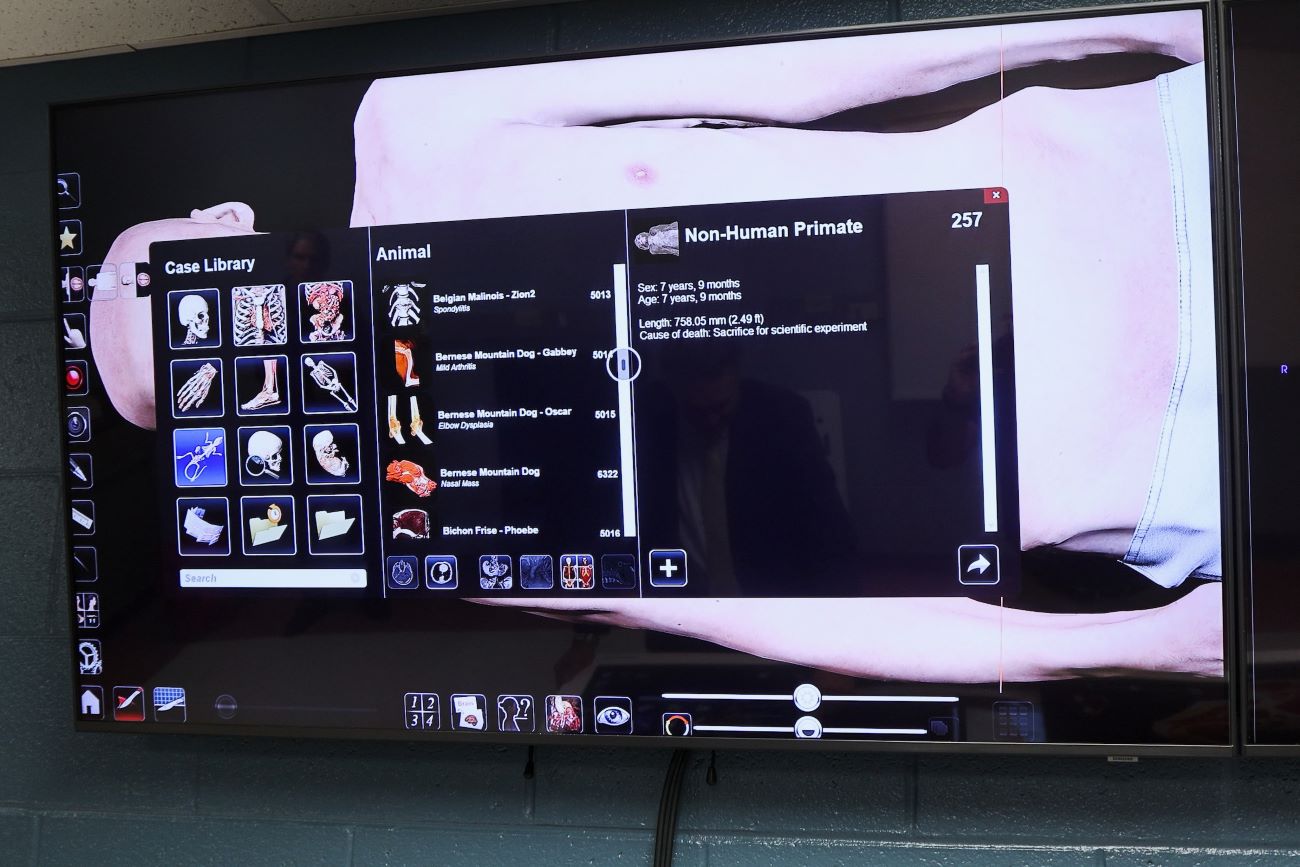
The first, “Hans,” is named after the first cadaver created by the Anatomage company. The second, “Cassie,” was donated by Rev. Dr. John Buuck, former Concordia president, and named in honor of his granddaughter, a Concordia nursing graduate.

For years, learning anatomy meant diagrams, models and, when possible, cadaver labs. Those methods still matter. But the Anatomage Table adds something different—something immediate.

“It’s one thing to talk about how the heart works,” said Tina Gaffney, MSN, RN, Simulation and VR Center director and a 2022 CUW graduate. “It’s another to stand here and actually see it happening.”

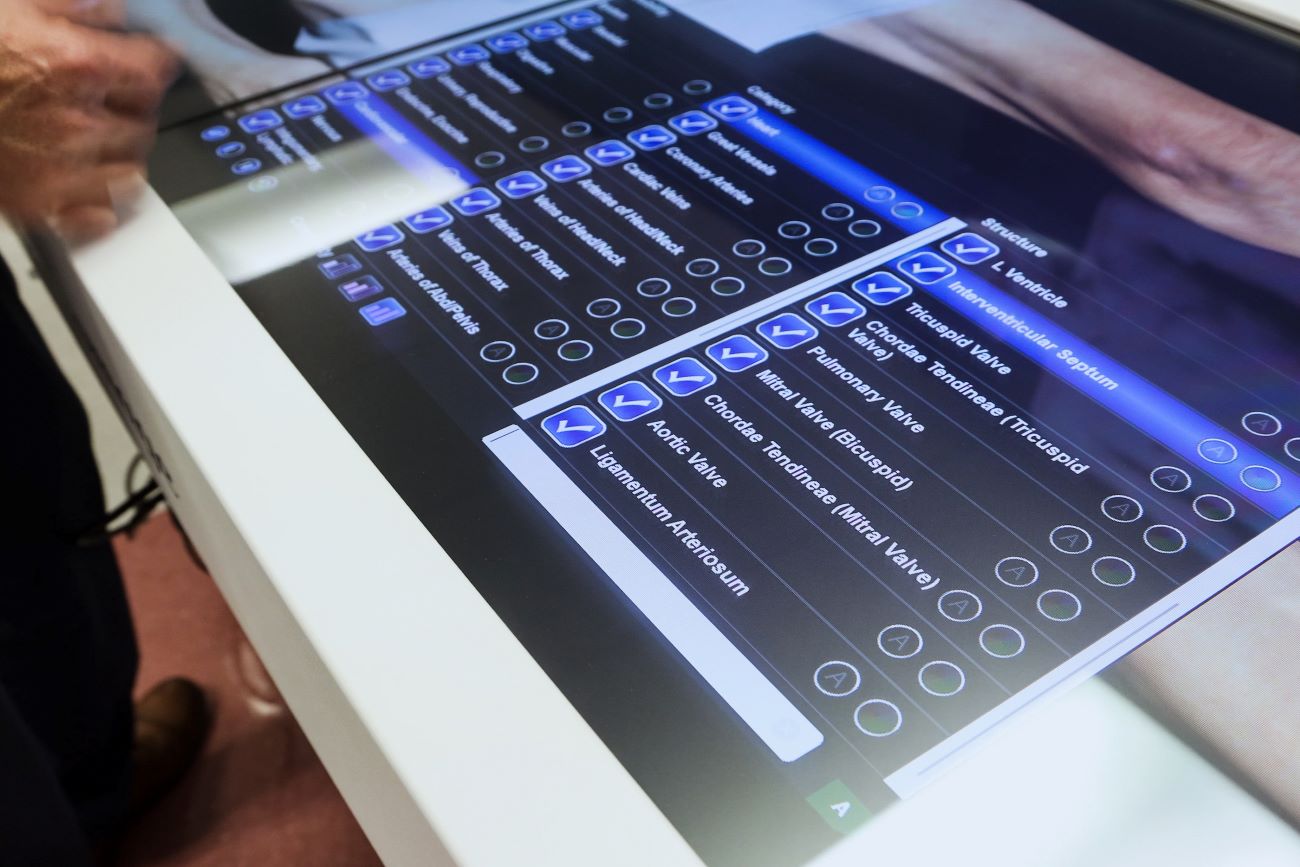
Instead of imagining how systems connect, students can follow them in real time. A normal organ can sit beside one affected by disease. A single screen can split into multiple views, allowing comparisons that would be difficult to recreate any other way.

And it’s not just about observation. Students can trace pathways, isolate structures and even simulate procedures. In one setting, they might walk through the stages of a colonoscopy. In another, they can watch a birth unfold from an internal perspective—something that shifts how they understand what’s happening beyond the surface.


How it shows up in the classroom

In Concordia’s nursing program, the table is already finding its place alongside simulation. Students might begin with a patient scenario—responding, making decisions and working through what comes next. Then, almost immediately, they move to the table.

“We can take what they just experienced and show them what’s happening inside the body,” Gaffney said. “That connection makes a difference.”

During cardiac simulations, students don’t just talk about heart function. They see it. They can watch how electrical activity changes the way the heart pumps, and how that shift affects the rest of the body. It’s a step that brings the classroom closer to real practice.

There’s also a certain ease students have when they approach the table. It doesn’t feel foreign. They move through it the way they’ve learned to move through most things—by touching, exploring and testing.

“Students aren’t just standing back and listening,” Gaffney said. “They’re putting their hands on it and figuring it out.”

That matters, especially as Concordia continues to move toward competency-based education. Understanding isn’t just about recalling information. It’s about being able to show it, apply it and explain it. Here, students can do exactly that.


Across programs

While nursing has been one of the first areas to use the table, it’s not the only one. Faculty across campus are beginning to see where it fits into their own teaching.

In occupational therapy, movement becomes easier to visualize. Students can manipulate joints, follow muscles through motion, and begin to see how structure supports everyday function.

“The possibilities for exploring anatomical structures with the Anatomage Table are truly endless,” said Jessica Mischler (’14), a certified hand therapist and adjunct faculty member in Concordia’s Occupational Therapy program.

She notes how easily users can shift between supine and prone positions, allowing students to view the body from multiple perspectives in just moments. Unlike traditional dissection, the table enables virtual tissue retraction without permanent removal, giving students the chance to revisit and study structures as often as needed. For Mischler, that flexibility matters. It creates a hands-on learning experience that supports repetition, curiosity, and deeper understanding—something not possible with a live donor alone.

That flexibility also removes some of the common barriers students face in lab settings.

“The ease of access to the human body with the Anatomage Table is truly irreplaceable,” Mischler said. “There’s no need for setup, protective equipment or cleanup. By removing these logistical barriers, students can focus on mastering complex anatomical information.”

In biology, the level of detail offers something beyond static images. Students can work through the various systems of the body, focusing on how structures connect and function together.

In her anatomy and physiology course this past spring, Dr. Sarah Lovern, professor of biology, introduced the Anatomage Table as part of the lab experience. Students used it to identify bones and anatomical regions across different cadavers, gaining a clearer sense of size and spatial relationships.

“They liked seeing the bones in real sizes on the specimens,” Lovern said. “They also practiced learning all of the anatomical terms for the regions of the body.”

Students responded positively to the hands-on approach, especially as they interacted with and manipulated the images on screen. The table gave them a new way to engage material often limited to diagrams or models.

Mischler noted that the technology can also make anatomy more approachable for students who may feel uncertain entering a traditional lab environment.

“The Anatomage Table removes barriers that might otherwise intimidate students or interfere with learning the body’s complex functions,” she said. “It creates a more accessible environment and helps students engage more fully with the material.”

Looking ahead, Lovern plans to expand how the table is used in the classroom. Students will work through case studies that explore how body systems interact, with added focus on the circulatory system, as well as the endocrine and respiratory systems.

“We will continue to build on these skills next semester,” she said.

As more faculty across programs integrate the table into their teaching, its place in the curriculum will continue to grow.


It starts with a real person

The Anatomage Table isn’t replacing what’s already in place. Students will still need to read and take notes. They will still practice in clinical settings. Those pieces remain essential.

What this adds is another way in—another way to understand something that can be difficult to picture.

“There’s still a place for all of it,” Gaffney said. “This just helps bring it together.”

While the images on the table appear digital, each one begins with something deeply human. Individuals chose to donate their bodies to science, and that reality remains central to the learning experience.

As the table becomes more integrated into coursework, faculty are also thinking through how to approach it with care—how to remind students that what they are seeing represents real people.

It’s a perspective that aligns naturally with Concordia’s mission of developing students in mind, body and spirit.


The stories it holds

Right now, the table is still new. Faculty training is ongoing. Departments are exploring how it fits. This upcoming fall, students will begin working with it more consistently. There’s still more to learn about how it will shape the classroom.

But standing around it, watching students interact with something that once lived only in textbooks, it’s clear that something has already shifted. Today’s students are multimodal learners, engaging with material in ways that invite deeper understanding and lasting connection.

“It gives them a clearer picture,” Gaffney said. “And once they can see it, they start to understand it differently.”

And that understanding matters. It carries forward into labs, into clinical settings and eventually into the lives of the patients and communities they will serve.

At Concordia, tools like the Anatomage Table do more than introduce new technology into the classroom. They prepare students with the knowledge, care and purpose needed for the work they are called to do.


How it is used

At Concordia, the Anatomage Table is beginning to support learning across programs in ways that extend beyond a traditional lab, with additional applications continuing to take shape.

Students and faculty can use the table to:

  • Explore full-body anatomy in 3D, moving through systems and structures in real time
  • Perform virtual dissections and examine organs from multiple angles
  • Identify anatomical regions and structures on life-sized cadaver images
  • Compare healthy and diseased anatomy side by side
  • Simulate clinical procedures, including colonoscopies and endoscopies
  • Visualize processes such as childbirth from an internal perspective
  • Pair anatomy with simulation scenarios, such as CPR and cardiac response
  • Analyze movement of joints and muscles for occupational and physical therapy
  • Study brain structure and function, including the effects of injury or neurological conditions
  • Examine facial muscles and jaw movement for speech-related applications
  • View histology slides, including cancerous and damaged tissue
  • Complete quizzes and hands-on assessments by identifying structures directly on the table
  • Explore how body systems connect and interact through case-based learning
  • Support patient education by visualizing procedures and conditions

The table is updated annually and supports both in-person and remote instruction, giving faculty flexibility in how they teach and how students engage.


Want in?

Concordia University Wisconsin is a Lutheran higher education community committed to helping students develop in mind, body and spirit for service to Christ in the Church and the world.