Looking back, looking forward, hearts together


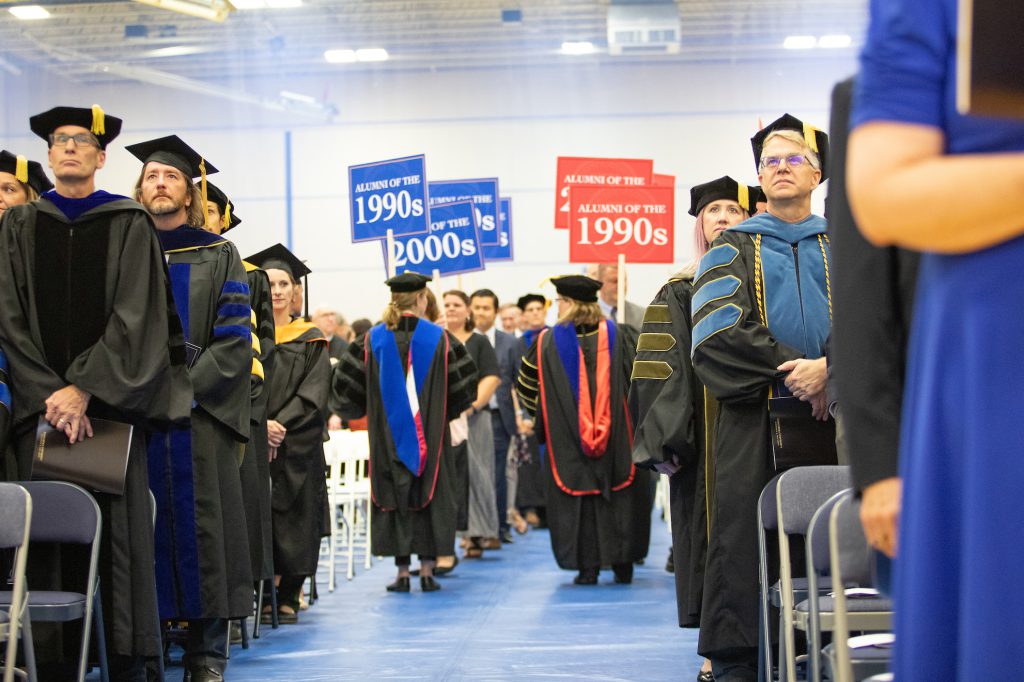
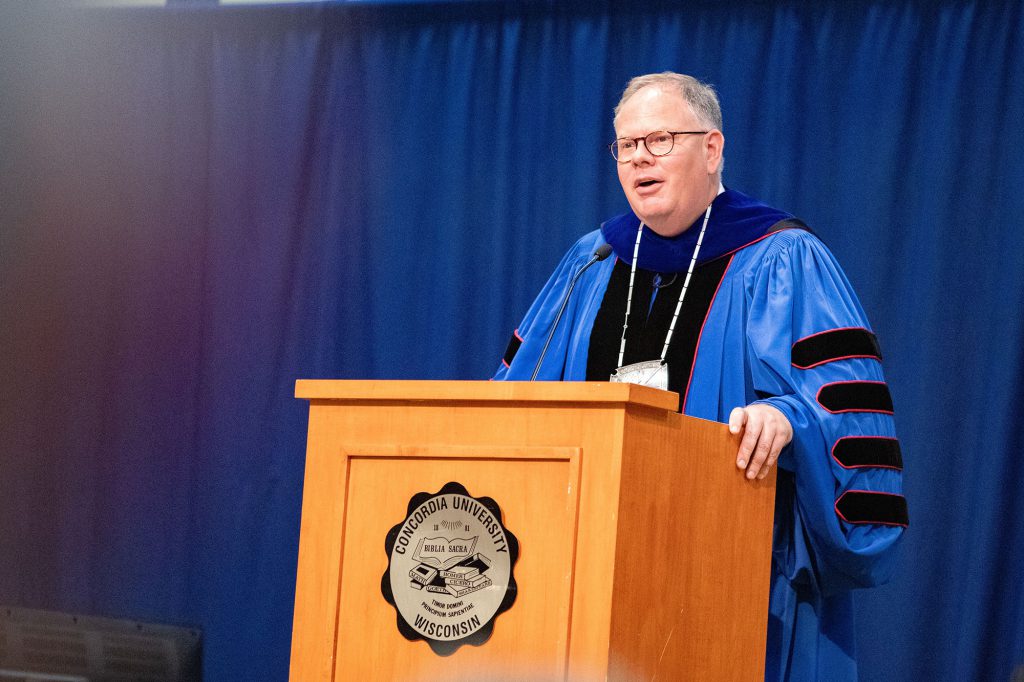
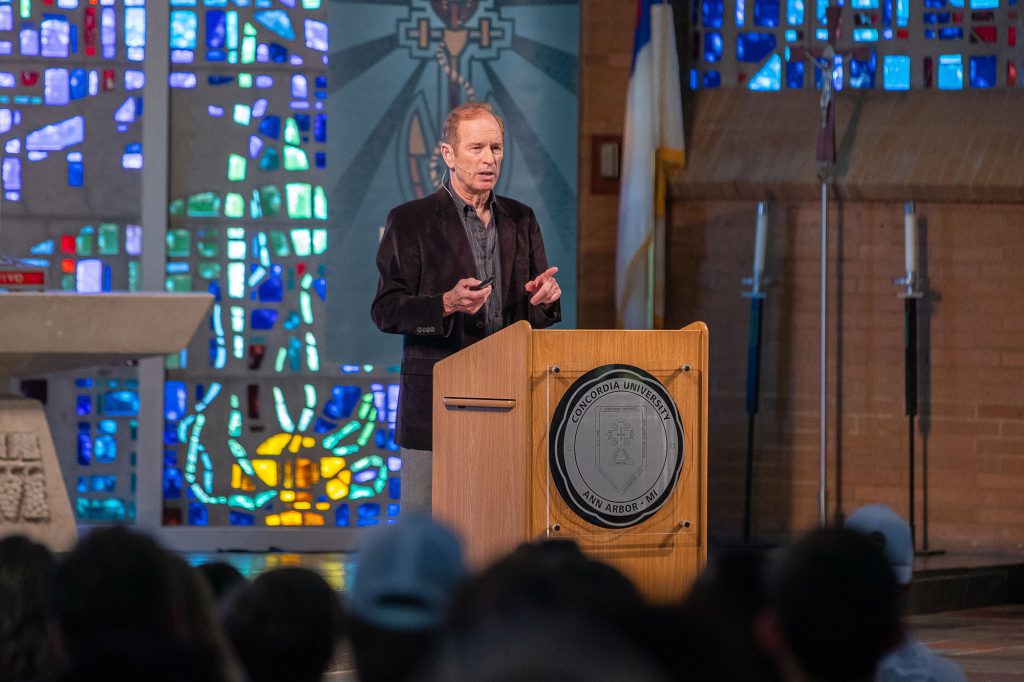
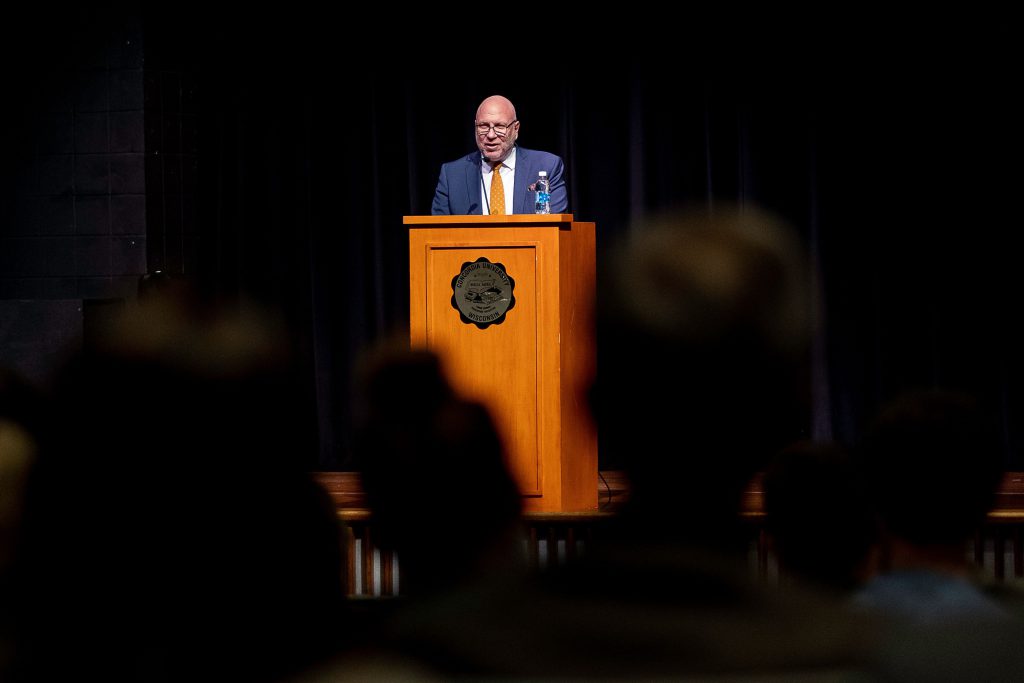
President Ankerberg addressed an audience of Concordia supporters during his inauguration ceremony on Friday, Sept. 29, and shared his vision for the future of the university.

Editor’s note: A version of this letter first appeared in the fall 2023 edition of Hearts Together. The official magazine of Concordia University Wisconsin and Ann Arbor publishes biannually.


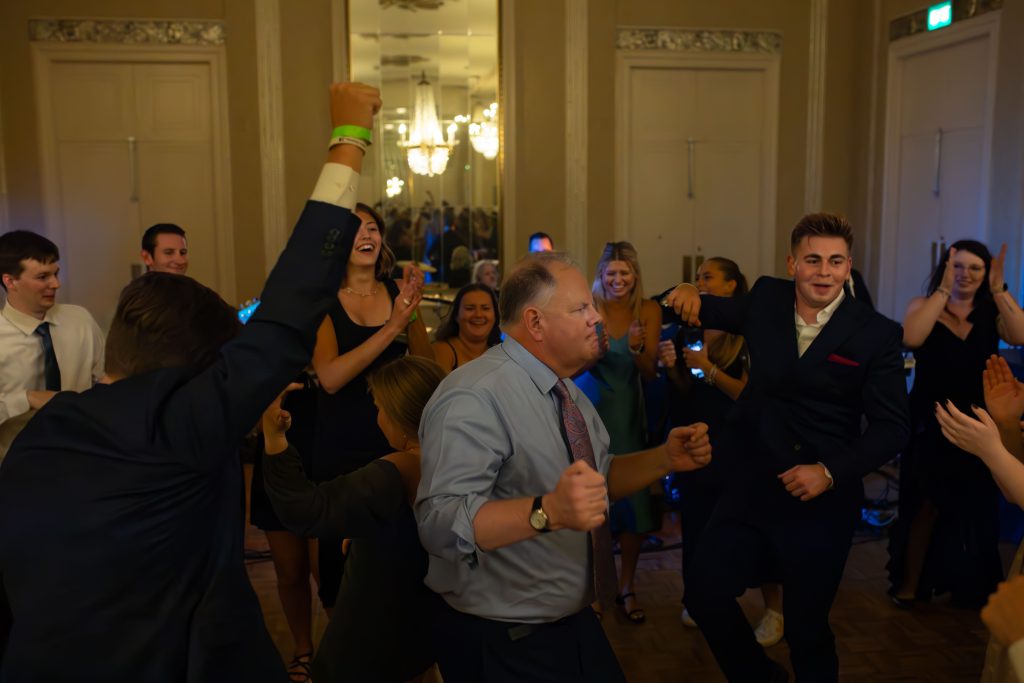
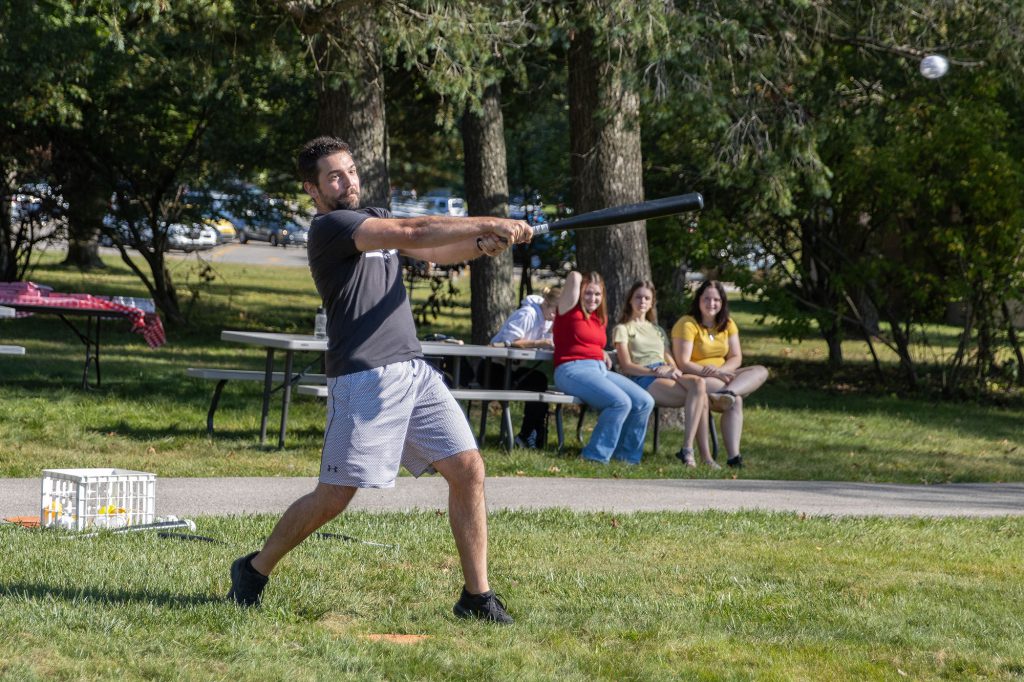
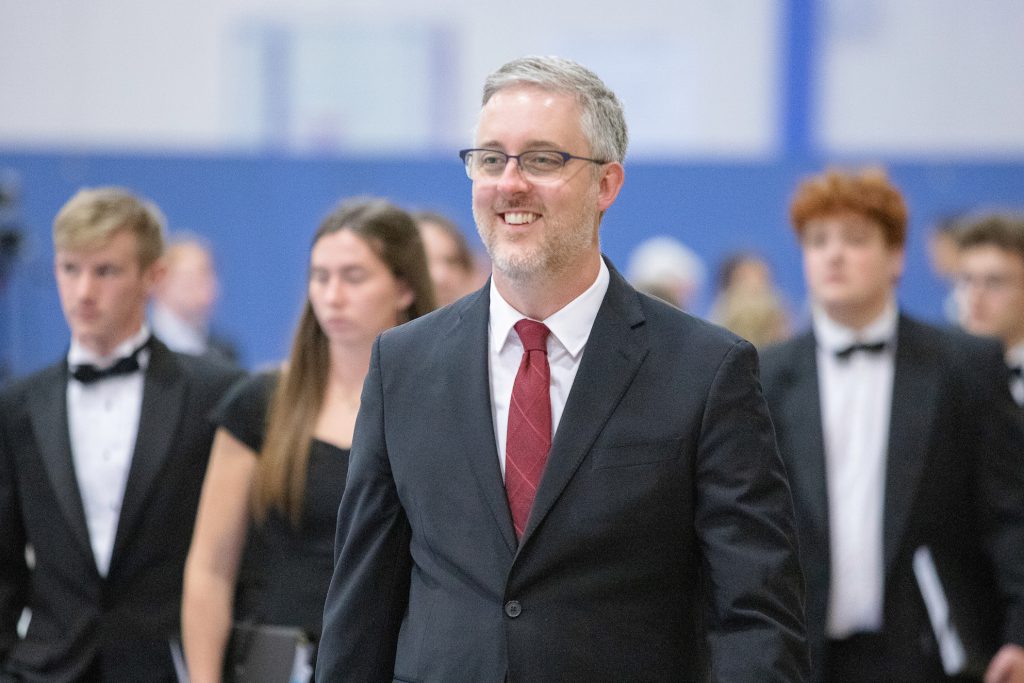
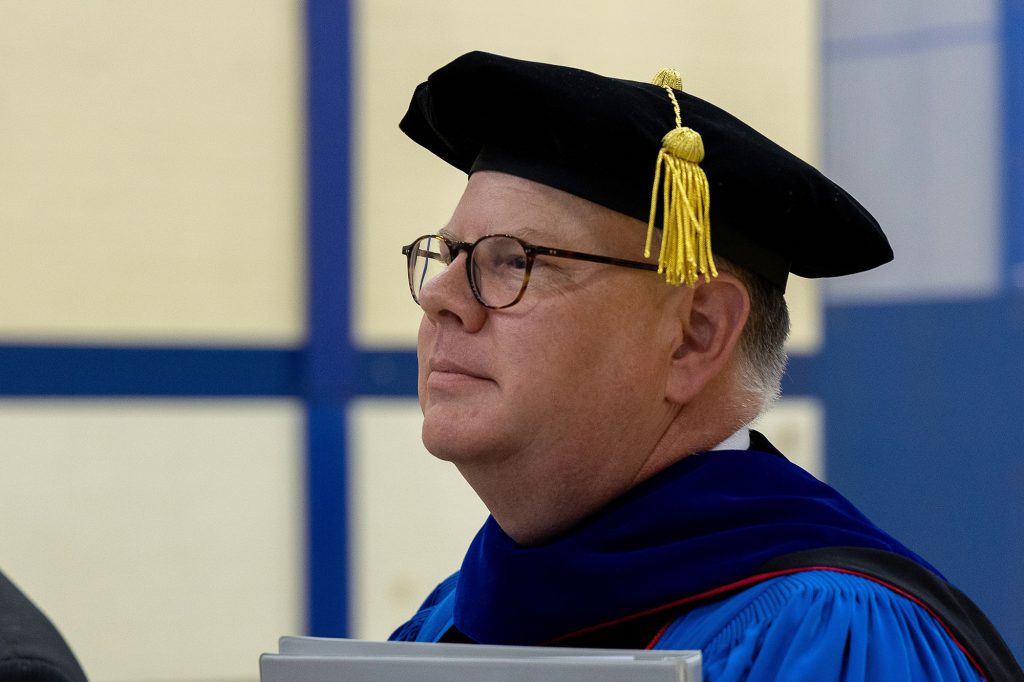
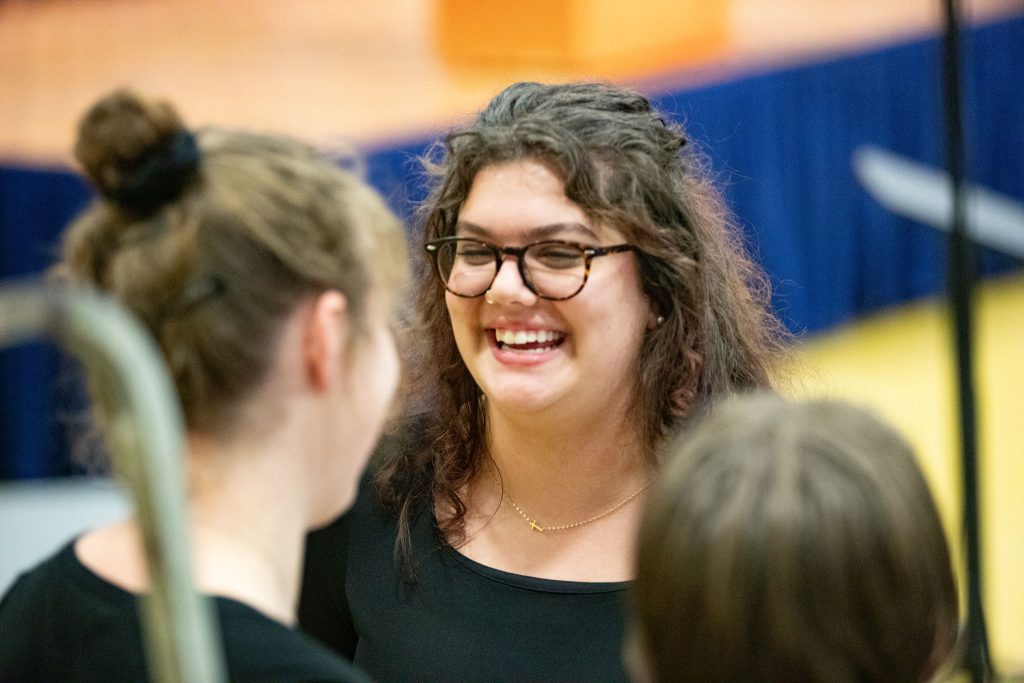
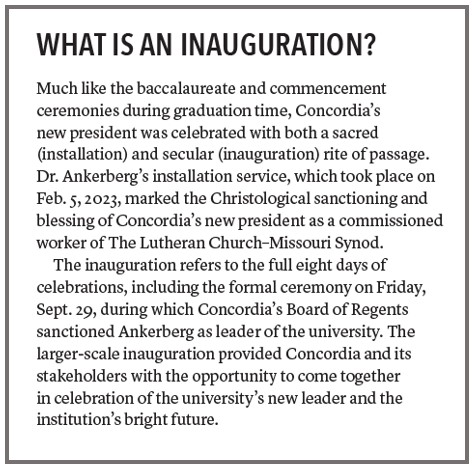
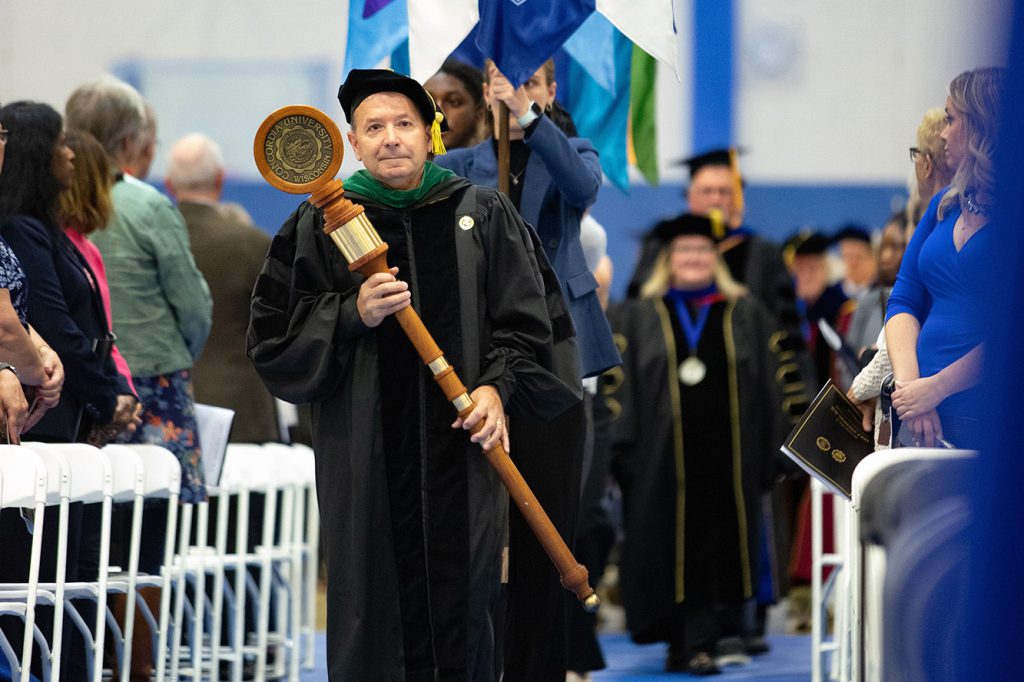
At the end of September, Concordia University and its community of supporters marked the inauguration of Erik P. Ankerberg, PhD, with eight days of celebrations on the Mequon and Ann Arbor campuses. Students, employees, alumni, donors, and friends ushered in their new president with a speaker series, special guest preachers, a student poetry contest, a gala, and lots of light hearted fun and games. For his inauguration ceremony on Friday, Sept. 29, Ankerberg addressed the audience and shared his vision for the future of the university. Here is his address.


By Erik P. Ankerberg, PhD, University President

“I wasted time, and now doth time waste me.”

This is the lament of William Shakespeare’s King Richard II, as the failed leader reflects on losing his crown and his kingdom. For me, as a recovering English professor, this confession is one of the saddest moments in Shakespeare’s plays. How does a leader come to the end of his play, and his life, and make peace with his own shortcomings—not to mention the prospect that others will remember him as an
abject failure?

On a day when we are celebrating our university and our work together, I believe it is healthy and honest to face facts. We know we live in a world in which higher education is a challenged enterprise, and many are ambivalent about our efforts. When we consider the factors that impact our commitment to mission, our enrollment, our financial position, and the public perception of our work, we would do well to consider the ways we can ensure, as a university community, that we are not, in Richard’s words,
wasting time.

Today I would gently suggest we can understand our work in relation to three pillars that demonstrate that we, as a university community, are making the most of the time we have:

1) Authentically living out our university values;
2) Pursuing the status of rising regional university;
3) And making our students—and the world—whole.

University values

First, we should remember that our university’s values, in a tangible way, provide the framework of our life together in this community. That is precisely why we are focusing on them so intently this week, and I am so grateful for the thoughtful presentations that we are enjoying throughout this Inauguration Week. When we consider the benefits of being a university that is Christ-centered, a place focused on truth and integrity, excellence, and service, we begin to understand the gravity of the promises we are making to one another. I just want to take a moment and provide a brief summary of my initial understanding of each value:

Christ-centered

Because we are Christ-centered, the person, death, and resurrection of Jesus Christ intersects with every aspect of our work as a university. From that perspective, everything revolves around Him. As a result, we continually look to strengthen our ability to love and care for each other because each person is precious—each one made in the image of God. Consequently, we welcome all to our university community and surround them with the love, joy, mercy, and peace that our Savior brings to us.

Truth and integrity

Likewise, we pursue truth and integrity because when we pursue and encounter truth we discover He is a person—Jesus Christ. From that perspective, we realize that He is our terminus. He provides the integrity—the bond—that holds creation and all of our relationships together; consequently, we care about each individual as a complete human person. In that context, we learn from Him to listen to others, to care about their hurts, and care for their needs. He nurtures empathy within us; He encourages us to be concerned about justice and dignity; and He does this because He gives us hope as He reminds us that He makes all things new.

Excellence

We promote excellence because we want each member of our university community to grow—not just in knowledge and skill—but virtue, as well. We privilege the liberal arts—the studies that free us from the control of others, and simultaneously we invest intentionally in those disciplines that lead more directly to professional careers. We believe that excellence is distinct from elitism, and we prepare our students well to lead lives that are extraordinary—not because of wealth or social status or achievement—but because of faithfulness that manifests itself in an authentic concern for others.

Service

We prioritize service because we want our students to live out an understanding of vocation that transcends the whims or limits of mere careerism and explores widely their roles in families and the church and the state. We strive to orient everyone in this community to turn outward, to look beyond the horizon of their aspirations, and to seek the flourishing of all they meet in their daily lives.

A rising university
The second pillar that allows us to make the most of our time is aligning ourselves with traditional university success markers. In a highly competitive world—with wavering public confidence in higher education—we recognize the value of using data to demonstrate our university’s contributions to the region. We certainly hope those in our communities will recognize Concordia as a rising regional university—one with a reputation for curating a portfolio of academically rigorous programs and delivering outcomes that prove our commitment to student success.

Likewise, we, like every university, want to thrive: We seek to grow enrollments and our endowment; we should aspire to serve an equal number of traditional undergraduate and post-traditional students; we must pursue a better sense of fiscal discipline and become financially self-sustaining at each campus. We want our retention and graduation rates to demonstrate our influential status as a higher-education institution of choice across the states we serve.

That is why we are in the middle of doing what most universities do today: We are developing a university strategic plan, master plans for both of our campuses, and both strategic budget and enrollment plans. We are also in the process of initiating a comprehensive campaign. These are the necessary steps that denote our health and point us toward an encouraging future. At the same time, while pursuing these positive metrics we must be wise and self-aware enough to acknowledge that a thriving university is feckless and poverty-stricken if it is not faithfully living out its missional commitments.

Making individuals whole

The third pillar involves two interrelated steps: making students— and the world—whole. The first step is making our students whole by encouraging them to gather all that the world has to offer. The cantankerous 20th-century Welsh poet priest R. S. Thomas’ poem “Threshold” gives us a sense of the choices we face as we educate students today:
I emerge from the mind’s
cave into the worse darkness
outside, where things pass and
the Lord is in none of them.

I have heard the still, small voice
and it was that of the bacteria
demolishing my cosmos. I
have lingered too long on

this threshold, but where can I go?
To look back is to lose the soul
I was leading upwards towards
the light. To look forward? Ah,

what balance is needed at
the edges of such an abyss.
I am alone on the surface
of a turning planet. What

to do but, like Michelangelo’s
Adam, put my hand
out into unknown space,
hoping for the reciprocating touch?

Thomas’ poem reminds us that our education allows us to access the widest and deepest forms of knowledge. We can expose students to the most magnificent aspects of the physical world—from the microscopic influence of bacteria to the macrophysical movement of planets—but we come to recognize the limitation of that kind of education: It is incomplete. Thomas’ speaker would have us reach toward the transcendent with wonder, grace, imagination (and we might even say faith). From Thomas’ perspective, then, education makes a person whole when she comes to terms with all that the material world offers, but is only complete when she realizes she is a creature in a world much larger than she realizes and then turns to engage—seriously and intentionally—that which is beyond her temporal experiences with the gift of hope.

The second step is to encourage our students to pour out themselves and all they have gained in an effort to make the world whole. The 17th-century British poet George Herbert explores this possibility in his dramatic sonnet “The Holdfast,” where his speaker and the speaker’s interlocutor wrestle with essential questions about the nature and purpose of life:

I threaten’d to observe the strict decree
Of my dear God with all my power and might;
But I was told by one it could not be;
Yet I might trust in God to be my light.
“Then will I trust,” said I, “in Him alone.”
“Nay, e’en to trust in Him was also His:
We must confess that nothing is our own.”
“Then I confess that He my succour is.”
“But to have nought is ours, not to confess
That we have nought.” I stood amaz’d at this,
Much troubled, till I heard a friend express
That all things were more ours by being His;
What Adam had, and forfeited for all,
Christ keepeth now, who cannot fail or fall.

Herbert’s speaker—like most of us in the contemporary world—wants to advocate for a quality of life that is determined by our own efforts and knowledge and skill—our own “power and might.” The interlocutor frustrates the speaker by continually unraveling his assumption that the “good” things he has accumulated constitute a “good” life. Herbert proposes a provocative understanding of life: We are better off when we acknowledge that we have nothing, and—ironically—we actually possess “all things” only when we first admit that we do not own or control the world around us. From this perspective, we might gain the “world” of knowledge and skills and achievements, but we can only avoid “losing our souls” when we confess that those things were never truly our possessions in the first place. Their true value and purpose only become apparent when we willingly learn how to lose things we have gained—by pouring out ourselves and all that we have into the gaping holes of our neighbors’ lives.

Shakespeare’s Richard does indeed find a form of redemption for his wasting the time in his life—the self-awareness he gains allows him to rise to defend himself, even as he comes to his tragic end. He thinks, and he acts nobly—not a bad model for us as a university community today. When we intentionally remember our university values and live them out in our life together as a university community; when we seriously and consistently hold ourselves accountable to the markers that we believe define the meaningful work of a rising regional university; when we make students whole by helping them gain all of the knowledge and skills available to us, and at the same time encourage them to give up those things to make others whole—only then do we see the true opportunities that lie before us. As we pursue these three pillars, we will come to remember that, through the blessed work of the Holy Trinity, we have in the past carried out—and we must continue in the future to carry out—the extraordinary work of providing our students with a transformative and uncommon education that develops students in mind, body, and spirit for service to Christ in the Church and the world. If we bring ardor and faithfulness to that work, we will come to see that we are not wasting time; we are not serving time; we are redeeming time.


Support Concordia’s commitment to whole-student development

We invite you to honor President Ankerberg’s start at Concordia by supporting our students through scholarship aid or the university’s greatest need, the Concordia Fund. Gifts of any size are appreciated and do make a difference. Visit cuw.edu/give or cuaa.edu/give.


The fall 2023 Hearts Together magazine hits mailboxes in November. View a PDF version of the magazine here. If you are not on our mailing list, but are interested in receiving a free copy, email Jennifer.Hackmann@cuaa.edu.


Make it new: President Ankerberg’s Hearts Together opening address


For the opening letter of Hearts Together, President Ankerberg discusses the “new” that has already been promised to God’s people.

Editor’s note: A version of this letter first appeared in the fall 2023 edition of Hearts Together. The official magazine of Concordia University Wisconsin and Ann Arbor publishes biannually.


Make it new.

These three simple words encapsulate the professional and almost sacred obligation of the poet Ezra Pound and his fellow proponents of modernism. They held a goal to reinvent the literature, the art, the very life of the 20th century. The novelty of Pound’s revolutionary assertion certainly stems from its expression of an optimism for the transformation of a culture and its society.

High hopes for this new start

In a way, the beginning of each new academic year offers a similar kind of opportunity, in the spirit of Pound, to make all things new again. I cannot deny that I have begun my first full academic year as president of Concordia University Wisconsin and Ann Arbor with high hopes. Many of you may hold similar optimism for me.

Such optimism resonates with Emily Dickinson’s poetic definition of hope, where she writes, “Hope is the thing with feathers that perches in the soul, and sings the tune without the words, and never stops at all.” We want so earnestly to define our life in terms of hope, but often we fail to understand exactly why we so desperately need hope.

As you might imagine, my best intentions as a president will not always come to fruition—sometimes it will be my fault, and sometimes it will be because of circumstances beyond my control. Thankfully, the same does not have to be said when it comes to our eternal futures.

The challenges we face, as individuals and as a university community, remind us that sin is the only thing we contribute to our salvation. This awareness and emptiness and longingness for something more defines the cry of the psalmist in Psalm 42. He writes, “As a deer longs for flowing streams, so my soul longs for you, O God. My soul thirsts for God, the living God.”

The psalmist’s images of longing and thirst capture the bareness of our lives. When left to ourselves and our own imagination and effort, we know we are broken and dead and unable to manufacture anything that is true or beautiful or good or satisfying or enduring or even living in our lives. Instead, we are left to echo the writer’s later question in this psalm: “When shall I come and behold the face of God?”

When shall I behold the face of God?

What an essential question for us! The manner in which we answer the question defines how we understand our present and our future. If we believe that our good intentions, our pious works, our carefully curated network of right, connected people will somehow bring us face-to-face with God, we’re sorely mistaken. In reality, we’re only constructing a hell of our own making.

If we wish to experience hope rather than hell, like the psalmist, we are invited to remember our experiences in the house of God. Our Lord mercifully reciprocates this act of remembering with one of his own. When we are despondent like the psalmist, when our souls are cast down within us, when we are disquieted or in turmoil about the state of our lives, we come to the house of God. In His holy temple, we remember how our Lord remembers us.

This new academic year certainly provides us with many opportunities to make our lives new, and, yes, a lot of good can come from those efforts. But let us remember that our Lord has created a new for us that will not disappoint. He has created a new home for us to occupy—a home of hope that He has built with water and His Word and His body and His blood. Because of His enduring love, we will live with Him and praise Him, not only today but for all eternity.


Want in?

Christ-minded. Ethical. Hard working. Respectful. Curious. Leader. While all our students are different, certain qualities unite our community and make us Concordians. We look forward to welcoming you to the ranks of our alumni.


The fall 2023 Hearts Together magazine hits mailboxes in November. View a PDF version of the magazine here. If you are not on our mailing list, but are interested in receiving a free copy, email Jennifer.Hackmann@cuaa.edu.


Advent God With Us: Preface

Emmanuel—God with us—is beyond extraordinary if we truly pause, even momentarily, to reflect.

How can it be that the one and only, all-powerful God of the universe came to earth to be born to a nondescript carpenter and his betrothed in the most base and humble of circumstances—even for them? And while an “advent” is the coming or arrival of something—or someone—important or noteworthy, this Advent is not simply uncommon, it is unfathomable. Yet our God has shown us time and time again that He can use the shabby to highlight the sublime, as He has woven and revealed His story throughout history. They said, “Is this not Jesus, the son of Joseph, whose father and mother we know? How can he now say, ‘I came down from heaven’?” (John 6:42).

God With Us: the uncommon advent of our Savior explores the contrast—God’s eternal truth in a world ripe with lies, God’s grace right before our eyes. The meditations penned for this year’s edition utilize the LCMS daily lectionary and reflect the individual and personal ways that the Holy Spirit has worked in and through each life. The authors are part of the Concordia University community—faculty, staff, administrators, or students from our Wisconsin or Ann Arbor campus—who has been eternally redeemed by the newborn king in Bethlehem. We pray that these daily readings from God’s Word and varied voices and experiences of the authors will be used by the Holy Spirit to bless and encourage you during this Advent.

Jason Germain and Marc Martel, in their refrain of How Many Kings (2008), communicate the core of this sacred season compellingly.

How many kings step down from their thrones? How many lords have abandoned their homes? How many greats have become the least for me? And how many gods have poured out their hearts to romance a world that is torn all apart? How many fathers gave up their sons for me? Only one did that for me.

So, I invite you to pause and ponder and pray. May the uncommon love and sacrifice of our swaddled Savior touch your heart and life in a fresh way through the power of the Holy Spirit.


Schedule

Foreword | CUW student / Director of Web and Design Dan Baker

Dec. 3 | Isaiah 9:8-10:11 and 1 Peter 5:1-14 | Rev. Dr. Ryan Peterson, VP of Administration

Dec. 4 | Isaiah 10:12-27a, 33-34 and 2 Peter 1:1-21 | Brooke Johnson, Associate VP of Academics

Dec. 5 | Isaiah 11:1-12:6 and 2 Peter 2:1-22 | Dr. Jordan Beck, Arts & Sciences, CUW

Dec. 6 | Isaiah 14:1-23 and 2 Peter 3:1-18 | Grace Sugg, CUW Student

Dec. 7 | Isaiah 24:1-13 and 1 John 1:1-2:14 | Lisa Mariani, President’s Office, CUW

Dec. 8 | Isaiah 24:14-25:12, Obadiah 1-21, 1 John 2:15-29 | Dr. Michael Uden, VP for Enrollment

Dec. 9 | Isaiah 26:1-19 and 1 John 3:1-24 | Alex Riehle, Admissions, CUW

Dec. 10 | Isaiah 26:20-27:13 and 1 John 4:1-21 | Dr. Kyle Chuhran, Education, CUAA

Dec. 11 | Isaiah 28:14-29, 1 John 5:1-21, 2 John 1-13, 3 John 1-15 | Jenifer Pries, Athletics, CUAA

Dec. 12 | Isaiah 29:1-14 and Jude 1-25 | Aaron Halboth, CUAA Student

Dec. 13 | Isaiah 29:15-30:14 and Revelation 1:1-20 | Dr. R. S. Hill, Arts & Sciences, CUAA

Dec. 14 | Isaiah 30:15-26 and Revelation 2:1-29 | Dr. Kehinde Irabor, Arts & Sciences, CUW

Dec. 15 | Isaiah 30:27-31:9 and Revelation 3:1-22 | Dr. Elizabeth Eernisse, Health Professions, CUW

Dec. 16 | Isaiah 32:1-20 and Revelation 4:1-11 | Harrison Hulse, CUW Student

Dec. 17 | Isaiah 33:1-24 and Revelation 5:1-14 | Dr. Angela Brooks, Business, CUW

Dec. 18 | Isaiah 34:1-2, 8-35:10, Micah 1:1-7:20, and Revelation 6:1-17 | Kyle Thoms, Admissions, CUAA

Dec. 19 | Isaiah 40:1-17 and Revelation 7:1-17 | Christy Call, Strategic Partnerships, CUW

Dec. 20 | Isaiah 40:18-41:10 and Revelation 8:1-13 | Dr. Patrick Steele, Arts & Sciences, CUW

Dec. 21 | Isaiah 42:1-25 and Revelation 9:1-12 | Rachel Yuhas, CUAA Student

Dec. 22 | Isaiah 43:1-24 and Revelation 9:13-10:11 | Dr. Jeff Smith, Health Professions, CUAA

Dec. 23 | Isaiah 43:25-44:20 and Revelation 11:1-19 | Dr. Beth Heiss, Business, CUAA

Dec. 24 | Isaiah 44:21-45:13, 20-25, Daniel 10:1-12:13, Isaiah 48:1-22, and Revelation 12:1-17 | Dr. Erik Ankerberg, CUWAA President


DR. MICHAEL UDEN

Vice President, Enrollment


About this series

“God With Us: the uncommon advent of our Savior” is a sampling of biblical meditations composed by members of the CUWAA community. It is our prayer that you will take time during the Advent season to read and reflect upon God’s Word and await the coming of Jesus with newfound enthusiasm and anticipation through the Holy Spirit.

Go for the gold…Vitality Gold!

Week 43

Spiritual wellness requires the same level of attention as the other pillars of health. Now that we are halfway through the semester, it’s a great time to ensure you are maximizing points for attending Bible Study or leading a Sunday School class.  Vitality awards 30 points weekly for attending Bible Study or leading Sunday School lessons. Snap a picture of your study or curriculum lesson and upload weekly!

Week 44

Do your mental health check-in for 225 points, if you haven’t already. With days getting shorter, it’s a great time to check-in and make sure you are prepared for ensuring a mentally healthy fall and winter season. Navigate to Health Profile/Vitality Review and scroll to Mental Well-Being Reviews. There are three short surveys to assess various components of mental wellness-each worth 75 points.

Week 45

Did you go to the dentist this year? If so, navigate to Health Profile/Vitality Review, select Prevention from the side-bar, and select the hyperlink for dental screening. Upload an EOB, medical record, proof of payment, or a completed Prevention Activity form(available from Vitality) to earn 200 points. (And remember, if you are on Concordia’s Plan, you need one cleaning per year to increase your benefit maximum for next year!)

Week 46

Fall Sports are coming to a close, and winter sports are kicking off! Parents- you are instrumental in developing healthy habits with your children and Vitality wants to reward you for it! You can earn up to 350 points per child for their completion of either a sports league, athletic event, practices or lessons. Navigate to Points/Points Planner and scroll down to Healthy Kids.

Week 47

Didn’t do your Biometric testing yet? There’s still time, and you have free testing options available!! Biometrics testing offers you the ability to amass a LOT of points very quickly-over 4,000 are available. Within Vitality, navigate to Resources/Guide to Vitality/Vitality Points/Vitality Check. There is a quick link that will pop up allowing you to schedule an appointment at a time convenient for you! (Or if you have the tests done with your doctor, be sure to get a printout of the numbers)

Lutheran Educator Development (LED) Project: A professional and spiritual development program for Lutheran schools

Lutheran school administrators, help your contracted teachers become well-versed in Lutheran doctrine and better prepared to contribute to the mission of your school.


Many Lutheran schools and congregations are hiring more Christian teachers who are not Lutheran or members of an LCMS church due to demographic trends, the growth of Lutheran schools, and a shortage of LCMS-trained teachers and commissioned ministers. While these schools welcome these Christian teachers, there is a desire for them to be well-versed in Lutheran doctrine and the rich heritage of Lutheran education.

The LED Project is designed to be a professional and spiritual development program for Lutheran schools who want to teach and train their non-LCMS faculty and staff members in the doctrine, heritage, and Christ-centered educational practices of the LCMS.

  • Participants in the LED Project will:
  • Learn, know, and be able to articulate basic Lutheran doctrine
  • Be able to apply Lutheran doctrine and teachings in their classroom instruction, co-curriculars, and other interactions with students, colleagues, and parents.
  • Receive and experience the joy and affirmation of God’s Word from a Lutheran-Christian perspective, be able to ask hard questions, reflect on ministry moments, and proactively prepare for classroom and teaching challenges from a Lutheran-biblical perspective.

Program format and course details

CUW provides flexibility in delivering the LED Project, offering in-person and virtual options to cater to the diverse needs of schools and participants.

Dr. James Pingel, dean of Concordia’s School of Education, underlined the importance of a stimulating learning environment.

“Participants will experience a highly engaging, relevant, and inspirational classroom setting, whether in-person or virtual, which will enhance their own faith walk and teaching vocation,” said Pingel.

The LED Project delves into a variety of themes and units, including: Quick History of the Rise of Martin Luther, What is a Lutheran?,  Who is God?, Luther’s Seal, Solas of Lutheranism, and many more. These topics provide a comprehensive understanding of Lutheran doctrine, history, and theology.

The sessions generally take around 12 hours of instruction to complete. However, instructors have devoted extra hours to certain sessions as needed. Concordia instructors are open to modifying the program based upon the needs of the school, explained Pingel.

“CUW is open to negotiate the format and even the cost of the LED Project and experience,” said Pingel. “We sincerely want to help schools and congregations in this endeavor.”

Since the inception of the LED Project, participating schools have provided a flat rate ranging from $3,600 to $7,200 per cohort. Factors such as the school budget and the number of participants is considered when determining the cost.

Participants who successfully complete the LED Project will receive a certificate validating their program completion. Many Lutheran schools recognize the LED Project for their faculty members’ professional development or continuing education requirements/expectations.

For those interested in the program or wanting to initiate training for non-LCMS faculty, please click here.

LED Program vs. Colloquy

While the LED Program seeks to equip non-LCMS teachers, Concordia also offers a colloquy program for individuals who are members of an LCMS church but are not yet rostered. Two colloquy routes exist:

Online

The most popular route to a colloquy is through the Concordia University Education Network (CUEnet). CUEnet is an online program that requires the completion of eight courses, after which an individual can select a Concordia within the Concordia University System where they would like their final, in-person interview to be conducted. Visit the LCMS’s Colloquy Training for Workers page to find more details and to apply.

On-the-ground or hybrid

CUW also offers some catered options for individuals living in the area or teaching on campus who would prefer to complete the colloquy program in person. Contact Jim Juergensen (J.Juergensen@cuw.edu) for details and to get started.


Want more?

The Division of Continuing Education Studies seeks to meet learners where they are by creating innovative lifelong learning opportunities for individuals of all ages and stages of life. These opportunities seek to provide high-impact, flexible, accessible, transformational learning experiences in accordance with the mission of Concordia.


Creating Community Collaborations: A CUW Alumni Engagement Event


Are you interested in becoming partners in the mission of Concordia? Come join CUW School of Health Professions faculty and staff for an upcoming event!


At Concordia University Wisconsin, our goal is to not only provide a quality education to our students and prepare them to serve, but to do so by continuing to cultivate and develop meaningful community collaborations.

School of Health Professions alumni and other health care professionals from the community are invited to tour Concordia’s new Interprofessional Clinic and learn more about the ways to partner with CUW.

Creating Community Collaborations: A CUW Alumni Engagement Event

Wednesday, October 25 | 5:30-7:30 p.m.

Concordia University Wisconsin’s Interprofessional Clinic

Registration is requested for this free event. The first 50 individuals to attend will receive a stemless wine glass. RSVP by Monday, Oct. 23.

If you are unable to attend the event but would like to share your thoughts on unmet needs in the community and how CUW might be able to help meet them, please click on the link above.

If you know of someone who might benefit from rehab services in our clinic, please click on the link above.

About the event

  • This event will take place in our new Interprofessional Clinic, which opened on our campus this past January. The newly renovated area provides much needed spaces to continue our efforts to educate all of our students to be effective and collaborative practitioners. The clinic includes a welcoming reception area, large open gym space, splinting area, private treatment rooms, observation room, apartment, and a simulation lab.
  • Although the event is identified as an alumni event, we welcome any community professional to attend.
  • Following a welcome address, our guests will receive a tour of our new Interprofessional (IP) Clinic and participate in a collective discussion to identify unmet community needs and ways in which our IP Clinic can help address them. We hope you can join us on campus!

Directions to the IP Clinic

Concordia is located at 12800 N. Lake Shore Dr. in Mequon, Wisconsin. Please park in Lot P when you arrive on campus. For your convenience, please reference the map below for further directions.


Want in?

The School of Health Professions at CUW offers a range of professional programs and degrees at the bachelor’s, master’s, and doctoral levels. Whether you pursue your education through online instruction or through classroom learning, you can expect a distinctive learning environment that will prepare you for a career marked by excellence, compassion, and service. Health Professions undergraduate students also participate in the Concordia Core, a rigorous, liberal arts curriculum integrated with Lutheran distinctives.

Go for the gold in the 4th quarter!

We are all the way to the 4th Quarter! If you haven’t hit Gold yet, don’t worry, you still have time! Check out your Points Planner (and look back on some old blogs!) to determine how you can hit Gold Status before December 31st!

Week 39

A big thank you to everyone who participated in our Mental Health Awareness Week in September. Did you know you can be certified in Mental Health First Aid?

Ministries prepare for emergencies by having CPR/First Aid trained individuals available to serve if the need arises. Mental Health First Aid is the emotional health equivalent to that. Just as someone who is CPR /First Aid trained is not a doctor, Mental Health First Aid does not mean you are meant to be a counselor. You are there to watch and connect people to resources they need to return to a mentally/emotionally stable state.

To receive Vitality Points, you must submit proof of your certification, which includes certificate of completion or any document issued by MHFA trainer.

Week 40

Have you “wondered” about Wondr? Did you know it’s a program designed to help you lose weight and create a healthy relationship with food? You can earn points in Vitality for participating in the Wondr Health program each week. Through the Wondr Skills and Wondr Up phases, you will be encouraged to view a lesson to build your skills. You will be rewarded 5 points each week you complete a lesson. Go to the Wondr website to enroll for upcoming classes. If there is not a class coming up soon, join the wait list to be notified when the next class starts forming.

And…consistency is key! After you’ve completed any 4 weeks of a Wondr Health Phase (Wondr Skills or Wondr Up), you will be rewarded 50 points as a lesson completion bonus; maximum of 2 bonuses per phase. (Note: Once you’ve graduated into Wondr Up, you would no longer be eligible for Wondr Skills lesson bonuses.)

Vitality points will award automatically and reflect in your Points Statement at the end of each Wondr  phase.

Week 41

Meeting with a trained financial professional can help you better plan for your retirement and make sure you’re on track to meet your retirement goals. Earn 50 Vitality Points for meeting with either:

1) a CPS Financial Wellness Educator [reach out to MoneyMatters@concordiaplans.org to get connected to an educator]

2) a personal financial planner

To receive Vitality Points, submit proof: a copy of the financial planner’s business card, the email with the signature of the Concordia Plans educator, or a completed Financial Wellness Activity Slip.

Week 42

Attend the Health Fair! We are hosting benefit vendor health fairs on October 24th for CUW, and October 26th for CUAA. Come learn about some new offerings for 2024 that will help you control your health spending. Earn 25 bonus points for attending. (Sign-in sheet will be available at the health fair for you to note your attendance)

Go for the Gold-Vitality Gold!

Hearts Together, Health Together!

Week 35

Hearts Together, Steps Together! Join this step challenge to walk 362 miles over the course of the Fall semester! Why 362? That is the distance between CUW and CUAA! Can you make it to your sister campus by Graduation?! See the HR newsletter for details and how to sign up!

Week 36

Fall is in the air, which means football (sports league points anyone?!), pumpkin spice everything…and flu shots. Get yours scheduled for this year. Don’t wait until flu season has arrived, check this item off the to-do list, and get your 200 points now! Ann Arbor will offer a flu shot clinic on October 26 in conjunction with a health fair. Mequon’s flu shot clinics are TBD.

Week 37

Are you a points-guru who wants to help others see the benefits of Vitality?! You can get points for helping others get theirs! Earn 50 Vitality Points for helping a Bronze Buddy get to Silver Status, up to six times a year.

To earn Vitality Points, find a Buddy at Bronze Status and make sure both of your emails are updated in Vitality. 

Your Bronze Status buddy will need to send an email to engage@vitalitygroup.com and copy you on it, letting Vitality know that they are being coached by you. This step must be completed before the Bronze Buddy gets to Silver Status in order for Vitality Points to be awarded. After this email is sent and your Bronze Buddy reaches Silver Status, you will earn 50 Vitality Points in the following month.

Week 38

I get it…nobody wants to hear about COVID. Staying vaccinated, however, helps protect you and your family. If you are eligible for a booster, submit proof for 250 Vitality points.

Why I joined the Falcon Peer Support Network—and why you should too!

The Falcon Peer Support Network at CUW exists to empower students to create a resilient community and to support each other’s mental health, well-being, and day-to-day lives through weekly, peer-facilitated groups and community-building events.


By Sydney Kalk

The funny thing about feeling alone is that we are all feeling it together. A recent study found 53% of college students say that they’re lonely. Even constantly surrounded by peers, chances are you or someone close to you can relate.

For a long time, I was dealing with this too. With time and help, I began to feel better, and that’s when I started being open with others, sharing my story, and establishing myself as a safe person. In time, others took note of this and, before long, I had people coming to me with really hard things. It became clear to me how much was going on behind closed doors; how many other people felt completely alone too.

About the Falcon Peer Support Network

I began to look for ways to better help these individuals in my life. I learned about the Falcon Peer Support Network. The main goal of a peer support network is to empower students to create a resilient community and to support each other’s mental health, well-being, and day-to-day lives through weekly, peer-facilitated groups and community-building events. The peer support group has an emphasis on things like self-care, stress management, and building meaningful connections and friendships.

When I learned about the Falcon Peer Support Network, I immediately loved the idea and wanted to get involved. I learned that help was needed to expand to the graduate level. As a graduate student myself, this is exactly where I felt called to help.

Together with a fellow graduate-level CUW student and a faculty advisor, we are now off and running. We began holding groups in April and have been growing ever since. I currently lead groups weekly over Zoom. These meeting times typically have discussion themes such as life balance, self-esteem, or stress management. We talk about tips, we share stories, we listen, and we support.

Any CUW student can join. We have groups for undergraduates and graduates. You just need to start by filling out a simple questionnaire so we can connect you with the right group.

For the graduate groups, this month’s meeting times and themes are:

  • Tuesday, August 22 at 7 p.m. | Redefining balance
  • Tuesday, August 29 at 7 p.m. | Check-in: How’s the start of the year been?

Need more reasons to give the Falcon Peer Support Network a try? Read on!

1. Improve your mental health and wellbeing

There are many ways connection can positively impact your mental health and well-being. People who feel connected and supported are more likely to make healthy choices, have better mental and physical health outcomes, and are better able to cope with hard times, stress, anxiety, and depression.

2. Improve your academics

According to Wilson (2018), “As school connectedness increases, so does a student’s academic success.” Social connectedness was also found to impact graduate prospects and employability. The Peer Support Network can help you feel more connected and therefore could positively influence your academic and career success.

3. Make new friends and connections

Groups are open to all students. This allows you to meet and connect with students in programs far outside of your own. We often connect well with others in our program as we share similar passions, but connecting with others over other things is important too. Having connections based on other hobbies and interests can give our minds a much-needed break and keep our lives more balanced.

4. Give back to others

By joining our network not only are you gaining support, but you are also giving it. Listening to others, sharing what has worked for you, and how you handle challenges you face are all ways you will be giving back.

5. You deserve it!

You are worthy of being supported, heard, and seen, and to have a safe place where you can open up, ask questions, and share! We weren’t created to be or feel alone. We were created to love and be loved as Jesus commanded in John 15: 12-13, “Love each other as I have loved you.”

Want in?

Interested in joining the Falcon Peer Support Network? Click on the button below and complete the intake survey. Afterwards, you will receive a follow-up email with more information and a group invite.

Interested in leading?

If you are interested in leading a group in the future, please contact Sydney.Kalk@cuw.edu if you are a graduate/online student, and email student.wellness@cuw.edu if you are an undergraduate student.


—Sydney Kalk is a graduate student at CUW and one of the graduate-level Falcon Peer Support Network leaders.

You want to be a physical therapist. But, how long is PT school?

There are a lot of great reasons to become a physical therapist (PT). You get to be active at work and help people make improvements to their health. Also, you get to continue to learn while on the job. In addition to helping people and learning, the job outlook for physical therapists is great. The median salary is around $89,000 per year. The type of work plus the compensation makes becoming a physical therapist appealing to many people.

If you’ve decided that you’re comfortable with what a physical therapist actually does, and it sounds like a good fit for you, you should consider the next steps for your education.

How long is PT school?

The answer to this question depends on your background. Concordia University’s Doctor of Physical Therapy program offers a few different options for you.

You have a bachelor’s degree:

If you have a bachelor’s degree from an accredited institution, and you meet the admissions criteria, the program takes three years.

You’re a Physical Therapy Assistant (PTA):

Concordia offers a program geared exactly for PTAs. The Physical Therapy Assistant Bridge Program provides a pathway toward the Doctor of Physical Therapy. You begin with earning your Bachelor of Science in Rehabilitative Science in 1.5 years, and then you’d follow the 3-year Doctor of Physical Therapy track. If you follow this path, the program takes 4.5 years. 

You don’t have a bachelor’s degree:

Concordia’s Bachelor of Science in Rehabilitative Science would give you the foundation that you need to be successful in the DPT program. Plus, you can apply for the accelerated DPT program while you’re still finishing your bachelor’s. If you opt for the accelerated DPT program, this means you can become a physical therapist in 6 years, while it usually takes 7 years.

What PT school option is right for you?

No matter how you look at it, becoming a Doctor of Physical Therapy will require a significant time investment. That’s why it’s important to think about what your options are and find out what matches your personal and career goals.

Do you want to know more?

If you’re thinking about becoming a Doctor of Physical Therapy, feel free to request more information on our program page. Whatever your next step is, having the right information will help you take it with confidence.

This blog was originally published on 03/09/2021. It has been updated to reflect current information.