Faculty Spotlight: Preston Cosgrove

Preston Cosgrove, Ph.D. is an Associate Professor in Concordia’s Doctorate of Education in Leadership in Innovation and Continuous Improvement (LICI) He has been teaching at Concordia since 2018 but has worked in higher education since 2006. Aside from teaching, he has held various leadership roles within academic departments, accreditation efforts, and strategic planning.


Why did you choose a career in education?

My father is a recently retired college professor and my mother is a retired college librarian. As a child, I remember them reading to me as I fell asleep, visits to museums and libraries, and exploring nature. Over time, I formed a deep love of learning and an intellectual curiosity.

Perhaps it is unsurprising then that my top “Strengthsfinder” themes are Intellection, Learner, Analytical, and Context. As a result, I found working in higher education and teaching adult graduate students to be the perfect avenue for helping others grow in their own thinking and curiosity about the world.

What is your favorite course to teach in the LICI program?

Without a doubt, the course on Qualitative Research. Given that we live in a world saturated by “big data” and statistics, most students start the course with significant misconceptions about the topic and low expectations for its relevancy. I love tackling such beliefs head-on and helping students slowly build their knowledge of qualitative research and why it’s important to understand our complex world.

What is your research interest in the education field?

I typically find myself interested in researching anything that connects to my teaching. Recently that has been the nature of Christian higher education. What makes the education one receives “Christian” in some way? That is a challenge and an opportunity that I get to undertake at Concordia every day.

Also, I have an interest in the philosophy of social science research. That sounds quite boring to most. But it unpacks important questions like: What is the nature of reality and truth? How can we gain knowledge of that? What constitutes credible ways to engage in research? In the LICI program, such questions are vital as our students must undertake their own dissertation research.

Why do you feel the cohort model is critical to a student’s success in the LICI program? 

The doctoral journey is never a road traveled alone. Critical to that is our cohort model, which gives students not only academic support but social and emotional as well. Many of our graduates speak to the close personal and professional friendships they developed through their cohort experience. Just recently I had a conversation with a group of students who were in the same cohort many, many years ago. And long after their program had finished, the deep friendships remained.

What are the strengths of Concordia’s Ed.D. program compared to others?

Two things stand out immediately. First, the quality, responsiveness, and intentionality of our faculty and staff. From their first inquiry into the program through their dissertation defense, our students know they are cared for and supported by our LICI team.

Second, students write their dissertations through a series of 1-2 credit research seminars, taught by their dissertation chair. These courses provide the necessary support and information for students exactly when they need it. This is unique compared to most programs where students write their dissertations on the side. Instead, students engage with their research and their dissertation chair right in the curriculum.

What advice do you most often give to your LICI students as they write their dissertations?

On the first day of the program, I tell students that if they are going to complete coursework and their dissertation, they are going to have to give up something they like, and it could be something they love. Not forever give up! But for a season of their life. Otherwise, in a schedule already filled with work, family, hobbies, etc., what gets squeezed from their schedule is the dissertation.

The second piece of advice I give about the dissertation is to remember the proverbial “marathon, not a sprint.” No one can blitz or rush their way to completion. Instead, the slow, steady work that they put in, day after day, will pay off.  


If you’re considering a Doctorate in Education, check out what students are saying.

Student Spotlight: James Trazile

Everyone chooses a graduate program for different reasons such as program format, location, cost, and curriculum. Concordia student James Trazile, reflects on his journey in the Doctor of Business Administration program.


What is your current job?

I currently work as a Health Services Administrator for the U.S. Army.

What inspired you to pursue your DBA?

After completing my MBA, a DBA made a lot of sense as my next academic step. I enjoy that I can continue to be a scholar-practitioner and conduct research relevant to what I do at work, which is very rewarding. My goal is to continue to work in my field while teaching at the graduate level.

What do you like about the cohort format?

I like that it allows us to get to know each other, as we work closely together. Our cohort is a pretty tight group. We stay in touch with each other and share our struggles and successes. Personally, it makes me feel like I’m not on this journey by myself, which is reassuring.

What course has had the biggest impact on you so far?

It is hard to pinpoint one specific course. All of them have challenged me in different ways. To name a few, the Innovation and Entrepreneurial Leadership course allowed me to generate a wide range of creative ideas that I did not anticipate as part of this journey.

The Literature Review course helped me to be a better researcher. I have enjoyed all of my courses so far. They have all pushed me out of my comfort zone, which has allowed me to grow as a researcher.

What has been your most memorable experience in the DBA program?

I would say the DBA residency was the most memorable experience I have had so far. Meeting everyone in the cohort, our advisors and professors really set the tone for what the DBA entails. The time we spent learning in and out of the classroom created a bond among us. I look forward to the upcoming residency to catch up in person with everyone.

How have the faculty supported you?

Support from the faculty has come in many ways. As a service member, my schedule is very chaotic for a good chunk of the year when I have lots of training. Faculty have been very helpful in communicating expectations, which allows me to plan ahead.

In cases where I have last-minute events, I reach out and they help facilitate my learning. Class recording sessions have been very helpful, especially when I’m working in a different time zone. I appreciate the various ways the faculty helps in my academic journey. The support is well-needed in continuing this journey.

How has the DBA program transformed you so far?

My knowledge about conducting research is expanding with every course I take. They all have their own challenges. Through navigating them, I gain better insight into how to conduct research, which helps me in the process of writing my dissertation.

Striving to complete my dissertation is transformative in itself. Stepping out into the unknown is a bit scary but fun at the same time. I welcome the successes, the challenges, the “aha” moments, the “why did I choose to do this?” the early mornings, and the late nights, as they are all part of the journey. I’m learning how to be a better thinker, reader, writer, and researcher. As I plan to transition to the civilian sector, this program certainly is very beneficial in bridging the gap in knowledge.

Why did you choose Concordia’s DBA program?

As I was close to completing my MBA at CUW, I looked into many programs and schools to complete a doctorate study, but I was not convinced. Upon hearing there was a DBA program in the works, I was excited to continue to be a part of the CUW family.

I had a great experience during the course of my MBA studies. Although most of my classes were online, I always felt welcomed when I visited the Mequon campus. My academic support team was always there to help me. With this in mind, I knew I would also have a great experience in the DBA program.


We are so thankful for incredible DBA students like James Trazile and can’t wait to see his journey unfold. If you would like to read more about our DBA program, visit us at the link below.

Spotlight on Concordia’s International Office

At Concordia, we take pride in our staff and faculty. Check out the amazing people in our International Office who work with our international students and bring cultural education to campus.

Jennifer Tadeo, Director of International Recruitment and Admission

Jennifer Tadeo is the Director of International Recruiting and Admission. She supports the international admissions team by coordinating international recruitment efforts. Her duties include attending events abroad, meeting with visiting students, or visiting local high schools that have international students. She also coordinates recruitment with several offices on campus and focuses on improving the application process along with our customer service to ensure international students have a great experience applying to CUWAA. She works alongside staff members that review all of the application materials and creates initial immigration documents.

Jennifer states, “I absolutely love the location of both campuses and the support we provide our international students. CUWAA offers several events throughout the year for both international students and domestic students to participate in to learn about global cultures. CUWAA’s faculty also care not only about international students’ studies but also their overall well-being and adjustment to the U.S.”

Jennifer received her bachelor’s degree in Communication from Greenville College. Then went on to her master’s degree in International Relations at Webster University. Currently, she is a student in CUW’s Doctor of Education program. Prior to this role, she worked as a Graduate Admissions Counselor in Concordia’s admissions office. Before coming to Concordia, Jennifer worked in Higher Education in International Offices.

When asked about her favorite place to travel, she couldn’t choose just one. She loves India where there is great food and people. She enjoyed studying abroad in Costa Rica and learning how to adapt to new cultures. But Mexico also has a special place in her heart. This started her journey to international education at age 16.

Amber Schiessl, Assistant Director of International Admissions Operations

Amber Schiessl serves as Assistant Director of International Admissions Operations. She ensures the application and matriculation process is efficient, smooth, and timely. Additionally, she serves as the Designated School Official (DSO) to draft and maintain immigration documents. Her other responsibilities include helping to prepare for international student arrival and coordinating and handling the transfer process for international students.

Amber’s academic background includes a bachelor’s degree in Music and Mass Communication/ Public Relations from UW-Eau Claire. She has also earned a master’s in Student Personnel Administration at Concordia University. Prior to Concordia, she worked at a small private college and has now been at Concordia for over 12 years.

When not at work she loves spending time with her husband, daughter, and son, by relaxing at home or their vacations to Disney World or Disneyland. She also enjoys gardening, although she states she’s not a pro. Her co-workers also introduced her to knitting and she loves it.

Ambers’s favorite place to travel is the Boundary Waters Canoe Area Wilderness in northern Minnesota. Her family makes the trip there each summer where they’re able to relax away from the busyness of the city and recharge their batteries.

Rebekah Kellogg, International Recruitment & Admissions Coordinator

Rebekah Kellogg serves as the International Recruitment and Admissions Coordinator in the international office. Her responsibilities include recruitment of international students, reviewing international applications, issuing I20s, and assisting students through the application process.

Rebekah’s academic background includes a bachelor’s in Business Management and Leadership from Wisconsin Lutheran College. She also received an MBA in International Business from Concordia University. Prior to Concordia, she worked at Wisconsin Virtual Academy as a Middle School and High School Advisor.

In her free time, she enjoys baking and crafting. Mostly she loves binge-watching shows with her husband and spending time with their two kids.

Rebekah states, “My favorite part of my job is getting to know students from around the world. I love learning more about them and their cultures.”

Anna Barger, Enrollment Counselor, and International Specialist

Anna Barger is the Enrollment Counselor and International Specialist on our Ann Arbor Campus. In her role, she serves traditional undergraduate students from application to enrollment. She also enjoys welcoming students and their families by showing them around campus.

Anna’s academic background includes graduating from Truman State University with a B.S. in Linguistics and Folklore where she focused on translating between languages without a written system such as sign language. Then she received her M.A. in Deaconess Studies from Concordia Theological Seminary. She served her first call with the Ephphatha Lutheran Mission Society and St. Paul in Flint, MI before coming to CUWAA in 2022.

Anna states, “The community at CUWAA is like none other. Everyone cares and wants to encourage you to be your best. I feel like I’m constantly growing here.”

Anna’s favorite places to visit so far are Florence, Italy, and Segovia, Spain. In the United States, she loves visiting Portland, OR, Austin, TX, and her hometown St. Louis, MO.

Check this out: Learn more about being an international student first-hand.

Interested?

We’ve welcomed hundreds of students from all over the world to Concordia. Learn about how to apply, read student testimonials, and what it’s like to live in Wisconsin.

Pharmacists in Federally Qualified Health Centers

Picking a specialization as a pharmacist isn’t always easy. However, hearing about a specialty from a professional can make it easier to determine if it would be a good fit. We asked Dr. Francesca Johnson about her work as a pharmacist with federally qualified health centers.

What is a Federally Qualified Health Center? 

Federally Qualified Health Centers (FQHCs) are public health centers focused on serving at-risk and medically underserved populations. They offer access to comprehensive healthcare regardless of a patient’s ability.

FQHCs qualify for grants and enhanced reimbursement from Medicare and Medicaid to offset costs for patients who cannot pay for care. FQHCs provide a wide range of services. These include preventive health services, dental services, mental health, and substance abuse services. They also provide transportation services necessary for adequate patient care and specialty care.  

What are the responsibilities of pharmacists in FQHCs? 

Pharmacists can serve in multiple roles in FQHCs. If the FQHC has a pharmacy onsite, pharmacists can practice in a dispensing role in a community pharmacy setting.

Pharmacists in this role have many responsibilities. They fulfill the medication and information needs of patients in an outpatient setting. Additionally, they provide discounted medications through the 340 Drug Pricing Program which allows qualifying hospitals and clinics that treat low-income and uninsured patients to buy outpatient prescription drugs at a discount.  

FQHC pharmacists can also practice in an ambulatory care role, where they provide comprehensive medication management under a collaborative practice agreement. Dr. Johnson is responsible for one-on-one patient visits at her practice site. During these visits, she evaluates medication regimens and provides education. She also adjusts care plans and medications to help patients understand and manage their chronic health issues. 

FQHC pharmacists can improve healthcare quality in many ways. They act as experts on medication and provide support to primary care providers. This helps to improve quality measures in the treatment and prevention of diabetes, blood pressure, and cardiovascular disease. They can contribute to departmental planning, make outreach calls to encourage medication adherence, and provide population health services.

Additionally, they can make recommendations to providers that align with quality measures. Dr. Johnson dedicates part of her time to this role. She has significantly improved star ratings and reimbursement rates at her organization.  

Do FQHC Pharmacists interact with students?

FQHC pharmacists frequently precept students and also residents in both the community and ambulatory care settings. Post-graduate residents have the option to complete their residency entirely at an FQHC. Alternatively, they may undertake a rotation at an FQHC during their residency. 

How do I become an FQHC Pharmacist? 

First, you must receive a Doctor of Pharmacy (PharmD) degree. If entering into a community role at an FQHC, typically no additional training is required. Pharmacists entering an ambulatory care practice role at an FQHC usually require one to two years of post-graduate residency. Therefore, the residency should include several rotations in ambulatory care.  

Additionally, FQHCs are mission-driven organizations. Pharmacists should have a strong passion for helping others. They should also strive to reduce health disparities and be aware of different cultures. This is essential in this practice area.

The patient care experience is incredibly fulfilling. It enables pharmacists to be servant leaders who provide care to those in the community who need it most.     

Why Concordia for pharmacy school? 

Concordia’s School of Pharmacy can help you find the right pharmacy field for your healthcare skills and interests. It will also help you grow as a servant leader. The coursework, patient labs, and experiential education will advance your abilities, knowledge, and compassion to provide culturally sensitive pharmacy services.  

Want more information? 

To learn more about the pharmacy program, visit our School of Pharmacy.

Faculty Spotlight: Don Wojczulis

Meet our new professor in the Sport and Hospitality program, Don Wojczulis. Don is a Milwaukee native and continues to reside in the area with his wife Elizabeth and daughter Annika. His education path includes a bachelor’s degree from the University of Wisconsin-Lacrosse in Elementary Education; a Master’s in Educational Administration from Concordia University of Wisconsin, and a Master’s in Sports Management from Cardinal Stritch University.

Over the past 10 years, he hosted the College Sports Show. Don currently hosts the 414Sports podcast, which is dedicated to talking about sports, professional and collegiate, in southeastern Wisconsin. The podcast can be found on Google, Spotify, and Apple. During basketball season, he can be found announcing play-by-play for the men’s and women’s teams at MSOE.

Don is currently in a doctorate program at Concordia University of Chicago. In June 2021, Don retired from the Milwaukee Public School System after 32 years where he was a teacher, athletic director, assistant principal, and principal. Learn more about Professor Don Wojczulis.

What brought you to Concordia?

I got my Master’s degree at CUW and enjoyed the community. So when I got the chance to begin a second career working with students at the collegiate level, I took it.

Favorite Course to Teach

I have enjoyed teaching Integrated PR & Social Media the most. The curriculum is interesting to me, and the students taught me a great deal when it comes to social media.

Favorite Course Project

Seeing how students re-brand an organization or business. The creativity put forth has been amazing to witness.

What do you like best about mentoring students?

Trying to provide them with some insight so they hopefully avoid as many pitfalls as possible. Additionally, knowing professionally what lies ahead for them, and their excitement and exhilaration is awesome to behold.

Favorite Quote

“If you can’t fly then run; if you can’t run then walk if you can’t walk then crawl, but whatever you do, you have to keep moving forward.” -Dr. Martin Luther King Jr.

Most helpful advice you have received.

Do the very best you can. Whatever happens…. happens. At least you know you gave it your all.

Favorite destination visited

If I had to pick my favorite place to visit, it is probably Hilton Head, South Carolina. The reason is simple, golf courses, and more golf courses.

Favorite Sports Season

If I had to choose, I would say the months of November, December, and January since the NFL, College Football, and College Basketball all overlap.


If you are interested in the Sports and Hospitality program, get more information here.

What’s it like to be a public health student?

When looking into a graduate program, it’s important to read about current student experiences. Jordana Burkeland shares her insight into Concordia’s public health degree. Discover her interests in public health and her experience at Concordia.


Where are you from and how do you like living in Wisconsin? 

I am from Madison and love being in WI as I am close to home and am familiar with the area. There’s so much to do in Madison, such as visiting the Capital Building or going to the Madison Zoo, and all the festivals throughout the year. It’s also a beautiful city with a walkable downtown. I’m not a fan of the cold though, even though I love snow for Christmas.  

What interests you about public health? 

There is so much I can do, which I love. Having a focus on overall population and intervention is very interesting to me along with insurance. Public health is such a huge part of the world today although many people don’t realize it.  My hope is to work with children and focus on behavioral health such as eating disorders, anxiety, and depression. 

The key principles of public health are prevention and health equity. Which one interests you more and why? 

I have a passion for health equity which is the main reason why I chose to pursue public health. I want everyone to have equal access and the ability to have the best treatments possible.  

Describe the importance of public health in today’s world. 

Many people don’t truly realize what public health is and how much of our world involves public health. They’re responsible for getting important messages across such as when the pandemic was taking place and spreading information about COVID. They research disasters and create emergency preparedness plans for when a hurricane or earthquake may hit.

For our U.S. troops, they may research current health concerns happening in other countries and identify steps they need to take to protect our citizens when traveling. The list goes on and on, they’re essential to the health and well-being of the greater population. I’m excited to work alongside these important leaders.

What has been your favorite public health course you have taken so far? 

I loved the public health perspective, communication, and advocacy course with Dr. Frazier. She really stressed the importance of reaching rural communities and the importance of cultural competency. Many of the projects we did in the class opened my eyes and showed issues I didn’t know much about.  

What concentration have you chosen, community health or the pre-clinical? Why?

I chose the community health concentration because I wanted to interact with people and be very hands-on. I didn’t see any specific medical profession that fit what I wanted to do as a career. As of recently, I am interested in combining my degree and becoming a physician assistant which would be a pre-clinical tract.  

How did you learn about Concordia University? Why did you choose to attend?

In high school, I had a friend that chose to attend Concordia. She told me there were a lot of great benefits so I decided to check it out. I knew Concordia was going to be the right fit for me, especially with the field I was planning to study.

At the time I wanted to be a pharmacist and Concordia had an early acceptance program for pharmacy school which was a huge benefit. Therefore it was one less stressor of not having to worry about getting accepted into grad school. I also wanted to pursue college tennis which Concordia offered.

What extracurricular activities are you involved in at Concordia? 

I was on the tennis team for two years but recently quit as I just adopted a Goldendoodle puppy who takes up a majority of my time.  


Are you interested in a career in public health? You can find out more about our Masters of Public Health program here.

Articulation agreements: What are they?

Articulation agreements between colleges play a crucial role in facilitating a seamless transition for students from one educational institution to another. It provides a framework for the transfer of credits earned by students, making it easier for them to pursue their academic and career goals.

Let’s explore the importance of articulation agreements and transfer pathways between colleges and how they benefit students.

What is an Articulation Agreement or a Transfer Pathway?

An articulation agreement is a formal agreement between two or more colleges or universities that specifies the transfer of credits from one institution to another, specifically from one program to another. They are designed to help students move smoothly from one school to another, without losing credit for coursework completed at the first institution.

A transfer pathway is similar to an agreement. It provides a student with an associate curriculum that aligned with the requirements of a four-year college or university.

Both articulation agreements and transfer pathways are intended to assist in a student’s transfer process. However, an agreement is more specific to the courses, schedule, and requirements needed before a student can graduate with a bachelor’s degree.

Why are articulation agreements and pathways important?

Agreements and pathways can save students both time and money by providing a clear direction to degree completion. When students transfer to another institution without an articulation agreement, they may have to repeat coursework they have already completed, which can be both frustrating and costly.

Articulation agreements can also help students who want to change careers or pursue a different field of study. They can make it easier for students to transfer their credits to a program that better aligns with their career goals, without having to start over from scratch.


What articulation agreements does Concordia currently have?

Concordia has proudly partnered with many different schools throughout Wisconsin and Michigan. Check out our current articulation agreements to see if we already partner with your school.

What if my technical college doesn’t have a listed agreement with Concordia?

We’re always looking for ways to make your transition and journey at Concordia an uncommon experience. While we don’t have an articulation agreement listed for every school and program, we do have the opportunity for all students to be able to transfer up to 84 credits for our bachelor programs, 50% of the overall credit requirements for graduate students (prior director approval), and 63 military credits.

Who do I connect with if I want more information?

Our Concordia admissions counselors are willing to assist with your specific program questions. They will be able to answer all your admission questions; application deadlines, financial aid, and admission requirements.

Plus, we are happy to evaluate unofficial transcripts to offer a free credit evaluation.

Articulation agreements and transfer pathways between Concordia and Wisconsin Technical Colleges are essential components of the higher education system. They provide a clear path for students to achieve their academic and career goals, reduce the time and cost associated with completing a degree, and increase access to educational opportunities.

Ready to start your transfer? Connect with us here.

Why choose a Lutheran university?

When choosing a college, many students today are looking for a specific program, from an institution with credibility and strong outcomes. Others might look for an established campus in a beautiful and safe area. Considering a private-college typically means a faith-based, well-rounded approach to education is a priority. Well, at Lutheran universities, you can have it all, but what does this mean for Concordia University’s Wisconsin & Ann Arbor campuses? 

First, let’s define what Lutheranism means to us.

Lutheranism: what does this mean?

Rev. Dr. Ted Hopkins is the Program Director for the Pre-Seminary and Family Life Ministry programs at Concordia University Ann Arbor. He also serves as Associate Professor of Theology.

Hopkins suggests a framework that might help when trying to understand Lutheranism. “Lutheranism is all about justification. Justification focuses on Jesus’ death on the cross and resurrection to save all people from sin. Jesus is at the center of Lutheranism.” Lutherans trust that Jesus has saved sinners, all people, by his work alone.

Jesus gives this gift of salvation through the Holy Spirit by the sacraments, baptism and Holy Communion, and by preaching and teaching the good news of salvation in Jesus. Lutherans also affirm the importance of unity with the Church of all time, especially in the creeds since those teachings help us focus on Jesus, the Son of the eternal Father.

Now, Concordia University and other Lutheran universities, live out their Lutheran-confession through a number of central concepts built into the campus experience.

Lutheran universities have strong faith community

Community is vital for all members of a higher education institution. From students and staff to community members and families, Lutheran universities like Concordia aim to connect all those who are involved with their campus. At a Lutheran college, you will find smaller class sizes where professors serve as mentors to their cherished students.

Also, we place an emphasis on family and relationships that makes its way into every classroom. Being on a Lutheran campus will give you the opportunity to connect with like-minded students and staff who will help you to grow in your faith.

Lutheran universities have faith-filled education

Lutheran universities are also committed to educating the whole person. At Concordia, we put the Lord before all else, including our academics, using our common faith to guide us through challenging and practical content in our courses. We have weave ethics and personal values into our academics, as well. Because of this, you will have the opportunity to pursue Christian coursework and majors to move your faith into all aspects of your life.

Is church work in your future? We are proud to offer programs for those interested in professional ministry.

Also, because Concordia University has such a focus on community, as a student you are more likely to receive scholarships based on academics, extracurriculars, and other factors of merit than a student attending a prominent public college. For example, Concordia offers an audition based music scholarship, as well as athletic talent awards. We also offer a number of scholarships that are open to any student that qualifies.

Lutheran universities are built with faith in mind – literally

Another wonderful aspect about being at a Lutheran university is the ability to worship on campus. Many Lutheran colleges have chapels or other locations on-site so that students, faculty, and staff may attend church services together. At Concordia, students participate in the services offered, as well as volunteer in other ways on campus. They even lead in prayer before or during school related activities such as athletics, concerts, or club meetings.

Students may be involved in musical groups that perform not only in on-campus locations, but other places of worship nearby, like CUW’s choral ensembles. Actually, students at Lutheran colleges are more likely to participate in all of those activities and more. Here at Concordia, we  promote learning abroad as well as service and missionary work, which helps our students to develop a global mindset which they can apply to their future vocations. We also have a robust, student-led Campus Ministry Leadership Team that encourages students to engage in Christian fellowship regularly. 

What’s Next

Want to learn more about the opportunities Concordia can offer you?

We praise God for the success of our alumni. Below you’ll find just a few examples of what you could experience:

To learn more about our Lutheran Christian identity here at Concordia, visit us here.

This blog was originally published on November 23, 2021. It has been updated to reflect current information.

Faculty Spotlight: Jennifer Becker

Jennifer Becker, Ph.D. is the Director of Licensing and Assessment in CUW’s School of Education and also serves as the Director of the Office of Field Experience. Her teaching responsibilities include both graduate and undergraduate education courses. Dr. Becker has also been serving as the Assistant Director of the Doctorate of Education in Leadership in Innovation and Continuous Improvement (LICI) and as advisor to the New York LICI program co-horts.

How long have you been serving in education and what made you choose this career path?

Prior to joining Concordia University Wisconsin, I served for 20 years as a K-12 teacher. My greatest joy over those years was making learning an enjoyable experience and inspiring children to become lifelong learners. Now educating at the University level, helping adult students discover learning tactics and supporting them as they find answers to their questions, inspires me as a teacher. I am now able to help pre-service teachers discover the how and why of teaching and learning. Then they can create student-centered classrooms where children are supported as they discover their world.

Any advice for current teachers/administrators?

Of course, teaching isn’t all joyful learning and exciting “light-bulb” moments. Balancing the demands of teaching and personal life is one of the greatest challenges of all. In the midst of the challenges, remember the students are your ministry and establishing strong connections enables deep learning to take place. Take joy in the role you’re able to play in student development and lifelong learning habits.

What are the strengths of Concordia’s Ed.D. program?

My favorite course to teach in our LICI program is our Dissertation Seminar, allowing me to support my student’s exciting research. The structure of our dissertation process and the multi-disciplinary programming is our strength. Students get to work with their dissertation chair from the very beginning. This individualized support continues throughout the entire program creating an excellent student experience and producing higher quality dissertations.

Name something fun about yourself?

Well, I enjoy farming and gardening, which can be more challenging in Wisconsin’s shortened growing season, but I like the challenge. One of the things I learned long ago is that, depending on my chosen plants, starting seedlings indoors in February is a must and saves me the expense of buying started plants from the store. This year I hope to try making a quilt, so if you have any quilting experience please send your advice!

Thanks for your time getting to know Dr. Jennifer Becker. If you’re considering an online doctorate but aren’t sure where to start, stop by our head-to-head match-up between the Ed.D LICI and DBA using the button below.

Must-read children’s books for Black History Month

During February we celebrate Black History Month. While Black history should be incorporated into year-round learning for students, this month provides an opportunity to dig deeper and celebrate the accomplishments of Black pioneers and trailblazers!

Reading is powerful and telling stories are even more so. As an educator, reading aloud is one way to engage students with content from Black authors and illustrators. Here are some titles to include in your celebration for Black History Month:

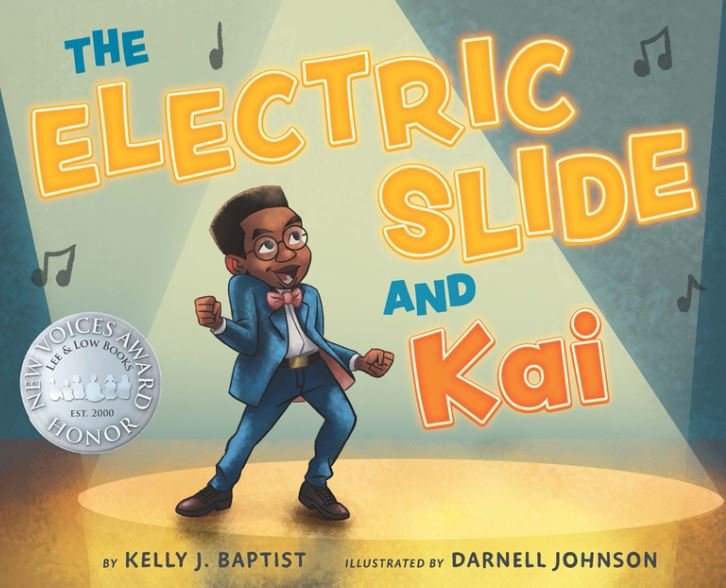
The Electric Slide and Kai

By Kelly J. Baptist, illustrated by Darnell Johnson
Kai’s aunt is getting married, and everyone in the Donovan family is excited about the wedding … except Kai. More than anything, he wants to prove that he can boogie with the rest of his family, but can he break through his nerves and break it down on the dance floor?

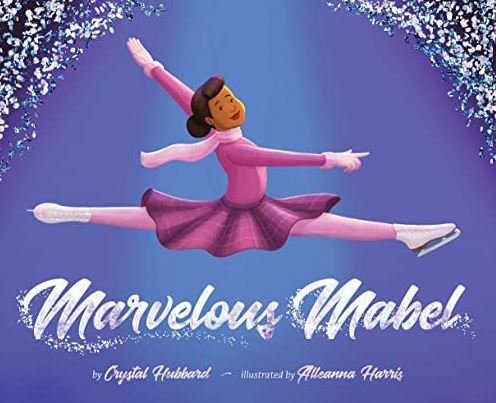
Marvelous Mabel: Figure Skating Superstar

By Crystal Hubbard, illustrated by Alleanna Harris
A captivating journey into the history of one of the world’s unsung heroes of American Figure Skating.

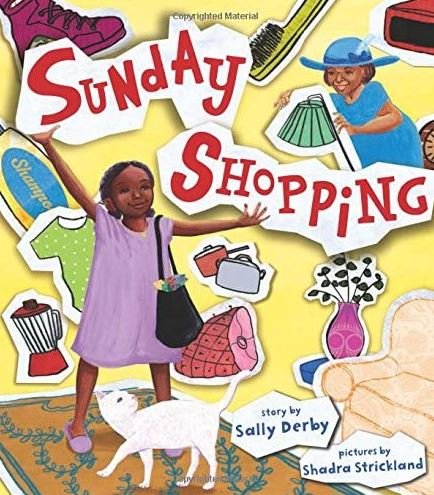
Sunday Shopping

By Sally Derby Miller, illustrated by Shadra Strickland
Every Sunday night a young girl and her grandmother go on an imaginary shopping trip in this delightful picture book.

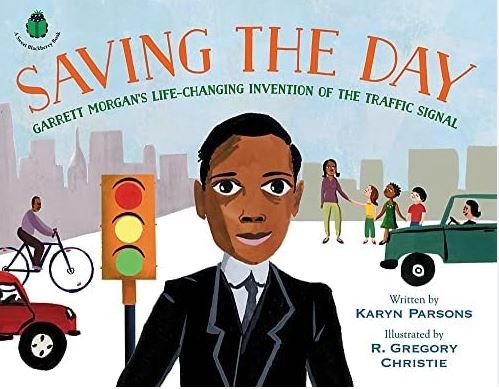
Saving the Day: Garrett Morgan’s Life Changing Invention of the Traffic Signal

By Karyn Parsons, illustrated by R. Gregory Christie
This book tells a little-known story about a man whose talent would be a gift to the world.

Mae Among the Stars

By Roda Ahmed, illustrated by Stasia Burrington
Mae Jemison was the first African-American woman in space, and this book shares her dreams as a child, her hard work and ultimately, her success in and out of space.

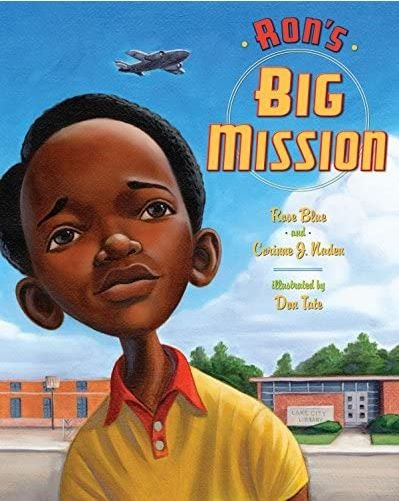
Ron’s Big Mission

By Rose Blue and Corrine Naded, illustrated by Don Tate
This book shares the accomplishments of Ronald McNair, an American physicist and NASA astronaut who died during the Space Shuttle Challenger launch, and the lesser-known story of how he helped integrate a library as a kid.

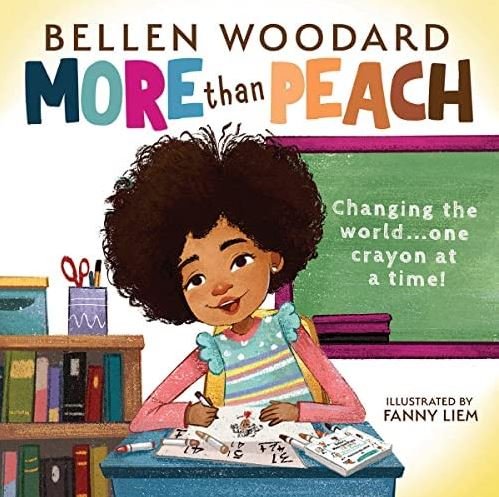
More Than Peach

By Bellen Woodard, illustrated by Fanny Liem
This picture book spreads 11 year old Bellen’s message of inclusivity, empowerment, and the importance of inspiring the next generation of leaders.

Want to learn more?

You can learn more about Black History Month here.