Concordia named among Wisconsin’s most beautiful campuses

Where breathtaking beauty meets purposeful learning, faith and community on the shores of Lake Michigan.


There are some things that students, alumni, faculty and staff at Concordia University Wisconsin have known for years. The view of Lake Michigan at sunrise. The peaceful walking paths winding through campus. The iconic bluff overlooking the water. The way every season seems to bring a new kind of beauty to our Mequon campus.

Now, the rest of Wisconsin is taking notice, too.

Recently, Concordia University Wisconsin was recognized by Up North News as one of “The 8 Most Beautiful College Campuses in Wisconsin.” The statewide publication highlighted campuses across Wisconsin known for their distinctive settings and memorable landscapes, placing Concordia among some of the state’s most picturesque destinations.

For anyone who has spent time on Concordia’s campus, the recognition comes as little surprise.

Nestled along the shores of Lake Michigan, Concordia’s campus offers a unique blend of natural beauty and purpose-filled learning. Whether students are gathering for class, meeting friends in the campus center, attending Chapel, cheering on the Falcons, or simply taking a walk along the bluff, the environment serves as a daily reminder of God’s creation and the opportunities that lie ahead.

The beauty of Concordia extends beyond its scenery. As a Lutheran higher education community, Concordia is committed to helping students develop in mind, body and spirit for service to Christ in the Church and the world. The campus itself reflects that mission, providing a welcoming place where faith, learning and community come together.

While rankings and recognitions are always appreciated, what makes Concordia truly special is the people who call it home. The students pursuing their vocations, the faculty and staff who invest in their success, and the alumni who carry Concordia’s mission into their communities all contribute to a campus experience that is as meaningful as it is beautiful.

For those who have not yet visited, this latest recognition is one more reason to see CUW for yourself. Stand on the bluff, take in the view, and discover why so many people consider this corner of Wisconsin one of the most beautiful places to learn, grow, and live uncommon.


Want in?

Concordia University Wisconsin is a Lutheran higher education community committed to helping students develop in mind, body and spirit for service to Christ in the Church and the world.


Online learning that works for real life

From mobile-friendly access to personalized feedback, Canvas gives online learners the tools they need to succeed on their schedule.


When you’re a working adult exploring online programs, you’re not just asking, “What will I learn?” You’re also asking, “Can I realistically manage this with everything else in my life?”

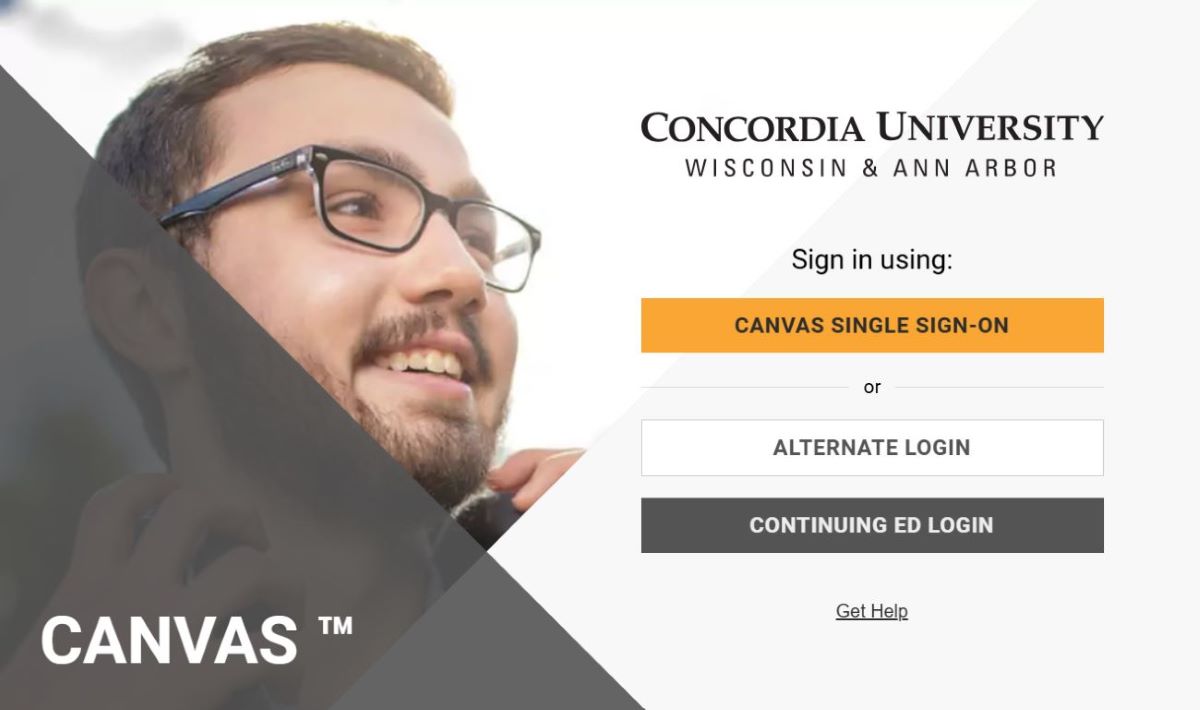
Canvas—the university’s learning management system—is a big part of the answer. Canvas is the online hub where you access your courses, connect with instructors and classmates, submit assignments, and track your progress. It’s designed to support real people with real responsibilities, not just full-time students with empty calendars.

Natalie Upson, PhD, director of online learning in the Center for Excellence in Learning and Teaching, says, “Over the past year, students and faculty alike have enjoyed using Canvas because of its intuitive design and focus on creating a positive student experience.”

Here’s how Canvas helps make the CUW online experience clearer, more flexible and more student-friendly from your first login to graduation.


Clear course design means less guesswork, more learning

screenshot of Canvas

When you log into Canvas at CUW, you don’t have to dig through email chains and scattered links to figure out what to do next. Most courses are organized, with many others being redesigned, into modules that guide you step by step.

  • Modules organize your learning. Courses are broken into weekly or thematic units so you can see readings, videos, discussions and assignments in one place.
  • Clear instructions and due dates. Each activity includes directions, expectations, and a due date to help you plan ahead.
  • Consistent layout across courses. Most CUW online courses follow similar structures in Canvas, so once you learn your way around one course, you’ll feel at home in the others.

This clarity reduces stress and uncertainty. You can quickly answer questions such as, “What should I be working on this week?” and “How does this assignment fit into the bigger picture?” Then you can focus on learning.


Mobile-friendly learning for real-life schedules

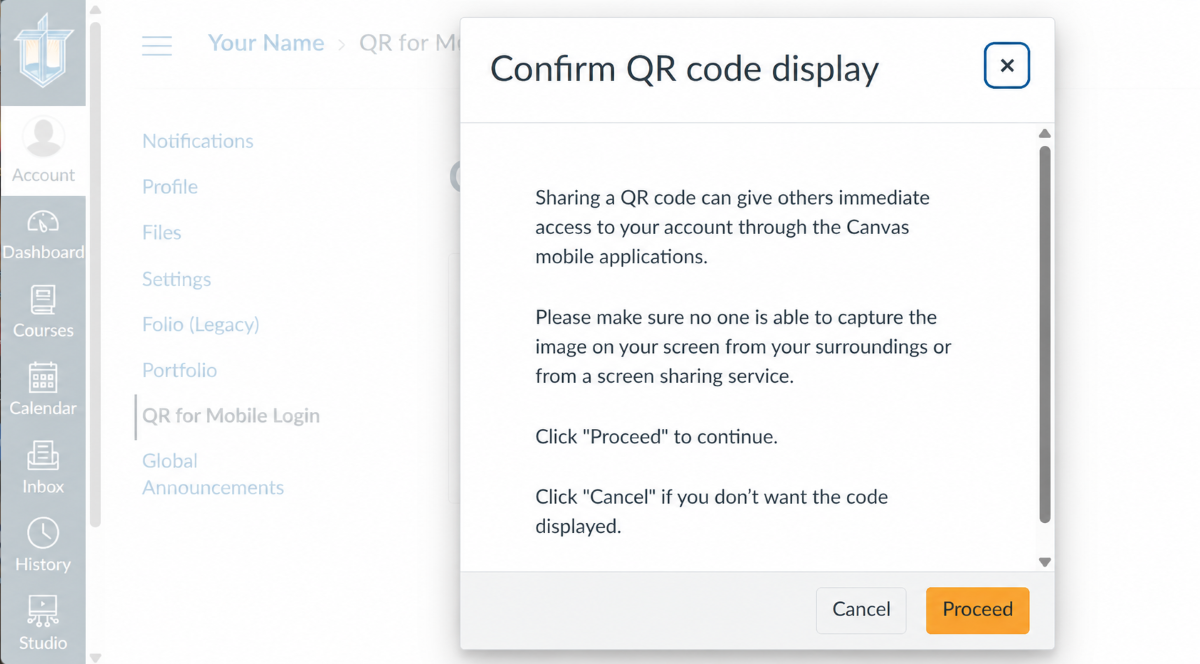
screenshot example of QR code access
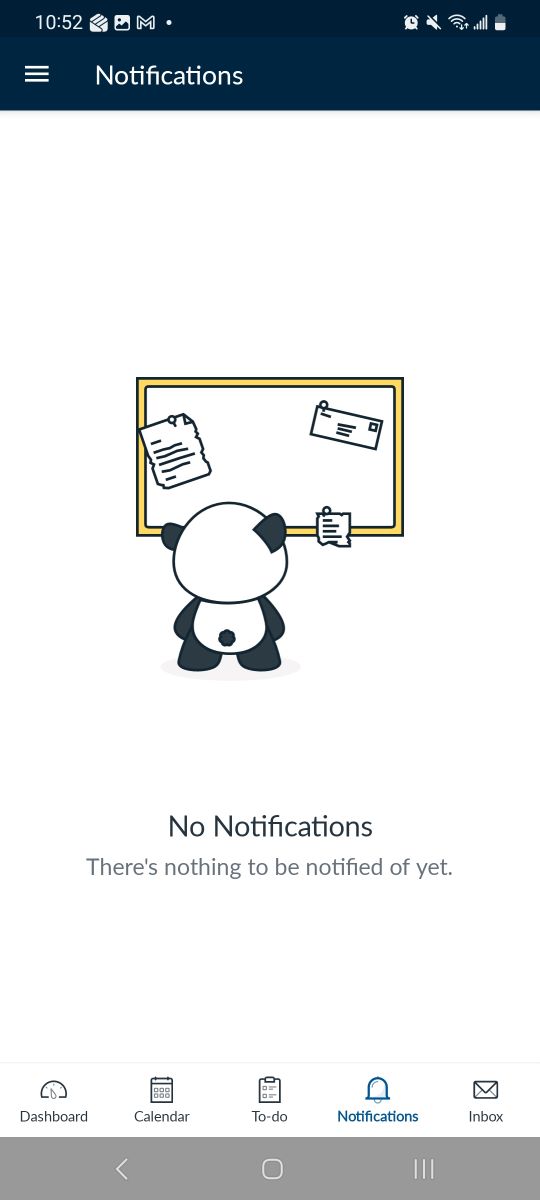
screenshot of Canvas phone app

For many online students, learning happens between shifts, after the kids are in bed or during a lunch break. Canvas supports that kind of real-life schedule.

  • Canvas student app. Review content, check announcements, participate in discussions, and view grades from your phone or tablet.
  • On-the-go notifications. Choose push notifications for new grades, due date changes and instructor announcements so you’re never caught off guard.
  • Learn in short bursts. Waiting for an appointment? You can watch a recorded lecture, contribute to a discussion or review course materials from your mobile device.

Instead of requiring you to be at a desk at a specific time, Canvas helps you make progress whenever your schedule allows.


Fast, helpful feedback that keeps you moving forward

Feedback is one of the most important parts of learning, especially online, where you’re not in a physical classroom. Canvas makes feedback easier to access and act on.

  • Centralized gradebook. View grades, instructor comments, and your overall standing in each course at a glance.
  • Detailed comments and rubrics. Many instructors use rubrics and online comments so you know what you did well and where you can improve.
  • Multiple feedback formats. Instructors can leave text, audio or video feedback, creating a more personal learning experience.

Rather than waiting until the end of a unit to understand your progress, you receive ongoing feedback that helps you make adjustments while there’s still time to improve.


Inclusive access for every learner

CUW is committed to creating a learning environment where all students can participate fully. Canvas supports that commitment through accessibility features and inclusive course design.

  • Screen reader-friendly layouts. Canvas works with assistive technologies used by students with visual impairments.
  • Captioned and downloadable content. Many courses include captioned videos and downloadable resources that support different learning preferences.
  • Flexible formats. Instructors can offer content through text, video and interactive activities, allowing students to engage in ways that fit their learning styles.

Upson says, “To better support all learners, CUW has integrated Pope Tech into Canvas. This accessibility tool allows students to instantly convert Canvas pages and course documents into alternative formats, including Braille, MP3 audio, Word and PDF files. Whether you have specific learning needs or simply want to study on the go, Pope Tech helps you access course materials in the format that works best for your learning style and schedule.”

If you need accommodations—or simply prefer learning in a particular way—Canvas helps create a more accessible learning experience.


A sense of community, even at a distance

Online learning shouldn’t feel isolating. Canvas includes built-in tools that help you connect with your peers and instructors, not just course content.

  • Discussions that feel like real conversations. Participate in text-based and multimedia discussions where classmates share experiences, ask questions, and respond to one another.
  • Announcements and messaging. Instructors use announcements to share updates, and the Canvas Inbox allows direct communication with instructors and classmates.
  • Group work and peer review. Many courses use collaboration and peer-review tools that help students practice workplace-ready communication skills.

These tools support CUW’s mission of providing a caring, Christ-centered community, even when students and faculty are spread across time zones.

Upson adds, “Every course at CUW includes a dedicated Pray & Chat discussion board, creating space for students to connect spiritually with their peers. Students can post prayer requests, share praise reports and lift up classmates in prayer, fostering a supportive faith community within each course.”


3 tips to get the most from Canvas

screenshot of notifications

If you decide to enroll in a CUW online program, a few simple habits can help you make the most of Canvas from day one.

1. Customize your notifications

Spend a few minutes adjusting your notification settings so you receive alerts about grades, announcements, and due date changes in the way that works best for you—email, push notifications or both.

2. Make the calendar your home base

Check the Canvas Calendar at the start of each week and add important dates to your personal calendar. Seeing all your course deadlines in one place can make it easier to balance school, work and family commitments.

3. Use the mobile app intentionally

The app is perfect for quick check-ins, discussion participation and short readings. For longer tasks, such as writing major papers or taking exams, use a laptop or desktop whenever possible for the best experience.

These small habits can help you stay organized and feel more in control throughout the term.

CUW’s online undergraduate and graduate classes are offered year-round, with students beginning courses in two eight-week mini-terms during the spring, summer and fall semesters for most programs.

Take the next step and connect with Concordia University’s admissions team by visiting CUW Online Undergraduate Admissions for undergraduate degrees or CUW Graduate Admissions for master’s degrees and licensure programs, or call 262-243-4300.


Want in?

Concordia University Wisconsin is a Lutheran higher education community committed to helping students develop in mind, body and spirit for service to Christ in the Church and the world.


Future-Proof Your Career: 5 Essential Workplace Skills for 2030

The workplace is changing quickly. Artificial intelligence, data-driven decision-making, workforce shortages, and new technologies are reshaping how organizations operate. According to the World Economic Forum, technology, demographic shifts, and economic uncertainty are among the major forces expected to transform jobs and skills through 2030.

For professionals, the question is not whether work will change. It is whether you will be ready to grow with it.

The good news is that future-ready skills are not limited to one job title or industry. Whether you work in business, healthcare, education, nonprofit leadership, or another field, the most valuable professionals will be those who can adapt, communicate clearly, think critically, and use technology with sound judgment.

That is why executive leadership training in a shorter, applied format can be so valuable. It gives working professionals a way to grow now without immediately committing to a full graduate degree.

1. Leadership in an Age of Automation

As technology handles more routine tasks, human leadership becomes even more important.

Organizations still need people who can build trust, guide teams through change, resolve conflict, and keep work aligned with a larger purpose. Automation may improve speed and efficiency, but it cannot replace empathy, ethical decision-making, or the ability to inspire people during uncertain times.

By 2030, employers will likely value leaders who can:

  • Communicate clearly across teams
  • Manage change with confidence
  • Make thoughtful decisions under pressure
  • Build strong workplace cultures
  • Lead with integrity and accountability

Leadership is no longer reserved only for executives. It is becoming a core workplace skill at every level of an organization. McKinsey notes that AI makes human leadership traits such as judgment, creativity, and values-driven decision-making even more important.

2. Data Literacy as a Core Competency

Nearly every industry now relies on data. Business teams use dashboards to measure performance. Healthcare organizations track patient outcomes. Schools, nonprofits, and manufacturers all use information to guide decisions.

Data literacy does not mean becoming a data scientist. It means knowing how to ask the right questions, interpret information, notice patterns, and use insights responsibly.

Professionals with strong data literacy can:

  • Understand reports and dashboards
  • Identify trends and risks
  • Connect data to strategy
  • Communicate insights clearly
  • Make decisions based on evidence, not assumptions

By 2030, data literacy may become as fundamental as basic computer skills are today. Those who can translate information into action will be better prepared to contribute to strategic conversations.

3. AI Fluency Will Be Expected

Artificial intelligence is already becoming part of everyday work. From scheduling and customer service to content creation, analytics, and healthcare administration, AI tools are helping organizations improve efficiency.

The professionals who succeed will not necessarily be the ones who build AI systems. They will be the ones who know how to use AI thoughtfully.

AI fluency means understanding:

  • What AI tools can do well
  • Where AI has limitations
  • How to evaluate AI-generated information
  • When human judgment is required
  • How to use technology ethically

This matters because AI can produce quick answers, but those answers still need review. Professionals must be able to check accuracy, protect privacy, avoid bias, and apply context.

The goal is not to let AI replace human thinking. The goal is to use AI as a tool while keeping people, ethics, and good judgment at the center.

4. Critical Thinking Remains Irreplaceable

As information becomes easier to generate, critical thinking becomes more valuable.

AI can summarize, draft, and analyze at remarkable speed. But it cannot always determine whether information is accurate, relevant, ethical, or appropriate for a specific situation.

Employers need professionals who can slow down, evaluate options, and make wise decisions. Critical thinking helps people analyze problems, compare perspectives, identify risks, and choose a responsible path forward.

This skill is especially important in complex workplaces where there may not be one clear answer. A healthcare leader may need to balance patient needs, staffing realities, regulations, and budget pressures. A business manager may need to decide whether a new technology is worth the investment. A nonprofit leader may need to evaluate competing community needs.

In each case, critical thinking connects knowledge with wisdom.

5. Healthcare Workforce Skills Will Continue to Grow

Healthcare remains one of the most important and rapidly evolving sectors of the economy. The U.S. Bureau of Labor Statistics projects overall employment growth from 2024 to 2034, with healthcare continuing to play a major role in workforce demand.

At the same time, healthcare organizations face growing complexity. An aging population, workforce shortages, new technologies, and changing patient expectations are reshaping care delivery.

Employers are not only looking for clinical expertise. They also need professionals who can:

  • Lead interdisciplinary teams
  • Understand healthcare data
  • Improve systems and workflows
  • Implement new technologies
  • Communicate across departments
  • Support better patient outcomes

For professionals considering advancement in healthcare, technical knowledge and leadership skills increasingly go hand in hand. The future of healthcare will require people who can care, lead, analyze, and adapt.

How to Start Building Future-Ready Skills

The future may feel far away, but preparation can begin now.

Professionals can strengthen workplace skills for 2030 by pursuing continuous learning through certificates, graduate programs, workshops, and professional development. They can also look for ways to practice leadership now, such as mentoring a colleague, leading a project, or volunteering for a cross-functional team.

It is also wise to become more comfortable with technology. Experiment with AI tools, learn how data is used in your field, and ask how emerging systems may affect your work.

Most importantly, build a growth mindset. The professionals who thrive in 2030 will likely be those who stay curious, keep learning, and remain open to change.

FAQ: Workplace Skills for 2030

What skills will employers value most by 2030?
Employers are expected to value leadership, data literacy, AI fluency, critical thinking, adaptability, and industry-specific expertise.

Will AI replace many jobs by 2030?
AI will likely change many tasks, but human skills such as judgment, communication, leadership, and ethical decision-making will remain essential.

Why is data literacy important?
Organizations rely on data to make decisions. Professionals who can interpret and apply data insights are better prepared to contribute meaningfully.

How can I become more AI fluent?
Start by learning how AI tools work, practicing with them in low-risk settings, and understanding their strengths, limits, and ethical concerns.

Preparing for a Purpose-Driven Future

The workplace of 2030 will need more than technical expertise. It will need professionals who can lead with integrity, think clearly, understand data, use technology wisely, and serve others well.

At Concordia University Wisconsin, students are prepared for more than a job. They are equipped for lives of purpose, service, and impact. Through career-focused learning, flexible programs, and values-based leadership development, CUW helps students build the skills they need for today’s workplace and tomorrow’s opportunities. This aligns with CUW’s brand commitment to preparation, community, and values-driven leadership.


 

Improving Omega-3 fatty acids in farmed Walleye

Concordia students explored a new approach to increasing omega-3 fatty acids in farm-raised fish.


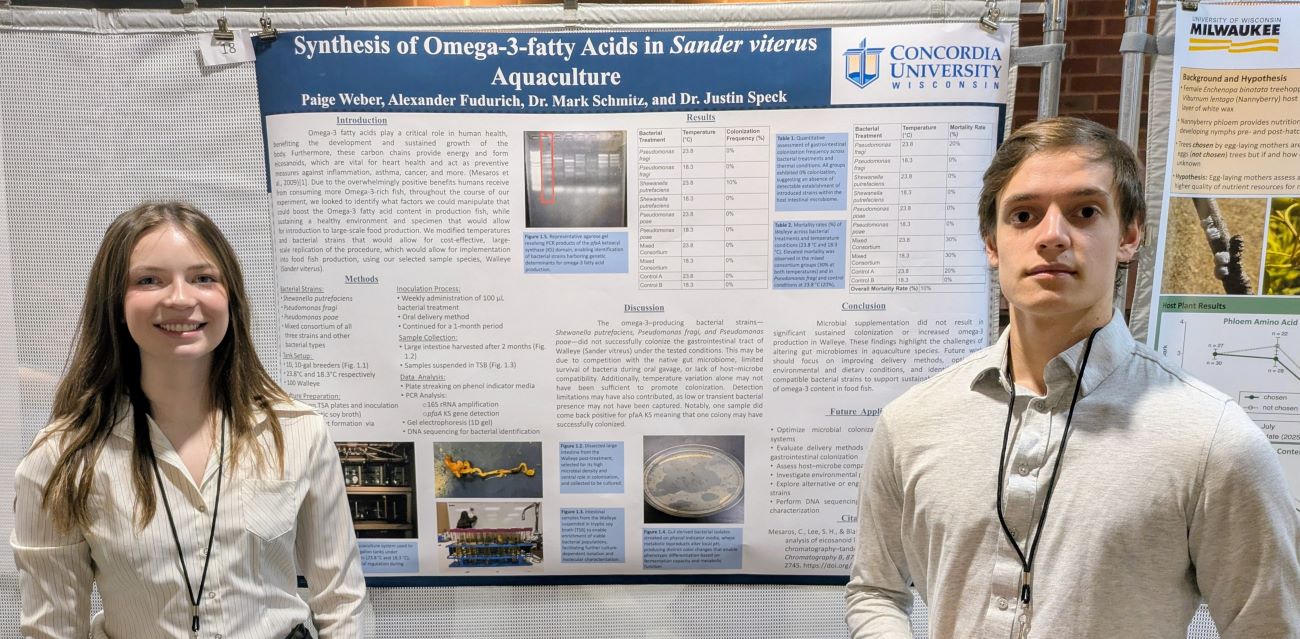
Research often begins with a question and leads to new discoveries. Earlier this spring, students Paige Weber and Alexander Furdurich presented their work at the Milwaukee Area Undergraduate Research Symposium, sharing findings focused on increasing omega-3 fatty acids in farm-raised walleye.

Omega-3 fatty acids support heart health, brain function and disease prevention. While wild-caught fish naturally contain higher levels of these nutrients, farm-raised fish often contain less because of differences in feed and production methods.

Weber and Furdurich wanted to see whether bacteria capable of producing omega-3s could help change that.


two students with science poster

Researching a better fish

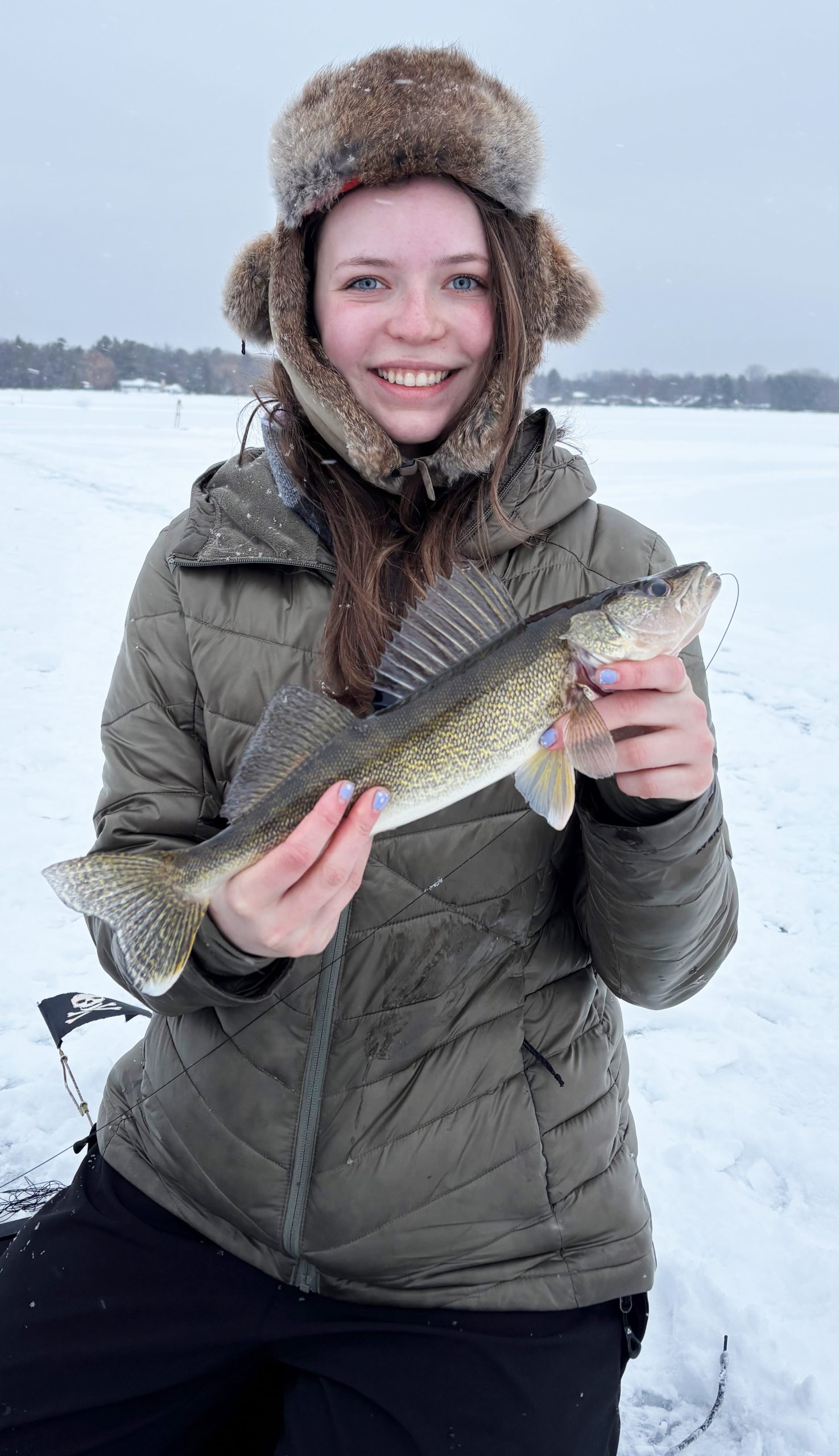
Their research examined the possibility of introducing omega-3-producing bacteria into the gut microbiome of walleye (Sander vitreus). Their goal was to determine whether the bacteria could improve the nutritional value of farmed fish while remaining practical for aquaculture operations.

Inside temperature-controlled tank environments, the students monitored a four-week inoculation period while testing different conditions for bacterial colonization. The work required patience, precision and steady observation as they evaluated how the bacteria interacted with the fish over time.

“I enjoy the opportunity to work more closely with students and watch them grow as they pursue research,” said Dr. Justin Speck, associate professor of microbiology.

“By exploring the hidden microbial communities that shape fish health, I developed a deeper appreciation for the intricate relationships connecting environmental biology, nutrition and human well-being,” Weber said.

“It was exciting through research to get a first look at interdisciplinary biological practices. The experience not only provided a glimpse of what graduate research might hold, but also what we can do to make a difference,” Furdurich added.

Projects like this give students the opportunity to apply classroom learning in meaningful ways. Alongside faculty mentors, students participate in research connected to current challenges facing industries and communities.

Weber plans to attend medical school and continue studying biological systems connected to human health. Furdurich hopes to pursue graduate research or a career in aquaculture.

Undergraduate research remains a defining part of the Concordia experience. Students are encouraged to ask questions, test ideas and contribute to work that reaches beyond the classroom. Through projects like this, they gain experience conducting research that addresses real-world challenges.


Want in?

Concordia University Wisconsin is a Lutheran higher education community committed to helping students develop in mind, body and spirit for service to Christ in the Church and the world.


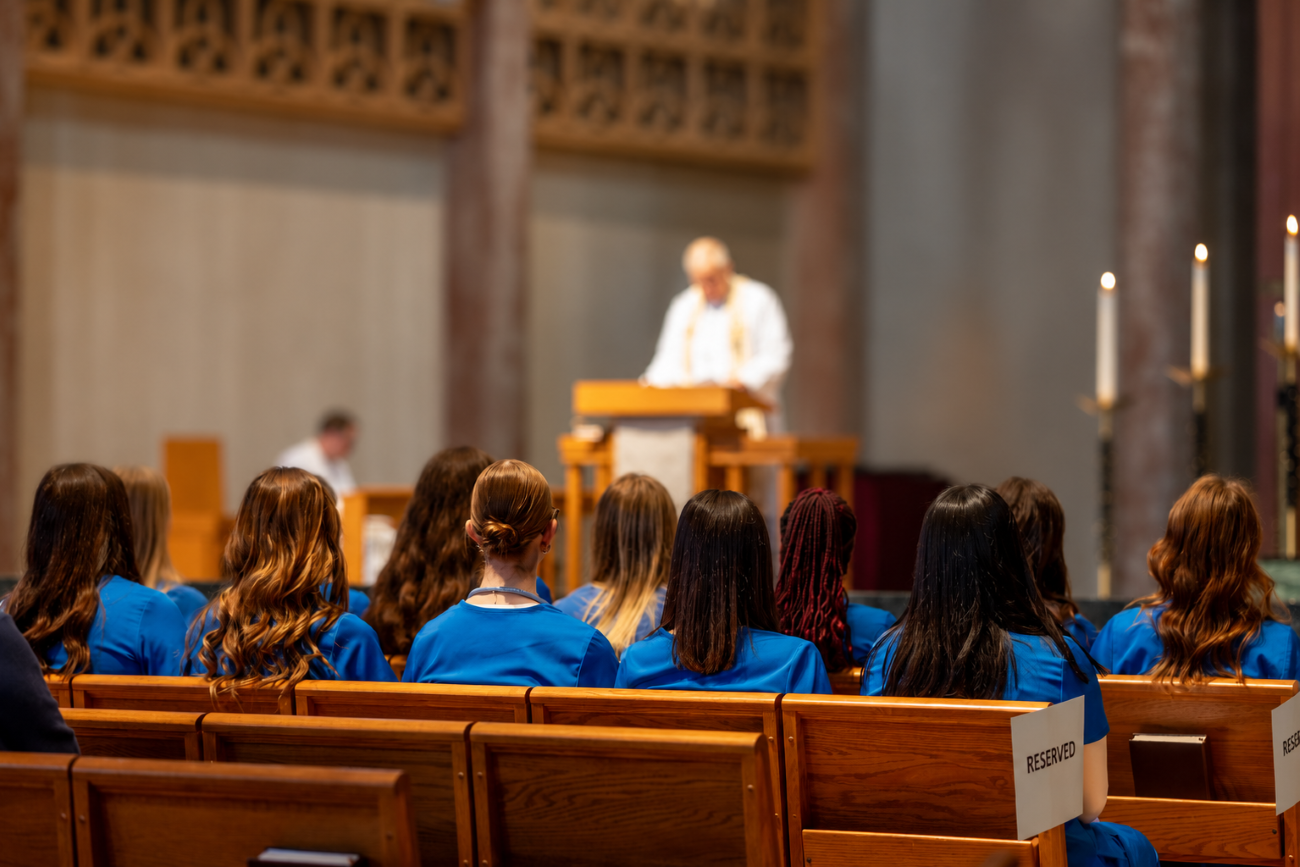
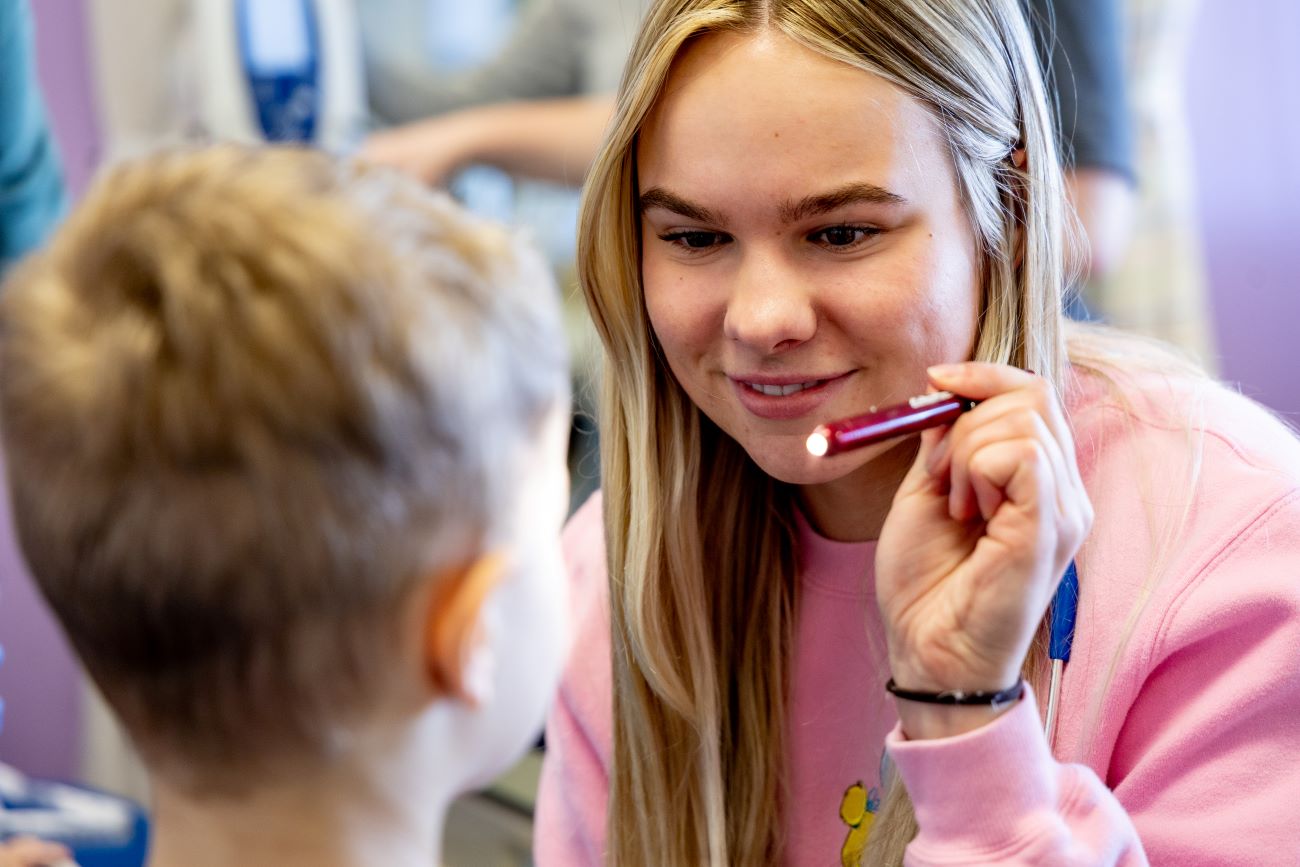
5 reasons future nurses choose Concordia

Preparing nurses who care for the whole person.


Nursing calls for more than clinical knowledge. It asks for compassion, discernment and the ability to care for people during some of life’s most vulnerable moments. As healthcare continues to evolve, the need for nurses who lead with both skill and empathy remains as important as ever.

At CUW, students prepare for that vocation through hands-on learning, Christ-centered mentorship and a community grounded in caring for the whole person. From their first days on campus to their clinical experiences in the field, nursing students grow academically, professionally and spiritually. The result is an education shaped not only by preparation for a career, but by preparation for a life of service.


No. 1: More than a number

Caring for the whole person starts long before clinicals. Nursing students are known by name, supported by faculty and surrounded by a Christ-centered community.

Through small cohorts and close relationships with professors and classmates, students gain the confidence to ask questions, learn from one another and prepare for the realities of patient care.

May 2026 graduate Jenna Mundt said Concordia’s smaller class sizes helped create a close-knit community where relationships with faculty members and classmates developed naturally over time.

“I felt valued not just as a student but as a person,” Mundt said. “The nursing faculty goes above and beyond to connect with students and help us succeed.”

Throughout her time in the program, Mundt met with faculty members for individual tutoring sessions, test reviews and conversations about personal challenges. She said that care extended beyond academics.

“What stood out most to me was the Christ-centered environment,” Mundt said. “Many classes began with devotions and prayer requests, and faculty genuinely followed up to see how we were doing. That level of care showed me that I wasn’t just another student. I was truly known, supported and encouraged academically, personally and spiritually.”

For sophomore nursing student and student-athlete Luke Eggemeyer, that care became especially meaningful after he injured his hip during basketball season in the middle of a clinical rotation. Missing the required number of clinical hours could have delayed his progress in the program, but faculty members worked closely with him to help him recover and stay on track academically.

“Faculty made it very clear that me passing the clinical was their top priority while also maintaining both my safety and health after the surgery,” Eggemeyer said. “They were extremely welcoming, compassionate and understanding of the situation.”

Eggemeyer said the experience reinforced what he had already come to expect from the program: Faculty members cared about him as a person, not just as a student.


No. 2: Roll up your sleeves

Clinical experiences play a central role in preparing nursing students for their vocation. Beginning in their sophomore year, students step into hands-on learning opportunities that introduce them to patient care early in their academic journey.

Through faculty-guided learning, students work with patients in a range of care environments, including long-term care facilities, acute care hospitals, community health agencies, outpatient clinics, simulation labs and specialty practice areas. These experiences allow students to step into the role of a professional nurse long before graduation while gaining a clearer understanding of modern nursing practice.

“Clinical experiences allow students to connect what they are learning in the classroom to the realities of patient care,” said Dawn Kuerschner, associate professor of nursing and chair of the undergraduate nursing program. “These hands-on opportunities help students build confidence, refine their skills and develop the compassion and professionalism needed to care for diverse patient populations.”


No. 3: Training for what’s next

Today’s healthcare students are preparing for a profession that changes quickly. That preparation extends far beyond lectures and textbooks. Students learn through hands-on technology designed to reflect the realities of modern patient care.

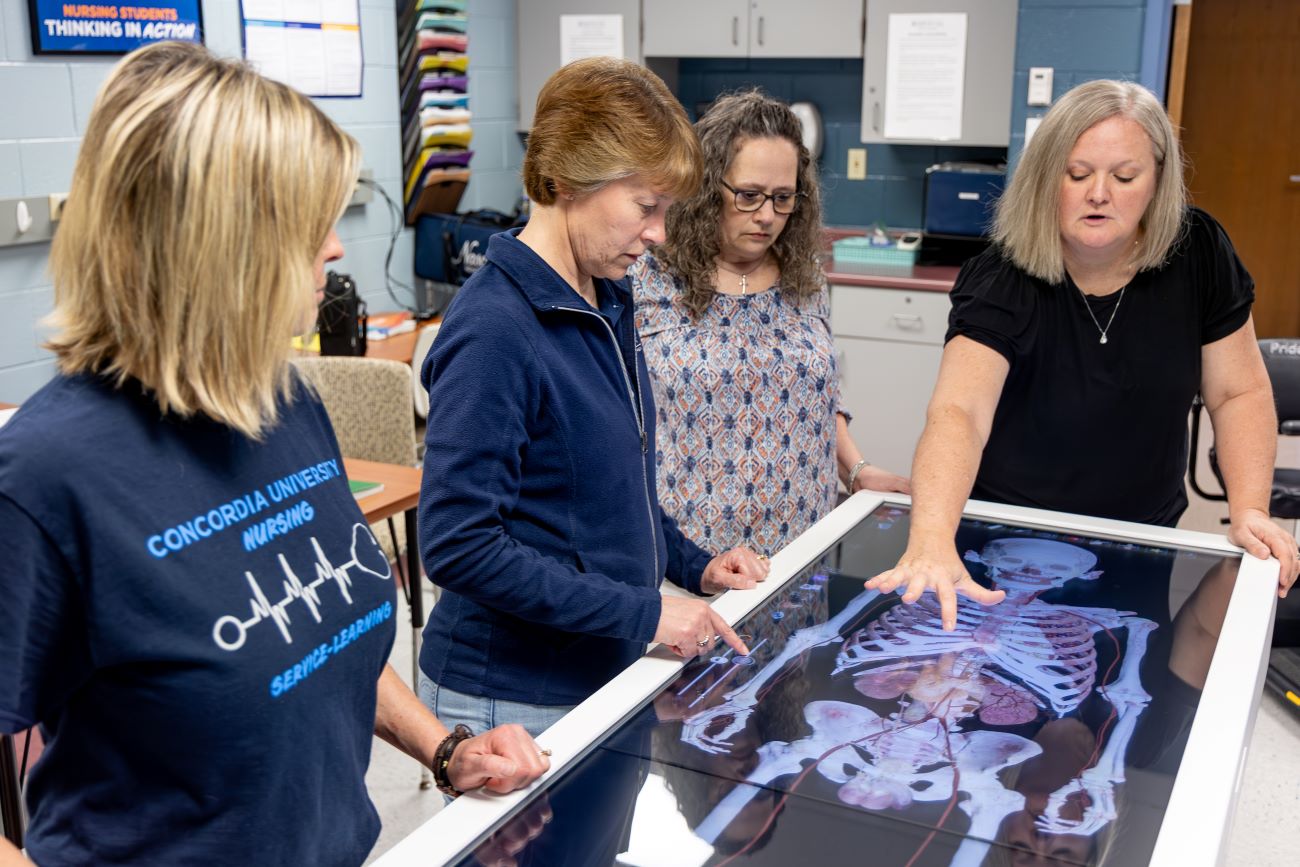
Inside the university’s simulation and virtual reality spaces, students use Anatomage Tables, VR resources and high-fidelity AI simulation manikins to connect classroom learning with clinical practice.

The Anatomage Table allows students to explore human anatomy through detailed 3D models. Virtual reality experiences place students in patient-care scenarios where they practice assessment, communication and decision-making skills. High-fidelity simulation manikins respond to treatments and interventions in real time, helping students prepare for medical, surgical, mental health and community care situations.

“Taking learned information from textbook and theory classes and bringing it into simulation through the Anatomage Table, virtual reality and high-fidelity AI manikins sets our program apart,” said Tina Gaffney, MSN, RN, simulation and VR center director. “This style of learning creates realism in the healthcare situations students will encounter during clinicals and throughout their careers.”

These experiences help students build confidence and clinical judgment before caring for patients in real-world settings.


No. 4: Room to grow

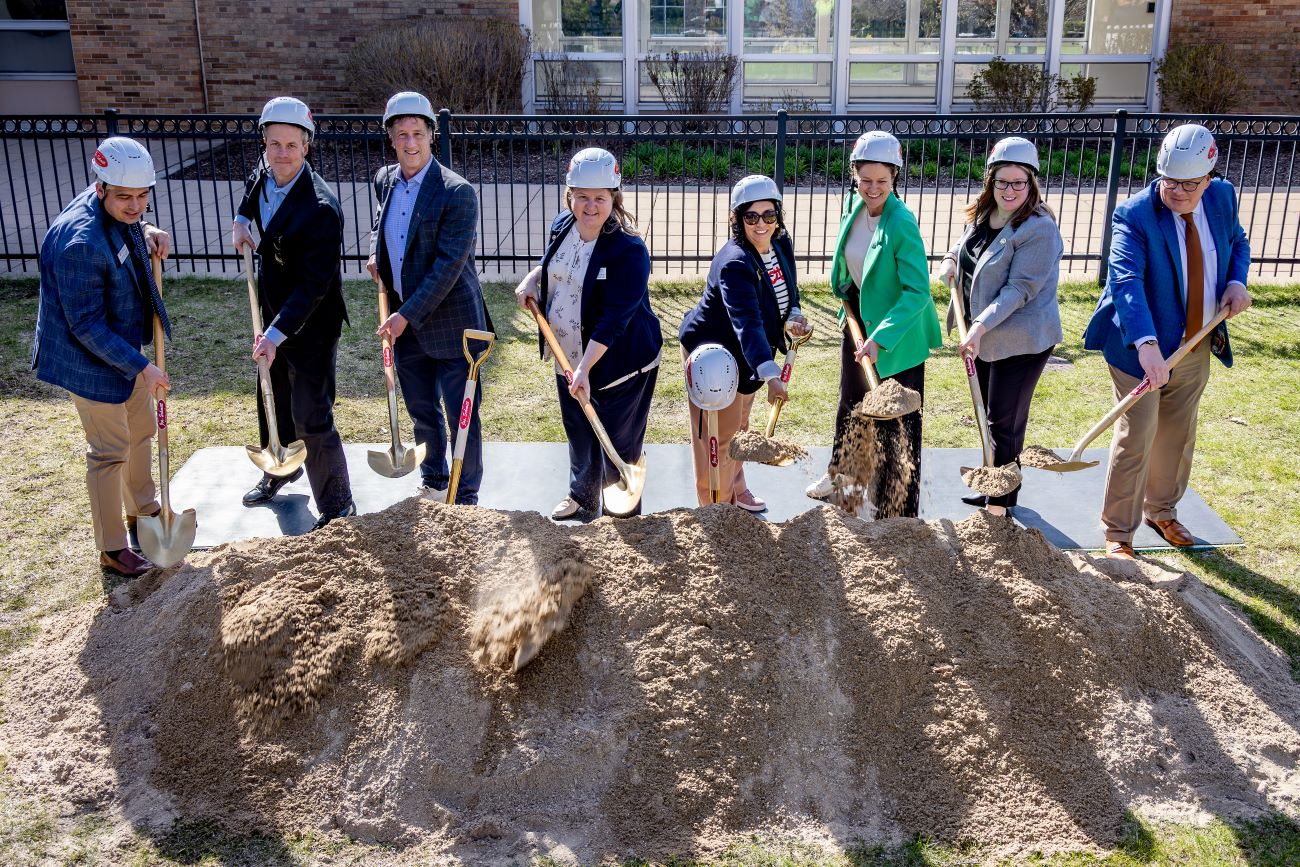
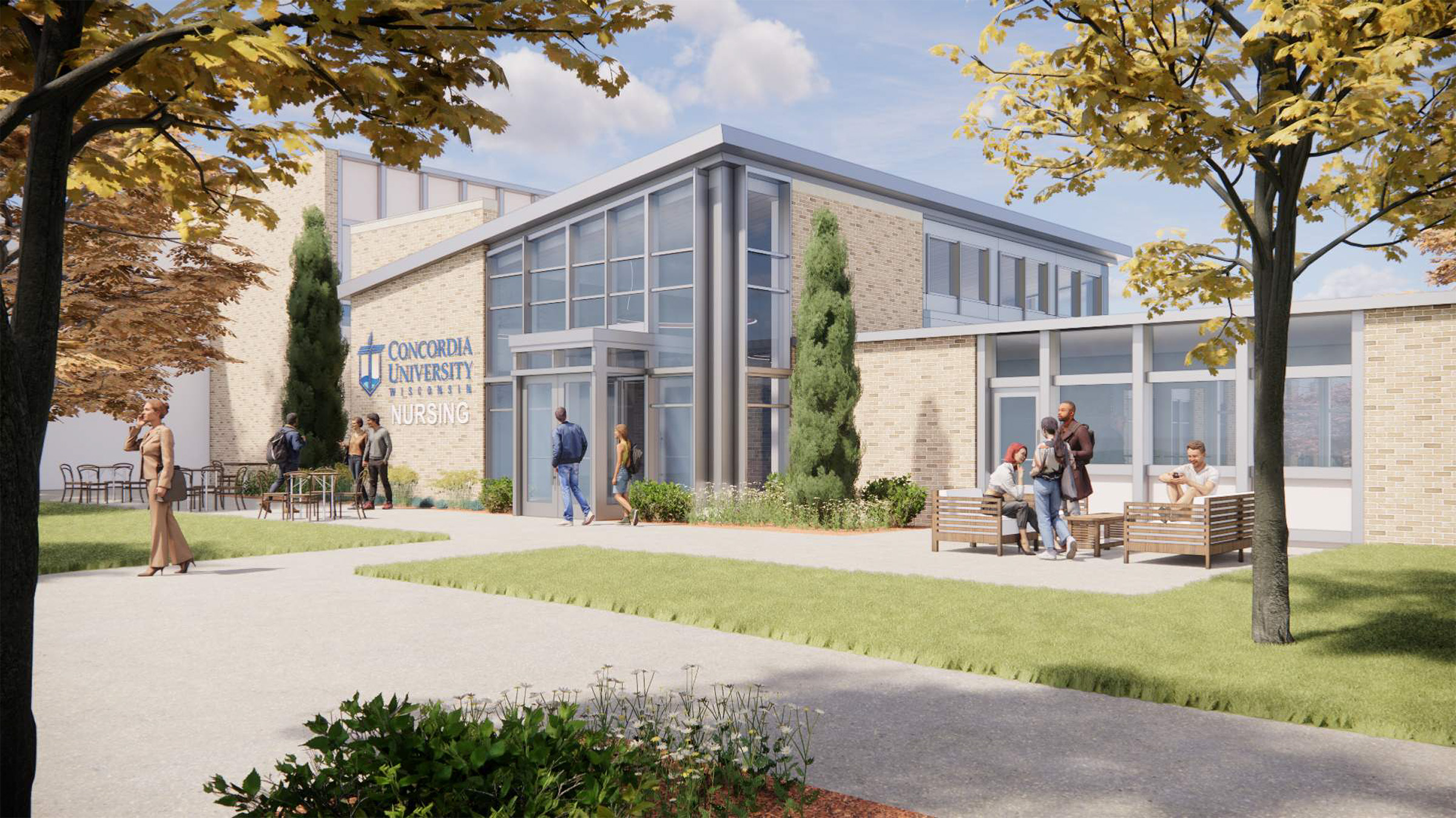
With new nursing facilities on the horizon, students will learn in spaces designed for today’s healthcare environment.

Rendering of the new nursing wing
Architectural rendering of the new nursing wing addition.

The wing addition will include immersive simulation labs, flexible classrooms and hands-on spaces modeled after real healthcare settings. The expansion will also create more opportunities for collaboration, clinical training and team-based learning.

“This project represents an investment not only in our nursing students, but in the future of healthcare,” said Jessica Leiberg, PhD, DNP, dean of the School of Nursing.

“By creating learning environments designed specifically for nursing education, we are preparing students with the confidence, clinical judgment and hands-on experience needed to provide exceptional, Christ-centered patient care.”


No. 5: Walk with Him

Before students enter a hospital room or clinical setting, faculty remind them that nursing involves far more than procedures, assessments or treatment plans. It is about people. Nurses walk alongside patients and families during some of the most vulnerable moments of their lives.

Whether comforting a patient after a difficult diagnosis or listening to a worried family member, students learn that compassion, presence and human connection remain at the heart of quality care.

Through a Christian worldview, they learn to care for the whole person while navigating the ethical, emotional and spiritual realities of healthcare.

That perspective shapes how students approach both their work and their calling.

“In the calling to nursing, God will walk with you,” said Carol A. Lueders Bolwerk, PhD, RN, professor of nursing and director of parish nursing and congregational health ministry. “The School of Nursing gives students the tools to serve as Christian caregivers who care for others in mind, body and spirit. Walk with Him as He leads you toward a future filled with hope and purpose in your calling as nurses.”

Note: Concordia’s nursing program now offers a direct-entry pathway for those called to a new vocation in healthcare.


Want in?

Concordia University Wisconsin is a Lutheran higher education community committed to helping students develop in mind, body and spirit for service to Christ in the Church and the world.


Faith, research and a future in medicine

On track to becoming a surgeon, CUW student Cole Oechsner is researching bacteriophages as a possible tool against antibiotic-resistant biofilms.


Inside Concordia’s microbiology lab, Cole Oechsner is researching bacteriophages with the hope that one day they could help heal patients facing difficult bacterial infections. Bacteriophages are viruses that infect bacteria.

Originally studying mechanical engineering at Milwaukee School of Engineering, Oechsner believed he had chosen a practical and stable career path. But after the unexpected loss of his younger brother, Denny, his perspective shifted.

“I felt led toward healthcare,” Oechsner said. “I wanted to provide healing and serve people in that way.”

Now entering his final year as a biomedical sciences major, Oechsner is preparing for medical school while spending long hours researching in the microbiology lab. His work, conducted alongside Dr. Justin Speck, associate professor of microbiology, examines whether bacteriophages could help break down bacterial biofilms that are often resistant to antibiotics.

“Cole is a talented young man, and it was a joy to conduct research with him,” Speck said.

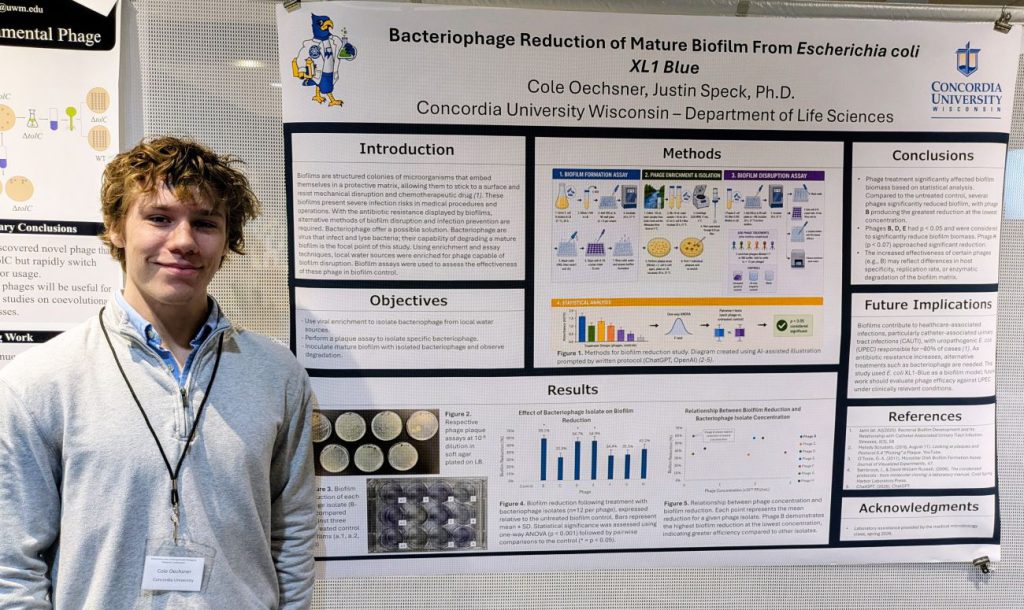
The project recently earned attention at the Milwaukee Area Undergraduate Research Symposium, where Oechsner presented findings showing that several phages collected from local waterways reduced E. coli biofilms in laboratory testing.

“As I’m going into the medical field, I’m always thinking, ‘What can I do? How can I solve this problem? How can I bring a new approach to this medical condition?’” Oechsner said.

two young men posing in front of an ocean
Cole Oechsner and his brother Denny in Nice, France, in the summer of 2023.

Looking at infections differently

young man standing by poster

Biofilms are protective bacterial layers that form on surfaces such as catheters, medical implants and surgical sites. Once established, they become difficult to remove and can contribute to persistent infections.

“When bacteria form biofilms, they interlock and create this slick layer over a surface,” Oechsner explained. “Antibiotics and other forms of disruption are often ineffective.”

The challenge caught his attention during microbiology coursework with Speck. “At the same time we were learning about biofilms, we were also studying bacteriophage and how effective they are at infecting bacteria,” Oechsner said. “With antibiotic resistance becoming a growing issue in healthcare, I started wondering whether phages could help disrupt these biofilms without relying on traditional antibiotics.”

That question eventually became a semester-long undergraduate research project.


Searching for phages in Wisconsin waterways

To begin the study, Oechsner collected freshwater samples from Cedar Creek and the Milwaukee River, locations he already knew from previous microbiology work.

“The first place that came to mind to look for viruses that infect E. coli was Cedar Creek, and thankfully that’s where I found them,” he said.

Back in the microbiology lab, Oechsner used plaque assays and sterile laboratory techniques to isolate bacteriophages capable of targeting Escherichia coli strain XL1 Blue, a strain selected because it formed strong biofilms during testing.

By the end of the semester, he had identified seven phages, currently labeled Phage B through H. Three produced statistically significant reductions in biofilm growth. One, labeled “Phage B,” reduced biofilm formation by more than 59%.

“We took the project one step at a time because we didn’t know whether the bacteria would form strong enough biofilms,” Oechsner said. “We didn’t know if we would even be able to isolate the phages from the water samples. But things started falling into place.”

The research process included setbacks familiar to many scientists. “Sometimes the bacteria didn’t behave the way we needed them to,” he said. “There were days where I had to regrow cultures and repeat parts of the experiment. But that was part of the learning experience.”

Speck praised Oechsner’s dedication throughout the project. “I am impressed with his persistence and hard work in data collection,” he said.


Learning through hands-on research

The project offered more than laboratory results. It provided Oechsner with a firsthand look at how scientific research develops.

“This was the most hands-on and independent project I’ve worked on,” Oechsner said. “Dr. Speck gave me room to learn while still guiding me through protocols and helping me understand why we were doing each step.”

The experience deepened his appreciation for the research behind medical advancements. “I don’t necessarily see myself becoming a full-time researcher,” he said. “But now I have a much greater appreciation for the amount of work behind every advancement in medicine and science.”

The project also gave him an opportunity to connect with researchers outside Concordia. During the undergraduate research symposium, Oechsner presented his findings to faculty members, students and other phage researchers from across Wisconsin.

“There were a lot of questions,” he said with a laugh. “Some of them were questions I couldn’t fully answer yet, but that was exciting because it showed there’s still so much more to learn.”


The next phase for the phage

Oechsner hopes to continue the project by sequencing the genomes of the most successful phages. If the phages prove to be previously unidentified strains, they could eventually be registered and named through microbiological databases used by researchers around the world.

“If they are novel, we could register them with a microbiological society,” Oechsner said. “Then we’d really dive into how those bacteriophages disrupt the biofilm and kill off the bacteria.”

The possibility of naming a newly discovered phage also carries personal meaning for him.

“I think it would be fun to name one after my brother,” he said. “I don’t know how he’d feel about having a virus named after him, but I think it would be meaningful.”


What’s next for Oechsner?

While the possibility of contributing something new to the scientific community is exciting, Oechsner said the larger goal remains helping people.

After graduating from Concordia in spring 2027, Oechsner plans to attend medical school and pursue a career in surgery.

In addition to research, Oechsner serves on the executive board for Concordia’s pre-med club, tutors organic chemistry through Supplemental Instruction, and works at Aurora Medical Center in Grafton as a phlebotomist and laboratory technician.

“I never would have imagined myself working in healthcare when I was younger,” he said. “Now I feel completely certain this is where I’m supposed to be.”

He credits Concordia faculty and his faith for helping shape his path forward. “The professors at Concordia have been phenomenal,” Oechsner said. “I’ve learned so much from all of them. They take time to meet with me, discuss difficult topics, and really give me the environment I need to grow.”

Oechsner said his faith has also given him confidence as he prepares for a future in medicine.

“My faith allows me to relinquish those anxieties and trust that things will work out,” he said. “I feel like God guided me onto this path, and I feel like I’m doing the right thing. I trust that if I continue doing the right thing, He’ll continue opening doors.”


Want in?

Concordia University Wisconsin is a Lutheran higher education community committed to helping students develop in mind, body and spirit for service to Christ in the Church and the world.


Welcoming Concordia’s newest class to campus

Falcon Days are underway, welcoming the next generation of Falcons as they prepare for life on campus.


Held throughout June and July, Falcon Days give first-year students an early look at the people, places and resources that will shape their college experience. Families spend the day learning about academics, student life, residence halls, campus support services and the faith-centered community that awaits them in the fall.

“These days are filled with excitement and are always fun for all involved,” said Elizabeth Polzin, EdD, vice president of student success and associate professor of education. “Our goal is to answer questions families may have, get them excited about arriving to campus in the fall, and help them understand what life as a Falcon may look like at CUW.”


student holding a sign

Building excitement before move-in day

The first Falcon Day reached capacity, with 100 families registered to attend. The strong response reflects the anticipation many incoming students and families feel as they prepare for the transition to college life.

“We love the fun vibes and helping students go from uncertain, unfamiliar, maybe a little nervous to excited,” said Kara Janowski, MA, director of student engagement. “That’s really what Falcon Day is all about.”

Additional Falcon Days will take place on:

  • Wednesday, June 10
  • Monday, June 15
  • Friday, June 26
  • Friday, July 10

At these events, students and families hear from Campus Ministry, faculty, advisors and university leaders. They also explore campus resources and tour residence halls. For many families, Falcon Days provide an early glimpse of what life at Concordia will be like.

Faculty members from each school join families for lunch during the day. The informal gathering allows parents to ask questions about academic programs and connect directly with faculty before the semester begins.

“When incoming students and their families enter our campus, we want to cultivate the feeling of being welcomed home,” said Leah Flolo, coordinator of student activities and orientation. “College is a huge transition for both students and their families, so our goal is to make that transition feel natural and exciting.”


students doing activities

What does a Falcon Day look like?

Families arrive on campus in the morning for student-led tours, advising sessions and opportunities to connect with faculty, staff and fellow Falcons.

A typical Falcon Day includes:

  • Welcome sessions and advising.
  • A buffet-style lunch with faculty and staff.
  • Guided residence hall tours.
  • Student activities led by orientation leaders.
  • Opportunities to learn more about academics, financial aid and campus life.

Commuter students and their families can also participate in specialized sessions and campus tours tailored to their experience.

Read last year’s article, “Falcon Days help new students take flight,” for additional information!


woman holding sign Future Falcon

Photo gallery: A first look at Falcon life

For many incoming students and families, Falcon Day is more than an orientation event. It is one of their first opportunities to picture what everyday campus life might look and feel like.

Through conversations with faculty and staff, residence hall visits and interactions with future classmates, students begin to see themselves as part of the Concordia community.

The photo gallery below captures some of those moments across campus today.


Want in?

Concordia University Wisconsin is a Lutheran higher education community committed to helping students develop in mind, body and spirit for service to Christ in the Church and the world.


Concordia in the news: Graduate’s perseverance story earns front-page recognition

Concordia University Wisconsin is, once again, making headlines for the right reasons.


The Ozaukee County News Graphic recently featured a front-page story highlighting the inspiring journey of 2026 graduate Brianna Lusk, whose determination, faith and resilience carried her through significant health challenges on her path to earning a Bachelor of Arts in visual communication with a minor in entrepreneurship. The story also spotlighted Lusk’s selection as the undergraduate commencement speaker, a fitting honor for a student whose experience exemplifies perseverance and purpose.

At Concordia, we often talk about helping students develop in mind, body and spirit for service to Christ in the Church and the world. Lusk’s story is a powerful reflection of that mission. Through setbacks that could have easily altered her plans, she remained committed to her education, continued pursuing her calling, and ultimately crossed the commencement stage as both a graduate and a representative voice for her fellow classmates.

The recognition from the Ozaukee County News Graphic serves as another reminder that Concordia students continue to make an impact far beyond campus. Their stories demonstrate what can happen when faith, learning and perseverance come together in pursuit of a greater purpose.

We are grateful to the News Graphic for sharing Lusk’s story with the broader community and proud to celebrate her accomplishments alongside those of her fellow graduates.

Read the full Ozaukee County News Graphic feature on Lusk to learn more about her remarkable journey and commencement message.


Want in?

Concordia University Wisconsin is a Lutheran higher education community committed to helping students develop in mind, body and spirit for service to Christ in the Church and the world.


CUW 2026-27 campus theme: ‘Rest in Christ’

The yearlong focus will encourage students, faculty and staff to lay down life’s burdens and embrace Christ’s gift of rest.


Few invitations are more gracious than the one our Lord extends in Matthew’s Gospel: “Come to me, all you who labor and are heavy laden, and I will give you rest” (Matthew 11:28, ESV).

The labor of which Jesus speaks is not hard manual work, but rather the burden of carrying our sins and striving after righteousness according to a standard we can never quite meet.

Indeed, every one of us is weary and heavy laden because, no matter how hard we work, when it comes to making ourselves righteous, we can never be good enough for God.

That endless toil of chasing after our own righteousness is what the false, sinful and natural religion of humanity is in a nutshell: striving to be good enough so that we can earn and deserve God’s favor. It makes for a very hard life, for such a false god is unforgiving and unmerciful.


cross with Jesus on it

The rest only Christ can give

In the words of Jesus, however, we find a different teaching: the true religion of God. “Come to me, all you who labor and are heavy laden, and I will give you rest.”

The way of Jesus is unlike any other religion in the world. In Jesus’ religion, God tells you to lay down your burdens of self-justification.

He tells you to rest.

Jesus tells you that He will take your heavy burden. He will take the hard labor. He will take your hard yoke and make it easy. He will take your heavy burden and make it light.

Jesus could only say that because He is the Son of God who became flesh to save us from our sins.

Apart from Him, no one can know the love of God the Father. While there is nothing we can do to please God, everything Jesus did pleased His Father. While we cannot endure the punishment our sin demands, Jesus’ sacrifice on the cross completely satisfied God’s justice for us. He rose from the dead three days later, just as He promised.

Jesus is the One who takes our yoke upon Himself and gives us the easy yoke of forgiveness in its place. He is the One who took away our heavy burden of sin and replaced it with His righteousness. He has taken away the labor and burden of false belief and replaced them with the gift of rest that comes from faith in Christ alone.

So, dear friends, rest in Christ. By His Word, by Baptism and Absolution, by His body and blood, receive rest from the burden of trying to bargain your way out from under the heavy load of guilt and shame that the devil, the world, and your own sinful flesh try to trick you into bearing.

Christ has taken your load. He replaces it with His yoke—His righteousness—which is easy and light.

By Rev. Jonathon Bakker, Campus Pastor


Want in?

Concordia University Wisconsin is a Lutheran higher education community committed to helping students develop in mind, body and spirit for service to Christ in the Church and the world. To learn more about campus ministry opportunities, click on the link below.


Meet the summer ambassadors introducing future Falcons to Concordia

These tour guides do more than show visitors around campus—they help future Falcons picture themselves here.


Choosing a college is a big decision.

At Concordia University Wisconsin, student ambassadors help prospective students see beyond the brochures and campus maps. Through tours, conversations and personal stories, they offer a firsthand look at life as a Falcon while answering questions about academics, residence life and what it means to be part of the Concordia community.

“During the summer, our campus is at its most beautiful and quietest,” says Lydia Nuechterlein, admissions visit operations coordinator. “Our student ambassadors help prospective students envision themselves at CUW beyond the summer months. We appreciate how effectively they share what they love about Concordia and why they chose this university.

“Being a summer student ambassador allows our students to continue serving in a role they love while experiencing a summer on Lake Michigan and all this area has to offer.”

This summer’s ambassadors bring a range of interests, experiences and perspectives to campus visits.


Get to know CUW’s summer student ambassadors

girl with gray shirt and headband smiling

Gilead “Gilly” Adams
Senior, psychology and music

Ask senior Gilead “Gilly” Adams about campus life, and chances are you’ll leave the conversation feeling more connected to Concordia. Originally from Milwaukee, Adams is double majoring in psychology and music. Her tours feel more like conversations than presentations, giving visitors plenty of opportunities to ask questions and share their own interests. Often fueled by an iced caramel latte or caramel macchiato with oat milk, she chose “Introducing Me” by Nick Jonas as the song that best reflects her tour style: friendly, upbeat and focused on getting to know others.

Adams appreciates the close-knit community at Concordia and enjoys meeting new people while helping them imagine where they might fit in on campus.

Here’s what she had to say.

girl smiling with headband
  1. Favorite spot on campus: Inside — the practice rooms; Outside — the weeping willow tree
  2. Go-to campus food order: Pepper jack grilled chicken sandwich from the Nest
  3. Best part about Concordia: The community
  4. Fun fact about yourself: “I can gobble like a turkey!”
  5. Advice for incoming students: “Don’t be afraid to ask for help—there are so many people willing to help you.”
  6. Hidden campus gem: The Veteran Services Office, where the therapy dogs like to spend time
  7. Most asked tour question: “How many students live on campus?”

man with dark hair and smirking

Benjamin Zellmer
Senior, philosophy

Whether he welcomes families to campus, points out hidden traditions or encourages students to attend chapel, Ben enjoys helping prospective students feel at home at Concordia. Originally from Cedarburg, Wis., Zellmer is a senior majoring in philosophy with minors in pre-seminary studies and theological languages. Always wearing a friendly smile and occasionally carrying an iced latte, he brings a warm, approachable style to every tour. He chose “We Praise You and Acknowledge You” (LSB 941) as the song that best reflects his personality.

Zellmer values Concordia’s faith-centered environment and the worship life that brings students together throughout the week.

Here’s what he had to say.

man with dark hair putting his thumbs up
  1. Favorite spot on campus: Chapel of Christ Triumphant
  2. Go-to campus food order: A wrap from the deli in the cafeteria
  3. Best part about Concordia: CUW’s faith and worship life
  4. Fun fact about yourself: “I love visiting Alaska, Hawaii and Costa Rica.”
  5. Advice for incoming students: “Daily Chapel is the best way to start your day. Feel free to show up to evening services, too. We’d love to see you there. It’s a great way to meet new people.”
  6. Hidden campus gem: The nightly evening services
  7. Most asked tour question: “Can freshmen bring a car on campus?”

girl with short blondish brown hair

Claire Schmidt
Interior architecture and design, Class of 2027

From sharing lakefront study spots to talking about internships and career goals, Claire enjoys helping prospective students picture themselves at Concordia. Originally from Menasha, Wis., Schmidt is studying interior architecture and design and plans to graduate in fall 2027. Rarely without an iced vanilla matcha with vanilla cold foam in hand, she brings the same upbeat energy to her campus tours as the song she chose to represent her style, “It’s Time” by Imagine Dragons.

Schmidt appreciates the way Concordia encourages students to pursue their career goals while growing personally along the way.

Here’s what she had to say.

girl in blue posing with hand on head
  1. Favorite spot on campus: The swing bench overlooking the lake
  2. Go-to campus food order: BLT with Baked Lay’s and a red Gatorade from the Landing
  3. Best part about Concordia: The co-op program with MIAD and student employment opportunities
  4. Fun fact about yourself: “I know an elementary level of the Japanese language.”
  5. Advice for incoming students: “Find what works for you, your path, and your career — not anyone else’s. Sometimes you have to put yourself first, take the chance, and trust where God leads you. It might mean leaving things you love behind, but it gives you growth.”
  6. Hidden campus gem: The Materials Library
  7. Most asked tour question: “How many students attend and live on campus?”

Girl with wavy brown hair smiling

Savannah Horton
Public health, Class of 2027

For Savannah, some of the best parts of giving campus tours are meeting prospective students and helping them picture themselves at Concordia. Along the way, she’s always ready to answer questions and share a few of her favorite lakefront views. Originally from Crystal Lake, Ill., Horton is a member of CUW’s Class of 2027, studying public health. Usually seen around campus with an iced vanilla latte topped with cold foam and caramel drizzle, Horton chose “This Is the Life” by Hannah Montana as the song that best reflects her upbeat and optimistic approach to life and campus tours.

Horton enjoys helping students and families feel comfortable during their visit. She hopes prospective students leave campus excited about the possibility of finding their place at Concordia.

Here’s what she had to say.

woman holding peace signs up
  1. Favorite spot on campus: The bluff
  2. Go-to campus food order: Burrito bowl from the Nest
  3. Best part about Concordia: The close-knit community environment
  4. Fun fact about yourself: “I do my own nails, and I run a press-on nail business in my free time that I started in college!”
  5. Advice for incoming students: “It is totally okay to change your major at some point during college! You don’t need to know exactly what you want to do for your future career. God has a plan!”
  6. Hidden campus gem: The third- and fifth-floor Coburg balconies
  7. Most asked tour question: “What does the roommate selection process look like?”

Thank you to our summer student ambassadors for sharing a behind-the-scenes look at their lives on campus and the experiences that have shaped their time at Concordia.

Interested in learning more about CUW? Read “Click, Explore, Belong: CUW’s Virtual Campus Tour.”


Want in?

Concordia University Wisconsin is a Lutheran higher education community committed to helping students develop in mind, body and spirit for service to Christ in the Church and the world.