The MSN Advantage: Why Employers Are Looking for Nurse Leaders

Healthcare employers are facing unprecedented challenges—from staffing shortages to rising patient complexity. To meet these demands, organizations are increasingly investing in MSN-prepared nurses who bring advanced clinical expertise, leadership skills, and a systems-level perspective. An MSN isn’t just a credential—it’s a workforce strategy for building resilient, ethical, and future-ready healthcare teams.

Introduction: The Leadership Gap in Healthcare

Hospitals and healthcare systems today are under pressure from every direction. Nurse shortages persist. Patient populations are aging. Regulations and quality expectations continue to rise. At the same time, many experienced nurses are being asked to step into leadership roles without formal preparation for managing teams, budgets, or organizational change.

Employers are recognizing a hard truth: strong clinical skills alone are no longer enough. The future of healthcare depends on nurses who can lead—nurses who understand both patient care and the broader systems that support it. That’s why more organizations are investing in Master of Science in Nursing (MSN)-prepared professionals.

Why MSN-Prepared Nurses Are in High Demand

Advanced Clinical Judgment Meets Strategic Thinking

MSN programs prepare nurses to move beyond task-based care and into advanced decision-making roles. Whether serving as nurse leaders, educators, or advanced practice clinicians, MSN-prepared nurses are trained to analyze complex situations, apply evidence-based practice, and think proactively rather than reactively.

For employers, this means fewer breakdowns in care coordination, stronger clinical outcomes, and leaders who can navigate ambiguity with confidence.


Leadership Development Employers Can’t Afford to Ignore

From Charge Nurse to Change Leader

Many nurses are promoted because they are excellent clinicians. But managing people, leading change, and aligning teams around shared goals require a different skill set.

MSN curricula emphasize:

  • Leadership and organizational behavior
  • Healthcare policy and ethics
  • Quality improvement and systems thinking
  • Communication across interdisciplinary teams

This preparation allows MSN-prepared nurses to lead initiatives, mentor staff, and foster healthier workplace cultures—directly addressing burnout and turnover.

For employers, investing in MSN education is a proactive way to grow leaders internally instead of relying solely on external hires.


Improving Patient Outcomes Through Education

Better Education, Better Care

Research consistently shows that higher levels of nursing education are linked to improved patient outcomes. MSN-prepared nurses are trained to evaluate research, implement best practices, and measure results.

In practice, that means:

  • Fewer preventable errors
  • Stronger adherence to quality standards
  • Better patient education and advocacy

Healthcare organizations benefit when clinical excellence is paired with analytical and leadership capability.

become a nurse

Retention, Resilience, and the Employer ROI

Education as a Retention Strategy

Turnover is costly—financially and culturally. Employers who support nurses in earning an MSN often see higher engagement and loyalty. Tuition assistance, flexible scheduling, and clear advancement pathways send a powerful message: We’re invested in your future.

MSN-prepared nurses are also more likely to:

  • Step into long-term leadership roles
  • Contribute to succession planning
  • Serve as mentors for newer nurses

The return on investment isn’t just higher-level staffing—it’s organizational stability.


Values-Based Leadership in a High-Stakes Environment

Healthcare decisions aren’t purely technical; they’re deeply human. Ethical dilemmas, end-of-life care, equity concerns, and staff well-being require leaders grounded in strong values.

Faith-informed institutions like Concordia University Wisconsin emphasize:

  • Ethical decision-making
  • Servant leadership
  • Care for the whole person—mind, body, and spirit

Employers benefit from MSN-prepared nurses who lead with integrity, compassion, and purpose—qualities that build trust with patients, families, and teams.


How MSN Programs Align with Employer Needs

Flexible, Workforce-Friendly Education

Today’s MSN programs are designed with working professionals in mind. Online and hybrid formats allow nurses to continue contributing on the job while developing advanced skills.

For employers, this flexibility means:

  • Minimal disruption to staffing
  • Immediate application of learning in the workplace
  • Stronger alignment between education and organizational goals

At CUW, MSN pathways are built to support adult learners while preparing them for real-world leadership in healthcare settings.


FAQ: Employers and MSN-Prepared Nurses

Why are employers encouraging nurses to earn an MSN?
Because MSN-prepared nurses bring leadership, advanced clinical expertise, and systems-level thinking that improve care quality and workforce stability.

Does an MSN benefit healthcare organizations beyond clinical care?
Yes. MSN-prepared nurses strengthen management, education, policy implementation, and quality improvement efforts.

How does an MSN support nurse retention?
Employers who invest in education often see higher engagement, loyalty, and internal promotion, reducing costly turnover.

Are MSN programs realistic for working nurses?
Many programs, including CUW’s, offer flexible online or hybrid formats designed specifically for working professionals.


Conclusion: Investing in the Leaders’ Healthcare Needs Next

The future of healthcare depends on leadership that understands both people and systems. MSN-prepared nurses are uniquely positioned to bridge that gap—bringing clinical excellence, strategic insight, and values-driven leadership to an increasingly complex environment.

For employers, investing in MSN education isn’t just about filling roles. It’s about cultivating resilient teams, improving patient outcomes, and preparing for what comes next.

At Concordia University Wisconsin, MSN programs are designed to develop nurses who lead with skill, compassion, and purpose—ready to serve their organizations and communities with confidence.




Future-Proof Your Career: 5 Essential Workplace Skills for 2030

The workplace is changing quickly. Artificial intelligence, data-driven decision-making, workforce shortages, and new technologies are reshaping how organizations operate. According to the World Economic Forum, technology, demographic shifts, and economic uncertainty are among the major forces expected to transform jobs and skills through 2030.

For professionals, the question is not whether work will change. It is whether you will be ready to grow with it.

The good news is that future-ready skills are not limited to one job title or industry. Whether you work in business, healthcare, education, nonprofit leadership, or another field, the most valuable professionals will be those who can adapt, communicate clearly, think critically, and use technology with sound judgment.

That is why executive leadership training in a shorter, applied format can be so valuable. It gives working professionals a way to grow now without immediately committing to a full graduate degree.

1. Leadership in an Age of Automation

As technology handles more routine tasks, human leadership becomes even more important.

Organizations still need people who can build trust, guide teams through change, resolve conflict, and keep work aligned with a larger purpose. Automation may improve speed and efficiency, but it cannot replace empathy, ethical decision-making, or the ability to inspire people during uncertain times.

By 2030, employers will likely value leaders who can:

  • Communicate clearly across teams
  • Manage change with confidence
  • Make thoughtful decisions under pressure
  • Build strong workplace cultures
  • Lead with integrity and accountability

Leadership is no longer reserved only for executives. It is becoming a core workplace skill at every level of an organization. McKinsey notes that AI makes human leadership traits such as judgment, creativity, and values-driven decision-making even more important.

2. Data Literacy as a Core Competency

Nearly every industry now relies on data. Business teams use dashboards to measure performance. Healthcare organizations track patient outcomes. Schools, nonprofits, and manufacturers all use information to guide decisions.

Data literacy does not mean becoming a data scientist. It means knowing how to ask the right questions, interpret information, notice patterns, and use insights responsibly.

Professionals with strong data literacy can:

  • Understand reports and dashboards
  • Identify trends and risks
  • Connect data to strategy
  • Communicate insights clearly
  • Make decisions based on evidence, not assumptions

By 2030, data literacy may become as fundamental as basic computer skills are today. Those who can translate information into action will be better prepared to contribute to strategic conversations.

3. AI Fluency Will Be Expected

Artificial intelligence is already becoming part of everyday work. From scheduling and customer service to content creation, analytics, and healthcare administration, AI tools are helping organizations improve efficiency.

The professionals who succeed will not necessarily be the ones who build AI systems. They will be the ones who know how to use AI thoughtfully.

AI fluency means understanding:

  • What AI tools can do well
  • Where AI has limitations
  • How to evaluate AI-generated information
  • When human judgment is required
  • How to use technology ethically

This matters because AI can produce quick answers, but those answers still need review. Professionals must be able to check accuracy, protect privacy, avoid bias, and apply context.

The goal is not to let AI replace human thinking. The goal is to use AI as a tool while keeping people, ethics, and good judgment at the center.

4. Critical Thinking Remains Irreplaceable

As information becomes easier to generate, critical thinking becomes more valuable.

AI can summarize, draft, and analyze at remarkable speed. But it cannot always determine whether information is accurate, relevant, ethical, or appropriate for a specific situation.

Employers need professionals who can slow down, evaluate options, and make wise decisions. Critical thinking helps people analyze problems, compare perspectives, identify risks, and choose a responsible path forward.

This skill is especially important in complex workplaces where there may not be one clear answer. A healthcare leader may need to balance patient needs, staffing realities, regulations, and budget pressures. A business manager may need to decide whether a new technology is worth the investment. A nonprofit leader may need to evaluate competing community needs.

In each case, critical thinking connects knowledge with wisdom.

5. Healthcare Workforce Skills Will Continue to Grow

Healthcare remains one of the most important and rapidly evolving sectors of the economy. The U.S. Bureau of Labor Statistics projects overall employment growth from 2024 to 2034, with healthcare continuing to play a major role in workforce demand.

At the same time, healthcare organizations face growing complexity. An aging population, workforce shortages, new technologies, and changing patient expectations are reshaping care delivery.

Employers are not only looking for clinical expertise. They also need professionals who can:

  • Lead interdisciplinary teams
  • Understand healthcare data
  • Improve systems and workflows
  • Implement new technologies
  • Communicate across departments
  • Support better patient outcomes

For professionals considering advancement in healthcare, technical knowledge and leadership skills increasingly go hand in hand. The future of healthcare will require people who can care, lead, analyze, and adapt.

How to Start Building Future-Ready Skills

The future may feel far away, but preparation can begin now.

Professionals can strengthen workplace skills for 2030 by pursuing continuous learning through certificates, graduate programs, workshops, and professional development. They can also look for ways to practice leadership now, such as mentoring a colleague, leading a project, or volunteering for a cross-functional team.

It is also wise to become more comfortable with technology. Experiment with AI tools, learn how data is used in your field, and ask how emerging systems may affect your work.

Most importantly, build a growth mindset. The professionals who thrive in 2030 will likely be those who stay curious, keep learning, and remain open to change.

FAQ: Workplace Skills for 2030

What skills will employers value most by 2030?
Employers are expected to value leadership, data literacy, AI fluency, critical thinking, adaptability, and industry-specific expertise.

Will AI replace many jobs by 2030?
AI will likely change many tasks, but human skills such as judgment, communication, leadership, and ethical decision-making will remain essential.

Why is data literacy important?
Organizations rely on data to make decisions. Professionals who can interpret and apply data insights are better prepared to contribute meaningfully.

How can I become more AI fluent?
Start by learning how AI tools work, practicing with them in low-risk settings, and understanding their strengths, limits, and ethical concerns.

Preparing for a Purpose-Driven Future

The workplace of 2030 will need more than technical expertise. It will need professionals who can lead with integrity, think clearly, understand data, use technology wisely, and serve others well.

At Concordia University Wisconsin, students are prepared for more than a job. They are equipped for lives of purpose, service, and impact. Through career-focused learning, flexible programs, and values-based leadership development, CUW helps students build the skills they need for today’s workplace and tomorrow’s opportunities. This aligns with CUW’s brand commitment to preparation, community, and values-driven leadership.


Executive Leadership Training Without a Full Degree Commitment

Leadership is changing quickly. Managers are being asked to guide teams through digital transformation, shifting workplace expectations, AI adoption, and organizational change, often all at once. For many professionals, the next step is clear: build stronger leadership skills. The harder question is how to do that while balancing work, family, and future academic goals.

That is why executive leadership training in a shorter, applied format can be so valuable. It gives working professionals a way to grow now without immediately committing to a full graduate degree.

Why Today’s Leaders Need Flexible Upskilling

Leadership today requires more than managing tasks. Strong leaders communicate clearly, coach others, make ethical decisions, interpret data, and guide teams through uncertainty.

At the same time, many working adults are not ready to pause their careers for a full degree. A shorter certificate can offer a practical starting point. It allows professionals to strengthen targeted skills, build confidence, and explore whether additional graduate study may be the right next step.

What Is the Executive Leadership Academy?

The Executive Leadership Academy is a set of certificate programs designed for working professionals who want executive-level development without the full-time or cost commitment of a traditional degree. The format includes online coursework and live instructor-led sessions. Each certificate includes nine two-week courses, takes about four months to complete, and awards 13.5 Continuing Education Units upon successful completion.

The academy is built around immediate application. Instead of studying leadership concepts in isolation, participants focus on tools they can bring back to their teams, departments, and organizations.

Three Certificate Paths Built Around Career Goals

Leadership Effectiveness, Communication, and Coaching

This certificate focuses on the people side of leadership. Participants explore self-awareness, decision-making, communication styles, trust-building, coaching conversations, conflict management, feedback, and leadership effectiveness. The program is designed to help leaders build stronger relationships, navigate conflict, and develop others through coaching.

This path is a strong fit for emerging leaders, team managers, and professionals who want to lead with greater clarity and confidence.

Artificial Intelligence and Business Analytics

AI is changing how organizations solve problems and make decisions. This certificate helps professionals understand AI foundations, business intelligence, predictive analytics, AI strategy, organizational adoption, and ethical AI use. It is designed to equip participants with foundational AI knowledge, data-driven decision-making skills, and frameworks for creating business value with AI.

This option may be especially useful for leaders who do not need to become technical specialists but do need to ask better questions, evaluate tools responsibly, and guide teams through digital change.

Strategic Business Leadership

Strategic leadership requires the ability to look beyond daily operations and connect people, priorities, and long-term direction. This certificate emphasizes ethical leadership, people-centered management, analytics, corporate responsibility, high-performance teams, workforce development, and data-informed insight. The program also includes an optional global capstone experience.

This path is well-suited for professionals preparing for broader leadership responsibility or seeking to lead change with integrity and purpose.

Who Should Consider Executive Leadership Training?

The academy is not only for people with “executive” in their job title. It can serve professionals at several stages, including:

  • Emerging leaders preparing for promotion
  • Mid-level managers leading teams or departments
  • Senior leaders refining strategy and communication
  • Professionals navigating AI integration or organizational change
  • Lifelong learners who want a focused credential before considering graduate study

The common thread is readiness. Participants should be prepared to reflect on their leadership habits, apply new ideas, and grow in how they influence others.

Why the Format Works for Working Professionals

The academy’s structure gives professionals room to keep working while building new skills. The four-month timeline creates momentum, while the live sessions provide interaction and accountability.

Another important benefit is the pathway into further study. CEUs may convert to nine graduate credits toward a Graduate Certificate in Leadership, which can apply toward the MSLOC or MBA. That stackable model gives learners options: start with a focused certificate, apply what they learn right away, and decide later whether to continue toward a graduate credential.

FAQ

How long does the Executive Leadership Academy take?
Each certificate takes about four months and includes nine two-week courses.

Is the program online?
Yes. The format includes online coursework and live instructor-led sessions.

How many CEUs do participants earn?
Participants earn 13.5 Continuing Education Units after successful completion.

Can CEUs convert to graduate credit?
Yes. CEUs may convert to nine graduate credits toward a Graduate Certificate in Leadership.

Do participants need management experience?
The program is designed for current leaders as well as professionals preparing for leadership roles.

Lead With Skill, Confidence, and Purpose

Leadership development should meet professionals where they are. Concordia University Wisconsin’s Executive Leadership Academy offers a practical path for working adults who want to grow now while keeping future academic options open.

With flexible certificate pathways, online learning, live instruction, and a graduate-credit option, CUW helps professionals build skills they can use immediately and continue building over time. Rooted in values-driven leadership, the academy supports learners who want to lead with integrity, serve their organizations well, and prepare for what comes next.


From Expert to Executive: How to Turn Technical Talent into Business Leaders

Many organizations already have future leaders on their teams. What they often lack is not talent, but a structured way to help strong technical employees build the business skills and strategic mindset leadership roles require.

Every organization has people others rely on. In healthcare, it may be a nurse who keeps the unit running smoothly. For IT, it could be the specialist everyone calls when systems fail. Within operations, it is often the employee who understands how to keep processes moving under pressure.

These professionals are valuable because they know how to solve problems, deliver results, and earn trust. That is exactly why they are often promoted. But success in a technical role does not automatically prepare someone to lead at a higher level.

The move from expert to executive requires a different skill set. It calls for financial awareness, strategic thinking, communication, and the ability to connect day-to-day decisions to long-term business goals. Organizations that invest in that development are better positioned to build strong leadership pipelines from within.

The hidden leadership gap

Promoting high performers makes sense. They know the work, understand the culture, and often have credibility with their peers. Still, many new managers struggle in their first leadership roles.

The problem is rarely effort or intelligence. More often, it is a gap in preparation.

Technical experts are trained to execute. Leaders are expected to guide. That means shifting from solving immediate problems to evaluating tradeoffs, managing people, and thinking beyond one department or function.

A strong nurse may know how to improve patient flow, but leadership also requires understanding staffing costs, team dynamics, and organizational priorities. A skilled IT professional may know how to implement a system, but leadership means deciding which projects deserve investment and how those decisions support broader goals.

Without that business foundation, capable employees can reach a ceiling just when their organizations need them most.

business-people

Why developing internal talent makes sense

Building leaders from within is not just a retention strategy. It is a smart business decision.

Internal candidates already bring context that outside hires need time to learn. They understand company values, workflows, and expectations. They often have established relationships across teams, which can make transitions into leadership more effective.

For employers, investing in internal development can help:

  • strengthen retention among top performers
  • reduce risk during leadership transitions
  • build a more consistent leadership culture
  • preserve institutional knowledge

This matters especially in fields where turnover is costly and leadership gaps can affect outcomes, including healthcare, manufacturing, education, and information technology.

Instead of waiting for ready-made leaders to appear, organizations can create clearer pathways for growth.

The skills technical professionals need most

The shift into leadership usually depends on more than one new competency. It requires a broader business lens.

Financial fluency

Many frontline experts have limited exposure to budgeting, forecasting, or return on investment. Yet leaders are expected to make recommendations that affect resources, staffing, and growth.

A nurse leader may need to justify a staffing decision. An IT manager may need to evaluate whether a technology investment will improve efficiency enough to warrant the cost. Understanding the financial side of leadership helps professionals move from good instincts to sound decisions.

Strategic thinking

Technical work often focuses on solving the problem at hand. Leadership requires stepping back and asking bigger questions.

What is the long-term impact of this decision? How does this choice affect other teams? What risks should we plan for now instead of reacting to later?

Strategic thinking helps emerging leaders connect daily performance with organizational direction.

People, leadership, and communication

Managing tasks is not the same as leading people. New leaders must learn to coach employees, navigate conflict, delegate effectively, and communicate clearly across roles and departments.

These skills are essential for building trust and helping teams perform well over time.

Organizational awareness

Future leaders need to understand how different parts of the organization work together. A decision in one area often creates ripple effects elsewhere. Business education helps professionals see those connections more clearly.

The mindset shift from doer to decision-maker

Leadership development is not only about knowledge. It is also about identity.

Technical experts are often rewarded for being the person with the answer. Leaders, however, are called to think differently. They must move from individual contribution to shared outcomes. They shift from asking, “How do I fix this?” to asking, “What will serve the organization best?”

That change can feel uncomfortable at first. It requires letting go of being the sole problem-solver and learning how to guide teams, influence priorities, and make decisions with wider impact.

But when employees receive the right support, that shift becomes a source of confidence rather than hesitation.

How business education closes the gap

This is where structured learning can make a measurable difference.

Business education gives emerging leaders a framework for understanding finance, strategy, operations, and organizational leadership. More importantly, it helps them apply those concepts to real workplace situations.

That practical connection matters. A healthcare professional can learn to evaluate decisions through both patient and financial outcomes. An IT specialist can strengthen project leadership by aligning technical work with business priorities. An operations employee can become more effective at leading cross-functional teams.

Not every employee needs the same path. Some may be ready for graduate-level leadership preparation, while others need a more accessible starting point.

An MBA can support professionals preparing for broader management or senior leadership responsibilities. A Business Foundations-style certificate can help employees, earlier in their development, build confidence in core business concepts without immediately committing to a full graduate degree.

Your next leaders may already be on your team

Organizations do not always need to look farther to find leadership potential. Often, it is already present in the people who consistently show skill, discipline, and commitment.

What those employees need is development that expands their perspective and equips them to lead with clarity. When technical talent gains business knowledge, organizations benefit from leaders who understand both the work itself and the strategy behind it.

For working professionals ready to grow in that direction, Concordia University Wisconsin offers flexible pathways designed to support career advancement. Programs such as the MBA and Business Foundations options help learners build practical business knowledge, strengthen leadership skills, and grow with integrity and purpose. In that way, CUW supports not only professional progress but the formation of values-based leaders prepared to make a lasting impact.

FAQ

Can technical employees become effective leaders?
Yes. With development in finance, strategy, communication, and people leadership, technical professionals can become strong and effective leaders.

What skills help frontline workers move into management?
Financial literacy, strategic thinking, communication, coaching, and organizational awareness are among the most important.

Is an MBA useful for someone without a business background?
Yes. For many professionals, an MBA provides the broader business perspective needed to move into leadership roles.

What if an employee is not ready for a full MBA?
A shorter business education pathway can help build foundational knowledge and confidence before pursuing a graduate degree.


MBA in Healthcare Administration: The Next Step for Clinicians

An MBA in Healthcare Administration helps nurses and physicians build financial, operational, and strategic leadership skills. For clinicians ready to influence system-wide decisions, not just patient-level care, it can be a practical and purpose-driven next step.

Healthcare Needs Clinicians Who Can Lead

Healthcare is under pressure. Margins are tighter. Staffing shortages persist. Regulatory requirements continue to expand. Technology is reshaping care delivery at a rapid pace.

According to the U.S. Bureau of Labor Statistics, employment of medical and health services managers is projected to grow much faster than average over the next decade, reflecting the increasing demand for leaders who can manage complex healthcare systems.

Clinical expertise remains essential. But for those who want to influence policy, budgets, staffing models, and long-term strategy, clinical experience alone is no longer enough.

Hospitals and healthcare organizations need leaders who understand both patient care and organizational performance. That’s where an MBA in Healthcare Administration can make a meaningful difference.

For nurses and physicians who feel called to lead, not just practice, this degree builds the business toolkit needed to match clinical insight with strategic influence.


Keep Your Clinical Credibility—Gain Boardroom Fluency

Clinicians bring something invaluable to leadership: credibility. You understand workflow realities. You’ve worked the shifts. You’ve navigated patient complexity firsthand.

However, advancement often requires fluency in areas such as:

  • Budget development and financial statements
  • Capital requests for equipment or staffing
  • Operational metrics like length of stay and throughput
  • Strategic planning and service line growth

An MBA helps you translate patient-care priorities into clear, data-informed business cases.

Instead of saying, “We need more staff,” you can demonstrate how staffing models affect outcomes, efficiency, and long-term sustainability. Instead of reacting to financial constraints, you understand how reimbursement models shape decisions in the first place.

You’re not stepping away from your clinical identity; you’re expanding it.


Lead System-Level Change, Not Just Patient-Level Care

Many of healthcare’s toughest challenges are systems problems:

  • Workflow bottlenecks
  • Readmission trends
  • Staffing inefficiencies
  • Supply chain constraints
  • Fragmented care transitions

An MBA strengthens skills in:

  • Operations management
  • Process improvement
  • Change leadership
  • Strategic decision-making

That foundation equips you to redesign processes that affect thousands of patients, not just one at a time.

For clinicians who frequently think, “There has to be a better way,” business education provides the framework to make that improvement sustainable and measurable.


Expand Your Impact with Financial and Operational Expertise

Clinicians are often tapped for leadership because they understand care delivery. Yet advancement can stall without deeper knowledge of:

  • Cost drivers and reimbursement structures
  • Investment and capital allocation
  • Capacity planning and workforce optimization
  • Organizational culture and team performance

An MBA in Healthcare Administration fills those gaps.

When you understand how value-based care models affect revenue—or how operational inefficiencies influence margins, you’re positioned to shape strategy rather than simply implement it.

Healthcare organizations increasingly seek leaders who can integrate clinical quality with financial stewardship. This combination of clinical expertise and business acumen is becoming central to leadership pipelines.


Step Confidently into Emerging Leadership Roles

An MBA in Healthcare Administration aligns naturally with roles such as:

  • Nurse manager → director → executive leadership
  • Physician leader → medical director → service line leader
  • Clinical operations leadership
  • Quality, safety, and patient experience leadership
  • Population health and value-based care management
  • Practice or ambulatory operations administration
  • Healthcare consulting or healthtech partnerships

Even clinicians who remain partially in practice often become trusted voices for evaluating vendors, chairing committees, or leading cross-functional initiatives.

The MBA signals readiness for broader responsibility, without requiring you to abandon patient-centered values.

Healthcare Administration

Understand the “Why” Behind Healthcare Decisions

Healthcare decisions are rarely purely clinical.

Payment models, regulatory frameworks, compliance requirements, and resource constraints all shape what is possible. An MBA prepares clinicians to:

  • Understand organizational trade-offs
  • Communicate effectively with finance, HR, and compliance teams
  • Make decisions that are clinically sound and financially sustainable

For those who want a voice in shaping internal policy and long-term direction, this literacy is essential.

It’s not about compromising care. It’s about protecting care models by making them sustainable.


Future-Proof Your Career in a Changing Industry

Healthcare continues to evolve:

  • AI-enabled workflows
  • Expanding telehealth models
  • Consolidation and mergers
  • Rising patient expectations
  • Value-based reimbursement structures

Clinicians with business training are often well-positioned to:

  • Evaluate emerging technologies responsibly
  • Lead implementation without disrupting care delivery
  • Align clinical excellence with operational realities

An MBA does not replace clinical training. It strengthens your ability to navigate change with clarity and confidence.


Is an MBA in Healthcare Administration Right for You?

You may want to explore this path if:

  • You’re frequently asked to lead committees or initiatives.
  • You’re interested in influencing policy or operations decisions.
  • You’re considering director or executive-level roles.
  • You see system inefficiencies and want authority to address them.
  • You feel called to serve patients by strengthening the systems around them.

At its core, this degree expands your sphere of service.


FAQ

Is an MBA in Healthcare Administration worth it for nurses?

For nurses pursuing leadership or administrative roles, an MBA provides financial, operational, and strategic skills that complement clinical expertise and prepare them for broader organizational responsibility.

Can physicians benefit from an MBA?

Yes. Physicians in leadership roles often need formal training in finance, operations, and strategy. An MBA supports system-wide decision-making beyond clinical outcomes.

Will an MBA move me away from patient care?

Not necessarily. Many clinicians remain involved in care while assuming leadership duties. The degree expands influence rather than replacing clinical identity.

What roles can I pursue with an MBA in Healthcare Administration?

Common roles include nurse director, clinical operations leader, medical director, service line leader, quality executive, and healthcare consultant.


Expanding Your Leadership with Purpose

Healthcare needs leaders who understand both the bedside and the balance sheet.

An MBA in Healthcare Administration helps nurses and physicians grow from expert clinicians into strategic leaders, equipped to influence people, processes, and long-term direction while staying grounded in patient-centered care.

At Concordia University Wisconsin, leadership development goes beyond technical knowledge. Rooted in faith and guided by integrity, CUW prepares professionals to lead with both competence and character. Flexible formats, including online and hybrid options, allow working clinicians to advance their education while continuing to serve.

If you’re ready to expand your impact and lead with purpose, CUW’s MBA in Healthcare Administration can help you take that next step.


From Curiosity to Clarity: Exploring What’s Next with the AI & Quantum Innovation Lab

We recently connected with John Fields, Co-Founder of the AI & Quantum Innovation Lab at Concordia University Wisconsin, to learn more about the AI & Quantum Lab and what it means for organizations in our region. John shared insights about how they partner with businesses to explore emerging technologies like artificial intelligence and quantum computing in a way that’s practical, ethical, and grounded in real challenges and opportunities.

Artificial intelligence and quantum computing are everywhere in the news—but for many organizations, they still feel distant, expensive, or hard to pin down. You may know these technologies matter for the future of your industry, yet still wonder: How could this actually help us? Where would we even start?

That’s exactly where the AI & Quantum Innovation Lab steps in.

Designed as a collaborative space between higher education and industry, the Lab exists to help organizations explore emerging technologies in a thoughtful, practical, and ethical way. It’s not about buzzwords or theoretical research for research’s sake. It’s about asking good questions, testing real ideas, and learning together—one step at a time.

A Partnership, Not a Pitch

At its core, the AI & Quantum Lab functions as a problem-solving partner. When organizations reach out through the consultation request form, they aren’t signing up for a predefined solution. Instead, they’re starting a conversation.

The form is intentionally approachable. Rather than requiring technical expertise, it invites partners to describe real challenges they’re facing—especially those involving large amounts of information, inefficiencies, or uncertainty about future trends. Many partners come in with questions like:

  • We have years of data, but we don’t know what insights we’re missing.
  • We’d like to predict future demand more accurately.
  • Our processes are bogged down with repetitive tasks—could technology help?
  • We’re curious about AI or quantum computing, but don’t know what’s realistic.

These are exactly the kinds of questions the AI & Quantum Lab is built to explore.

What the Lab Can Help You Test and Learn

Once a consultation request is submitted through the website, the faculty and students review the information and begin identifying potential ways technology could help. The focus is on practical, testable projects, not costly long-term commitments.

Examples of projects partners may explore include organizing large collections of documents, identifying trends in customer or operational data, building simple predictive models, or creating tools that help answer common internal questions. In each case, the goal is to develop a working prototype—something tangible that can be evaluated, refined, or even set aside if it’s not the right fit.

This approach reduces risk while increasing clarity. Instead of guessing whether a technology might work, partners gain hands-on insight into whether it actually does.

Thoughtful Technology, Used Responsibly

One of the AI & Quantum Lab’s defining commitments is its emphasis on ethical and privacy-conscious technology use. Many organizations hesitate to explore AI because they work with sensitive data—financial records, healthcare information, or student and customer details.

The AI & Quantum Lab addresses this through privacy-preserving approaches that allow systems to learn from patterns without exposing personal information. This matters not only for legal compliance, but for trust. Technology should serve people, not compromise their dignity.

That same thoughtful lens applies to quantum computing. While quantum technology is still emerging, the Lab helps partners understand when it may be worth learning about—and when more traditional tools are the better choice. For organizations thinking five to ten years ahead, early exposure can be a valuable way to prepare without overcommitting.

Learning That Benefits Everyone

Another unique strength of the AI & Quantum Lab is its educational mission. Students work alongside faculty and partners, gaining real-world experience while contributing meaningful insights. Businesses benefit from fresh perspectives and motivated teams, while students learn how technology can be applied responsibly in real organizational contexts.

It’s a shared experience rooted in curiosity, service, and mutual growth.

Free business email course

Taking the First Step

If your organization has ever wondered how emerging technology might fit into your future, the best next step is simple: visit the AI & Quantum Innovation Lab website and complete the consultation request. You don’t need a fully formed plan—just a willingness to explore.

In a world that’s changing quickly, clarity matters. The AI & Quantum Lab exists to help organizations move forward with confidence, grounded values, and practical insight.

And for those seeking a partner who combines innovation with purpose, this work is proudly carried out at Concordia University Wisconsin, where technology, ethics, and education come together to prepare leaders who are ready for the world—and rooted in what matters most.


How an MBA Accelerates Your Career Path

If you’ve hit a career plateau, an MBA can help you move from execution to strategy, build financial confidence, grow a high-value network, and lead change with clarity, skills employers expect in senior leadership roles.

The career plateau problem

You’ve put in the time. You’ve earned promotions, led teams, and proven you can handle responsibility. On paper, everything looks right. But day to day, your work still revolves around meetings, deadlines, and operational problem-solving. The bigger decisions—the ones that shape direction and long-term growth—are being made somewhere else.

This is a common crossroads for experienced managers. It’s not about effort or ambition. It’s about preparation. Moving from manager to leader requires a broader lens, stronger business insight, and the confidence to think beyond your immediate role. For many working professionals, an MBA becomes the turning point that unlocks the next stage.

From managing tasks to leading strategy

Managers keep things running. Leaders decide where things are going. That distinction matters more as organizations grow more complex—and as leaders are expected to connect decisions across departments, markets, and stakeholders.

An MBA helps shift your mindset from short-term execution to long-term strategy. Instead of asking, “How do we get through this quarter?” you start asking, “How does this decision position us for the next five years?” Coursework in strategy, organizational leadership, and decision-making pushes you to zoom out, see the whole organization, and build plans that can withstand change.

What that looks like in the workplace:

  • You align team goals to company strategy (not just quarterly metrics).
  • You spot tradeoffs earlier—time, talent, budget, risk—and communicate them clearly.
  • You bring options to leadership, not just problems.

That’s the kind of thinking employers look for when identifying future directors, VPs, and senior leaders.

Financial fluency: speaking the language of leadership

One of the biggest barriers between management and leadership is financial confidence. Many capable managers excel at people leadership or operations but hesitate when conversations turn to budgets, forecasts, or investment decisions.

An MBA builds financial fluency so you can read balance sheets, evaluate risk, and understand how decisions affect the bottom line. More importantly, you learn how to translate numbers into strategy. That changes how you show up in meetings. You’re no longer reacting—you’re contributing insight, asking sharper questions, and helping guide decisions.

A helpful way to think about this shift: leadership isn’t just approving spend—it’s understanding why a spend matters, what it competes with, and what success should look like.

Expanding your network: leaders don’t climb alone

Career advancement rarely happens in isolation. Relationships matter, especially at higher levels of leadership where roles are shaped by trust, credibility, and reputation.

MBA programs bring together professionals from different industries, roles, and backgrounds. These peers become sounding boards, collaborators, and—often—advocates. Over time, alumni networks can also help you learn about roles earlier, prepare for interviews more strategically, and make smarter career pivots because you’re not navigating alone.

If you want to get more value from the network experience, go in with intention:

  • Share what you’re working toward (role, industry, leadership gap you’re closing).
  • Offer support first—introductions, feedback, or a resource you’ve used.
  • Stay connected after the course ends. The long-term relationships are where the real momentum builds.

Building confidence to lead change

Leadership means navigating uncertainty. Whether it’s adopting new technology, managing organizational change, entering new markets, or restructuring teams, leaders are expected to make informed decisions without perfect information.

MBA programs create space to practice. Through case studies, simulations, and applied projects, you learn how to evaluate options, communicate decisions, and lead through resistance. The classroom becomes a lower-risk environment to build confidence—so when real-world challenges arise, you’re ready to lead with clarity and conviction.

This matters because many promotions don’t happen when you “do your job well.” They happen when decision-makers trust you to handle ambiguity well.

Flexibility to pivot and grow

Not every leadership path follows a straight line. Many professionals use an MBA to pivot into new industries or functions—such as healthcare, finance, nonprofit leadership, or technology.

Because an MBA builds a broad business foundation (marketing, operations, finance, leadership), your skills become more transferable across sectors. Concentrations can help you align your studies with a specific goal while keeping your options open. In a job market that shifts quickly, that flexibility can be a real advantage.

The ROI: more than a salary increase

Yes, many people associate an MBA with higher earning potential—but the “return” goes deeper than compensation alone. A more complete way to evaluate ROI is to look at what an MBA can unlock:

  • Credibility: It signals advanced business knowledge and leadership readiness.
  • Mobility: It can make new roles or industries feel more realistic and reachable.
  • Longevity: Strategic thinking helps you stay relevant as industries evolve.

The real value is acceleration: moving faster and further toward meaningful leadership roles because you’re better prepared for the scope of decisions leaders carry.

Why timing matters

The workplace is changing quickly—technology, globalization, and economic uncertainty are reshaping how organizations operate and lead. Standing still is no longer a neutral choice.

Starting an MBA now can position you to adapt, lead change, and stay competitive. It’s not about chasing trends—it’s about building durable skills that help you make stronger decisions, communicate with confidence, and step into greater responsibility.

Conclusion: from manager to leader starts here

Becoming a leader takes more than experience. It takes perspective, preparation, and purpose. An MBA equips you with tools to think strategically, lead confidently, and expand your influence.

At Concordia University Wisconsin, the MBA experience is designed for working professionals, with flexible online, in-person, and hybrid formats and a values-based approach to leadership grounded in integrity. If you’re ready to move from managing what’s in front of you to shaping what comes next, CUW can help you take that step with support, structure, and a clear path forward.


FAQ: common questions about MBAs and career growth

Can an MBA really help me move into leadership?
It can. An MBA strengthens strategic thinking, financial literacy, and decision-making—core skills employers often expect in senior roles.

Is an MBA worth it for experienced managers?
For many professionals, yes—especially if you feel “stuck” and need broader business perspective, stronger confidence with finance, or leadership credibility to compete for the next level.

Do I need to change industries for an MBA to be valuable?
Not at all. MBAs can help you advance within your current field or pivot by building transferable skills across core business functions.

How do I select an MBA program that accommodates my work schedule?
Look for flexible delivery options (online/hybrid), clear support resources, and coursework that connects to real workplace scenarios—so what you learn translates quickly into your role.

Who this is for?
Working professionals who want to advance into director-level leadership and beyond, without stepping away from career momentum.

Ready to take the next step?

Explore CUW’s MBA pathways designed for busy adults: online on your own time or via Zoom in real-time. Built on values-based leadership and real-world application. A customizable, flexible MBA that helps you move your career forward.


Lead the Change in Healthcare: Why an MSN Degree Matters Now

Healthcare is evolving rapidly, and nurses are key. Earning an MSN empowers nurses to expand their impact, step into leadership, and confidently meet growing demands.

1. Meeting the Moment: Why an MSN Matters Now

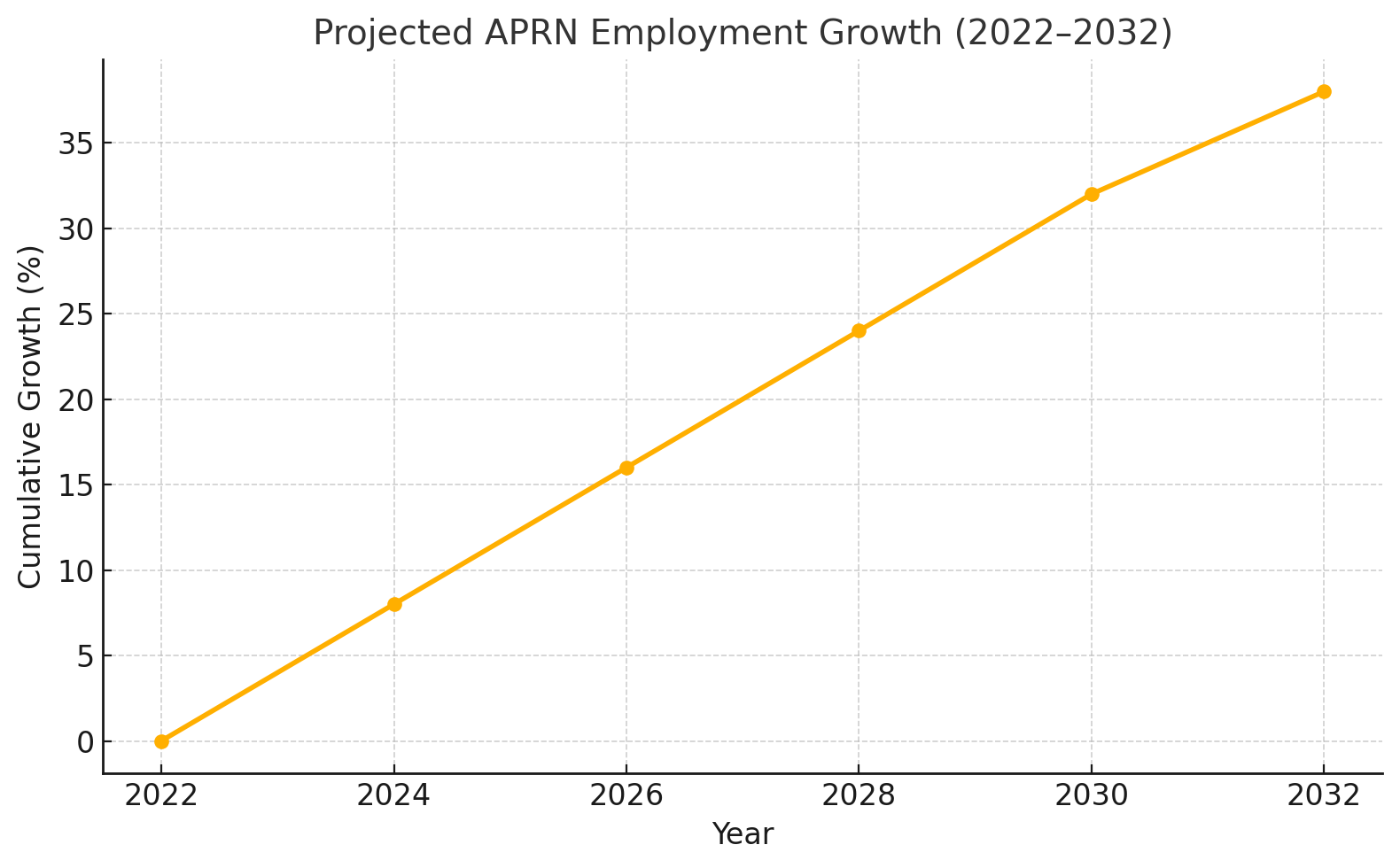
The healthcare landscape is transforming rapidly. Emerging technologies, an aging population, and a nationwide nursing shortage have created both challenges and opportunities. According to the U.S. Bureau of Labor Statistics, employment for advanced practice registered nurses (APRNs) is projected to grow 38% through 2032—far faster than the average for all occupations.

That surge represents more than job growth—it’s a call to leadership. Nurses with an MSN are positioned not only to fill these essential roles but to help shape what comes next in patient care. They serve as innovators, educators, and advocates for more equitable and effective health systems.

Projected_APRN_Growth

2. Advancing Skills, Expanding Influence

An MSN transforms experienced caregivers into strategic leaders. The curriculum extends beyond clinical expertise to integrate leadership, healthcare informatics, evidence-based practice, and policy development.

Graduates of online MSN programs are equipped to:

  • Lead patient care units or clinical departments.
  • Implement quality and safety initiatives across systems.
  • Champion technology adoption, from telehealth to AI-assisted diagnostics.
  • Mentor future nurses or design curriculum as nursing educators.

In short, the degree shifts nurses from providing care to directing the future of care, bridging compassion with leadership and innovation.


3. Career Growth and Compensation

For most nurses, the motivation begins with service, but career advancement and financial stability are meaningful rewards as well. The median annual salary for nurse practitioners now exceeds $128,000, with top earners surpassing $160,000 depending on specialization and region.

An online MSN degree opens the door to specialized and influential roles, such as:

  • Nurse Practitioner (NP): Providing primary or specialty care.
  • Clinical Nurse Leader (CNL): Coordinating evidence-based improvements.
  • Nurse Educator: Teaching and shaping the next generation of caregivers.
  • Nursing Administrator: Managing teams, budgets, and organizational outcomes.

Each role offers greater autonomy, purpose, and professional fulfillment—proof that advanced education benefits both nurse and patient.


4. A Win-Win for Healthcare Partners

Hospitals and healthcare organizations also thrive when nurses pursue advanced degrees. MSN-prepared nurses bring leadership, data literacy, and a systems-level understanding that elevate both care quality and team performance.

Employers consistently report benefits such as:

  • Improved outcomes through evidence-based leadership.
  • Higher retention and satisfaction among empowered nursing staff.
  • Stronger pipelines for internal leadership succession.

In essence, supporting nurses in earning an MSN strengthens the entire care system—building a workforce that leads with integrity, insight and compassion.


5. Flexibility That Fits Today’s Nurses

Concordia University Wisconsin understands the balance nurses must maintain—between patient care, family, and personal growth. That’s why CUW’s online MSN program is designed specifically for working professionals, offering:

  • Online and hybrid learning formats for maximum flexibility.
  • Multiple specialization tracks aligned with real-world needs.
  • A faith-based community where students are known, supported, and valued.

At CUW, students don’t just learn—they’re equipped to lead with integrity. It’s an environment where education nurtures the whole person: mind, body and spirit, consistent with CUW’s mission to prepare servant leaders who live out their calling in the world.


6. The ROI of an MSN: Purpose and Impact

While an MSN offers strong financial potential, the true return on investment runs deeper. Graduates often describe the experience as a transformation—from nurse to leader, and from career to calling.

MSN-prepared nurses step forward with renewed clarity of purpose. They gain the confidence to lead initiatives that enhance patient safety, promote health equity, and elevate their colleagues. Their impact is not only clinical but deeply personal, improving lives, mentoring others, and serving communities with integrity.

This is the essence of an MSN: a credential with heart—where skill meets calling, and leadership is rooted in service.


Lead the Change in Healthcare

The future of healthcare depends on compassionate, well-equipped leaders. An online MSN degree isn’t just another credential; it’s preparation for meaningful impact.

At Concordia University Wisconsin, nurses grow in skill, faith, and purpose—ready to meet today’s healthcare challenges with excellence, empathy and grace.


? FAQ

How long does it take to earn an MSN?

Most programs, including CUW’s, can be completed in 2–3 years, depending on prior education and pace.

Can I work while earning my MSN?

Yes. CUW’s online and hybrid options are intentionally designed for working nurses balancing career and life.

What are the top MSN specializations?

Common tracks include Family Nurse Practitioner, Adult/Gero PC NP, Clinical Nurse Researcher.

Why choose a faith-based MSN program?

Because leadership in healthcare is about both skill and heart. CUW integrates Christian values into every aspect of learning, preparing nurses to serve with compassion and integrity.


Your skills, your compassion, your faith — they’re exactly what healthcare needs right now.

? Step forward with purpose through Concordia University Wisconsin’s online MSN program and become the leader you’re called to be. CUW has also announced the launch of a new Direct Entry Master of Science in Nursing (DE-MSN) program, click link for more information.


Why Adult Education Is the Secret to Building a Future-Ready Workforce

Introduction: The New Workforce Reality

The workplace is evolving at a rapid pace. Artificial intelligence is reshaping roles, globalization is opening new opportunities, and healthcare innovation is creating jobs that didn’t exist a decade ago. For today’s professionals, keeping skills current isn’t just about advancement—it’s about staying relevant. Education isn’t a detour from your career; it’s the key to building one that can adapt and thrive.

1. Why Lifelong Learning Matters for You

Every major shift in the economy creates two kinds of workers: those who are disrupted by change and those who use it to their advantage. Today, education is often the deciding factor in many aspects of life. AI may replace routine tasks, but it also creates opportunities for people who know how to manage technology, analyze data, and think strategically. Global organizations are looking for leaders who can navigate diverse markets. Healthcare advancements demand practitioners who can learn quickly and apply new methods.

In all these cases, lifelong learning keeps you relevant, confident, and prepared for what’s next.

The Personal ROI of Going Back to School

Returning to school as an adult may feel daunting, but the benefits reach far beyond a diploma. Continuing your education often leads to:

  • Career mobility: Whether you want to earn a promotion or pivot into a new industry, additional credentials open doors.
  • Higher confidence: Learning the latest tools and strategies makes you more effective at work and more prepared to lead.
  • Greater job satisfaction: Education gives you a fresh perspective and renewed purpose in your professional life.
  • Future security: In a changing job market, advanced skills keep you competitive and resilient.

Education is not just an investment in your career—it’s an investment in yourself.

Breaking Down Barriers for Adult Learners

Many adults hesitate to return to school because of barriers like time, cost, or balancing family responsibilities. The good news? Education has evolved to meet your needs. Flexible online and hybrid programs allow you to learn on your schedule. Many courses are designed for immediate application, meaning what you study today can improve your work tomorrow.

Financial concerns are real, but they don’t have to be a roadblock. Employers often offer tuition assistance, and many universities, including CUW, provide scholarships and support specifically for adult learners. With the right program, returning to school becomes not only possible but practical.

CUW’s Workforce-Friendly Programs for Adults

At Concordia University Wisconsin, we design programs with busy professionals in mind. Our goal is to help you grow without forcing you to pause your life.

  • MBA Programs: Choose from concentrations in healthcare, finance, IT, and more, while developing transferable leadership skills that fit any field.
  • Degree Completion Programs: Finish the degree you started years ago and unlock new career opportunities.
  • Business Foundations Gateway: Build practical business skills in as few as eight courses, with credits you can later apply toward an MBA.
  • Doctor of Nursing Practice (DNP): Advance your nursing career and lead in today’s complex healthcare environment with 100% online flexibility.

What makes CUW different is our foundation in Christian values. You’ll graduate with more than credentials; you’ll gain the integrity, confidence, and purpose to lead in your workplace and community.

Conclusion: Your Future Is Waiting

The future of work will reward those who continue to learn and adapt. Going back to school as an adult may feel like a big step, but it can transform your career, your confidence, and your life.

At Concordia University Wisconsin, we’re committed to walking alongside you. With flexible formats, supportive faculty, and programs designed for immediate impact, CUW equips you to thrive—not just today, but in the future of work.

Your career isn’t finished. It’s just beginning a new chapter.


From Manager to Leader: How an MBA Accelerates Your Career Path

Introduction: The Career Plateau Problem

You’ve worked hard, earned promotions, and established yourself as a capable manager. Yet something feels familiar: you’re solving operational problems, running meetings, and hitting deadlines, but not making the big, strategic calls. That’s the plateau many professionals face. Breaking through it requires more than hard work; it requires a new mindset, advanced skills, and the ability to see the bigger picture. That’s where an MBA becomes the turning point.

1. The Leap from Managing Tasks to Leading Strategy

Managers are experts at handling details. They oversee projects, allocate resources, and keep day-to-day operations on track. But leaders? Leaders shape vision. They set long-term strategies, influence organizational culture, and drive innovation.

An MBA propels professionals beyond departmental thinking. Courses in strategic management, organizational behavior, and financial decision-making empower you to ask, “How does this decision position us over the next five years?” That proactive mindset is exactly what companies demand in their future executives.


2. Financial Fluency: The Language of Leadership

One of the most common barriers for managers moving into leadership is financial literacy. You may be great at operations or team dynamics, but can you interpret a balance sheet, evaluate investment opportunities, or pitch a capital request to a board?

An MBA bridges that gap. You’ll learn to analyze financial data, assess risk, and translate numbers into strategic decisions. This financial fluency sets you apart because leaders are expected not just to manage people, but to understand the economic heartbeat of the organization. With these skills, you’re no longer just “in the room”; you’re able to drive the conversation.


3. Expanding Your Network: Leaders Don’t Climb Alone

Leadership rises on strong networks, not solo climbs. The savvy executive harnesses relationships built during an MBA. Programs don’t just offer knowledge, they open doors and strengthen your leadership perch.

You’re suddenly part of a cohort of ambitious professionals from different industries, each bringing their own experiences and challenges. These relationships extend far beyond graduation. Alumni networks often open doors to job opportunities, board seats, and collaborations you wouldn’t find otherwise. In fact, many leadership promotions and career pivots happen because someone in an MBA network vouched for a colleague’s skills.


4. Building Confidence to Lead Change

Leadership isn’t just about maintaining what works; it’s about guiding organizations through change. Whether it’s implementing AI tools, navigating a merger, or expanding into new markets, leaders need the confidence to make bold decisions.

MBA training immerses you in case studies, simulations, and experiential learning exercises where you practice making those high-stakes calls. You’ll learn to weigh competing priorities, communicate decisions with authority, and rally teams around change initiatives. The classroom becomes a safe arena to build the confidence you’ll later apply in the boardroom.


5. The Flexibility to Pivot Careers

Not every leadership journey is a straight line. Some managers realize they want to pivot into a different industry altogether, finance, healthcare, nonprofit, or tech. An MBA provides the foundation to make that leap.

By mastering core areas like marketing, operations, finance, and management, you build a skill set that transfers across industries. Pair that with the option to specialize in a concentration, say, healthcare administration, data analytics, or leadership—and you’re positioned to step into executive roles in virtually any field. In a job market defined by disruption, this flexibility is invaluable.


6. The ROI: More Than Just Salary

Let’s be clear: the salary bump from earning an MBA is real. Studies consistently show MBA graduates earn significantly more than those without the degree, and the pay gap widens as careers progress. But the true return on investment goes beyond dollars.

  • Credibility: Having “MBA” on your résumé signals to employers that you’ve mastered advanced business concepts and leadership skills.
  • Mobility: You gain leverage to transition into industries or roles that once felt out of reach.
  • Longevity: By learning how to think strategically, you position yourself for sustained relevance—even as industries evolve.

In short, the ROI of an MBA is career acceleration, not just compensation.


7. Timing: Why Now Is the Right Moment

The workplace is evolving at a breakneck pace. AI is reshaping job functions, globalization is creating new markets, and economic uncertainty is forcing companies to rethink strategy. Managers who want to future-proof their careers can’t afford to stand still.

Starting an MBA now positions you to ride these waves of change rather than be swept away by them. It’s not about keeping up, it’s about moving ahead.


Conclusion: From Manager to Leader Starts Here

Transitioning from manager to leader requires more than experience; it demands a new set of skills, perspectives, and networks. An MBA delivers exactly that. It accelerates your career, expands your influence, and prepares you for the highest levels of responsibility.

If you’re ready to stop managing tasks and start shaping the future, it’s time to consider an MBA program that combines flexibility, career-driven specializations, and values-based leadership. That’s where Concordia University Wisconsin stands apart.

At CUW, you’re not locked into a one-size-fits-all MBA. You can complete the program fully online, in-person, or in a hybrid format, choosing the pace and path that fit your life. With more than a dozen concentrations, you can tailor your degree to industries like healthcare, finance, or IT while still building a strong leadership foundation. And unlike many programs, CUW doesn’t require the GMAT or GRE, so you can focus on advancing your career instead of jumping through unnecessary hoops.

What truly distinguishes Concordia is its mission-driven approach: preparing ethical, values-based leaders who succeed in business without compromising integrity. You graduate not just with sharper business acumen, but with the confidence and character to lead teams, drive innovation, and create impact that lasts.

Concordia University Wisconsin’s MBA isn’t just another credential; it’s the bridge from where you are now to where you know you’re meant to be.