Month: September 2022
Introducing Concordia’s new Latino Student Union
Last week kicked off the national observance of Hispanic Heritage Month. Hispanic Heritage Month, which begins annually on Sept. 15 (the anniversary of independence for certain Latin American countries), seeks to celebrate the histories, cultures, and contributions of American citizens who have descended from Latino/a cultures.
In light of the national observance, Concordia is celebrating its Latino/a student population. This year, for the first time in university history, students have come together to charter a Latino Student Union (LSU). The goal of the group is multifaceted, says CUW Outreach Specialist Ana Sanchez, who is the staff advisor for the group.
Ultimately, LSU aims to unite the Latino/a community on campus by building a sense of belonging. The group will also strive to:
- Provide a safety net to ensure a culturally responsive atmosphere
- Strengthen the academic and behavioral success of all students
- Retain student status
- Educate the university regarding the Latino community
- Function as an educational and cultural learning instrument for all students
- Encourage collaboration by working with multiple organizations across campus
- Provide networking and career development opportunities for all members
“We have seen an increase in Latino/a enrollment at Concordia, so it’s important that we cultivate an environment at CUW that represents this ever-growing minority group,” says Sanchez. “By having representation on campus we are helping student success. We can serve students more holistically by understanding their academic needs in a safe and familiar environment where they can have cultural expression.”
Related: 7 ways to celebrate Hispanic Heritage Month
Meet a few of Concordia’s LSU members
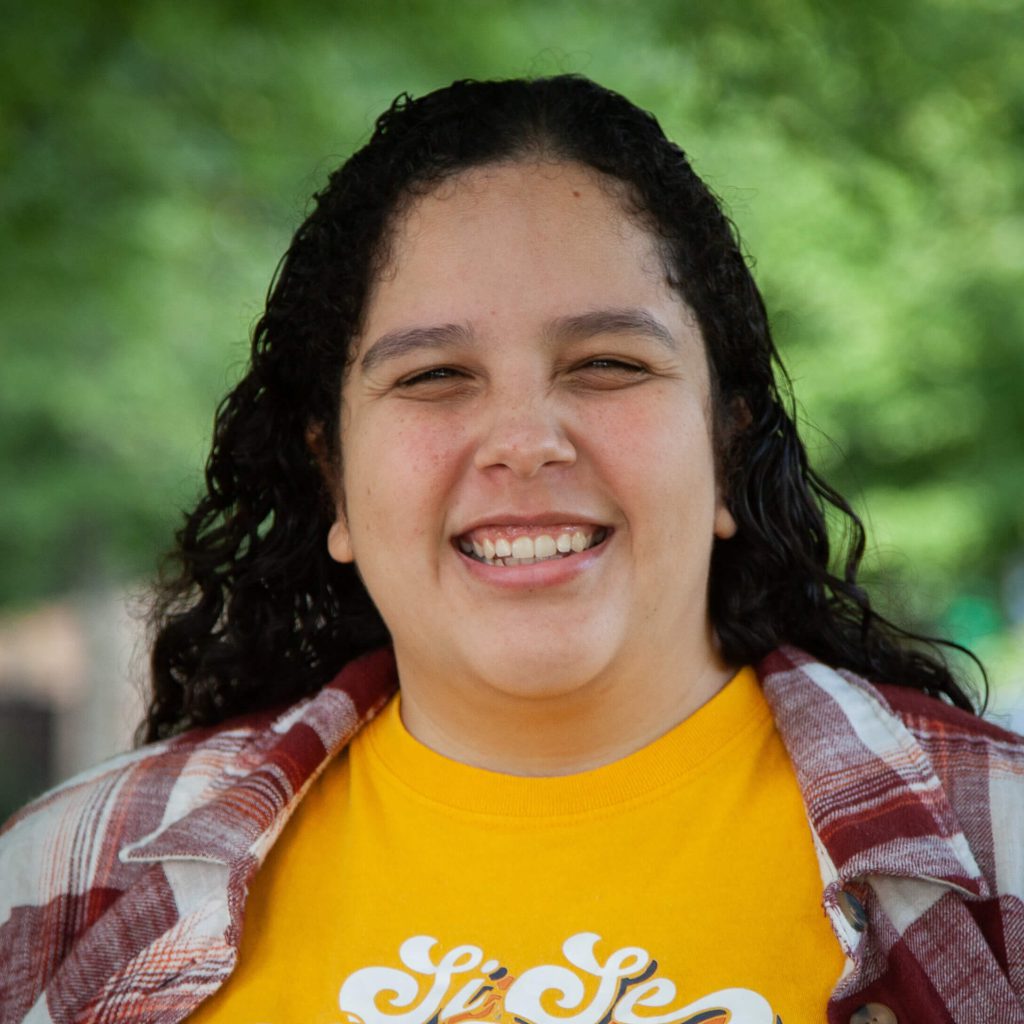
Giselle Torres
Intended grad year: 2024
Major: Social Work
Hometown: Horicon, Wisconsin
What do you want people to know about LSU?
We’re building it from the ground up so we’re still figuring some things out, but I feel like it’s a way for the Latino community to have a sense of belonging. I feel like not that many of us have come to know each other yet and this is a way to celebrate our heritage around campus.”
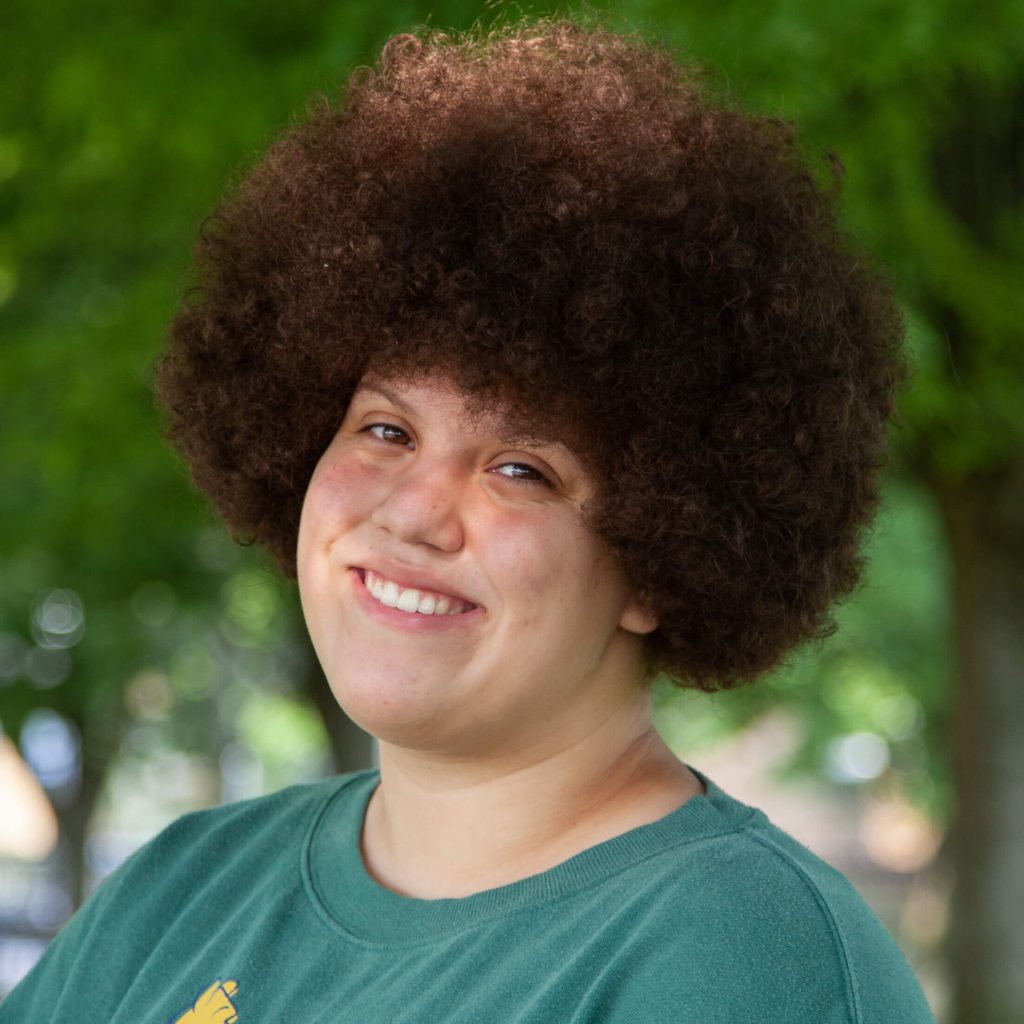
Maria Del Carmen Betancourt
Intended grad year: 2026
Major: Accounting
Hometown: Miami, Florida
What is a way that you honor your heritage?
At my old high school we would have a show where students would get up and do like a salsa or reggaeton dance routine. People loved it. This club (at CUW) is fresh, but as we develop the club further I’d love to eventually host something like that!

David Blas
Intended grad year: 2024
Major: Exercise Physiology
Hometown: Sheboygan, Wisconsin
Why did you want to be a part of LSU?
I wanted to be a part of LSU to meet many people from different backgrounds and learn from their cultures.
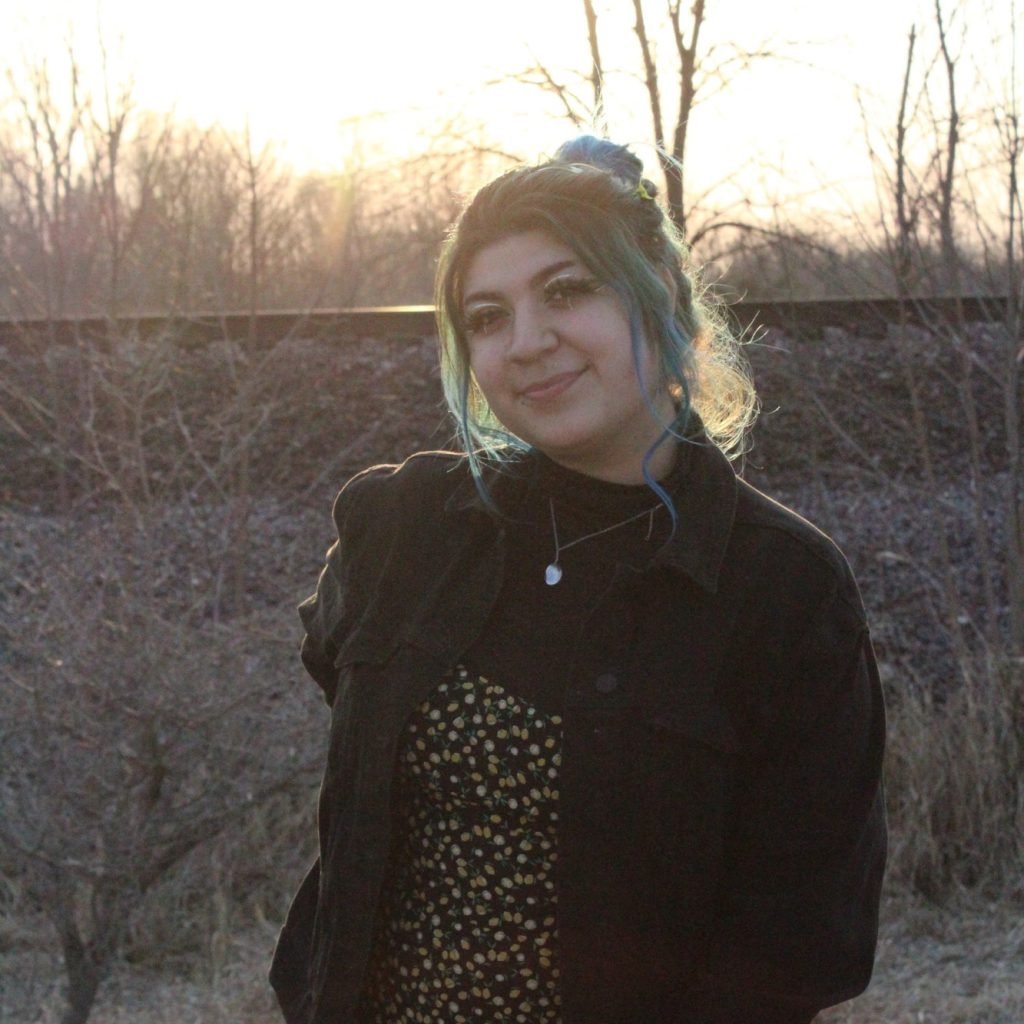
Zadeiah Juarez
Intended grad year: 2023
Major: Psychology with a social work minor
Hometown: Las Vegas, Nevada
Why is LSU important?
LSU is important because there’s less than 6% of students who identify as Latino/Hispanic at CUW. By joining this club it allows members to feel a sense of community and pride in the person they are, despite having that little representation. I hope for this club to be there for current and future students to provide that sense of belonging well into the future.
7 ways to celebrate Hispanic Heritage Month
This year, Concordia University Wisconsin students chartered a Latino Student Union to foster a sense of community among minority populations on campus.
In honor of Hispanic Heritage Month, which is recognized nationwide Sept. 15 through Oct. 15, LSU faculty advisor Ana Sanchez offers some ways for the Concordia community, in general, to celebrate and support Latino culture.
Play Lotería.
This card game is Mexico’s version of Bingo. Try it on your own, or watch for an invite for a campus event in November!
Learn a Latino dance.
If you enjoy the dance floor, learn about the vibrancy of Latino dance styles. Here is a great dance studio in Milwaukee you can check out.
Make a charitable donation.
For a list of Latino/a-focused organizations, click here.
Attend an art exhibit or show.
Latino Arts in Milwaukee is a good place to start. They offer a Café con Arte gallery that has rotating artists featured.
Support a Hispanic or Latino/a business.
The Latino Chamber of Commerce of Southeastern Wisconsin is an organization devoted to empowering Latino Entrepreneurs in the area. Support the chamber or follow them on social to see some of their featured members.
Watch a movie to help celebrate.
Some of my favorites are McFarland, USA; Cesar Chavez; Vivo; or The Book of Life. LSU will host an event later this semester to show The Book of Life!
Learn about global news and events impacting the Latino/a community.
I suggest you listen to Latino USA. This is a nationally syndicated public radio program distributed by NPR that brings together a diverse set of Latinx voices to shed light on the current cultural, political, and social issues impacting the Latinx community and our nation today.
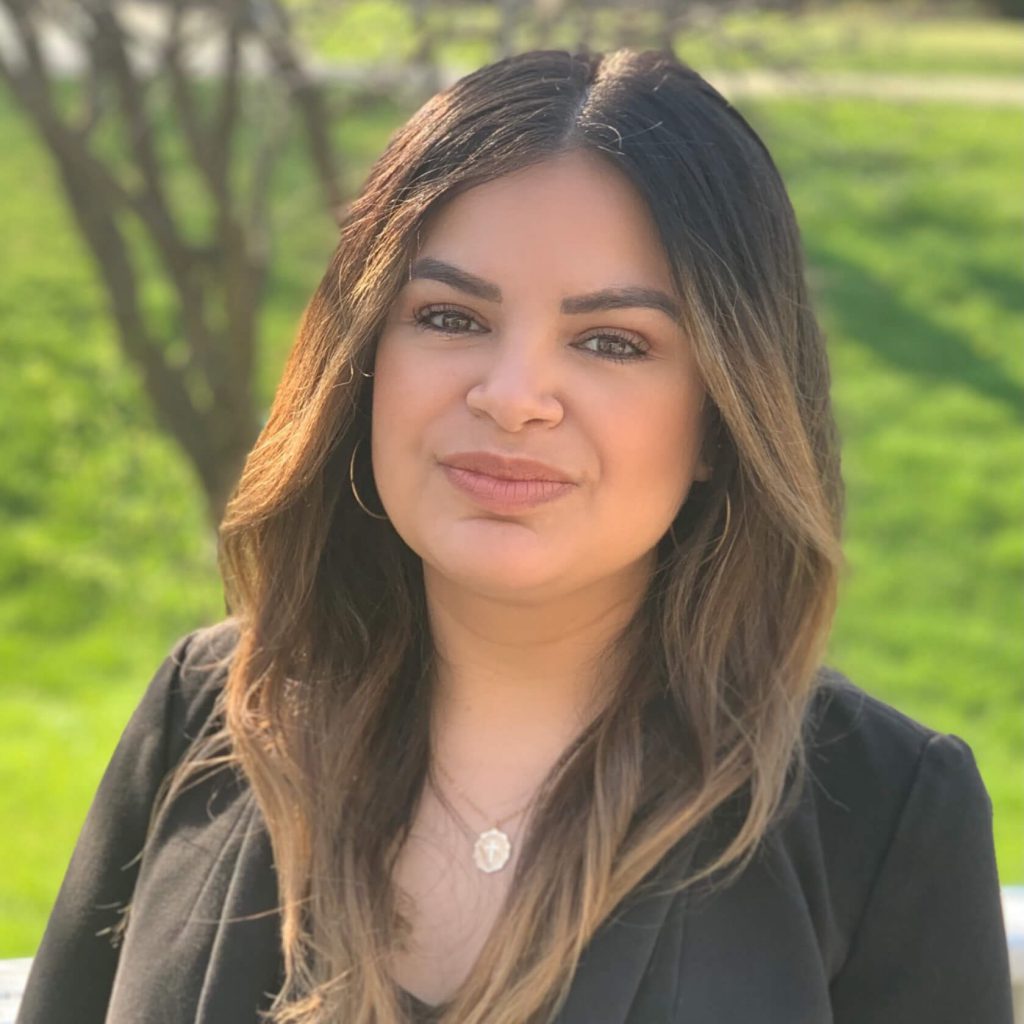
This article is courtesy of Ana Sanchez, who has served at Concordia since 2019. Her current role is Outreach Specialist and advisor to the new Latino Student Union.
Update: CUWAA Presidential Search
Qualities of successful doctoral students
What does it take to be a successful doctoral student? There are some inherent qualities that most would be able to identify such as, critical thinking, good writing, and so on. But those are skills, and the doctoral and dissertation journey is not completed by only intellectual components.
What then are the dispositions needed to be a successful doctoral student? Dispositions by their nature are more holistic qualities that speak to one’s character. That is, they echo who you are more than what you can do. With over a decade spent teaching and advising doctoral students, I’ve come to realize there are three intangibles that are vital to success: curiosity, perseverance, and reflection.
Curiosity
Curiosity may seem an odd choice. After all, wouldn’t most successful doctoral students be innately curious and drawn to learn new things? Yes, but perhaps not in a way that will lead to their flourishing. As theologian Paul Griffith describes, classically understood, curiosity was a vice, not a virtue.
The curious were indeed interested in knowledge, but with the twin goals of owning and dominating it before discarding and seeking new knowledge. When disordered, curiosity becomes a form of intellectual consumerism. But when rightly oriented, it seeks to understand and participate in the knowledge; what the classical world recognized as studiousness.
Applying curiosity as a student
For the doctoral student, becoming a scholar and student of a topic they (think) they know well is the first step before attempting to research and participate in that topic. This requires slowing down, reading the work of scholars who have come before you, and building from their work.
One consequence of disordered curiosity is that it leads to what philosopher Harmut Rosa calls a “frenetic standstill”—a mind that is constantly in motion, but going nowhere and achieving nothing. Not a disposition to inhabit when considering a dissertation.
Perseverance
Doctoral students know there will be challenges along the way, but typically those difficulties are thought to be external, not internal. Engineer Peter James’ recent theory about the Egyptian pyramids helps reveal why such internal trials may actually prove beneficial. Tasked with restoring many ancient buildings in Egypt, James wondered why pyramids with the best construction techniques lost their smooth siding millennia ago, while the Bent pyramid—long believed to have worse construction methods—still retains most of its smooth finish.
His theory was that the massive temperature fluctuations in the desert caused the limestone rocks in the pyramids to expand and contract over thousands of years. The pyramids with the most accurate limestone cutting methods literally had no room for such volatility. Therefore, the smooth siding cracked and fell.
But the Bent pyramid and its flawed limestone blocks could weather the rock movements and thus retain its desired exterior. As one author described, the Egyptians’ “perfection became their imperfection.”
Gaining perseverance
For doctoral students, it is critical to start a program knowing you are an imperfectly cut block. Not that you don’t bring the necessary knowledge and skills, but some of the challenges experienced are because of the growth you will need to experience internally. Persevering through such difficulties and the corresponding doubts they foster will ultimately lead to a stronger, more tested scholar who can reach the end of the journey.
The alternative is to assume that you have it all together; that you are a well-cut piece of limestone that can weather any trials. Perhaps… but perhaps just like the pyramids, such certainty leads to cracks. Embracing the role of perseverance in the doctoral experience will only lead to greater success.
Reflection
The final disposition is reflection, which builds from the previous two. Curiosity requires us to slow down, understand, and participate in the researchers gone before us. Whereas perseverance requires an acknowledgment of the necessary internal growth coupled with determination and persistence. Together they require an individual willing to reflect.
Doctoral students need guidance and should expect to receive feedback from their mentors in the form of appreciation, evaluation, and coaching. This feedback will help them understand where they need to improve and how they can improve.
In a culture obsessed with speed and efficiency, the patience and posture reflection asks of us can be a difficult pill to swallow. Patience because—quite literally—waiting on feedback takes time. But the posture is one that embraces the humility of learning along the way.
So what does it take to be a successful doctoral student?
In addition to the obvious skills and intellectual capacities, it takes curiosity, perseverance, and reflection. Remember, achieving success and earning your doctorate has just as much to do with who you are as it does with what you can do. It may be one of the most challenging things you ever do, but you’ll never regret it.
-Written by Dr. Preston Cosgrove, Associate Professor in the Doctor of Education program.
Getting an online theology degree at Concordia University
Studying theology can help you build a strong foundation in doctrine in order to grow personally or work in church settings. In Concordia’s Bachelors of Theological Studies program, you will dive into the study of biblical and systematic theology. Furthermore, you will learn how to apply theology in your life within the Christian Church.
Let’s look at how you can benefit from a degree in theology and what our program provides.
Why study theology?
First, it’s important to understand what theology is. According to Merriam-Webster theology is, “the study of religious faith, practice, and experience, especially the study of God and of God’s relation to the world.” At Concordia, each undergraduate student is required to take an introduction to theology course. This way all students can have a basic understanding of theology and how it applies to our lives.
Concordia’s Associate Professor of Theology Dr. Jason Lane, S.T.M., M.DIV., B.A. states, “by studying theology we learn God’s will for us and how we are made for eternal life in Him. Those who study theology will grow in the knowledge of this loving God. Meanwhile, they’ll learn how to speak to others about what He has done to save us and all the world.”
By earning a degree in theology, you will grow in a knowledge of God and how to speak to others about what He has done for us. If you have an interest in ministry, having a good faith foundation is essential.
What can you do with a theology degree?
Depending on your career goals, a degree in theological studies can highly benefit you. “Some desire to go on to a seminary with the goal of becoming a pastor. Meanwhile, others may seek a full-time position in a local congregation. In the Lutheran Church, we have direct paths to called, professional church work positions” states Rev. Dr. Kurt Taylor, Director of Church Ministries program.
He goes on, “the theological studies program is a called path. This means that the completion of it doesn’t make one eligible to receive a call into an LCMS congregation. However, graduates may have a congregation at which they could be hired as full-time, uncalled lay-worker. Additionally, non-Lutherans in the program might very well qualify for professional service in their own churches.”
Whether you’re wanting to pursue a career in the LCMS church or in your own parish, a degree in theological studies can be of great benefit.
Why choose our program?
Concordia understands the need for flexibility with adult learners. Therefore, we designed our online theology degree with the needs of our students in mind. Highlights of our program include:
- Fully online format
- 8-week courses
- Vibrant faith culture
- Ability to transfer credits into the program
- Smaller class sizes
- All-star faculty
- Access to various student resources
Choosing our program allows you to accomplish your educational goals while balancing life.
One bit of advice is be ready to study more deeply God’s Word and His Truths. There are some excellent theologians who instruct these classes, and there will be work assigned that will be both challenging and rewarding. The more effort you put into studying theology this way, the more benefit you will receive.
Rev. Dr. Kurt Taylor
Ready to start?
If you want to learn more about our Bachelor of Theological Studies or want to apply, click the button below.
President’s Golf Classic auction now open!
Faculty Spotlight: Kassy Bartelme
Kassy Bartelme, PharmD., BCACP, has been at Concordia in the School of Pharmacy since 2011. During her time here, Bartelme has impacted her students and the Concordia community in her role as an associate professor. Let’s learn about what makes this influential member of our teaching community so beloved.
How long have you been a pharmacist?
I have been a pharmacist for 13 years. In 2009, I graduated from the University of Minnesota – Twin Cities College of Pharmacy (COP). After graduation, I did a two-year residency at the COP where I split my time between teaching and ambulatory care pharmacy practice with a focus on leadership.
Finish this sentence. I became a pharmacist because…
I love serving patients. After my freshman year of college, I started working in a pharmacy. I began as a cashier then a prescription filler, and ultimately a technician. While working I knew I wanted to continue serving patients with the knowledge and skills of a pharmacist. I enjoyed getting to know my patients on a personal level. As a pharmacist, I am able to help them with questions and problems related to their health and medications and help them achieve their healthcare goals.
What field within pharmacy interests you the most. How did you discover this?
I love ambulatory care pharmacy. I learned about it on the first day of pharmacy school in my Pharmaceutical Care Practice course. The professors called it pharmaceutical care then and it has morphed into ambulatory care pharmacy. It’s the perfect combination of pharmacy and general/family practice medicine. It allows me to work at the top of my license and work closely with patients and other health care providers.
What keeps you engaged in pharmacy?
The profession of pharmacy is always changing. Pharmacists are already trusted and well-respected professionals in the community. In the past couple of decades, pharmacists have been earning a new appreciation for their skills and knowledge. They have also been given more responsibilities, such as provider status and prescribing rights. I am excited about the expansion of pharmacy services.
What do you love about working with pharmacy students?
Seeing students develop into confident and competent pharmacists is something I love. They learn so much from year to year and it is rewarding to see their confidence and knowledge significantly increase throughout. Being a professor I enjoy getting to know students on a more personal level and what makes them tick. Those relationships help me provide career advice as needed.
What is your area of expertise within pharmacy?
My clinical area of expertise is anticoagulation management. I practice in a cardiology clinic where I monitor the effectiveness of warfarin, a blood-thinning medication for patients. Then I meet some patients face-to-face and perform a finger-stick blood test while other patients have the test done elsewhere and I talk to them on the phone. After that’s all done, I am able to adjust the medication dose based on the blood test.
My teaching areas of expertise include nonprescription pharmacotherapy, women’s health pharmacotherapy, and applied patient care skills, including clinical documentation.
Are you involved in any current research projects?
Yes, I am collaborating with a faculty member at UW-Madison School of Pharmacy to survey community pharmacists in Wisconsin. It will report on their perceptions of the provision of reproductive health care services following the overturn of Roe v. Wade.
Anything else you are passionate about?
Recently I was elected to be the secretary for the American College of Clinical Pharmacy (ACCP) Women’s Health Practice and Research Network (PRN). This two-year term begins in October 2022 at the ACCP Global Conference.
The Women’s Health PRN includes pharmacists and pharmacy students who either teach, practice, or have an interest in women’s health. Members serve as a resource for other members. Additionally, PRN members carry out women’s-health-related research and advocacy.
As secretary, I get to attend and take minutes at the PRN officer meetings and the PRN business and networking forum at the annual conference. After the annual conference, I then develop and disseminate a membership survey. I will serve as the Co-Chair of the Communications Committee which will publish a PRN newsletter twice a year, update the PRN website, and monitor the listserv. I am also a member of the Student/Resident/Fellow Committee.
What advice do you have for current pharmacy students?
I have two main points of advice for pharmacy students. First, get involved while in pharmacy school. Join student organizations and participate in activities. It will provide you with real-life opportunities to serve patients and network with other pharmacy students and pharmacists.
Second, be sure to advocate for yourself. If you’re struggling with anything, whether it’s classes, personal concerns, or something else, please ask for help. Talk to your professors, SOP staff, counselors, friends, or someone else you trust.
Looking for a student’s perspective? Check out what a recent grad enjoyed about the program.
Do you want to know more?
You can learn from Kassy Barteleme and our other accomplished faculty in our pharmacy program. If you’re interested in learning more, visit us here.
Uncommon Business Part 1: Business Sustainability at Concordia University
Uncommon Business at Concordia University means developing transformative business practices in sustainability and stewardship. We are moving past business as usual, to build sustainable solutions that generate value and have a positive impact.
Concordia’s new DBA concentration
Our new Doctorate of Business Administration’s concentration in Business Sustainability focuses on the most pressing environmental risks of modern business production and consumption. Topics include:
- Supply chain risks
- Resource scarcity
- Energy security
- Complexities of the water, food, energy, and climate nexus
- Decision sciences
- Circular economies
- ESG
- Triple bottom line
- Growth strategies
- Carbon trajectories
What is business sustainability?
Business sustainability is an area of expansion, strategic investment, and emerging opportunities. Employers are looking for sustainability professionals to help them create value for their businesses and organizations through sustainability initiatives. This includes positions such as Environmental Managers and Chief Sustainability Officers (CSO).
Sustainability is unleashing new opportunities and playing an increasingly important role in economic development. According to the U.S. Department of Labor, employment of sustainability professionals is slated for strong growth. “Sustainability is a burgeoning industry that is growing as technology advances and the world’s natural resources become more scarce. Green jobs and careers in sustainability are now replacing jobs that once existed… resulting in a strong and steady growth”.
Why our program?
The new DBA Concentration in Business Sustainability (CBS) offers advanced training in stewardship, meaning ethical leadership that is forward-thinking about environmental management and business sustainability. Specifically, the DBA CBS program trains doctoral students on how to generate value through sustainability by innovating sustainable solutions to mitigate risks and promote sustainable growth.
Yet that is not enough for Uncommon Business at Concordia. In addition to generating value through sustainability, we aim to advance ethical leadership, support complex decision-making, build equitable environments, and dedicate our work to service and stewardship. Equally important, our graduate students want their careers to be purposeful, and we have responded by offering a substantive and impactful program.
We are doing what business schools need to do in the near future: providing advanced training, experiential and applied learning, and guided professional development in an environment that promotes innovation, multiple skill sets, and entrepreneurial leadership in sustainability. CBS is designed for graduate students to:
Generate Value
- Explore business strategies to generate value through sustainability.
- Build a competitive advantage in an area that is growing nationally and internationally.
Demonstrate Leadership
- Upskill in sustainability, leadership, and stewardship to address new challenges.
- Use dynamic systems thinking and decision sciences to advance the triple bottom line.
Drive Impact
- Apply cutting-edge assessments of environmental risks.
- Develop business practices with innovative, sustainable, and impactful solutions.
The DBA Concentration in Business Sustainability is committed to transformative business practices in sustainability, innovative leadership, and ethical and sustainable solutions.
We are doing this through Concordia’s Four Square Sustainability approach, which is the topic of the next post: Uncommon Business Part 2: Transforming Business Sustainability through Impactful Education.
For additional information about business sustainability or DBA-related questions, contact Professor Jenny Kehl at jenny.kehl@cuw.edu or visit us here.
You can also learn more about DBA faculty Dr. Jenny Kehl here.
5 contemporary OPC trends in the workplace
Within Concordia’s Doctorate of Business Administration (DBA) program, you will learn about organizational performance and change (OPC) in the workplace. Even more so you are able to study OPC as a concentration in the program. An OPC focus will help you understand workplaces on a deeper level and enhance them with long-lasting solutions.
OPC is becoming a hot topic in the business world, so we’ve put together a list of the top five trends to keep an eye on that we’ve seen hitting the workplace today.
Diversity, equity, and inclusion (DEI)
Organizations can benefit from the unique qualities of individuals from different backgrounds by promoting diversity, equity, and inclusion. This includes valuing different perspectives and experiences and creating opportunities for everyone to participate and contribute. A workplace with a diverse range of employees brings a wealth of different perspectives to business issues.
Mental health and wellness
The workplace can and should be a central location to foster employee mental health and wellness. Poor mental health and stress can negatively affect areas including:
- Job performance and productivity
- Employee engagement
- Communication
- Daily functioning
With employee burnout on the rise, organizations should continue to find innovative ways to support employee well-being.
Generations in the workplace
Currently, there are five generations in the workplace including Generation Z, Millennials, Generation X, Baby Boomers, and Traditionalists. Therefore, understanding the varying needs and generational gaps of employees is critical.
Differences and preferences in behavior and outlook between different generations can be profound. There is no one right way to manage different generations in the workforce. To be successful, you need to be adaptable and understand the unique needs and strengths of each generation.
Use of technology
Workplace technology allows us to enhance human connection while increasing efficiency and productivity. By using technology, offices can improve efficiency by automating repetitive processes and offering remote and hybrid work options. This can help to save on overhead costs and improve individual performance.
Artificial intelligence (AI) involves using computers or machines to simulate human intelligence. AI can help workers focus on creative solutions, complex problem-solving, and meaningful work.
Transforming culture
Workplace culture, the overall character of the business, should be aligned with the company’s mission, vision, values, and goals. Building a strong culture attracts talent and helps to retain top talent, impacts employee engagement, and affects overall performance.
What’s next?
These are only a couple of the trends that students learn in the organizational performance and change concentration. Throughout the program, you will apply theory to the workplace. As a result, you can become a charismatic leader in your industry.
RELATED BLOG: What to expect as a DBA student?
If you have more questions about the DBA program or want to apply, visit our program page here.