Compassion Fatigue Symptoms: Are They Impacting You?

Many care providers like nurses enter the profession with a passionate sense of duty to care for others. As they serve at the frontlines of their community’s medical needs, they’re often, if not daily, exposed to intense trauma. When confronted with the enormity of need, a sense of duty can sometimes blind nurses to their own needs as they prioritize patients over themselves. Compassion fatigue symptoms follow soon after.

Faculty experience with compassion fatigue

Brenda Ulmen is an assistant professor of nursing at Concordia. She began her career as an ER nurse before transitioning into a nurse educator role. Compassion fatigue is no stranger to her.  

During one of her first weeks as an ER nurse at Froedtert Hospital after transferring from Sheboygan Memorial Medical Center, Ulmen witnessed a resuscitation effort on a 21-year-old victim of a snowmobile accident. After an hour of CPR, the 21-year-old was declared dead. As the nurses and doctors around her gathered cords and unplugged equipment, they traded laughter and discussed their weekend plans. Ulmen was shocked.

“There were people who were disconnecting his oxygen, and laughing, and talking about their weekend,” Ulmen said. “And I was like, how can you do that right now? Someone just died.”

In a level-one trauma center like Froedtert, the ER runs at high capacity around the clock. Ulmen soon learned her coworkers’ disconnection was simply their way of coping with trauma and preparing themselves for the next one coming through the door. As countless other victims filtered through Ulmen’s care, she realized that she needed to figure out her own way of coping.

Learning overtime

“I didn’t get it then,” Ulmen said. “It [was] their way of coping, their way of not crying every time you see a 21-year-old die. . . You have to find ways to get around that. It seemed so heartless to me at the time. But after working there for 12 years. . . you can’t let it affect you so deeply or you can’t do your job.”  

Eventually, Ulmen chose to change her career path to become a nurse educator. Away from the constant exposure to medical trauma, Ulmen is now focused on investing in the next generation of nurses here at Concordia. She strives to equip them with the tools and knowledge on how to care for patients while also caring for themselves.

What Is Compassion Fatigue?

Compassion fatigue is a common problem in the medical field. Especially for nurses that work in high-stress and high-trauma areas like the ER, ICU, and oncology. According to the Oncology Nursing News, compassion fatigue leads to high nursing turnover and can affect patient care.  When oncology nurses experience compassion fatigue, the consequences can be dire: from nurses leaving their place of employment to implications for healthcare institutions, and — most importantly – decreased quality of patient care.

Ulmen believes that the best way to tackle compassion fatigue and prevent it from continuing to claim such high turnover rates is through education and awareness. Understanding what compassion fatigue is and what the symptoms look like is the first step toward healthier nurses.

American Nurse Today says, “nurses are at high risk for developing compassion fatigue, which can have a negative impact on nurses, patients, and organizations.” For many nurses, it’s more of a “when” rather than an “if” question when it comes to encountering compassion fatigue.

If you’re a nurse, are you prepared to recognize compassion fatigue symptoms in yourself?

Recognizing Compassion Fatigue Symptoms

Compassion fatigue symptoms can look different from one nurse to the next. Familiarizing yourself with some of the common symptoms, you can be more alert when they pop up in your life. Recognizing the symptoms early can help prevent compassion fatigue from growing into a chronic issue.

Here are some symptoms of Compassion Fatigue:

  • Fearfulness—Do you live in fearfulness of accidents taking place that you witnessed during work? For example, do you find yourself nervous to get in your car after tending to a car accident victim?
  • Reliving moments—Do you find yourself constantly reliving moments that happened throughout your day. Perhaps scenes of a patient passing away or possible alternative care routes which could have been taken?
  • Loss of appetite—Do you find yourself skipping meals or not feeling hungry when you pause to eat? Because nurses work long, demanding shifts, breaks are often skipped in favor of being there for the patient 24/7. As schedule demands grow and stress builds, it’s easy to skip meals. Weight loss often follows closely behind.  
  • Missed work—Are you missing work? Nurses who struggle with compassion fatigue often miss work, particularly when the demands of the job grow increasingly overwhelming.
  • Headaches or other illnesses—Do you find yourself encountering frequent headaches? Constant preoccupation with work can lead to the intense, increased stress that often manifests itself as headaches. Sometimes other illnesses also make an appearance, often capitalized upon by lack of sleep and weight loss.
  • Difficulty sleeping—When you finally get to bed, do you have trouble falling asleep? Do you experience bad dreams that relive traumatic events witnessed at work?
  • Loss of empathy—Do you find that you lack empathy or compassion as you interact with your patients? As compassion fatigue grows, nurses often numb themselves to the trauma they witness. It’s a last-resort coping mechanism simply just to get through the day. This can be accompanied by sudden and drastic mood changes and increased irritability.
  • Conflict—Do you have any increased conflict with your personal relationships? Are you angry more or more easily irritated?
  • Isolation—Are you isolating yourself or withdrawing from situations? Are you detaching yourself from a situation/ becoming numb to things?
  • Neglect self-care—Are you taking care of yourself and your basic needs? Are you increasing any medication or experiencing substance abuse?
  • Loss of interest—Do you no longer enjoy activities you used to enjoy or feel unmotivated to do anything?

If you find yourself nearing exhaustion and numbness at work, these are a few symptoms of compassion fatigue. Taking the time to identify and understand your symptoms will help you get to the root cause of your issue. Once there, you can plan a way to deal with the issue. You can heal from it and return to work with renewed vigor.

What’s next?

Whether you’ve been in the nursing profession for just a few months or for several decades, your health matters. We’re so thankful for people like you who pour so much of themselves into their patients. That’s why we want to make sure that you’re also pouring into yourself. It’s a model that we embrace here at Concordia as we prepare the next generation of nurses. We focus on whole-person development so nursing graduates are equipped with the tools for the profession.

Preparing students to deal with compassion fatigue is just one of the ways that we invest in our nursing students beyond classroom learning and clinical training. 

Explore our nursing program to learn more about how we prepare nursing students for every aspect of their careers.

This blog was originally published on October 18, 2018. It has been updated to reflect current information.
Concordia hockey program partners with Homestead to raise mental health awareness

Hockey teams from Concordia University Wisconsin and Homestead High School will participate in a series of games this weekend to bring awareness about the importance of mental health and to raise funds for the CK Choose Kindness Foundation.


The CK Choose Kindness Foundation annually awards scholarships to students in the community who embrace “choosing kindness” by positively impacting others. It was created to honor Cam Kranich, a former Homestead High School hockey player who passed away in 2019 while he was a student at the school. That same year, Homestead began the effort to use hockey to raise awareness about the importance of mental health.

This is the first year that Concordia has joined the effort, making it a two-day event.

“Mental health affects everyone,” says CUW Director of Athletics Dr. Rob Barnhill. “As a growing university, we have seen the rise in demand for mental health services. Concordia is committed to developing students in mind, body and spirit, and we see this collaboration as an action step to raise awareness around the importance of positive mental health.”

Schedule of events

Games will take place at the Ozaukee Ice Center, 5505 Pioneer Road, Mequon.

Friday, Nov. 18

  • 3:30 p.m. | CUW ACHA men’s hockey vs. Marian
  • 7 p.m. | CUW NCAA women’s hockey vs. Marian

Saturday, Nov. 19

  • 10 a.m. | Homestead boy’s JV hockey vs. DeForest
  • 12 p.m. | Homestead boy’s varsity vs. DeForest
  • 7:05 p.m. | CUW NCAA men’s hockey vs. Marian (CUW students, don’t forget to wear your plaid or flannel for the CAB event)

Admission fees

  • $7 – Adults
  • $5 – Senior citizens (65+)
  • $5 – Children 5 and up
  • Free – Children 5 and under
  • Free – CUW/Falcon 1 card holders

All proceeds will support CK Choose Kindness Foundation.

What to expect when you attend

There will be booths set up at the Ozaukee Ice Center to inform people of the resources and support organizations that exist in the community.

Patrons will also have opportunity to purchase a special edition jersey with proceeds going toward the foundation. There will be a limited number of jerseys for sale. They will feature the Homestead and CUW logos, a CK16 patch, and Kranich’s jersey number.

In the news

Reporter Aaron Carlson previewed the event in a recent edition of the Ozaukee News Graphic. Click here or on the image below to read the story.

Want in?

Being a Concordia Falcon isn’t just about out-scoring competitors in the athletic arena. It’s about developing as an individual, both in and out of the game. Dedicated coaches and staff put in the time to see that you walk away from your Concordia experience as a better athlete, a stronger Christian, and a champion of character.


—Rev. Dr. Daniel Paavola is chair of CUW’s theology department. He has served as a professor of theology since 1996, was the pastor of St. Paul Lutheran Church in Butternut, Wisconsin from 1984 to 1996, and before that, he grew up on a dairy farm in west central Minnesota.

Faculty Spotlight: Julie Parve

From November 13 to the 19th, we celebrate National Nurse Practitioner week. With a spotlight on the over 355,000 licensed NP’s in the U.S., this week brings an opportunity to highlight not only practicing NP’s but those who train them as well.

With this opportunity, we want to shine a light on some of Concordia’s incredible NP faculty. Today we talked to Julie Parve DNP, FNP-BC, APNP who is the Director of Graduate Nursing and an Associate Professor at Concordia. Let’s learn about her role at Concordia and her background as a Nurse Practioner.

What is your educational and career background?

I’m a Family Nurse Practitioner and have my Doctor of Nursing Practice degree. My experience as an NP has been in Urgent Care and Family Medicine. Before I became an NP I spent 16 years in surgery, 5 years in Labor and Delivery/Newborn Nursery, and several years in an outpatient clinic. I have also been on 15+ mission trips to Kenya, Uganda, Tanzania, India, Peru, Mexico, and Nicaragua, and frequently take NP students with me (as part of a course).

What brought you to Concordia?

I received my Master’s and Doctorate degrees at Concordia and was so impressed by the University and the SON faculty I decided to join CUW as faculty. My son, daughter, and daughter-in-law all became FNPs through our CUW program and are excellent nurse practitioners.

What do you like to do for fun?

I recently bought an abandoned farm, built-in 1870, and enjoy remodeling projects with my husband. I love to travel, research genealogy, garden, and farm.

What do you love about the NP program?

The program is flexible and online, and we have a great faculty team of expert NPs.

What are your favorite specialties within Nursing? Why?

I am partial to family medicine because I love seeing the whole family. Additionally, I enjoy dermatology and infectious disease as they are fascinating.

Why should students join our Nursing program?

First, we love teaching and are passionate about the field of nursing. We also have excellent first-time passing rates on our boards.

What’s the most interesting part of your field that people might not know?

You get to heal people. You get them in their worse conditions and you diagnose, treat them and give them HOPE.

I had an 82-year-old patient recently that came in for a blood draw and he didn’t “feel well”. We were able to evaluate him, call the ambulance and get him admitted to the ICU. We also called his family to make sure someone could take care of his dog, which put his mind at ease so he could focus on getting better and going home.

What is your advice to students?

When you are in school, focus on your studies. Do your best to avoid distractions. Make sure to also ask for help from friends and family. If you are struggling, reach out to your professors so they can help you become successful in the program.

Realize that family is the most important, so if a serious family event happens, tell us so we can pray and support you.

What’s next?

If you’re interested in becoming a Nurse Practitioner or furthering your education, check out our programs below.

How to Transfer a Teaching License to Another State

As teachers and educators, we are blessed to live in a nation that allows us to move across state lines while maintaining our careers with relative ease. Should you need to transfer teaching licenses to another state, here are the steps to take.

Contact the Department of Education

When transferring your teaching license from state to state, the best first step is to contact the Department of Education (DOE) in the state in which you plan to reside.

Each state is different, but luckily, the majority of state licenses transfer to other states through something called license reciprocity. Reciprocity means each state recognizes your host state’s teaching credential as proof you have your teaching license.

Should you plan to move states immediately after completing your licensure program, it is recommended that you obtain your home state license. Then apply to transfer your license to the state you plan to live and work.

The majority of states require licensure in order to teach in both the private and public sectors of education. Not having your license will substantially limit your choices as employers tend to hire solely licensed candidates. You’ll be better off if you get your license before applying for a teaching position and as a result, be more likely to land the job.

If you reside in Wisconsin, Concordia University offers an excellent education program that allows you to get your teaching license.

The NASDTEC Interstate Agreement

Nearly all states in the National Association of State Directors of Teacher Education Certification (NASDTEC) have signed the NASDTEC Interstate Agreement. This agreement gives certified teachers eligibility for certification in the state they seek to relocate. Oftentimes, NASDTEC will require additional testing and state-specific clearances in order to transfer your credential.

It is important to note that you need to be a licensed teacher in order to qualify according to NASDTEC’s requirements. Also, note that many states will offer a temporary provisional certificate valid for 1 to 5 years. Each state has its own agreements and you’ll need to take assessments for that state to transfer your license. Make sure to check each state’s requirements as there is not always an agreement.

Find a DOE Specialist

Knowing all this, the best advice is to contact a real person in the state you are moving to. Find a DOE specialist or Human Resources administrator in an in-state University and work with them directly. Throughout the process, you will find it easiest and quickest to work with the same individual specialist for all your questions. These experts are paid to help, and their guidance will prove invaluable.

When you are looking to transfer your license, some states require evidence of successful job performance. This would include teacher evaluations or a letter from a previous employer. Make sure to double-check with the school you are working with and what that state requires. When you connect with a DOE specialist, they will be able to guide you through that process and make it as smooth as possible.

The job market for a teaching professional is as competitive as ever. Anyways you can distinguish yourself from other candidates gives you an advantage. We offer a wide variety of options for educators, from licensure to graduate degrees. Not only will a graduate degree set you apart, but it will also provide you with advanced teaching techniques and knowledge.

This blog was originally published on September 15, 2015. It has been updated to reflect current information.
 

4 Powerful Tips to Grow Your Online Presence

Take a moment and think about where you are in your life right now. Do you have a life calling you to want to pursue? Are you plateauing in your career? Do you wish for something more to help you succeed but are not sure what it takes? A distinguished online presence could help.

With social media showing no signs of slowing down or going away anytime soon, you have an opportunity to utilize those channels to grow your online presence. With a polished and consistent online presence, you could see an increase in opportunities—both personally and professionally. The following are some tips you can use to do just that.

Tip 1: Brand Yourself

If you’re looking for career success but haven’t found what you’re looking for yet, perhaps it’s time to take a step back and build a personal brand. Why is a personal brand so important? By building a brand, you create an image of yourself to illustrate what makes you special. Identifying what makes you unique and working from that angle can sometimes open the door for new opportunities in your life that might otherwise have passed on.

Sarah Ware Kline, Co-Founder, and CEO of the influencer marketing agency, Markerly, says there is a right way to effectively brand yourself. Professional agencies brand companies for a living, and you can get inspired by putting yourself in their shoes and by pondering how you would advertise yourself. Learn how to embrace your own value, see your distinguishing qualities, network with other professionals to build relationships, and create digital content to acquire opportunities.

Be confident in who you are and that will be what makes you unique and marketable. To practice, write your elevator pitch. This is a tool to recognize who you are and what your goals are. Then you will know what your brand is and how to promote that both online and in person.

Tip 2: Be Active on LinkedIn & other Social Media

Once you have determined your personal brand, you need to use it. Wayne Breitbarth, a LinkedIn speaker, and consultant say’s that it is crucial to be active with your brand on LinkedIn. This particular social network can create new professional opportunities if you know how to use it correctly. It’s a tool to visually differentiate yourself from other experts in your field by demonstrating your specific specialties and strategically connecting with like-minded professionals. There are many tools that most LinkedIn users aren’t aware of that can help move you to the front of the pack. So, build your profile and your resume on LinkedIn. Make sure to always be updating it.

Social media is no stranger to us. It is used everywhere and for everything. With different social media platforms, you can build your brand image even more in-depth. Having consistent content on all your social media platforms will better allow people in your life, both professionally and personally to know who you are and what you are about. Using numerous platforms is also a great opportunity for networking and building relationships. It’s also important when it comes to the professional reputation that you are monitoring your social media. You don’t want there to be anything that would look poorly on your brand image. Always be wise about what you are posting on your social media.

Tip 3: Create Digital Content and Have a Content Strategy

With your personal brand made, a solid LinkedIn profile, along with consistent social media to back you up, go the extra mile and create digital content to push your success even further. Creating digital content has many positive effects. Having content for other professionals to see, such as a website, blog, video, podcast, etc., increases their awareness of who you are and what you can do. This also includes building an email list to send your content to. This content shows what you’re passionate about and will help you be seen as a leader in your field.

As you’re creating your digital content, it is important to have a solid content strategy driving your efforts. Figure out who your target audience is and write specifically for them. This is also a great place to experiment with different advertising or influencer marketing. Pay attention to your competition and see what they are doing on their online platforms. Then use that information to continue building your brand and your content. When your content impacts, educates or entertains people, they are more likely to share it with their own network—increasing the overall visibility of your brand.

TIP 4: LEARN

The path to becoming a digital influencer doesn’t have to be a difficult one. By investing in ongoing learning, you can stay sharp and up to date on best practices to elevate your brand and your content. There is always more to learn and more ways to grow. Focus on the progress you are making but always continue to find ways to grow your brand and your platform in whatever field you are in.

This blog was originally published on March 15, 2016. It has been updated to reflect current information.

Christ the King Celebration: Sunday, Nov. 20

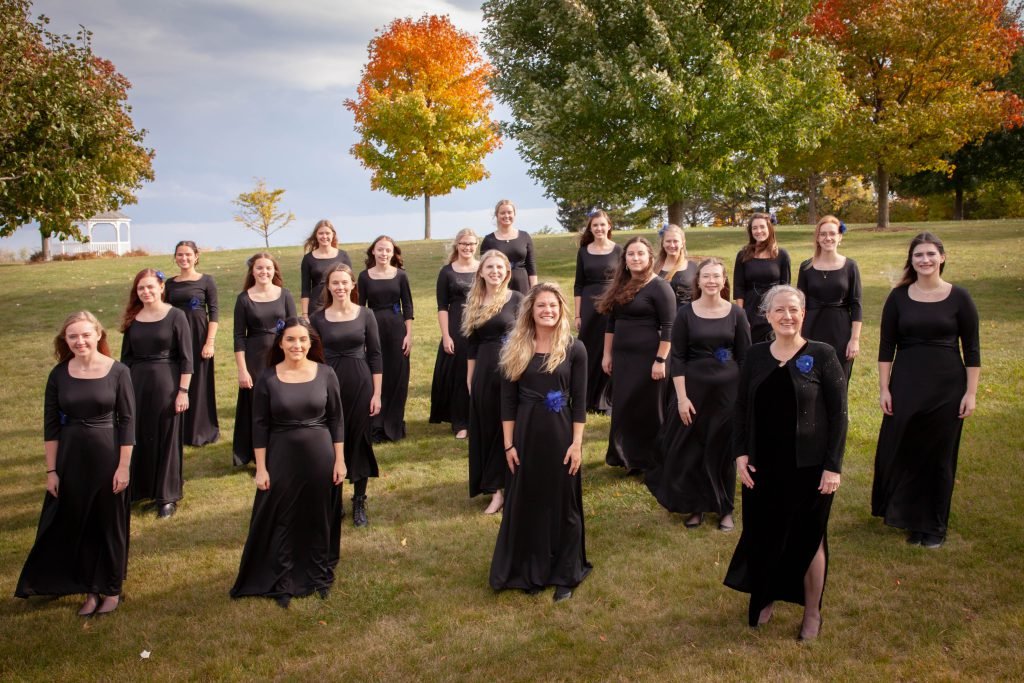
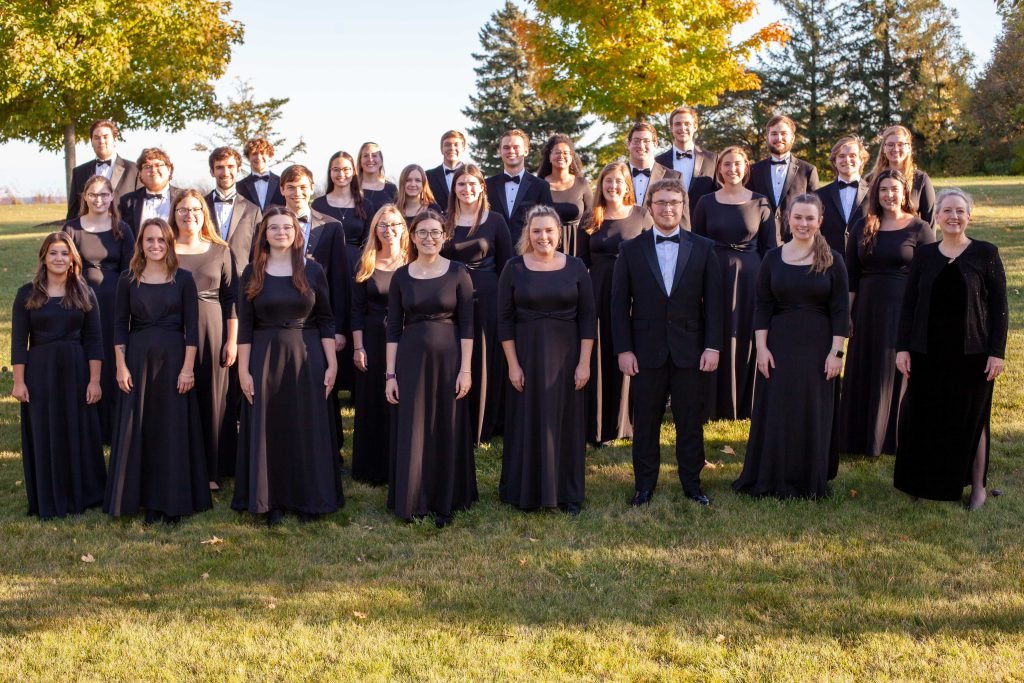
Join us for this time-honored tradition, featuring performances by two of Concordia’s premier vocal ensembles, Selah and Kammerchor.


Selah (meaning “stop and listen”) is an auditioned ensemble exploring a wide variety of both sacred and secular repertoire written for women’s voices.

Kammerchor (German for “chamber choir”) is an auditioned mixed voice ensemble that sings a wide variety of choral literature from the Renaissance to the present, including concert pieces, anthems, spirituals, and hymns.

Concert Information

Sunday, November 20 | 3:30 p.m.
Chapel of Christ Triumphant (CUW campus)
Tickets: $10
(CUW faculty, staff, and students free with ID at the door)

Livestream Link: cuw.edu/musiclive

“This concert holds special significance for me,” explained Dr. Alexa Doebele, professor of music and director of choral activities at Concordia University Wisconsin. “In addition to celebrating the Feast of Christ the King, this concert marks the 10th anniversary of Selah’s debut concert. In recognition of this anniversary, Selah’s final piece is one that was also sung at Selah’s first concert.”


Concert Program

Selah

Alle, Alleluia | Bruce W. Tippette (b. 1985)


Cherubic Hymn | Alexander Kastalsky (1856-1926)


Domine Deus | Michael Haydn (1737-1806)


O choruscans lux stellarum | Michael Engelhardt (b. 1974)

Victoria Fuller, violin
Becca Roth, piano


Shumayela | Traditional isiZulu, arr. Charlotte Botha


I See the Heaven’s Glories Shine | Andrea Ramsey (b. 1977)

Rebekah Milbrath, soprano
Micah Hill, piano


INTERMISSION


Kammerchor

Oy es día de placer | Tomás Pascual (c. 1595-1635)

Anna Krafft and Zion Nelson, soloists
Nate Laesch, Maggie Weidler and Caleb Dunst, percussion


We Are Held | Susan LaBarr (b. 1981) and Jim Wilson (b. 1966)

Grace Amundson, piano


Ukrainian Alleluia | Craig Courtney (b. 1948)


The Best of Rooms | Randall Thompson (1899-1984)


Exultate Deo | Alessandro Scarlatti (1660-1725)


Five Solas | Kyle Pederson (b. 1971)

Constansa Herrmann and Grace Amundson, soloists


Toki Gong Sambil Menari, Haleluya | Christian Isaac Tamaela (b. 1967)


Want in?

Since 1881, Concordia University’s mission has been teaching and preparing students for careers and vocations that serve The Lutheran Church–Missouri Synod. Music has always been an integral part of that mission. To learn more about how the Music Department contributes to the spiritual, cultural, artistic, academic and co-curricular aspects to University life on campus, click on a link below.


Learning to teach reading

In case you didn’t know—we are in the midst of a “new” reading war. Triggered by Emily Hanford’s podcast, Hard Words (American Public Media, 2018), the new reading war focuses on the science of teaching reading instead of balanced literacy instruction. The balanced literacy approach has no predefined structure and can sometimes leave out critical phonics and other evidence-based instruction whereas the science of reading follows a systematic structure based on mastering specific reading skills.

As a result of this change, higher education is taking hits on how teacher candidates are preparing to teach reading. Mark Seidenberg’s (2017) Reading at the Speed of Light is particularly critical of how schools of education prepare teacher candidates to teach literacy.

Preparing our teachers

CUW’s School of Education is committed to preparing our teacher candidates to meet the changes in how reading is being instructed. Lexia Learning states that “literacy is one of the cornerstones of educational equity, and is crucial for lifelong success.” Here are some of the ways CUW’s teacher candidates are being prepared to teach reading and literacy through the integration of the science of teaching reading:

  • Explicit and systematic phonics instruction is key to reading success for some children, and it certainly will not hurt any child to learn phonics.
  • Teacher candidates need exposure to high-quality phonics curriculums because creating phonics lessons that are not part of an effective scope and sequence has limited impact.
  • Ensure teacher candidates learn the Simple View of the Reading model introduced by Gough and Tumner (1986). This scientific model demonstrates how reading comprehension is the product of decoding and language comprehension.
  • Ehri’s (1995) work on the phases of reading development and orthographic mapping is also essential for teacher candidates learning how to teach reading.

Teachers need quality literacy resources and professional learning opportunities. Then followed by instructional coaching focused on high-quality instruction to increase reading achievement. For instance, Concordia University Wisconsin’s annual Literacy Institute on June 12th features nationally known speaker Wiley Blevins, who understands the importance of developing high-quality instructors.

One text I have found particularly helpful in ensuring I am preparing my students to teach reading effectively is Shifting the Balance: 6 Ways to Bring the Science of Reading into the Balanced Literacy Classroom by Jan Burkins and Kari Yates. I have blended these shifts into the two reading courses that teacher candidates take as part of their major. We’ve worked hard on our literacy curriculum and welcome you to take a look at it here.

Finding middle ground: A comprehensive approach

The debate over how to teach reading has been ongoing for decades, pitting advocates of phonics against proponents of a balanced reading approach. Phonics focuses on teaching letter-sound relationships and decoding skills. On the other hand, balanced literacy emphasizes the importance of comprehension, meaning-making, and all five pillars of reading. These five pillars are skills that include phonemic awareness, phonics, fluency, vocabulary, and comprehension. This divide has been dubbed the “reading wars.”

In recent years, the science of reading (SOR) has gained attention as an evidence-based approach to effective reading instruction. The SOR places phonics instruction first, recognizing its crucial role in helping children recognize and decode words, leading to improved reading comprehension. Whole language instruction, on the other hand, emphasizes reading for meaning and context, which is essential for building vocabulary and comprehension skills.

However, current research (Shanahan, 2023) indicates that to directly improve reading achievement, we need to focus on three things: the amount of instruction, the content or curriculum, and the quality of instruction. Rather than viewing phonics and balanced literacy as opposing approaches, a more effective approach is to view them as complementary models.

What’s next?

If you’re interested in teaching reading in Wisconsin, read more about our reading specialist program.

References

Ehri, L. (1995). Phases of reading development in learning to read words by sight. Journal of Research in Reading, 18 (2), 116-125.
Gough, P. B., & Tunmer, W. E. (1986). Decoding, reading, and reading disability. Remedial and Special Education, 7(1), 6–10.
Hanford, E. (Producer) (2018). Hard words. American Public Media. https://www.apmreports.org/episode/2018/09/10/hard-words-why-american-kids-arent-being-taught-to-read
Siedenberg, M. (2017). Language at the speed of sight: How we read, why so many can’t, and what can be done about it. Basic Books.

Concordia University announces new chemical and industrial engineering programs

Concordia University Wisconsin will add chemical and industrial engineering degrees to its long list of STEM offerings.


Beginning in the fall of 2024, students can enroll in the programs to earn a bachelor’s degree in chemical or industrial engineering.

CUW’s engineering programs are distinct in the marketplace because they are anchored in the liberal arts and designed to prepare engineers through a Lutheran-Christian worldview. As students hone their science, math, and technology skills for success in their vocation, they will also deepen their people and critical-thinking abilities to solve problems and contribute to a better world.

Why chemical and industrial engineering?

The foundation for chemical and industrial engineering programs already exists at CUW due to the university’s strength in chemistry, math, physics, and pharmacy courses. University officials considered existing faculty expertise and balanced that with market demand to determine initial program offerings.

“Engineering has been on our radar for several years,” said Interim Provost Leah Dvorak, Ph.D. “In addition to our exceptional faculty in the STEM areas and the abundance of updated labs and available workspace on Concordia’s Mequon campus, a significant portion of the engineering curriculum is existing coursework, so our entry into this high-growth field is already rooted in expertise and experience.”

The creation of these programs responds to a dire need for more engineers. According to the Bureau of Labor Statistics, there are 2,000 openings for chemical engineers annually. Wisconsin has the third-highest concentration of industrial engineer jobs in the U.S., with an especially high need in counties within driving distance of CUW’s Mequon campus.

“The jobs of the future are in STEM, particularly engineering,” said Sarah Holtan, Ph.D., Special Advisor to the President and architect of the engineering programs. “We see engineering as an investment not only in our university but also in the broader community. Our graduates will make a real impact on the state and nearby counties.” 

Pre-engineering

Applications are now being accepted for a pre-engineering track. Because the programs are rooted in the liberal arts, students can already be working towards their degree in engineering before it is officially launched without added time or expense. Current and transfer students are strongly encouraged to apply. Interested students should contact the Office of Admissions to learn how to get on the right track.


Want in?

You don’t need to wait until 2024. Applications are now being accepted for a pre-engineering track. Because the programs are rooted in the liberal arts, students can already be working towards a degree in engineering before it is officially launched without added time or expense. Current and transfer students are strongly encouraged to apply as well.

CUW partners with the Mequon Police Department to increase on-campus safety

Concordia University Wisconsin has partnered with the Mequon Police Department to have four state-of-the-art security cameras installed at the campus’s main entrance to enhance campus safety.


“We are proud of our safe campus status and reputation. We prioritize the health and safety of our campus community and the well-being of our neighbors and are pleased to invest in technology that will help our esteemed Campus Safety colleagues and local and county officials maintain their high public welfare standards.”

Dr. Steve Taylor, Vice President of Student Life

Concordia University Wisconsin, a perennial university on the list of safest campuses in America, will install four state-of-the-art automatic license plate reader (ALPR) cameras at the campus’s main entrance on Highland Road and the campus entrance on N. Lake Shore Dr. in Mequon, Wisconsin. The public safety cameras capture license plates and vehicle characteristics, not people or faces. These cameras can send alerts to the Mequon Police Department when a vehicle associated with a criminal investigation, wanted, missing, or endangered person passes the camera.

These crime prevention devices were chosen due to the anticipated increase in traffic due to the new Highland Road on and off ramps to Interstate 43. This new highway access is a component of a significant highway renovation project conducted by Wisconsin’s Department of Transportation.

“The partnership the Mequon Police Department has with Concordia University and with the Public in the City of Mequon is what helps keep this community safe,” said Mequon Police Department Chief Patrick Pryor. “This technology adoption by Concordia University is another good example of groups working together to increase the safety of the community. The success of both organizations and the community’s safety depends on developing and maintaining our strong partnerships.” 

The camera is built by Flock Safety, a public safety technology company that helps communities, schools, and law enforcement work together to fight crime.

The Flock Safety system integrates with national and state crime databases, such as those maintained by the FBI and the National Center for Missing and Exploited Children (NCMEC), and state-specific sex offender lists. When a vehicle on these lists, updated at least daily, passes a camera, a real-time alert to law enforcement is triggered. The Flock Safety cameras have helped law enforcement across the country recover thousands of stolen vehicles, make hundreds of arrests, and locate dozens of missing or endangered individuals.

“I’m excited that Concordia has decided to install the Flock camera system at the entrances to its campus and delighted that they have chosen to integrate it with Mequon PD’s system. Mequon PD has found Flock to be an effective system in regards to both solving and preventing crime. By using this system, Concordia is enhancing security both for themselves and it’s surrounding neighbors.”

Andrew Nerbun, Mayor, City of Mequon

About Flock Safety

Flock Safety is a public safety operating system that helps communities and law enforcement in 1,200+ cities work together to eliminate crime, protect privacy, and mitigate bias. We build devices that capture objective evidence and use machine learning to create and deliver unbiased investigative leads to law enforcement. Our proprietary devices and cloud-based software reduce crime by over 70 percent. Visit www.flocksafety.com for more information.


Want in?

CUW is routinely ranked among the safest college campuses in the state, or even the nation. We invite you to visit our safe campus and see if Concordia would be the right fit for you.


MBA or MSL—Which One Should You Pursue?

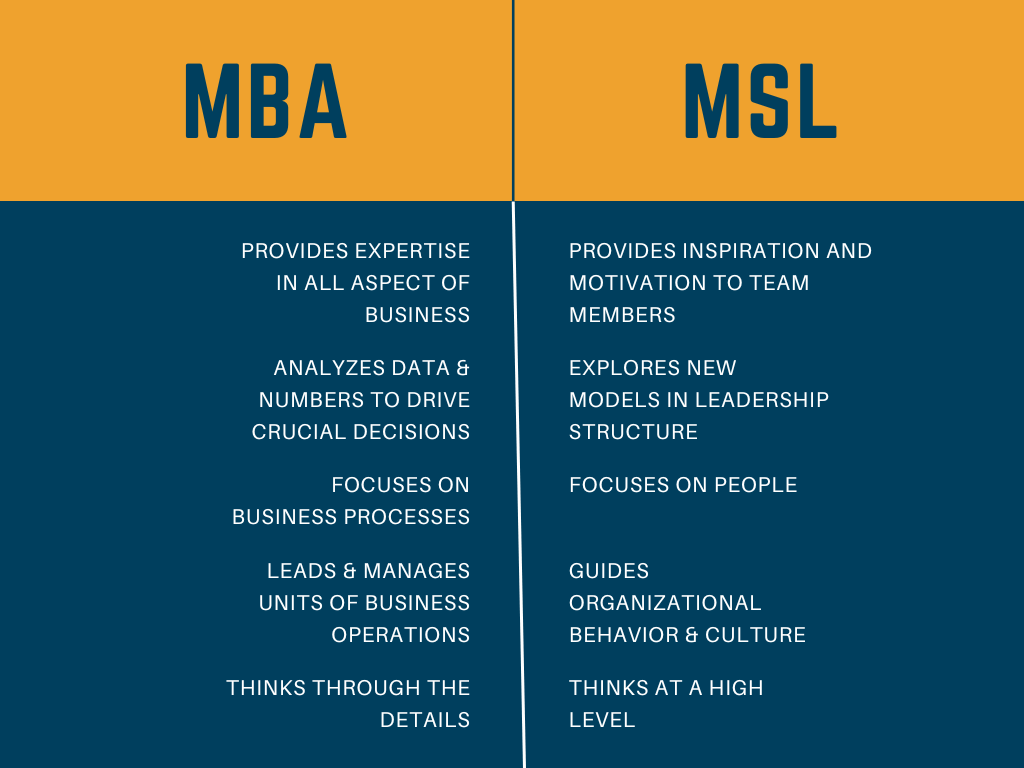
Students often come to us knowing that they want to pursue some sort of graduate business degree. However, we often get the question, “How do I know if I should do your MBA or MSL program?” Our answer to that question is another question: “What motivates you?”

Are you fascinated by people? Are you inspired when your team comes together and accomplishes your goal? Do you love helping others grow? Or are you a “number” person? Maybe you are all about digging into the data and finding innovative solutions? Perhaps developing and executing processes that contribute to company growth is what gets you up in the morning.

At Concordia University Wisconsin, we have 100% online programs for people on both sides of the fence. That’s why we’ve compiled this handy infographic that breaks down the differences between our Master of Business Administration and Master of Science in Leadership degrees.

Both of these graduate business degrees are powerful options for advancing your career. In fact, we offer a huge variety of concentrations within each degree. However, it really comes down to reflecting on your personality type and ultimate career goals when considering whether to pursue an MBA or MSL degree.

Our admissions counselors are trained to help you ask these critical questions of yourself and ultimately end up in the perfect course of study. Reach out to us today, and we can begin that conversation.

This blog was originally published on February 15, 2015. It has been updated to reflect current information.