KFUO: Dr. Menchaca talks the tradition of Christmas at Concordia

Dr. Lou Menchaca, professor of music and music department chair at Concordia University Wisconsin, joined KFUO The Coffee Hour’s hosts to talk about Christmas at Concordia.


Andy Bates and Sarah Gulseth of The Coffee Hour sat down with Concordia’s Music Department Chair to talk about all things Christmas at Concordia. Click here or on the image below to listen to the podcast.

Don’t miss Christmas at Concordia!

  • Friday, December 2, 2022 | 7:30-9:30 p.m. | Chapel of Christ Triumphant
  • Saturday, December 3, 2022 | 7:30-9:30 p.m. | Chapel of Christ Triumphant

Tickets for this popular event are expected to be in high demand, so get yours before they’re sold out!

CUW Student Tickets

  • $10 each; Limit: 1

Current Concordia Students are welcome to purchase one ticket at a special $10 price for Christmas at Concordia on December 2 or 3. Use your F00# as your passcode for your student rate ticket. Quantities are limited so buy yours today!

General Public

  • $20 each

Guests 12 years of age and younger are allowed free entry; all others will require a ticket.

Note: All sales will continue to be cashless this year. Please purchase tickets before the concert through our Hometown Ticketing Music Page, or be prepared to use a credit/debit card at the ticket table on the night of the performance.

Livestreaming

If you are not available to attend the concert in person, we encourage you to view the livestream. Please note that the livestream can only be viewed at the same date and time as the performance, and will NOT be recorded due to copyright issues. The livestream can be viewed at cuw.edu/ChristmasConcert.


Want in?

Since 1881, Concordia University’s mission has been teaching and preparing students for careers and vocations that serve The Lutheran Church–Missouri Synod. Music has always been an integral part of that mission. To learn more about how the Music Department contributes to the spiritual, cultural, artistic, academic and co-curricular aspects to University life on campus, click on a link below.

Featured Alumni: Arthur Martinez

In May 2022, Arthur Martinez graduated from Concordia University Wisconsin and Ann Arbor’s Doctorate of Education program. Martinez is currently the Head Principal at Neidig Elementary School in Texas and an Adjunct Professor at Huston-Tilotson University. Take a look at Martinez’s experience as a graduate student at Concordia.

Why did you choose the Doctor of Leadership in Innovation and Continuous Improvement (LICI) program at Concordia?

When choosing a program, I wanted an online, flexible program, as I live in Austin. The CUWAA program had a continuous school improvement component, which won me over. I learned so much about school improvement, which helps in my job daily. I love CUWAA! It was the absolute right/best choice for me.

How did this program help take your career to the next level?

The program provided me skills and content knowledge to elevate my leadership capacity. Halfway through the course, I realized my abilities were much stronger than I first thought. My professors and classmates helped to shape me into a stronger leader and learner, even when I doubted myself. I’m so thankful I stayed and fought through the self-doubts.

Discuss your experiences with the cohort model.

It was a benefit to go through the courses together with cohort members. We would struggle and strive together. It was exciting to see which cohort members were going to be in each new class. From class to class, interacting with the same members helped to create a space for deeper discussions, which were very helpful.

What did you learn from your cohort peers?

The greatest lesson I learned from my cohort peers was to think more critically outside of my own, subjective opinions. My peers came to the discussions and classes with other beliefs giving me the chance to listen to and understand different perspectives.

What are your goals with your new Ed.D.?

My goals are to use what I learned from the LICI program to be a more vital principal and professor and to continue my education. After a few years serving in the role of campus principal, I seek to attain a superintendent certificate and will use my Ed.D. and certification to be a serious superintendent candidate for my school district.

How did the LICI program transform you?

The program helped me to believe in myself again. The first half of the program…I experienced imposter syndrome, wondering why CUWAA let me into the program. After having a class with Dr. Cosgrove, that syndrome went away. From that point on, I have transformed into a confident educator and leader. I believe in myself and hope to encourage and elevate the skills of others, so they can be confident in their abilities.

What was a pleasant surprise about the LICI program?

Most programs would market their programs by saying it could be done in three years. At CUWAA I finished in exactly three years, by following the model provided by my advisor. It was wonderful to get done in the time I was told. Also, all the staff/professors are so kind and helpful.

What were the hardest and easiest aspects of completing a dissertation?

The hardest – hands down were the literature reviews. It took me almost six months to complete the review. The easiest parts were chapters four and five. Once the literature review was completed and the study was approved, the rest went super fast.

How did you grow personally and academically during your dissertation process?

The dissertation process…! The juggernaut process was the most learning I have ever done. I’m so thankful I had such a knowledgeable and encouraging chair. Anytime I would dip, she was right there to pick me back up, reminding me of my goal to complete the program in three years.

Thinking at a higher level when drafting the literature review was essential. There was so much information to take in, so I chunked it and just kept learning. As a scholar, I gained more knowledge, and as a writer, I gained confidence in the writing process and was excited to take my writing to the next level.

RELATED: 4 tips for overcoming dissertation anxiety

What connections did you make with your LICI professors?

They pushed me and held me accountable for being successful. Learning at a minimal level was just not an option. I graduated from the program with a 4.0 because they pushed me. The professors demanded high levels of learning, and I thrived in that environment, especially with quantitative statistics. Never in a million years would I have thought that I could get an A in a class that challenging. The professor knew it was for me.

What were your most memorable experiences in the LICI program?

The day of the defense was a memorable moment. Defending my study was such a wonderful experience, especially after three years of working toward that moment. I believed in my study and in myself. Hearing them call me Dr. Martinez for the first time changed my life forever.

Additionally, graduation was an extraordinary time for me. I appreciated the LICI department having a separate special ceremony before graduation. This was a moment for our professors and peers to celebrate together. It was something I will never forget.

Faculty Spotlight: Jennifer Nicpon

From November 13 to the 19th, we celebrate National Nurse Practitioner week. With a spotlight on the over 355,000 licensed NPs in the U.S., this week brings an opportunity to highlight not only practicing NPs but those who train them as well.

With this opportunity, we want to shine a light on some of Concordia’s incredible NP faculty. In the third and last blog of this series, we talked to Jennifer Nicpon, DNP, FNP-BC, an Associate Professor at Concordia. Read on to learn more about her role at Concordia and her background as a Nurse Practioner.

What is your educational and career background?

I have been a family nurse practitioner for 24 years and have taught NP students full-time for 7 years. Although I have been an adjunct in the NP program for many years.

What brought you to Concordia?

I’m an alumnus. I attended Concordia for my DNP degree and it was a fantastic experience. I’m excited to be full-time in the NP program.

What do you like to do for fun?

I enjoy running, spending time with my family, and gardening. I have been married for 26 years, and have 4 children ages 15-22.

What do you love about our NP program?

Being an online program, I love the flexibility this program offers to students. Many of our students work as nurses, have families, and attend graduate school. This program makes it possible for nurses to pursue a graduate degree while working with the student’s other obligations. 

What are your favorite specialties within Nursing?

I really enjoy all ages, but I have a specialty certification as a nurse practitioner in dermatology. So, anything skin related is my passion.

Why should students join our Nursing program?

I would say the number one reason is the dedication of the faculty. We really want you to succeed and make great contributions to the health of others. Even though the program is online, we connect with our students and really get to know them.

What is your advice to students?

Keep working hard, one day you will look back and be amazed at what you have achieved. 

What’s next?

If you’re interested in becoming a Nurse Practitioner or furthering your education, check out our programs below.

Faculty Spotlight: Natalie Ross

From November 13 to the 19th, we celebrate National Nurse Practitioner week. With a spotlight on the over 355,000 licensed NPs in the U.S., this week brings an opportunity to highlight not only practicing NPs but those who train them as well.

With this opportunity, we want to shine a light on some of Concordia’s incredible NP faculty. In the second blog of this series, we talked to Natalie Ross DNP, FNP-BC, APNP, RN who is an Assistant Professor at Concordia. Let’s learn about her role at Concordia and her background as a Nurse Practioner.

What is your educational and career background?

I have a Bachelor’s from UW – LaCrosse in Community Health Education. I then graduated with my MSN from Rush University and my Doctorate of Nursing Practice from Rush University. Prior to coming to CUW, I worked as a public health nurse and as an FNP in OB/GYN in a women’s health clinic.

What brought you to Concordia?

I came to CUW for the family and faith atmosphere. My husband was lecturing for several of the health care programs and spoke very highly of the university.

What do you like to do for fun?

I like to be active with my family. I also enjoy running, practicing meditation, and cheering on all WI sports teams.

What do you love about the NP program?

I love my colleagues and also working with students to train the next generations of NPs.

What are your favorite specialties within Nursing?

I love working in women’s health. Additionally, I have a very holistic practice and really work with my patients to treat mind, body, and spirit – which aligns with the CUW mission.

Why should students join our Nursing program?

We really care about our students and are so invested in their progress and success. All of our graduate nursing programs are online but we truly work hard to make connections with our students.

What is your advice to students?

Make sure to take care of yourself. Self-care is so incredibly important. You can’t pour from an empty cup.

What’s next?

If you’re interested in becoming a Nurse Practitioner or furthering your education, check out our programs below. You can also learn about our other all-star faculty members here.

5 Reasons You Should Become a Superintendent

As an educator, you have dedicated your career to promoting knowledge in young people. Perhaps you are currently a principal or school administrator. Now, you are considering the role of the school district superintendent. A big step? Yes. Worth it? Absolutely.

Superintendents shape the lives of students and shape the future of education. The role of a superintendent is not an easy one, but it is a rewarding position. They are the leaders who will change the educational landscape and open up opportunities to kids and new doors for the community.

If you’re curious about the role, here are five of our best reasons why you should consider becoming a superintendent:

Reason 1: Influence

The superintendent is who sets the tone of the school district. By becoming a superintendent, you can direct real changes. If a curriculum or plan clearly isn’t beneficial, replace it with something better! You get the power to improve what is weak and build up what is working. If teachers feel neglected or the community has a negative attitude, you can develop trust and healthy communication. The positive tone set by the superintendent trickles down to school administrators, teachers, parents, and the community. Do you have ideas that could help your district excel?

Bonus: You can be a part of the reason your school district is a desirable destination for high-quality teachers and staff. Especially in Wisconsin, where there is a decline in teachers and pay, developing a positive direction is key in attracting teachers. Your influence could change the lives of people in your community, from teachers to parents, and students.

Reason 2: Challenges

Let’s be honest; a challenging work environment is not for everyone. Superintendents have to deal with unhappy people, budget restrictions, and naysayers. Sounds like a walk in the park, right? The challenges of a superintendent can be stressful. However, challenges are often an important ingredient of a fulfilling career.

Embracing challenges force us to respond creatively and grow. Does helping a struggling student excel or successfully adapting to a tight budget give you a sense of fulfillment and pride? If yes, then you need challenges to thrive. For those who need more than a paycheck to be satisfied, becoming a superintendent is a great option. The challenges that are overcome as a superintendent are what make the job so fulfilling.

Bonus: A tough job, like a school superintendent, can lead to a healthier brain and better health. 

Reason 3: Job Outlook

As the older generation retires, superintendent positions are opening up. Additionally, as the number of students in schools continues to grow, the need for new schools increases. With enough new schools opening, more superintendent positions will be created. School administration roles are projected to grow at an average rate of 7% from 2021 to 2031. This slow and steady rate of growth is a healthy sign for those considering becoming superintendents. Principals, if you want to advance your career and have a larger impact on education, now is the time to pursue this licensure.

Bonus: The increase in pay certainly doesn’t hurt! In Wisconsin, school superintendents typically make an average salary of $168,786.

Reason 4: Servant Leader

The most important contributor to a school’s success (besides teacher quality) is a strong leader. How many jobs have you had where the support (or lack thereof) of a boss, supervisor, or school superintendent had a significant impact on the employees? Most likely, your answer is “all of them.” As the superintendent, you will be the strong leader that ensures principals and teachers have the resources to do their job. Inevitably, this means acting as a servant leader. You get to support and care for the needs of principals and teachers, so they, in turn, can focus on serving the students.

Bonus: If your principals and teachers understand that your goal is to serve their needs, you will have their support and respect in return. When challenges arise, your team will be able to rely on and defend each other.

Reason 5: The Kids

Ultimately, the best reason to become a school superintendent is the kids. Isn’t helping children learn the reason you became involved in education in the first place? Students will continue to be the most important reason for choosing your career, whether you are a principal, central-office administrator, or superintendent. Having a positive influence, overcoming challenges, and supporting your staff always comes back to the young people who need you. By becoming a superintendent, you are not simply caring for more children, you care for them in new ways. You get to improve the policies and curriculum that help young minds grow.

Bonus: Regardless of the impressive policies and procedures you implement, the kids in your schools are the legacy you leave behind. That is beautiful knowledge.

If you want to make a difference in your school district, consider receiving your Superintendent Licensure through Concordia University. This online program can be completed in as little as 12 months. Ready to get started?

Originally published on February 22, 2017. Is now updated with current information.

Leading with Power Skills

Organizations are facing great changes after the pandemic and the rise of the second information age. This includes changes to their operations, business processes, and labor force expectations. The second information age involves changes to jobs and the economy due to automation and artificial intelligence. It’s important that we have leaders that can embrace the change and make their teams successful.

Working remotely

The name for these changes is called digital transformation which is the process of using technologies to create or modify business processes. This adds a new dimension that fully redesigns business processes to augment work with technology. There are also new work arrangements that challenge the notion of the traditional employee.

Remote work has become far more common and is unlikely to return to pre-pandemic levels. Working remotely is more accepted and valuable for decreasing infrastructure costs, reducing commuting time and pollution, and increasing productivity. It also creates a more fluid work-life balance.

Even employees who have traditional offices are doing more tasks mediated by technology and participating in virtual teams. They are also learning and developing through technology, which is called virtual human resource development. (Bennett, 2009). As working and managing remotely are fairly new, having the skills needed to lead effectively is essential.

Important power skills

For many years now, these essential leadership skills were labeled “soft skills”. However, there is a growing trend in the business world to refer to soft skills as “power skills.” This is because employers are increasingly recognizing the importance of these skills in the workplace. Power skills are those that are more focused on human interaction and relationships. They include things like communication, teamwork, and empathy.

And while they may not be as tangible as hard skills, they are essential to succeed. Yet power skills are some of the hardest skills to master. According to our recent study that gathered data from over 10,000 professionals, the top power skills range from adaptability, problem-solving, and agility all the way to social, emotional, empathetic, and creative skills.

Although we live in a time when there is a great concern for the loss of empathy, due to social media, human emotion and empathy skills were highly valued (Bennett, in press). We also concluded that both logic and intuition are necessary for both leadership and the workforce at large. Leaders must become agile with different modes of information processing as they work within systems faced with the change of digital transformation.

Similarly, Question Mark’s 2021 report has power skills as six of the top ten learning trends:

  1. Adaptability,
  2. Communication/Collaboration,
  3. Creativity,
  4. Critical thinking and Problem Solving,
  5. Empathy, and
  6. Teamwork (pp. 4-5)

These relate to the Society for Human Resource Management’s (SHRM) (2008) leadership competency model. However, SHRM adds managing politics, influence, change, and leadership stature to its list. Further, new leadership challenges, such as diversity and inclusivity, increase complexity and risk.

Future of leadership skills

As organizations require more adaptability, creativity, and agility from their members, leadership job descriptions and roles will increasingly emphasize power skills. Unfortunately, organizations failed to properly manage virtual teams and maintain social cohesion during the pandemic and recovery, according to early evidence. (Bennett & McWhorter, 2021).

One can develop power skills at any point in their life by practicing, reflecting, and making necessary adjustments; but mentorship, learning about human behavior, and experiential learning are key to developing these skills. Organizations that have in-house leadership development programs that support employees in exercising a range of power skills, combined with new technology and data literacies, tend to be more successful.

This is because these programs help employees to develop the skills they need to be effective leaders, while also staying up-to-date with new technologies and trends. However, this can be an area of frustration if internal options are not well executed or when limited time is a barrier to participation.

Advancing power skills with a degree

Degree programs have major advantages as they are naturally interdisciplinary. Therefore, they expand the range of innovation and application beyond a narrow field in order to foster flexibility. They also often combine data skills with power skills through inquiry projects.

LEARN MORE: Earn your master’s in leadership at Concordia University

Online programs help overcome space-time challenges while fostering practice in virtual environments with collaboration technologies. Practicing new skills in a safe space is more effective than trying them out for the first time with real employees. As a result, this may reduce a leader’s performance anxiety.

What’s next?

As technology advances and organizations change, humans should focus on what they do well and let technology handle the rest. In other words, the leadership of the future is leading with power skills.

About the author

Elisabeth E. (Liz) Bennett, Ph.D. is an associate professor of business and director of the Masters of Science in Leadership at Concordia University – Wisconsin and Ann Arbor. Research interests include organizational culture, creativity, informal learning, technology leadership, and virtual human resource development. Dr. Bennett brings industry experience from Fortune 500 financial services, manufacturing, information technology, continuing education, and academic medicine. She earned her Ph.D. from the University of Georgia with an emphasis in Human Resource and Organization Development (HROD) and an interdisciplinary graduate qualitative research certificate. She holds a Master’s in Adult Education with a cognate in Instructional Technology, earned with distinction, also from the University of Georgia. Dr. Bennett serves on multiple journal editorial boards as well as engages in international service that supports economic development for the socially vulnerable and inclusive prosperity.

References:

Bennett, E. E. (2009). Virtual HRD: The intersection of knowledge management, culture, and intranets. Advances in Developing Human Resources, 11(3), 362-374.

Bennett, E. E. (2022). Leveraging technology to design and deliver human resource development. In P. Holland, T. Bertram, T. Garavan, & K. Grant (Eds.) The Emerald Handbook of Work, Workplaces and Disruptive Issues in HRM. Emerald.

Bennett, E. E. (in press). Social media and HRD: Powerful tools and dark patterns. In T. F. Rocco, M. L. Morris, and R. Poell (Eds.), Handbook of Human Resource Development (2nd ed). Sage.

Bennett, E. E., & McWhorter, R. R. (2021). Virtual HRD’s role in crisis and the post Covid-19 professional lifeworld: Accelerating skills for digital transformation. Advances in Developing Human Resources, 23(1), 5-25. https://journals.sagepub.com/doi/full/10.1177/1523422320973288

Question Mark (2021). Modern skills for 2022: Measuring the strength of workforce skills and ensuring employees have what they need to face the future. Reported available at: https://www.questionmark.com/wp-content/uploads/2021/12/Modern-Skills-for-2022.pdf

SHRM (2022). https://www.shrm.org/ResourcesAndTools/hr-topics/behavioral-competencies/leadership-and-navigation/Pages/leadershipcompetencies.aspx


5 Questions About Your Emotional Intelligence

When thinking of intelligence, most individuals tend to picture something like IQ. While IQ can tell you a great deal about your ability to problem solve through learning, application, and logic, it does not paint a very accurate picture of your ability to succeed in complicated life circumstances. That’s where emotional intelligence comes in.

Simply put, emotional intelligence is your ability to understand and influence emotions, both in yourself and in others. It is a measurement of awareness. Numerous studies show that emotional intelligence is directly linked to strong performance. Thankfully, emotional intelligence can be learned (unlike IQ). Certain individuals may be more naturally predisposed to high levels of emotional intelligence, but you can always work towards improving.

Below are five questions you can ask yourself to gauge your own emotional intelligence:

How aware are you of emotions, from yourself or others, on a daily basis?

Typically, people with emotional intelligence are not only aware of their own emotions but also the emotions of others. Emotions are projected through both verbal and non-verbal signals. An emotionally intelligent person can often sense emotions right away when entering a room. This does not require any verbal contact at all; someone’s facial expression or body language alone can communicate a great deal.

In conversation, emotionally intelligent people usually put themselves in someone else’s shoes, connecting with the other person on an empathetic level. Usually, emotionally intelligent people can relate to people and can feel what they are feeling.

Emotional intelligent people are curious about everyone around them. They are not always so concerned with themselves, but also with the emotional health of those around them. Because people with high emotional intelligence are so socially aware they tend to be good judges of character and can read others well.

Listening to others and paying attention to others is a part of being an emotionally intelligent person. When you listen to others, do you tune them out or are you genuinely interested in how they feel? If you are interested and empathize with them, you may have high emotional intelligence.

Do you have the ability to manage your own emotions?

Take a moment to think about difficult moments you have had in your life. How did you react?

Emotionally intelligent individuals do not typically wear their emotions on their sleeves. Though they may feel emotions strongly, they understand how their attitude impacts others. Throughout the day a host of negative emotions arise. Anger, jealousy, and irritation are things emotionally intelligent people actively seek to identify in order to resolve the core of the issue.

Part of managing your emotions means you are able to let things go. This means letting go of your mistakes and not dwelling on them. Learn from your mistakes and don’t let them ruin your outlook on life.

Every day we experience an array of emotions. The way we handle emotions and show them through our attitude and body language is what makes the difference between being and not being emotionally intelligent.

Are you able to use your emotions in a constructive way?

Emotions are a good thing. They are protective and allow us to make sense of our lives. However, sometimes emotions can be destructive. Simply put, emotionally intelligent people don’t let emotions become a negative factor in their lives. Reflect on the impact your emotions make on your life. If you struggle to identify positive outcomes from emotional situations, this can signal issues.

Emotionally intelligent individuals also recognize when they are having negative self-talk and stop themselves from continuing to talk negatively. Instead, they will think and speak positively. This is because negative self-talk changes our brain chemistry and affects how we handle our emotions.

Handling your emotions effectively is the best way to grow emotional intelligence. Making sure we manage our emotions in a constructive manner. Know what our strengths and weaknesses are. Be able to talk about emotions while also considering the emotions of those around us.

Do you do well under pressure?

Our lives are not perfect; there are many bumps in the road along the way. Another key to emotional intelligence is staying in control under pressure when everything seems to be falling apart. For example, if a stressful situation occurs at work, how do you react? Emotionally intelligent people are aware that remaining calm in those instances is crucial both for your professional and emotional well-being. Think about a time when something was stressful and how you handled it. Then think about what you could have done better to improve your emotional intelligence.

Change is an inevitable part of life. When we become flexible and can adapt to change, our emotions are not as extreme. Being able to handle change is a good indicator that you also do well under pressure.

Are you honest with yourself?

Emotionally intelligent people take time to reflect. They think critically about life circumstances and occurrences. They enjoy “quiet time” and reflection. It is hard to turn off our cell phones or televisions and ask ourselves hard questions, but the payoff is invaluable.

Emotionally intelligent people also know how to say “no” to both themselves and to others. No is a powerful word that many people are afraid of. Being able to say no shows a sense of self-control that yields people from making impulsive decisions and are better able to handle their emotions.

Grow your emotional intelligence

How does your emotional intelligence compare? Here are 4 tips to grow your emotional intelligence.

This blog was originally published on March 21, 2016. It has been updated to reflect current information.

Eco-friendly cleaning and clothing companies take home top prizes at annual CU Launch competition

Two student entrepreneurs took home $2,000 each in seed funding for their startup ideas during the annual CU Launch competition.


Last week, eight Concordia teams from the CUW and CUAA campuses participated in the culmination of the month-long CU Launch program by pitching their business ventures to a panel of judges. The winner of the undergraduate category was Skyler Moyer, while Alex Jackson took home the top prize for the graduate/employee category.
Undergraduate winner

Skyler Moyer claimed the prize money for Stain Stoppers, a veteran-owned carpet and upholstery cleaning company that also offers stain protection, odor elimination, and carpet/upholstery disinfection services at reasonable prices.

“As a Christian company, we place a high value on family,” says Moyer, a military veteran who is currently in the pre-seminary program at CUW. “That’s why we keep families safe by utilizing incredibly safe cleaning solutions that continue to clean even after we’re gone.”

Stain Stoppers’ products are:

  • Eco-friendly
  • Soap-free
  • Detergent-free
  • Odorless
  • Hypoallergenic
  • Non-toxic
  • Biodegradable
  • Non-VOC

The company’s specific methods will never de-laminate carpet, cause wicking, leave brown marks, shrink carpet, or damage stain-resistant carpet. Plus, dry times only take 1-2 hours, as opposed to days.

“For most jobs, you simply don’t need all those harsh chemicals and rough techniques to achieve superior results,” says Moyer. “It may take a little more elbow grease, but the safety of it is worth it.”

Graduate winner

In the graduate category, Alex Jackson took first place for his business h Clothing Co., which exists to minimize the material impact of clothing and textiles by creating and providing 100% natural products from a closed-loop production process with a lifetime repair guarantee.

By using business as a tool to further environmental and social causes, the company maximizes its social impact and educates the market on the benefits of locally, ethically, and naturally sourced clothing and textiles.

“Everything we create has an impact on the planet and its many forms of life,” says Jackson. “Our vision is to bring back intention, ethics, durability, and longevity into everyday clothing that creates value for wearers, creators, and the environment.”

Participants

In addition to Jackson and Moyer, the following individuals participated in this year’s pitch competition:

  • Travis Wright | A.A. Invest – Investment vehicles based on high-value tennis shoes
  • Seneca Miller | NúChic Cosmetics – Customizable makeup palettes that use sustainable and safe materials
  • Matt Fischer | Proteingenix – Protein supplements delivered in a gummy format
  • Kali Thiel | The Blonket – A multifunctional blanket that specializes in wind-blocking protection  
  • Daniel Lowitz | Ombo Club – Custom stickers for communicating identity
  • Emma Fritz | Joyful Foundation – A unique food pantry serving Ozaukee County               

Want in?

The Batterman School of Business enrolls the most students out of CUW’s six academic schools. The BSB offers a complete range of business education programs and degrees including associate and bachelor’s degrees for undergraduate and adult accelerated students, as well as licensures and certifications.

Graduate programs include our highly ranked Master of Business Administration program (with 13 concentrations), and master’s degrees in leadership, accountancy, business analytics, and more. The school also offers a Doctor of Business Administration degree, the only one of its kind in the Milwaukee area.


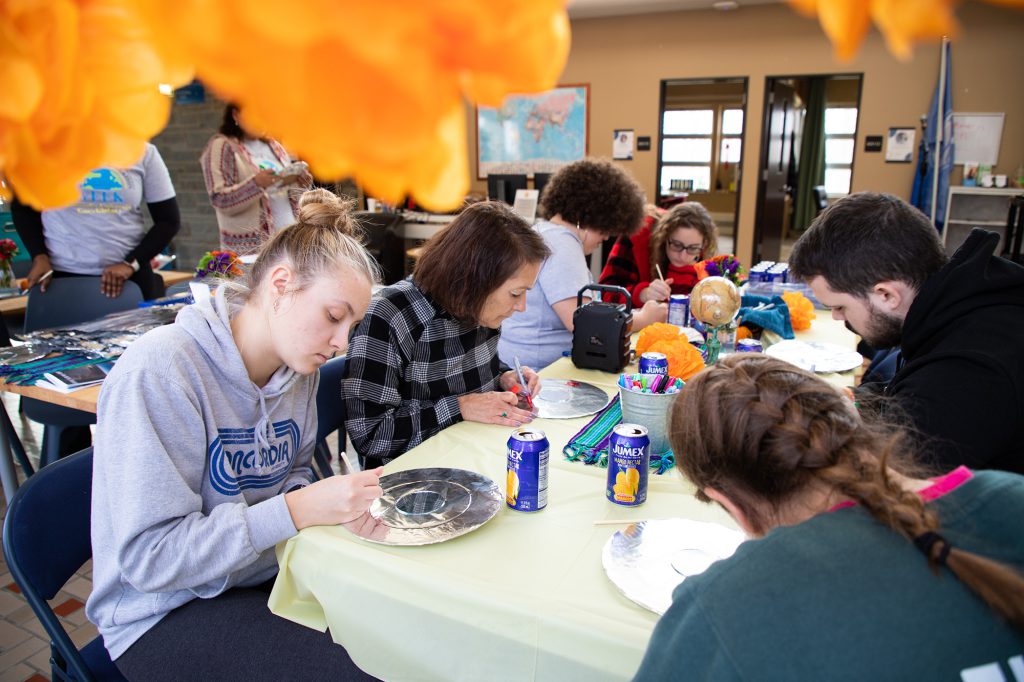
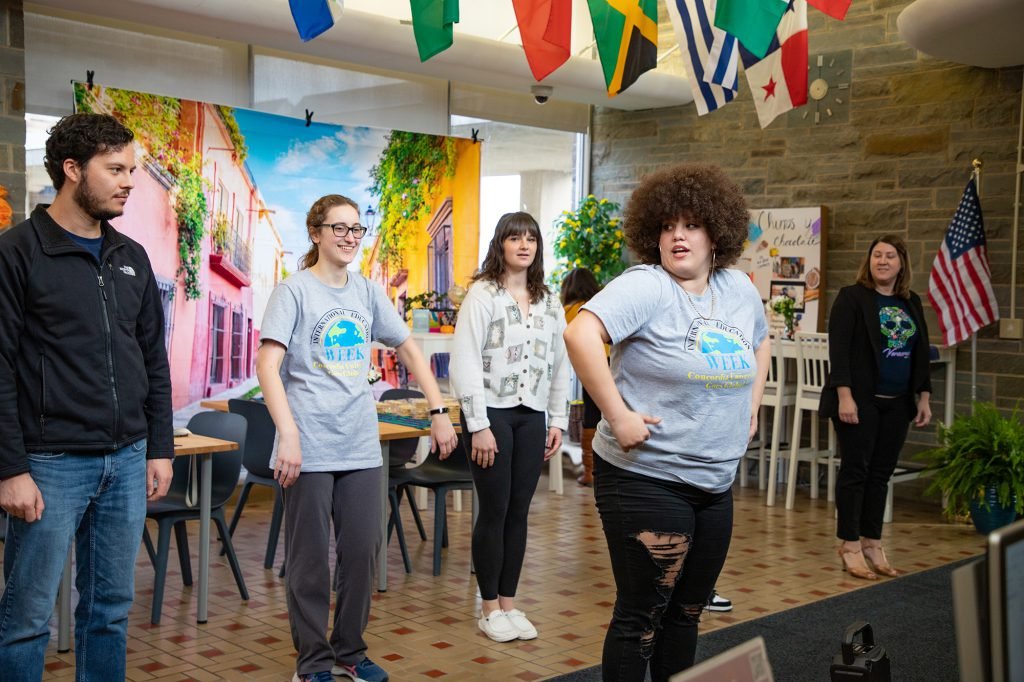
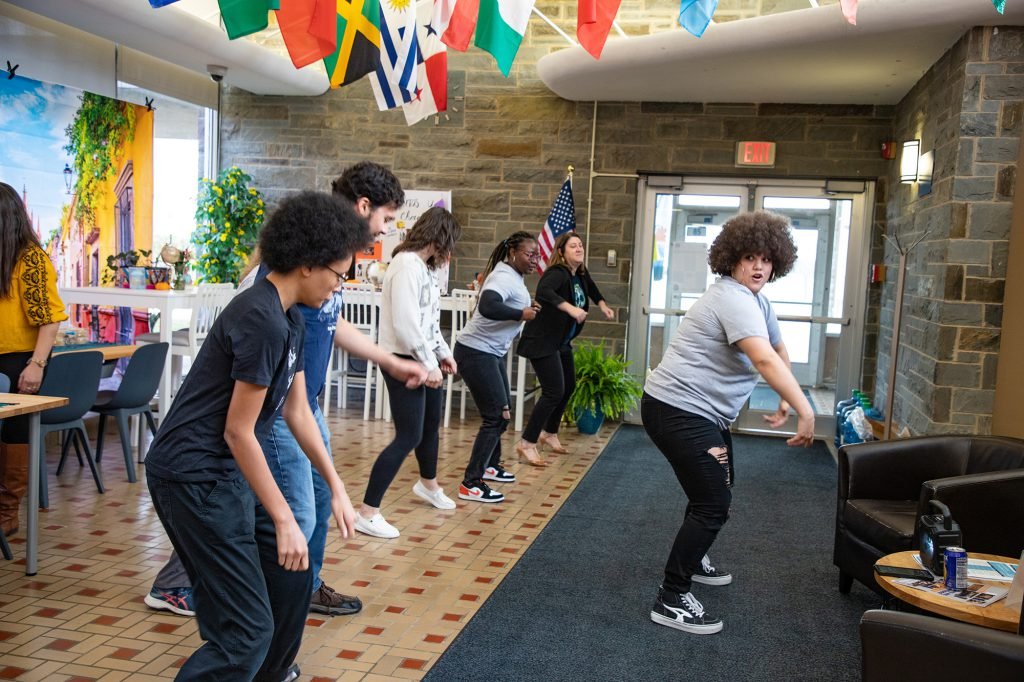
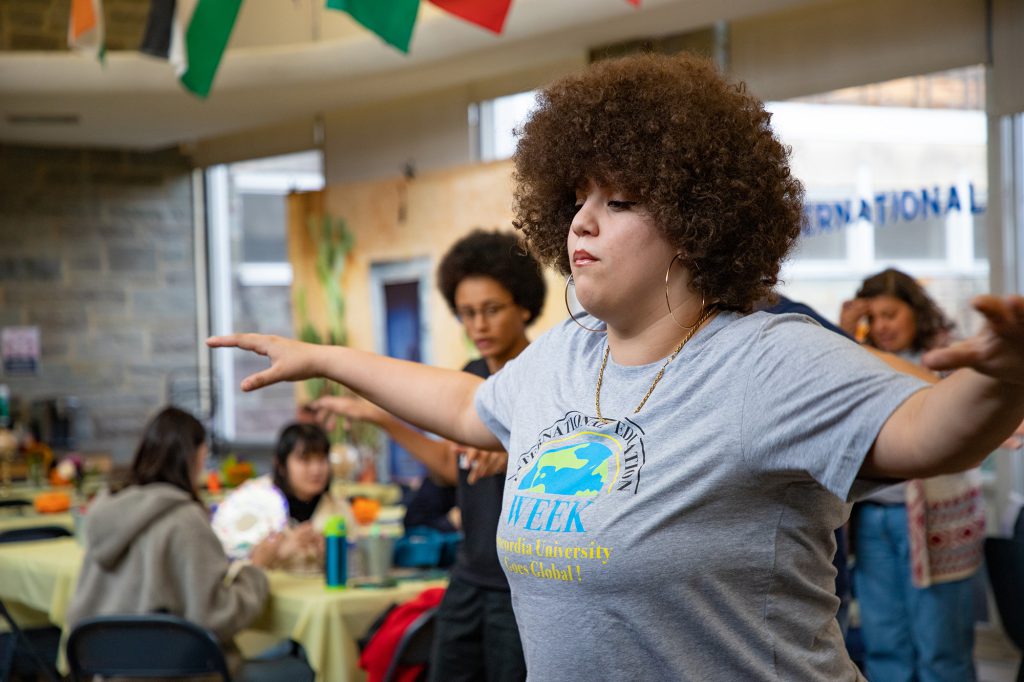
Concordia University Goes Global!

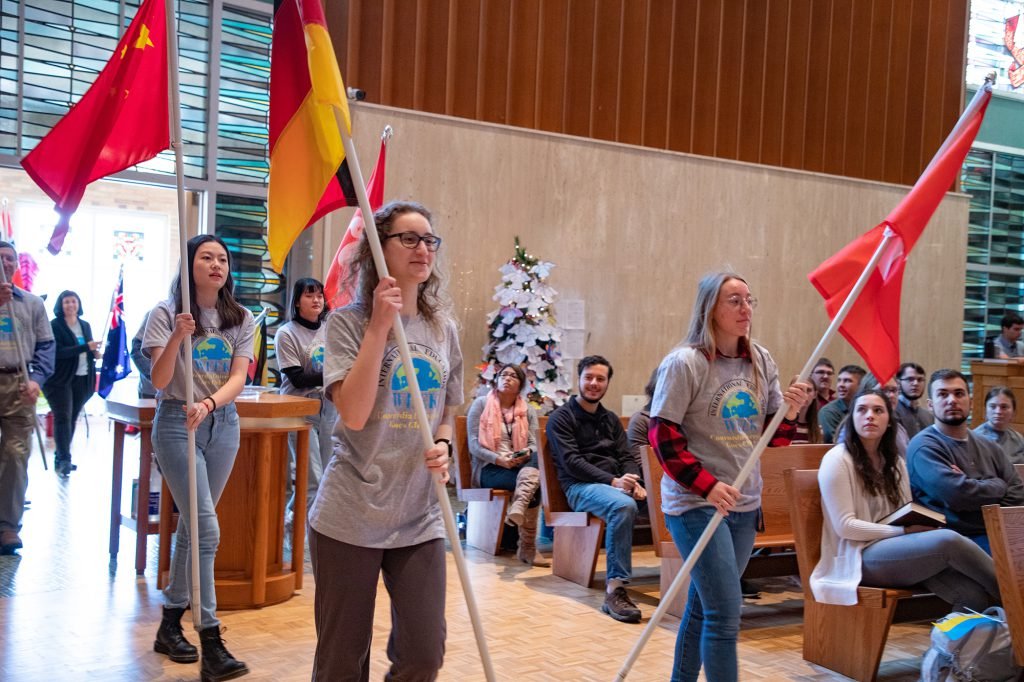
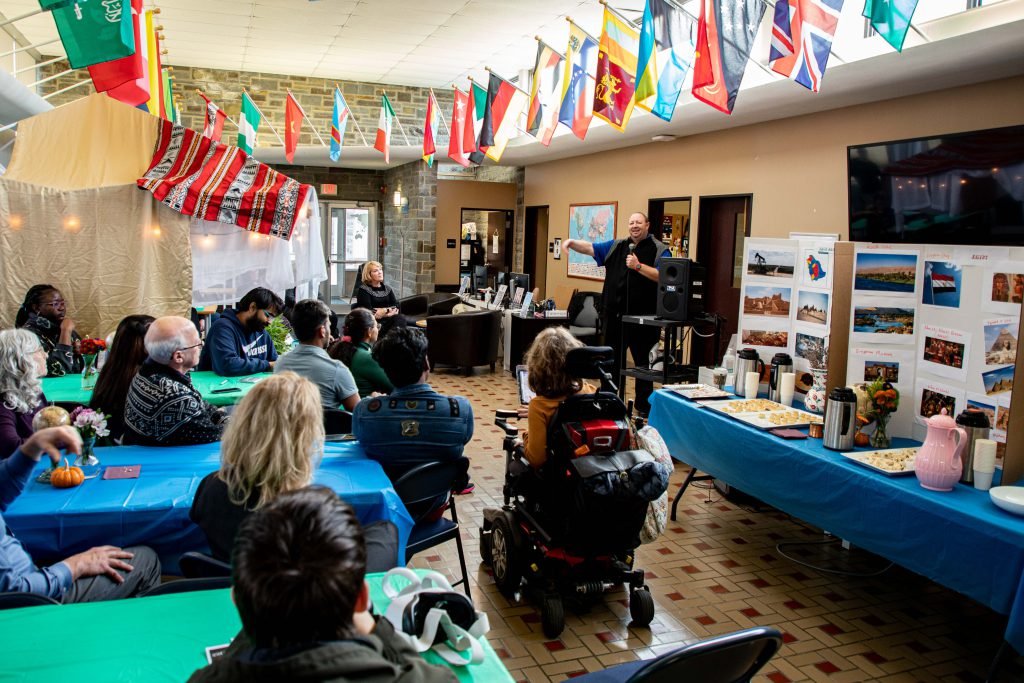
Celebrating International Education Week on the Concordia University Wisconsin campus—November 14-18, 2022.


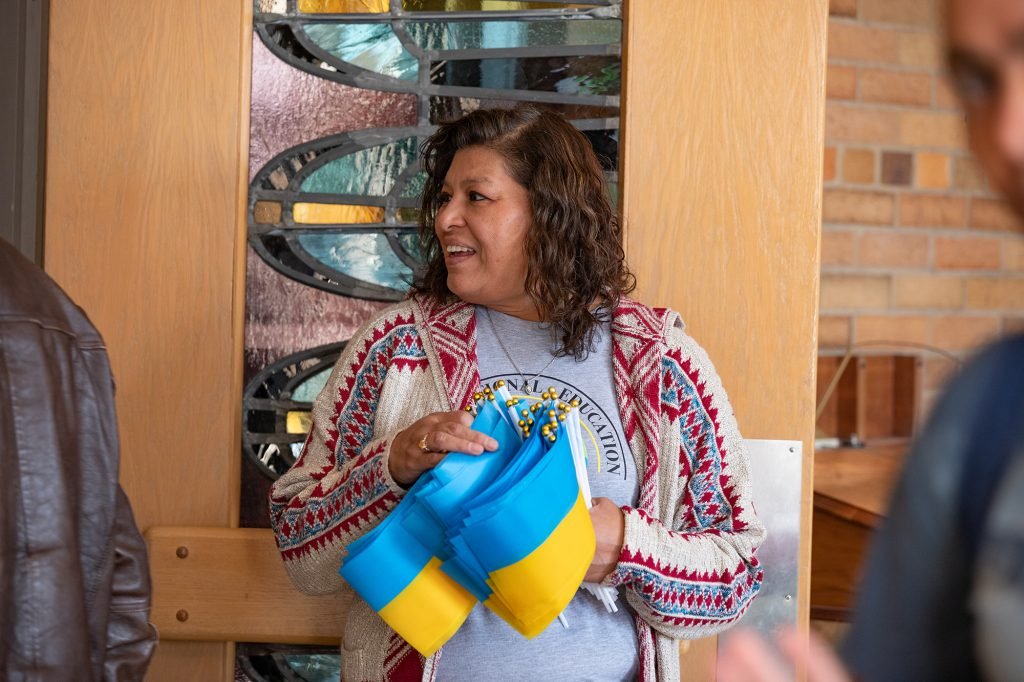
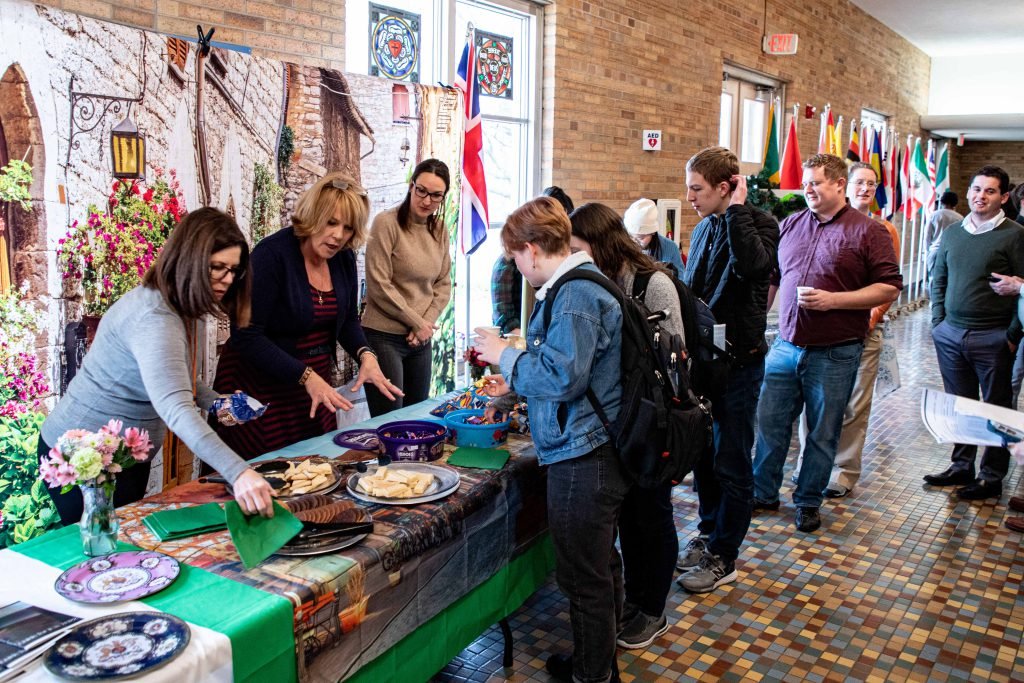
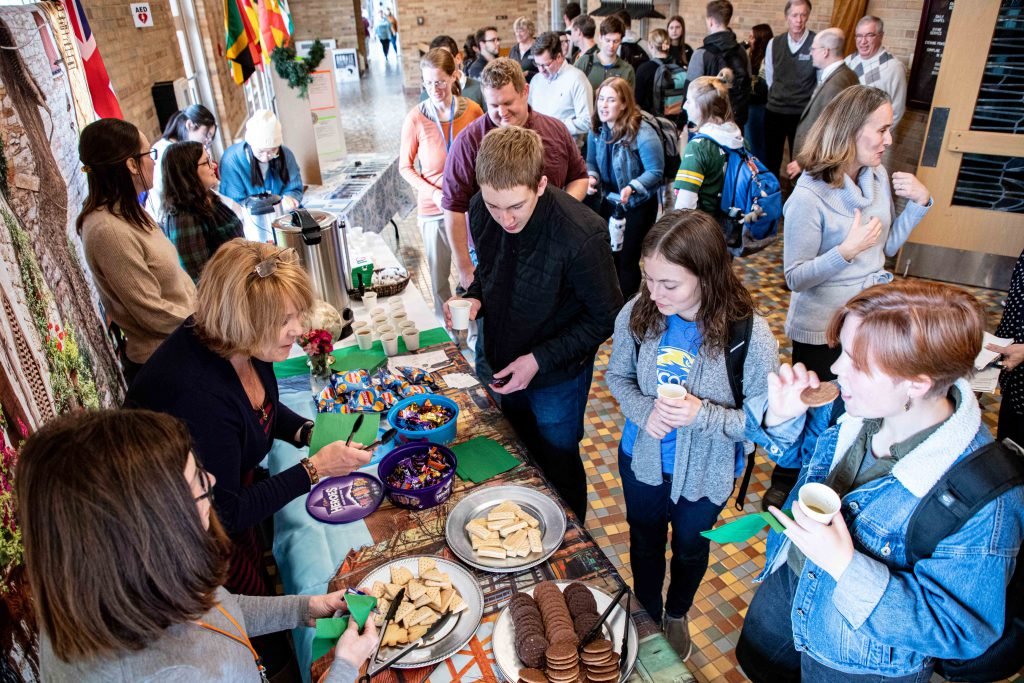
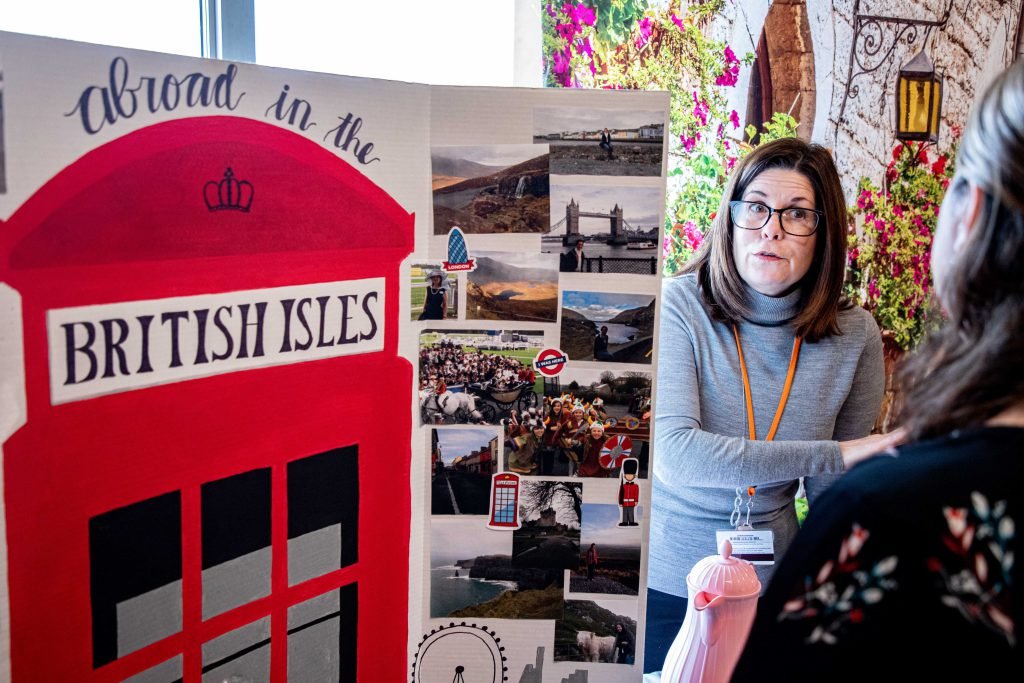
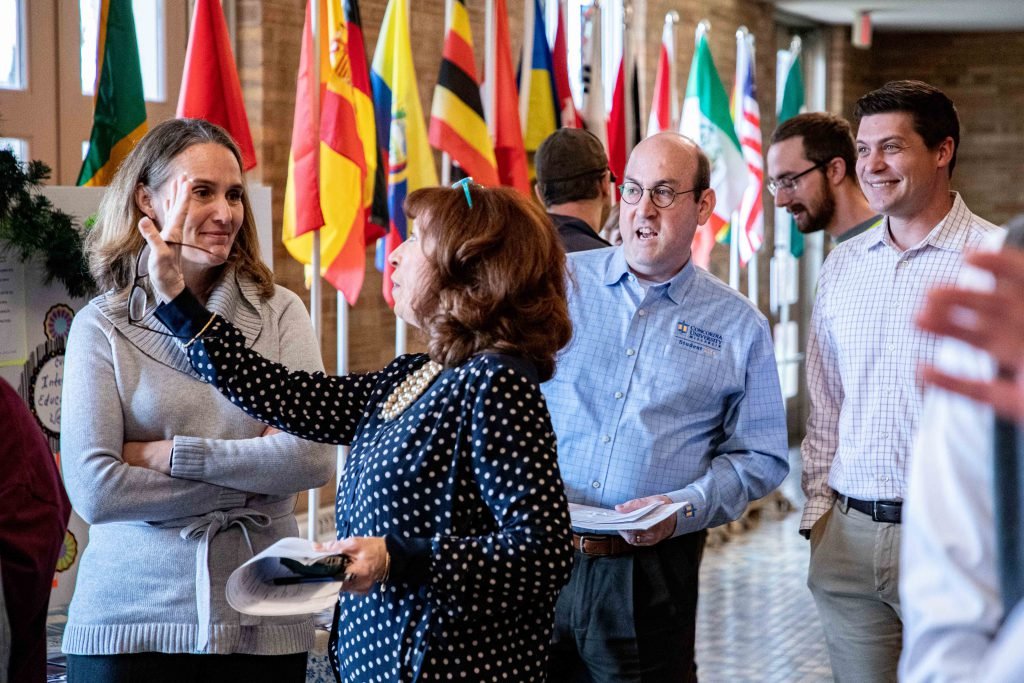
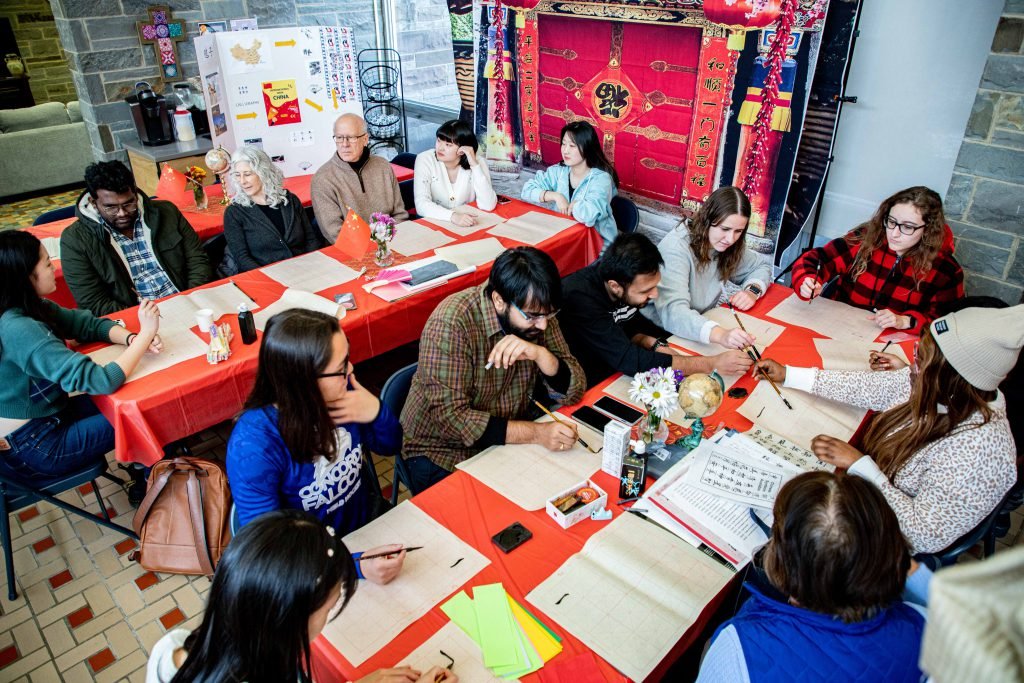
Wow, what a week! Concordia University Wisconsin pulled out all the stops for International Education Week 2022. With activities representing every corner of the globe, students, faculty, and staff all had a wealth of opportunities to learn about cultures around the world. Thanks to the outstanding staff at the Concordia International Center (CIC) and our many wonderful international students for making it all come together.

Represented here are just a few of the hot happenings we enjoyed on campus this week. For a complete listing of all the events, click HERE.


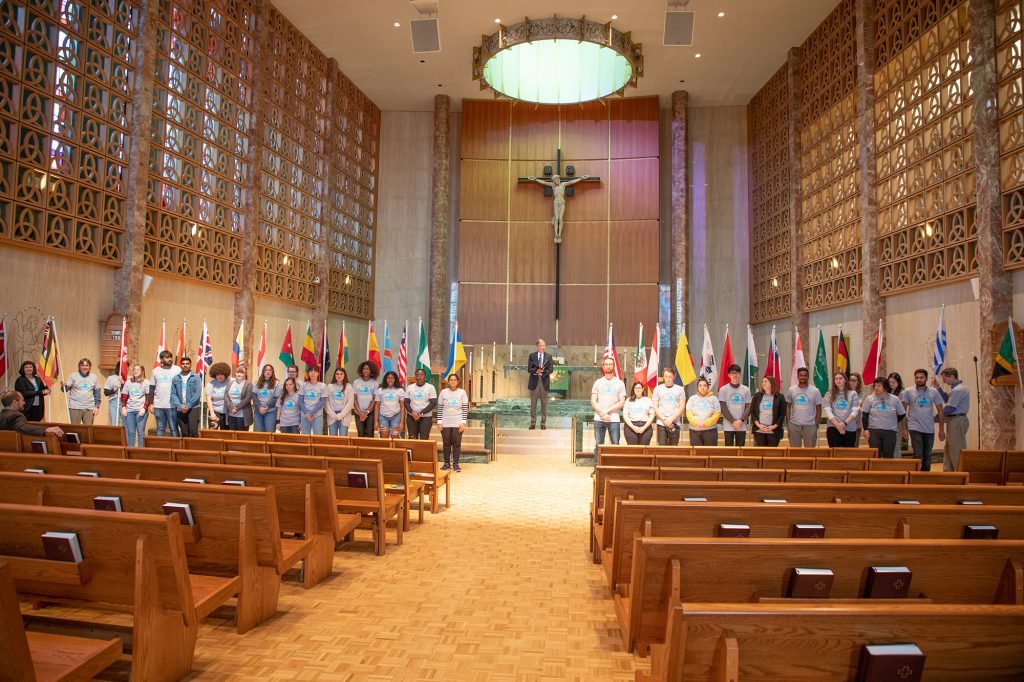
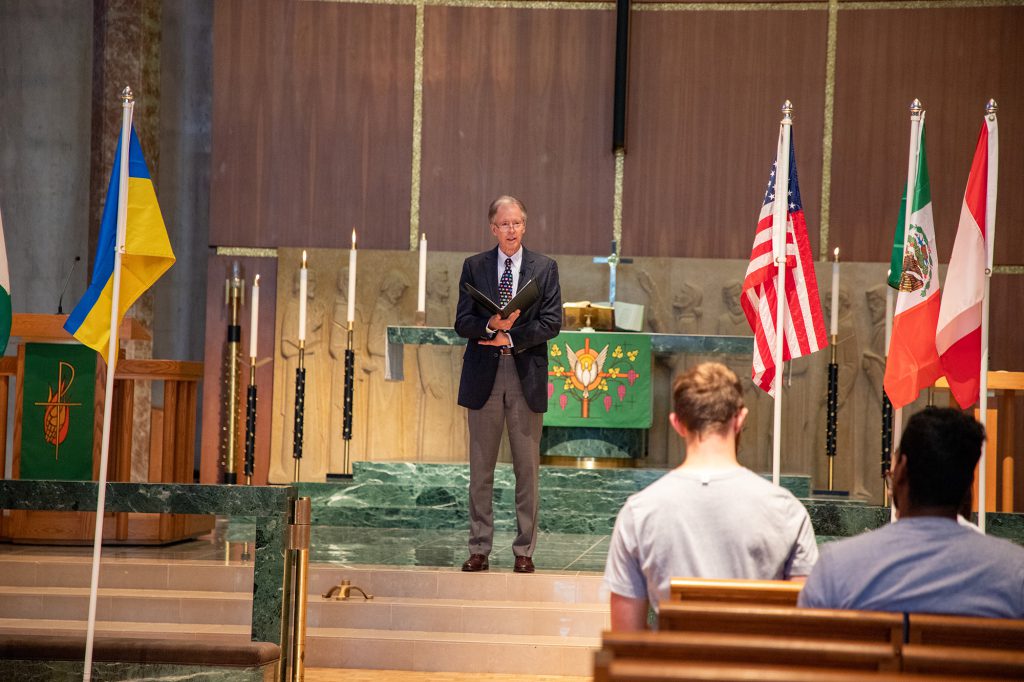
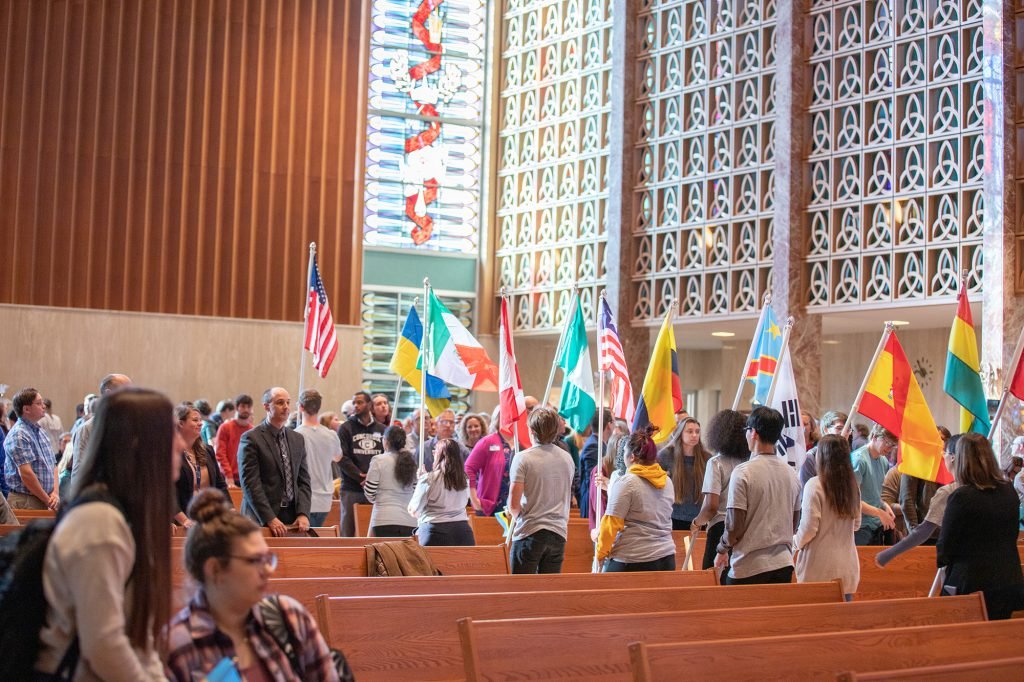
Chapel Procession of Flags

Things got rolling Monday morning with a special Chapel service that included a procession of flags from around the world.


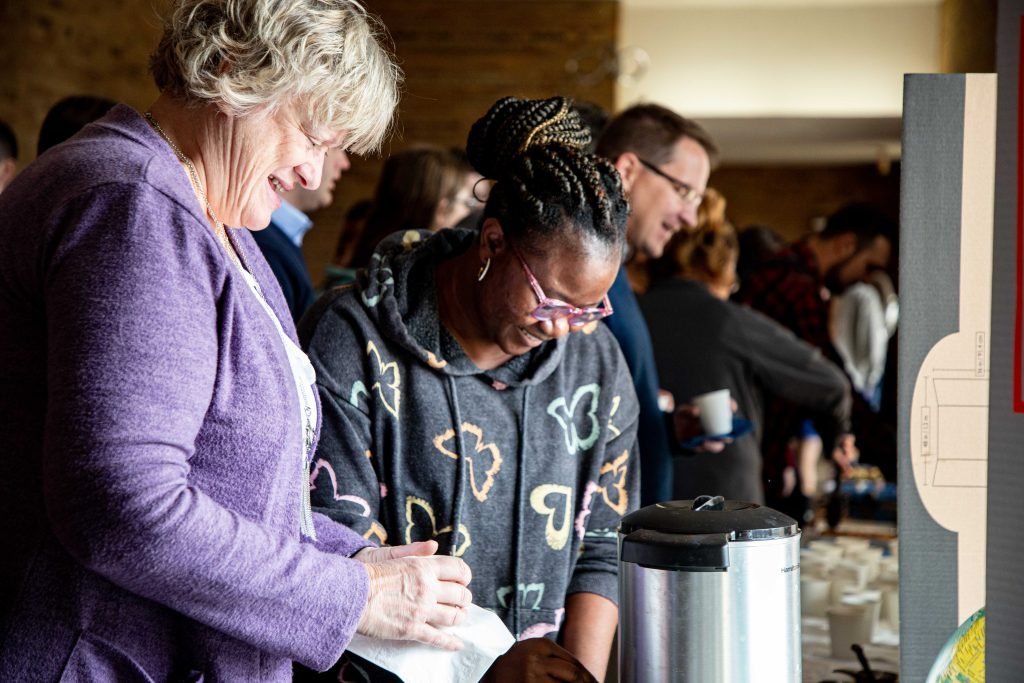
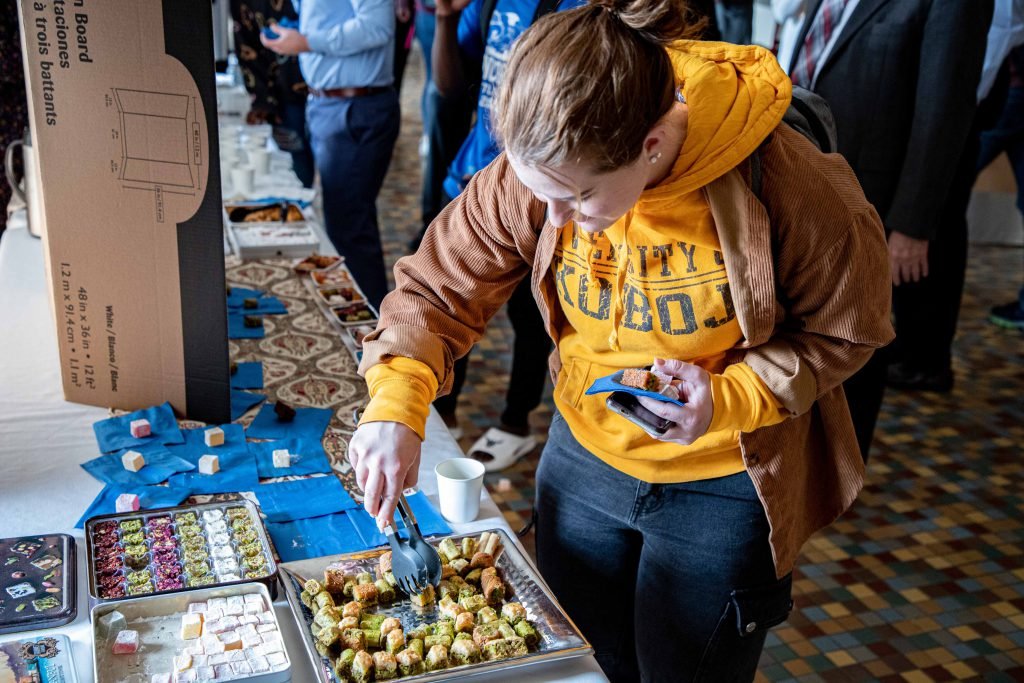
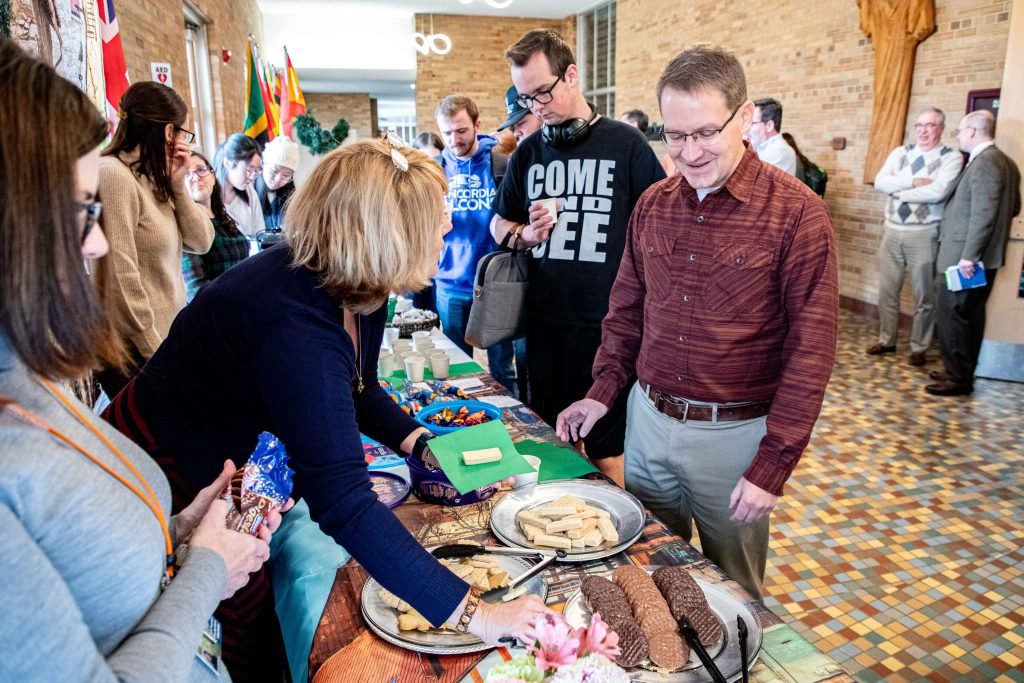
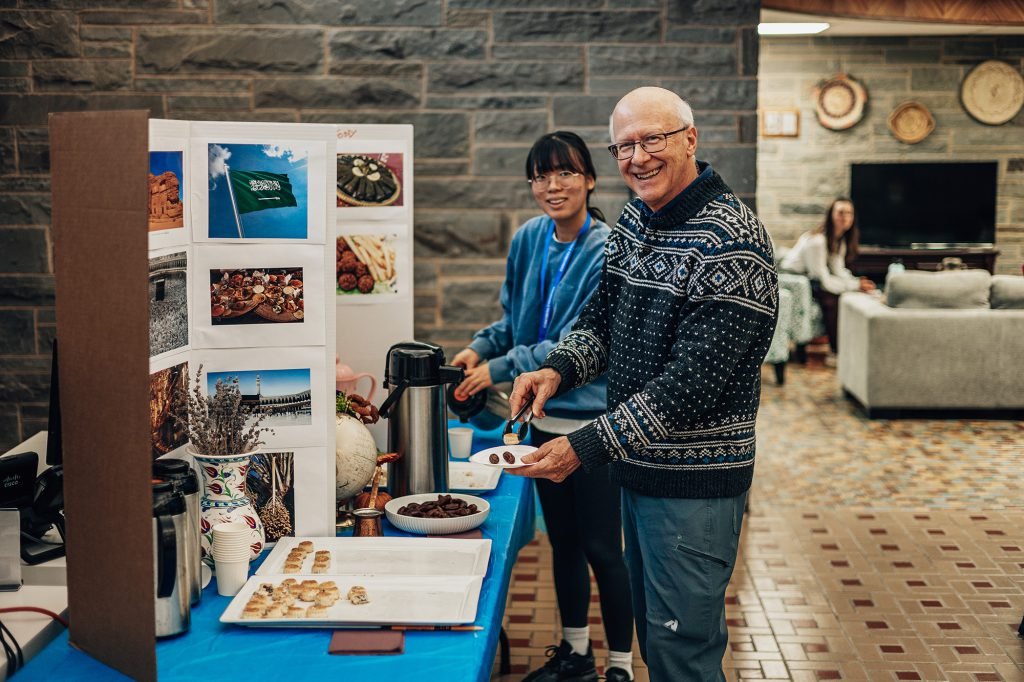
Global Café

Each morning after daily Chapel, everyone had the opportunity to sample some food and drink from lands far away.


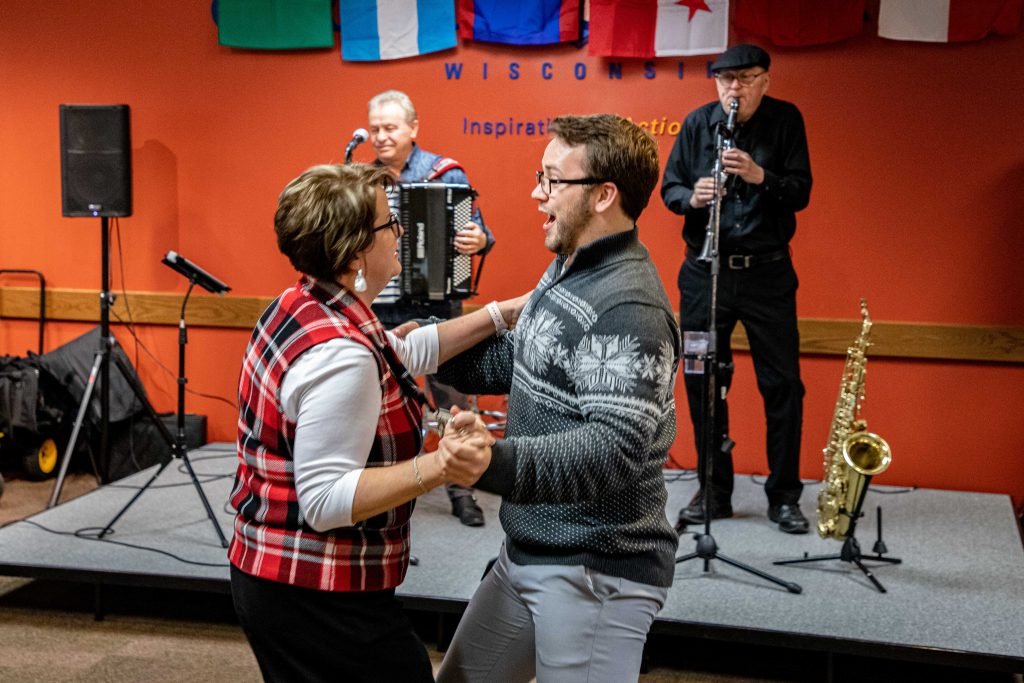
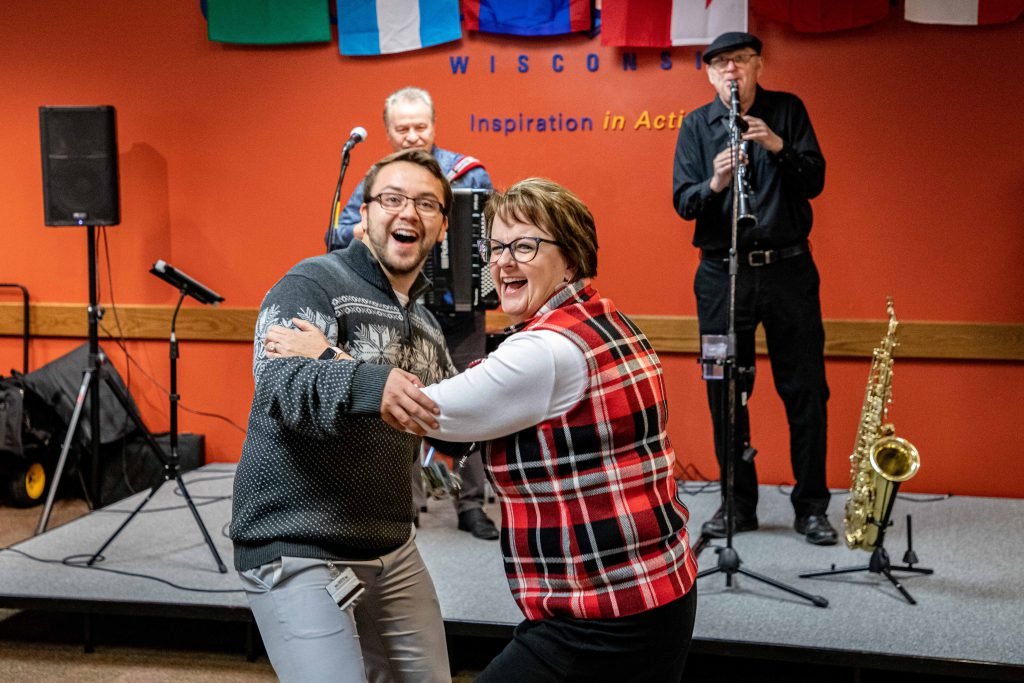
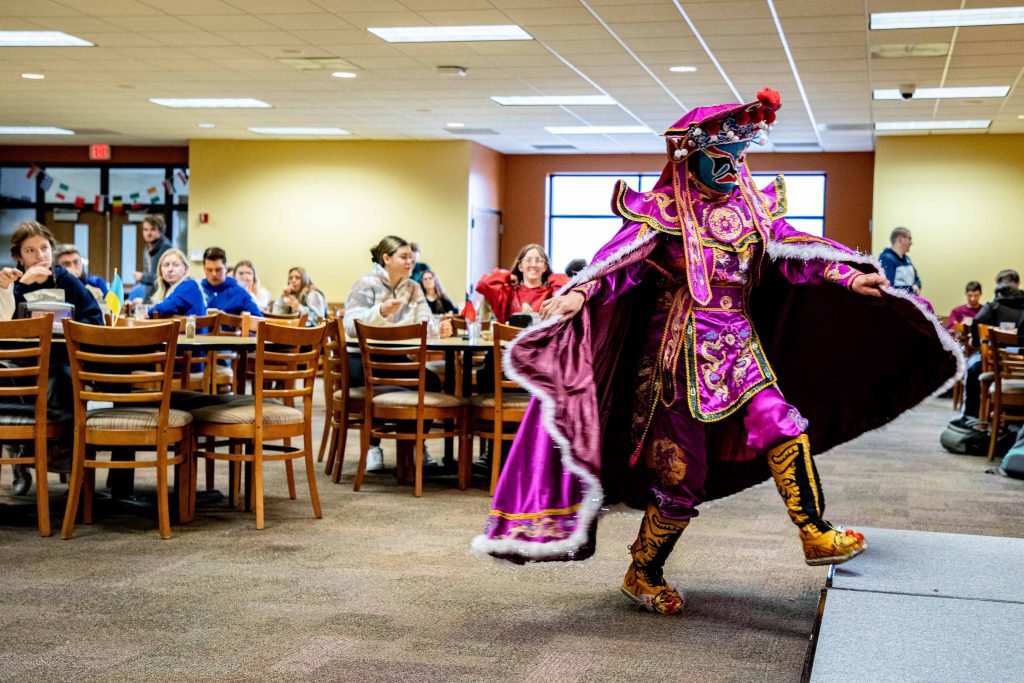
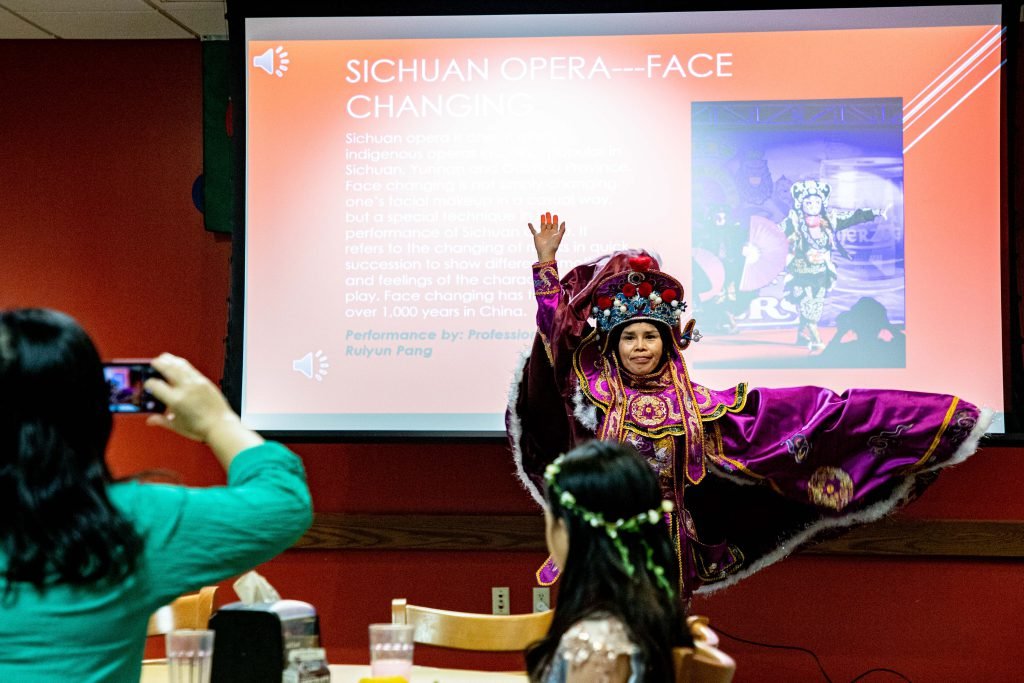
On the Main Stage

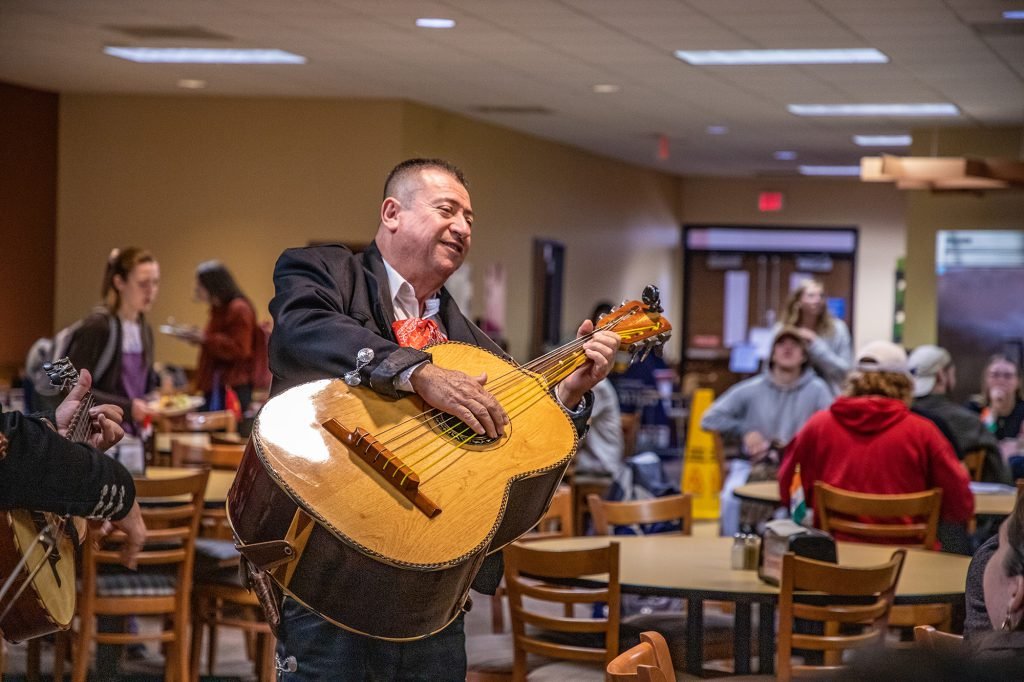
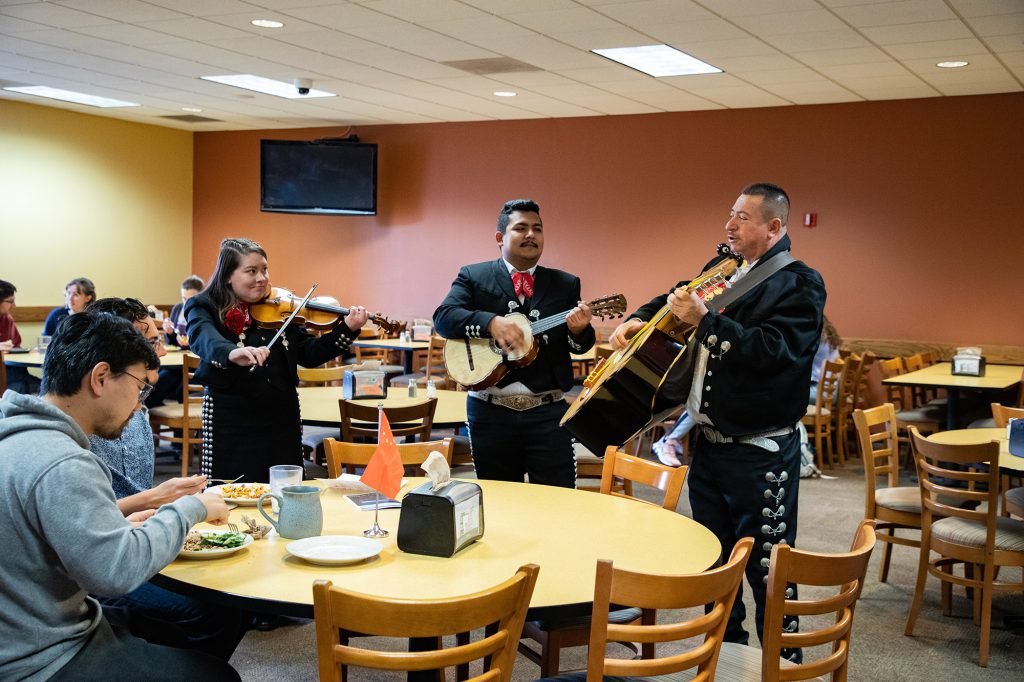
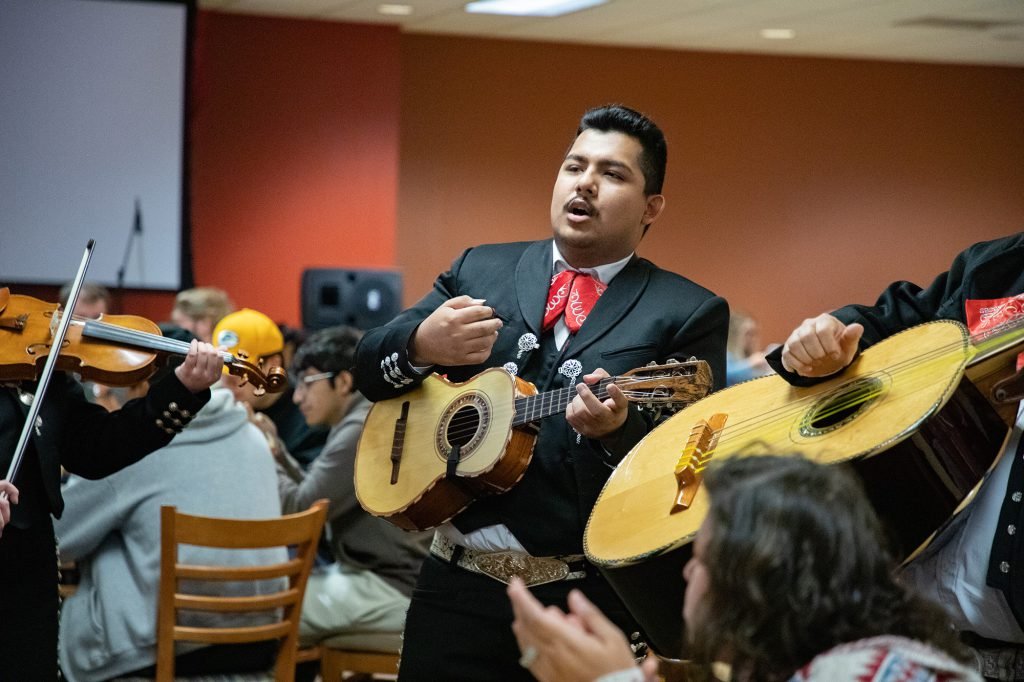
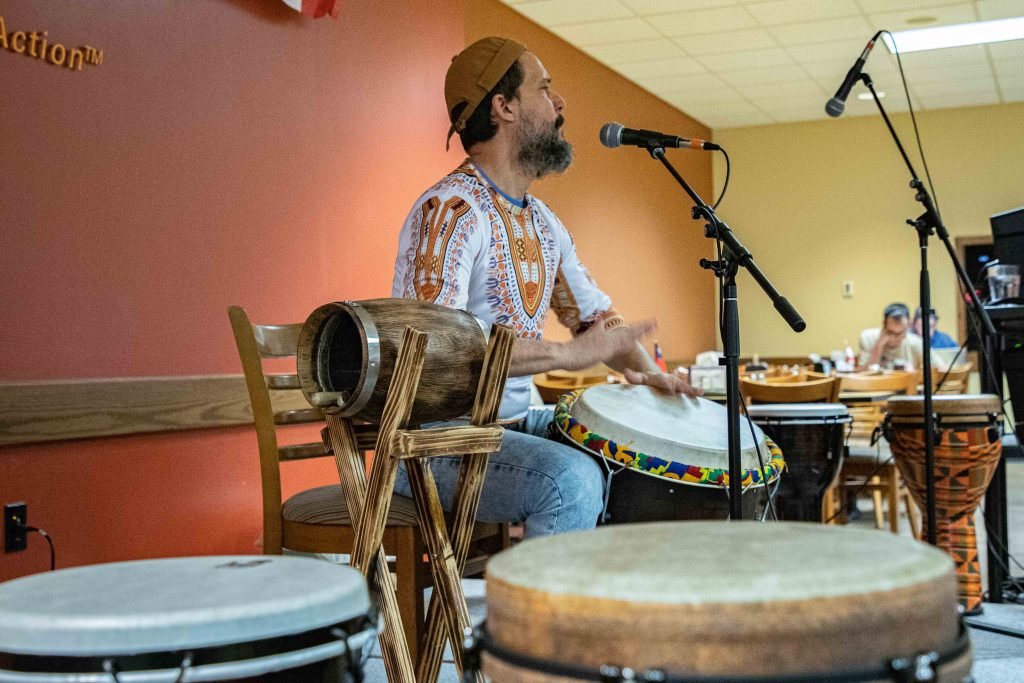
Lunch-goers were treated not just to a dish reflecting a particular part of the world, but some unforgettable music, as well.

Mariachis Rodriguez
Beto Torrens-Afro-caribe
Val Sigal Band
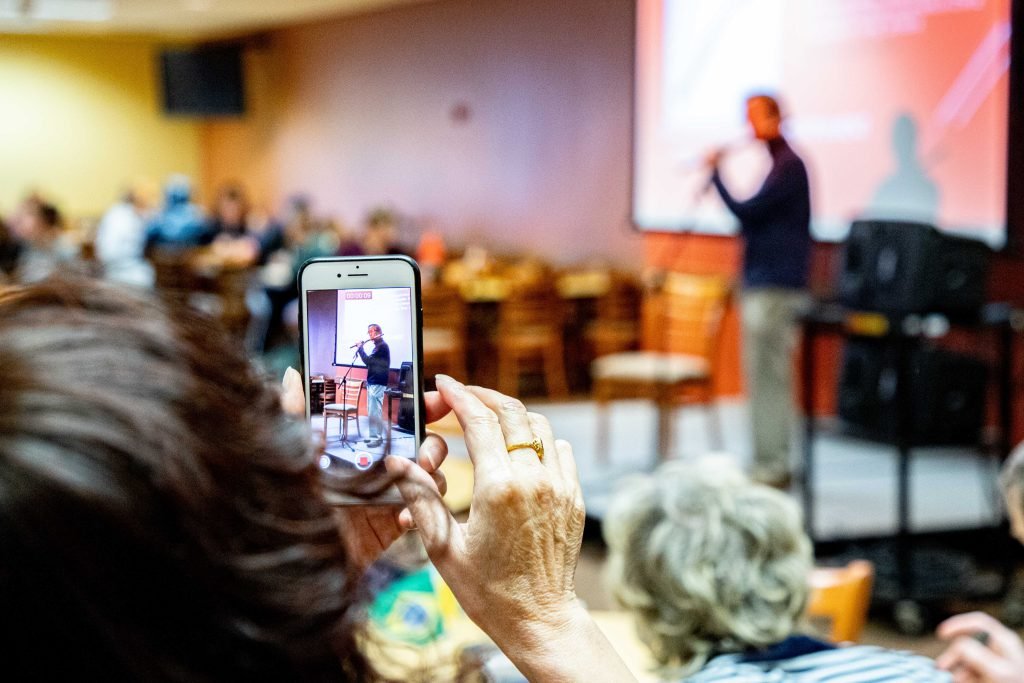
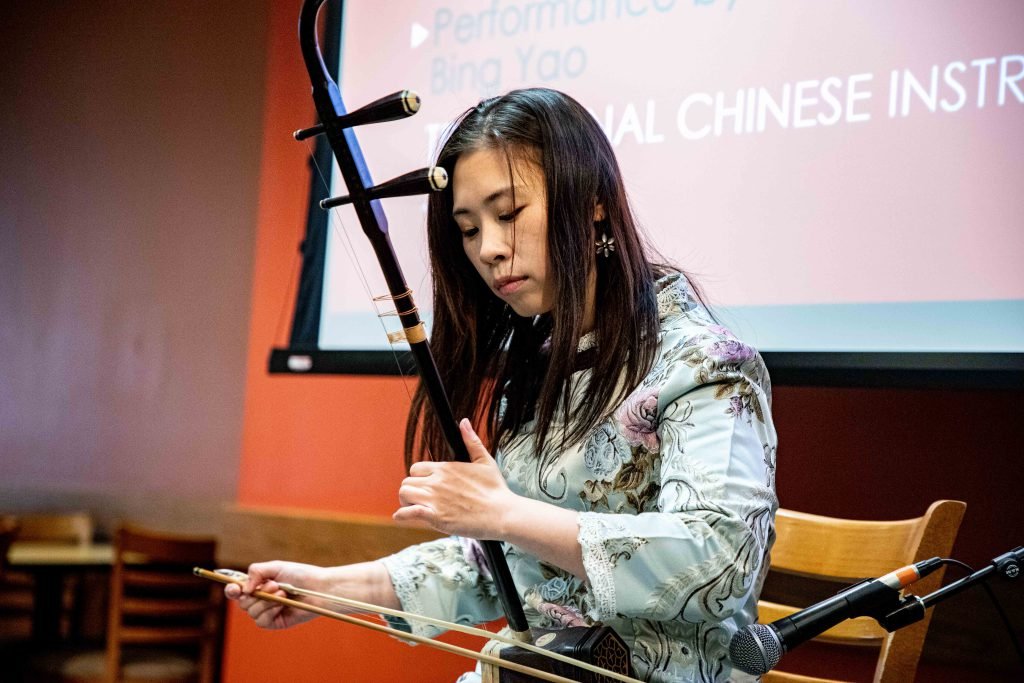
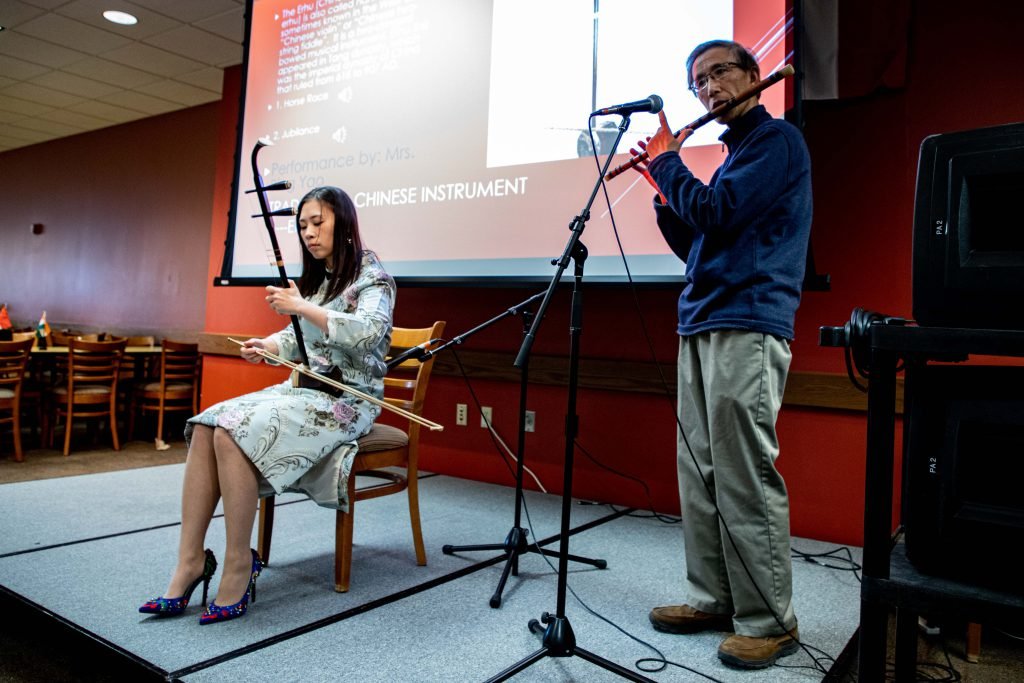
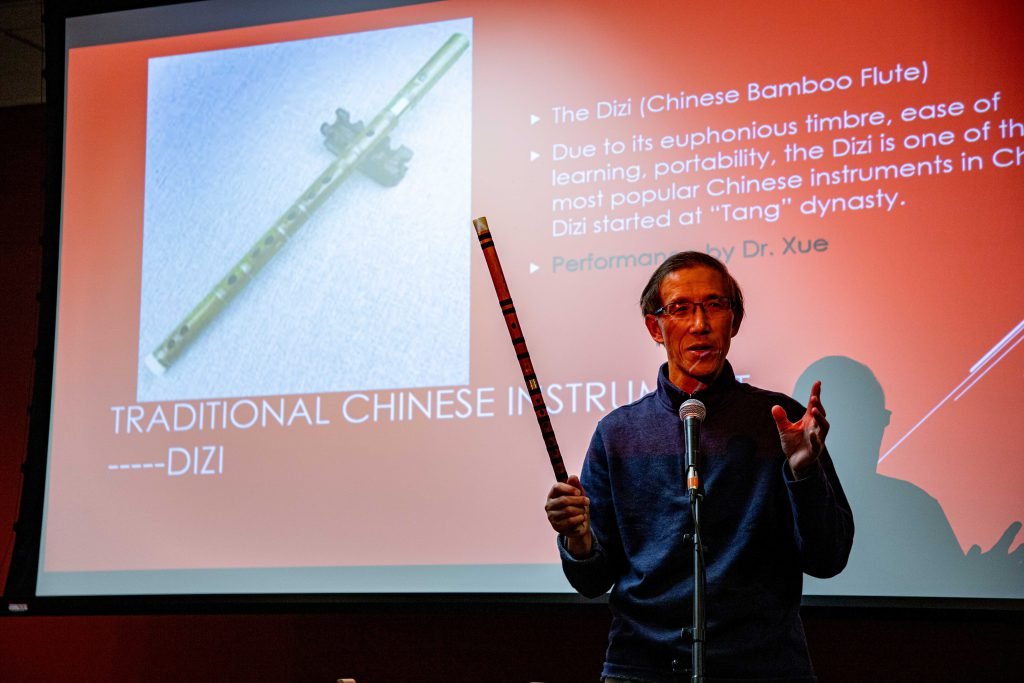
Music of China
Music of China

In the CIC

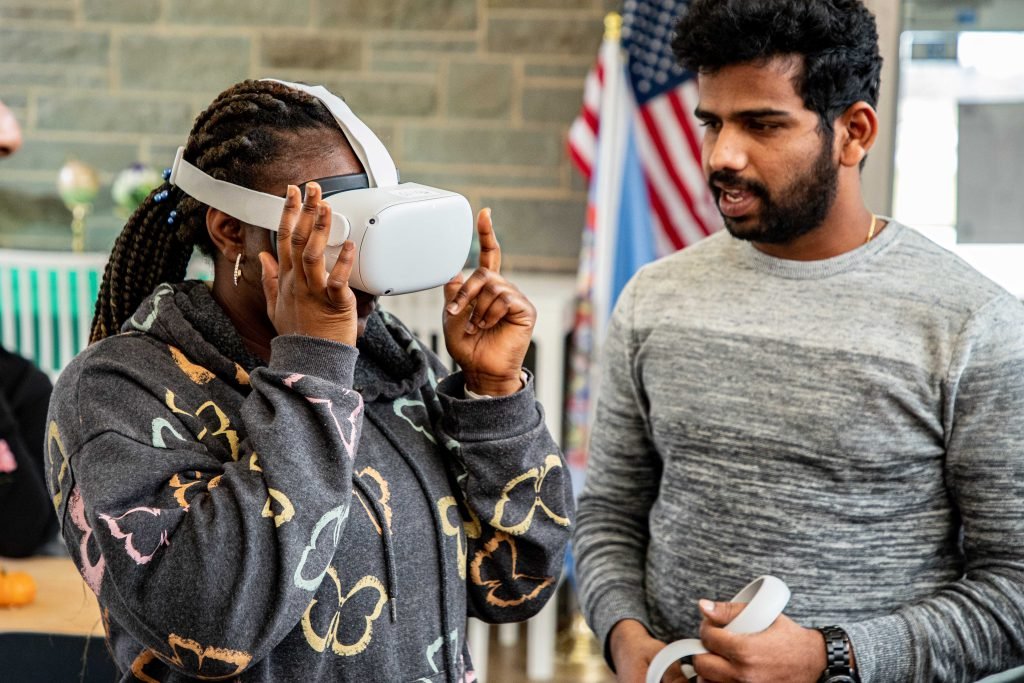
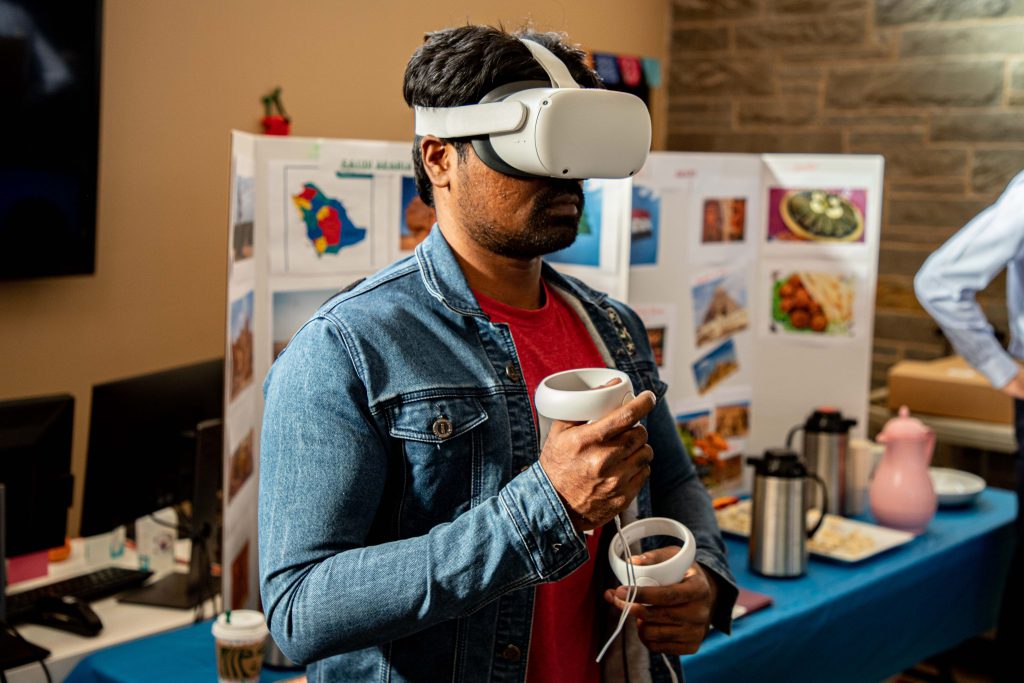
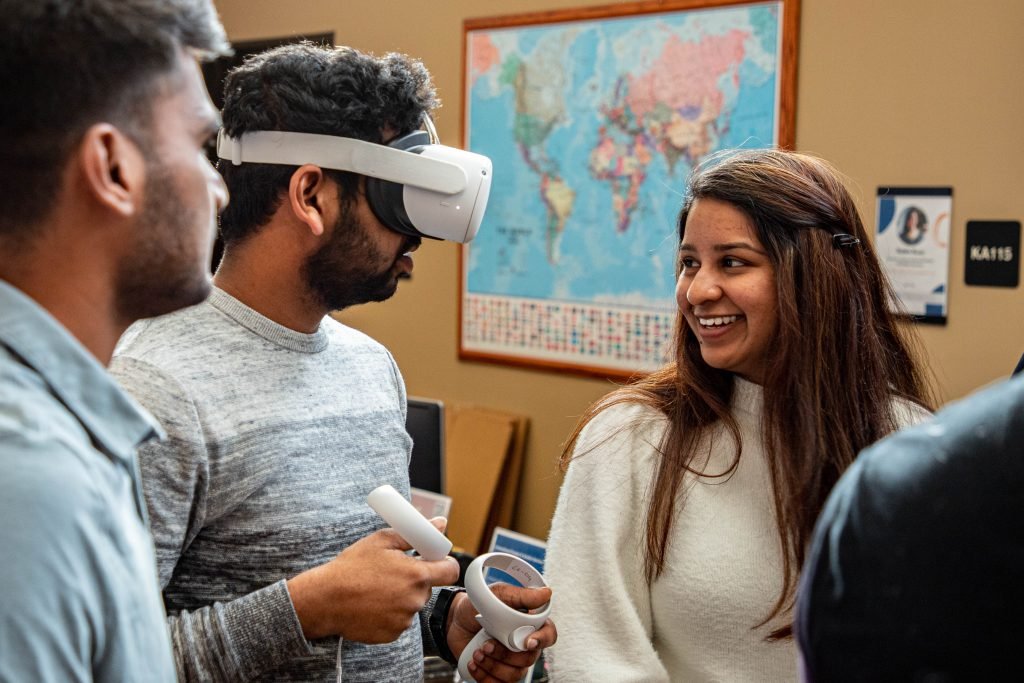
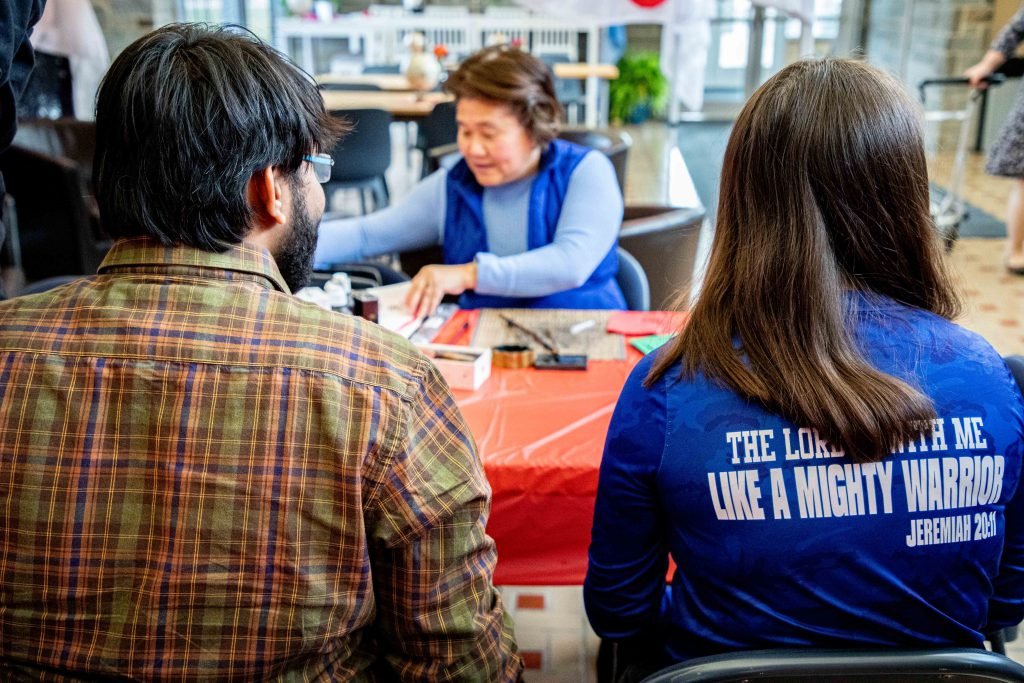
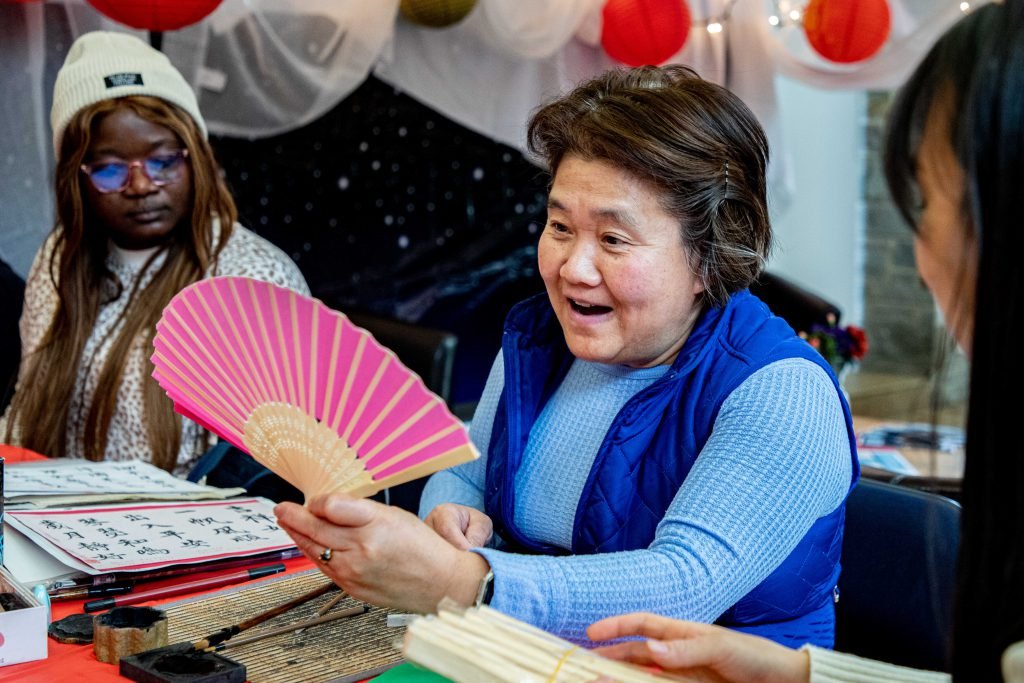
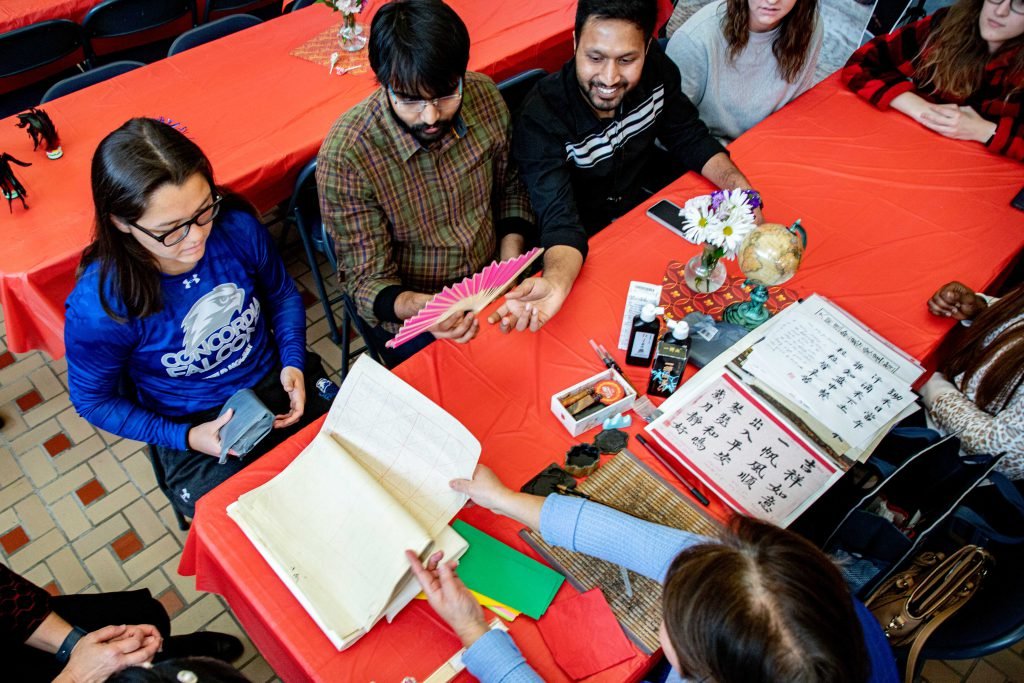
Many activities—from educational presentations to service projects to crafts to virtual reality tours of distant lands—took place throughout the day in the Concordia International Center.


Want in?

Welcome to Concordia from the International Center! Everyone in the Concordia International Center (CIC) has lived and studied abroad, so we get how long and confusing the process can be. That’s why we’re here to help, every step of the way. To learn more, click the link below.


National Nurse Practitioner Week 2022

National Nurse Practitioner Week occurs annually from November 13-19. According to the American Association of Nurse Practitioners (AANP), there are more than 355,000 nurse practitioners in the U.S.

History of nurse practitioners

NPs are a fairly new career that started in the 1960s. In 1965, Dr. Loretta Ford and Dr. Henry Silver developed the first NP program at the University of Colorado. This program focused on family health, disease prevention, and the promotion of health. By 1980 there were more than 200 programs or tracks in universities across the country.

In 2021, more than 36,000 new NPs completed their degrees. The AANP President April N. Kapu states, “Since the nurse practitioner role began more than 50 years ago, NPs have risen to meet each challenge worked to eliminate health care disparities, and strengthened our nation’s ability to ensure patients have equitable access to high-quality care.” This week, it’s important to learn and share the vital part that NPs play in our healthcare system.

The importance of NPs

Nurses are critically important in a patient’s journey. Overall, nurses are with patients the whole time. So, when a nurse advances to a nurse practitioner, they already have years of direct patient care under their belts.

Although NPs can do many things a doctor can do, a major difference is that they are more often available to patients sooner than a doctor. Therefore, allowing them to serve at the frontlines of patient care, especially in underserved communities. They may also provide care in places that have limited access to providers, which can lead to greater health outcomes overall.

Celebrating the NPs in your life

National Nurse Practitioner week is a great opportunity to celebrate the NPs in your life. This year’s theme is “NPs: Rising to meet the needs of patients.” All week we should recognize and show our gratitude for their leadership, putting their patients’ needs first and adapting to meet various needs.

AANP suggests sharing any stories, photos, or videos on social media this week about a nurse practitioner that has played a role in your life. Educating yourself and others more about the importance of NPs is another great way to celebrate the week.

Do you have a loved one who works as a nurse practitioner? Or, have you been impacted by a NP? Writing a note about how their work has impacted you could help them feel appreciated and celebrated this week. If you want to treat a loved one, think about what will make them feel most loved and appreciated.

Nursing degrees at Concordia University

Being a nurse practitioner is a very rewarding, in-demand career. The Bureau of Labor Statistics projects that the outlook for NPs will grow by 40 percent between 2021 and 2031. This is significantly faster than other occupations. If you’re thinking about becoming a nurse practitioner or furthering your education, learn more about your options.

QUIZ: What nursing specialty is right for you?

Concordia University Wisconsin and Ann Arbor offer a Post BSN to DNP program and a Master’s of Nursing Practice degree. If you’re already a nurse practitioner and you want to expand your skill set, consider earning a Doctor of Nursing Practice degree.