A doctoral path shaped for today’s business leaders

The LICI PhD will grow your influence with purpose and integrity.


If you are considering doctoral study, you are likely already leading in meaningful ways — asking deeper questions and shaping organizations to work better for people and purpose. Concordia University Wisconsin’s PhD in Leadership in Innovation and Continuous Improvement, known as LICI, was designed for leaders like you.

Beginning this coming academic year, CUW will offer the LICI PhD with a business emphasis. The program is delivered collaboratively by the Batterman School of Business and the School of Education, bringing together faculty expertise in leadership, organizational change, research and professional practice.

Amber Gray, EdD, CPA, MSA, director of academic innovation and professor of accounting, said many professionals who consider doctoral study want to deepen their leadership rather than step away from it.

“Many business professionals who consider doctoral study are already leading teams, driving strategy and making complex decisions in dynamic environments,” Gray said. “What they need is not just deeper business knowledge, but the ability to lead change, innovate responsibly and continuously improve systems and processes.”

The LICI PhD with the business emphasis prepares experienced leaders to apply research, innovation and improvement in ways that strengthen organizational performance and support meaningful change.


Many disciplines, one reality

future doctor signage on desk

Many prospective doctoral students share a common goal: to deepen their knowledge while continuing to work and lead. At the same time, they recognize that today’s organizational challenges rarely exist within a single discipline.

The LICI PhD reflects that reality. The program integrates leadership studies, improvement science and research preparation to equip scholar-practitioners to guide change across sectors. Students develop skills in data-informed decision-making, systems thinking and organizational improvement that apply across industries, including business, health care, education, engineering, nonprofit organizations and consulting.

For professionals who may have previously explored a PhD in business administration or a DBA, the LICI PhD with a business emphasis offers a clear and credible pathway forward. Rather than narrowing doctoral study, the program broadens it while maintaining a strong focus on applied business and organizational research.


Two emphases, one PhD

The LICI PhD is a 60-credit doctoral program offering two emphases: business and interdisciplinary leadership. Both pathways lead to the same PhD degree and share a common doctoral core in leadership, research and continuous improvement.

“Students select an emphasis that aligns with their professional goals,” Gray said. “The business emphasis is designed for professionals who want a stronger grounding in traditional business content, whereas the interdisciplinary leadership emphasis serves professionals who lead across systems or sectors and want a broader approach.”

While the emphases differ in focus, both pathways allow students to align doctoral study with their professional roles, responsibilities and long-term goals.


Structured for you

black man in class looking at computer

Doctoral study is demanding, and the LICI PhD is intentionally structured to support working professionals and executive leaders.

Students progress through the program as part of a cohort, building professional relationships while benefiting from shared learning and accountability. Small class sizes and faculty mentorship across two schools help ensure students are supported throughout coursework and research.

One of the program’s defining features is early and sustained engagement in the dissertation process. Students begin working on their research early and are paired with a dissertation chair from the start.

“We are very intentional about helping students finish,” Gray said. “That structure keeps students moving forward, prevents them from stalling after coursework is complete and provides consistent support throughout the entire dissertation process.”


Research with purpose

At its core, the LICI PhD is a research-focused doctorate. Students receive preparation in both qualitative and quantitative research methods, equipping them to design and conduct studies that inform leadership decisions and organizational improvement.

Research in the program is applied and practice-oriented. Students are encouraged to examine real challenges within their organizations or fields, contributing knowledge that strengthens systems and informs professional practice.

Graduates leave prepared to lead with credibility, confidence and clarity.


Want in?

Concordia University Wisconsin is a Lutheran higher education community committed to helping students develop in mind, body and spirit for service to Christ in the Church and the world. The PhD in LICI is a flexible, faith-shaped doctoral journey for working professionals who want to deepen their scholarly expertise, publish research, and influence systems across education, business, healthcare, ministry, and nonprofit settings.

This program allows full-time professionals to advance academically without pausing their careers. You will strengthen your expertise in Leadership, Research, and Improvement Science & Innovation — three pillars that power meaningful, evidence-based change.
A faster path to a meaningful career: CUW launches new Psychology Pre-Graduate Scholar Pathway

Introducing a more affordable, efficient route into high-demand helping professions.


Psychology is one of Concordia University Wisconsin’s highly sought-after majors—attracting students with a passion for people and a desire to support mental, emotional and community well-being. Now, CUW is responding to student interest and national workforce needs with a newly approved Psychology Pre-Graduate Scholar Pathway, launching fall 2026.

This Pre-Graduate Scholar Pathway enables psychology and applied psychology students to complete their major program coursework in three years, then take up to 12 graduate credits during their fourth year. These graduate credits will count toward one of CUW’s master’s programs in counseling or social work.

“The graduate and undergraduate faculty worked closely to create a pathway that would set students up for career success,” said Rachel Pickett, PhD, department chair and professor of psychology. “Many students go on to master’s programs directly after completing their bachelor’s degree.”


Meeting a growing national demand for mental health professionals

The timing couldn’t be more urgent. The U.S. continues to experience a significant shortage of mental health providers, and organizations like the American Psychological Association and U.S. Department of Labor project strong, long-term growth in:

  • Clinical mental health counseling
  • Social work
  • Behavioral intervention roles

“We’re still seeing a major demand for people in psychology and social work,” Pickett noted. “These are fields that require human interaction. They’re not likely to be replaced by AI. Communities need real people—professionals who can support them.”

By shortening the path to licensure-required master’s degrees, CUW is helping address workforce gaps while empowering students to start meaningful careers sooner.


How the Pre-Graduate Scholar Pathway works

The innovative design of the pathway keeps everything in CUW’s traditional psychology and applied psychology curriculums intact—nothing is removed or watered down.

“It’s the exact same degree,” Pickett emphasized. “Students still get the research experience, the practicum, the service opportunities… everything our psychology graduates are known for.”

The difference lies solely in timing:

  • Years 1–3: Students complete the full psychology or applied psychology major coursework.
  • Year 4: Students remain undergraduates but take foundational graduate courses in their chosen track (12 credits):
    • Clinical Mental Health Counseling
    • Social Work

These graduate courses later transfer directly into the corresponding CUW master’s program.


Who thrives in this Pre-Graduate Scholar Pathway model

This pathway isn’t designed for every student—but it’s a perfect fit for those who are:

  • Motivated, organized and self-disciplined
  • Confident in pursuing a graduate degree in a helping profession
  • Ready for an accelerated academic pace
  • Seeking a faster and more cost-effective route to licensure

“The students best suited for this are driven,” Pickett said. “They know they want a master’s degree. They take initiative. They’re on top of their scheduling and requirements.”

Students don’t need to choose their specific graduate track immediately; they can explore their interests and decide among the prescribed options as late as year three.


Financial benefits: Start your career sooner and save money

One of the most compelling reasons to consider the Pre-Graduate Scholar Pathway is the potential savings in tuition, time and overall debt.

Students still complete a full 120-credit bachelor’s degree—while the graduate courses are taken in year four:

  • Reduce the total cost of the master’s program
  • Shorten the overall time to degree completion
  • Allow students to enter the workforce a full year earlier

“Students are shaving off a full year of time and cost,” Pickett explained. “By entering the workforce sooner, and taking fewer total semesters of graduate tuition, they’re in a better financial place long term.”

For careers that begin in community agencies, schools, clinics, or nonprofit spaces, this earlier start can make a meaningful impact on financial stability.


Strengthening readiness and professional confidence

Despite the condensed timeline, students continue to benefit from every hallmark of CUW’s education:

  • Independent research projects
  • Practicum or field work experiences
  • Service-learning each semester
  • Direct interaction with community and national leaders in the field
  • Support from undergraduate and graduate faculty teams

“Our students are already very competitive for graduate school,” Pickett shared. “This pathway keeps everything that makes our program strong—it just moves motivated students through more efficiently.”


Student experience: What it looks like in real life

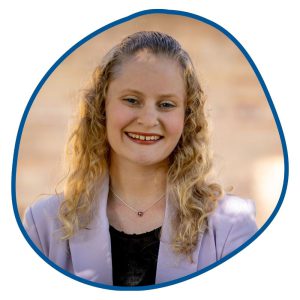
woman with curly blonde hair and purple shirt
Kaylee McCarty

Kaylee McCarty, BA psychology ’25, professional counseling (CMHC) Class of 2027

“When I first toured Concordia, I knew I wanted to be here. I’ve always loved small schools, and CUW made me feel like a person—not just another number on a class roster. During my undergraduate years, I majored in psychology, earned minors in athletic coaching and social science, completed the compassionate care certificate, and stayed active through SGA, Psych Club and the women’s golf team. When it came time to choose a graduate program, I felt an unmistakable pull to stay at Concordia and continue my education in a place that had already shaped me so deeply.”

Kaylee is now pursuing her Master of Science in professional counseling on the clinical mental health counseling track, with plans to graduate in May 2027.

“I chose counseling because I want to help the children of tomorrow. Since 2019, I’ve lived with multiple chronic conditions—that journey changed me. God has given me the ability to be strong, compassionate and patient—qualities I want to use to support children and adolescents who are navigating their own long-term health struggles. Recovery can take time. It can be frustrating. I want to be someone who understands that firsthand and can walk alongside them.”

CUW offers a Christ-centered education, preparing students for service. The psychology department emphasizes a biblical worldview of human nature, providing students a strong foundation that they can continue to build on in one of our graduate programs—which Kaylee is doing.

Her lived experience has shaped not only her calling, but also how she understands the national need for mental health professionals.

“There is a huge need for counselors right now, especially professionals who bring different experiences to their work. Clients deserve to find someone they connect with—someone who makes them feel safe enough to grow.”

Although Kaylee hadn’t encountered the newly announced Pre-Graduate Scholar Pathway during her own enrollment, she sees value in making clear, advanced routes available for motivated students like herself.


Begin your career in counseling or social work sooner

Whether your calling lies in helping children navigate school, supporting individuals through mental health challenges, or advocating for families and communities, CUW’s Pre-Graduate Scholar Pathway in psychology or applied psychology helps you begin that journey with greater efficiency—and without sacrificing depth or quality.

If you’re a motivated student with a heart for service, this is your opportunity to start making a difference sooner.


Want in?

Concordia University Wisconsin is a Lutheran higher education community committed to helping students develop in mind, body and spirit for service to Christ in the Church and the world. Christ’s example of treating all people with compassion, respect, and understanding is at the heart of the Psychology Department’s mission. In our programs you will be empowered to use your God-given talents and the skills and knowledge you gain from Psychology or Applied Psychology courses to become actively involved in serving others through various Christian vocations.


Faith in action and hope in Christ: CUW faculty reflect on Dr. King’s legacy

As we pause to remember the life and legacy of Dr. Martin Luther King Jr., we give thanks for his courageous witness to justice, dignity and love of neighbor.


Guided by his Christian faith, Dr. King challenged individuals and communities to seek truth, extend grace, and work faithfully toward a more just world.

In this spirit, we share two reflections from CUW faculty members, who offer thoughtful insights on faith, vocation, and what it looks like to live out Christ-centered service in our everyday lives.


Faith That Worked, Vocation That Cost, Justice That Served

By Kenneth E. Harris Jr., PhD
Associate Professor and Department Chair
Justice and Public Policy

The Rev. Dr. Martin Luther King Jr. is often remembered as a dreamer. Before he was a dreamer, he was a pastor. Before he was a symbol, he was a servant. Before he was celebrated, he was condemned. His legacy cannot be understood without recognizing that his faith was not decorative; it was operational, as he made clear in his 1963 book, “Strength to Love.”

Rev. Dr. King’s faith did not live in stained glass. It lived in streets, jails, pulpits, courtrooms and burial grounds. His theology was not about escape from suffering, but responsibility within it. Writing from a Birmingham jail cell in 1963, he argued that injustice anywhere is a threat to justice everywhere, insisting that Christian faith must confront social sin, not merely personal morality.

This belief shaped his vocation.

Rev. Dr. King did not treat his calling as a career. He treated it as an assignment from God. Vocation, for him, was not about personal comfort or safety. It was about obedience. He understood that purpose often demands sacrifice and that leadership often requires loneliness. In his final speech, “I’ve Been to the Mountaintop,” delivered in 1968, he accepted the possibility of death because he believed he had been called to do God’s will.

Justice, in Rev. Dr. King’s vision, was not a slogan. It was structure. It was policy. It was access. It was dignity. He did not speak only about love; he spoke about voting rights, housing, labor and economic inequality. In “Stride Toward Freedom,” published in 1958, he wrote that “true peace is not merely the absence of tension; it is the presence of justice.” He understood that reconciliation without equitable treatment is theater, not transformation.

Yet, his pursuit of justice was always anchored in service.

He never argued that Black or White people deserved power over others. He argued that all people deserved power over their own lives. His work was not about dominance — it was about deliverance. Influenced by Jesus’ model of servant leadership in Mark 10:45, he believed moral courage was the highest form of leadership, a theme later emphasized by historian Clayborne Carson in “The Autobiography of Martin Luther King Jr.”

What troubles many today is not his dream — it is his discipline. Not his hope — but his insistence. Not his speeches — but his demands.

We quote Rev. Dr. King when he comforts us. We ignore him when he confronts us. But his legacy does not belong to nostalgia. It belongs to the world.

Throughout the coming days, as we attend Chapel, attend class, and interact with administration, faculty, staff and students, we must all remember that faith that does not move is not faith, vocation that does not risk is not calling, and justice that does not disrupt evil and oppression is not justice. Thus, service to Christ and the world that does not cost is not service.

Rev. Dr. King did not give us a dream to admire. He gave us work to finish. Consequently, the question is not whether we will honor his work. The question is, are we willing to continue his work?


Hope, Truth, Courage and Vocational Calling in Divisive Times

By Lori Woodall-Schaufler
Professor
Theatre

“We are now faced with the fact that tomorrow is today. We are confronted with the fierce urgency of now.” Dr. King spoke these words exactly one year-to-the-date before he was assassinated, expressing his feelings of concern towards the Vietnam War.

On April 4, 1967, our nation and our world were embroiled in divisive cultural wars, bloody fighting wars, and spiritual and emotional upheaval much like today. The “urgency of now” ties into a burning question that seems to resonate throughout social media of “What can we do?” to heal political and cultural division, to stop the spread of spiritual/moral apathy, and to save our children (and ourselves) from a world that seems to be spiraling out of our control in the face of a digitized future of algorithmic bias and misinformation. The very thought and real presence of broken families, communities, churches, and systems from the heap of societal assaults on our conscience can overwhelm one to the point of silence.

What can you say or do to reverse the often-temporary absolutes one clings to for moral or cultural convenience?

Many wonder how to live faithfully when voices are loud, wounds are real, and unity feels like a distant memory or pipe dream. Trust can feel thin and truth elusive. Dr. King, much like his revolutionary 16th century namesake, Martin Luther, both shared a conviction that faithfulness means standing for truth even when it’s costly. Loving one’s neighbor is not optional, but tied to our Christian vocation to serve our neighbor in the ordinary facets of our life.

We are called to protect the vulnerable, acting for the good of others as an act of faith. Dr. King famously said, “Darkness cannot drive out darkness; only light can do that. Hate cannot drive out hate; only love can do that.” This echoes the words of Scripture: “The light shines in the darkness, and the darkness has not overcome it.” (John 1:5) We are called to love our neighbors and our enemies. Christian love is not weakness, though it can appear to be in a current culture obsessed with “winning.”

What has been “won” is our redemption through the Cross. Because of this prior love exemplified on the Cross, we can courageously love in a manner that embodies truth and rejects cruelty. We can aide a neighbor, even when it’s hard.

King cautions, “The arc of the moral universe is long, but it bends toward justice.” (1967) As a lifelong Theatre artist, I examine all characters and plots through “arcs,” placing an emphasis on the journey more so than the final destination. Arcs reflect transformation, embraced as superior to chronological order. They capture internal shifts in a way that sequence cannot. As I reflect on Dr. King’s statement, I think of how our human transformation is ever-evolving, inviting us to walk alongside one another as we navigate the complexities of our human experience.

Joy can be found in the journey, and it gives us hope. We can be hopeful that it ends in justice because, through Christ’s sacrifice, we have overcome. Our doctrine of vocation reminds us that God has placed us in specific callings as teachers, students, leaders, family, artists, scientists and neighbors, not to withdraw from the world in fear, but to serve within it with courage. Dr. King’s life reminds us not to imitate the world’s anger, nor to retreat in silence, but to use what God has given to serve in spaces, both significant and small.

Faithful witness does not have to involve shouting, but is showing up with compassion, grace and integrity, trusting that our call is deeper: shaped by the Gospel, serving in humility, committed to a truth that can only be formed by love. “For at one time you were darkness, but now you are light in the Lord. Walk as children of light.”  (Ephesians 5:8–9)

Faith and action. Called and responsive. Tomorrow is Today, and we can make a difference with our love.  


chapel

Answering Dr. King’s call to love our neighbor

In honor of Dr. Martin Luther King Jr., you are invited to pause, reflect and serve. On Friday, January 23, we will gather in Chapel to hear God’s Word and sing together, with gospel choir Joyful Noise, as we reflect on our Christian calling to love our neighbors in the places God has put us.

Following Chapel, you are invited to take part in a tangible opportunity to serve our neighbors through a partnership with the Milwaukee Rescue Mission. After Chapel, you may:

  • Write notes of encouragement for neighbors served by the Milwaukee Rescue Mission
  • Learn more about the Mission and future service opportunities

After the group from Chapel subsides, the activities will be moved to the library so that students, staff and faculty can participate throughout the day.

As Lutherans, we confess that we are saved by grace alone through faith in Christ. Freed by that Gospel, we are sent into our vocations to serve others. In simple acts, spoken words, written notes, and faithful presence, we bear witness to Christ’s love by offering comfort, hope and peace to our neighbors.


Want in?

Concordia University Wisconsin is a Lutheran higher education community committed to helping students develop in mind, body and spirit for service to Christ in the Church and the world.


Welcoming Dr. Seth Westfall as program director

Faithful leadership guiding the next chapter of teacher preparation at CUW.


The School of Education at Concordia University Wisconsin is delighted to welcome Dr. Seth Westfall into a new leadership role, one that builds naturally on her deep expertise, servant heart and passion for supporting future teachers.

Westfall has recently been named program director for the Alternative Education and Cross Categorical Special Education Add-On License programs, a role that reflects both her professional strengths and her longstanding partnership with the School of Education.

“We are absolutely blessed to have Dr. Seth Westfall stepping into this leadership role,” shared Dr. Adam Paape, assistant dean in the School of Education. “She has already been a wonderful partner to us through her work in instructional design and assessment, and she brings that same energy, clarity and heart for students into everything she does. We’re eager to see her leadership in action. God is good.”


A trusted partner with a strong institutional presence

Westfall joined CUW in July 2024 as an instructional designer and assessment specialist in the Center for Excellence in Learning and Teaching. In that role, she collaborates closely with program directors and faculty to design effective, engaging courses across teacher and administrator preparation programs.

Her work includes designing and delivering professional development for faculty on topics such as student engagement, effective rubric design, curriculum development and meaningful assessment practices. She also supports ongoing faculty growth through formative classroom observations and instructional coaching, always with an emphasis on reflective practice and continuous improvement.

In addition to her work behind the scenes, Westfall also serves as an adjunct instructor for in-person undergraduate students, teaching the human learning course. Her classroom presence is marked by enthusiasm, care and a genuine love for supporting future educators.

“She brings incredible energy and passion to her teaching,” Paape noted. “Our students feel her commitment to them, and our faculty value her insight and support. She is exactly the kind of leader we want walking alongside our programs.”


A career grounded in service to students

Before joining Concordia, Westfall served in public education beginning in 1996, with teaching experience spanning preschool through eighth grade. Her first teaching position was in a therapeutic nursery, where she worked with toddlers and preschoolers with autism and significant disabilities, a formative experience that shaped her lifelong commitment to meeting students where they are.

Her career has also included roles as an instructional coach, literacy coach and assistant principal, giving her a well-rounded perspective on teaching, leadership and school improvement. In 2020, she transitioned into higher education as a full-time faculty member in the education division at Alverno College.

Westfall holds lifetime licensure in K-9 education and early childhood special education and earned her doctorate in educational leadership with a focus on curriculum and instruction.


Leading with faith, purpose and a student-centered vision

At the core of Westfall’s work is a deep belief in student-centered education and a clear calling to ensure all learners have access to high-quality teaching. Her leadership is rooted in the development of master teachers, educators who are both highly skilled and deeply committed to serving students with compassion and integrity.

“Seth has such a natural ability to lead with humility and purpose,” Paape shared. “She supports future teachers, faculty and programs with wisdom and grace. We are truly thankful for her willingness to serve in this capacity.”

As she steps into this new role, the School of Education looks ahead with confidence, gratitude and prayerful anticipation for what God will continue to do through her leadership.


Fun facts about Dr. Seth Westfall

  • Purple is her favorite color. If it comes in purple, she will probably choose it.
  • As an avid reader, she relies on the public library to keep up with her reading habit.
  • Baseball is her favorite sport. “Go Brewers!”

Want in?

Concordia University Wisconsin is a Lutheran higher education community committed to helping students develop in mind, body and spirit for service to Christ in the Church and the world. The School of Education equips and inspires Christian servant leaders to pursue integrity and excellence in the delivery of educational services within professional and lifelong learning.


CUW launches a one-of-a-kind MPH + FNP dual degree

An integrated graduate pathway prepares nurses for advanced clinical practice and public health leadership.


Concordia University Wisconsin is launching an innovative new graduate offering designed to meet today’s most urgent health care needs: an integrated Master of Public Health (MPH) + Master of Science in Nursing – Family Nurse Practitioner (FNP) dual degree.

Structured as a fully integrated pathway, CUW’s MPH + FNP dual degree appears to be the only program of its kind in Wisconsin.

The program brings together advanced clinical training and public health leadership in a single, intentional course of study, preparing nurses to care for individuals while also strengthening the health of entire communities.

“This program is in direct alignment with our mission of helping students serve Christ in the world,” said Jessica Leiberg, PhD, DNP, dean of the School of Nursing. “Christ Himself educated others how to heal the sick and tend to communities, and we aim to model Christ in all we do.”


Why this dual degree matters now

nurse with kid

Health care today extends far beyond the exam room. Nurses are increasingly called to address not only individual diagnoses, but also the broader conditions shaping patient outcomes.

Across the country, health systems and communities are navigating rising chronic disease and aging populations, persistent health disparities and access gaps, growth in home-based and community-centered care, public health emergencies and disaster preparedness, and policy shifts that influence how care is delivered.

In these environments, clinical expertise alone is no longer enough. Nurse leaders must also understand population health data, prevention strategies and the systems that influence care at scale. CUW’s MPH + FNP program was designed with this reality in mind.

“Our dual degree program allows students to bridge the knowledge of two caring disciplines: nursing and public health,” said Sandy Slater, Ph.D., M.S., director of the public health program and professor in the School of Pharmacy. “We developed the MPH program with a special emphasis on servant leadership, which focuses the leader on the needs of others for both individual and collective benefit.”


A powerful combination: Clinical practice and public health leadership

nurse by table in conference room

Students in the MPH + FNP dual degree program earn two complementary credentials designed to expand both clinical reach and leadership capacity.

Master of Science in Nursing–Family Nurse Practitioner

The FNP track prepares graduates to provide comprehensive primary care across the lifespan. Coursework and clinical experiences focus on diagnosing and managing acute and chronic conditions, prescribing medications and developing treatment plans, delivering preventive and wellness-focused care, coordinating services across clinical and community settings and serving individuals, families and underserved populations.

“This dual FNP-MPH program integrates the best of both disciplines,” Leiberg said. “It prepares graduates for advanced clinical practice across the lifespan while equipping them with the population health expertise needed to shape community planning, policy and evidence-based care delivery.”

Master of Public Health

The MPH component equips students with the tools needed to improve health outcomes beyond individual encounters. Areas of emphasis include epidemiology and population health analysis, health promotion and disease prevention strategies, program planning and evaluation, health policy and leadership and addressing social determinants of health.

“Our dual degree program provides students with advanced educational opportunities that prepare them to respond to the needs of individuals, families and communities,” Slater said. “Students gain applied skills in epidemiology, health policy, communication, informatics, implementation science and program evaluation, equipping them to lead population-level change with integrity, compassion and competence.”

Together, these degrees prepare graduates to serve as advanced clinicians who also think strategically about systems, equity and long-term community well-being.


Career paths shaped by this dual degree

man checking temperature on infant

Graduates of the MPH + FNP dual degree are prepared for roles that demand both hands-on clinical care and big-picture leadership.


Primary Care,
Outpatient Settings

  • Family Nurse Practitioner
  • Clinic director or clinical manager
  • Quality improvement or care coordination leader

Home Health,
Community-Based Care

  • Home-based primary care provider
  • Community health program manager
  • Chronic disease and transitional care leader

Public Health,
Government, Policy

  • County or state public health nursing leader
  • Public health program supervisor or officer
  • Health policy advisor
  • Emergency preparedness and response coordinator

These roles require professionals who can interpret data, design and evaluate programs, navigate policy and remain grounded in patient care. CUW’s dual-degree structure intentionally develops that combination.


What sets CUW apart

While MSN/MPH combinations exist nationally, CUW’s MPH + FNP dual degree stands out through its FNP-focused clinical foundation, its mission-driven approach to public health and its design for working nurses.

Flexible online coursework, integrated clinical experiences and close faculty support allow students to advance their education while balancing professional and personal responsibilities. The program also responds directly to workforce needs as health systems increasingly seek professionals trained in both clinical practice and population health strategy.


Preparing leaders who can see the whole picture

woman nurse with older women

The future of health care depends on leaders who understand both the patient in front of them and the systems shaping outcomes behind the scenes. CUW’s MPH + FNP dual degree prepares nurses to diagnose illness, prevent disease, advocate for equity and strengthen care delivery across communities.

“This program reflects our commitment to preparing nurses who lead with skill, purpose and compassion with care,” Leiberg said.


Ready to lead at the next level?

For nurses seeking to expand their impact from the patient beside them to the population around them, CUW’s MPH + FNP dual degree offers a clear and intentional path forward.

Serve with skill. Lead with vision. Strengthen health one patient and one community at a time.


Want in?

Concordia University Wisconsin is a Lutheran higher education community committed to helping students develop in mind, body and spirit for service to Christ in the Church and the world. CUW’s MPH and FNP dual degree lets students build advanced clinical skills while gaining public health leadership training, so they can care for individual patients and make a broader impact on the communities they serve.


Grant expands service-learning opportunities for students in Mexico

CUW’s School of Nursing program is honored to travel alongside occupational therapy, physical therapy and pharmacy students this spring in Ensenada, Mexico.


Over the next two years, in partnership with Agua Viva Ministries, CUW’s School of Nursing will establish three clinics to provide health care and advocate for the health of individuals living in extreme poverty.

A grant of $119,800 was approved by the Theodore W. Batterman Family Foundation in November 2025. The foundation has supported this mission trip since 2005. This year, however, it has extended the grant to include occupational therapy, physical therapy and pharmacy programs, providing even more Concordia students with a global service opportunity. The generosity of CUW friends and alumni plays a vital role in making mission trips and other Christ-centered outreach opportunities possible for our students.

Jill Krell, ’94, MSN ’10, DNP ’14, associate professor in the School of Nursing, has spearheaded this trip since the 2012–13 academic year. This year marks her 11th year leading the experience, but her first time working with students from four disciplines: nursing, occupational therapy, physical therapy and pharmacy. She is excited for students to have this opportunity, noting the importance of interprofessional education for both students and the patients they serve.

These clinical mission trips often provide the only form of health care for many who live in the area. Students, along with accompanying faculty, care for roughly 150 to 300 patients from the time clinic doors open until they close three days later.

students working with local patients

Having included occupational therapy and physical therapy students on previous trips — and knowing the expertise they bring — Krell said it is equally important to have pharmacy students present, as medications are dispensed on-site.

“We’ve always said it would be ideal to have pharmacy students with us,” Krell said. “Their presence strengthens our care. They help evaluate medications, consult on treatment plans and coordinate with a local physician, who knows what is available locally for ongoing care.”

The communities served by Agua Viva Ministries are deeply faith-centered, typically identifying as Christian. In addition to daily devotionals, students pray with patients and offer blessings — and, in return, are blessed by the people they serve, a reminder that God is present in all situations.

“For many nursing students, this breaks down the fear of incorporating faith into practice,” Krell said. “In the U.S., they may feel they’ll offend someone or cross a line. In Mexico, people openly ask for prayer, and students see how natural the integration of faith and health can be.”


Experiential learning and serving with Agua Viva Ministries

five students at a table

Within a short period, students are exposed to patients with a wide range of health needs and concerns, including:

  • Musculoskeletal conditions, such as muscle aches, headaches and back pain — particularly among migrant workers and farmers
  • Parasitic and intestinal conditions
  • Scabies
  • Wound and skin conditions in homeless populations, including cellulitis and abscesses
  • Pregnancy uncertainty, with pregnancy tests provided because affordable options are not readily accessible
  • Newborn checkups: In more remote areas, women often deliver at home and bring newborns to the clinics for reassurance and basic exams.
group photo in front of building

Krell said the mission program stretches family nurse practitioners’ scope in a positive way. “For undergraduate students, they gain a strong sense of autonomy. One faculty member oversees them as they perform blood sugar checks, take vital signs and complete initial assessments, so they realize how much they actually know.”

Students often return from the experience with renewed confidence, saying, “I knew all this stuff!” It is an affirmation, Krell said, that classroom learning stays with them — even when students feel they have forgotten it after exams.

“I also see that ‘aha’ moment on their faces in the clinic when they realize how much they enjoy serving and how rewarding it is,” she said. “That’s one of the clearest signs the program is achieving its goals.”


A student’s global perspective

Anytime there are extra spots available for this mission trip, Krell loves to bring students with that have gone previously. “They become leaders,” she said. “When everyone looks to me, asking where we set up, it’s helpful to have students who’ve ‘lived it once’ and can help guide their peers.”

girl letting boy listen to her heart
Jenna Mundt, last year during the 2025 Mexico mission trip.

Jenna Mundt, a senior in the nursing program graduating this May, will return to Ensenada for the second time. She enjoys sharing the love of Jesus through service to others. Throughout her time at Concordia, Mundt has participated in various local service opportunities. She feels blessed to be able to return to Mexico this spring.

“Last year, I was amazed at the impact of health care ministry in Mexico,” she said. Mundt, who was part of a group that provided pop-up clinics at three locations in the area, said the people were very grateful.

“As Christians, we are called to share the Gospel and love of Christ with all people,” Mundt said. “Several times throughout the mission, we were able to pray with the people we were serving, and I was in awe of the work the Lord was doing.”

Krell said the grant is truly a blessing. “Many students come to Concordia with a servant heart and a desire to serve on mission trips, but when tuition bills pile up, paying an additional $1,200 can feel impossible. The Batterman Family Foundation removes that barrier.”

students huddled praying

Students who go on the trip will have their travel, transportation, lodging and meals covered. They are primarily responsible for their passport, study abroad health insurance and meals on travel days.

For more information, read “Concordia Nursing Faculty Combines Love of Teaching with Service.”


Supporting our students

To learn more about opportunities to support CUW students through philanthropy, contact Advancement at 262-243-2130 or click here to make a donation.


Want in?

Concordia University Wisconsin is a Lutheran higher education community committed to helping students develop in mind, body and spirit for service to Christ in the Church and the world.


CUW students prepare to pack hope

A campus MobilePack™ event for Feed My Starving Children (FMSC) invites students to serve globally while living out Concordia’s call to servant leadership.


On March 19, the CUW Psychology Club and Campus Ministry Leadership Team plan to host a MobilePack™ with Feed My Starving Children (FMSC), a Christian nonprofit dedicated to seeing every child whole in body and spirit. Donations fund nutritious meal ingredients, volunteers hand-pack MannaPack® meals, and the meals are donated to FMSC food partners around the world, where malnourished children are fed and lives are saved.

Hunger is the world’s largest solvable problem. According to the World Health Organization, 1 in 11 people worldwide faced hunger in 2023, 1 in 5 in Africa. This crisis can be addressed, and FMSC is tackling it head-on while sharing the Gospel.

This academic year, CUW students are reflecting on a theme verse that identifies what servant leadership looks like in a radical way. In the book of Galatians, Paul calls those redeemed in Christ to demonstrate their freedom from the chains of sin through service to others.

“For you were called to freedom, brothers. Only do not use your freedom as an opportunity for the flesh, but through love serve one another. For the whole law is fulfilled in one word: ‘You shall love your neighbor as yourself.’” Galatians 5:13-14

The Lutheran identity of Concordia itself demonstrates a commitment to service. With the goal of enriching students to grow in mind, body and spirit and preparing leaders to serve Christ in the world, this verse encapsulates the values Concordia seeks to instill in its students to further its mission.

With this in mind, students this year have sought opportunities to complete service projects that assist the wider community beyond the university. One such project is approaching rapidly as an opportunity to reflect on past student service and inspire it in the future.

girl with hair net packing food

Through this event, organizers hope to show students they can use their God-given gifts to serve in meaningful ways wherever they are placed. The event has been spearheaded and organized by students dedicated to ensuring Christ’s love is demonstrated in a radical way to neighbors around the world.

This is not something that can be done alone. To host the event, organizers must raise $30,000, which will directly pay for more than 100,000 meals to be packed and sent to children around the world. Donations are an impactful way to advance this mission. Even a donation as small as $1 allows a child to be fed and hope to be shared. Together, as a Christian community, we can demonstrate our freedom and share Christ’s love with neighbors around the world.

To learn more and donate, follow the link: https://give.fmsc.org/cuw

Written by Mikayla Dolan, double major in psychology and social work


Want in?

Concordia University Wisconsin is a Lutheran higher education community committed to helping students develop in mind, body and spirit for service to Christ in the Church and the world.


One day makes a difference: CUW research shows how inactivity reshapes the body’s response to exercise

Concordia University Wisconsin’s Department of Physical Therapy is celebrating a major research milestone — and building momentum for what comes next.


The first externally-funded study from Dr. Kevin Gries’s integrative physiology lab has been published in the American Journal of Physiology–Endocrinology and Metabolism, and the American Heart Association (AHA) has awarded the project an additional year of funding.

Together, the publication and grant extension mark a significant achievement for Gries and highlight Concordia’s growing research presence in exercise science and health physiology.


Why this research matters

Most people understand that regular exercise supports good health. What is less understood is how even brief periods of inactivity affect the body — especially when exercise resumes.

Gries and his research team set out to answer a deceptively simple question: How does a single day of reduced physical activity change the body’s metabolic and molecular response to exercise the following day?

“We wanted to understand whether short-term inactivity could blunt the benefits of exercise — and the answer is yes,” Gries said.

This question has important implications for health, fitness, aging, and chronic disease. Emerging evidence suggests that short-term inactivity can disrupt many of the beneficial adaptations typically triggered by exercise, even in otherwise healthy individuals.


How the study was conducted

Using a rigorous crossover study design, researchers asked healthy adults to complete two exercise trials:

  • After a normal activity day of greater than 8,500 steps
  • After a reduced activity day of less than 5,000 steps

After each day, participants completed 60 minutes of aerobic exercise at 65 percent effort – a standard exercise bout. To understand what was happening inside the body, the research team conducted an unusually comprehensive analysis, including:

  • Skeletal muscle biopsies before and four hours after exercise
  • RNA sequencing of the biopsied skeletal muscle to measure changes in more than 20,000 genes
  • Metabolic gas measurements during exercise
  • Blood samples to track key metabolic markers during exercise and recovery

This level of molecular and metabolic analysis is rarely conducted at small institutions. The grant funding allowed CUW to expand its research capabilities through the purchase of point-of-care blood analyzers and specialized equipment for skeletal muscle biopsies — a technique new to CUW and uncommon in academic settings.


Key findings

The study revealed that even one day of reduced activity significantly altered how the body responded to exercise.

Muscle responses were dramatically different:
At rest, nine genes related to metabolism differed after a low-activity day, which suggests that one day of inactivity already changed skeletal muscle. During exercise, however, inactivity altered the expression of 1,403 genes, compared to 793 genes after a normal activity day. The differences between these gene changes were linked to inflammation, metabolism, immune responses and cell cycle regulation.

Fuel use shifted toward carbohydrates:
After a low-activity day, participants burned more carbohydrates and less fat during exercise, indicating reduced metabolic efficiency.

Blood lipid levels increased:
After a single day of inactivity, triglycerides were higher throughout exercise and recovery — an early marker associated with increased metabolic disease risk.

Fuel substrates within the skeletal muscle changed:
A single day of inactivity caused the muscle to have the fuel source (metabolites) similar to those of older adults or people with obesity.

These findings showed that walking more than 8,500 steps per day produced a meaningfully different exercise response than walking fewer than 5,000 steps, even when structured exercise was the same.


A clear takeaway: movement outside exercise matters

Gries’s findings reinforce a simple but powerful message: you cannot exercise your way out of being sedentary.

Formal exercise remains essential, but daily movement — standing up, walking regularly, and reducing prolonged sitting — is equally important. Even small changes, such as taking a five-minute walk every hour, can help support healthier physiological responses.

“This research shows we need to think beyond exercise alone,” Gries said. “Daily activity matters just as much as structured workouts. Small changes — like taking a short walk every hour — can make a meaningful difference.”

A team effort with student involvement

The project depended on the dedication of a strong research team, including Concordia students who gained hands-on experience in participant testing, muscle biopsy preparation, and data collection.

 “Working on this project gave me meaningful exposure to the rigor behind high-quality research and strengthened my confidence working in research environments.”

— Jonathan Baranowski, pharmacy student involved in the project

Contributing researchers included Joseph McGraw, Emily Goetz-Sutinen, Jessica Grimm, Jonathan Baranowski (pharmacy student), and Mark Berres (faculty member at the University of Wisconsin–Madison). Their involvement reflects CUW’s commitment to high-impact, experiential learning and advanced research training for students.

 “It was an honor and privilege to collaborate with Dr. Kevin Gries on this study,” said Joe McGraw, a pharmaceutical science professor in the School of Pharmacy. “The impact of exercise on chronic illness cannot be understated. Exercise often surpasses drugs for chronic illness prevention and treatment outcomes. The important work of exercise physiologists like Dr. Gries continues to highlight these findings. As we seek to optimize health and longevity, I look forward to future collaborations with him.”


Grant success and what comes next

The original two-year AHA grant totaled $154,000 and concluded at the end of 2025. Due to the project’s success, the American Heart Association awarded an additional year of funding — nearly $74,000—to extend the research into 2026.

 “The one-year extension of Dr. Gries’s prestigious American Heart Association grant is a testament to his ability to execute high-level science at our university,” McGraw said. “The ability, commitment and perseverance necessary to accomplish this work by Dr. Gries and his team cannot be understated.”

Grant funding has also supported professional development, allowing Gries to present findings at national and international conferences, including the American College of Sports Medicine meetings in Boston and Atlanta, the Mitochondrial Physiological Society conference in Copenhagen, and the Integrative Physiology of Exercise conference at Penn State.

Looking ahead, Gries plans to investigate how aging affects exercise response biology, and whether changes are driven by aging itself or by declining physical activity levels over time.

“Understanding whether changes in exercise response are due to aging or inactivity is the next critical question,” Gries said. “This research opens the door to rethinking how we approach physical activity guidelines across the lifespan.”


About Dr. Kevin Gries

Gries is an assistant professor of physical therapy whose research focuses on exercise physiology, skeletal muscle biology, metabolic health, and the molecular adaptations to activity and inactivity. His work supports Concordia’s mission to advance health science research while equipping students to understand the human body from whole-body performance down to cellular function.


Read the full study

“A Single Day of Reduced Activity Alters the Next Day’s Transcriptomic and Metabolic Exercise Response” in the American Journal of Physiology–Endocrinology and Metabolism.

Student Alexis Mader contributed to this article.


Want in?

Concordia University Wisconsin is a Lutheran higher education community committed to helping students develop in mind, body and spirit for service to Christ in the Church and the world.


CUW students collect supplies for India mission

Students are collecting educational and enrichment items for an orphanage near Pune.


CUW’s National Student Speech Language Hearing Association chapter is hosting a Missions Materials Drive through Jan. 15 to support graduate clinical instructor Laura Rowe, M.A., CCC-SLP, on her upcoming mission trip to India. Rowe, a speech-language pathologist, will serve alongside a mobile medical unit in a rural area near Pune, providing care and education to those in need.

“The upcoming trip to India will be an opportunity to assist people in a rural area of Pune with their medical needs,” Rowe said. “We will also be providing in-services for hospital staff, including training on the basics of safe oral feeding after stroke or surgery.”

Rowe and her team will stay at Aplaghar Orphanage from Jan. 30 to Feb. 7, where they will work with children after the school day. The orphanage is home to 45 children, ranging in ages 4 to 16.

“I am bringing donations for the children that are being collected by NSSLHA to provide enrichment activities,” Rowe said.

Students, faculty, staff and community members are invited to donate items that will make a direct impact on the children Rowe will serve. Donations may be dropped off at the collection box behind the front desk of the Speech-Language-Hearing Clinic in the Robert W. Plaster Free Enterprise Center.

Suggested items include:

  • Games such as UNO, Candy Land, and Go Fish
  • Arts and crafts supplies, including coloring books, crayons and colored pencils
  • Pencils and small puzzles

Please avoid holiday-themed items.

This drive reflects CUW’s commitment to global service, compassion and student leadership. By supporting Rowe’s mission, the CUW community helps equip children in India with educational and recreational resources while living out the university’s mission to share Christ’s love in tangible ways.


Want in?

Concordia University Wisconsin is a Lutheran higher education community committed to helping students develop in mind, body and spirit for service to Christ in the Church and the world.


Concordia University Wisconsin helps address the healthcare workforce shortage

Across Wisconsin and the nation, healthcare systems are facing a critical workforce shortage. Hospitals, clinics, long-term care facilities, and community health organizations continue to feel the strain as demand for care grows and staffing gaps widen.


Concordia University Wisconsin is helping meet this urgent need by preparing 388 healthcare graduates in the class of 2025 who are ready to serve where they are most needed.

“Nursing shortages are being felt in every corner of healthcare, from hospitals and clinics to long-term care and community settings,” said Jessica Leiberg, PhD, DNP, dean of the School of Nursing at CUW. “Our calling as a School of Nursing is to prepare graduates who are clinically prepared, compassionate in their care, and ready to serve patients and families from the moment they enter the profession.”

Graduates stepping into high-demand healthcare roles

In 2025, CUW awarded 1,772 degrees, many in healthcare and health-related fields that are experiencing significant workforce shortages. These graduates are entering the profession prepared to serve patients, families, and communities across the region and beyond.

This year’s healthcare-related graduates include:

Together, these graduates are helping fill critical gaps in nursing, pharmacy, rehabilitation sciences, behavioral health, primary care, and healthcare administration — areas where workforce shortages directly affect patient outcomes and access to care.


Education rooted in service and purpose

Concordia’s approach to healthcare education is grounded in its Lutheran mission to develop students in mind, body and spirit for service to Christ in the Church and the world. Students are prepared not only with clinical knowledge and professional skills, but also with a strong sense of vocation and responsibility to serve others with compassion and integrity.

“At Concordia, we emphasize care for the whole person,” Leiberg said. “Our students learn that nursing is both a profession and a vocation — one that requires excellence, integrity and a deep commitment to serving others.”

Graduates leave CUW ready to step into frontline and specialized roles, equipped to care for patients, support clinical teams, and strengthen the healthcare systems their communities rely on.


Strengthening communities through workforce impact

At a time when healthcare workforce shortages dominate national and state conversations, CUW’s graduates represent immediate, tangible impact. They are joining healthcare teams, supporting clinical partners, and helping stabilize systems that communities depend on every day. As healthcare challenges continue to evolve, CUW remains committed to preparing skilled, compassionate professionals who are ready to meet today’s urgent needs and tomorrow’s challenges

Want in?

Concordia University Wisconsin is a Lutheran higher education community committed to helping students develop in mind, body and spirit for service to Christ in the Church and the world.