Working his way back to Easy’z


Learn how Milwaukee resident Jesse Green has been impacted by CUW students through the university’s Interprofessional Clinic, and how you can partner with Concordia to assess and address community members’ health and social care service needs.

Editor’s note: A version of this story first appeared in the fall 2023 edition of Hearts Together, a magazine publication of Concordia University Wisconsin and Ann Arbor.


It is somewhat ironic that Jesse Green named his food trailer Big Easy’z, because owning a mobile restaurant is anything but. Preparations for the weekend’s run-outs begin each week on Monday with grocery shopping. Then comes the food prep, cooking, and cleaning throughout the rest of the week.

Despite the grind, the New Orleans native loves serving up his signature chicken and fish to the people of Milwaukee, his current home. Before he made good on his goal to operate his own food trailer in 2019, he had had long harbored a dream to do it.

Then, in November 2020, Jesse had a stroke. The stroke caused weakness on his right side, which continues to severely limit his mobility and fine motor skills. Once he tapped out his occupational therapy (OT) and physical therapy (PT) services at Froedtert, he was tipped off to Concordia’s OT/PT community clinics, which now operate in the university’s recently unveiled Interprofessional Clinic. The clinics give students in CUW’s graduate-level OT and PT programs the opportunity for valuable hands-on training under the guidance of licensed professionals, while community patients, like Jesse, gain access to needed services services at no cost or a significantly reduced price.

Whole-person care

For Colleen Green, Jesse’s wife, Concordia’s clinics are about so much more than just rehabilitative services though.

“Ultimately, it’s emotional goals as well as the physical goals,” said Colleen. “It’s getting him to want to do more. Sometimes he might feel he’s maxed out, but I feel there’s always hope and you have to keep working towards it. That’s what we’re doing here is keeping hope alive.”

During an OT session at Concordia earlier this semester, CUW students worked to keep hope alive by having Jesse practice a familiar skill in the Interprofessional Clinic’s mock apartment—frying up chicken. Only the recipe wasn’t right and the Concordia air fryer couldn’t keep up with Jesse’s professional-grade equipment. Jesse broke into his first smile of the session when asked if the student-assisted chicken was as good as his Big Easy’z fare: not even close, he indicated.

Good thing cooking skills aren’t part of OT students’ evaluation. The students can stick to their ever-growing professional skillsets and Jesse can continue his journey on the way back to Easy’z.

“We’re not done,” said Colleen. “He can still make progress. He’s lost so much. It’s good for him to aim toward getting back into the trailer. It’s a goal for him to focus on.”

Affordable community care

CUW extends quality health and social care services to the community through its Interprofessional
Clinic. A special focus is placed on serving the underserved. School of health Professions students work under the supervision of licensed professionals to apply learning and provide free or reduced price services to patients within the community. The result is a mutually beneficial experience for students and clients.

Services offered:

  • Occupational therapy
  • Physical therapy
  • Speech, language, and hearing
  • Wellness screenings
  • Connections to community resources

Learn more about CUW’s IP Clinic here.

Creating Community Collaborations event

Concordia’s School of Health Professions seeks to partner with its alumni and other health care professionals to learn more about the health and social care needs of the community.

Creating Community Collaborations: A CUW Alumni Engagement Event

Wednesday, October 25 | 5:30-7:30 p.m.

Concordia University Wisconsin’s Interprofessional Clinic

Registration is requested for this free event. The first 50 individuals to attend will receive a stemless wine glass. RSVP by Monday, Oct. 23.

If you are unable to attend the event but would like to share your thoughts on unmet needs in the community and how CUW might be able to help meet them, please click on the link above.

If you know of someone who might benefit from rehab services in our clinic, please click on the link above.

Learn more about the event here.


Want in?

The School of Health Professions offers a range of professional programs at the bachelor’s, master’s, and doctoral levels. Whether you pursue your education through online instruction or through classroom learning, you can expect a distinctive learning environment that will prepare you for a career marked by excellence, compassion, and service. Health Professions undergraduate students also participate in the Concordia Core, a rigorous, liberal arts curriculum integrated with Lutheran distinctives.


The fall 2023 Hearts Together magazine hit mailboxes in November. View a PDF version of the magazine here. If you are not on our mailing list, but would like to receive a free copy, email Jennifer.Hackmann@cuaa.edu.

Lutheran Educator Development (LED) Project: A professional and spiritual development program for Lutheran schools

Lutheran school administrators, help your contracted teachers become well-versed in Lutheran doctrine and better prepared to contribute to the mission of your school.


Many Lutheran schools and congregations are hiring more Christian teachers who are not Lutheran or members of an LCMS church due to demographic trends, the growth of Lutheran schools, and a shortage of LCMS-trained teachers and commissioned ministers. While these schools welcome these Christian teachers, there is a desire for them to be well-versed in Lutheran doctrine and the rich heritage of Lutheran education.

The LED Project is designed to be a professional and spiritual development program for Lutheran schools who want to teach and train their non-LCMS faculty and staff members in the doctrine, heritage, and Christ-centered educational practices of the LCMS.

  • Participants in the LED Project will:
  • Learn, know, and be able to articulate basic Lutheran doctrine
  • Be able to apply Lutheran doctrine and teachings in their classroom instruction, co-curriculars, and other interactions with students, colleagues, and parents.
  • Receive and experience the joy and affirmation of God’s Word from a Lutheran-Christian perspective, be able to ask hard questions, reflect on ministry moments, and proactively prepare for classroom and teaching challenges from a Lutheran-biblical perspective.

Program format and course details

CUW provides flexibility in delivering the LED Project, offering in-person and virtual options to cater to the diverse needs of schools and participants.

Dr. James Pingel, dean of Concordia’s School of Education, underlined the importance of a stimulating learning environment.

“Participants will experience a highly engaging, relevant, and inspirational classroom setting, whether in-person or virtual, which will enhance their own faith walk and teaching vocation,” said Pingel.

The LED Project delves into a variety of themes and units, including: Quick History of the Rise of Martin Luther, What is a Lutheran?,  Who is God?, Luther’s Seal, Solas of Lutheranism, and many more. These topics provide a comprehensive understanding of Lutheran doctrine, history, and theology.

The sessions generally take around 12 hours of instruction to complete. However, instructors have devoted extra hours to certain sessions as needed. Concordia instructors are open to modifying the program based upon the needs of the school, explained Pingel.

“CUW is open to negotiate the format and even the cost of the LED Project and experience,” said Pingel. “We sincerely want to help schools and congregations in this endeavor.”

Since the inception of the LED Project, participating schools have provided a flat rate ranging from $3,600 to $7,200 per cohort. Factors such as the school budget and the number of participants is considered when determining the cost.

Participants who successfully complete the LED Project will receive a certificate validating their program completion. Many Lutheran schools recognize the LED Project for their faculty members’ professional development or continuing education requirements/expectations.

For those interested in the program or wanting to initiate training for non-LCMS faculty, please click here.

LED Program vs. Colloquy

While the LED Program seeks to equip non-LCMS teachers, Concordia also offers a colloquy program for individuals who are members of an LCMS church but are not yet rostered. Two colloquy routes exist:

Online

The most popular route to a colloquy is through the Concordia University Education Network (CUEnet). CUEnet is an online program that requires the completion of eight courses, after which an individual can select a Concordia within the Concordia University System where they would like their final, in-person interview to be conducted. Visit the LCMS’s Colloquy Training for Workers page to find more details and to apply.

On-the-ground or hybrid

CUW also offers some catered options for individuals living in the area or teaching on campus who would prefer to complete the colloquy program in person. Contact Jim Juergensen (J.Juergensen@cuw.edu) for details and to get started.


Want more?

The Division of Continuing Education Studies seeks to meet learners where they are by creating innovative lifelong learning opportunities for individuals of all ages and stages of life. These opportunities seek to provide high-impact, flexible, accessible, transformational learning experiences in accordance with the mission of Concordia.


A New New Student Experience

Big changes came to Concordia’s new student programs this year.


This school year, new students went through a new program to welcome them to campus. Concordia Crews, the program previously referred to as New Student Experience, launched this spring. Crew leaders started welcoming the class of 2027 and transfer students through Monthly Meet-ups, Falcon Days, and Fall Welcome Weekend.

Kara Janowski, Director of New Student Programs, and Sarah Deheck, Coordinator of Student Activities, played a big role in implementing several of these reconstructions. Additionally, the admissions team, advising department, residence life, and student success all contributed to ensure that this program would succeed at its main goal: connecting with new students.

The planning process was not quick or simple, but the common goal prevailed. Consistent and meaningful student connection was always at the forefront.

“There was a period of time where students who had decided to attend Concordia were really excited to come but then they were waiting until it was time to do things like their advising appointment, housing assignment, or orientation,” Janowski shared. “We wanted to capitalize on filling that time with fun ways to welcome students to campus early, even though they were still in high school.”

The first type of communication students receive from their Crew leader is either a text or a phone call with a simple introduction. Students first received this communication in the spring or sometimes even just a week after they enrolled. Freshman Savannah Horton notes that her early communication from her Crew Leader, Eleanor Liebherr, was very helpful. Horton had the chance to meet her Crew leader at the Falcon Day she attended in the summer. She says, “The Crew leaders, even the ones that weren’t my Crew leader, were all super helpful.”

Falcon Days were a chance for new students to come to campus prior to move-in. These days included a lot of information, and the chance to see their residence hall. Something that Janowski believed was helpful for new students was that they received their housing assignments prior to these days, meaning they got to see the hall they would live in. This is a very specific way for students to be able to visualize their life on campus.

During these Falcon Days, there was also no lack of chance for connections, whether it be with an advisor, club representatives, former students, or fellow incoming students. This is no surprise, as Janowski emphasized that connection is “the biggest driving force behind this whole initiative.”

For Savannah Horton, this connection came from asking questions to the Crew leaders. “It was really stressful because everything was so different,” she noted. “Being able to talk to somebody who lived in the residence hall that I am in now was really helpful.”

Once summer came to an end, Fall Welcome Weekend was in full swing. This weekend started with new student move-in and had fun activities, informational events, and everything in between. One of the fan favorites, which Horton also enjoyed, is the dance. Held on the Friday before school starts, students dance the night away with glow-in-the-dark bracelets and a view of Lake Michigan.

While an event like this may not seem to have obvious benefits to prep students for classes on Monday, it is a part of the weekend that builds confidence in the new students. Students eagerly participated in events and it made for a great weekend of celebration before starting a new year. This shows one of the many ways the Concordia Crews program is evolving to benefit all students.


Curious about Crews?


—Abigail McGue is a writer for The Beacon, the official student newspaper of Concordia University Wisconsin.

Creating community collaborations: the CUW Speech-Language Pathology Department

One of the ways Concordia’s School of Health Professions achieves a quality educational experience for students is by cultivating and developing meaningful community collaborations. Learn how you can partner with the Speech-Language Pathology department.  


In January, Concordia University Wisconsin opened its Interprofessional Clinic, a 9,150-square-foot space designed to enhance student learning opportunities and extend valuable health and social care services to the community. This newly renovated clinic provides much-needed spaces devoted to educating all students to become interprofessional (IP) practitioners. 

Later this month, School of Health Professions alumni are invited to learn more about the important role they can play in supporting the mission of the clinic and Concordia.

Creating Community Collaborations: A CUW Alumni Engagement Event

Wednesday, Oct. 25 | 5:30-7:30 p.m.

Speech-Language Pathology IP Clinic applications

The SLP program utilizes the IP clinic space in collaboration with occupational therapy (OT) and physical therapy (PT) students in the Animal Assisted Therapy Certificate program (AAT). Students have the opportunity to work interprofessionally with clients to achieve documented goals with use of a canine. Beyond AAT, we anticipate many future opportunities for our SLP students to make use of the IP space  For example, working interprofessionally with clients utilizing the simulated apartment is a great way to focus on activities of daily living in a more real-world context.

In addition to the new IP Clinic, the SLP department is blessed to have a designated Speech, Language, and Hearing (SLH) Clinic on campus. The Speech, Language, and Hearing Clinic provides a range of clinic offerings that service individuals of all ages in the community. Some of the specialty clinics include: Pediatric Feeding Disorders, Voice Disorders, Adult Neurogenic Disorders.

The Child Language Literacy Center (CLLC) is a specialized clinic within the Speech, Language, and Hearing Clinic. It is an immersive preschool with a focus on speech, language, and literacy development. Children who attend are 3-5 years old, with or without speech and language needs. Admission to the CLLC is rolling, and based upon a match between clinic and family needs.  Please email heather.pauly@cuw.edu with inquiries.

Another specialty clinic offering is the Pediatric Feeding Disorders clinic (PFD). The PFD clinic focuses on children that may be picky eaters, have difficulty transitioning to solid foods, exhibit poor weight gain, and/or do not allow others to touch their face/brush their teeth. The adult-focused clinic works with individuals with speech/language disorders as a result of degenerative diseases, traumatic brain injuries, stroke, etc. The voice specialty clinic focuses on individuals experiencing problems with vocal pitch, volume, quality. Examples include people with vocal nodules, spasmodic dysphonia, cleft palate, paradoxical vocal fold dysfunction, etc. Along with these aforementioned specialty clinics, we also work with children and adults with other speech-language difficulties, such as fluency, speech sound disorders, and social language.

About Speech-Language Pathology

The Department of Speech-Language Pathology (SLP) is among the newest within the School of Health Professions. Our undergraduate program in Communication Sciences and Disorders began in Spring of 2016, followed by our graduate program in Speech-Language Pathology which started its inaugural cohort in June of 2019. We are excited to say that we have graduated three cohorts of Speech-Language Pathologists to date, with two more in process. The graduate program is currently in candidacy status with an accreditation site visit scheduled for October 23 and 24 of this year. We look forward to welcoming the Council on Academic Accreditation of the American Speech-Language Hearing Association to our campus this fall.

 Our average graduate cohort size is 24 students. Currently, the department consists of eight faculty, six adjuncts, and two administrative professionals. All of our faculty are licensed practitioners with many years of experience in supporting communication and swallowing in individuals across the lifespan.

Our students are actively involved in clinical training both on and off campus. The SLP program currently collaborates with two Lutheran Urban Mission Initiative (LUMIN) elementary schools in the community to provide enrichment in speech/language skills. We also provide audiology services, which serves the community by providing diagnostic hearing evaluations for children and adults. In addition, we collaborate with local schools to provide hearing screenings.


Want in?

In order to obtain a master’s degree in speech-language pathology, a bachelor’s degree in communication sciences and disorders (or equivalent from another school) is required. Concordia offers both the undergraduate and graduate degree programs needed to prepare learners to graduate as competent practitioners. Learn more about our programs by clicking below.


—This article was written by Angie Haendel, PhD, Concordia’s SLP Clinical Director and an associate professor. Haendel is a licensed speech-language pathologist across all settings. She has taught Foundations of Cognition and Language, Clinical Phonetics, Clinical Methods, Clinical Practicum, Thesis Research, and Fluency Disorders. Her research interests include autism, fluency, emergent language and child language.

The Essential Guide to Becoming a Certified Public Accountant

Becoming a Certified Public Accountant (CPA) could be an ideal career path if you are drawn to numbers, processes, and finances. Accountants play a crucial role in business, utilizing their skills to manage and interpret financial data, helping organizations make informed decisions and maintain financial health.

What is accountancy?

Accountancy is the study of accounting, a system of analyzing, recording, summarizing, and reporting the results of a business’s financial activities. Accounting is known as ‘the language of business,’ it is the method by which financial information is shared with internal and external users where decisions are made.

Internal users use information to decide how to run the business. In contrast, external users can use data to determine whether to invest in or lend funds to the company.

Why are CPAs important?

Accountants are essential because many people rely on financial information. We need competent accountants to ensure that financial information is reliable and truthful. Without a system for recording and reporting the activities of the business (accounting) or without competent accountants, we make decisions based on unreliable data. Here are some examples of stakeholders that rely on accounting information:

  • Managers: use the information to manage business operations. 
    • Production managers might use accounting information to determine how to produce their products at a lower cost.
    • Human resource managers might use accounting information to develop compensation strategies.
    • Marketing managers might use accounting information to set prices in order to achieve sales targets.
  • Directors: use the information to provide general oversight and direction about using business resources.
  • Creditors: use the information to determine if the company can repay funds.
  • Investors: use information to determine the business’s worth and the investment’s value.
  • Government Agencies: use the information to determine if the company follows applicable laws and regulations.

What are some pros and cons of becoming a CPA?

Becoming a CPA is a significant step in an accountant’s career, and it comes with its own set of pros and cons. Here are some of the key advantages and disadvantages of being a CPA:

Pros:

  • Stability: Accounting is not a profession going away anytime soon. Every business needs accountants. CPAs will be needed as long as companies continue to exist.
  • Diverse Career Paths: CPAs can choose from various career paths within the accounting field, including public accounting, corporate finance, government accounting, forensic accounting, and more.
  • High Wages: CPAs typically earn higher salaries than non-CPA accountants because of their specialized knowledge and the trust associated with the certification.

Cons:

  • Rigorous Certification Process: Earning a CPA license is challenging and time-consuming. It typically involves meeting educational requirements, passing exams, and gaining relevant work experience, which can be demanding.
  • Work-Life Balance: The demands of maintaining a CPA license, especially in public accounting firms during busy seasons, can make it challenging to maintain a healthy work-life balance. CPAs should expect long hours and tight deadlines.
  •  Liability and Legal Obligations: CPAs are legally and financially responsible for errors or misconduct in their work. This potential liability adds a layer of stress and responsibility to the job.

In summary, becoming a CPA can lead to higher earning potential and increased career opportunities, but it comes with a demanding certification process and ethical responsibilities. Whether becoming a CPA is worth it depends on your career goals and personal preferences. It’s a significant commitment that can offer substantial benefits in the long run.

All About CPAs

CPAs have earned a highly respected accounting certification and are licensed to provide various accounting, financial, and tax-related services. They play a crucial role in the financial world and have a diverse set of responsibilities, including but not limited to the following:

  • Financial Reporting: CPAs can be responsible for preparing, analyzing, and auditing financial statements. They provide reasonable assurance that these statements are materially accurate, in compliance with accounting standards, and faithfully represent an organization’s financial position.
  • Taxation: CPAs are often involved in tax planning and compliance. They help individuals and businesses minimize their tax liabilities while ensuring they comply with tax laws. CPAs can also represent clients in tax audits and disputes.
  • Audit and Assurance: CPAs conduct audits of financial statements to assure stakeholders, including investors and regulators, that the financial information is reliable and free from material misstatements.
  • Financial Advisory: Many CPAs work in advisory roles, offering financial consulting services to individuals and organizations. They guide investment decisions, financial planning, and wealth management.

CPAs are bound by a strict code of ethics and are expected to maintain the highest standards of integrity and professionalism. They may work in various sectors, including public accounting firms, corporations, government agencies, nonprofit organizations, and as independent consultants. Their roles and responsibilities may vary based on their area of specialization and the industry in which they work.

According to the Bureau of Labor Statistics, the average pay for an accountant is $78,000. Salary does depend on experience, location, and specialization.

How to become a CPA

Becoming a CPA involves a well-defined process that includes education, passing the Uniform CPA Examination, obtaining relevant work experience, and meeting specific state licensing requirements. Here are the general steps to becoming a CPA:

  1. Obtain a bachelor’s degree: You must have a bachelor’s degree from an accredited college or university. While most states require a bachelor’s degree in accounting or a related field, some accept degrees in other disciplines.
  2.  Confirm Your State’s Requirements: Each state has its own CPA licensing requirements. You must meet your state’s specific education and other eligibility criteria.
  3.  Prepare for and pass the CPA exam: The American Institute of Certified Public Accountants (AICPA) administers the exam. You can register and schedule your exams through the National Association of State Boards of Accountancy (NASBA).
  4.  Gain experience: Most states require candidates to complete a specific amount of professional work experience, typically under the supervision of a licensed CPA.
  5. Apply for a CPA license: Once you’ve met your state’s examination, education, and experience requirements, you can apply for your CPA license through your state’s Board of Accountancy.

Because CPAs are licensed by their state, each state has slightly different rules for licensure. Make sure to check the requirements in their state. The AICPA also has good resources for those just learning about the requirements.

Are CPAs in high demand? Why?

Yes! CPAs are typically in high demand due to their specialized skills and expertise in accounting and finance. The need for CPAs can vary depending on several factors, including geographic location, the state of the economy, and industry trends.

One significant reason for the consistently high demand for CPAs is regulatory requirements. Many businesses are mandated by law to have their financial statements and records audited by CPAs. This legal requirement ensures that companies adhere to accounting and financial reporting standards, contributing to the need for CPAs.

Recruiters at Robert Half International report that:

  • Many public accounting firms are short-staffed, so employees’ workloads have significantly ramped up, putting them at risk of burnout and firms at risk of turnover.
  • Public accounting is experiencing a severe staffing crunch. To help address it, many firms are recruiting accounting students early in their college careers and even upping the starting salary.
  •  Firms are frequently offering sign-on bonuses to attract more experienced candidates.

Lastly, as experienced CPAs retire, there is a need for new professionals to fill their roles, making succession planning a critical factor in the demand for CPAs. This creates demand for entry-level and experienced CPAs, ensuring the profession remains in high demand.


What makes Concordia’s Master’s in Accountancy program unique?

Concordia’s Master’s in Accountancy program offers the opportunity to earn a graduate degree in accounting and sit for the CPA exam. While geared towards students wishing to pursue CPA licensure, it provides an appropriate mix of practice and theory needed for any career in accounting. 

Our program is aligned with the AICPA CPA evolution (new CPA exam standards). Also, we incorporate the CPA exam reviews into the courses. Students will also select a concentration area that will align with their chosen elective portion of the CPA exam. Within these concentrations, students will deepen their expertise in the area that best aligns with their professional interests. The concentrations include:

  • Business Analysis and Reporting           
  • Information Systems & Controls
  • Tax Compliance & Planning

Additionally, the program is flexible and geared toward preparing our students to be successful in the profession. The curriculum incorporates top skills employers seek, including a focus on ethics, advanced Excel, data analytics, and a strong foundation in accounting knowledge. Most importantly, we are here for our students every step of the way to help them achieve their goals.

How is Concordia University unique?

Concordia is a Lutheran Christian school that integrates those Christian values with our programs. In this model, students acquire knowledge and skills in liberal arts disciplines that prepare them to serve Christ in the Church and the world. We bring a holistic approach to every class we offer our students.

We challenge our students academically and allow them to grow spiritually with us in ways they may not find at other universities. Concordia is a community whose calling is to ensure student success and well-being.

How long does it typically take to complete the degree?

The average time to complete the program is 18 to 24 months. Although, it can be done in as little as 12 months if taking two courses simultaneously.

What format is offered? How long are the classes?

Our Master’s in Accountancy program is offered entirely online in a collaborative format. Classes are six to eight weeks each. The online structure is very flexible but requires discipline and organization to set up a schedule to complete coursework on time.

Who are the faculty in the program? Will students have regular communication with them?

The primary faculty in this program are Dr. Amber Gray and Dr. Julie Dilling. Both are CPAs and started their careers in public accounting.  Additionally, they both have corporate accounting experience. They love interacting with their students, advising them on career paths, and guiding them toward success.

How much does the program cost?

This program is $650 per credit hour and consists of 30 credits.

Are there scholarships available?

Yes! We have Uncommon Scholarships available for many qualified students. Our available scholarships include the following:

  • Business Community Scholarship: If you are an employee of one of our corporate partners, you may qualify for this scholarship.
  •  Academic Community Scholarship: If you are an employee of one of our Preferred Education Partner schools or districts, you may qualify for this scholarship. 
  •  Christian Community Scholarship: If you are an employee of any qualifying Christian church or Christian K-12 school, you may qualify for this scholarship. 
  •  Alumni Scholarship: If you graduate from one of Concordia University System school programs, you may qualify for this scholarship.
  •  Veterans and Dependents Scholarship: If you are a veteran, the spouse of a veteran, or a child of a veteran(age 17-26), you may qualify for this veteran scholarship when federal veteran education benefits are exhausted or unavailable to you. 

When funding your education, talk with your employer to see if they will be willing to pay a portion of your tuition. There may be funds, scholarships, or benefits their companies may offer.

Entrance Requirements

  • Bachelor’s degree in accounting or a business-related field
  • Cumulative GPA of 2.75 or higher

Admission Requirements

  • Apply Online
  • One-page essay
    • Describe your reason for obtaining a graduate degree.
  • Resume of your education and employment experience
  • Two signed letters of recommendation
  • All official transcripts leading to your bachelor’s degree

Ready to jump in?

Whether you are ready or have more questions about becoming an accountant, we’re here to help.
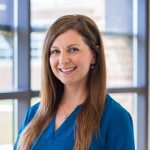
Schermond and Kalk are CUW’s October students of the month

Congratulations to Megan Schermond, a junior Psychology major, and Sydney Kalk, a Master of Occupational Therapy student, students of the month for October!


CUW is pleased to honor two outstanding students every month, as this year faculty are selecting an undergraduate student and a graduate student as students of the month. Congrats to Megan and Sydney!


Undergraduate Student of the Month

The CUW Faculty have selected Megan Schermond (’25) as the undergraduate student of the month for October. Megan is a Psychology student who puts exceptional detail and care into her academic work. She demonstrates exemplary qualities of a Christian servant leader through giving back to the campus community with enthusiasm. As a Peer Leader for General Psychology, Megan delivered high-quality life skill workshops for students and increased student engagement. Megan currently volunteers her time and talents to help her peers develop their own leadership skills as Psychology Club’s Student Leadership Coordinator. Megan shows passion and talent for collaborative research, as the poster she co-authored was recently accepted by a regional conference. She also shares her gifts of leadership and listening as a support group facilitator for The Peer Support Network, where she shows a Christ-like love for her peers.

Nominated by Dr. Holly Griskell.


Graduate Student of the Month

The CUW Faculty have selected Sydney Kalk as the graduate student of the month for October. Sydney is a Master of Occupational Therapy student who is dedicated to promoting mental health and wellness for fellow students as well as future clients. In addition to completing rigorous coursework, she helped advocate for and lead the Graduate Falcon Support Network, has been involved in the National Alliance on Mental Health (NAMI) Ozaukee, and has been instrumental in bringing The Green Bandana Project to CUW, which is a suicide prevention and awareness program for students. As part of Mental Health Week, Sydney shared her personal recovery story during the keynote speech and promoted the Graduate Falcon Support Network at the Mental Health Fair. Sydney’s work has had far-reaching impact in the CUW community’s mind, body, and spirit.

Nominated by Prof. Anne Martin.


Want in?

At Concordia University Wisconsin, we believe that education is at the junction of faith and learning. That means that we get to know you personally – your unique gifts and skills – so that we can help you develop fully in mind, body, and spirit to achieve your highest potential. To learn more or to apply, click the link below.


Creating Community Collaborations: A CUW Alumni Engagement Event


Are you interested in becoming partners in the mission of Concordia? Come join CUW School of Health Professions faculty and staff for an upcoming event!


At Concordia University Wisconsin, our goal is to not only provide a quality education to our students and prepare them to serve, but to do so by continuing to cultivate and develop meaningful community collaborations.

School of Health Professions alumni and other health care professionals from the community are invited to tour Concordia’s new Interprofessional Clinic and learn more about the ways to partner with CUW.

Creating Community Collaborations: A CUW Alumni Engagement Event

Wednesday, October 25 | 5:30-7:30 p.m.

Concordia University Wisconsin’s Interprofessional Clinic

Registration is requested for this free event. The first 50 individuals to attend will receive a stemless wine glass. RSVP by Monday, Oct. 23.

If you are unable to attend the event but would like to share your thoughts on unmet needs in the community and how CUW might be able to help meet them, please click on the link above.

If you know of someone who might benefit from rehab services in our clinic, please click on the link above.

About the event

  • This event will take place in our new Interprofessional Clinic, which opened on our campus this past January. The newly renovated area provides much needed spaces to continue our efforts to educate all of our students to be effective and collaborative practitioners. The clinic includes a welcoming reception area, large open gym space, splinting area, private treatment rooms, observation room, apartment, and a simulation lab.
  • Although the event is identified as an alumni event, we welcome any community professional to attend.
  • Following a welcome address, our guests will receive a tour of our new Interprofessional (IP) Clinic and participate in a collective discussion to identify unmet community needs and ways in which our IP Clinic can help address them. We hope you can join us on campus!

Directions to the IP Clinic

Concordia is located at 12800 N. Lake Shore Dr. in Mequon, Wisconsin. Please park in Lot P when you arrive on campus. For your convenience, please reference the map below for further directions.


Want in?

The School of Health Professions at CUW offers a range of professional programs and degrees at the bachelor’s, master’s, and doctoral levels. Whether you pursue your education through online instruction or through classroom learning, you can expect a distinctive learning environment that will prepare you for a career marked by excellence, compassion, and service. Health Professions undergraduate students also participate in the Concordia Core, a rigorous, liberal arts curriculum integrated with Lutheran distinctives.

The 5 Perks of Being a Nurse

While being a nurse is not an easy career, it is gratifying. If you are looking into a career in healthcare, here are five perks of being a nurse that could help make your decision easier.

Perk #1- Nurses are in high demand

Going into a career in healthcare has never been more needed than today. Skilled and compassionate nurses are in high demand. No matter where you are in the world, the skills and knowledge you carry as a nurse are vital. The need for nurses will grow, promising job security for both old and new nurses.

Perk #2- Opportunity for growth

Advancing in your nursing career is more straightforward than in many other occupations. You can take many opportunities to grow in your career, such as receiving a Master’s in Nursing or a Doctorate in Nursing. According to the Bureau of Labor Statistics, opportunities for nurse practitioners are projected to grow 38 percent from 2022 to 2030, much faster than the average for all occupations. If you are an asset to the facility you work for, they will likely provide tuition benefits for furthering your nursing education. And, of course, along with career advancement comes a pay increase.

Perk #3- High earning potential

The income for nurses is pretty good. As a registered nurse with a bachelor’s degree, the BLS estimates the median salary as $81,220 annually. Additionally, a master’s or doctorate in nursing earns more because of their extra training and education.

Perk #4- Variety of work settings

Being a nurse doesn’t mean being limited to one specialty or setting. Nurses can work in hospitals, clinics, nursing homes, in-homes, or even travel for their jobs. You also have a variety of specialties to work in, depending on your interests and strengths.

Specialties can include:

  • Pediatrics
  • Obstetrics
  • Neonatal
  • Mental Health
  • Geriatrics
  • Women’s Health
  • Oncology
  • Emergency Room
  • Labor and Delivery
  • Trauma

There are many specialties in need of nurses. Therefore, exploring multiple areas of interest is more manageable for nurses.

Perk #5- Making a difference

Nurses have more direct contact with patients than most other medical specialists. In general, the quality of the nursing staff will have the most effect on a patient’s experience in the healthcare setting. Nurses save lives and improve the quality of life for their patients. If your goal is to change people’s lives, nursing may be your perfect career.

Ready to become a nurse?

Concordia University offers many flexible options for you to start your path to being a nurse. Learn more about our School of Nursing.

How to Build Deep and Rewarding Relationships with Your Online Classmates

Despite the apparent benefit of flexibility, pursuing an online education can invoke anxiety for some individuals, especially those who crave regular interaction and collaboration with classmates as a part of their educational journey.

But online learning doesn’t have to be isolating.

Just because a computer screen separates you doesn’t mean you can’t build meaningful connections with your online classmates. As you begin or continue your online education, here are seven tips you can follow to avoid feeling disconnected.

1. Communicate Early and Often

Online class threaded discussions offer valuable communication advantages that real-time conversations lack. They enable you to effortlessly revisit previous exchanges, allowing for thoughtful consideration and the crafting of well-considered responses. Additionally, they provide a documented record of all communications.

Have you ever been in an online course where some classmates wait until the end of the week to start participating? That is like going to a face-to-face class and staying silent until the last ten minutes of the session. Suddenly, you spout out all of the ideas and comments that came to mind from different parts of the class.

Doesn’t that miss the concept of a two-way conversation? The same thing happens in an online threaded discussion unless you do something to prevent it. By logging in multiple times each week to comment, read, and reflect, you actively contribute to cultivating a livelier and more genuine dialogue for the entire community. Your active participation demonstrates a deeper interest and respect for your fellow learners, fostering a richer learning environment. This engagement not only enhances your own learning but also enables others to learn from your insights.

2. Be Curious

There is a time to speak and a time to listen. Listening is how we show genuine interest in others. It is also how we learn from others. Imagine you are on a first date, trying to be on your best behavior, which involves active listening. Furthermore, you prioritize and show other people that you care about them and what they have to say. Take on this attitude in an online class, and you will quickly build positive, maybe even long-lasting friendships with others.

3. Reach Out to Classmates

As you go through a course, you will discover that you relate to the goals and interests of other people. You will also notice students with different perspectives or backgrounds. These are people you can learn from. Reach out to them. Send them a private message and what you appreciate about their comments. Even invite them to connect beyond the course. Explain that you hope to stay in contact to share ideas and learn from one another.

4. Self-Organize Student Activities

You can do more than just the formal activities of a course. Why not try to arrange an informal study group or a Google Hangout to connect and further discuss ideas from the class? You can also create a forum outside the formal class or make a way to explore a topic that is interesting but was outside the planned course discussion. These activities will help you build a stronger sense of community, and it parallels the informal group meetings at many face-to-face institutions.

5. Encourage and Affirm

Online course discussions can get content-focused, which has obvious benefits but can make establishing a rapport beyond the course challenging. One way to be relational and content-focused simultaneously is to share words of encouragement and affirmation with co-learners. Share what you appreciate about their perspectives and ideas. Let them know how their comments help you, and thank them.

Go beyond “Great idea!” comments. Be specific and descriptive. Instead of telling them that an idea is helpful, explain why. If you think they have an interesting perspective, tell them why. Give details. Share anecdotes and stories as you encourage and affirm.

6. Challenge and Question

On the flip side, we want to nurture a rigorous learning community. That means disagreeing, challenging, and questioning in gentle and respectful ways. Much learning takes place as we contrast our understanding with that of others. These contrasts join us in a mutual pursuit of truth and a more accurate understanding of the subject.

7. Build Upon the Ideas of Others

In some online classes, comments seem like a disconnected collection of individual posts, often driven by the desire to craft an answer that meets the instructor’s expectations. While this is a reality in many online courses, take the discussion further.

Turn posts into a dynamic conversation. A great way to do this is to build upon the ideas of others. Take an idea that someone else shares and add a new example, illustration, or further explanation of the concept. As more people do this, we see progress and discovery through online discussion. We turn disjointed comments into a meaningful group discussion.

There are many ways to be an active learner in an online course, but these seven tips give you a few simple starting points. Try them out to see how it goes. Not only will you feel more connected to your online classmates, but you’ll also make the class a more vibrant and positive experience for everyone. You will also increase your chances of building profound, positive relationships beyond graduation.

Top CUWAA faculty awardees announced

Each year, Concordia’s Office of Academics compiles results of faculty impact based upon student surveys conducted at the conclusion of each course.


Concordia University recently announced its “Top Ten” faculty awardees. The recipients include full-time faculty and adjunct instructors who have demonstrated excellence in the classroom, as determined by student surveys completed in the 2022-23 academic year.

The following results include instructors from both the Ann Arbor and Mequon campuses. Names are listed in alphabetical order.  

Teaching Excellence (Full-time)

Leah Dvorak | Vice President for Academics; Professor of Sciences

Dale Gerke | Department Chair and Professor of Physical Therapy

April Gotzler | Assistant Professor of health and Human Performance

Jessica Grimm | Assistant Professor of Rehabilitation Science

Brian Harries | Professor of English

Amber Melick (CUAA) | Assistant Professor of Athletic Training

Tim Neal (CUAA) | Assistant Professor and Program Director of Athletic Training

Charles Schulz (CUAA) | Associate Professor of Theology

Kim Sesing | Assistant Professor of Speech and Language Pathology

Jason Soenksen | Professor of Theology

Ernie Stremski | Professor and Medical Director for Physician’s Assistant Studies

Lori Woodall-Schaufler | Associate Professor of Theatre

Faith and Learning (Full-time)

Jonathan Balsman | Assistant Professor of Secondary Education

Elisabeth Bennett (CUAA) | Assistant Professor of Master of Science in Leadership

Jessica Grimm | Assistant Professor of Rehabilitation Science

Carol Lueders Bolwerk | Professor of Nursing

Kristin Halsell (CUAA) | Clinical Assistant Professor for Physician’s Assistant Studies

Nicole Muth | Department Chair and Professor of Elementary Education

Elizabeth Paly | Associate Professor of Physical Therapy

Ann Scott | Clinical Assistant Professor for Physician’s Assistant Studies

Vittoria Sipone | Assistant Professor of Psychology

Stacy Stolzman | Associate Professor of Physical Therapy

Michael Uden | Vice Provost of Student Enrollment and Engagement; Professor of Elementary Education

Lori Woodall-Schaufler | Associate Professor of Theatre

Faith and Learning (Adjunct)

Mark Baden

Anthony Berthiaume

Terron Daniels

Gregory Groh

Lori Haven

Tanya Johnson

Ann Kukowski

Kristin Latus

Kevin Mowrer

Holly Virnoche


Want in?

Concordia University Wisconsin is a Lutheran higher education community committed to helping students develop in mind, body, and spirit for service to Christ in the Church and the world.