Tips on practicing self-love: insights from CUW healthcare faculty

In this season of love, don’t forget to show love to yourself.


Valentine’s Day is an opportunity to express our love to the ones most important in our lives. However, our efforts to show love to others quickly become futile if we don’t first show love to ourselves. Healthcare experts emphasize the importance of self-care—nourishing mind, body, and spirit—as a way to foster overall well-being. From mental health tips to physical self-care practices, a few of Concordia’s healthcare faculty experts offer their practical advice for how to show love to yourself during this special week.
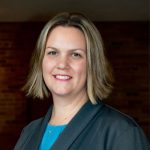
Megan Watry-Christian, PhD, OT/L

Occupational Therapy Department Chair

One piece of advice I have for showing yourself some love is to make space for quiet. Our world is so loud and always moving at a fast pace. I find that sometimes getting caught up in the busyness of my day can steal some of my peace. You could turn off the radio for your drive home, find a quiet place to just sit and ‘be’ for a few minutes, or use some quiet time to reflect on the blessings in your life. I like to end my quiet time but talking to God through prayers of gratitude so I stay focused on positives and keep my eyes on Him.

Nichole Ostrowski MSW, CAPSW

Bachelor of Social Work Program Director

Showing love to your mind, body, and spirit through a practice of self-care is fundamental to your health and happiness. Self-care means something unique to each individual. As a social worker, self-care is actually mandated in our NASW Code of Ethics and is considered part of the commitment to being an ethical and competent professional. Unfortunately, many of us are taught that always putting others first, working hard, or constantly being productive is the ‘right’ thing to do, whereas taking care of oneself can be seen as selfish or indulgent. However, self-care is not just a luxury; it’s essential for maintaining balance and health. It helps us recharge our emotional, physical, mental, and spiritual batteries. Self-care is an act of loving kindness towards yourself, so love big! Here are some effective self-care strategies:

  • Consider the way you speak to yourself. Do you need to flip the script? 
  • Reflect on what brings you peace and joy. Go chase that.
  • Nurture what gives you a sense of purpose. Ground yourself in that.
  • Practice gratitude daily. Watch how it shifts your perspective.
  • Foster meaningful relationships with those who lift and fill you up.
  • Practice mindfulness to manage stress and improve focus.
  • Set emotional and time boundaries to protect your mental health. It’s okay to say no and prioritize your needs.

Mike Brown, PharmD

Associate Dean for Academic Affairs in Concordia’s School of Pharmacy

Showing love to your body includes being proactive in communicating with your healthcare providers. You know your body best, and your healthcare providers need to hear from you and your feedback on your health in order to best help you lead your healthiest life. The lifestyle changes and therapies that providers recommend and provide require consistent communication and monitoring to maximize their benefit and minimize any side effects to your body. So keep the communication with your providers going to best help them help you!

Rachel Pickett, PhD

Psychology Department Chair

Psychologists suggest five quick and easy tools that we can all use to manage stress and engage in self-care. These strategies can be used anywhere, even in the midst of a busy schedule!

  • Calm yourself with deep breathing exercises using the 4-4-6 rule… Breath in for 4 seconds, hold for 4 seconds, and exhale for 6 seconds. This practice helps the body manage physiological arousal.
  • Focus your racing thoughts by counting backwards by 3 from 100. Distracting your brain with a task can break negative thinking patterns.
  • Relax muscles by tensing individual parts of our body (e.g., making a fist) for 10 seconds and then release. Feeling the contrast of tension and relaxation induces calming sensations.
  • Ground yourself by physically touching objects around you, or noticing smells, sounds, or temperature. This technique can make us more aware of our environment and feel more balanced.
  • Lastly, give yourself positive affirmations! Think of 3 things that went well and recognize your strengths each day.

For brief videos to walk you through these exercises click here.


Want in?

This February, CUW is showing you the love during Early Commit Month. Prospective undergraduate students who commit to CUW before March 1 for Fall 2025 have the chance to win prizes! Plus, gain early access to things like the housing application and your student portal. In order to be considered “committed” you just need to provide an initial tuition deposit of $200. Reach out to your Admission Counselor or email admission@cuw.edu to make your deposit.

Haven’t applied yet? There’s still time! Start by clicking on the button below.

New CUW-Marquette 3+3 program offers accelerated path to law degree

Concordia University Wisconsin and Marquette University Law School have partnered to offer an accelerated pathway for students pursuing a career in law.


The innovative 3+3 Pre-Law Program allows qualifying CUW undergraduates to complete both their bachelor’s degree and a Juris Doctor (JD) degree in just six years, saving students a full year of education and providing an accelerated route to becoming an attorney.

The partnership, which was officially signed into effect this year, allows students participating in the program to complete three years of undergraduate study at Concordia before transitioning into the first year of law school at Marquette for their fourth year of study. Concordia students who are admitted to the accelerated program will take the LSAT and apply to Marquette Law School during the third year of their undergraduate program at CUW. The credits earned during that fourth year (29 credits under Marquette’s curriculum) will apply to their bachelor’s degree and their first year of law school. Upon completion of their first year of law school, Concordia will award students their bachelor’s degree and students may participate in CUW commencement exercises.

Building upon institutional strengths

The partnership combines the strengths of Wisconsin’s two largest private institutions of higher education. Marquette Law School—one of only two law schools in the state—is known for its academic rigor and commitment to public service. Located in Milwaukee, Marquette Law provides students with a top-tier legal education and the opportunity to engage in a wide array of professional experiences through clinics, internships, and externships.

Concordia, meanwhile, offers an undergraduate experience that champions developing students’ Christian character through personalized attention and ample growth opportunities. Concordia’s small class sizes and low teacher-to-student ratio make it easier for students to access extra help from professors and support staff or get involved with research or extra-curricular growth opportunities. This combination of small-school-style-access and big-school-caliber opportunities makes Concordia an ideal choice for pre-professional preparation programs like this partnership with Marquette.  

Students who enroll in the 3+3 program will receive personalized attention beyond the norm, as they will be assigned to two advisors, CUW’s Pre-Law Advisor and their regular academic advisor, to help ensure they stay on track to meet the requirements for this unique program.

“By partnering with Marquette University, we are offering an exceptional opportunity for our students to gain both a broad liberal arts education and high-caliber professional legal training in less time,” said CUW Pre-Law Advisor and Associate Professor of Justice and Public Policy Matthew Mac Kelly, JD, EdD. “This program is ideal for students eager to start their legal careers sooner, with the added benefit of specialized advising and personalized support throughout their journey.”

“We are excited about the partnership with Concordia and look forward to welcoming Concordia students to our community,” said Vada Waters Lindsey, associate dean for Enrollment and Inclusion at Marquette Law School.

Program Highlights

  • Accelerated Pathway: Complete both a bachelor’s degree and Juris Doctor in six years, saving time and money.
  • Dual Credit: The first year of law school at Marquette counts as the fourth year of undergraduate study at Concordia.
  • Strong Support System: 3+3 program participants will be assigned to two advisors, CUW’s Pre-Law Advisor and their regular academic advisor. Participants will benefit from pre-law programming offered in conjunction with Marquette Law School.
  • Broad Undergraduate Areas of Interest: Students may pursue an undergraduate program in any subject area at CUW. Concordia’s broad range of bachelor’s programs include business, liberal arts, justice and public policy, history, philosophy, political sciences, computer science, English, and more.

Want in?

Students interested in the 3+3 Pre-Law Program may apply by selecting “Pre-Law” as their area of interest during the CUW application process or by notifying their academic advisor after admittance. To formally enter the program, students must meet with CUW’s Pre-Law Advisor for an entrance interview and complete a Student Educational Plan (SEP) in collaboration with their advisors.

While the 3+3 program provides a streamlined pathway, there is no guarantee of admission to Marquette University Law School. Students not admitted to Marquette as 3+3 participants, or who decide not to continue in the program, may explore other professional pathways. They also remain eligible to apply to any law school, including Marquette, as traditional applicants.

Click below for more information on the program.


Vocation has no age limit

CUW alumna Ruth Werning proves you never age out of serving the Lord with joy.


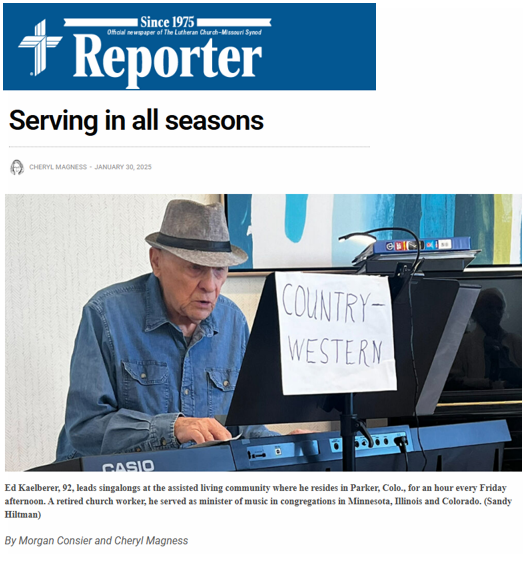
The Lutheran Church—Missouri Synod’s official newspaper, The Reporter, recently featured CUW alumna Ruth Werning. At age 103, Werning continues to demonstrate that God’s faithfulness never ends, nor does His call to serve one’s neighbor as He enables.

Werning has lived a full life of service to the Lord, as a Lutheran school teacher, a pastor’s wife, a mother to five children, and a frequent volunteer for a non-profit educational organization called Future Problem Solving.

In 2006, she moved to an independent-living apartment at Harwood place in Wauwatosa, where she continues to reside. Since moving there she has been an active volunteer, even emceeing the annual Christmas program put together by residents.

Last fall, she inspired a stadium full of Brewers fans while checking off a box on her bucket list. She threw out the first pitch at American Family Field for the Brewers vs. Los Angeles Dodgers game on Aug. 15, 2024.

“If I can witness just by my daily living, just by being God’s child in all that I do, then I will have completed my purpose in life,” Werning told The Reporter, “because that’s the only reason I’m here, to be a servant of the Lord.”

In the Media

The Reporter’s Cheryl Magness and Morgan Consier shared Werning’s story in the February issue. Click here or on the image below to read the full story.


Want in?

February is Early Commit Month at CUW. Prospective undergraduate students who commit to CUW before March 1 for Fall 2025 have the chance to win prizes! Plus, gain early access to things like the housing application and your student portal. In order to be considered “committed” you just need to provide an initial tuition deposit of $200. Reach out to your Admission Counselor or email admission@cuw.edu to make your deposit.

Haven’t applied yet? There’s still time! Start by clicking on the button below.


Why should you get a bachelor’s degree in radiologic technology?

Pursuing a bachelor’s degree in radiologic technology instead of just an associate degree offers several benefits.


Radiologic technology, or rad tech, programs nationwide saw an 11 percent surge in enrollment in 2024. No doubt the uptick is thanks to, at least in part, the attractive salary a rad tech position carries. The median pay for the position is more than $76,000, according to the Bureau of Labor Statistics, and, according to the American Society of Radiologic Technologists, salaries for the field have been trending upwards since 2022.

Concordia University, with its campuses in Mequon, Wisconsin and Ann Arbor, Michigan, offers an innovative route to a bachelor’s degree in radiologic technology. The program is a 2+2 offering, which means you’ll spend the first two years completing prerequisite classes through Concordia (either in person or online) before applying for placement into a JRCERT-accredited partner program. The second two years then consist of didactic and clinical coursework, largely at the individual’s placement site.

While a person can become credentialed in radiologic technology through a variety of educational pathways, a bachelor’s degree might be the better option for the future-focused individual. Here’s why:

Advanced Knowledge and Skills

A bachelor’s degree typically provides more in-depth coursework and training, creating a strong foundation to build the advanced skills needed for imaging professionals. This deeper knowledge can make you more versatile in the field.

Greater Career Opportunities

With a bachelor’s degree, you may have access to more job opportunities, including roles in management, education, and specialized imaging fields. Employers often look for candidates with higher education for positions with more responsibilities, such as supervisory or lead technologist roles.

Opportunity for Advancement

A bachelor’s degree can lead to higher-paying positions. Because you’ll be qualified for more advanced roles, employers are often willing to offer better compensation packages to those with a higher level of education. With a bachelor’s degree, you may be eligible to move into supervisory, management, or even teaching positions in radiologic technology. This degree can also serve as a stepping stone if you later want to pursue a graduate degree in healthcare or related fields.

Pathway to Specialization

A bachelor’s degree can provide opportunities to specialize in areas such as MRI, CT, mammography, or even interventional radiology. Specializations can lead to more job opportunities and increased earning potential.

Increased clinical placement partnerships

Between Concordia’s Mequon and Ann Arbor campuses, the university partners with six JRCERT-accredited programs, including Froedtert, Advocate Aurora, Ascension All Saints, and Ascension St. Joseph in Wisconsin, and Henry Ford Providence and Henry Ford St. John in Michigan.

Regardless of the state in which they are based while they complete the prerequisite portion of the program, all CUWAA students are eligible to apply to any of the partner programs. This maximizes placement opportunities for candidates. In the past, Concordia rad tech grads have stood out among their competition by successfully securing a majority of the placement opportunities available.

Transferable Skills

A bachelor’s degree can also help you develop transferable skills, such as critical thinking, leadership, and communication, which can be beneficial in other healthcare roles or if you decide to transition to a related field later in your career.

Want in?

Concordia’s Radiologic Technology Bachelor of Science major will not only prepare you for a career in the growing field of radiologic technology, it will also set you up for future growth and upward mobility. With residential campuses in both Wisconsin and Michigan, Concordia University offers ample opportunities for clinical placements. Apply at either campus!


$1.8 million HRSA grant renewal awarded to Concordia to enhance care for opioid misuse and abuse

Amid the nation’s ongoing battle against opioids, Concordia has received U.S. government funding to expand a program aimed at alleviating a shortage of paraprofessionals who work to prevent opioid use disorders and help families impacted by the drugs.


Concordia has received a $1.8 million, four-year grant renewal from the Health Resources and Services Administration (HRSA), an operating division of the U.S. Department of Health and Human Services. The grant proposal details Concordia’s desire to enhance student training and expand the paraprofessional workforce that helps families and individuals who suffer from opioid abuse.

Concordia faculty Sandy Slater, PhD, and Sara Casali, DSW, are co-program directors on the grant and will be responsible for implementing this educational opportunity in the upcoming years. Slater serves as the director of CUW’s Bachelor of Science in Public Health program, while Casali oversees Concordia’s Master of Social Work field education placements. This renewal allows them to continue work started in 2020, when Concordia was awarded $2.2 million and was one of only 28 organizations nationwide to be awarded an opioid response-related HRSA grant that year.

Stipends offered to participants

Slater and Casali will utilize the grant funding to enhance and expand the existing program offerings for students, and continue to cover tuition costs and provide a living stipend to students who opt into the Opioid-Impacted Family Support Certificate Program (OIFSP). The program consists of two levels of training. In Level 1, participants complete didactic coursework (offered in an online format) and are matched with experiential field training to gain hands-on education focusing on opioid and substance use disorders. Once participants complete Level 1, they can apply for Level 2, which involves a paid registered apprenticeship that allows participants additional opportunities to grow, refine, and enhance their learning capacities.

The OIFSP is open to undergraduate and graduate students in any program on both the CUW and CUAA campuses. Additionally, Concordia welcomes individuals who are not currently enrolled in the university but who either have lived experience with battling addiction or who currently work in a relevant field.

Altogether, participants can complete the program in one to two years. At the end of the program, Wisconsin participants will be eligible to apply for their Substance Abuse Counselor In-Training (SAC-IT) certificate, which is issued by the Wisconsin Department of Safety and Professional Services. Michigan participants, meanwhile, will be able to apply for their Alcohol and Drug Counselor (CADC) certificate, which is issued by the Michigan Certification Board for Addiction Professionals. The SAC-IT and CADC are the standard, state-issued certificates for professionals who work in the opioid misuse treatment field.

Addressing an ongoing need

According to Centers for Disease Control data, drug overdose death rates nearly quadrupled from 2002-2022, earning it an undesirable spot among the leaderboard of injury deaths among U.S. adults. Thus, the need for intervention remains critical. There is reason to be hopeful though; recently released 2023 public health data shows opioid deaths nationwide decreased from last year. Mirroring national trends, Wisconsin and Michigan saw victories as well, with overdose deaths from 2022 to 2023 dropping by 5.7% in Michigan and 4% in Wisconsin.  

Still, the need for qualified workers who can address the whole family unit impacted is essential, said Slater.

“The consequences of an individual’s drug use reach beyond just them personally,” said Slater. “Drug use is felt across families and communities, often most acutely by children. These forgotten victims are frequently overlooked by systems that are more focused on providing direct services to combat and stop the opioid use and misuse. Concordia’s program aims to take a much broader look at the issue.”


Want in?

Concordia’s Opioid-Impacted Family Support Certificate Program is now accepting applicants. Those accepted into the program will have 100% of their program costs paid and have the opportunity to earn an additional stipend. Learn more about the program and start the application process by visiting the OIFSP website.


This project is supported by the Health Resources and Services Administration (HRSA) of the U.S. Department of Health and Human Services (HHS) as part of a financial assistance award totaling $1.8 million. The contents are those of the author and do not necessarily represent the official views of, nor an endorsement, by HRSA/HHS, or the U.S. Government.

Early Assurance into Concordia’s School of Pharmacy just got more accessible

Concordia’s School of Pharmacy is expanding its Early Assurance Pathway and adding a new opportunity for PharmD-bound students to earn a $1,000 scholarship.


What is Early Assurance?

CUW’s Early Assurance (EA) Pathway, as the name implies, provides students with an earlier-than-usual route to graduate school admission. Already in high school students can apply to the pathway and receive word about their admittance before they begin college. Those who are accepted into the EA Pathway can pursue their undergraduate degree or prerequisites with peace of mind knowing their spot within Concordia’s Doctor of Pharmacy program is secure, given they continue to fulfill all requirements to remain in the pathway. Additionally, those who are admitted into the EA Pathway receive a free fee waiver for the PharmCAS application, cutting down on their overall application costs.

Students may apply for Early Assurance during their senior year of high school. Admittance into the pathway is determined by factors including the student’s GPA, letters of reference, and knowledge of the pharmacy profession.

Early Assurance expanded

Historically, Concordia’s EA pathway was only open to high school seniors who chose to complete their undergraduate coursework at CUW. This year, however, the university is extending the opportunity to all current college freshmen as well as students who intend to enroll at any collegiate-level institution nationwide.

Any student is eligible to apply to the EA Pathway as long as they achieve a minimum high school GPA of 3.0 (4.0 scale) or achieve a minimum first-year collegiate GPA (at least 12 credits) of 3.0 (4.0 scale).

Applications and Letters of Recommendation must be completed by June 1. Early application is encouraged. The School of Pharmacy Office of Admissions and Recruitment will review student applications and determine who will be offered an interview. Following an interview with CUW’s School of Pharmacy, students will receive word if they’ve been admitted into the EA pathway.

$1,000 Scholarship for CUW undergrads

For those who still choose to complete their pharmacy prerequisites at Concordia, there is a new scholarship opportunity available to them. Concordia will grant a $1,000 stackable scholarship to those who are admitted into the EA program and choose Concordia for their undergraduate experience.  

To learn more about CUW SOP’s Early Assurance pathway and its criteria, click here.


Want in?

Concordia University Wisconsin’s School of Pharmacy is one of only three PharmD offerings in Wisconsin, and Concordia is the only private Christian university in the state to host a pharmacy school. CUWSOP graduates routinely earn high pass rates on national certifying exams, with last year’s cohort earning the second-highest NAPLEX pass rate in the region. Graduates also routinely exceed national residency match rates.


Certified Nurse Practitioner for Alliance Wellness Clinic

After earning her Psychiatric Mental Health Nurse Practitioner (PMHNP) certificate from CUW in 2024, Stella Essien has achieved board certification so she can expand her scope of practice at Alliance Wellness Clinic.


Stella (Osuagwu) Essien recently passed her PMHNP certification on her first try, which places her among the first three graduates of CUW’s recently launched PMHNP program to earn her credentials. This certification will allow Stella to step into new roles at her current workplace, Alliance Wellness Clinic, an outpatient Medication Assisted Treatment (MAT) clinic in Bloomington, Minnesota. For the past three years, Stella has worked at the clinic as a Certified Nurse Practitioner, examining, diagnosing, and treating individuals affected with opioid and other substance use disorders. With her PMHNP board certification, she is now able to also diagnose and treat any co-occurring mental health issues that arise among her patient population.

Stella is among the first individuals to graduate from CUW’s PMHNP program, which launched in 2023. Prior to the certificate program, Stella also completed Concordia’s online Master of Science in Nursing – Primary Care Nurse Practitioner degree program in 2014, opting for the Family Nurse Practitioner (FNP) track.

“I chose Concordia for my FNP and again for my PMHNP because the programs are second to none,” Stella says. “The coursework demands excellence. As a result, people and colleagues often ask me where I received my education because they are very impressed with my skillset and my practice style, which includes patient-centered, comprehensive, compassionate care.”

Despite both programs being entirely online, Stella says she could tell the course was designed from a distinctly Christian lens. Faculty would do things like post weekly Bible verses on Blackboard.

“It was evident that professors understood what the students were going through in juggling career, family, and education all at once,” Stella says. “They cared about us being successful and they cared about helping us be the best providers we can be as Christians.”


Explore more

Concordia’s mission is fulfilled when our graduates live out their vocations—in other words, when they go into the Church and world and serve boldly in the name of Christ. Our alumni and current students are continually doing this with excellence! Explore more by clicking below.


There are plenty of reasons to apply to CUW. Here are just a few!

Traditional undergraduates, Concordia’s application for the 2025-26 academic year is now open! Apply for free this week and earn a chance to win a grand prize giveaway.


A free application, an automatic visit scholarship, no ACT/SAT required, a FAFSA early filing grant, and more! There are plenty of reasons to apply to Concordia to start your journey to a degree!

The 2025-26 academic year application for traditional undergraduates is now open. It’s free. It only takes about 15 minutes to complete. Plus, if you do it this week, we’ll automatically enter your name into a drawing for a chance to win our grand prize giveaway! Check @CUWAdmissions on Friday, Oct. 4 to see if you win. 

In addition to the giveaway opportunity, here are a few more reasons why you should apply to Concordia.

Visit and FAFSA early filing awards

There are two really easy ways to earn awards from Concordia that are open to every undergraduate applicant; all you have to do is visit campus and make sure you file your FAFSA before March. If you visit Concordia by Dec. 13, we will award you a $1,000 Visit Scholarship. The scholarship will automatically be reflected on your financial aid packet. Click here to schedule a visit. Likewise, complete your FAFSA by Feb. 28 and we’ll automatically award you an additional $1,000.

Beyond these universal offerings, Concordia has The Luther Promise, which guarantees $3,000 for individuals who qualify. For undergraduates, we also offer a variety of church work, education, fine arts, merit, and needs-based scholarships.

Small class sizes

The average class size at Concordia is 13 students, so it’s likely that you’ll get plenty of access to professors—not TA’s—who are experts in their fields. Students tell us they appreciate the tight-knit community at Concordia. And, despite our relatively small size (undergraduate population ~1,800), we are proud to offer some big-school amenities, like robust research opportunities and one-of-a-kind academic programs.

Great location

Not to brag but we have one of the prettiest campuses around! Plus, we’re kind of known for being entirely interconnected by tunnels hallways. You don’t have to step foot outside to get to classes in the midst of the cold Wisconsin winters.  

Successful job placement rate post-graduation

A Concordia degree is sure to lead to a job or other career opportunities! We have a 96 percent post-graduation placement rate (employed or attending graduate school). Additionally, 93 percent of our 2023 graduates, when surveyed, agreed that their academic program helped them to develop skills to be successful after graduation.

Large Lutheran learner population

We are proudly affiliated with The Lutheran Church-Missouri Synod (LCMS). While we welcome learners from all faith backgrounds, we are also proud to foster a large base of LCMS learners: 950, the highest enrollment in the Concordia University System (CUS). CUW also produces the most LCMS church workers. Our church work population represents 40 percent of all church work students in the CUS.

Health care, business, education, and a strong focus on the liberal arts

While we have a long history of training educators, pastors, and other church workers, we have since grown to encompass so many more programs. Today, we have 80-plus majors. We offer degrees in virtually any health care discipline you could imagine: pharmacy, physical therapy, nursing, occupational therapy, speech-language pathology, and more. Our business school houses our largest programs. More than a quarter of our entire student population is enrolled in a business-related program.

Bench strength in athletic programs

We’re not afraid to innovate in the athletic arena. Our Athletics Department has a number of “firsts” to its name. For example, Concordia was the first college in Wisconsin to start a women’s triathlon team and we were among the first schools nationwide to compete in acrobatics and tumbling. To date, we have 30 varsity-level athletic programs that give you the chance to continue to pursue your passion for health and performance.


Want in?

There are plenty of reasons to apply to Concordia. Click below to start your free application for the 2025-26 academic year!


American Foundation for Pharmaceutical Education pre-doctoral fellowship recipient

Kyle Rehrauer, a 2024 CUW School of Pharmacy graduate, is the only student in Wisconsin to receive an American Foundation for Pharmaceutical Education Pre-Doctoral Fellowship in 2024.


The AFPE pre-doctoral fellowship program supports PhD candidates who will contribute to research that seeks to positively impact public health and patient outcomes. Rehrauer received the Rho Chi First Year Graduate Fellowship, which will help to offset his tuition costs as he continues his studies as a PhD candidate at the University of Wisconsin-Milwaukee this upcoming year.

Rehrauer is the first Concordian to participate in the new dual PharmD/PhD pathway partnership between CUW and the University of Wisconsin-Milwaukee. The program suits individuals who want to specialize in both the clinical and research aspects of the pharmacy field.

Students in the program complete two years of undergraduate coursework, four years of pharmacy school, and 3 ½ years of PhD coursework to potentially earn a BS, PharmD, and PhD in under 10 years, as opposed to the 13-plus years it would take if completed consecutively.

Concordia’s School of Pharmacy offers a variety of dual degree programs. Learn more about ways to earn a master’s and/or a Phd while earning your PharmD by clicking here.


Explore more

Concordia’s mission is fulfilled when our graduates live out their vocations—in other words, when they go into the Church and world and serve boldly in the name of Christ. Our alumni and current students are continually doing this with excellence! Explore more by clicking below.


American Physical Therapy Association Minority Scholarship Awardee

The American Physical Therapy Association (APTA) selected Rosa Bell as a recipient among its annual honors and awards program. Rosa is a two-time CUW alumna who earned her bachelor’s degree in rehabilitation science in 2022 and her Doctor of Physical Therapy in 2024.


Rosa received the 2024 Minority Scholarship. The $5,000 award recognizes individual’s professional character and academic excellence. It is given to PT students who are in their final year of an accredited program.

Rosa is only the second Concordia student to ever receive the award. The honor is significant, as the selection committee pulls from a pool of candidates nationwide. The APTA is the premier organization for the PT profession. It represents more than 100,000 member physical therapists, physical therapist assistants, and students of physical therapy.

A Greenfield resident, Rosa currently works at Aurora as a float physical therapist in outpatient care for the Greater Milwaukee Area. She considers it an honor to provide a global aspect of care to a wide range of clients.

“Physical therapy is about rehabilitation and preventative care, ultimately,” she explains. “We don’t want to have to see you again. We want to be able to treat your current condition and teach you to be able to self-manage your pain so that ultimately, your health care can be back in your own hands.”

Concordia’s faith focus was an important part of why Rosa decided on CUW over other colleges.

“Having the same values as the people who are teaching me and guiding me through my education was very important to me,” Rosa says. “All of the professors in the PT program dedicate so much time and hard work to each of the students in the program. Their desire is to help us become the best clinicians we can possibly be. There’s nothing more I could have asked for from my Concordia professors.”


Explore more

Concordia’s mission is fulfilled when our graduates live out their vocations—in other words, when they go into the Church and world and serve boldly in the name of Christ. Our alumni and current students are continually doing this with excellence! Explore more by clicking below.