Serving those who served

A U.S. Army veteran and Concordia University Wisconsin student finds purpose, representation, and support in the counseling profession.


A U.S. Army veteran and the veteran outreach coordinator at CUW, Kari Metts understands firsthand that trust matters in the counseling relationship — especially for those who have served.

“Some veterans have reservations about speaking with someone who hasn’t shared their experience,” Metts explained. “And there also aren’t many people of color in the counseling profession. So me being here fills both roles.”

Her presence in the counseling program represents more than academic pursuit. It reflects access, representation, and understanding for communities that are often underserved.


As an adult learner

This is her second time pursuing graduate studies at Concordia, and that familiarity played a role in her decision to return.

“I really like that the program is small,” she said. “Even though it’s online, I still feel a meaningful connection through video discussions and engagement with classmates.”

That balance of flexibility and connection allows students to stay rooted in community, even in an online learning environment.


Compassion begets compassion

For Metts, CUW’s counseling program became more than a place of learning. It became a place of care during one of the hardest seasons of her life.

“The instructors are awesome,” she shared. “They rallied around me when I was at a really low point — when my mom passed away.”

She recalls support from across the program. “From Professor Adameak, to Dr. Kaae, to our advisor, everyone offered me the support I really needed at that time.”

That culture of care reflects CUW’s commitment to forming counselors who are not only clinically prepared, but deeply compassionate — because they have experienced compassion themselves.


Trust the process

She encourages new and prospective students to approach the program with patience and perspective.

“Take it one step at a time, one class every eight weeks,” she advised. “Enjoy the journey. Enjoy what you’re about to learn. Take it all in.”

She emphasizes grounding yourself in purpose, especially during challenging moments.

“Say to yourself: I’m here where I’m supposed to be. I’m going to remember my purpose — to be a counselor. Even when a class feels difficult, remind yourself: This, too, shall pass.”


Consider the bigger picture

For Metts, every assignment and challenge is part of something bigger.

“I’m learning something to put in my toolbox,” she said. “Something that will help someone become a greater version of who they were when they first walked into my office — wherever that office may be.”

Through her military service, professional work with veterans, and formation at CUW, Metts is preparing to serve others with empathy, resilience and lived understanding.

Her journey reflects what CUW’s counseling programs strive to do every day: prepare students to meet people where they are and walk with them toward healing and hope.

For more information on veteran services, read “Concordia’s Veteran Services Office is here to assist accelerated students.”


Want in?

Concordia University Wisconsin is a Lutheran higher education community committed to helping students develop in mind, body and spirit for service to Christ in the Church and the world. Explore CUW’s professional counseling pathways to learn how the program supports veterans and working adults through flexible course formats, strong faculty mentorship, and a community that shows up when it matters most. Connect with an admissions counselor, request more information, or take the next step in discerning whether this journey is where you’re meant to be.
A call renewed through faith and perseverance

Jennifer Anderson’s journey to Lutheran elementary education reflects God’s faithfulness through waiting, illness and unwavering trust.


Some callings never disappear — they wait patiently until God’s timing is right. For Jennifer Anderson, the journey to becoming a Lutheran elementary teacher has been marked by family, faith, perseverance and an unwavering trust in God’s provision through seasons of joy and profound challenge.

Jennifer is currently completing her degree online in Lutheran Elementary Education through Concordia University Wisconsin — a path she describes not simply as earning a credential, but as faithfully following God’s call.

“I am so thankful for the opportunity to earn my degree at CUW,” Jennifer shared. “This journey has truly been a blessing.”


A love for children rooted early

Jennifer’s educational path did not begin in a classroom — but in her home.

“When I was growing up, my mother had a daycare in our home for more than 20 years, so working with children honestly feels like home to me,” she explained. “I loved helping my mom with the children in her care as a teenager and as an adult.”

Although she initially pursued a degree in accounting because she “loved working with numbers,” something was missing. “While I loved working with numbers, I was really missing working with children,” Jennifer said.

That realization led her to change her major to Elementary Education. Soon after, however, life required another shift.

“While pursuing my degree, I became a single mother of my two young children, so I chose to step back from school so that I could focus on raising them.”


God at work in the waiting

Though stepping away from college was difficult, Jennifer now sees that season as part of God’s preparation. “God provided me this time to gain experience,” she reflected.

That experience included owning her own daycare, working in a Head Start classroom with two-year-olds, serving as a youth director and teaching preschool. “All these experiences have been a blessing to me and helped me become who I am today.”

It was while teaching preschool in a Lutheran elementary school that Jennifer felt God’s call again — this time unmistakably. “I felt God pull my heart toward returning to school to pursue my degree.”


A family grounded in faith and Concordia

Returning to school after nearly 15 years was intimidating, but Jennifer’s life circumstances had changed — and God had been preparing the way. “A lot had changed in my life, and God showed me that if I were ever to do it, the time was now.”

During those years, God had brought her husband into her life — a fellow Concordia graduate and future pastor. “My husband attended CUW and received his bachelor’s degree in theology and was continuing his education to become a pastor,” Jennifer shared. “He encouraged me to apply to CUW.”

With three children and a strong support system in place, the online program at Concordia made it possible and she was able to transfer her previous credits. “The application process was super easy, and the advisors were incredibly helpful with any questions I had.”


Persevering through serious illness

Just as Jennifer was preparing to begin classes in January 2024, her health took an unexpected and serious turn, which led to surgery. “After surgery, I found out that I had bilateral pulmonary embolism.”

She began classes while recovering — uncertain, anxious and trusting God one day at a time. “I remember being anxious about starting school while all of this was going on and wondering if I should wait,” Jennifer said. “Even though I was afraid, I felt God pulling at my heart again to move forward with school — and so I did.”

Then came another blow. “A couple of weeks later, I was diagnosed with stage 1 breast cancer,” she recalled. “I remember feeling so defeated and wondering what my future held.”


Faith, community and prayer

Once again, Jennifer considered stepping back. And once again, God’s call remained. “I did not know what my future held, but He did.”

She reached out to her professors, sharing the realities of surgery and radiation treatments. “They were so incredibly supportive,” Jennifer said. “Even more than that, they prayed for me.”

That support — academic, spiritual and relational — made all the difference. “I had my last radiation treatment in June 2024, and I am now set to walk across the stage to graduate in May 2026.”


A clear calling to Lutheran Education

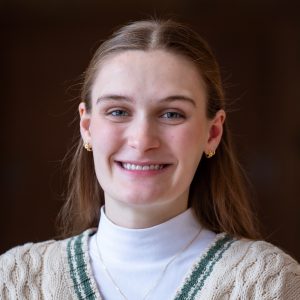
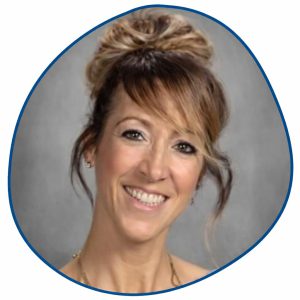
woman with hair up
Jennifer Anderson

Looking ahead, Jennifer’s sense of vocation is clear and deeply rooted in faith. “I feel pulled to being a Lutheran elementary teacher because I want to share the love of Jesus with my students,” she said. “I want them all to know how much He loves us, and I want to integrate faith into the subjects I teach.”

She also credits the online format for making the journey possible. “The online platform is very user-friendly, and there are many ways to communicate with professors and peers,” Jennifer shared. “I have met some amazing people during this journey, and I am so thankful for their support and encouragement.”

Whether her first call places her in a Lutheran classroom immediately or alongside her husband’s vicarage ministry, Jennifer trusts God’s plan. “If I am not able to take a call right after graduation, I know that God will continue to provide opportunities where I can use the skills He has given me.”


A testimony of faithful perseverance

Jennifer Anderson’s journey is a powerful reminder that God’s call is not derailed by hardship — and that His grace sustains us through every season. “The journey has not been easy,” she reflected, “but it has been worth it.”


Want in?

Concordia University Wisconsin is a Lutheran higher education community committed to helping students develop in mind, body and spirit for service to Christ in the Church and the world. If you feel God stirring a calling toward teaching, ministry or service, do not ignore that pull. Explore our Lutheran teacher education programs and discover how faith, flexibility and community can support your journey — just as they did for Jennifer.

God is still calling. The question is — how will you respond?


Preparing leaders for an AI-driven future

A new graduate concentration designed to equip MBA and Business Analytics students with in-demand AI skills.


Artificial intelligence is rapidly transforming the way organizations operate, compete and innovate. From advanced analytics and automation to natural language processing and predictive modeling, AI is no longer a future concept — it is a present-day necessity. As these technologies become deeply integrated into business strategy, the demand continues to grow for professionals who can harness AI responsibly while aligning it with organizational goals.

Recognizing this need, CUW is launching a new Artificial Intelligence concentration designed to equip graduate students with the skills and insight required to lead in an AI-driven economy. This concentration reflects the university’s ongoing commitment to academic excellence, innovation, and ethical leadership.

“The launch of our Artificial Intelligence concentration reflects our commitment to preparing forward-thinking leaders who can responsibly leverage emerging technologies in complex organizational environments,” said Deaconess Kim Schave, PhD, CPA, director of MBA, MSBA and MSA programs.

The Artificial Intelligence concentration offers flexibility while maintaining academic rigor. Master of Business Administration (MBA) students may choose four courses, while Master of Science Business Analytics (MSBA) students may choose three courses, from a carefully curated list that blends business strategy, data analytics, and technical foundations:

  • BUS 6340 – Artificial Intelligence in Business
  • BUS 9120 – Business Intelligence and Predictive Analytics
  • BUS 6350 – Creating Business Value with AI
  • CSC 5015 – Applied Artificial Intelligence
  • CSC 5010 – Vocation and Ethical Computing
  • CSC 6240 – Data Acquisition and Management
  • CSC 6260 – Natural Language Processing

These courses are designed to provide students with both conceptual understanding and practical application. Coursework emphasizes how AI tools and data-driven insights can support strategic decision-making, enhance organizational performance and drive innovation across industries.

“As organizations increasingly adopt AI technologies, demand is growing for leaders who can connect advanced analytics with strategic decision-making,” Schave said.

The concentration will be taught by various professors, drawing expertise from business, analytics and computer science disciplines. This interdisciplinary approach ensures that students gain exposure to multiple perspectives and real-world applications, preparing them to collaborate effectively across functional teams in their careers.

A defining feature of the program is its hands-on learning approach. Students engage with real-world scenarios, applied projects and emerging AI tools that mirror the challenges faced by today’s organizations.

“Students gain hands-on exposure to AI tools and frameworks that enhance problem-solving, innovation and leadership effectiveness,” Schave added. Graduates leave the program with both the confidence and competence to apply AI solutions thoughtfully and ethically.

The Artificial Intelligence concentration will launch in the fall, providing students with an opportunity to begin building in-demand skills aligned with current and future workforce needs. Applications are now open, allowing prospective students to take the next step toward advancing their education and career readiness.

As AI continues to reshape industries and redefine leadership, CUW remains dedicated to preparing graduates who are equipped to navigate complexity, lead with integrity, and drive meaningful impact. The Artificial Intelligence concentration represents a bold step forward in preparing leaders for what comes next.

To learn more about our AI & Quantum Innovation Lab, read “A new era of innovation: CUW opens AI & Quantum Innovation Lab to inspire servant leaders in science, technology.”


Want in?

Concordia University Wisconsin is a Lutheran higher education community committed to helping students develop in mind, body and spirit for service to Christ in the Church and the world.


Lifelong learning, elevated: The Platinum Speaker Series at Newcastle Place

A yearlong partnership between Concordia University Continuing Education Studies and Newcastle Place brings thoughtful learning opportunities to lifelong learners.


At Concordia University, Continuing Education Studies, we treasure lifelong learning as a meaningful way to remain curious, engaged and connected at every stage of life. That commitment is reflected in the Platinum Speaker Series, a yearlong lecture series developed in partnership with Newcastle Place, a senior living community dedicated to whole-person wellness and connection.

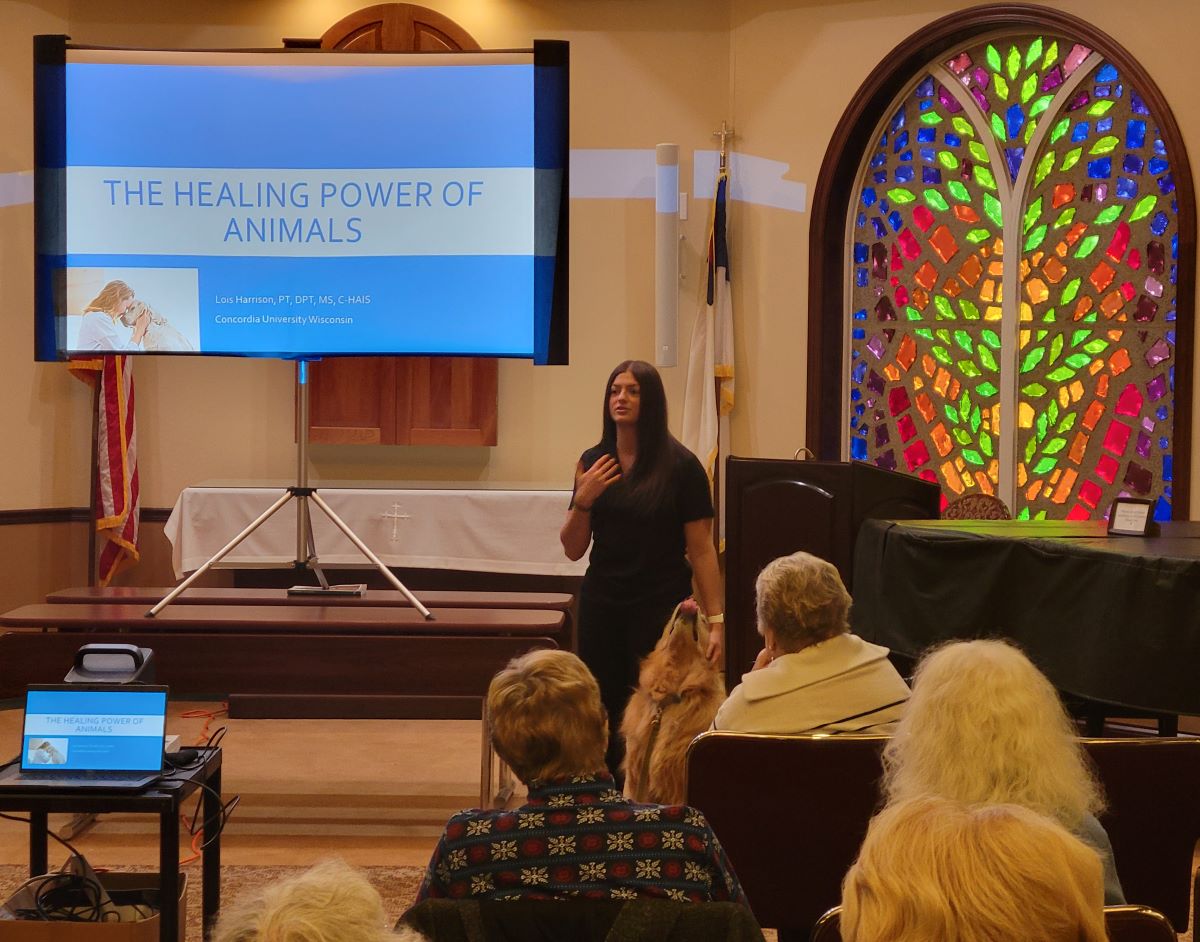
The Platinum Speaker Series features one-hour presentations led by Concordia University faculty and subject-matter experts, offering thoughtful and accessible exploration of topics that speak to intellectual curiosity, personal growth, faith, wellness and creativity. The series kicked off with The Healing Power of Animal-Assisted Therapy, setting the foundation for a year focused on enrichment, reflection and shared learning.

“We are thrilled to partner with Newcastle Place and create this speaker series for residents who continue to be curious and are interested in learning something new,” said Sarah Pecor, director of Continuing Education Studies.

Dr. Lois Harrison, associate professor in the Rehabilitation Science program, led the opening presentation, and said the session fostered both engagement and connection among attendees. “The residents asked great questions and contributed to a lively discussion about the role animals play in our lives,” Harrison said. “They appreciated learning how animals can be incorporated into human care — and, of course, they loved interacting with Runner.”

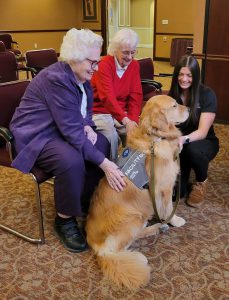
Runner, one of Concordia’s comfort dogs, attended the presentation alongside his handler, Katherine Giannetti, adding a meaningful and personal element to the conversation.

The partnership has been equally meaningful for Newcastle Place and its residents.

“We genuinely cherish our partnership and collaboration with CUW across many meaningful areas, including academic speakers, theatrical performances and athletic events,” said Kim “Kiki” Hoenick, lifestyle supervisor at Newcastle Place. “Our relationship with CUW enriches the lives of our residents in countless ways, and we look forward to continuing this wonderful connection for years to come.”


A diverse lineup of topics

The Platinum Speaker Series honors the depth of experience and wide-ranging interests of lifelong learners. Topics throughout the year include:

The Healing Power of Animal-Assisted Therapy
Exploring how relationships with animals can support emotional, physical and mental well-being.

Exercise and Aging: How They Impact Muscular, Skeletal and Heart Health
Examining the role of movement in maintaining strength, mobility and cardiovascular health.

Jesus in the Old Testament
A reflective exploration of biblical connections that deepen understanding of Scripture and faith.

Quantum Computing Is Cool and Fun!
An approachable introduction to emerging technology and its growing influence on our world.

How People Develop Musical Preferences
Insight into the psychology and life experiences that influence which music we enjoy.

Homemade Hobbies: Winemaking 101
A practical look at the art and science of winemaking as a creative, hands-on pursuit.

Lessons Learned: From Baseball to the Bluff
Connecting timeless lessons with modern cultural and financial topics.

Crypto!
An exploration of the future of finance and how digital currencies are reshaping transactions, investments and technology.

Artificial Intelligence for Seniors
A clear and relevant overview of how AI is shaping everyday life.

The Power of Gratefulness and Its Effects on Mental Health
Exploring how gratitude can strengthen emotional well-being and resilience.


Learning that enriches community

Hosted at Newcastle Place, the Platinum Speaker Series reflects a shared belief that learning does not end with retirement — it deepens. These sessions create space for thoughtful reflection, meaningful dialogue and intellectual engagement, reinforcing the value of wisdom gained through experience.

Through this partnership, Concordia University Continuing Education Studies and Newcastle Place affirm their shared commitment to lifelong learning as an essential part of living well, one that nurtures the mind, strengthens community and honors the joy of continued discovery.


Want in?

Concordia University Wisconsin is a Lutheran higher education community committed to helping students develop in mind, body and spirit for service to Christ in the Church and the world. The Division of Continuing Education Studies meets you where you are, offering innovative lifelong learning opportunities that deliver flexible, accessible and high-impact learning experiences — whether you are a youth, young adult, working professional or navigating your retirement journey — all in alignment with Concordia’s mission.


From Anaheim to Mequon: Coach Madson brings Team USA experience back to Concordia


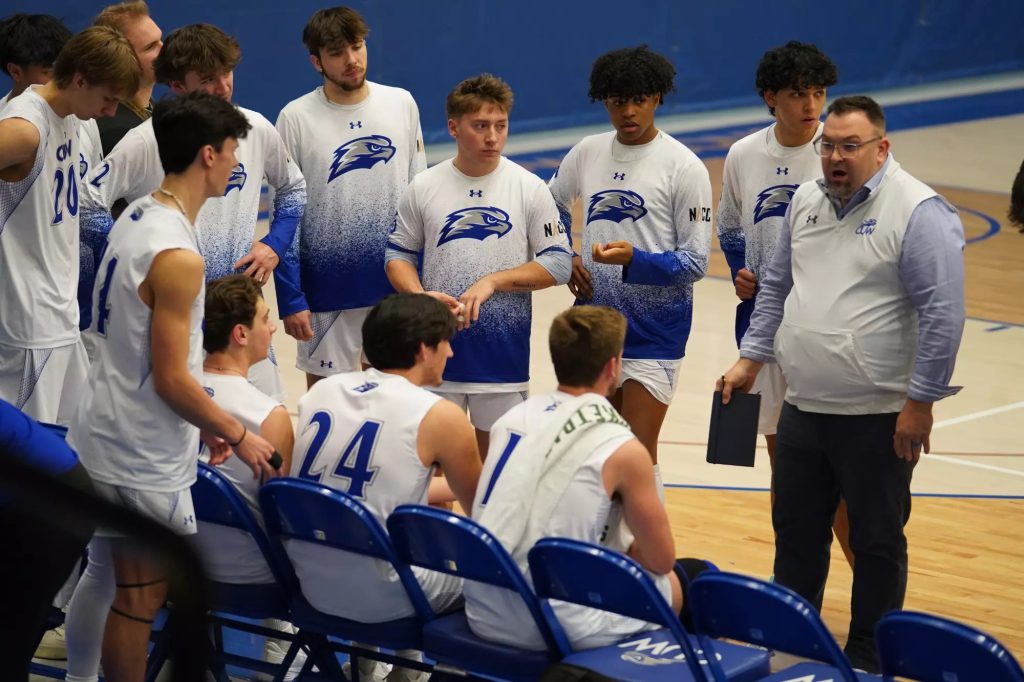
As many of us tune in to the Winter Olympics, Concordia University Wisconsin’s head men’s volleyball coach, Curtis Madson, reflects on his time spent this past December working with the USA Volleyball’s National Team Development Program in California.

Madson worked at the Anaheim facility with a total of 31 athletes who were selected to train with the hopes of garnering a spot on the U20 Youth National Team, which will compete at the NORCECA Championship in June. The premier, international volleyball tournament periodically serves as a critical qualifier for the Olympic Games.

“Being asked to represent Team USA is one of the greatest honors of my coaching career. I am not sure I have words to describe the pride and honor of being asked to be in that gym,” said Madson, one of the few NCAA Division III coaches asked to work in the program. “In our sport, Team USA is the highest level you can coach at, and to be part of that pipeline and program is amazing. I will always be grateful and honored to have had the opportunity and experience.”


Bringing it back to campus

Madson, who has served as the head coach for Concordia’s men’s volleyball program during its entire nine seasons, brought those experiences back to campus, where they now inform the Falcons’ development.

“Being in the gym and planning sessions with such a high-level staff collaborating has allowed me to bring back new ideas, or reimagined ideas to our training and systems,” Madson said. “One of the greatest benefits is just the networking and conversations had in the meeting rooms, and around meals about volleyball in general. Coming back from Anaheim, I was able to introduce some of those ideas, and changes on day one to our gym — changes that have benefited us for the better.”

Some of those changes include new and revised offensive and defensive strategies and tactics.

Sophomore Hayden Hurley, a setter on the Concordia men’s volleyball team, said he has long known that Madson is a great coach. When he learned that Madson had been selected to coach at the national team level, Hurley said it affirmed what the team already believed. “I knew we were lucky to have the best,” he said. “It meant we were getting the highest level of training, coaching, and strategy possible.”


Mission minded

Hurley, who hails from Gilbert, Ariz., came to CUW to study business. As a member of the Business Scholars program, he will earn his MBA in just four years. He appreciates that being part of the volleyball team allows him to live out Concordia’s mission both in the classroom and on the court.

“Coach makes sure we understand why we do what we do,” Hurley said. “We have the opportunity to do this because of the Lord’s plan for us. He reminds us how fortunate we are and how blessed we are.”

Madson feels called to work with young athletes, helping to develop them in mind, body and spirit. His advice is simple: Never stop chasing the dream. “Continue to work hard and take every opportunity you have to raise your level of play,” he said. “You never know which day or event a scout might be watching, or whom you might impress. If it is your dream, throw everything you have into it.”

With Madson leading the program, it’s not hard to envision a Concordia volleyball player one day competing at the Olympics.


Want in?

Concordia University Wisconsin is a Lutheran higher education community committed to helping students develop in mind, body and spirit for service to Christ in the Church and the world.


CUW faculty featured in Lutheran publications

University voices appear in The Lutheran Advantage and LCMS Reporter.


When Concordia University Wisconsin faculty and staff step into their work each day, they do so with care, preparation and a clear sense of calling. Increasingly, that work is being recognized beyond campus. Recent features in Lutheran publications highlight CUW leaders as trusted voices whose expertise reflects both academic depth and Lutheran identity.

One example appears in The Lutheran Advantage, an e-journal that shares stories from across the Concordia University System. In a recent piece, Aaron Moldenhauer, vice president for mission and church relations at CUW, explored the theme “Free to Serve” through the lens of Campus Ministry. Drawing from Galatians 5 and Martin Luther’s The Freedom of a Christian, Moldenhauer connected Lutheran theology to everyday life on campus.

His reflections describe a university shaped by freedom in Christ, a freedom that turns outward toward service. Through chapel, Bible study and opportunities to serve neighbors locally and globally, campus ministry at CUW invites students to live faithfully within the vocations God has given them. Moldenhauer’s contribution reflects not only theological understanding, but lived experience within a campus community grounded in Word and Sacrament.


Extending Lutheran thought into academic life

That same depth of insight is evident in LCMS Reporter, which recently highlighted the development of new Lutheran Academic Standards. The standards, nearing completion, are designed to help Lutheran schools integrate faith across disciplines, from science and mathematics to literature and the arts.

Among those contributing to this work is Dr. James Pingel, dean of the School of Education at CUW. Pingel served on the national committee tasked with shaping the standards, which were called for by the 2023 convention of The Lutheran Church — Missouri Synod. His perspective emphasizes that theology is not confined to a single class or subject.

“As Lutherans,” Pingel said, “we see God in all things, in all subject areas, all vocations.” That understanding shapes how future educators are prepared at CUW and how Lutheran schools approach teaching as a whole. Faith, in this view, is not added onto learning. It is woven through it.


Going beyond the walls of academia

For CUW, these recognitions point to something larger than individual accomplishments. They reflect a university community where scholarship, faith and service intersect in meaningful ways. Faculty and staff are not only teaching students in classrooms and mentoring them on campus. They are also helping guide conversations across the wider Lutheran community about education, vocation and what it means to live as people set free in Christ.

When CUW voices appear in Lutheran publications, they carry with them the experiences of students, colleagues and communities shaped by Concordia’s mission. They speak as educators, church workers and servants, sharing insight formed through daily work and faithful practice.

In that way, these moments of recognition serve as reminders. The work happening at CUW matters not only for those who study and work here, but for the church and the world beyond campus.


Want in?

Concordia University Wisconsin is a Lutheran higher education community committed to helping students develop in mind, body and spirit for service to Christ in the Church and the world.


From Curiosity to Clarity: Exploring What’s Next with the AI & Quantum Innovation Lab

We recently connected with John Fields, Co-Founder of the AI & Quantum Innovation Lab at Concordia University Wisconsin, to learn more about the AI & Quantum Lab and what it means for organizations in our region. John shared insights about how they partner with businesses to explore emerging technologies like artificial intelligence and quantum computing in a way that’s practical, ethical, and grounded in real challenges and opportunities.

Artificial intelligence and quantum computing are everywhere in the news—but for many organizations, they still feel distant, expensive, or hard to pin down. You may know these technologies matter for the future of your industry, yet still wonder: How could this actually help us? Where would we even start?

That’s exactly where the AI & Quantum Innovation Lab steps in.

Designed as a collaborative space between higher education and industry, the Lab exists to help organizations explore emerging technologies in a thoughtful, practical, and ethical way. It’s not about buzzwords or theoretical research for research’s sake. It’s about asking good questions, testing real ideas, and learning together—one step at a time.

A Partnership, Not a Pitch

At its core, the AI & Quantum Lab functions as a problem-solving partner. When organizations reach out through the consultation request form, they aren’t signing up for a predefined solution. Instead, they’re starting a conversation.

The form is intentionally approachable. Rather than requiring technical expertise, it invites partners to describe real challenges they’re facing—especially those involving large amounts of information, inefficiencies, or uncertainty about future trends. Many partners come in with questions like:

  • We have years of data, but we don’t know what insights we’re missing.
  • We’d like to predict future demand more accurately.
  • Our processes are bogged down with repetitive tasks—could technology help?
  • We’re curious about AI or quantum computing, but don’t know what’s realistic.

These are exactly the kinds of questions the AI & Quantum Lab is built to explore.

What the Lab Can Help You Test and Learn

Once a consultation request is submitted through the website, the faculty and students review the information and begin identifying potential ways technology could help. The focus is on practical, testable projects, not costly long-term commitments.

Examples of projects partners may explore include organizing large collections of documents, identifying trends in customer or operational data, building simple predictive models, or creating tools that help answer common internal questions. In each case, the goal is to develop a working prototype—something tangible that can be evaluated, refined, or even set aside if it’s not the right fit.

This approach reduces risk while increasing clarity. Instead of guessing whether a technology might work, partners gain hands-on insight into whether it actually does.

Thoughtful Technology, Used Responsibly

One of the AI & Quantum Lab’s defining commitments is its emphasis on ethical and privacy-conscious technology use. Many organizations hesitate to explore AI because they work with sensitive data—financial records, healthcare information, or student and customer details.

The AI & Quantum Lab addresses this through privacy-preserving approaches that allow systems to learn from patterns without exposing personal information. This matters not only for legal compliance, but for trust. Technology should serve people, not compromise their dignity.

That same thoughtful lens applies to quantum computing. While quantum technology is still emerging, the Lab helps partners understand when it may be worth learning about—and when more traditional tools are the better choice. For organizations thinking five to ten years ahead, early exposure can be a valuable way to prepare without overcommitting.

Learning That Benefits Everyone

Another unique strength of the AI & Quantum Lab is its educational mission. Students work alongside faculty and partners, gaining real-world experience while contributing meaningful insights. Businesses benefit from fresh perspectives and motivated teams, while students learn how technology can be applied responsibly in real organizational contexts.

It’s a shared experience rooted in curiosity, service, and mutual growth.

Free business email course

Taking the First Step

If your organization has ever wondered how emerging technology might fit into your future, the best next step is simple: visit the AI & Quantum Innovation Lab website and complete the consultation request. You don’t need a fully formed plan—just a willingness to explore.

In a world that’s changing quickly, clarity matters. The AI & Quantum Lab exists to help organizations move forward with confidence, grounded values, and practical insight.

And for those seeking a partner who combines innovation with purpose, this work is proudly carried out at Concordia University Wisconsin, where technology, ethics, and education come together to prepare leaders who are ready for the world—and rooted in what matters most.


Haven: A place of refuge on Sunday nights

A student-led worship gathering rooted in faith, community and rest.


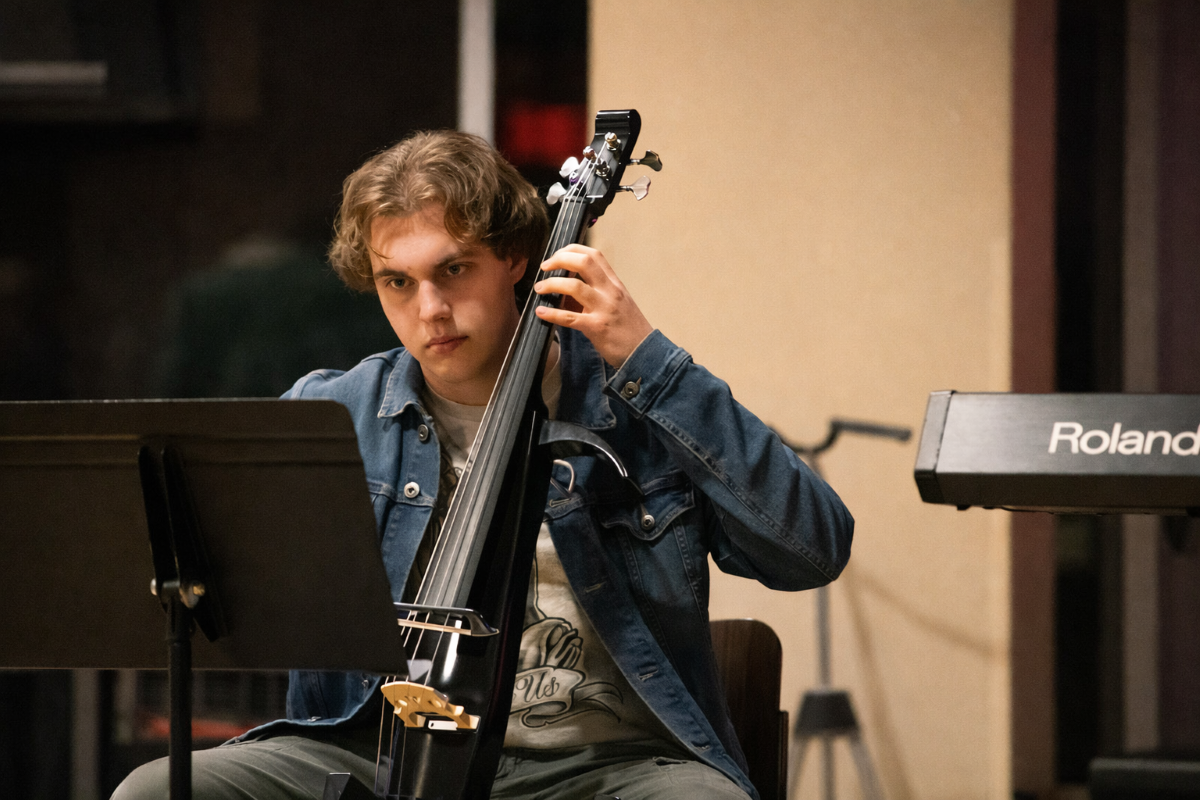
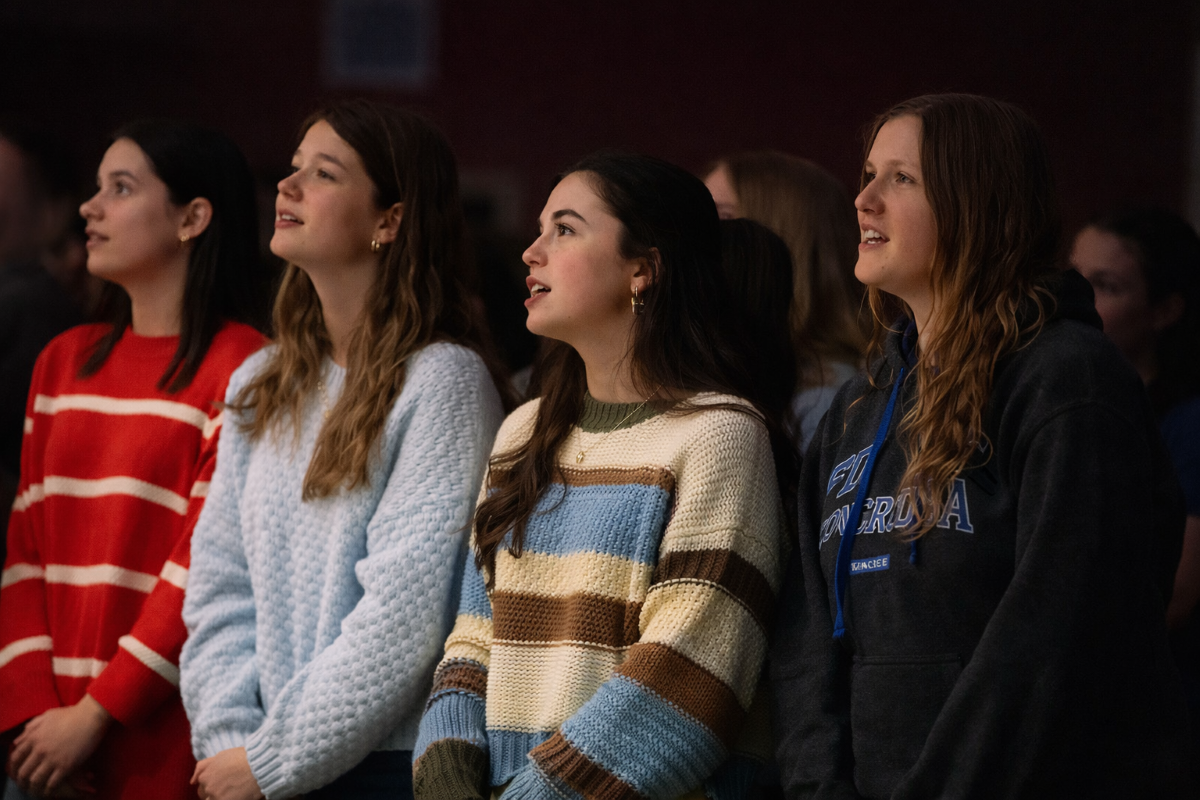
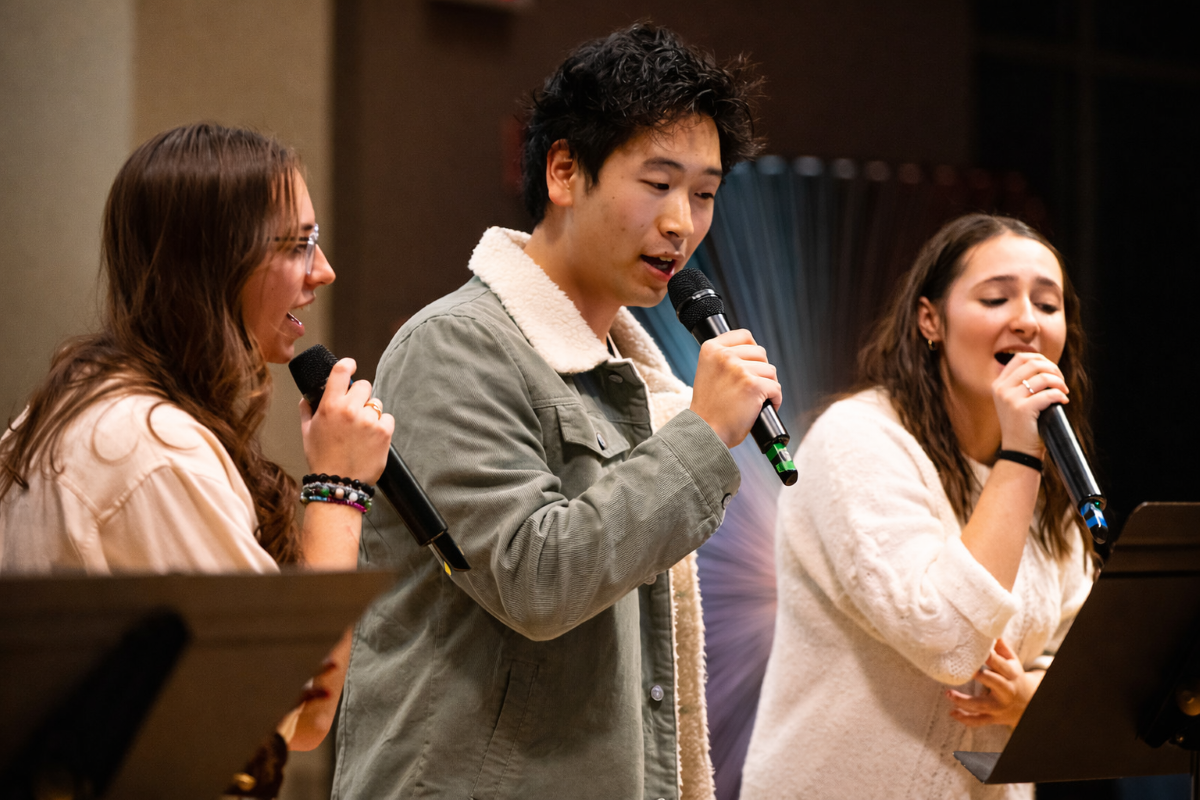
For more than 20 years, Haven has been a familiar and meaningful part of campus life at Concordia University Wisconsin. Since its beginning in 2000, the student-led worship gathering has offered something many students seek during a busy week: space to pause, reflect and worship together.

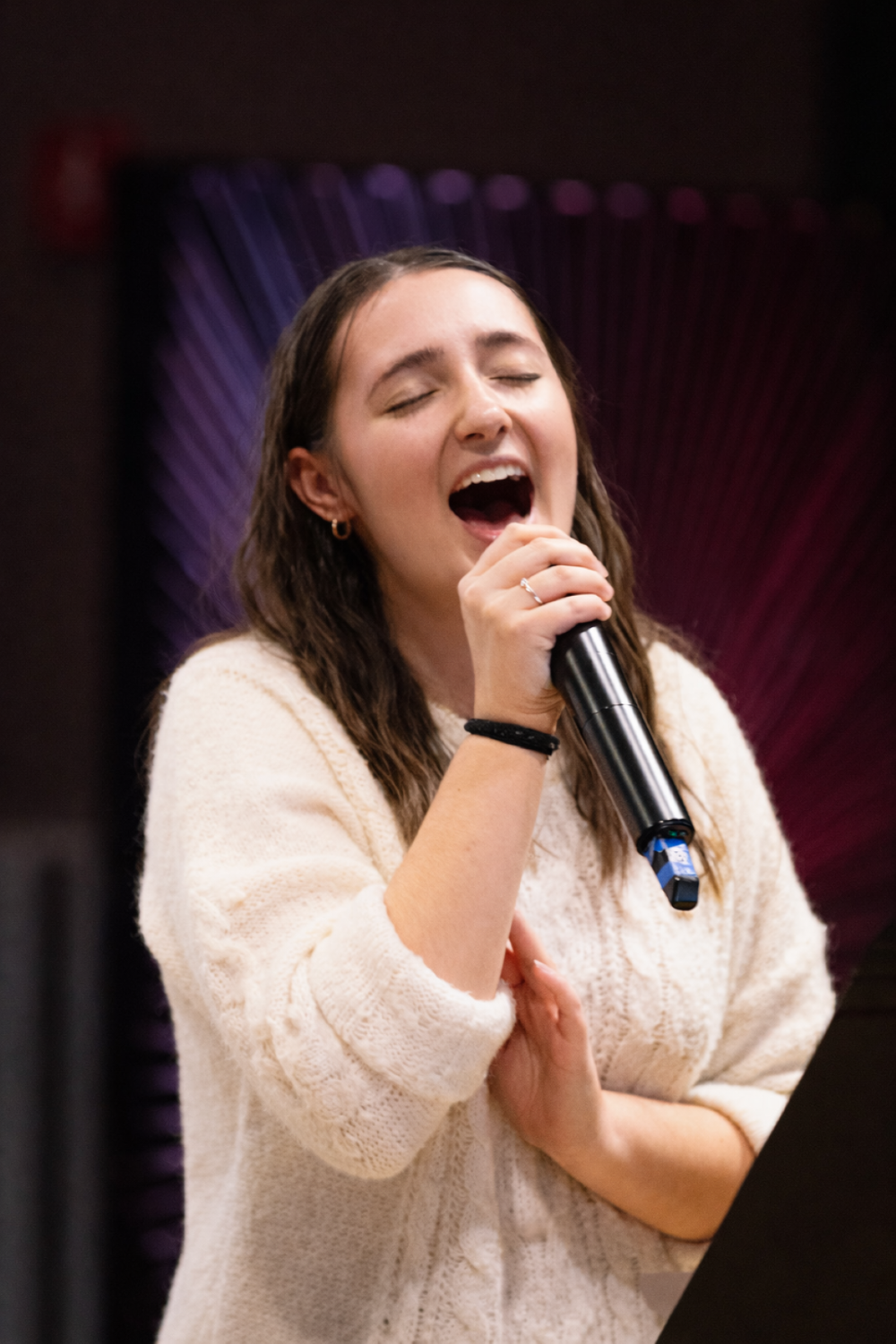
girl singing

The word haven means a place of refuge or safety. For CUW students, that meaning comes to life each Sunday night at 7 p.m. in the Terrace Room. Haven is a weekly worship service where students gather for encouragement, fellowship and time in God’s Word. It is welcoming, relational and grounded in shared faith.

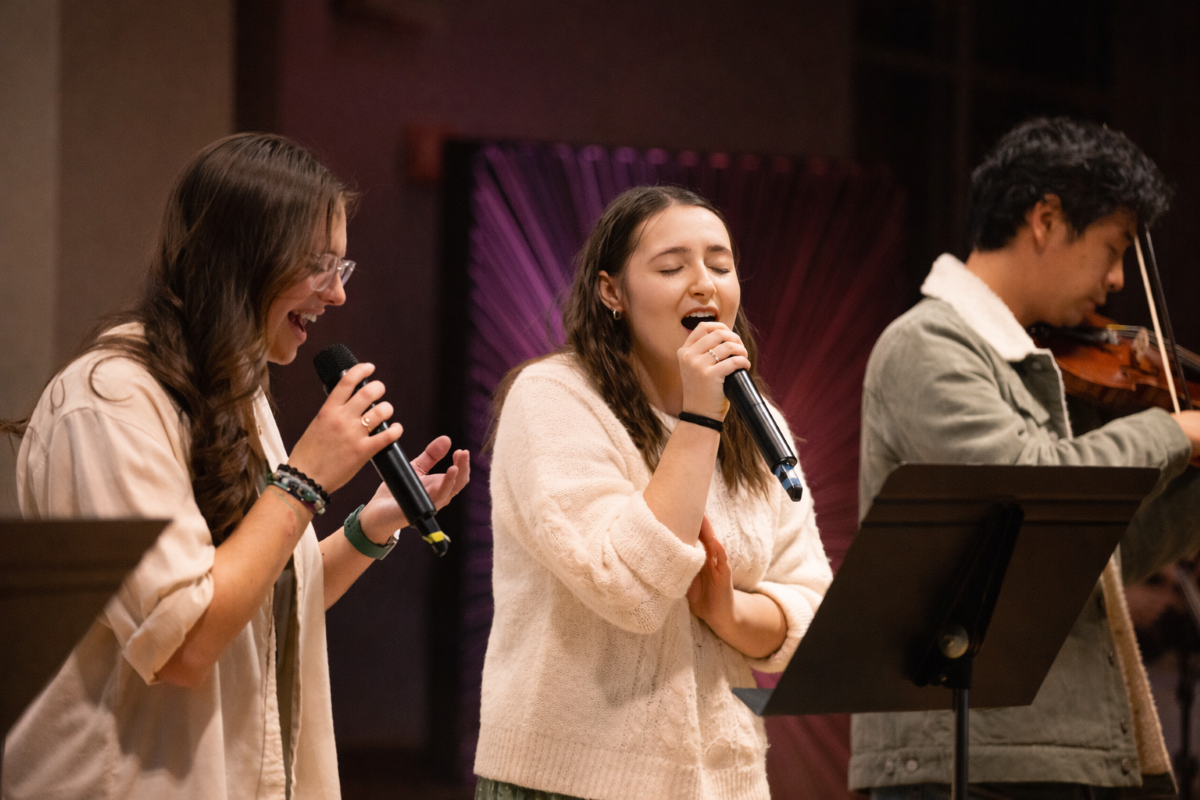
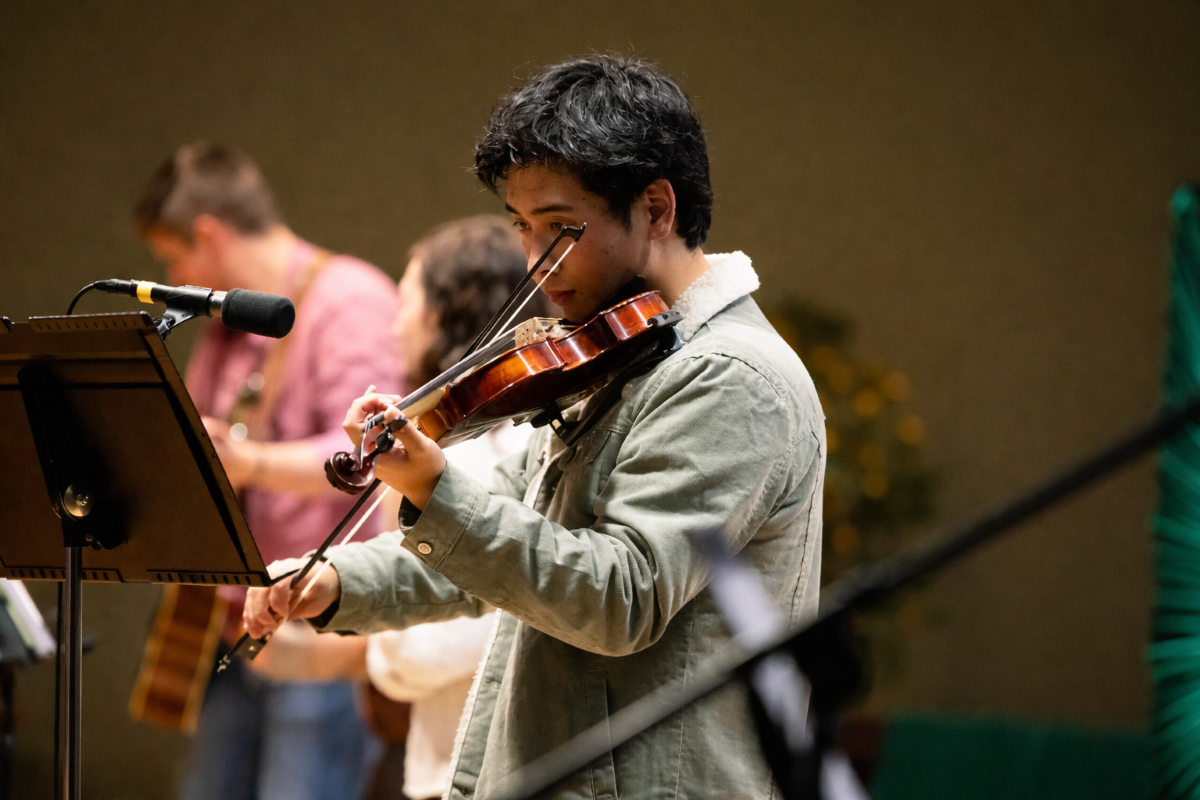
Many students recognize Haven through Chapel. If you have attended a Wednesday morning service, you have likely heard a Haven band lead worship. But Sunday night tells a fuller story. In the Terrace Room, student musicians lead with freedom and sincerity, creating an atmosphere where worship feels personal and unhurried. The music is expressive and genuine, allowing students to engage fully — whether through singing, listening or quiet reflection.

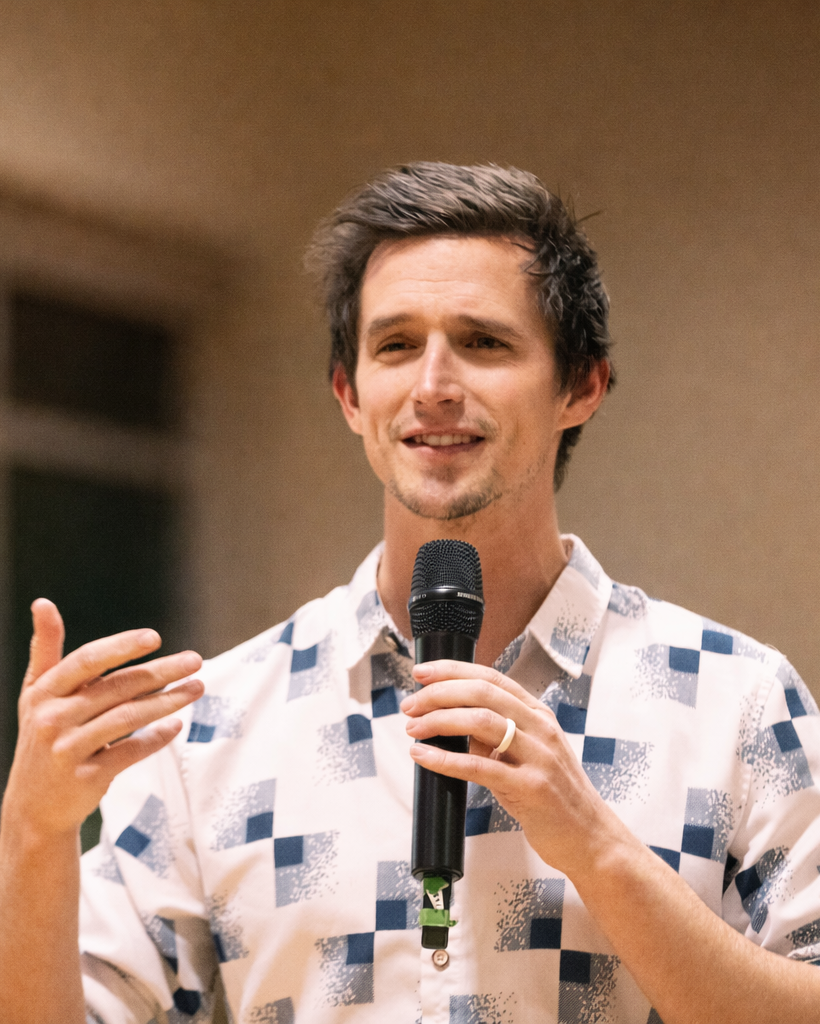
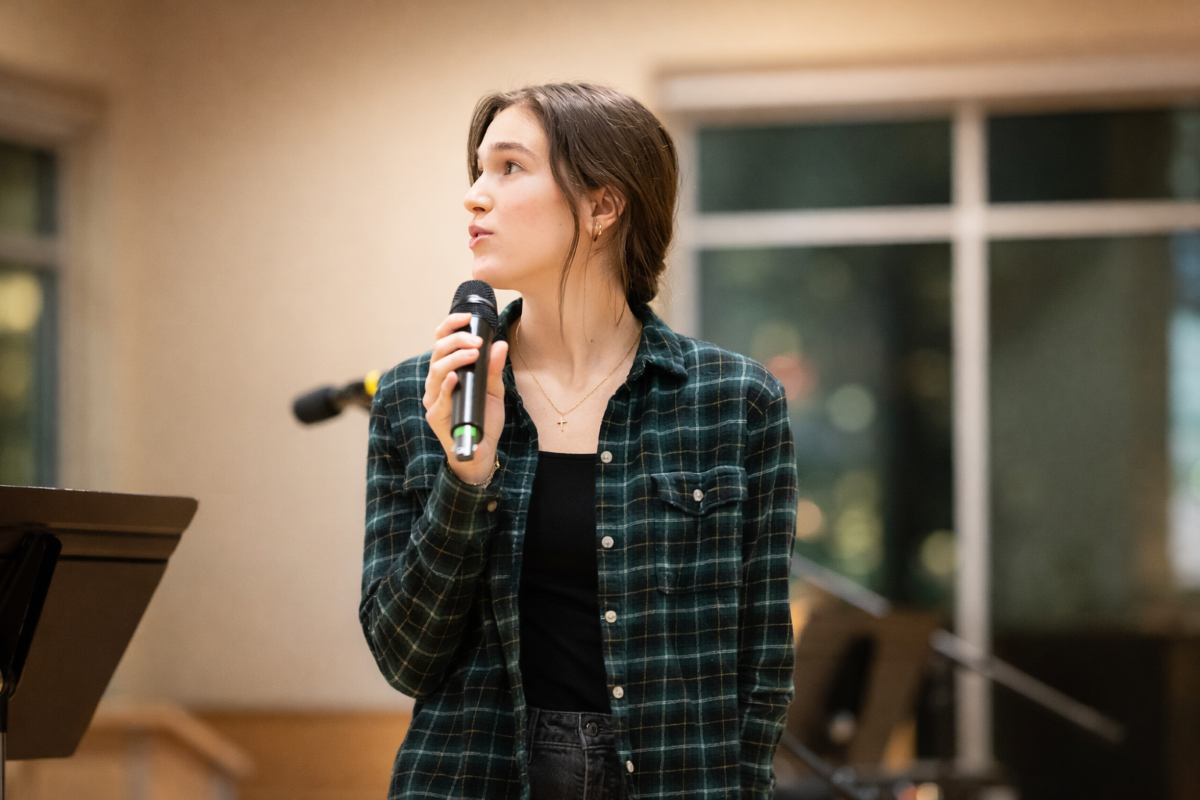
Each semester typically includes four Haven bands, made up of students who rotate between Chapel and Sunday evening services. Music plays a central role in shaping the experience, but it is only one part of the evening. The hour-long gathering also features a guest speaker who brings encouragement rooted in Scripture. Messages often speak directly to student life, faith and purpose, offering perspective and reassurance in the middle of a demanding academic week.

guy talking

Prayer is another important element of Haven. Most services include a time of reflection and prayer, with a designated team responding to pre-written prayer requests. This intentional practice creates a space where students feel supported and known, even when words are difficult to find.

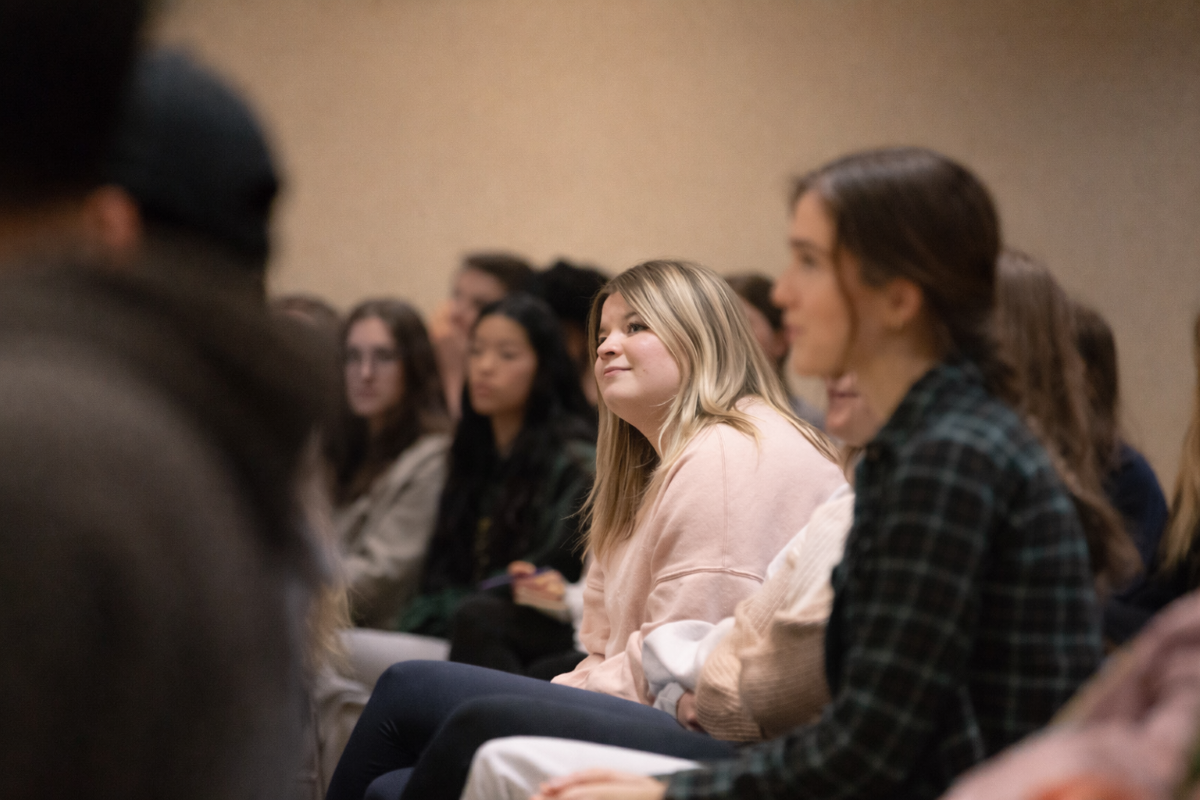
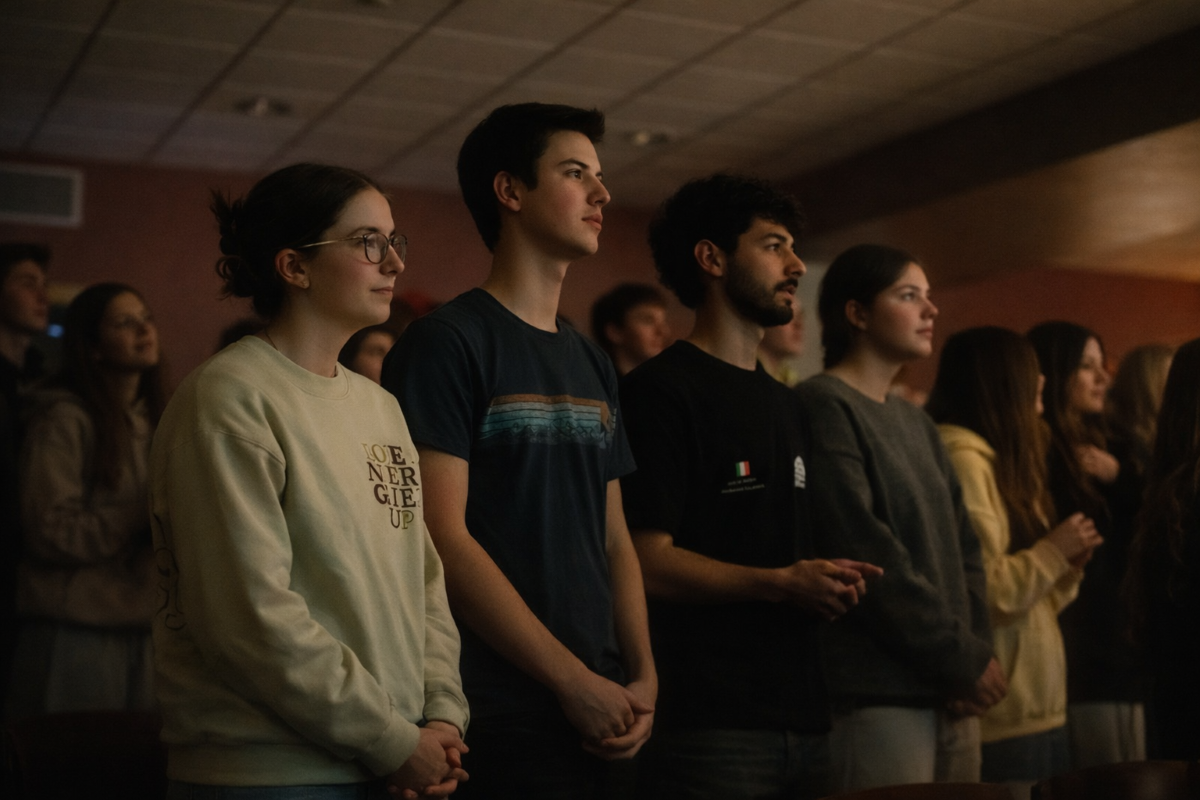
While the structure of Haven remains consistent, the experience is shaped each week by the students who attend, lead and serve. Some come seeking community. Others come needing rest. Many come simply because Haven feels like home.

Together, the images in this gallery reflect what words can only begin to describe — raised hands during worship, quiet moments of prayer, shared laughter and focused attention. They capture a ministry that continues to grow not because of spectacle, but because of authenticity.

Haven is not just a Sunday night event. It is a reflection of Concordia’s commitment to faith, community and student leadership. It is a place where students are reminded they are not alone.


Haven meets every Sunday at 7 p.m. in the Terrace Room. All students are welcome.

All photos by Kirsten Harrington


Want in?

Concordia University Wisconsin is a Lutheran higher education community committed to helping students develop in mind, body and spirit for service to Christ in the Church and the world.


Danika Burkett is named CUW Undergrad Student of the Month

CUW is pleased to honor one outstanding undergraduate student for January. Congratulations, Danika!


Undergraduate Student of the Month

The CUW Faculty have selected Danika Burkett as the Undergraduate Student of the Month for January. Danika is a senior pursuing a double major in Political Science and History, with a Philosophy minor.  She is always prepared for class, carefully reading the assigned texts, and she consistently makes constructive contributions to discussions. Her essays are clearly written and cogently argued. Danika has served as a senior editor for the Quaestus student-led journal on liberty, faith, and economics throughout this academic year, playing a key role in the successful publication of our fall volume. She is also very involved in Student Government Association (SGA). Danika has been the Rules Committee chair for two years, leading her committee in reviewing and updating the Bylaws and Constitution. She is an eloquent ambassador for Concordia’s Christian mission.

Danika was nominated by Drs. Angus Menuge and Jeff Walz


Concordia University Wisconsin has been awarding Student of the Month since 2016. Want to see our previous Student of the Month awardees? Take a look here!


Want in?

At Concordia University Wisconsin, we believe that education is at the junction of faith and learning. That means that we get to know you personally – your unique gifts and skills – so that we can help you develop fully in mind, body, and spirit to achieve your highest potential. To learn more or to apply, click the link below.

Building an uncommon education: Austin Kerbs charts an interdisciplinary path in Arts & Sciences

“The School of &” blog series highlights the distinctive identity of Concordia University Wisconsin’s School of Arts & Sciences, where interdisciplinary connections shape learning and purpose. Each month, the series features Concordia students and alumni who have paired majors, minors and certificates in thoughtful and creative ways, showing how this approach influences both their education and their sense of calling.

These stories reveal how students connect their studies, develop their gifts, and live out their callings in service to the Church and the world. Click here to read our next story about alumnus Yannik Gruner.


A career path that spoke

Economics. Policy. Ethics. Psychology. Community health. The environment. Senior Austin Kerbs took all of his interests and created a career path that spoke to him. With a major in Environmental Studies and minors in Spanish and Economics, Kerbs is preparing for a career in urban planning, grounded in ecological responsibility and human flourishing.

“People normally associate environmental work with conservation or being a park ranger, but I wasn’t sure that was my calling,” he said. “However, I stumbled upon a career path that spoke to all my primary interests. Urban planning combines all these disciplines to solve modern problems and shape environments to benefit people and the planet.

“When researching which undergraduate degrees would serve me best,” he continued, “I landed on Environmental Studies. Through this major, I would not only study the law and policy of the environment but also the ecology and biological functions that keep the world in balance.”


Connecting disciplines

Kerbs describes his academic path as a “winding mountain trail rather than a straight boulevard.”

But, at what point did economics enter the picture for him? What made him think, “This would complement my major well?”

“The study of economics has always been a focus of my academic interest,” Kerbs explained. “In fact, urban planning is the convergence of economics, government policy, psychology, and environmental science. Economics became the natural addition to my Environmental Studies major.”

Bretta Speck, assistant professor of Environmental Science, is one of Kerbs’ instructors and has seen firsthand how his coursework in Environmental Studies and Economics complements the way he approaches class discussions and projects.

“In my ecology course, we study how plants and animals interact with each other and their environment,” Speck said. “Many of the equations used to quantify resource allocation, competition modeling, and future population dynamics are the same equations that are used in economics for nature’s human counterparts.

“When we talk about how to manage our natural resources,” she added, “Austin looks at not just the scientific side of what is best for the environment, but also thinks about the policy and economic side of how to accomplish such goals.”


Beyond the classroom

During his time at Concordia, Kerbs had an opportunity to work with the Milwaukee Metropolitan Sewerage District during an internship. There, he served in their Stormwater Management Division as a Fresh Coast Guardian. “I supported green infrastructure projects (rain gardens, bioswales, rain barrels) to manage stormwater where it lands and promoted sustainable urban development across multiple municipalities,” he said. “One of my favorite projects was working on MMSD-owned properties, identifying and maintaining native plants and removing invasive species.”

This internship enabled him to see the interconnectedness of metropolitan and rural areas, Speck said. “MMSD’s work on restoration of native plants and landscapes directly improves the water quality for the entire Milwaukee River Watershed and thus Lake Michigan. It has inspired Austin to implement some of these practices here at CUW.  It’s this passion and drive that makes me know he has a promising future ahead of him.”


Creative balance

In addition to his studies, Kerbs finds time to participate in one or two of Concordia’s theatre shows each academic year. His repertoire includes “Beautiful the Musical,” “A Christmas Carol,” and “Singing in the Rain.” Last semester, he performed in “Madagascar” as Rico the Penguin. While he enjoyed performing in the production, he also saw a connection to his studies.

“‘Madagascar’ was a story about anthropomorphic animals that were sent to their native environments, despite being so far removed from these habitats that it felt foreign to them,” he explained. “The same can be true of people. Sometimes we feel foreign when returning to nature or moving to a new city. We like to set our roots in comfortable places, and change is difficult.”

He added: “Humans, like our creator, are designed to be creative beings. Very few creatures God has created have the capacity to innovate and create new things in the same way that people do. Finding a creative outlet is so important to find peace and focus in the fast-paced environment at university.”


What lies ahead

Kerbs, who hails from Appleton, Wis., plans to graduate this year. As he prepares for his next chapter, he trusts that God will provide the opportunities needed to maximize his talents, education and experience. And he doesn’t foresee an end to learning about the world, nature and economics.

“We are continually learning new things,” he said. “I want to apply the things that I learn to make the lives of people better and create a city that is a leading example for the world to follow… I do not expect to follow my plans exactly, as God has His own plan for my life. I will do my best to serve God and His people in any role that I am in.”


Want in?

Concordia University Wisconsin is a Lutheran higher education community committed to helping students develop in mind, body and spirit for service to Christ in the Church and the world.