Artificial Intelligence in Healthcare

Artificial Intelligence (AI), is a smart technology that copies human thinking by using computers, robots, and math formulas to analyze real-time information. It can mimic human decision-making and judgment by analyzing large amounts of data, recognizing patterns, and making predictions.

Businesses can use AI to automate processes, optimize operations, and improve customer experiences. Various industries use this technology, particularly in transportation, finance, advertising, production, and healthcare industries.

AI can perform a variety of tasks, both simple and complex. Tasks may include data entry, customer service, medical diagnosis, and autonomous driving. This is an example of predictive healthcare technology, which can improve decision-making by providing insights and recommendations based on data analysis. AI is becoming increasingly important in the modern world, and its applications are growing rapidly.

Using AI in Healthcare

The healthcare industry is experiencing a significant transformation due to the emergence of Artificial Intelligence. AI and machine learning are helping doctors find and treat chronic illnesses using electronic health records, making personalized healthcare possible. For starters, IBM’s smart computer found a rare leukemia type that doctors couldn’t find for months.

Additionally, predictive healthcare is gradually gaining traction. These advancements are revolutionizing the healthcare sector and have the potential to improve patient outcomes and reduce healthcare costs. Apart from diagnosis, the healthcare field uses AI in areas like billing, scheduling, research, surgery, and virtual nursing.

Sensely, a virtual healthcare app, serves as a prime example of artificial intelligence in the healthcare field. Individuals can utilize the application to monitor their health concerns and medications, while also engaging in conversations with healthcare professionals. The Sensely platform helps patients with their medical needs using advanced technologies like speech recognition, machine learning, and wireless connection. Medical devices such as blood pressure monitors can connect to the app for instant tracking.

Key features this healthcare app provides include: 

  • Appointment scheduling
  • Nurse line 
  • ER direction 
  • Self-care 
  • Clinical advice 

AI in Surgery

The integration of robotics and artificial intelligence (AI) software has made AI a prevalent instrument in the realm of surgery. This advanced technology helps with various procedures, like those for women’s health, digestion, and cancer treatment.
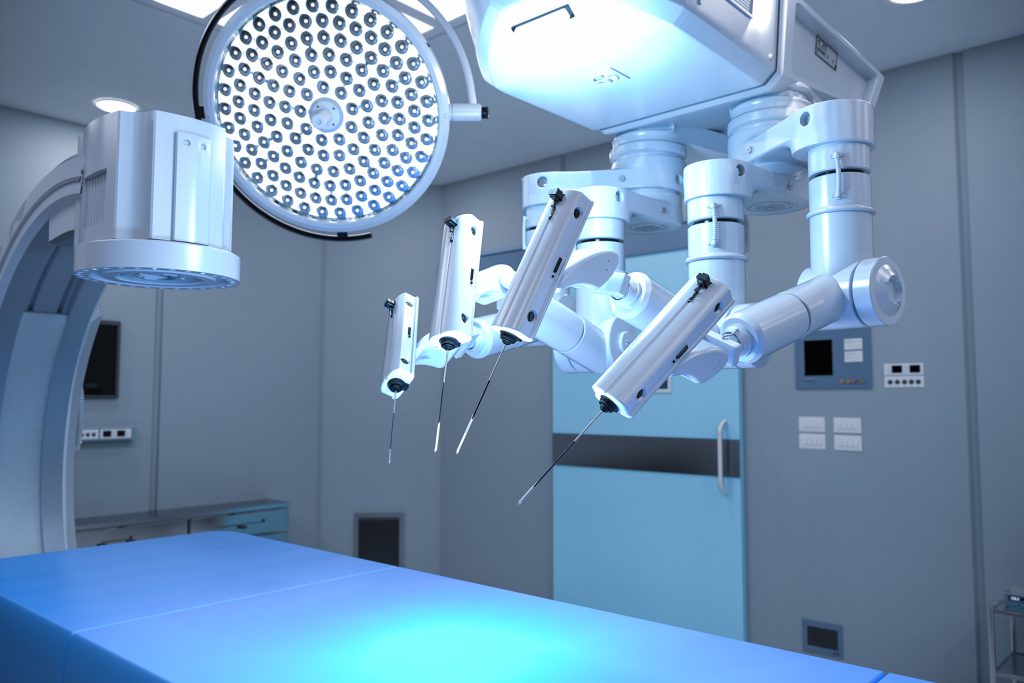
Da Vinci Surgical Robot

AI robots possess the capability to perform surgery from a distance. By utilizing a computer, a surgeon can control the robot without being physically present in the same room as the patient. Although not yet widely utilized, healthcare facilities are starting to embrace this technology. One notable example is the Da Vinci surgical robot system, which facilitates remote surgery with enhanced precision and reduced invasiveness.

Benefits and Concerns of AI

AI is increasingly being used in healthcare, including in hospitals, clinics, pharmaceutical companies, medical imaging, diagnostics, research, and healthcare management. With the growth of this new technology, it is crucial to consider its impact on patients and providers. We need to determine if it truly benefits them or if there are any pressing issues that require attention.

The advantages of expanding the use of AI in healthcare include, but are not limited to:

  • Increasing accessibility to healthcare
  • Providing real-time data to accelerate the timeframe and accuracy of the patient’s diagnosis
  • Aiding in the early detection of disease risks, such as hereditary genetic disorders
  • Streamlining daily tasks, allowing for more one-on-one patient care
  • Saving time and resources
  • Assisting in surgery
  • Expediating research data
  • Reducing provider stress

However, with any new technology, there are areas of concern and AI is no different. Potential disadvantages of AI include:

  • Requires human surveillance
  • Lacks personal involvement
  • Potentially overlooks the impact of social determents
  • Increases the possibility of incorrect diagnoses
  • Decreases healthcare jobs, negatively impacting the economy
  • Inserts social biases due to the programmer
  • Increases the risk of security breaches

Is AI Worth It?

AI is a valuable tool, not a replacement, for healthcare providers. The provider must utilize AI database information, training, and expertise to determine the correct diagnosis and treatment for their patient. This involves analyzing the data, applying their knowledge and skills, and making an informed decision.

Together, providers and AI technology are key to improving the quality and cost of patient care. With advancements in technology, it is crucial to enhance oversight. This is necessary to ensure that both providers and patients have access to the most accurate information. Overall, the provider’s goal is to ensure that the patient receives the most appropriate and effective care possible.
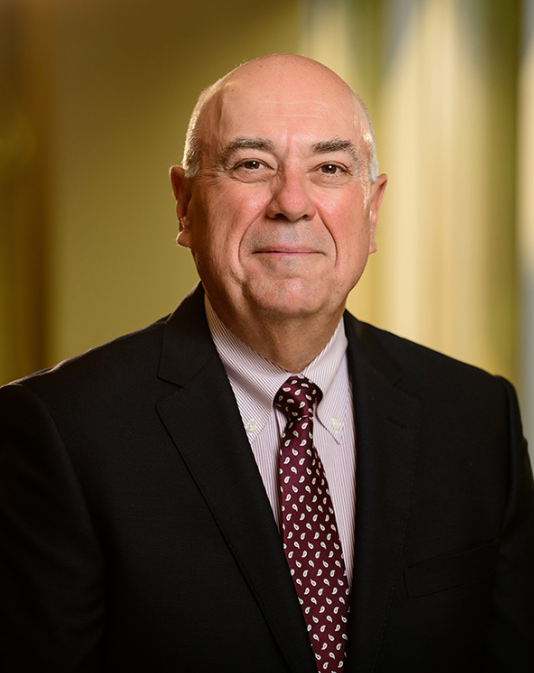
About the Author: James J. Tarasovitch, MBA, CPA is a Senior Healthcare Executive with over 30 years of healthcare experience. He has been the regional CFO for Ascension Wisconsin for the past 6 years and at the Mayo Clinic Health System for 10 years prior. James is also an adjunct professor at the Batterman School of Business at Concordia University.

How to be a Successful Student from Dr. Robert Barnhart


I have had the privilege of being a physical therapist for 44 years. Twenty-seven of those years have been as a faculty member in academic physical therapy programs. Prior to being a faculty member, I was a full-time clinician for 17 years in a wide variety of pediatric settings with various responsibilities in each of those settings. 

I have over the years developed perspective on how to be a successful student in the DPT program. If you would have asked me 15 years ago, I would have said “strong aptitude for the sciences, good grades in college, hard worker, and good communicator.”

However…

Today, I would instead ask “What do you mean by successful?” If you mean getting good grades and graduating from your DPT program, those characteristics will obviously help. However, if you view graduate/professional education as preparing you for success after graduation; my initial answer is not enough. Good grades are not enough to make a successful student in the Physical Therapy program.

So how can you be successful as a DPT student?

Very successful DPT students share the same traits as very successful people. For starters, successful people are active learners. Active learners question things around them, they push through their challenges, and they are humble enough to ask for help. As an active learner, your desire to learn is stronger than your desire to look good in front of others.

Being humble enough to ask questions translates to another trait of successful students: curiosity. Curiosity leads to seeking out knowledge from professors and peers. That level of knowledge-seeking will not only help you in your studies, but it will help you in your life. Curiosity also tends to lead to spending a lot of time listening to others, which gives you the opportunity to practice being a good listener. Good listeners know when it’s time to add opinions and when it’s time to listen to what others have to say. You learn from people who know more, rather than focusing on sharing your opinions all the time.

Another trait of successful students? They are willing to be risk takers. Risk taking means placing yourself in a learning/listening situation where you just might fail. You won’t learn anything if you aren’t engaging with situations where you don’t have all the answers. A willingness to fail means you try new things and learn from your mistakes. In order to be willing to fail, your identity needs to not be rooted in what you do or what people think of you. A successful CUW student, to me, has their identity rooted in the fact that they are made in the image of God (II Corinthians 5:17). Which regardless of whether you succeed or fail, that part of your identity never changes.


More questions about PT?

Check out some of our other blog posts about things like

The School of Health Professions (SHP) offers a wide variety of accredited programs at both the undergraduate and graduate level. Our programs are provided in a variety of teaching formats (face-to-face, online, blended) and curriculums emphasize service to the community and inter-professional collaboration. Students are able to work with community members very early in their educational experience. Explore your options! 


— Dr. Robert Barnhart is a Professor at Concordia University Wisconsin. He received his PT degree from Emory University (1979), his MS from the University of Tennessee Knoxville (1992), and his ScDPT from the University of Tennessee Health Science Center (2006). He has authored or co-authored 8 peer review articles on pediatric rehabilitation topics.

Your voice heard: 2021 CUWAA Alumni attitude survey results

You spoke, we listened.

Editor’s note: This story first appeared in the fall 2021 edition of Hearts Together, a publication of Concordia University Wisconsin and Ann Arbor.


Perhaps the most important news we learned in the latest edition of the Alumni Attitude Survey is affirming that we are making good progress in alumni engagement with the adjustments we have made since alumni provided feedback in the first survey administered in 2016. You spoke, we listened.

We are pleased that 90% of alumni surveyed in 2021 describe their decision to attend CUWAA as good or great! This year, 92% of alumni currently describe their overall opinion of CUWAA as good or excellent. This exceeds the national average and is an increased positive response from 85% in 2016.

Almost 3 out of 4 alumni (74%) describe their alumni experience as good or excellent in the 2021 survey, which is higher than the national average. This is also a significant improvement from the previous survey results when just under half of the alumni surveyed replied with good or excellent (47%).

According to the survey, CUWAA alumni identified two of the top four important things for alumni to do: 1.) Mentor students and provide job shadowing opportunities and 2.) Serve as ambassadors promoting CUWAA to others.

In response Concordia has strengthened its efforts with these initiatives:

  1. We will develop multiple avenues for alumni to mentor students.
  2. We will enhance our partnership with alumni as ambassadors for potential CUWAA students.
  3. We will continue to expand efforts to provide meaningful opportunities for alumni to connect and grow.

Want in?


Whether your memories of Concordia go back to the Milwaukee campus 50 years ago, to last year’s graduation or at a CUW Center, your Concordia experience can continue. As a graduate of Concordia University Wisconsin, you are automatically part of the Alumni Association with a community of more than 32,000 special and impressive alumni.


The fall 2021 issue hit mailboxes in early October. View a PDF version of the magazine here. 

Equine therapy might be the right fit for you

Concordia’s Director of Graduate Counseling shares about equine therapy.


When you hear the word therapy many different ideas, thoughts, and images may come to mind. For some, this word may bring up images of stuffy rooms and couches. Talk therapy may be the most common and accessible mode of therapy. However, it is not the only option if you are looking for ways to improve your mental health, well-being, and happiness.

Have you ever noticed how being around animals tends to make us happy? Calm? In the moment? Equine Assisted Therapy is a specific type of therapy that can help you do that while working on emotional and behavioral improvements.

What is Equine Assisted Therapy?

Equine Assisted Therapy is not therapy for horses. It is defined by Psychology Today as “activities with horses that are conducted while being supervised by a mental health professional and a horse trainer or other equine specialist.”

Horses have a tremendous ability to connect with humans and sense their feelings and emotions. Horses are extremely perceptive, sensitive, and tuned in to the environment around them. They are herd animals. This means they are naturally empathic as they always look out for those around them (others in their herd). This makes them great partners in the growth and healing journey as they create a relaxing environment to be in.

Horses can help clients experientially build trust, learn to navigate relationships, help increase self-confidence, decrease the sense of isolation and anxiety, and much more. Clinical documentation indicates changes in human brainwave patterns and heartbeat pace by simply being around horses.

You may be thinking: “No way, horses scare me!” That’s ok! A great part of this experience is learning to overcome those fears. And there is a dedicated equine specialist in the session that is there to keep both you and the horse safe.

From personal experience

I recently started volunteering at a local farm, Hopes Chariot, that offers Equine Assisted Therapy and Equine Assisted Learning. My lifelong love of horses led me to the farm for my own self-care and to get back to the calm that horses provide me. This quickly became an opportunity to join the therapy team at Hope’s Chariot.

We work with children, adolescents, and adults to provide experiential learning opportunities with horses. In fact, some clients come to the farm and have an initial fear of horses. Through observing, participating in horse care (brushing, walking, etc.), and working with horses, clients, in general, quickly find friendship and companionship in their new equine friends.

Hope’s Chariot, Inc. is a non-profit organization, and the mission is to provide “the opportunity to improve mental health and well-being for individuals with special needs. These experiences provide education and growth, empowering and building resiliency in all individuals participating therein.”

So if you are looking for a unique way to connect with yourself, others, and animals, as well as improve your mental health, be sure to check out local opportunities for Equine Assisted Therapy. After all, taking care of YOU is most important, and this is a unique and fun way to do that.


Want in?

Beyond Equine Assisted Therapy, Concordia offers a variety of services for students right here on campus, including peer support groups, a sensory room, a stress management lab, and more. Not sure where to start? Start by emailing the Student Wellness Intake/Triage Coordinator at StudentWellness@cuw.edu or visit the Counseling Center website to explore options.

If you’re interested in helping others through counseling, Concordia offers a master’s-level counseling program you should explore.


—This story is written by Leah Herr who serves as an assistant professor and director of Concordia’s graduate counseling program.

CUW-St. Louis Seminary course aims to help families, couples thrive

Developing couple and family strengths is important throughout the entire cycle of a family’s life. Beginning Aug. 24, a new online continuing education course will explore this topic and more.


“Helping Couples and Families Thrive Throughout the Lifespan,” is offered in partnership by Concordia University Wisconsin, Mequon (CUW) and Concordia Seminary, St. Louis (CSL)

The six-week online course takes place via Zoom from 4-5 p.m. (CT) Thursdays, Aug. 24, through Sept. 28.

The course will concentrate on the ongoing development of family life. It will also address challenges such as trauma, addiction, marital affairs and more. Special attention will be given to the counseling process. The course will help learners understand the reality of the presence of Jesus, which accompanies His followers, and the action of the Holy Spirit in their lives.

The course will be led by Dr. Bruce Hartung, professor emeritus at CSL and a retired clinical psychologist, and Debra Graf, presenter for Concordia University Wisconsin, a licensed professional counselor and director of children’s therapy at Kettle Moraine Counseling in West Bend, Wis.

“I am happy that we can continue to offer these partnership courses with St. Louis Seminary,” said Sarah Pecor, AVP of Continuing Education Studies at Concordia University. “Marriage and family counseling is a topic that people have been requesting and Bruce Hartung and Deb Graf will offer strong and unique content.”


Want in?

The fee for the course is $99, which includes one Continuing Education Unit (CEU). The deadline to register is Aug. 17. For more information, contact continuing.education@cuw.edu