Pioneering collaborative learning in rehabilitation sciences

At Concordia University Wisconsin, we are deeply committed to equipping our future healthcare professionals with the skills and knowledge they need to excel and innovate in their respective fields.


This commitment was recently brought to life in a dynamic and engaging lab session for our Occupational Therapy and Physical Therapy students, who joined forces for a unique interdisciplinary learning experience.

Imagine a space buzzing with collaborative energy as OT and PT students worked side-by-side, exploring the intricacies of assistive technology and mobility solutions. This wasn’t just another lecture but an immersive opportunity to bridge disciplines and gain a holistic understanding of client care.

Man with hand raised and man in wheelchair

A highlight of the session was the invaluable contribution of Vince Caeti from Quantum Rehab, who brought in a state-of-the-art power wheelchair. This remarkable piece of technology offered students a firsthand look at the diverse control options available to individuals with mobility impairments. From the traditional joystick to the more specialized head array and sip and puff controls, students gained critical insights into how these adaptations can significantly enhance a client’s independence and quality of life.

Beyond power mobility, students explored many options on manually operated wheelchairs. They explored various features like tilt and recline, understanding the clinical reasoning behind prescribing these options to address specific postural and functional needs.


woman standing in a kitchen next to woman in wheelchair

OT & PT: Collaboration is key

The collaborative spirit truly shone as the students leveraged their unique disciplinary expertise. Our OT students took the lead in demonstrating a wide array of adaptive equipment designed to promote independence in daily living activities. From specialized eating utensils to dressing aids, they illuminated how these tools can empower clients to participate more fully in their lives.

Meanwhile, our PT students shared their expertise in essential transfer and mobility techniques. They guided their OT peers through safe and effective methods to assist clients with varying levels of mobility, emphasizing biomechanics and patient safety.

The culmination of this interdisciplinary exchange was a practical, real-world simulation. Working in pairs, each comprised of an OT and a PT student, they were tasked with selecting appropriate wheelchairs and prioritizing specific features for hypothetical clients. This exercise mirrored the daily realities of clinical practice in hospital settings, where collaboration between OT and PT professionals is paramount in providing comprehensive and client-centered care.


Cutting-edge learning

This innovative lab session underscores CUW’s dedication to providing our students with cutting-edge learning experiences. By fostering interprofessional collaboration and exposing them to the latest advancements in assistive technology, we are empowering our future OTs and PTs to be resourceful, adaptable, and ultimately, more effective clinicians. Hands-on, collaborative learning is essential in shaping well-rounded professionals ready to make a meaningful difference in the lives of their clients

We are incredibly proud of our students and the faculty, Dr. Kate Bennett and Dr. Jessica Schmidt, who create these dynamic learning environments. Thanks for reading about the innovative ways Concordia University Wisconsin is preparing the next generation of healthcare leaders!

Thinking about going into the growing field of healthcare? Read “Eight top careers in healthcare.”


Want in?

Concordia University Wisconsin is a Lutheran higher education community committed to helping students develop in mind, body, and spirit for service to Christ in the Church and the world.

The School of Health Professions (SHP) offers a wide variety of accredited programs at both the undergraduate and graduate level. Our programs are provided in a variety of teaching formats (face-to-face, online, blended) and our curriculum emphasizes service to the community and inter-professional collaboration. Students are able to work with community members very early in their educational experience. Explore your options! 


woman smiling with blond hair and pink shirt

—Dr. Schmidt shares her love for neurorehabilitation with occupational therapy students in her role as Assistant Professor at Concordia University. Dr. Schmidt completed her post-professional OTD from Rocky Mountain University in 2023.
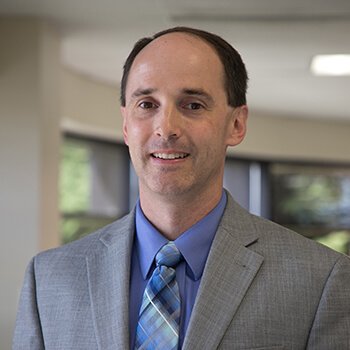
Called to LEAD: Empowering faith-filled leaders for transformational ministry

In partnership with the Office of Continuing Education Studies and the Batterman School of Business at Concordia University Wisconsin, and through the generous sponsorship of the Lutheran Church Extension Fund (LCEF), a powerful new opportunity is emerging for future church leaders.


We are excited to launch our very first cohort of Called to LEAD in just a few weeks! This inaugural group will be the first to experience this innovative leadership journey—setting the stage for a new wave of Christ-centered leaders equipped to serve, inspire, and grow vibrant faith communities.

Called to LEAD—Faith-Filled Leadership is an immersive, year-long program designed to equip emerging leaders in ministry with the tools, support, and inspiration they need to make a lasting impact in their communities. Thanks to LCEF’s generosity, participants receive scholarships to access this life-changing experience—removing financial barriers and opening the door to transformational growth.

A journey of purpose-driven leadership

Called to LEAD isn’t just a training program—it’s a transformative experience. Over the span of one year, participants are guided through a dynamic blend of foundational leadership courses, expert-led sessions, and real-world ministry project development. From the first workshop to the final project launch, this program is designed to nurture leaders who are rooted in faith and ready to ignite meaningful change in their communities.

Participants are supported by their own Cultivator—a dedicated mentor who walks with them throughout the program and beyond, offering insight, encouragement, and practical guidance.

L.E.A.D. with purpose

The program’s framework is built on four powerful pillars:

  • L – Lift Others Up
  • E – Empower with Faith
  • A – Act with Integrity
  • D – Demonstrate Compassion

These values are not only taught—they’re lived out in every aspect of the program, from peer collaboration to community engagement.

A closer look at the journey

Each phase of the program is carefully crafted to develop leadership from the inside out:

  • Kickoff Workshop: The journey begins with vision casting, relationship building, and an introduction to the “Leading and Growing” project that will be developed throughout the year.
  • Emotional Intelligence: Leaders grow in self-awareness and relational skills, laying the foundation for authentic, emotionally attuned leadership.
  • Adaptive Leadership: Participants explore how to respond to complex church challenges with creativity and critical thinking.
  • Equity Leadership: Inclusive leadership is at the forefront as participants learn how to build ministries where everyone feels seen, heard, and valued.
  • Innovative Leadership: Using design thinking, leaders explore fresh solutions for ministry impact and church growth.
  • Transformational Leadership & Change: Participants learn how to turn vision into action—leading change in a way that sticks.
  • Faith-Based Leadership: A culmination of all they’ve learned, this course calls leaders to articulate and inspire with a Christ-centered vision.
  • Final Project Presentation & Evaluation: Leaders present their fully developed Leading and Growing Project, showcasing their growth and their plans to transform their faith communities.
  • Project Implementation: With seed funding and continued mentorship, selected projects move forward into real-world execution—bringing faith-based visions to life with sustainability in mind.

Planting seeds for the future

One of the most exciting elements of Called to LEAD is the opportunity to receive seed money to launch the final leadership project. Participants not only dream but do—putting their plans into action to lift, empower, act, and demonstrate the love of Christ in tangible ways.

With an additional six months of mentorship and a three-year strategic plan in hand, leaders leave the program ready to grow something that lasts.

We hope to launch our next cohort in 2026. Want to learn more about this program and other offerings? Sign up for our e-newsletter here: Continuing Education E-Newsletter


LCEF: Fueling faith-filled futures

This incredible journey is made possible through the generous support of LCEF, whose heart for the church and commitment to developing strong, faith-filled leaders makes this kind of transformation possible.

Thanks to their investment, participants receive scholarships to help cover the cost of the program—ensuring that those who are called can answer that call boldly, regardless of financial barriers. #CalledToLEAD #FaithFilledLeadership #LCEF #LeadWithPurpose


Want in?

Concordia University Wisconsin is a Lutheran higher education community committed to helping students develop in mind, body, and spirit for service to Christ in the Church and the world.


Concordia University Wisconsin Celebrates Psychology Week

In celebration of National Psychology Week, Concordia University Wisconsin’s Psychology Department proudly recognizes the contributions of our students, faculty, and the vital role of psychology in today’s world.


By Sthephany Escandell, Assistant Professor of Psychology at CUW

Psychology empowers individuals, strengthens communities, and enriches society.

Just in time for celebration, CUW will host its annual Research Symposium on Thursday, April 24, from 12:00–1:00 P.M. in the Pharmacy Atrium. More than 80 undergraduate and graduate students from across disciplines will present original research projects—highlighting the spirit of curiosity and excellence at Concordia.

Twelve senior psychology students will showcase their independent research projects, reflecting months of hard work under faculty mentorship. From obtaining IRB approval to collecting and analyzing data, these students have thoughtfully explored real-world issues. Topics include the effectiveness of comfort dogs in reducing college stress, the role of academic motivation in students’ mental health, differences in mental well-being among domestic and international students, eye-tracking studies on facial recognition, and many more! Their research offers evidence-based insights into human behavior and contributes to the well-being of others.

At CUW, all psychology majors conduct original research as part of their degree, making the department one of the largest contributors to undergraduate research on campus. This hands-on experience prepares students for graduate study and meaningful careers rooted in leadership and service. Our department is committed to cultivating multicultural awareness, fostering intellectual growth, and deepening understanding of God’s presence as reflected in human diversity. We’re proud that many of our graduating seniors have already been accepted into graduate programs or have secured full-time employment.

Psychology Week is a time to celebrate the impact of psychological science and the students who bring it to life. We invite faculty, staff, students, and families to join us in recognizing their accomplishments and honoring the mission we share: developing students in mind, body, and spirit for service to Christ in the Church and the world.

Happy Psychology Week from CUW’s Psychology Department!


Want in?

Concordia University Wisconsin is a Lutheran higher education community committed to helping students develop in mind, body, and spirit for service to Christ in the Church and the world. To learn more about the Psychology Department at CUW, click the link below.


Career outlook for accountants

Are you good with numbers? Do you want long-term career stability? Accounting might be the right fit for you.  


The U.S. Bureau of Labor Statistics projects that jobs for accountants and auditors will grow by 6 percent from 2023 to 2033, faster than the average for all occupations. The 2023 median pay for accountants and auditors was $79,880 per year. Earning the CPA credential will net an even higher salary, as much as 10-15% according to the AICPA.

Robert Half reported that there is a critical shortage of accountants. The reason for this are varied, but include 1) fewer students are entering the field, 2) many accountants are choosing to retire, and 3) there is a decline in interest in obtaining the CPA credential.

In the role of CPA, you will be granted more authority and greater responsibility, both leading to more career stability. You can choose a specialization such as:

  • Audit
  • Financial Forensics
  • Information Technology
  • Business Valuation
  • Personal Financial Planning
  • Tax
  • Managerial
  • ESG & Sustainability
  • Entrepreneurship
  • Crypto

There are a variety of sectors where accountants are in demand, to include:

  • Public
  • Corporate 
  • Nonprofit 
  • Education 
  • Government 
  • Consulting
  • Self-Employed
  • Specializations

Want in?

CUW’s 12-month master’s in accountancy program will prepare you to become CPA exam-ready with exam preparation materials integrated into our curriculum.  Through courses in accounting analytics, advanced taxation, auditing, fraud management, and ethical leadership, combined with a concentration of your choice in Business Analysis and Reporting, Information Systems and Controls, or Tax Compliance and Planning, you’ll be positioned to secure a position or advance in your current organization with the skills to make a positive impact.


A New Year, A New Path: Exploring School Administration at CUW


Many educators reflect on their career journeys as the calendar turns to a new year. For some, that reflection leads to a realization: it’s time to step into a leadership role. If you’ve ever thought about becoming a school leader, now is the perfect time to consider the possibilities and prepare for the next chapter of your career.

Educational leadership positions are critical in shaping the future of students, teachers, schools, and entire communities. Whether you’re interested in becoming a Principal, Director of Instruction, Director of Special Education, School Business Administrator, or even a District Administrator (Superintendent), Concordia University Wisconsin’s Educational Administration program can help you realize that vision.

Why Transition to School Administration?

The move from teaching to administration is more than a career shift—it’s an opportunity to broaden your impact. School administrators are the visionaries who set the tone for their schools and districts. They lead curriculum initiatives, guide professional development, manage budgets, and foster a positive school culture. Most importantly, they create environments where students and teachers thrive.

If you’re driven to make a more significant difference, administration is a rewarding path that allows you to lead with purpose and bring transformative change to your school community.

How CUW Prepares Future School Leaders

At Concordia University Wisconsin, we understand the unique challenges and opportunities that come with educational leadership. That’s why we’ve designed our programs to meet the diverse needs of aspiring administrators, offering a comprehensive education that blends theoretical knowledge with real-world application.

Here’s what we offer:

  1. Master’s Program in Educational Administration
    Ideal for teachers taking their first step into leadership, this program provides the foundational skills needed to thrive as an administrator.
  2. Licensure Programs
    Our licensure programs prepare you to take on specialized roles, such as:
    • Principal
    • Director of Instruction
    • Director of Special Education and Pupil Services
    • School Business Administrator
  3. Specialty Degree for District Administrators
    If your goal is to lead at the district level as a Superintendent, our advanced program equips you with the strategic, financial, and leadership skills necessary for success.

Why Now Is the Time to Act

The new year marks the start of the hiring season for school leadership positions. Districts are posting openings for the upcoming school year, and this is your chance to align your career goals with new opportunities. Preparing now by earning your degree or licensure ensures you’ll be ready to seize these roles as they become available.

How to Get Started

If you’re considering a career in school administration, Concordia University Wisconsin is here to support you. Our flexible programs are designed for working professionals, allowing you to balance your education with your current responsibilities.

Explore our Educational Administration program today. Let us help you turn your leadership potential into real-world impact.

A new year means new beginnings—make 2025 the year you take your career to the next level. The future of education needs leaders like you.


Ready to Lead?

Learn more about CUW’s Educational Administration programs and start your journey today.


Reformation Hymnals 500 Years Later


What was Martin Luther doing five hundred years ago? Most people could answer that question in 2017, as the 500th anniversary of Luther’s 95 Theses was commemorated. Many could give an answer in 2021, marking the 500th anniversary of Luther refusing to recant his writings at the Diet of Worms. But what was Luther doing in 1524?

Lots of things. Most significantly for the church, Luther was in the midst of worship reforms that year. He revised the order of service in light of the Lutheran theology of the sacrament the year before. These reforms brought the liturgy and practice of the service into alignment with a Lutheran understanding of the sacrament of the altar. He worked to move services to the vernacular language (German, in his case) instead of Latin. A third key component of this reform—and the focus of this blog post—was Luther’s work to restore congregational singing in the worship service.

One milestone of Luther’s work to build congregational song was the publication of the first Lutheran hymnals in 1524. The first Lutheran hymnal appeared that year in Nuremberg, entitled Some Christian Hymns, Songs of Praise, and Psalms according to the Pure Word of God from the Holy Scriptures. The book is usually called the Achtliederbuch, since it contained eight hymns, half of them written by Luther. Later that year another hymnal was published in Wittenberg, entitled Geistliches Gesangbüchlein (Spiritual Hymn Booklet). This book consisted mostly of hymns by Luther, alongside other authors such as Paul Speratus, Lazarus Spengler, and Elizabeth Cruciger. The book was designed for school choirs to use in teaching singers. This would, Luther writes in the “Preface,” teach students something of lasting value and “wean them away from love ballads and carnal songs.”[1]

The Spiritual Hymn Booklet builds on the church’s rich musical tradition. Many of Luther’s hymns are translations or adaptations or Latin hymns, such as “Christ Jesus Lay in Death’s Strong Bands” and “Come Holy Ghost, God and Lord.” Other hymns are based on Psalms. The book is oriented around the festivals of the church year, and the Christocentric focus of both Luther’s hymns and the church year are reflected in the content of the hymns.

This Gospel-forward approach to hymnody is central to Luther’s thought on music and hymns. Luther sees music as an instrument to implant God’s Word and Christian teaching in the heart and mind. Music is a way to proclaim the grace of God evident in the gospel of Christ Jesus. God has gifted mankind with the art of music, and Christian hymnody uses this art in service of God.[2]

On this Reformation, it’s worth considering one of Luther’s hymns from the Spiritual Hymn Booklet. “Dear Christians, One and All, Rejoice” is an example of Luther’s Christocentric hymnody.[3] The hymn lays out the scriptural doctrine of justification. Stanza 1 calls Christians to rejoice in God’s victory that has ransomed us from sin. Stanzas 2-3 voice the anguish and despair of a human being in bondage to sin and hell. While our works cannot save us, God saw us and planned our salvation (st. 4). The Father sent the Son to “bring to all salvation” (st. 5), and the Son obeyed by wearing our “servant’s form…[t]o lead the devil captive” (st. 6).

In the last four verses Christ speaks directly to the one singing or hearing the hymn. Stanza 7 begins Christ’s words:

To me He said: “Stay close to Me,

I am your rock and castle.

Your ransom I Myself will be;

For you I strive and wrestle.

For I am yours and you are Mine,

And where I am you may remain;

The Foe shall not divide us.”

Following these comforting words, Christ continues to testify of his death that brings us eternal blessing (st. 8), his ascension to the Father and sending the Holy Spirit to comfort, teach, and guide us (st. 9). The final stanza is an address to turn to Christ’s word and work to guide our life and teaching. In this way the heavenly treasure Christ has given to us is preserved and protected.

For good reason many Lutheran churches sing “Dear Christians, One and All, Rejoice” on Reformation. The hymn proclaims the central truths of God’s Word—sin, grace, redemption in Christ, the comfort of the Spirit—while using music to carry this word into the heart and mind. The hymn is both a confession of the triune God in whom we trust and a proclamation of his saving work that brings glory to him.  

This Reformation we thank the Lord anew that he has preserved his word and his church. And in particular, this year is a fitting time to thank the Lord for the gift of music which he has placed alongside his word to bring the gospel to us through the beauty and power of song.


[1] Luther’s Works, vol. 53:316.

[2] Luther’s Works, vol. 53:316.

[3] Lutheran Service Book 556; all quotations from this translation.


Want in?

Concordia University Wisconsin is a Lutheran higher education community committed to helping students develop in mind, body, and spirit for service to Christ in the Church and the world. To learn more about Christian life at CUW, click the link below.


—This is written by Rev. Dr. Aaron Moldenhauer, who serves as the Vice President for Mission and Church Relations at Concordia University Wisconsin and Ann Arbor.

Recruiting future superintendents: A path to leadership with doctoral opportunities

Let Concordia help you take the next step toward becoming a superintendent.


In the ever-evolving landscape of education, strong leadership is more essential than ever. School districts require visionary superintendents who can navigate the challenges of modern education, from policy changes to community engagement, while fostering environments where students and staff can thrive.

If you are an educator aspiring to make a significant impact, the role of a superintendent may be your next step. But how do you get there? At Concordia University Wisconsin, we not only offer robust preparation for future superintendents but also provide an integrated path to further your academic credentials with a doctoral degree.

The Growing Demand for Visionary Leaders

The role of a superintendent is more than just overseeing the day-to-day operations of a school district. Today’s superintendents are expected to be instructional leaders, advocates for equity, and, champions of innovation. As the education landscape continues to change, with technological advancements and shifting demographic needs, districts are looking for leaders who can rise to the occasion.

This is where our program at Concordia University Wisconsin shines. With a focus on leadership, policy, and community relations, our District Administrator program prepares future superintendents to tackle these challenges head on. But we don’t stop there. We recognize that many educators see the value in continuing their education beyond a master’s degree, and that’s why we also offer an opportunity to pursue a Doctor of Education (EdD) or Doctor of Philosophy (PhD) as part of your leadership journey.

Why Combine a Superintendent license with a Doctoral Degree?

  1. Enhanced Leadership Skills: Superintendents with a doctoral degree bring an additional level of expertise to their roles. The advanced research skills gained through a doctoral program allow them to make data-informed decisions and implement innovative, evidence-based solutions to complex educational problems.
  2. Career Flexibility: Earning a doctoral degree opens doors not only to district leadership roles but also to higher education administration, policy development, and consulting opportunities. This versatility can be appealing to those seeking long-term growth in the education sector.
  3. Elevated Professional Standing: A superintendent with a doctorate can serve as a thought leader in education. It’s a mark of distinction that sets you apart from your peers, demonstrating your commitment to both your personal development and the success of the communities you serve.
  4. Tackling Modern Challenges: Issues such as school safety, mental health, and educational equity are at the forefront of district leadership. A doctoral program equips future superintendents with the ability to conduct deep, research-driven analyses to create long-term, systemic changes that address these critical issues.

How Concordia Supports Your Path

At Concordia University Wisconsin, we believe in supporting educators on their path to leadership. Our district administrator program is designed to prepare you with the practical skills and knowledge needed to lead school districts effectively. Through our comprehensive coursework and field experiences, you will be equipped to manage the complex responsibilities that come with the role of a superintendent.

In addition, the Leadership in Continuous Improvement (LICI) doctoral program offers a seamless pathway for those interested in expanding their academic credentials. Our programs are flexible, allowing students to pursue both their district administrator licensure program and doctoral studies in a manner that fits their busy schedules.

Conclusion: Your Future Starts Here

Becoming a superintendent is a significant achievement, but it’s also just the beginning of a lifelong journey in educational leadership. By pursuing both your superintendent license and a doctoral degree, you will be well-prepared to tackle the dynamic challenges of modern education while positioning yourself for future opportunities in the field. At Concordia University Wisconsin, we are committed to helping you achieve your career goals and make a lasting impact on the students, staff, and communities you will serve. If you are ready to take the next step in your educational leadership journey, we invite you to explore our programs and discover how we can help you reach your full potential.


Want in?

Interested in learning more? Contact us today to discuss how you can begin your path toward becoming a superintendent and earning your doctorate at CUW.


Unlocking career advancement: Why a graduate degree in educational administration is key to leadership roles

Are you ready to take the next step in your educational career? If you’re an experienced teacher or educator looking to move into a leadership role, a graduate degree in Educational Administration can be your pathway to success.


In today’s competitive education landscape, advanced degrees are more important than ever for professionals aiming to secure top leadership positions in schools and districts.

Here’s why pursuing a master’s degree in Educational Administration is the key to unlocking career advancement opportunities in education.

1. A Fast-Track to Leadership Roles

Earning a graduate degree in Educational Administration positions you for leadership roles like principal, director of instruction, director of special education and pupil service, and other district-level administrator positions. These positions often require not just years of experience, but also specialized training in leadership, management, and educational law — all of which are core components of a strong graduate program.

Many school districts and state education boards require advanced degrees for leadership roles, and having one gives you a competitive edge in job markets where such qualifications are non-negotiable. With a master’s or doctorate, you’ll be prepared to handle the complexities of managing schools and leading educational reforms.

2. Building Key Leadership Skills

An advanced degree program in Educational Administration isn’t just about checking a box on your resume. It’s an opportunity to develop the practical skills and knowledge needed to lead effectively. Graduate courses cover essential areas like school finance, curriculum design, community relations, and organizational leadership. You’ll also gain critical soft skills, such as conflict resolution, decision-making, and team-building, all of which are crucial for any leader in education.

Most programs also offer internships or practicum experiences, allowing you to apply what you’ve learned in a real-world school setting. This hands-on training can make a significant difference when you step into your first leadership role.

3. Meeting the Demand for Leadership in Education

The educational sector is experiencing an increasing demand for skilled leaders. With many current administrators approaching retirement age, there are growing opportunities for those who are ready to step into leadership positions. A graduate degree in Educational Administration will place you at the front of the line when these positions open up, making it easier for you to move into a principalship, district coordinator role, or even a superintendent position.

In addition, schools today are facing new challenges that require innovative leadership, from managing technology integration to addressing student mental health and safety. With the right training, you can become the leader who helps schools navigate these critical issues.

4. Aligning with Leadership Certifications

Most states require educational leaders to obtain certifications or licensure in addition to their degree. A high-quality Educational Administration program will align its curriculum with these certification requirements, ensuring that upon graduation, you’re fully qualified to apply for state licensure and step directly into leadership roles.

5. Lifelong Career Impact

While earning a graduate degree requires a significant investment of time and effort, the long-term career benefits are clear. Educational leaders with advanced degrees not only qualify for more prestigious roles but also tend to earn higher salaries. A degree in Educational Administration can boost your earning potential while opening doors to long-term career growth.


Want in?

At Concordia University-Wisconsin, our Educational Administration graduate and licensure programs are designed to prepare future leaders in education with the skills, knowledge, and confidence they need to make a lasting impact in schools. Whether you’re aiming to become a principal, director of instruction, director of special education and pupil service, or other district-level administrator positions, our flexible, career-focused programs will help you achieve your goals.

Ready to unlock your leadership potential? Learn more about our programs and how they can help you advance in your educational career.


In celebration of National Principal Month

For National Principal Month, the Director of Concordia’s Educational Administration program extends her appreciation to area principals.


As the Director of the Educational Administration program at Concordia University Wisconsin, it is with great pride and respect that I acknowledge October as National Principal Month. This month provides us a special opportunity to recognize and celebrate the outstanding work of principals who lead our schools with unwavering dedication and purpose.

Principals are not only the backbone of our schools, but they are also exemplars of servant leadership. They place the needs of students, teachers, and the community above their own, always striving to create nurturing environments where everyone can thrive. Their leadership is focused on service, not power, and this selflessness is evident in the everyday decisions they make to uplift and empower those around them.

One of the most critical roles principals play is in their instructional leadership. They are experts in curriculum and pedagogy, constantly working to enhance teaching and learning within their schools. Principals ensure that teachers have the support, resources, and training they need to provide high-quality instruction, and they guide the academic vision to foster student achievement. Their instructional expertise is pivotal in setting high standards and promoting a culture of continuous improvement.

In addition to their role as educational leaders, principals serve as vital connectors between schools, parents, and the larger community. Building relationships with families and community members is central to a principal’s work. Whether engaging parents in school activities, addressing community concerns, or building partnerships to support students, principals strengthen the bonds that make schools the heart of their communities. Their efforts to engage and collaborate with all stakeholders ensure that every child receives the holistic support they need to succeed.

Perhaps most significantly, National Principal Month allows us to reflect on the long hours, tireless effort, and immense dedication that principals bring to their roles. Their days extend well beyond the classroom bell, as they work late into the evening attending events, supporting staff, and planning for future school success. They are often the first to arrive and the last to leave, all while navigating challenges that arise in a fast-paced and ever-changing educational landscape.

This month, and every month, we at Concordia University Wisconsin extend our deepest appreciation to all principals. Your commitment to student success, your leadership in fostering vibrant school cultures, and your tireless work to build strong communities does not go unnoticed. You embody the values of servant leadership, excellence in education, and compassion for the students and families you serve.

As we celebrate National Principal Month, we honor your vital contributions and thank you for your remarkable efforts. It is because of your dedication that our schools and communities continue to flourish.

With deepest gratitude,

Dr. Christine Scudella
Director of Educational Administration
Concordia University Wisconsin


Want in?

Concordia University Wisconsin is a Lutheran higher education community committed to helping students develop in mind, body, and spirit for service to Christ in the Church and the world.


Transformative professional development: the Gateway to Academics program

Supported by generous scholarships from the Lutheran Church Extension Fund (LCEF), the program allows participants to earn continuing education credits that can be applied toward an MBA at Concordia University Wisconsin (CUW).


By Sarah Pecor, Director of Continuing Educational Studies

In August 2023, a transformative journey began for 25 dedicated LCMS pastors and church workers with the launch of the Business Skills for Faith-Based Organizations—Gateway to Academics program. This initiative, a collaboration between Continuing Education Studies (CES) and the Batterman School of Business (BSB), is not just about skill enhancement; it represents a significant step towards academic advancement.

Expanding Horizons: Growing Participation

Since it began 14 months ago, the Gateway to Academics program has garnered significant attention and support, resulting in two additional cohorts, bringing the total number of participants to 60. The program’s success has prompted plans for yet another cohort starting in January, demonstrating a sustained commitment by CUW and LCEF to professional development among church leaders.

CUW and LCEF:  Celebrating the Partnership

At the heart of this initiative lies a vital partnership between LCEF and Concordia University Wisconsin. This collaboration reflects a shared vision for supplementing the theological formation of pastors that equips them to provide spiritual care by providing them essential organizational and business skills to build and manage effective institutions in today’s world.

The support from LCEF plays a crucial role in this mission. By providing scholarships, LCEF helps eliminate financial barriers that often deter pastors from pursuing further education. This enables them to focus on their growth without the burden of tuition costs, ultimately enriching their ministries and the communities they serve.

Voices from the Field: Participant Testimonials

The true impact of the Gateway to Academics program can be best understood through the voices of those who have experienced it firsthand. Here are a few reflections from participants:

  • A Seasoned Perspective: “The Business Skills for Faith-Based Organizations course was a valuable experience, offering new insights even after 35 years in ministry. It’s particularly beneficial for pastors early in their careers, with highlights in social media and employee engagement that truly exceeded my expectations.”
  • Goal Setting for Impact: Another pastor shared, “This program helped me set goals for our church that we can actually accomplish by employing new tools that support and serve the proclamation of the Gospel.”
  • Gratitude and Growth: One participant expressed heartfelt appreciation, stating, “It was a great program, and I’m very thankful to LCEF for this opportunity!”

Looking Ahead: A Bright Future

The Gateway to Academics program has proven to be a significant stepping stone for many LCMS pastors, providing essential skills and a pathway to further education. While the journey has included challenges, the positive feedback and successful outcomes highlight the program’s value.

As we look forward to future cohorts, the lessons learned will guide us in enhancing the experience for all participants, ensuring that this professional development initiative remains a transformative blessing in their ministry journeys.

By equipping pastors with practical skills and academic opportunities, we are nurturing leaders who are well-prepared to navigate the complexities of modern ministry. The collaboration between Lutheran Church Extension Fund (LCEF) and Concordia University is a shining example of how educational initiatives can support the mission of the Church, and we are grateful for the generous support that makes this transformative journey possible.


Sarah Pecor is the Director of Continuing Educational Studies at Concordia University Wisconsin.


Want in?

Concordia University Wisconsin is a Lutheran higher education community committed to helping students develop in mind, body, and spirit for service to Christ in the Church and the world. To learn more about continuing education opportunities at CUW, click the link below.