Looking ahead: NSSC Space Summit explores the future of space

What does the future of space look like — and how should we prepare for it?


On Thursday, March 26, 2026, Concordia University Wisconsin will host the National Security and Space Center (NSSC) Space Summit, an evening dedicated to exploring the evolving space domain through the lens of strategy, innovation, and vocation. Held in the Terrace Room (AL114) from 4:30–8 p.m., this free event invites students, faculty, and community members to engage in meaningful conversation about one of the most important frontiers of our time.


Anticipating the future of space

This year’s summit centers on “Strategic Foresight for Space” — a forward-looking approach to understanding the challenges and opportunities shaping space exploration and development. From human settlement and commerce to diplomacy, governance, and technological advancement, the conversation will span disciplines and perspectives.

“As we look ahead, the space domain is no longer a distant concept—it is a present reality shaping economics, security, and human flourishing,” said Dr. Lamont Colucci, professor of Political Science and director of the NSSC. “Strategic foresight helps us think wisely and act responsibly in a domain that will define the next century.”

The evening will feature a lineup of distinguished speakers:

4:30 p.m. – Chris Schaeffer & Tyler Murray: Need for American Focused Space Primacy

5:20 p.m. – Joel Mozer: Long-term Strategic Planning for an Evolving Space Domain

6:10 p.m. – Rick Tumlinson: Flags & Footprints vs. Factories and Families. It’s Not Who Gets There First.

7 p.m. – Brent Ziarnick: Spacepower Development and the Virtuous Cycle

Together, these presentations will challenge attendees to think critically about the role of space in shaping our shared future.


A unique Concordia initiative

The NSSC reflects Concordia’s commitment to preparing students for lives of purpose and service. As a Lutheran higher education community, Concordia is dedicated to developing students in mind, body, and spirit for service to Christ in the Church and the world.

“At Concordia, we believe education is not only about knowledge, but about formation,” said Rachel Ware Carlton, professor of Music and dean of the School of Arts and Sciences. “Events like the Space Summit invite students to consider how their vocations intersect with some of the most pressing and complex challenges facing our world.”

Through the NSSC, that mission extends into the critical and rapidly growing fields of national security and space. The center creates opportunities for interdisciplinary dialogue — bringing together insights from political science, engineering, theology, economics, and beyond — to better understand how space exploration intersects with human flourishing and global responsibility.


Leadership grounded in experience

The center is led by Colucci, former inaugural director of Doctrine Development for the United States Space Force. A U.S. diplomat and Fulbright Scholar, he brings both academic depth and real-world experience to the NSSC’s work — an approach shaped by a clear understanding of long-term consequence. As he reflects, “Failure of foresight is rarely visible in the moment, but it is always obvious in defeat.”

He is joined by a diverse advisory board of faculty and community leaders representing disciplines ranging from physics and medicine to theology and history, ensuring that conversations around space are both rigorous and holistic.


Preparing for what’s next

As humanity stands on the threshold of a new era in space, the NSSC Space Summit serves as a reminder that these conversations are not just technical or political — they are deeply human. Questions of ethics, leadership, innovation, and service all play a role in how we move forward.

“The future of space will be shaped by the people who are willing to think deeply, collaborate broadly, and act with purpose,” Colucci said. “That’s exactly the kind of formation we strive for at Concordia.”

Students at CUW are invited into these conversations not only to learn, but to lead — to consider how their gifts and vocations might contribute to shaping the future of space for the good of their neighbors and the world.

All are welcome to attend this engaging and thought-provoking evening.


Want in?

Concordia University Wisconsin is a Lutheran higher education community committed to helping students develop in mind, body and spirit for service to Christ in the Church and the world.


Meet the social workers of tomorrow

Social Work Month highlights three Concordia University Wisconsin students preparing to serve individuals and communities through advocacy, compassion and hands-on field experience.


March is Social Work Month, a time to recognize a profession grounded in compassion, advocacy and service to others. The National Association of Social Workers has named this year’s theme “Uplift. Defend. Transform.” — three words that reflect the daily work of social workers across the country.

At CUW, those ideas are not simply words on a poster. They are lived out through the students preparing to enter the field.

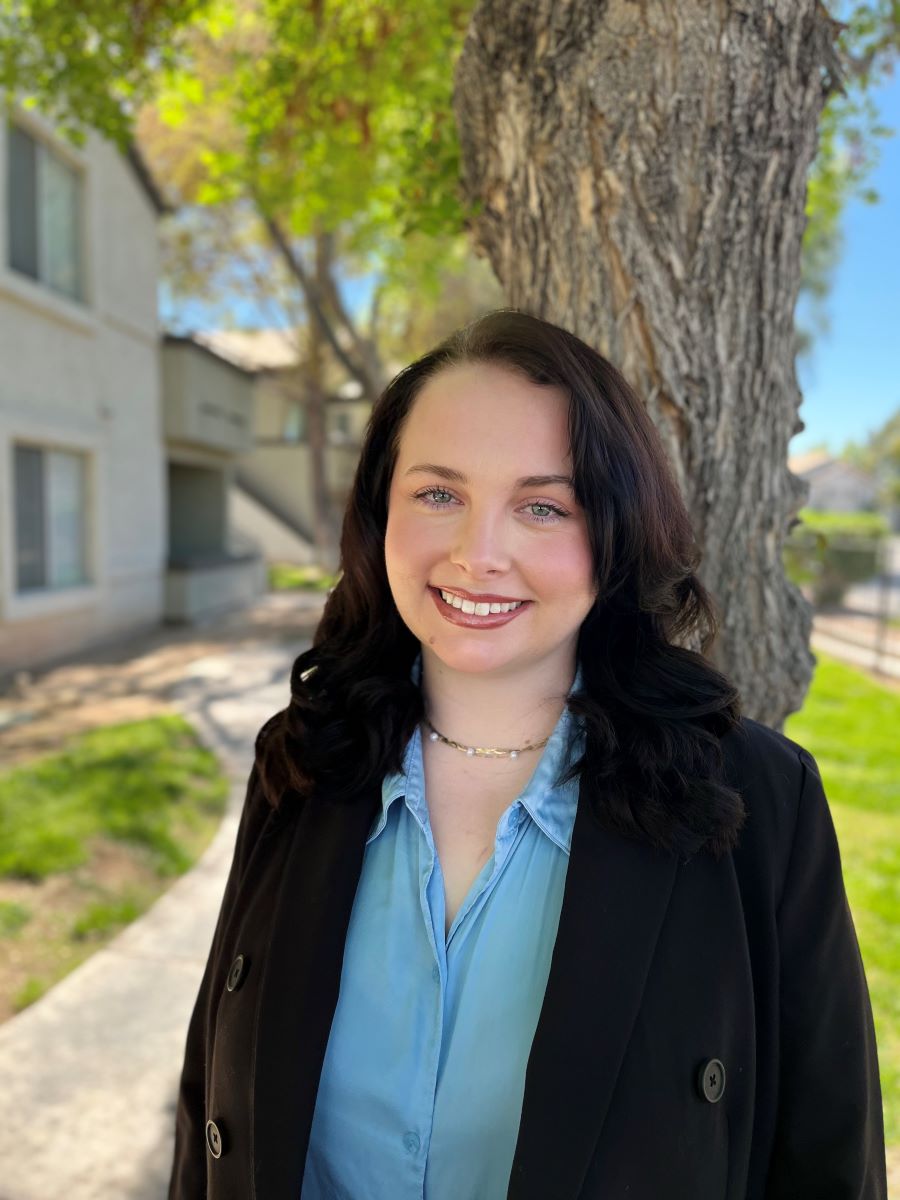
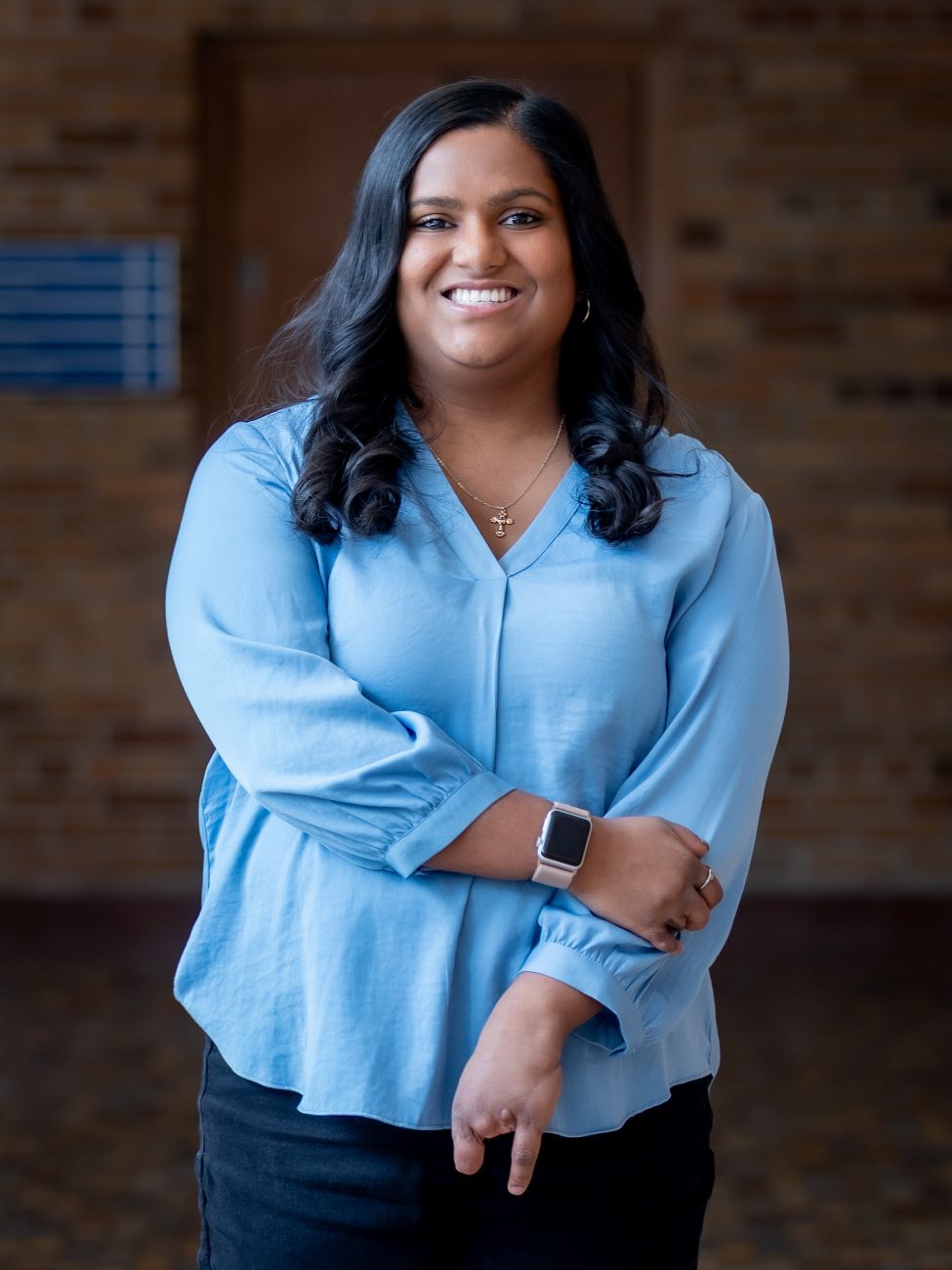
Three Bachelor of Social Work (BSW) students graduating in May — Jeremiah Crawford, Abby Ballos and Nina Seeger — represent the spirit of this year’s theme through their education, fieldwork and commitment to caring for others.

Their stories show what it looks like when compassion meets vocation.


Uplift: Jeremiah Crawford

For Jeremiah Crawford, uplifting others begins with recognizing the dignity and worth of every person he encounters.

“I’m pretty sure if you looked up the word ‘uplift’ in the dictionary, Jeremiah’s smiling face would appear,” said Nichole Ostrowski, BSW program director.

Crawford’s journey to earning his BSW has not been simple. Along the way, he faced obstacles that could have derailed his goal, yet he pressed forward with determination.

“Jeremiah faced many challenges on his journey to earning his BSW, and he persevered even when he was told his goal was unattainable,” said Kari Klatt, MSW, CAPSW, BSW, field coordinator and clinical assistant professor. “That perseverance and dedication shine through in his academic work and in his work at his field agency, Bread of Healing Clinic.”

For Crawford, uplifting others means understanding the challenges people face and helping them move toward stability and hope.

“Uplift, in the context of social work, means improving a client’s specific set of unfortunate circumstances,” Crawford said. “It means offering a guiding hand that helps a client become self-sufficient in a world that can be cruel for those who feel invisible.”

That mindset carries into the classroom as well. Crawford said the relationships he has built with classmates have become one of the most meaningful parts of the program, and he often finds himself supporting others when they are overwhelmed.

“I have grown to adore my cohort,” he said. “When a classmate is distressed about an assignment or facing a difficult decision, many have reached out to me for support.”

In one instance, a classmate struggling with both coursework and personal loss asked for help. Crawford sat down with her to break down readings, organize assignments and create a plan to complete the work.

“She stays in constant contact with me,” he said. “I appreciate that she feels safe speaking with me about school and life.”

Faculty say that same spirit carries into Crawford’s work with patients and community partners. At Bread of Healing Clinic — a free medical clinic serving low-income individuals — he has sought additional training, attended community events and begun learning Spanish to better communicate with patients.

“Jeremiah truly embodies a social worker’s calling to uplift individuals, families, groups and entire communities,” Ostrowski said. “He deeply understands the dignity and worth of every person he serves.”

More than anything, Crawford believes social work begins with seeing each person as worthy of care and respect. At the same time, he recognizes how larger systems shape people’s experiences and opportunities.

“Because of that, he understands that social work is about uplifting others on many levels, from individual support to broader systems of change,” Ostrowski said.

For Crawford, hope grows through relationships and shared support — CUW extended its hand in both. “Hope cannot survive alone,” he said. “It requires a community to thrive.”


Defend: Abby Ballos

For Abby Ballos, social work means defending the dignity, safety and voice of people who often feel unheard.

Ballos’ path to earning her bachelor’s degree in social work has taken her across the country. She began her studies as an on-campus student at Concordia before moving to Las Vegas, but her commitment to the profession and her connection to CUW eventually brought her back through the university’s online BSW program.

Faculty say that determination shapes the way she approaches both her studies and her work with clients.

“Abigail has had a unique journey to earn her degree,” said Klatt, who noted that Ballos chose to return to Concordia because of her dedication to social work and her strong connection to the university.

Ballos is expected to graduate in May 2026 with a bachelor’s degree in social work and a minor in psychology. Her interest in the field grew through conversations with her grandmother, who also worked as a social worker — conversations that helped clarify a calling she already felt.

“When I first felt called to social work, it was after a meaningful conversation with my grandmother,” Ballos said. “I just felt a fire light inside of me that social work and advocacy was what I wanted to do.”

Today, Ballos works with survivors of domestic and sexual abuse in Las Vegas, where she focuses on creating a space where women and children feel safe, respected and heard.

“Many of the clients that walk into the shelter have been through unimaginable situations where they may feel as though their voice will never matter,” Ballos said. “In those moments, it’s so important to remind them that they matter and people are here to listen.”

That belief shapes how she understands advocacy. “Defending clients to me means protecting them from anyone trying to take their voice or power away,” she said. “I never want anyone to feel like they don’t have a voice, because everyone does.”

Those who work with Ballos say she combines compassion with strong advocacy. “She approaches others with genuine compassion, seeking to understand her clients’ experiences without judgment,” Klatt said. “At the same time, she fiercely advocates for her clients because she understands the obstacles they face in obtaining safety and independence.”

Ballos also views feedback from instructors, supervisors and peers as an important part of her development. Her path through the program, she said, has not always been straightforward, but it has shaped her growth.

“My journey throughout this program has not been an easy or typical one,” Ballos said. “But through grace and forgiveness, I’ve been able to come back stronger than ever.”

She credits the guidance she has received along the way for helping her better serve others, noting, “Feedback from my professors and field instructor has been essential in helping ensure I am doing everything in my power to properly help those in need.”

Her perseverance and empathy continue to stand out within the program, faculty say. “Demonstrating true grit, Abigail persists through challenges with an unwavering commitment to supporting others,” Klatt said. “Her capacity for empathy shines through her academic work, peer interactions and field placement alike.”

Ballos believes relationships and advocacy are central to the work of social workers. As a survivor of domestic violence herself, she brings personal understanding to her work with clients.

“As a survivor, I have a deep understanding of the support women and children need,” she said. “Everyone who comes to the shelter is incredibly brave, and I do my best to help them feel safe again.”

For Ballos, the core values of social work — justice, dignity and respect — guide her approach. “Everyone has the right to be treated with respect, empathy and compassion,” she said. “If that’s ever threatened, I will be there to defend them.”


Transform: Nina Seeger

For Nina Seeger, transformation begins with compassion and the willingness to walk alongside people through life’s hardest moments.

The 22-year-old student from Edgerton, Wis., is pursuing a bachelor’s degree in social work with a minor in director of church ministries. She chose to combine these areas of study so she could care for both practical and spiritual needs, offering support while recognizing the importance of faith, encouragement and Christian community.

Seeger said her interest in social work began as she became more aware of the pain and brokenness many people experience, a realization that shaped her sense of calling.

“I first felt called to social work when I began to recognize how broken the world can be and how deeply people are hurting,” she said. “Seeing that suffering made me realize how much people need compassion, care and support. As a Christian, I know that I cannot save the world — salvation and restoration come through Christ alone. But I also believe Christ calls His people to serve their neighbors and care for those who are struggling.”

That calling also influenced her decision to attend Concordia. “When I first visited campus, it immediately felt natural and welcoming — almost like home,” she said. “I wanted to study social work somewhere my faith would shape and strengthen my education.”

Her field placement at Advocates of Ozaukee has helped her see what that work looks like in practice. At the shelter for those experiencing domestic and sexual violence, Seeger assists with client assessments, supports families staying there and helps respond to crisis hotline calls. The work is often unpredictable, and each interaction carries its own weight.

One experience early in her placement left a lasting impression. Seeger had been supporting a client who survived human trafficking. Over time, the client secured housing and prepared to leave the shelter. While helping load belongings into a car, the client paused and told Seeger they would not have reached that moment without her support.

The comment surprised her. When Seeger asked if they truly meant it, the client explained that the small, consistent moments of care mattered most — the daily greetings, the time spent listening and the sense that someone genuinely cared.

Experiences like that continue to shape how Seeger understands social work and the kind of change she hopes to support.

“Transformation means meaningful change that leads to growth, healing or restoration,” Seeger said. “Personally, it means being shaped by my faith and growing in humility, compassion and service to others. In social work, it often happens gradually through support, advocacy and relationships. From a Christian perspective, transformation ultimately comes from God’s work in people’s lives, but we have the privilege of walking alongside others as they move toward healing and hope.”

Faculty say those moments reflect the personal and professional growth they have seen in Seeger during her time at Concordia.

“I met Nina early in her time at CUW and have had the privilege of watching the steady transformation that unfolds throughout a student’s academic journey,” said Ostrowski. “Over the past year, because of the depth and experience of her field placement, I have seen that transformation accelerate in remarkable ways.”

Through her own internal growth, Ostrowski said, Seeger is becoming even more capable of helping transform the lives of the individuals and communities she serves.

“A key part of social work education is developing self-awareness and practicing reflexivity — learning to reflect on who we are, how we show up and how that shapes our work with others,” Ostrowski said. “Nina has embraced that process in a way that will serve her and those she supports throughout her career.”

For Seeger, lasting change begins with compassion, a value that guides both her perspective and her work. “People need to feel seen, heard and valued before they are able to begin healing or making changes in their lives,” she said.

After graduation, she hopes to continue walking alongside people facing difficult circumstances, focusing on both care and advocacy. She also plans to continue her education at Concordia Seminary, St. Louis, where she will pursue her Deaconess certification and a master’s degree in spiritual care.

“I hope to make an impact by helping people who are experiencing difficult situations,” Seeger said. “Most importantly, I hope that the work I do contributes to reflecting Christ’s love in the world.”


Celebrating Social Work Month

Social workers support individuals and communities every day, often quietly and without recognition.

“Social workers uplift, defend and transform individuals, families, communities and organizations every day — quietly, tirelessly and with heart,” Ostrowski said. “Social Work Month is a time to celebrate that impact.”

Later this month, Concordia’s social work program will host a panel of local social workers from 11:35 a.m. to 12:50 p.m. March 26 in the Terrace Room. The event is open to all and will allow students to hear from professionals whose daily work reflects this year’s theme.

Through Concordia’s focus on the whole student — mind, body and spirit — the program prepares graduates to serve with compassion, integrity and purpose.


Want in?

Concordia University Wisconsin is a Lutheran higher education community committed to helping students develop in mind, body and spirit for service to Christ in the Church and the world.

Are you interested in making a difference?
Do you want to learn more about the social work program at CUW?


A final ovation: Honoring Louis Menchaca’s 34 years at Concordia

Instrumental ensembles to celebrate longtime director with April 17-18 retirement concerts.


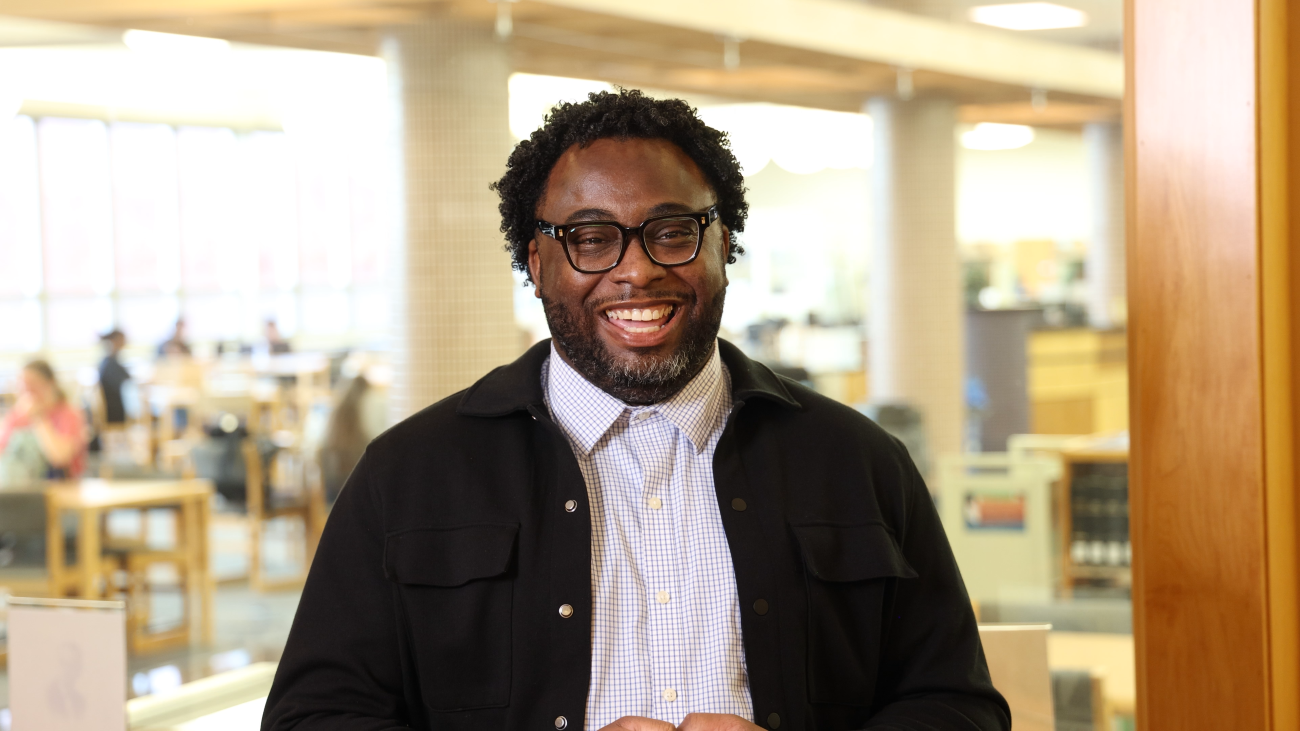
For 34 years, Dr. Louis A. Menchaca has stood at the front of Concordia University Wisconsin’s instrumental ensembles — baton raised, listening for more than the right notes. He has listened for growth. For confidence. For the moment when a student begins to understand they belong on the stage.

This spring, that chapter comes to a close.

On April 17 and 18, Concordia will host a retirement concert weekend in honor of Menchaca, professor of music and director of instrumental music since 1992. The celebration will feature the University Band and Jazz Ensemble at 7:30 p.m. Friday, April 17. The weekend continues at 7:30 p.m. Saturday, April 18, with the Symphonic Wind Ensemble and Chamber Orchestra under Menchaca’s direction, joined by special internationally renowned artists Seraph Brass Quintet. The Saturday performance will also include alumni performers as part of an Instrumental Weekend celebration.

For Menchaca, it will be his final concert as CUW’s director of instrumental music. For Concordia, it will be an opportunity to give thanks.

“Seeing alumni, friends and family all in one room will be both remarkable and overwhelming,” Menchaca said. “It has truly been a generational effort, with remarkable students — and now their children — striving to excel in their God-given gifts of music.”


A program shaped over decades

Since arriving at Concordia in 1992, Menchaca has coordinated all aspects of the instrumental music division, including recruiting, ensemble leadership, instruction and administration. He served as music department chair from 1998 to 2025 and was named Faculty Laureate for outstanding teaching in his 10th year at the university.

Under his leadership, Concordia ensembles performed in 38 states and internationally in Ireland, the United Kingdom, Italy, Germany, Austria, Greece and Spain. The Symphonic Wind Ensemble and Chamber Orchestra recorded seven CD projects, now available on major streaming platforms. His scholarly work and guest appearances have included presentations for the National Endowment for the Arts and at institutions such as the Eastman School of Music, the University of California, Los Angeles, and the University of South Carolina.

Locally, he served as music director of the Lakeshore Symphonic Band from 1997 to 2006 and the Northshore Symphony Orchestra from 2002 to 2006. He has been recognized by Milwaukee Northshore Lifestyle as one of its Favorite Musicians and has been named among Ozaukee County’s People to Watch.

Yet Menchaca is quick to point to a different accomplishment.

CUW music alumni remain his greatest source of pride. Former students now serve as music educators and administrators across the United States, in the military and at Concordia itself. Music teacher preparation has long been central to his work. In addition to directing ensembles, he has supervised student teachers and taught instrumental conducting and brass methods, forming future educators who will shape their own classrooms and communities.

“Helping and advising students as they find their calling and unique niche has always been rewarding,” he said. “Each of our students has something musical and educational to contribute through their gifts. Seeing that discovery and growth is deeply rewarding.”


A weekend of music and gratitude

The April concerts are designed to showcase the artistic breadth and depth of Concordia’s instrumental program. Audiences will hear accomplished student soloists, experience the artistry of Seraph Brass and celebrate alongside alumni who return to perform.

Saturday evening’s performance will mark Menchaca’s final appearance at the podium in his official role.

Admission for both concerts is complimentary. In lieu of ticket fees, guests are invited to contribute to the newly established Dr. Louis Menchaca Scholarship Endowment Fund. The fund will support future instrumental music students, extending Menchaca’s commitment to excellence and opportunity for years to come.

When the final piece concludes April 18, the applause will honor more than a single performance. It will recognize 34 years of steady leadership, faithful teaching and music shared across generations.

Retirement will bring a new rhythm. But the sound of Menchaca’s work will continue in rehearsal rooms, classrooms and concert halls far beyond Concordia’s campus.

“Our work is far from done at CUW Music. The liberal arts music space is competitive and crowded,” he said. “We need to distinguish ourselves, especially as we have built an incredible array of instrumental ensembles for a school our size.”

Menchaca still plans to admire from a distance as he and his wife, Lori, begin their travels to see family and friends along the West Coast and in the Southeast.

Join CUW’s instrumental ensembles April 17 and 18 as they celebrate the music, the mentorship and the man who helped define instrumental music at CUW.


More to explore


Want in?

Concordia University Wisconsin is a Lutheran higher education community committed to helping students develop in mind, body and spirit for service to Christ in the Church and the world.


Together we give: March MATCHness returns to strengthen Concordia’s mission

On Wednesday, March 25, Concordia University will host its sixth annual day of giving to benefit the university’s Mequon campus.


Titled “March MATCHness,” the 24-hour initiative invites the entire Concordia University Wisconsin community — students, alumni, faculty, staff, parents and friends — to come together to advance the Concordia mission and to make a huge impact in the lives of students.

Here are six specific ways you can plan to help participate on Wednesday, March 25.


1. Give … and it is magnified!

We’re not calling the celebration March MATCHness for nothing! To make things more exciting, we have a series of challenges that will magnify your gift with a matching amount. Thanks to generous Concordia supporters, your gift can be magnified through the match challenges!


2. Give to the Concordia Fund

When you give on March 25, you will be able to support the Concordia Fund, which is our greatest need!  Tuition only covers a portion of the actual cost to educate each student. The Concordia Fund was established to offset the remaining expenses, allowing us to offer Concordia’s students the increased quality and experience they deserve, without placing a greater burden on them. Donations to the Concordia Fund support the day-to-day operations of the university, provide scholarship support, and enhance the student experience. This is our GREATEST need.


3. Give for the first time

If you have never given to Concordia before, this is the time!  Perhaps you’ve only recently graduated or just never considered making a donation. No matter the size of your gift, if it’s $10 or $25, your gift will make an impact.


4. Give your family and friends a heads up

Encourage your friends and family to participate, too, on March 25.  Send them this link and ask them to mark their calendars! Every dollar matters. Every dollar is magnified.


5. Give your excitement

We’re spreading the word about March MATCHness and so can you! Join the conversation and help us build momentum by using the hashtag #givingdayCUW in your social media posts.

We have an entire social media kit available for you to use with pictures and proposed text on the March MATCHness Website!


6. Give your prayers

The purpose of March MATCHness is to have fun and celebrate Concordia. Bigger than that, we are raising support for our mission of developing students in mind, body, and spirit for service to Christ in the Church and the world. Your gifts help us make a difference in the lives of our uncommon students. And, most importantly, we appreciate your prayers for our students, faculty, staff and university.


Want in?

At Concordia University Wisconsin your faith and your knowledge will flourish because we are a community that cares about your whole self — your mind, body, and spirit — and are committed to helping you reach your fullest potential.


Sent with purpose: What it means to be a missionary today

From St. Patrick to present-day service, we reflect on how The Lutheran Church—Missouri Synod lives out the call to share the Gospel.


Today, the Church commemorates St. Patrick, missionary to Ireland. At Concordia University Wisconsin, we join in giving thanks for the work God accomplished through him. Patrick’s life serves as a meaningful example of what it looks like to be shaped by mission — something we seek to instill in our students each day.

In The Lutheran Church—Missouri Synod (LCMS), mission begins with God. He is the one who sends. From the early Church to St. Patrick and still today, God works through His people to carry the Gospel into the world — not by their own strength, but through His Word.

Patrick was not Irish by birth. He was sent. In that sending, we see a clear picture of what it means to live a life rooted in Christ’s mission.


What is a missionary?

At Concordia, we teach that a missionary is someone sent to share the Gospel of Jesus Christ. That calling may take a person across the world or into their own community. It may involve preaching, teaching, serving or building relationships grounded in Christ’s love.

The LCMS describes this work clearly: missionaries bring “the saving Gospel of Jesus Christ to people who have never heard the Good News,” often in the language of the people they serve. As the Holy Spirit gathers people into Christian fellowship, missionaries walk alongside new believers, helping raise up local leaders and support the growth of the Church.

Rev. Dr. Aaron Moldenhauer shares:

“God calls all Christians to be witnesses to the saving Gospel of Jesus Christ. Those who serve as intentional missionaries make this their primary calling. Through their work, the Lord gathers the nations into his church and gifts them with eternal life.”


A Lutheran understanding of mission

Our understanding of mission is grounded in grace. We teach that we are saved by grace through faith in Jesus — not by our efforts, but by His finished work on the cross.

That truth shapes how mission is lived out.

Missionaries are not sent to impose their own culture or solutions. They are sent to share Christ through Word and Sacrament. The LCMS continues this work by training, sending and supporting missionaries around the world and across the United States.

These missionaries serve in a variety of ways. Some plant churches and develop leaders. Others teach in international schools or serve in areas such as health care, agriculture and community support. In each setting, the goal remains the same: to build relationships through which the Gospel is shared (The Lutheran Church—Missouri Synod).

Before stepping fully into that work, many missionaries spend time learning language and culture. It reflects the care and respect that undergirds faithful mission work.

Moldenhauer adds:

“The saving grace of Christ Jesus comes to people through God’s Word, Baptism, Absolution and the Lord’s Supper. Missionaries go into the world with these means of grace, often to train pastors who will serve as stewards of these mysteries. Lutheran missions, with their emphasis on the means of grace, bring the love of God in concrete means to those dying in sin. Through the work of the Holy Spirit in Word and Sacrament, it is God’s grace that saves people.”


Why missionaries still matter today

We recognize that while the world looks different than it did in St. Patrick’s time, the need for the Gospel has not changed. People continue to search for meaning. They face hardship, ask difficult questions, and long for hope and connection.

Missionaries enter those spaces with a message that remains constant: salvation is found in Jesus Christ alone.

Today, this work is often carried out in teams. The LCMS describes a global mission effort made up of pastors, teachers, deaconesses, directors of Christian education, medical professionals and lay leaders working alongside local partners to share the Gospel.

This work is both global and local. It happens in international mission fields and in the communities our students call home.


How to be a missionary today

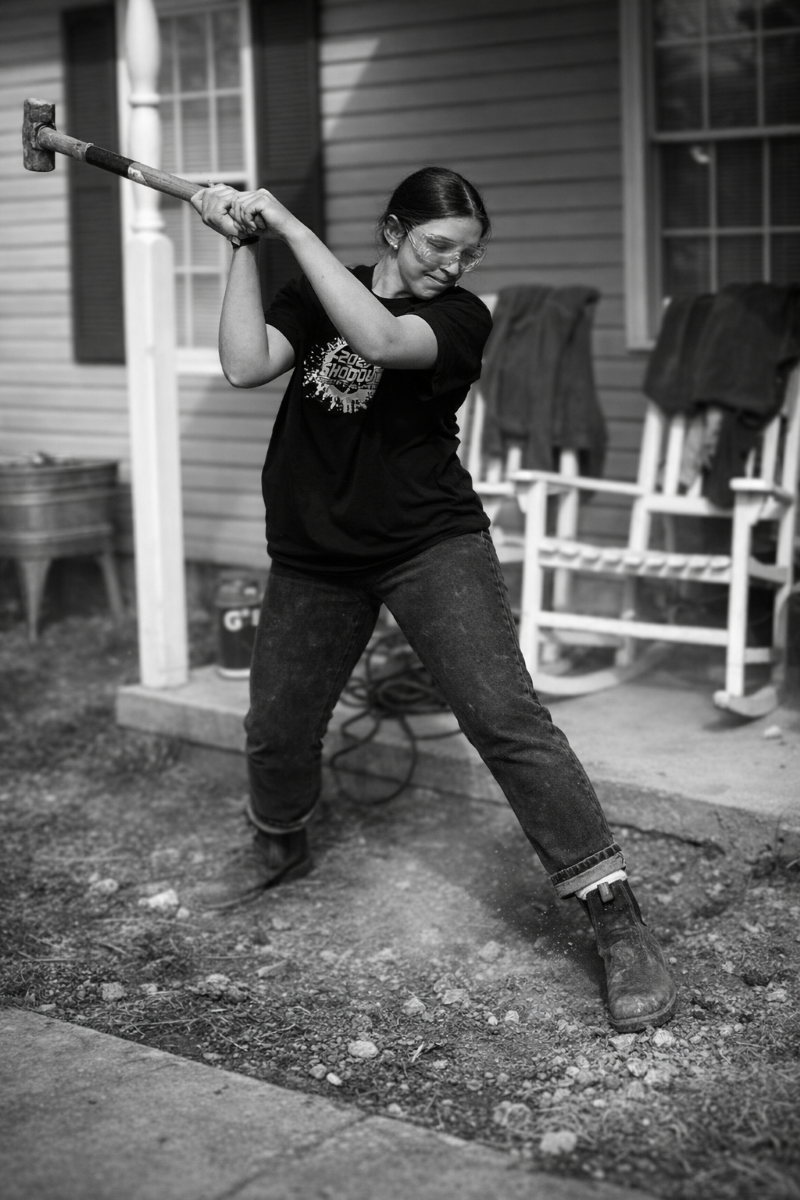
girl breaking cement

We encourage students to see themselves as part of this mission. For some, that calling leads across cultures and countries. For others, it begins in everyday life.

Being a missionary starts with recognizing where God has placed you.

Emma Wagner, a junior studying early childhood and elementary Lutheran education, shares:

“Being at Concordia has truly impacted my heart for service in the best ways. Being able to serve alongside your peers for the purpose of furthering Christ’s kingdom and showing His love has been more impactful than I ever deemed possible.”

Students are invited to serve in their congregations, support mission work through prayer and giving, and build relationships that open the door to conversations about faith. Through partnerships with LCMS International Mission, Concordia also connects students with short-term and long-term mission opportunities. Leaders like Rev. Dr. Mark Rabe, director of Missionary Recruitment for LCMS International Mission, regularly engage with students who are discerning how God may be calling them to serve.

Others live out this calling through their vocation. Whether entering healthcare, education, business, or church work, Concordia students are equipped to serve others in Christ’s name.

Moldenhauer explains:

“We teach our students the Lutheran doctrine of vocation, in which we see our work to others as God working through us to extend his love and care to our neighbors. In this way, our acts of love within our vocations witness to the love of God in Christ Jesus.”

Mission is not reserved for a few. It is part of the life of every Concordia student and graduate.


A legacy worth remembering

The LCMS has been engaged in mission work since 1851, sending its first overseas missionary, Rev. Theodore Naether, and his family to India in 1894. That legacy continues today — and CUW remains part of that ongoing work.

St. Patrick’s life reflects the same truth we seek to pass on to our students: a life shaped by Christ is a life sent in service to others.

His story is not just history. It is an invitation.

The call to go, to serve and to share the Gospel continues — sometimes across the world, sometimes across the street and often in ways that feel ordinary.

Here, we believe those moments matter. Because through them, God is at work.


Want in?

Concordia University Wisconsin is a Lutheran higher education community committed to helping students develop in mind, body and spirit for service to Christ in the Church and the world.


Annual leadership conference to feature regional business leaders

Now in its third year, the Ignite & Inspire Leadership Conference will return to Concordia University Wisconsin’s Mequon campus May 6 with keynote speakers, leadership workshops and networking opportunities.


CUW’s Batterman School of Business will host the conference, bringing business leaders, educators and professionals together for a day centered on leadership development and collaboration. This event will include keynote presentations and breakout workshops focused on the theme “Growing Greatness: Driving Innovation, Developing People.”

“We really wanted to be intentional this year about creating a conference theme and generating content that really resonated with what businesses in Ozaukee County and the greater Milwaukee area need right now,” said Amber Gray, EdD, CPA, MSA, assistant dean for academic innovation, graduate and continuing education.

“When we created this conference three years ago, we named it Ignite & Inspire Leadership, as our goal was to ignite passion and purpose in our attendees and inspire them to return to their organizations with renewed energy to lead and serve,” Gray added.

“Great leadership doesn’t happen in isolation. It grows through shared ideas, meaningful connections and continuous learning. This conference was created to bring together aspiring and experienced leaders to learn, connect and amplify their impact.”

Gray said the planning team is focused on ensuring the event delivers meaningful value for participants.

“Our intent is to make this a conference that attendees feel is a very good use of their precious time and one that they look forward to attending every year.”


Regional leaders

Two keynote speakers will anchor the conference schedule.

Dale Kooyenga, president and CEO of the Metropolitan Milwaukee Association of Commerce, will deliver the morning keynote. Drawing from his experience in politics, military service and leading one of the region’s largest business organizations, Kooyenga will share insights on succeeding when organizations face disruption and uncertainty.

In his time at the MMAC, Kooyenga has overseen significant regional growth and development through collaboration among business, civic and community partners.

Rick Schlesinger, president of business operations for the Milwaukee Brewers Baseball Club, will present the afternoon keynote. Schlesinger will share insights from leading business operations within a major league sports organization and discuss building a winning culture in an ultra-competitive industry.

Schlesinger was named The Business Journal’s 2025 Executive of the Year, and the Brewers were recognized as Baseball America’s 2025 Organization of the Year at the Winter Meetings — the second time the club has received the honor during his tenure.


Faculty and industry professionals

Along with keynote sessions, the conference includes multiple workshops led by professionals and Concordia faculty.

Featured presenters include:

  • John Fields
  • Jill Busch
  • Elaine Kressin
  • Dr. Amber Gray
  • Dr. Kim Schave
  • Dr. Laura Hurtienne
  • Tammy Ellison
  • Danika Holt

Sessions will address people development and retention, AI use cases in business, innovation through experimentation, and social media marketing, while giving participants practical ideas they can apply in their workplaces.

“This conference is built around hands-on workshops where participants learn by doing,” Gray said. “Whether creating an AI chatbot, designing innovation experiments, or practicing difficult leadership conversations, attendees will walk away with practical tools they can use right away.”


Learning and connection

people at conference

The conference will run from 8 a.m. to 4 p.m. and includes breakfast, lunch and scheduled networking opportunities.

For many attendees, the event offers time to step away from daily responsibilities and reflect on leadership practices while connecting with other professionals.

“Oftentimes at conferences, the most powerful insights come from conversations with other leaders,” Gray said. “Ignite & Inspire creates opportunities to exchange ideas and learn from professionals across industries.”

The event also highlights the role Concordia’s business school plays in supporting professional development across the region.

“The Batterman School of Business has the expertise and capacity to serve the needs for continuing professional development in the area,” Gray said. “We look forward to showcasing our facility and allowing business leaders to experience a sample of what we have to offer.”

Registration is open for the Ignite & Inspire Leadership Conference. Professionals from across many industries are welcome to attend.


Want in?

Concordia University Wisconsin is a Lutheran higher education community committed to helping students develop in mind, body and spirit for service to Christ in the Church and the world.


CUW students travel south to serve during spring break

Campus Ministry assists North Carolina communities rebuilding after Hurricane Helene.


For many college students, spring break means rest or travel. This year, a group of Concordia University Wisconsin students spent the week helping families still rebuilding after Hurricane Helene damaged communities across the Appalachian region in September 2024.

Twenty members of the Concordia community—17 students and three staff members—traveled to Avery County, N.C., near Linville and Newland. The team partnered with the Lutheran Early Response Team, or LERT, a ministry connected to the Lutheran Church—Missouri Synod Office of National Mission. Their home base for the week was Camp Linn Haven, an LCMS summer camp that shares its campus with Mountainside Lutheran Church in Linville.


Serving a community in recovery

Each day brought hands-on work across the region. Students assisted with river cleanup, yard restoration, grading and landscaping, and clearing fallen trees left behind by the storm. Though the work was demanding, the team approached each task with care and determination.

Student coordinator Quinn Miller helped organize the trip and guide the group throughout the week.

“Coordinating this trip went very well because we received strong support from our synod in St. Louis through LERT,” Miller said. “Through the experience, we saw how important mission work is in extending the church’s hand to communities in need—offering support during hardship and welcoming people into a family, the Church.”


Training for disaster response

The group’s first full day in North Carolina began in worship. Students attended Sunday morning Divine Service at Mountainside Lutheran Church, where the Rev. Bryan Chestnutt and the congregation welcomed them. That afternoon, the Rev. Michael Meyer, assistant director of LCMS Disaster Response, led the team through LERT training.

The training covered safety practices for disaster recovery work and ways to care for people who have experienced loss. Students learned how to listen well, share brief devotions when appropriate and connect residents with local congregations that could provide ongoing pastoral care.

Team members also discussed how to care for themselves while serving others and how to turn to the Lord for strength when the work becomes emotionally heavy. As Galatians 6:9 reminds believers, “Let us not grow weary of doing good.”


Meeting neighbors and hearing their stories

Throughout the week, students met residents eager to share their experiences of the storm and the long process of rebuilding. In those conversations, the Concordia team encountered gratitude, resilience and hospitality.

Two community members were so moved by the students’ presence that they prepared dinner for the entire group on separate evenings. The meals were generous, but the welcome meant even more.

Miller said hearing residents’ stories strengthened the group’s faith.

“These people came together and placed their hope in God,” he said. “We were humbled by the community’s boldness to hold fast to their faith during a season of suffering.”


Helping where it was needed most

One project held special meaning for the team. Students assisted the widow of an LCMS pastor who died shortly after the storm. Floodwaters had washed part of a roadway into her yard, leaving asphalt, gravel and tree debris behind and creating drainage problems that threatened her home.

The group cleared debris, removed damaged material and worked to redirect water flow away from the property. The project required teamwork and persistence, along with time spent listening to the homeowner’s story.


Faith shaping the week

Worship framed the team’s daily rhythm. Each morning began with Matins. Evenings often ended around a campfire with devotions, singing and reflection.

These moments allowed students to reflect on the day’s work while growing closer as a team.

“One can have faith that moves mountains, but without love they are nothing,” Miller said. “Our team grew in faith through actively loving our neighbors and receiving Christ’s love through his forgiveness. Beginning and ending each day in prayer with Pastor Bakker, along with student-led devotions, helped center our work in Christ, who became the suffering servant for us.”

For the Concordia students who traveled to North Carolina, spring break became an opportunity to live out their faith through service. For the people of Avery County, their presence served as a reminder that they are not facing recovery alone.

“Christ unites his people, and worship prepares us for service and love toward our neighbors as we receive the gifts of Christ,” Miller said.


Campus Ministry Leadership Team information night

Join us Monday night March 16 at 7:00 p.m. in the Lakeshore Room—if you are interested in learning more about CMLT and getting involved, this is a wonderful opportunity. Ice cream sandwiches will be available.


Want in?

Concordia University Wisconsin is a Lutheran higher education community committed to helping students develop in mind, body and spirit for service to Christ in the Church and the world. 2026-27 Campus Ministry Leadership Team Applications are available!

Interested in a leadership role serving others in Campus Ministry? Please take a look at the attached application for service! If you have questions, please contact Pastor Bakker or someone else you know who is already in Campus Ministry. Please note the new deadline for these applications: March 20.


CUW in the news: Highlighting Concordia’s impact on Wisconsin’s economy


At Concordia University Wisconsin, we believe education is more than preparation for a career. It is preparation for a life of service. Each day our students, faculty, and alumni contribute to communities across the state and beyond.

Recently, that impact received broader attention in regional and statewide media.

front page of Ozaukee News Graphic

A story highlighting how CUW strengthens the Wisconsin economy was picked up by several online publications, including WisBusiness, Urban Milwaukee and State Affairs. The coverage also appeared prominently on the front page of the Ozaukee County News Graphic, bringing the story of Concordia’s impact directly to the community we proudly call home.

The media coverage reflects the many ways Concordia contributes to Wisconsin’s economic vitality. From preparing graduates for high-demand careers to partnering with local organizations and employers, the university plays a meaningful role in supporting workforce development and strengthening communities throughout the state.

As Concordia continues to grow and serve, we remain committed to preparing graduates who will lead with integrity, compassion and purpose in the places they are called to serve.


Want in?

Concordia University Wisconsin is a Lutheran higher education community committed to helping students develop in mind, body and spirit for service to Christ in the Church and the world.


CUS announces new direct admission program for LCMS high school students

Beginning in fall 2027, this new initiative creates a simplified, guaranteed pathway into Lutheran higher education.


For generations, Lutheran schools have partnered with families and congregations to form students in faith and learning. Now, that partnership is growing stronger.

The Concordia University System has announced a new direct admission pilot program for students attending Lutheran Church–Missouri Synod high schools. This marks the first phase of a systemwide direct admission initiative set to begin in fall 2027.

In this first year, participating Concordia institutions include:

  • Concordia University Wisconsin (Mequon, Wisconsin)
  • Concordia University Chicago (River Forest, Illinois)
  • Concordia University Nebraska (Seward, Nebraska)
  • Concordia University St. Paul (St. Paul, Minnesota)

Rev. Dr. Jamison Hardy, president of the CUS, emphasized the invitation behind the initiative:

“To all our LCMS high school students, I would like to say, ‘CUS universities are your universities. Direct admit is a great way for you to continue your studies at a university committed to the Lutheran confession of the Gospel of Jesus Christ.’”

At its heart, direct admission reflects a shared commitment among LCMS high schools and Concordia universities to make the transition to Lutheran higher education more accessible for students and families.


A shared commitment to Lutheran education

Within the LCMS, high school leaders, counselors and families help shape students’ futures. Direct admission affirms that partnership and the strong preparation students receive in LCMS schools.

For families of current freshmen, sophomores and juniors, this is the time to learn more. Explore the virtual campus tour. Contact a CUW admissions counselor to begin the conversation today.

Lutheran education has always been about more than earning a degree. It is about formation, vocation and community grounded in Christ. Through direct admission, Concordia universities extend a clear invitation to LCMS students: your next step in faith and learning awaits.


What is direct admission?

The CUS Direct Admission Program is a partnership between participating LCMS high schools and Concordia universities. The goal is straightforward: simplify the college admission process for students who have already been formed in Lutheran education.

Through this pilot, eligible students will receive a guaranteed offer of admission based primarily on their academic performance. There is no application fee for students whose information is shared by their Lutheran high school.

Admission is not binding. Students remain free to apply to and attend other colleges or universities. Direct admission ensures that a place at a participating Concordia campus is available should they choose to enroll.


Who is eligible?

LCMS high schools may opt in to participate in the program. Participating schools will share information for students who meet established academic benchmarks, including a cumulative high school GPA of 2.5 or higher and graduation from a participating LCMS high school.

Most direct admit pathways are test-optional. Admission decisions are based primarily on high school GPA, though ACT or SAT scores may be submitted for course placement.

In this inaugural year, the focus is on LCMS high schools. LCMS students who attend other high schools or are homeschooled may complete an online form and will be contacted by participating campuses with next steps.


How the process works

The direct admission timeline is designed to reduce stress and remove unnecessary steps.

  • Participating LCMS high schools will share student data with CUS institutions between May and November.
  • Each Concordia university will review the information and send an admission decision directly to the student.
  • Admitted students may accept their offer by completing an Admission Acceptance form and exploring majors, campus life, scholarships and financial aid.
  • Final transcripts must be submitted at the end of senior year prior to enrollment.

Fall 2027 enrollment will mark the first full implementation of the pilot, following a measured rollout period.


Scholarships and financial aid

Direct admission guarantees admission, not a specific scholarship amount. Students will receive full consideration for:

  • Academic scholarships based on high school achievement
  • Lutheran aid opportunities at each institution
  • Talent-based awards, including music and church work
  • Federal, state and institutional aid through the FAFSA

Families are encouraged to file the FAFSA early to ensure a complete financial aid package.

“This initiative is a natural extension of the formation that begins in our partner high schools. These students have already been grounded in faith and learning, and we want to ensure there is a clear, guaranteed path for them to continue that vocation at the university level,” said Kevin Sheridan, interim vice president of admissions and financial aid. “It’s about honoring the commitment these families have already made to Lutheran education.”


Four frequently asked questions

students with signs

No. 1: What if my student does not meet the GPA requirement?
Students who do not meet the direct admission threshold are encouraged to apply through the standard admission process at any Concordia university. Admissions teams review applications individually and are ready to assist families.

No. 2: Is there an application fee?
No. Students whose information is shared by their participating LCMS high school will not be charged an application fee.

No. 3: Does direct admission guarantee a spot in a specific major?
Admission is to the university. Some specialized programs may have additional requirements.

No. 4: What should we do after receiving an admission offer?
Students are encouraged to:

  • Visit campus
  • Connect with admissions counselors
  • File the FAFSA
  • Submit a tuition deposit when ready to commit

LCMS students in the spotlight

Read more about current students and why they attend CUW.


Want in?

Concordia University Wisconsin is a Lutheran higher education community committed to helping students develop in mind, body and spirit for service to Christ in the Church and the world.

For additional information, families may contact the admissions office at any participating campus:

  • Concordia University Wisconsin: Leah Toerpe, 262-243-4415, Leah.Toerpe@cuw.edu
  • Concordia University Chicago: Kyle Thoms, 708-209-3044, Kyle.Thoms@cuchicago.edu
  • Concordia University Nebraska: Aaron Roberts, 402-643-7233, Aaron.Roberts@cune.edu
  • Concordia University St. Paul: Kristin Vogel, 651-641-8839, vogel@csp.edu

Click here for a complete list of current undergrad programs.


Remembering Rev. Dr. Daniel Paavola: A teacher, pastor and joyful rider of God’s good roads


The Concordia University Wisconsin community is remembering Rev. Dr. Daniel Paavola as a faithful teacher of theology, a devoted pastor and a mentor whose warmth and wisdom shaped the lives of countless students. He lived out his calling each day. For nearly three decades, Paavola served Concordia and the church with dedication and joy. Since joining the faculty in 1996, he became known for his deep knowledge of Scripture, engaging classroom conversations and sincere care for the students entrusted to him.

Under Paavola’s guidance, those who came to Concordia hoping to grow in faith and understanding often found both. Even after retiring from CUW in 2024, he remained active as an adjunct professor and guest pastor. Paavola passed away March 2, 2026.

“Our Concordia community grieves the loss of Rev. Dr. Daniel Paavola,” said CUW President Erik Ankerberg. “We are grateful for the opportunity to gather together in prayer and remembrance as we commend Dr. Paavola to the care of our risen Lord.”

Concordia will host a campus gathering for prayer, remembrance and mutual support so that students, faculty and staff may come together as a community.

Members of the CUW community, past and present, are invited to gather Tuesday, March 10, at 3:30 p.m. in the Chapel of Christ Triumphant. This time together will provide students, faculty and staff an opportunity to pray, hear God’s Word and support one another as we remember Dr. Paavola’s life and ministry.


A teacher who made connections

Paavola had a gift for making connections — between Scripture and daily life, between theology and vocation, and between himself and the students who filled his classroom.

On the first day of class, he often drew a circle on the board and filled it with a handful of his interests. Then he invited students to identify what they had in common with him. Dogs were almost always the most popular answer. Motorcycles often came in second.

It was a simple exercise, but it reflected something deeper about Paavola’s approach to teaching. He believed learning happened best when people felt seen, known and invited into the conversation.

For David Koester, a senior majoring in applied theology and theological languages, those connections were clear from the start.

“I was blessed to have two classes with him — one of them my very first class at CUW, New Testament — and they were a blast,” Koester said. “From lively lectures to his timeless sayings, like ‘Let’s look at our friend the clock … oh! we’re so good,’ he was a master at his craft. His style brought so much light to the classroom and so much joy to students’ faces, even for those of us who braved the 7:30 a.m. classes.”

Koester remembers Paavola as someone whose love for Scripture was unmistakable.

“He loved God and he loved His Word,” Koester said. “He was a fantastic servant of the Word. His preaching was thoroughly biblical and theologically sound, and he always found ways to help us see the message more clearly.”

Beyond the classroom, Koester said Paavola invested deeply in the lives of his students.

“He impacted me immensely during my freshman year and encouraged me when I was unsure about my path to becoming a pastor,” Koester said. “He was always open to talk — whether about the farm, since I’m a farm boy, too, or about a new theological discovery.”

“And above all, he was a very kind person,” Koester added. “A gentle soul and loving heart. The impact he made on me and countless others is immense and impossible to fully put into words.”


Finding joy on two wheels — and in God’s creation

Those who knew Paavola also knew about another of his great passions: motorcycles.

According to a 2019 article written by former Director of University Communications Kali Thiel, Paavola’s love of riding began early. On Nov. 27, 1970, his father surprised him with his first motorcycle, a Yamaha 305. Paavola was still two years shy of the legal driving age, but growing up on a 200-acre dairy farm in Minnesota meant he already had years of experience operating tractors and trucks.

That gift sparked a lifelong passion. He built quite the collection: a Honda Africa Twin, BMW R60/5, Honda VFR and Yamaha FJR.

“Rarely a week has gone by without a ride,” Thiel wrote in her profile. After joining Concordia’s faculty in 1996, Paavola began keeping detailed riding logs, recording the temperature, distance and weather conditions of many of his journeys.

For Paavola, riding was more than a hobby. It was a way to clear his mind and find joy in everyday rhythms.

“I tell my students, ‘You want me to ride. I’m a happier person when I ride,’” he once said with a grin. “If you have some issues or stress, a 60-mile round-trip commute to work will take it right out of you.”

Many of those rides took him between his home in Cedar Grove and Concordia’s Mequon campus. Others carried him across Wisconsin as he preached in congregations and served the church he loved.

Even on the road, his mind often returned to Scripture and the calling he shared with his students. Thiel noted that Paavola knew Scripture so well he could draft sermons in his head while riding.


A life of faithful service

Alongside his work in the classroom, Paavola remained deeply connected to congregational ministry. Most recently, he served as pastor at River of Life Lutheran Church in Saukville and on staff at First Immanuel Lutheran Church in Cedarburg, all while continuing to mentor Concordia students preparing for lives of service in the church.

Carol A. Lueders Bolwerk, director of parish nursing and congregational health ministries, worked alongside Paavola for decades through his support of parish nursing and congregational health initiatives. She remembers him as a steady presence who rarely declined an opportunity to serve.

“One can describe Dan with many kind words, but servant leader, faithful friend and cherished mentor come to mind,” Bolwerk said. “I worked closely with Dan for several decades as he supported parish nursing and congregational health ministries. He never seemed to tire and never declined any requests. He was always there supporting, nurturing and mentoring.”

Bolwerk said parish nurses across the district looked forward to hearing Paavola speak at annual gatherings. For nearly two decades, he preached at the Tuesday parish nurse district representative meeting and led Wednesday summer chapel services, often delivering the conference keynote tied to the theme of the gathering.

“Parish nurses would attend the annual conference just to hear him and would tell me, ‘You have to have Dan again next year,’” Bolwerk said.

Reflecting on his passing, Bolwerk said Paavola often reminded others to view life through the promise of Christ.

“His untimely death has caused us to wonder, to be troubled and to question,” she said. “But Dan would calm us and soothe our spirits. He would remind us that our life on earth is only a steppingstone to life eternal with our dear Jesus. We are here to serve Him for a time, but our real home is waiting for us.”

For many who encountered him, Paavola embodied the vocation he taught so often: a life rooted in Christ and lived in service to others.


A life never forgotten

As the Concordia community remembers his life and legacy, it also gives thanks for the many ways he shared the Gospel with students, congregations, colleagues and friends. President Erik Ankerberg encouraged the community to continue lifting up those closest to Paavola in prayer.

“Please continue to keep Dr. Paavola’s family, along with the congregations of First Immanuel Lutheran Church and River of Life Lutheran Church, in your prayers during this time,” he said.

“For if we live, we live to the Lord, and if we die, we die to the Lord. So then, whether we live or whether we die, we are the Lord’s,” Romans 14:8.

For years to come, Paavola’s influence will continue to be felt in classrooms, sanctuaries and perhaps even on quiet Wisconsin roads. He will be deeply missed.


Want in?

Concordia University Wisconsin is a Lutheran higher education community committed to helping students develop in mind, body and spirit for service to Christ in the Church and the world.