A first-generation educator finding her calling at Concordia

First-generation college student Sarah Kramlik proves determination and a supportive learning community can take a person far.


The path to becoming a teacher is different for everyone. However, for Sarah Kramlik, a student in Concordia University’s Accelerated Secondary Education Social Studies program, the journey has been shaped by perseverance, faith, and a deep commitment to education. As a first-generation college student, Sarah’s story is a testament to the power of determination and the impact of a supportive learning community.

Finding the Right Program

Sarah always knew she wanted to be a teacher. However, as a working adult with family commitments, she needed a program that fit her busy schedule. When researching options, Concordia’s online program stood out as the perfect choice.

“I always wanted to be a teacher, and being an older student, I needed a program that worked with my family’s schedule,” Sarah shared. “When I began researching programs, Concordia’s stood out because it was offered entirely online, and I could go at my own pace.”

The flexibility of Concordia’s online program allowed Sarah to balance her responsibilities while pursuing her dream. This demonstrates the university’s commitment to providing accessible education for working learners.

Overcoming Challenges as a First-Generation College Student

Like many first-generation college students, Sarah faced significant challenges in her academic journey. The pressure of attending college felt overwhelming at times, and when she initially enrolled right after high school, she struggled to find her footing and ultimately stepped away from her studies.

Now, as an adult, Sarah has returned with a renewed sense of purpose. “My family is so proud of me for continuing my education and working toward finishing,” she said. While her younger brother was the first to graduate, Sarah takes immense pride in knowing that both she and her brother are pursuing higher education, a milestone that means a great deal to their parents.

Looking Ahead: The Impact of Becoming a Licensed Teacher

Earning her teaching license is more than just a personal achievement for Sarah. It’s an opportunity to give back to her community.

“This will give me more of an opportunity to help provide for my family,” she said. “I hope that by being a teacher in my community, my students will know that they are a priority to me and that they matter.”

Sarah’s commitment to her future students is a reflection of the passion and dedication that Concordia instills in its teacher candidates. She is eager to step into the classroom and make a meaningful difference in the lives of young learners.

The Support of Concordia’s Faculty

Throughout her time at Concordia, Sarah has been supported by faithful faculty members. It is not uncommon for these individuals to go above and beyond to help her succeed, she says. She credits Dr. Betsy Pease and Professor Maxwell Fischer for their dedication and encouragement.

“Dr. Pease is always so willing to help when I’m struggling to understand something in her class,” Sarah noted. “Being in an all-online format can have challenges, but she is great at explaining things in a way that makes sense.”

Similarly, Professor Fischer provided invaluable support. “He took time out of his week to have Zoom meetings with me so that we could go through each week’s assignments. He made sure that I had a good grasp of what we were doing and was always there to offer advice and a listening ear.”

Sarah’s experience is a testament to the strong mentorship and expertise that Concordia’s faculty bring to their programs. Their commitment to student success ensures that learners like Sarah feel empowered and well-prepared for their future roles as educators.

Strengthening Her Faith Through Education

Concordia’s faith-based approach has also played a crucial role in Sarah’s journey.

“I was always a faith-based person, and Concordia helped to make those roots even deeper,” she said.

Through her courses and interactions with faculty, Sarah has grown not only as an educator but also in her faith. Concordia’s mission to integrate faith and learning in meaningful ways in the classroom is apparent in Sarah’s story.

Advice for Future First-Generation Students

Sarah knows firsthand how daunting college can be. College can be especially tough for those who are the first in their family to navigate higher education. Her advice to future first-generation students considering Concordia?

“Do not be afraid to ask for help and advocate for yourself. Everyone at Concordia wants you to achieve success.”

Her words reflect the supportive community that Concordia fosters—one where students are encouraged to seek guidance and build connections that will help them thrive.

A Future Shaped by Concordia’s Program

As Sarah continues her studies, she reflects on how the program has shaped her perspective on education and her role as a future teacher.

“It has really shown me just how much we need great educators and what those types of educators look like,” she said. “Concordia has given me the opportunity to work with some really great teachers, both at Concordia and in my clinicals. Being able to work with outstanding teachers has made me realize that education is my true passion.”

Dr. Adam Paape, Assistant Dean in the School of Education, echoes this sentiment. “Sarah has been a joy to have in class. She is very dedicated to her growth as a social studies educator. She communicates herself well, and I have heard nothing but good things from her professors in both her history and education coursework. I’m really excited to see her in student teaching in the coming year, and I’m confident that she will serve her students well as she works toward becoming a licensed teacher in the state of Wisconsin.”

Sarah’s journey highlights the importance of accessible, high-quality education programs like those at Concordia. Through the university’s strong academic support, faith-based mission, and dedicated faculty, students like Sarah are empowered to achieve their dreams and make a lasting impact in their communities.

Want in?

CUW’s Accelerated Secondary Education Teacher Licensure program is 100% online. Through this program, which can be completed in just three years, you will earn your bachelor’s in education and a valid Wisconsin license to teach 4th-12th grades. The program offers an accessible, flexible, and affordable route to serving students in grades 4-12 as a trusted and skilled teacher.


Continuing Education Course: Life and Death: A Confessional Framework for Pastoral Bioethics

In partnership, Concordia University Wisconsin (CUW) and Concordia Seminary (CSL) in St. Louis are proud to offer a comprehensive continuing education course addressing critical bioethical issues through a biblical and confessional framework.


This unique offering, led by two distinguished experts in bioethics, provides pastors and other church leaders with the tools to navigate complex moral challenges while remaining rooted in Scripture.

Course Overview

The course explores vital topics such as gender dysphoria, abortion, end-of-life care, physician-assisted suicide, and genetic and assisted reproductive technologies. Each unit is designed to present understandable scientific insights alongside a biblical response, equipping attendees to provide compassionate and informed guidance to their congregations and communities.

Course Units

1. Gender Dysphoria

Human Sexual Identity: Mask Uncovered—Adam and Eve Are AWOL
Dr. Robert W. Weise will address the rise of neo-gnostic transgender ideologies and their impact on families and pastoral care. He will evaluate current trends denying biblical and biological human sexuality, offering practical guidance for church leaders to respond with clarity and compassion.

2. Abortion

Abortion: Ripping Off the Bandage!
Dr. Kevin E. Voss will provide a clear understanding of abortion procedures, from early to late-term, and examine the deceptive narratives surrounding this issue. Attendees will learn how to apply biblical and confessional principles to one of the most contentious ethical debates of our time.

3. Assisted Reproductive Technologies (Part I)

Where God’s Word Meets ART: Children – Begotten or Made?
Dr. Weise will review trends in assisted reproductive technologies, including in vitro fertilization, surrogacy, and embryo freezing. Attendees will explore these practices in light of the First Article of the Apostles’ Creed and the biblical view of procreation.

4. End-of-Life Problems

Caring for Loved Ones at Life’s End
Dr. Voss will address one of the most emotionally charged decisions families face: when to forgo life-sustaining treatments. Drawing from experts like Richard Eyer and Gilbert Meilaender, as well as LCMS resources, this unit includes case studies to foster practical application.

5. Physician-Assisted Suicide

If Not Legal in Your State, It Likely Will Be!
As physician-assisted suicide becomes more prevalent, Dr. Voss will explore the procedures and laws surrounding it. He will contrast secular arguments for autonomy and mercy with a robust biblical response, offering church leaders the resources to support their congregations.

6. Genetic ART (Part II)

Children by Design: Setting Limits?
Dr. Weise will lead discussions on genetic technologies, including sex selection and gene therapy. The session will examine the role of parents in procreation and ethical boundaries, as well as pastoral concerns regarding birth control.


Meet the Presenters

Dr. Kevin E. Voss, DVM, PhD, FCA

Dr. Voss brings decades of experience as a veterinarian, pastor, and professor of philosophy and bioethics. Having served as the Director of the Concordia Center for Bioethics for over 20 years, he is a published author and respected speaker on bioethical issues. His expertise includes reproductive counseling, end-of-life care, and the sanctity of human life.

Dr. Robert W. Weise

Dr. Weise’s extensive background spans zoology, pastoral ministry, and bioethics. A Senior Emeritus Professor at Concordia Seminary, he has published numerous works on biotechnology and bioethics. His writings include Bible studies on embryonic stem cell research and transgender identity. Dr. Weise is an experienced seminar leader and has testified before national and state ethics boards.


Why Attend?

This course equips church leaders with:

  • A deeper understanding of cutting-edge biological technologies.
  • A biblical framework for addressing complex moral and ethical issues.
  • Practical tools for providing compassionate guidance to individuals and families.

Enrollment Information

Don’t miss this opportunity to learn from two of The Lutheran Church–Missouri Synod’s foremost bioethics experts. Gain insights that will empower you to lead with confidence and clarity in today’s challenging moral landscape.

Click below for more information and to register for this course!


Guiding Values of the Social Work Profession

We asked our students to talk about what the six NASW Core Values mean to them and we love how they brought these values to life.


Social work is a profession deeply grounded in the ethical principles, values, and standards established by the National Association of Social Workers (NASW) Code of Ethics.

As our Concordia University Bachelor of Social Work students are discovering, the NASW Core Values are central to the identity and practice of social workers. These values go beyond a checklist or set of tasks to perform—they shape the way social workers engage with individuals, families, groups, communities, and systems, guiding their ethical decisions and daily interactions.

Service

“To me, the value of service means aiming to radiate the light of Christ to others by bringing the same grace, encouragement, and love that He has shown me. As social workers, we elevate service to others above self-interest. By committing to serve others with purpose and gladness, I am able to live out what God has called me to do. In my personal and professional life as a social work student, I am constantly asking myself, “How am I serving God and how am I serving others right now?” ~Zoe Buske

Social Justice

“To me, social justice means working towards a society where everyone has equal access to opportunities and resources, regardless of their background. It involves addressing systemic inequalities, challenging discrimination, and advocating for fair policies that promote inclusion and equity. My social work professor helped ignite my passion for understanding policy issues and how to advocate for what I believe in.” ~Alyssa Techlin

Dignity and Worth of the Person

“For me, respecting the inherent dignity and worth of every individual is essential. It serves as a reminder that everyone has different strengths and challenges. This value has influenced the way I relate to people, whether that’s a fellow student, a teammate, or even a member of the community in need.  I prioritize listening and being present, knowing that everyone deserves to feel valued and understood. As a student of social work, I strive hard to establish welcoming settings where individuals feel safe sharing their stories and actively advocate for those whose voices are frequently ignored. Living out this value isn’t just a part of my education, but it’s a commitment to honoring the humanity in everyone I meet.” ~De’Vaun Williams

Importance of Human Relationships

“Human relationships are one of the most influential vehicles in helping people grow, heal, and thrive in all aspects of life. To me, the importance of human relationships means prioritizing care for others and their needs above all things. It is an extension of Jesus’ call to actively serve and love our neighbors, even if they are different from us.  It is so important to me to try to reach out and build relationships with whoever I can because that relationship can be a bridge to helping people get the proper care they need in mind, body, and spirit.” ~Mason Jacobs  

Integrity

“Social workers behave in a trustworthy manner, acting with honesty, transparency, and accountability in their professional conduct. Within my field placement, this comes in the form of big tasks and decisions – like earning the trust of my clients and respecting them to make their own decisions, and simple tasks – like ensuring I keep the space stocked, comfortable, and tidy for the children I serve.” ~Abby Jameson

Competence

“What competence means to me is having the ability to do something successfully and with the humility to realize I do not know everything. As social workers, we must be knowledgeable of different resources, services, and interventions to serve our clients. At the same time, we must understand that we are not the experts of our client’s stories or needs. Our job requires us to lead with curiosity to seek the information needed to competently assist.” ~Corrin Charlson  


As you can see, the NASW core values are not just professional guidelines but are woven into the sense of purpose and dedication our students experience as they make a meaningful impact in the lives of others. Social work is a meaningful profession and a worthy calling.

If you feel called to this profession, as a pathway to make a tangible difference in the lives of others, and promote compassion, empowerment, and social change, join us today!  The world needs your light!


Want in?

Concordia University Wisconsin is a Lutheran higher education community committed to helping students develop in mind, body, and spirit for service to Christ in the Church and the world.


Professor Nichole Ostrowski, MSW, CAPSW

BSW Program Director

Concordia University Wisconsin Symphonic Wind Ensemble to tour Wisconsin and Minnesota

Concordia University Wisconsin’s premier wind, brass, and percussion ensemble will soon embark upon its spring tour.


From Feb. 27 to March 8, the 50-instrument group will perform a total of eight concerts—free and open to the public—and two high school clinicals at sites throughout Wisconsin and in Minnesota.

Alumni, church congregants, and the community at large are invited to save the date to attend a concert in their area. All concerts are free and open to the public. A free will offering will be taken at the end of the concert. Here are the spring tour performance dates:

Thursday, February 27

7 p.m. at Trinity Lutheran Church
824 Wisconsin Ave. Sheboygan, WI

Friday, February 28

*Clinical at N.E.W. Lutheran High
1311 S. Robinson Ave. Green Bay, WI

7 p.m. at Faith Lutheran Church
601 E. Glendale Ave. Appleton, WI

Saturday, March 1

7 p.m. at St. Paul Lutheran Church
1919 Wyatt Ave. Stevens Point, WI

Sunday, March 2

7 p.m. at St. Matthew Lutheran Church
1915 Hogeboom Ave. Eau Claire, WI

Monday, March 3

7 p.m. at Cross View Lutheran Church
6645 McCauley Trail W. Edina, MN

Tuesday, March 4

*Clinical at Concordia Academy
2400 North Dale Street Roseville, MN

7 p.m. at Mayer Lutheran
306 7th St. NE Mayer, MN

Thursday, March 6

7 p.m. at Hope Lutheran High
312 E. Broadway Winona, MN

Friday, March 7

7 p.m. at Bethlehem Lutheran Church
300 Broadway Drive Sun Prairie, WI

*Clinics are not open to public attendance. Parents interested in attending may contact the school’s music director for details.


About the Symphonic Wind Ensemble

Under the direction of Dr. Louis A. Menchaca since 1992, the Symphonic Wind Ensemble (SWE) has performed in churches, schools, universities and concert halls in 38 states, including Hawaii. The group has also taken six European tours, most recently completing a highly successful international concert tour in Spain that featured multiple sold-out, standing-room-only performances.

The Symphonic Wind Ensemble has released seven CD recordings under Menchaca’s tenure. The most recent compilation was featured on ITunes and Spotify in 2024. From such a rich repository of recordings, the group has been featured on local, network, live, and cable television and radio. The SWE also received international exposure when the group performed for former U.S. President George W. Bushduring his 2004 commencement address on Concordia’s Mequon campus. Most recently, the SWE has received critical acclaim for outstanding musical performance from local print media.

Annual tours are a focus of both team ministry and artistry as the group receives invitations from around the continental US to perform at LCMS Lutheran congregations, assisting with worship services, performing music education clinics for school youth and assisting in local charitable causes.


Want in?

Since 1881, a core part of Concordia University’s mission has been to teach and prepare students for careers and vocations that serve The Lutheran Church—Missouri Synod, and music plays an important role in the development of Christian servants. At CUW, students have the opportunity to major, minor, or participate extra-curricularly in a broad range of music ensembles, including instrumental, choral, and handbell. Each year the premier ensemble within each genre takes a tour throughout the region or continental United States. International travel has taken band, choir, and handbells to Asia, Europe, and South America.


Concordia Student Researchers Present at the Titletown Tiny Earth Research Conference

Antibiotic research done right here.


Hunter Moore and Paige Weber participated in the Tiny Earth undergraduate research program this December. The goal of this research effort was to identify novel antibiotics that could aid in the fight against antibiotic-resistant bacteria. Hunter and Paige identified several promising soil bacteria that inhibited the growth of common human pathogens and presented their findings at the Titletown Tiny Earth conference.

Aiding the Age of Antibiotics

In the age of antibiotics, society has seen an incredible decrease in deaths from infectious diseases. However, the rapid emergence of antibiotic-resistant bacteria has threatened to reverse these results. 2019 saw antibiotic-resistant bacteria kill at least 1.27 million people worldwide and contribute to nearly 5 million total deaths. This rise in resistance can be tied to overuse and misuse of antibiotics.

To address the antibiotic resistance crisis Tiny Earth is recruiting undergraduate students in the hunt for new antibiotics. Students sample soil searching through the vast microbial communities contained therein to find antibiotic-producing bacteria. Each isolated bacteria is tested for antimicrobial activity against the most common hospital-acquired bacteria known as the ESKAPE pathogens. ESKAPE stands for Enterococcus faecium, Staphylococcus aureus, Klebsiella pneumoniae, Acinetobacter baumannii, Pseudomonas aeruginosa, and Enterobacter species.

Our Local Researchers

Hunter and Paige selected soil from the wetlands portion of Concordia’s campus in their search for organisms. They found several that displayed antibiotic activity against ESKAPE pathogens and were able to sequence the 16s portion of the genome to identify two of them.

Hunter is graduating this winter and pursuing medical school where he will be able to use his understanding of antibiotic resistance to practice good antibiotic stewardship and slow the spread of resistance. Paige is a freshman and will continue to research the organisms she discovered as she pursues her biomedical degree and medical school. Her next research step will be to determine if the antibiotics produced are toxic to humans or safe for use.


Want in?

Concordia University Wisconsin is a Lutheran higher education community committed to helping students develop in mind, body, and spirit for service to Christ in the Church and the world.


—This article was written by Associate Professor of Life and Earth Sciences Justin Speck, PhD.

Encouraging students with the expectations and challenges of online degrees

As online degrees become ever more popular and accessible, Concordia University is striving to help students navigate what may be unfamiliar waters for many. 


Designed for working adults with busy schedules, Concordia’s programs offer a unique opportunity to earn highly-respected degrees, but also offer a dedicated faculty and staff to help students meet the required expectations.

Strategies for maximizing your online experience

In two sessions designed to improved the delivery of courses and to better support online students, members of Concordia’s faculty and staff recently met to discuss strategies for assisting students.  These ideas expressed may be extremely helpful to students pursuing degrees online at Concordia:

  • Prioritize study time by establishing a daily routine for completing assignments and readings.
  • Take every opportunity to get to know classmates and instructors with meaningful and insightful communication through chats and discussion groups.  Follow up personally!
  • Reach out to your instructors.  Get to know them and allow them to get to know you!
  • Attend any optional zoom sessions offered by your instructors
  • Notify instructors immediately to discuss assignment due dates and any complications that may arise – work with them and they will work with you!
  • Value communication with and the expertise of your Academic Advisor.  Do not hesitate to ask for guidance in using the student portal, Blackboard, and Navigate as tools to help your progress.
  • Never hesitate to uses the Academic Resource Center – Pear Deck for online tutoring, the Online Writing Lab, and Zoom tutoring.  And if you are local, feel free to visit them in-person!

Insights from the “insiders”

Here are more valuable insights from online instructors and advisors who work with online students every day:

Dr. Brad Alles

CUW School of Education

“Allow me to repeat some wisdom from others: plan your work and then work your plan. Realize that the assignments are not all due today. Take one week at a time, and schedule when you are getting that week’s assignments done. Inch by inch, life’s a cinch. Yard by yard, it’s very hard.”  

Dr. Tim Macafee

CUW Communications Department Chair

“Even I as a faculty member teaching in the online format, I have in the past felt unsure about how to navigate some aspects of the online course experience, so you are not alone. Someone on campus, either the faculty member or another university representative will be able to solve any issue. No issue is unsolvable.” 

Shelly Venema

CUAA Instructor & Admissions Counselor for the School of Education

“The Pray and Chat function is enabled on Blackboard, you may chat with your classmates. Ask questions and help each other.” 

Rev. Dr. Brian German

CUW Theology Department Chair

“Remember, you are working with a terrific faculty! Our online courses are designed to accommodate students who come from a variety of backgrounds, and our online Theology instructors are experienced pastors who care deeply about the academic and spiritual well-being of our online students.”

Elyse Parks

CUW Academic & Career Advisor

“You are commended for taking on a college degree! You have the potential to be successful in your online program. It takes hard work and dedication, but with strong time management and study strategy skills you can reach your educational goals.” 

Earning degrees online still requires hard work and perseverance, however, Concordia’s Online format can bring these degrees in reach to students unable to attend traditional, day-time classes!


Want in?

CUW’s Online classes are offered year-round, with students beginning courses in two eight-week mini-terms during the Spring, Summer, and Fall for most programs. Take action and connect with Concordia University’s admission team by visiting CUW Accelerated Admissions for undergraduate degrees or Graduate Admissions for the master’s degrees or by calling 262-243-4300.


—This story is written by Jon Cain. He serves as Post-Traditional Admission Counselor for Undergraduate Education and Theology Programs at CUW.

Resilience Through Literacy: Fostering lasting impact

Leadership and literacy go hand in hand in the educational world


In today’s fast-paced educational landscape, literacy leaders play a critical role in shaping the future of our students, teachers, and communities. At the heart of impactful leadership is resilience—the ability to navigate challenges and emerge stronger, wiser, and more connected. Drawing from themes in my book, Leadership Resilience: Path to Possibilities, I explore how literacy leaders can use resilience to create transformative, lasting change.

Importance of Literacy

Leadership in literacy is more than guiding instructional practices. It’s about creating a culture that values empathy, dignity, understanding, and shared experiences. Literacy is the foundation of connection. As literacy leaders, we have a unique opportunity to foster resilience in our schools and communities. One story from my book illustrates this through a remarkable community’s silent strength. It is a lesson I learned from visiting the Uyghur community in China. This experience reinforced how resilience can be quietly powerful. It reminded me that sometimes, true leadership involves listening deeply and supporting others as they find their voices.

Effective literacy leaders also know the value of small actions that lead to greater change. During an Oakland A’s game, many many years ago, one individual invented the “wave”. As Crazy George lifted his arms, the wave traveled through the crowd, igniting a sense of unity and shared experience. Leadership, much like that wave, begins with a single act of courage that can inspire widespread impact. By leading with authenticity, transparency, and humility, literacy leaders can spark these ripple effects within their schools and communities.

Value in Storytelling

Storytelling, as highlighted in Leadership Resilience: Path to Possibilities, is a transformative tool that bridges divides and fosters understanding. By integrating storytelling into literacy instruction, we can inspire students and educators alike, creating spaces where empathy and resilience can flourish. For literacy leaders, this approach strengthens our connection to the people we serve, allowing us to empower others in meaningful, lasting ways.

As we continue this journey, let us remember that our resilience as leaders shapes the resilience of those around us. Literacy leadership is more than an educational pursuit; it’s a calling to uplift, inspire, and create possibilities.


Want in?

Concordia University Wisconsin is a Lutheran higher education community committed to helping students develop in mind, body, and spirit for service to Christ in the Church and the world.


This blog was written by Dr. Steven Witt, Professor of Education-Graduate

Study Abroad Opportunity Within CUW’s School of Business


Hear from Tammy Ellison, co-leader of the study abroad program, about their trip to Austria for International Business credits.


Explore Europe and Expand Your Horizons: Study Abroad in Austria!

Are you ready to take your academic experience to the next level? Imagine walking the historic streets of Vienna, Austria, networking with students from all over the world, and gaining a global perspective on business. This is your chance to join an unforgettable study abroad trip that will open doors to new opportunities and adventures!

Here’s why you should pack your bags and say “yes” to Austria:

1. Start Your Journey in Munich, Germany

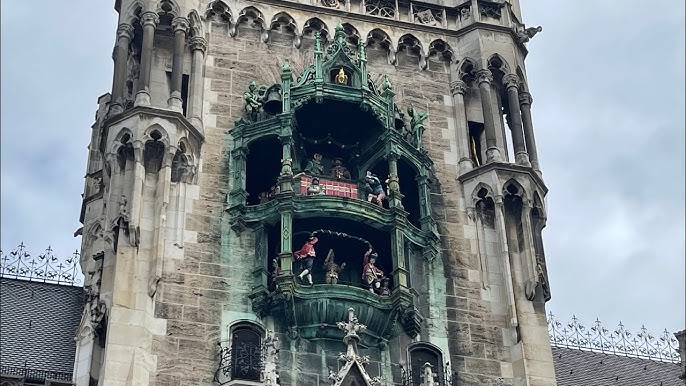
Your study abroad trip kicks off in Munich, Germany, one of Europe’s most dynamic cities! Known for its rich history, vibrant culture, and iconic landmarks, Munich is a must-see destination. You’ll explore historic sites like the stunning Marienplatz, visit world-renowned museums, and immerse yourself in the city’s modern yet traditional atmosphere.

2. Discover the Elegance of Vienna, Austria

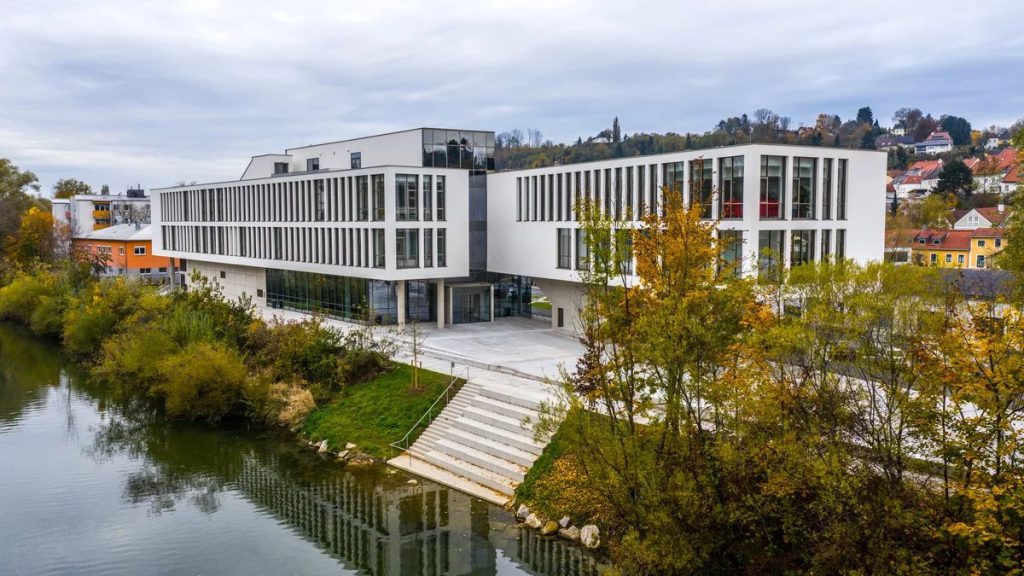
We will also travel to Vienna, Austria’s capital, a city where art, culture, and history come alive at every corner. From the majestic Schönbrunn Palace to the famous Ringstrasse boulevard, Vienna offers a picturesque backdrop to your educational journey.

As you explore this beautiful city, you’ll also dive into Austria’s rich history of business and culture. Vienna is known for its coffeehouse culture, intellectual history, and being a center of commerce. Whether you’re walking through its grand museums or soaking in the beauty of its architectural masterpieces, Vienna offers an inspiring environment for both personal and academic growth.

3. Network with Students from Around the World

One of the most exciting parts of this study abroad program is meeting new people and expanding your global network. On this trip, you’ll connect with students from diverse backgrounds and cultures, all brought together by the shared goal of learning and growth. This unique opportunity to build lifelong friendships and professional relationships will help you see the world from new perspectives.

Networking isn’t just about making friends—it’s also a critical part of your future career. The relationships you build here could open doors to international opportunities and collaborations in the future. As you study and explore together, you’ll develop valuable cross-cultural communication skills essential in today’s globalized business world.

4. Attend Business Workshops with a Global Perspective

In addition to cultural exploration, you’ll participate in business seminars that will sharpen your skills and give you a deeper understanding of international business. These workshops, led by industry professionals and experts, will cover topics such as global markets, entrepreneurship, and innovation.

Learning in this dynamic environment will give you a unique perspective on how businesses operate across borders and give you insights into different business practices and strategies. By the end of the trip, you’ll have a clearer vision of navigating global business’s complexities—an invaluable skill set in today’s job market.

5. Expand Your Global Mindset

Studying abroad is more than travel—it’s about expanding your mindset and challenging yourself to see the world differently. On this trip, you’ll immerse yourself in new cultures, hear different perspectives, and gain independence. Whether wandering through Vienna’s art museums, engaging in thought-provoking workshops, or sharing a meal with new friends, you’ll develop a global perspective that will shape you for years to come.


Want in?

Interested in exploring this opportunity? Learn more and fill out an application at the link.


—This article is written by Tammy Ellison, with the assistance of generative AI, and edited by Jason Rumsey. Tammy works in the Batterman School of Business at Concordia University Wisconsin. Jason works as a marketing strategist for Concordia University Wisconsin and Ann Arbor.

Concordia pharmacy students mentor Boys and Girls Clubs of Greater Milwaukee youth

Concordia School of Pharmacy students are making science accessible—and fun—for youth affiliated with the Boys and Girls Clubs of Greater Milwaukee.


Sometimes students fail to consider a career that could be a good fit for them. This could simply because they have not had sufficient exposure to it.

This was the case for CUW Director of Pharmacy Recruitment Michael Pickart, PhD. Growing up in rural Wisconsin Rapids, the only careers Pickart was exposed to directly were farming and sales. It took him many years to discover that he was a strong critical thinker for solving complex problems. Ultimately, this led him to the sciences, and, in 2002, he obtained his PhD in cell and molecular biology from UW-Madison. Ten years later, after positions at the University of Minnesota as a postdoctoral scientist and UW-Stout as faculty and Biology Department chair, he joined the faculty of CUW’s School of Pharmacy, which had newly launched two years earlier.

These days, Pickart is devoting his energy to helping students consider whether a career in pharmacy or a related medical science field might be the right fit for them. A key part of his strategy: expose youth to the field early.

Branching into STEM

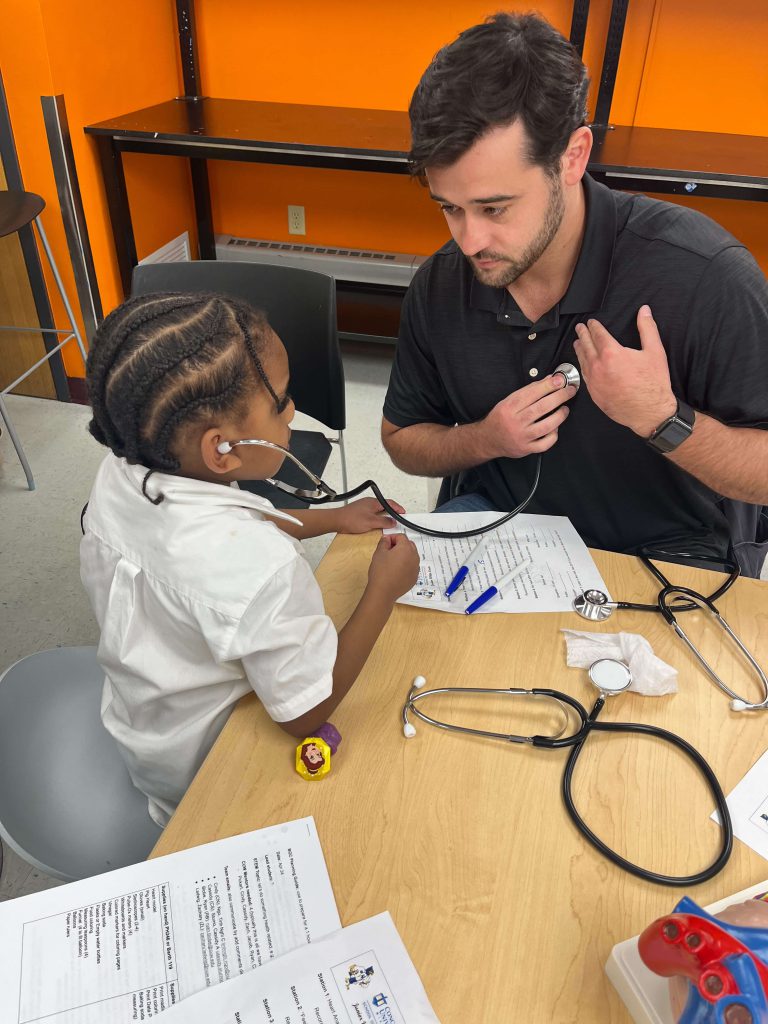
For the past several years, Pickart has partnered with the Boys and Girls Clubs of Greater Milwaukee to offer STEM after-school programming to the 40 or so youth who frequent the Milwaukee Academy of Science club site. The partnership has proven to be fruitful. Last year, the program expanded to another club site at Pieper-Hillside, on West Cherry Street.

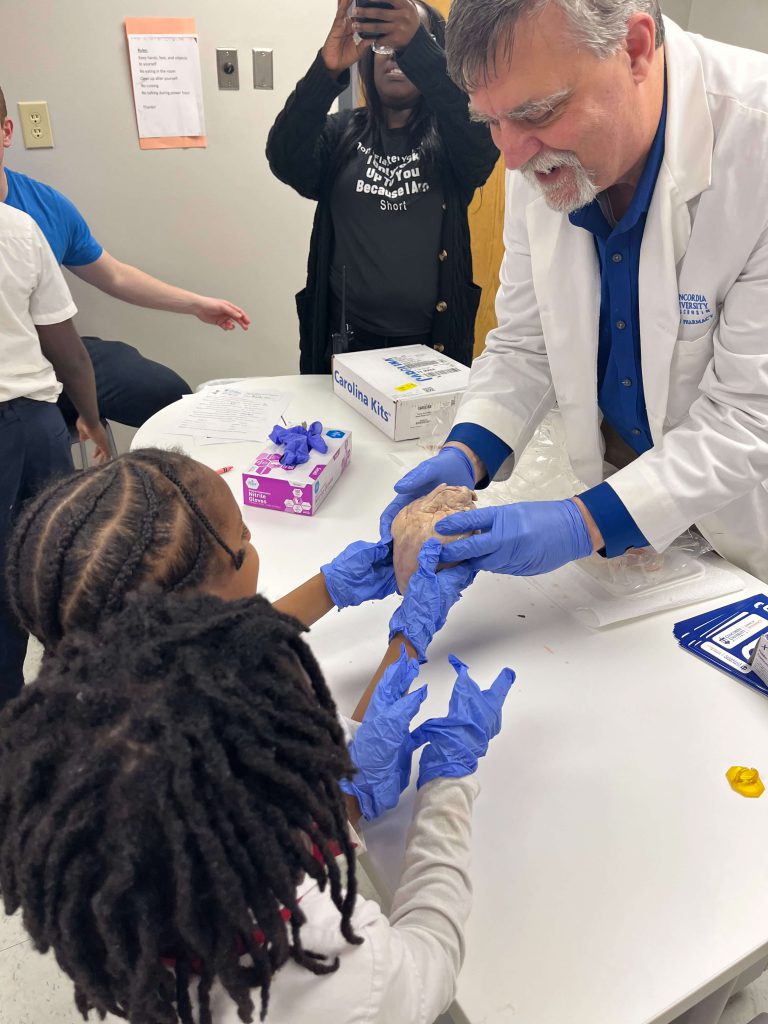
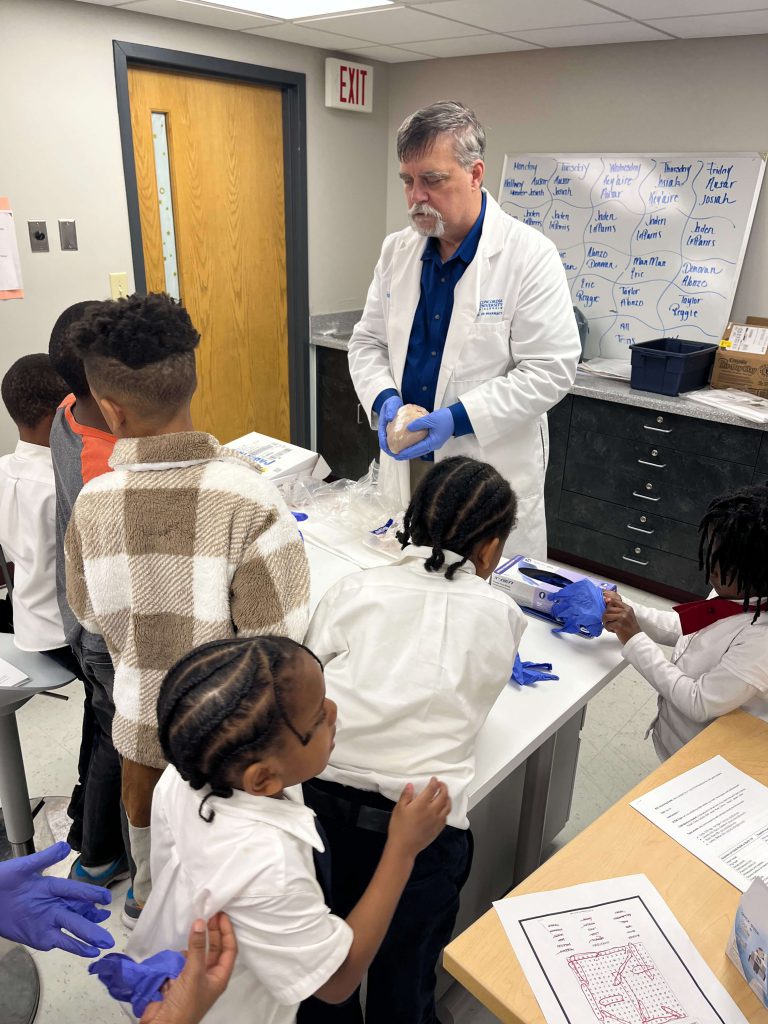
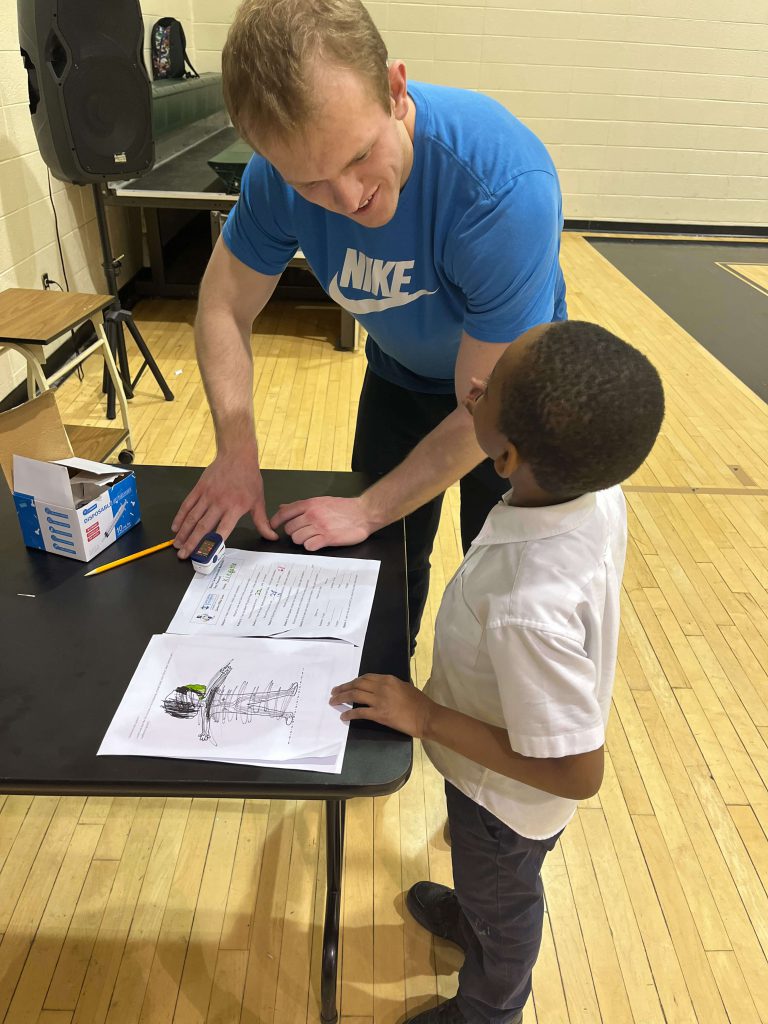
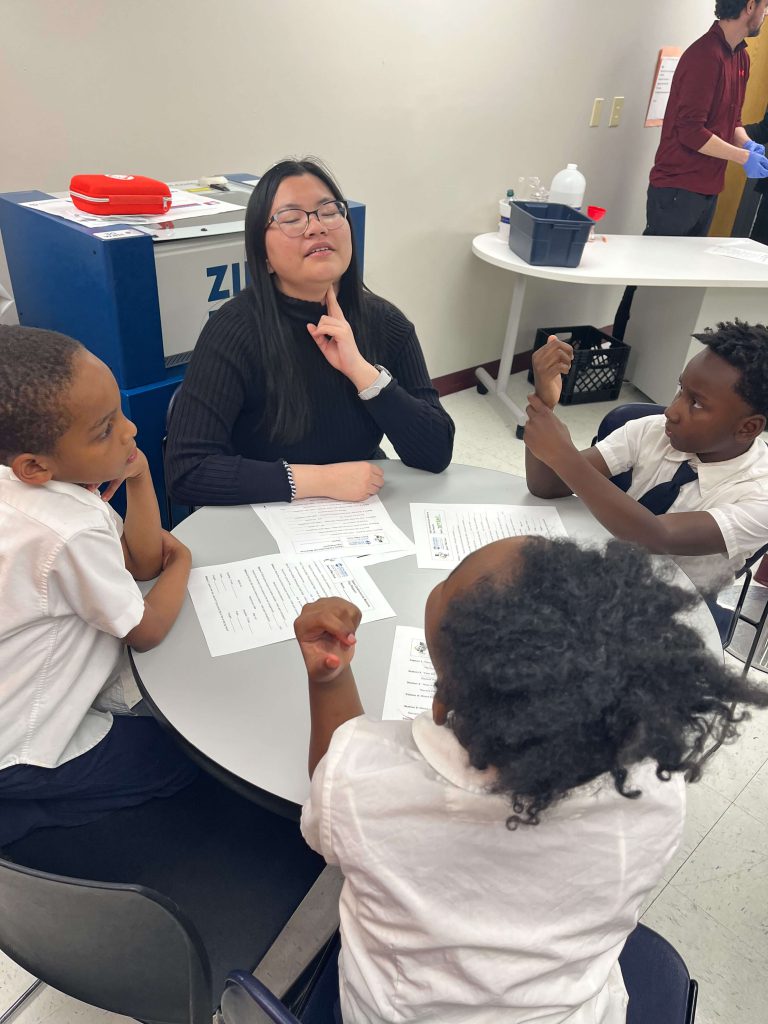
While Pickart is responsible for overseeing the design of the curriculum, the program would not be possible without the participation of Concordia School of Pharmacy students. They assist with curricular design and about once a week during the school year, travel to Milwaukee to mentor youth participants through the learning activities. Pickart has worked with Pharmacy Professor James Lokken, PharmD, MS, MEd, BCACP to ensure CUW students’ work integrates general healthcare and pharmacy career learning as well.

Seeding careers

The benefits are numerous, says Pickart. By making STEM fun for the Boys and Girls Club participants, it helps them get a taste of potential future careers. Cultivating more pharmacy professionals for the field is an imperative these days, especially in underserved areas, since the number of pharmacy school graduates has been steadily declining nationwide over the past several years. In 2022, the American Association of Colleges of Pharmacy (AACP) reported 13,323 new graduates – 900 less than the previous year, which is the largest drop seen since 1983.

“We talk to Boys and Girls Club kids involved and some of them have little to no experience with the health care system,” Pickart says. “There’s a real lack of understanding of those kinds of services that relate to STEM or health care careers, so it makes sense that not many of them would be otherwise considering a career in a related field.”

A pathway to better understanding

The program benefits Concordia students too. Those who choose to study pharmacy at Concordia may opt into a curricular pathway which allows them to essentially specialize in a certain area. Concordia currently offers four pathways:

  • Pharmaceutical research
  • Pharmacy administration
  • Pharmacy residency
  • Underserved

Upon completion of a pathway, students receive a special designation on their transcript to note their accomplishment and indicate their added competency. 

Lokken, who co-coordinates the underserved pathway, said the experiences students are exposed to through the pathway are often eye-opening.

“This is a great way to enhance empathy, understanding, and awareness within our students,” Lokken says. “It’s a way to accelerate their learning so that they can ultimately understand and serve their future patients more effectively by delivering culturally attuned care.”

Exposing students to new situations and new relationships has proven to be a winning model all around, says Pickart. And it doesn’t take long for the effects to set in.

After just a couple visits to Pieper-Hillside last semester, Pickart said he was delighted to have a young boy excitedly approach him. “A little guy came up to me and said, ‘Dr. P., I want to be a scientist like you someday!’” Pickart says. “These kids need to be exposed to these things and be encouraged in it.


Want in?

Concordia University Wisconsin’s School of Pharmacy is one of only three PharmD offerings in Wisconsin, and Concordia is the only private Christian university in the state to host a pharmacy school. CUWSOP graduates routinely earn high pass rates on national certifying exams, with last year’s cohort earning the second-highest NAPLEX pass rate in the region. Graduates also routinely exceed national residency match rates.


Concordia’s Post-Traditional Programs Help Students Bring Understanding and Wisdom for Thriving in a Complex World

In this complex world, many of us seek guidance and support as we navigate the challenges of everyday life.


Concordia University provides programs to assist students looking to have an uncommon and caring impact in the world around them. CUW offers degrees in School and Professional Counseling, and an online, accelerated Applied Psychology BA.

Associate Professor of Psychology, Dr. Christopher Stark, took time to discuss Concordia’s Accelerated degree in Applied Psychology:

What would the benefits be for those interested in Counseling, to earn a degree in Applied Psychology?

An applied psychology degree provides a foundation in psychological theory and practical skills. It’s important to carefully consider your career goals and interests when choosing a degree program. The numerous benefits to earning a degree in Applied Psychology include:

  • A strong foundation in psychological theory and research.
  • Evidence-based techniques and interventions to use in practice.
  • A focus on practical applications that apply to the counseling field.
  • Graduates will be more adaptable to various counseling settings, such as counseling centers, hospitals, private practices, and schools.
  • Students can specialize their educational track by adding a specialized minor
  • This specialization can make graduates more competitive in the job market and when applying to graduate school.

How does Concordia’s Christian perspective prepare students differently from other Psychology programs?

Even before the pandemic, the job outlook in the field of psychology was growing. Then, due to the struggles that people have experienced, the need for people with backgrounds in psychology has grown tremendously.

While society and culture become more and more secular, people are finding only emptiness and loneliness. In their hearts and minds, people have an inner longing for something beyond this world. Many are turning to the Christian faith, but they may not know how.

Students will learn how psychology and the Christian faith can be integrated. It provides a more holistic understanding of psychology. A Christian worldview provides an understanding of human behavior and experiences in a holistic way.

Through the integration of the Christian faith, students can find deeper meaning and purpose in their studies. It establishes an ethical framework for providing compassionate care. This is established through the guidance and mentorship of Christian instructors. They provide spiritual and academic support throughout the learning process and study psychology within a Christian context that can connect students with like-minded individuals, and develop an attitude of compassionate care and service.

Aside from Counseling, what other career opportunities might be available to those earning a degree in Applied Psychology?

While the degree serves as a natural step toward Counseling degrees and licensing, students find careers in Human Resources through employee recruitment and development, Marketing/Sales, Research, Social Work, and Education.

Students who have graduated from CUW’s Applied Psychology program have continued their success by pursuing master’s degrees in CUW’s counseling and social work programs. They have also used the knowledge and skills they have obtained to expand their careers through promotions at jobs at which they were working while studying and finding new and higher paying jobs.

Interim Director of Counseling, Laura Adameak, agrees that the Applied Psychology degree is a terrific stepping-stone to Concordia’s graduate programs for Counseling as she responds:

What are the benefits for those interested in Counseling, to earn a degree in Applied Psychology?

Concordia’s Applied Psychology degree provides a foundation for anyone interested in pursuing a graduate degree in clinical or school counseling. Counselors love to root out problems and help clients come up with viable solutions. Having a broad understanding of the biological, social, and emotional underpinnings of the human experience is beneficial for anyone working in counseling.

How does Concordia’s Christian perspective prepare students differently from other Counseling programs?

One tenet of our graduate counseling program mission is to prepare graduates to be ethical servants who value the diversity of God’s children. This is a fundamental difference that our program offers- we see everyone we serve as fellow children of God and are in need of healing. Additionally, at Concordia we see counseling as more than just a job – it’s a vocation. God uses those called to serve in this profession as a means to love and serve our neighbors through Him.

What other career opportunities might be available to those not looking to pursue Counseling?

Graduates of the counseling foundations degree or those who do not pursue licensure are well equipped with a universal skillset to work within the helping professions. These careers could be in social services, care coordinators, behavioral health technician, and crisis workers.


Want in?

CUW’s Online classes are offered year-round, with students beginning courses in two eight-week mini-terms during the Spring, Summer, and Fall for most programs. Take action and connect with Concordia University’s admission team by visiting CUW Accelerated Admissions for undergraduate degrees or Graduate Admissions for the master’s degrees or by calling 262-243-430