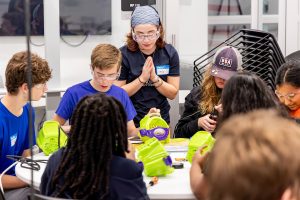
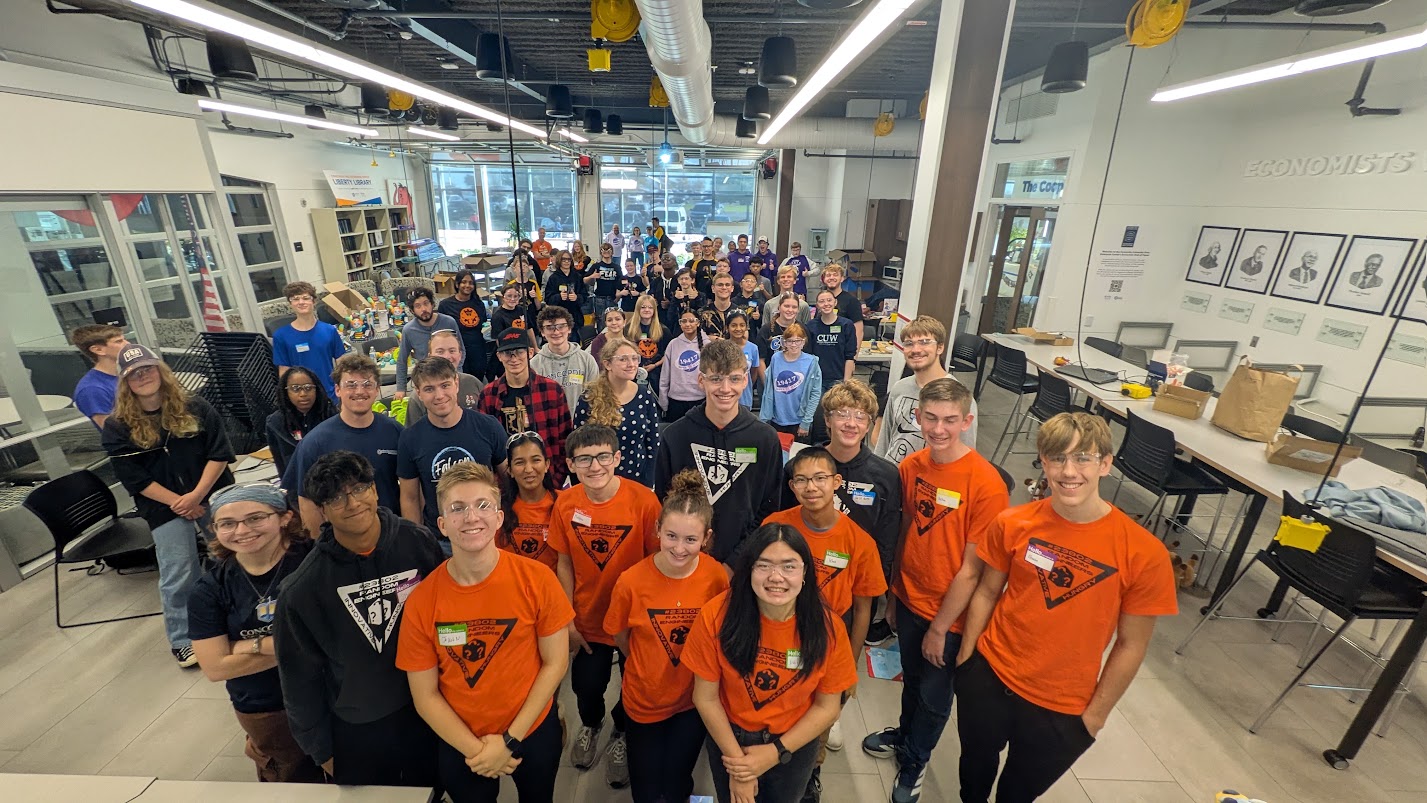
Engineering students, campus volunteers and 54 high school robotics students joined forces to adapt toys for children with disabilities.
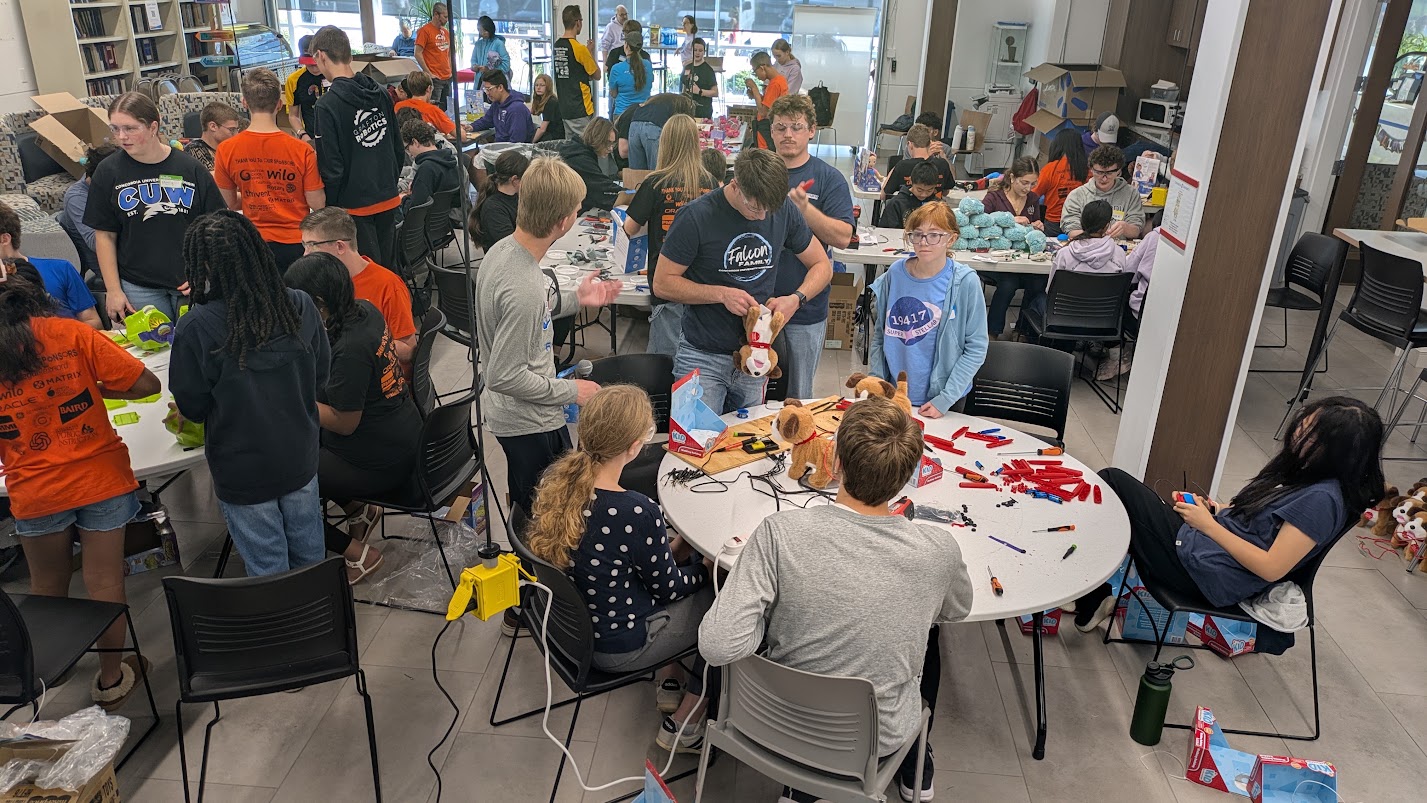
By 2 p.m. Saturday, Oct. 24, approximately 120 toys had been adapted at Concordia University Wisconsin, each offering a child with disabilities a new way to play.
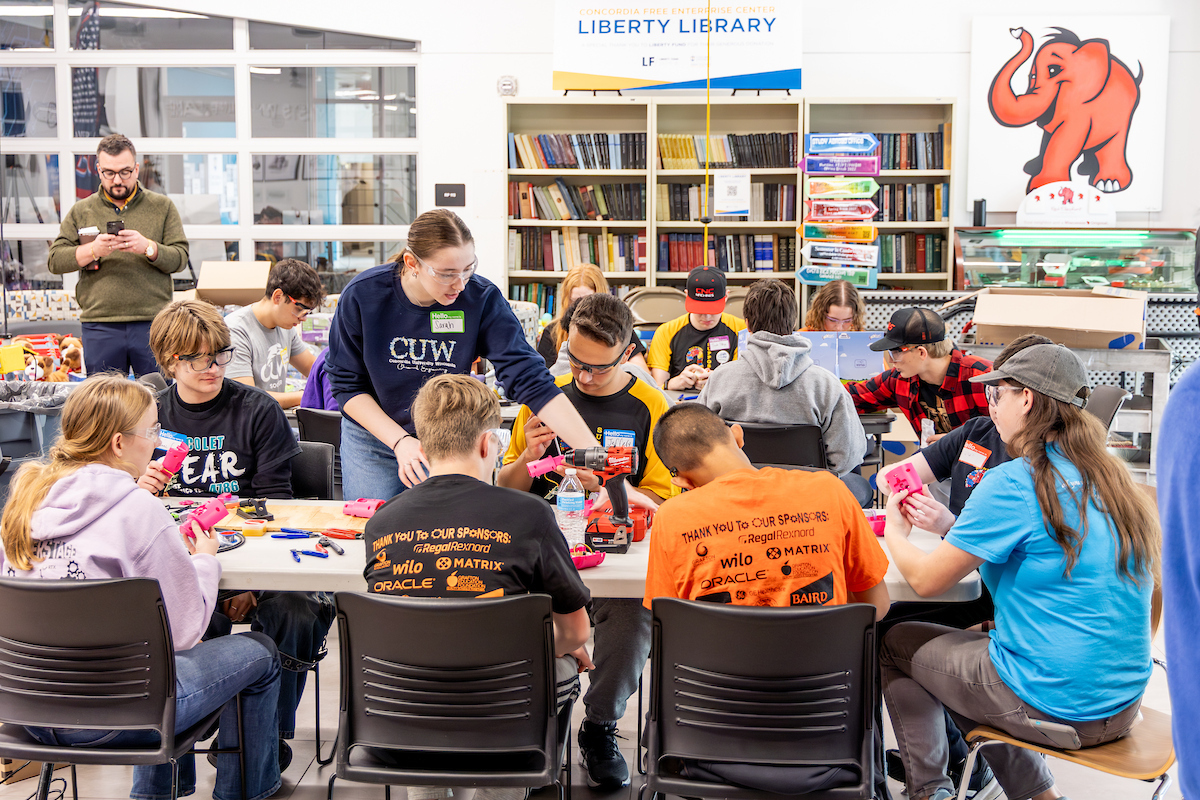
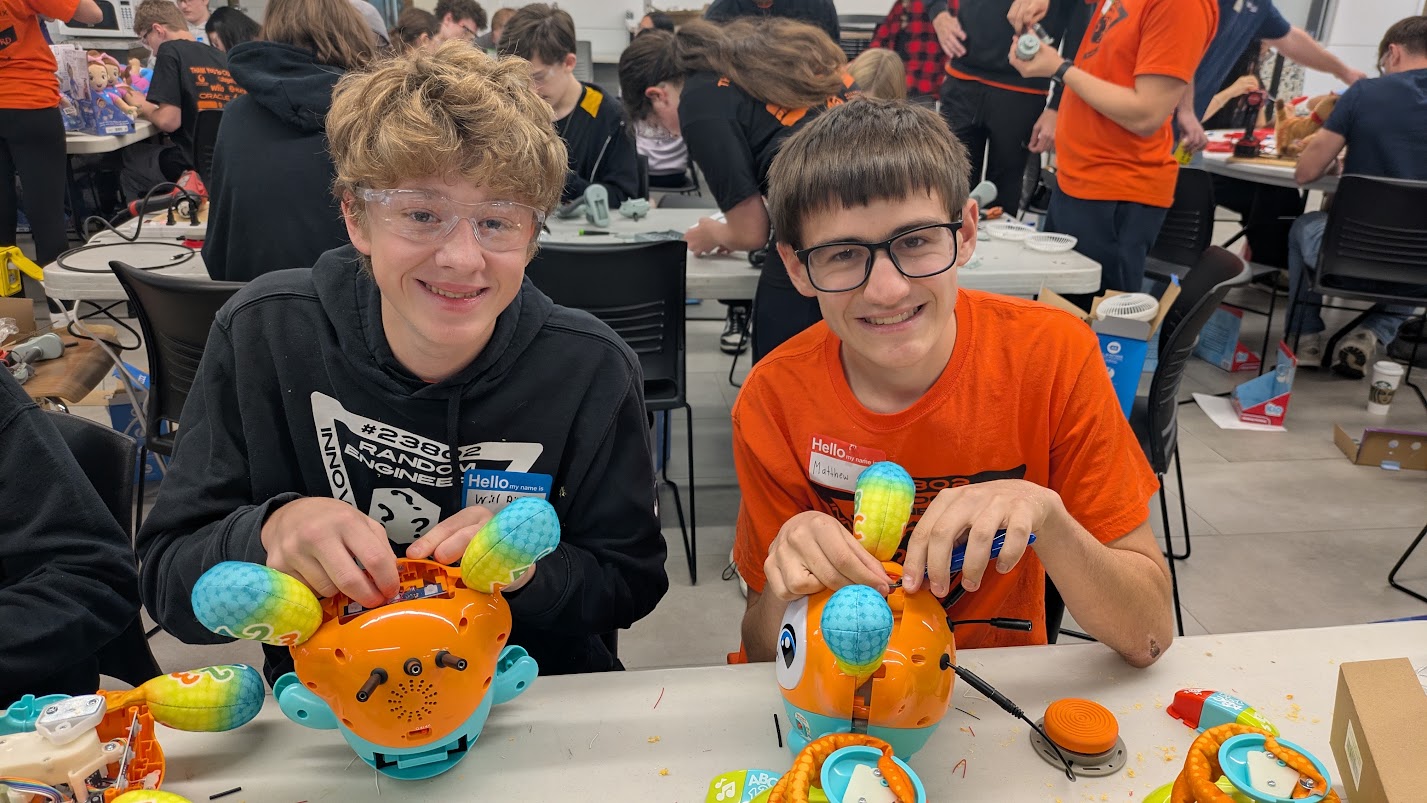
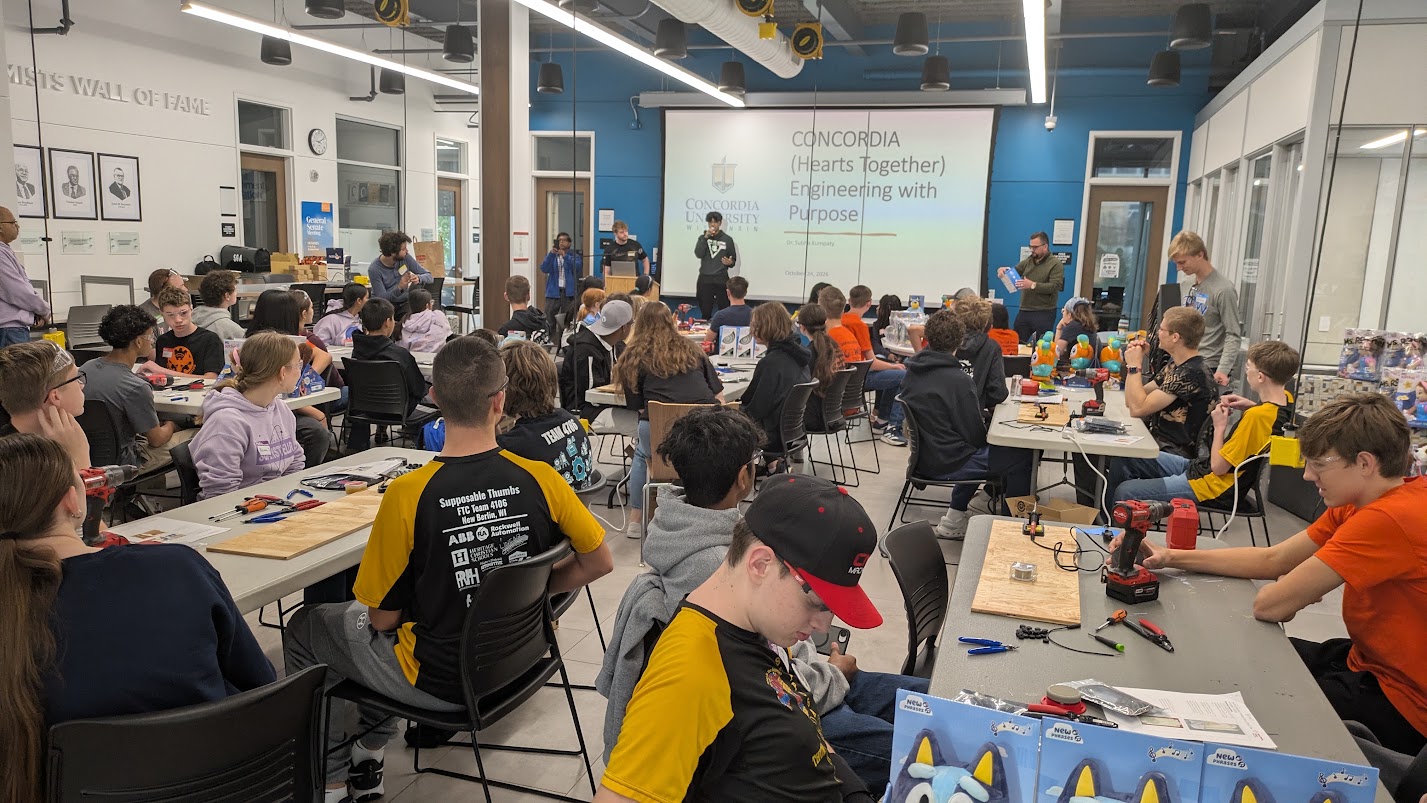
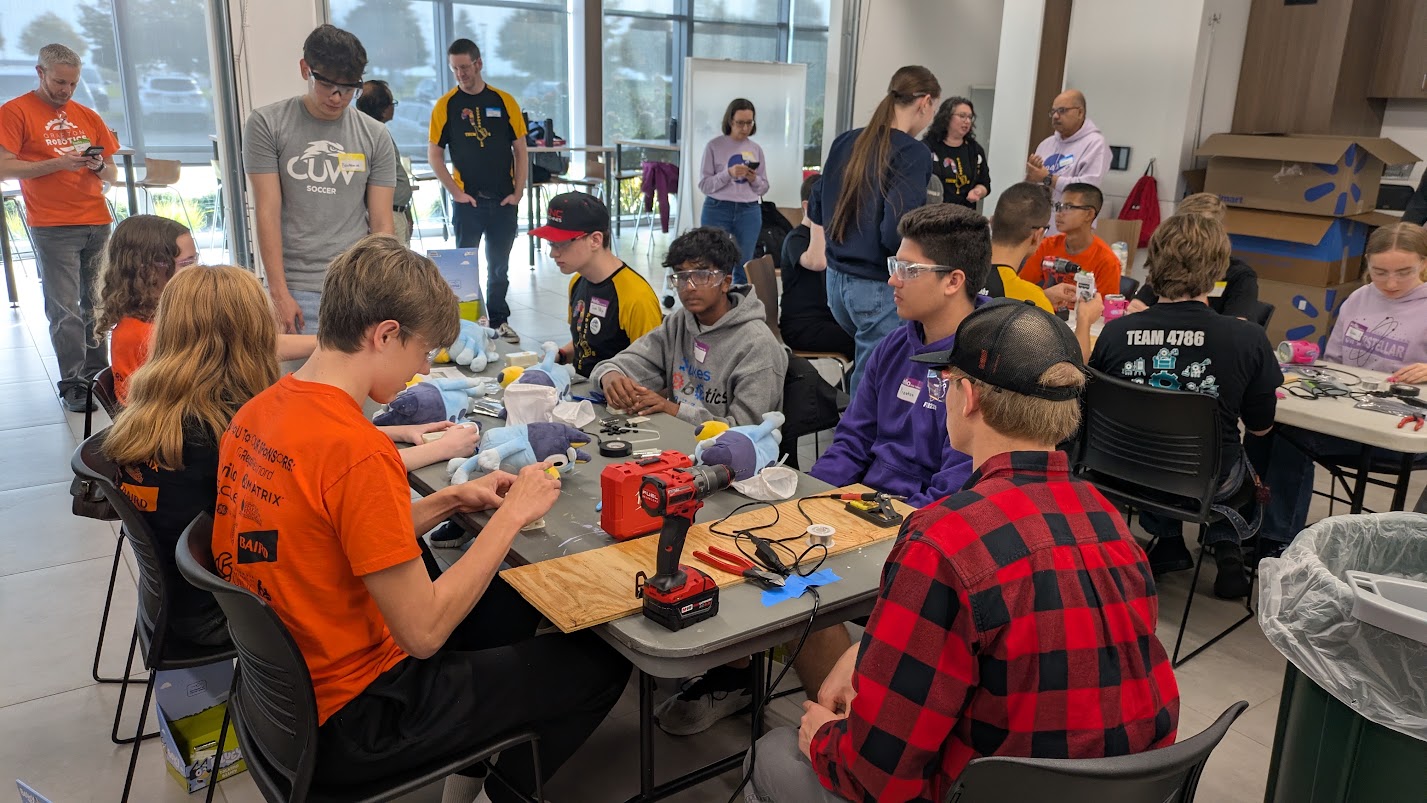
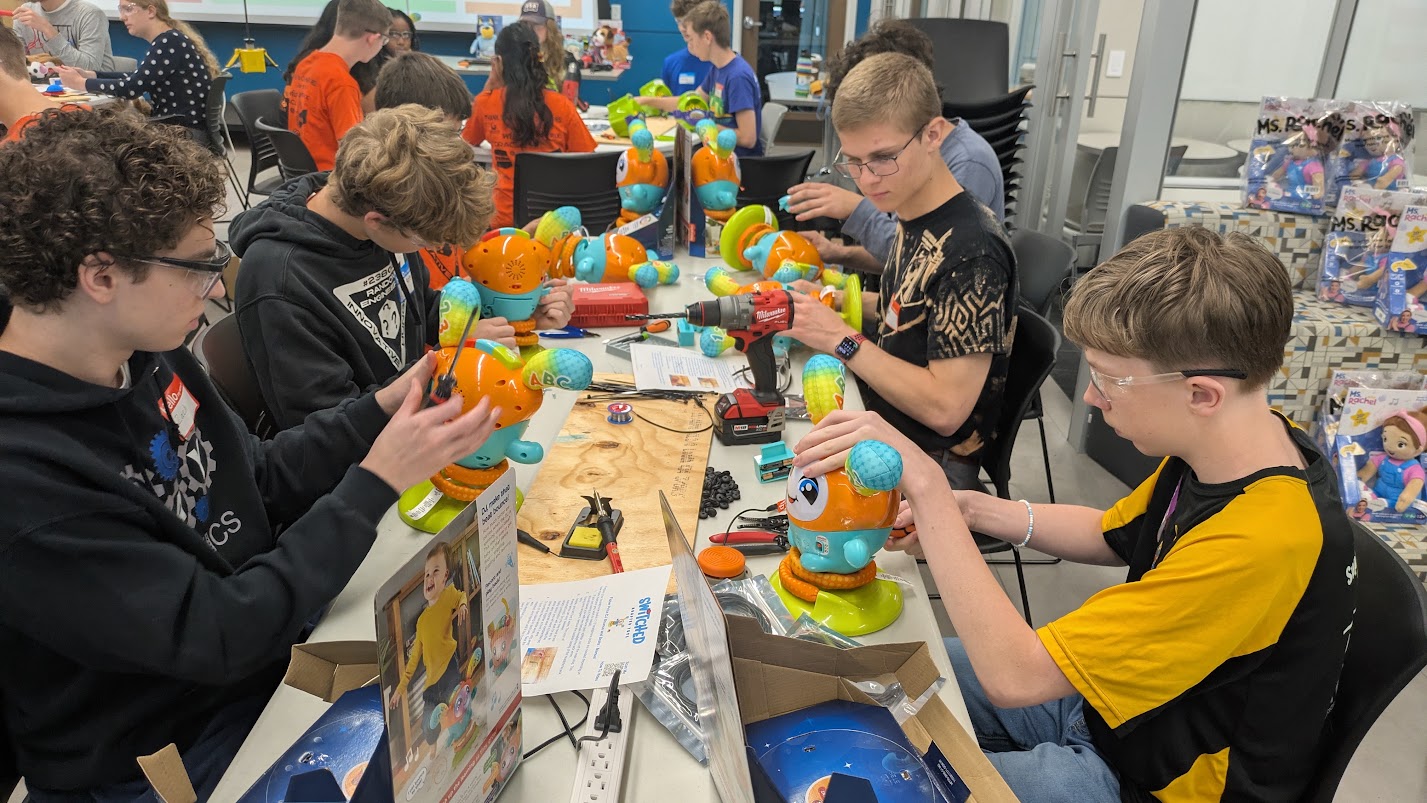
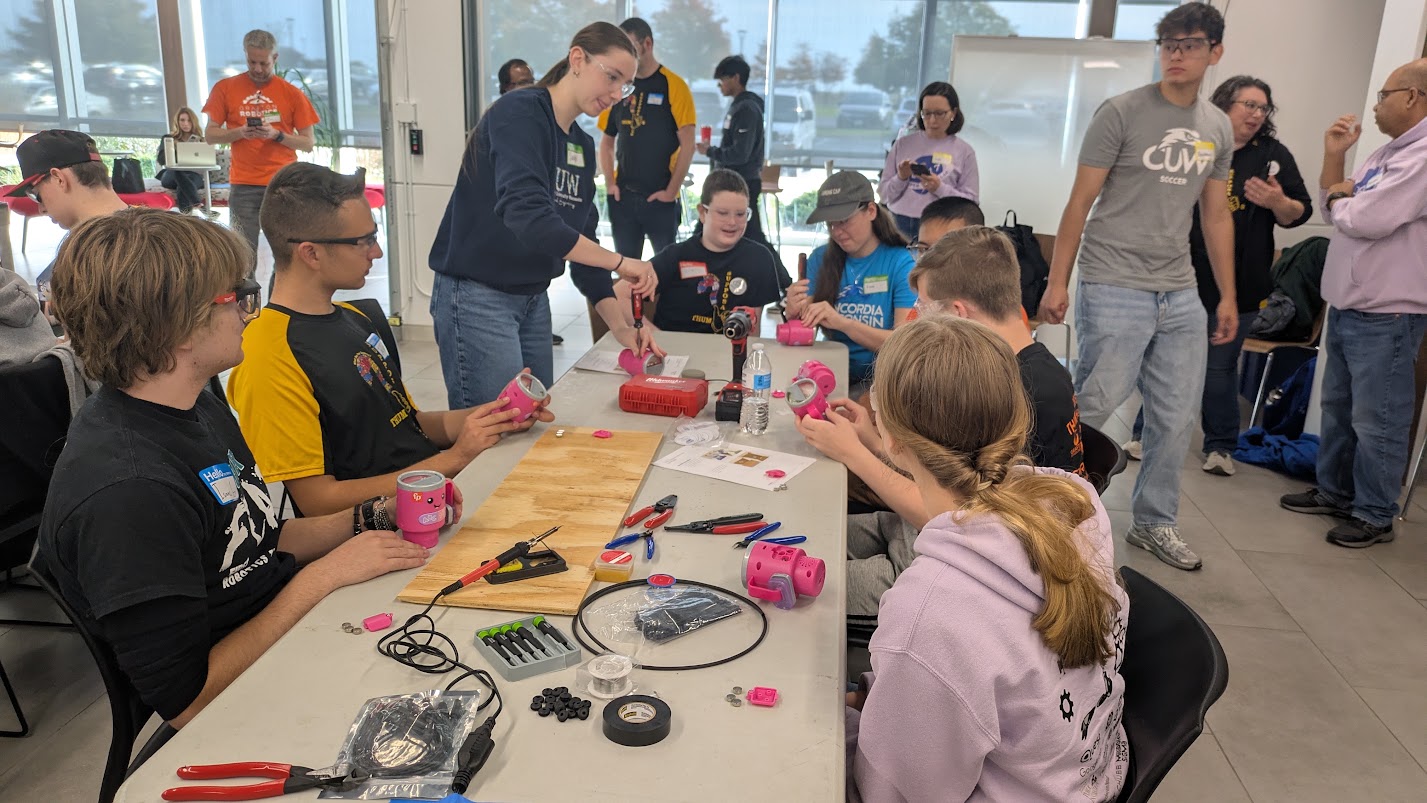
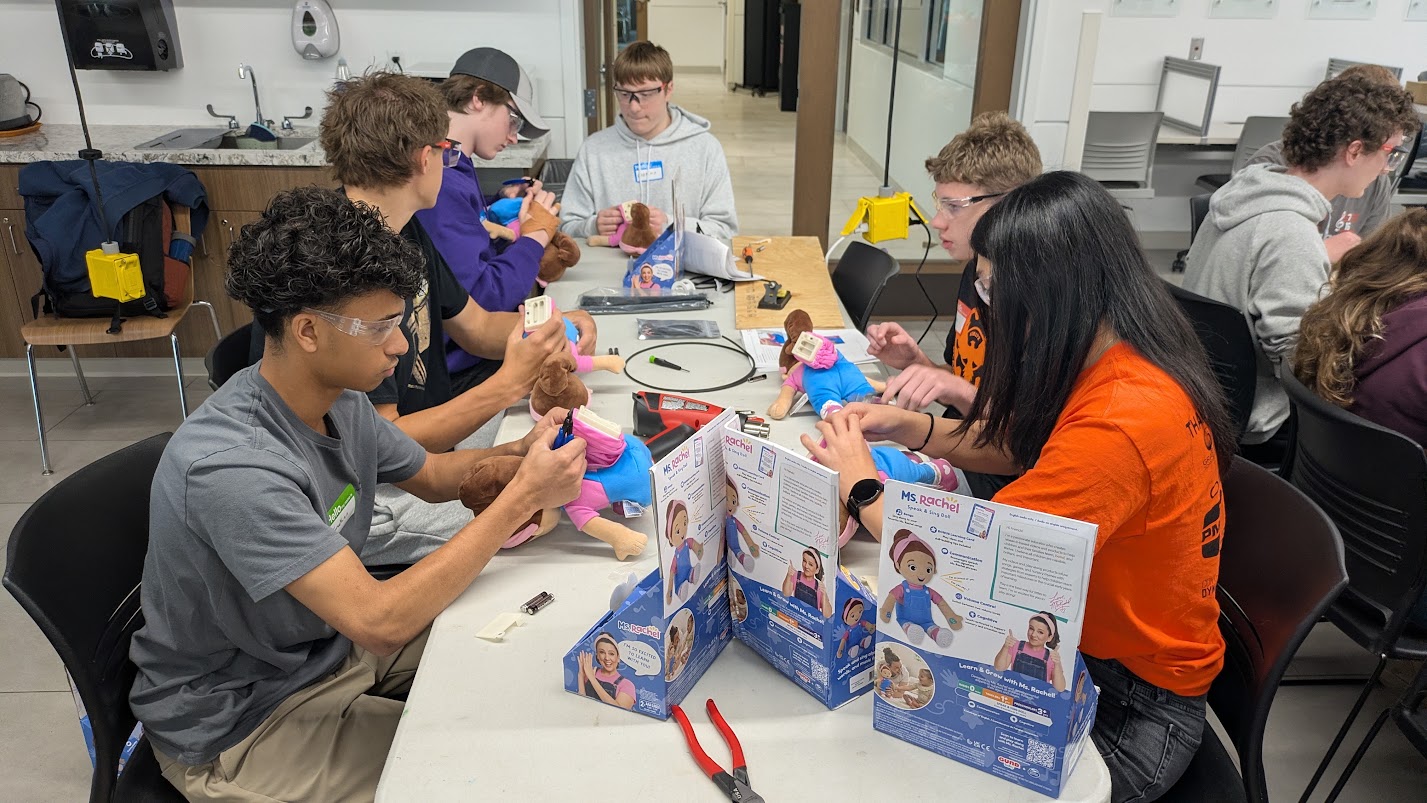
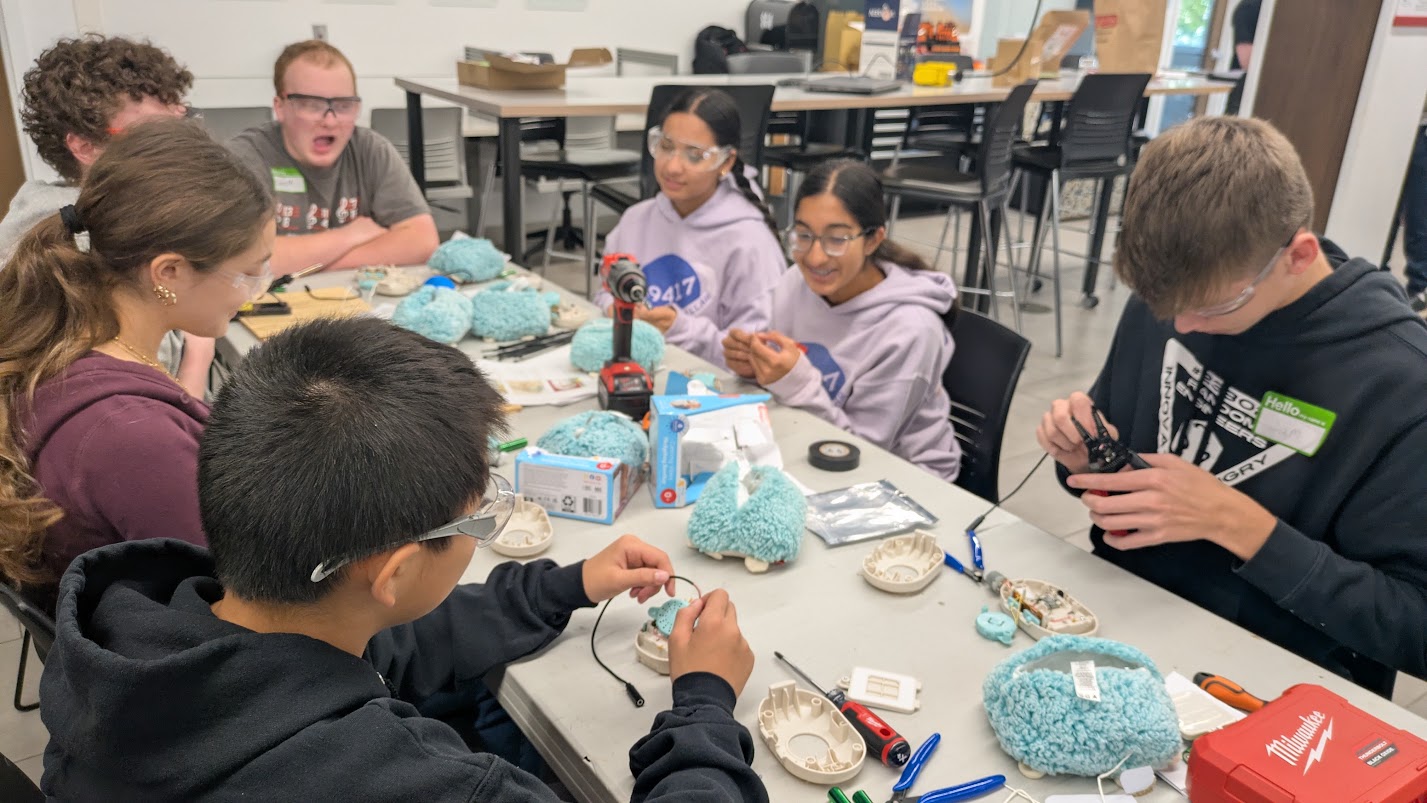
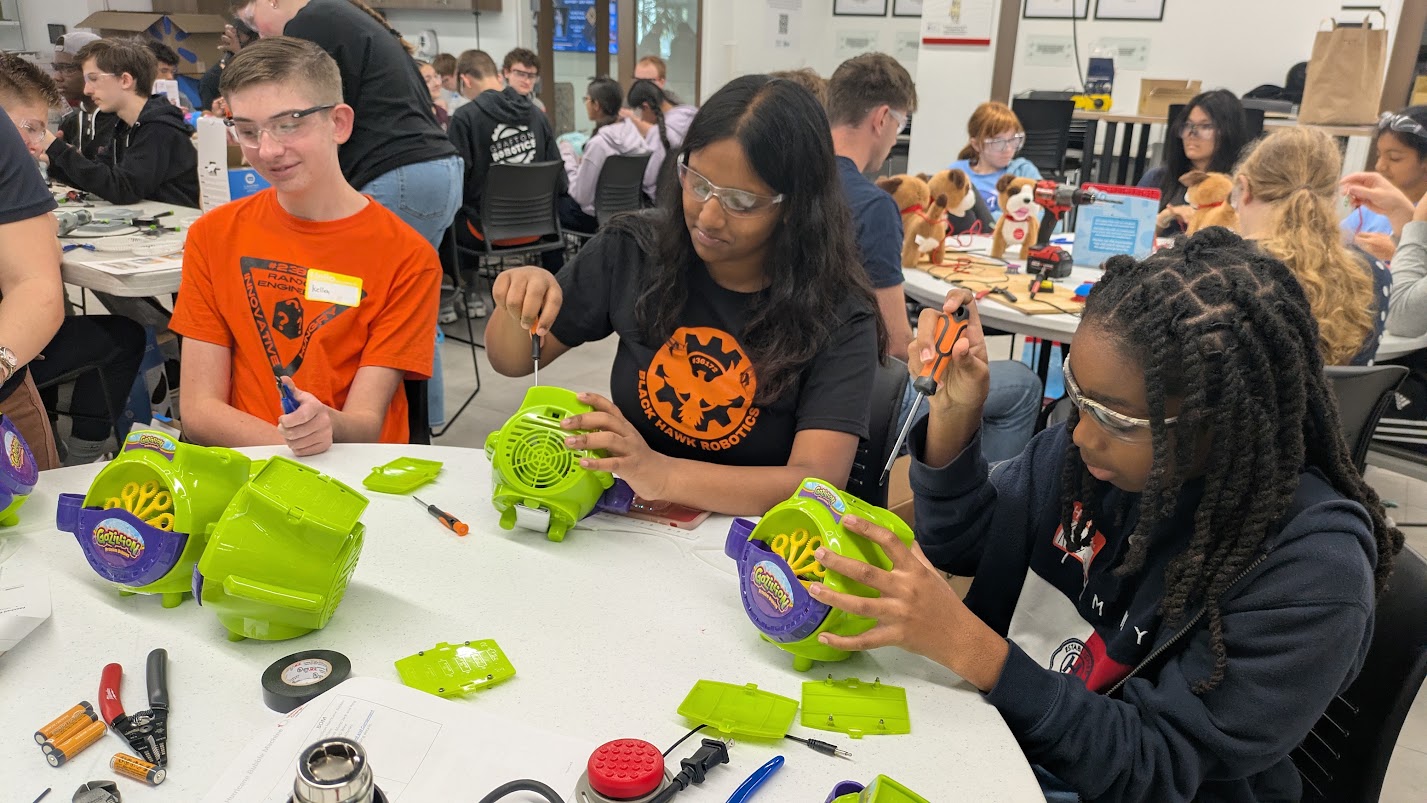
The university’s first adaptive toy build day brought together CUW engineering students, occupational therapy volunteers and eight area high school robotics teams. Working side by side, they modified ordinary toys so children with physical or developmental disabilities could operate them using accessible external buttons.
A battery-operated toy that sings, moves or lights up may seem simple enough to use. But for a child who struggles to press a small, inconspicuous button, that simple action can become a barrier to play, learning and development.
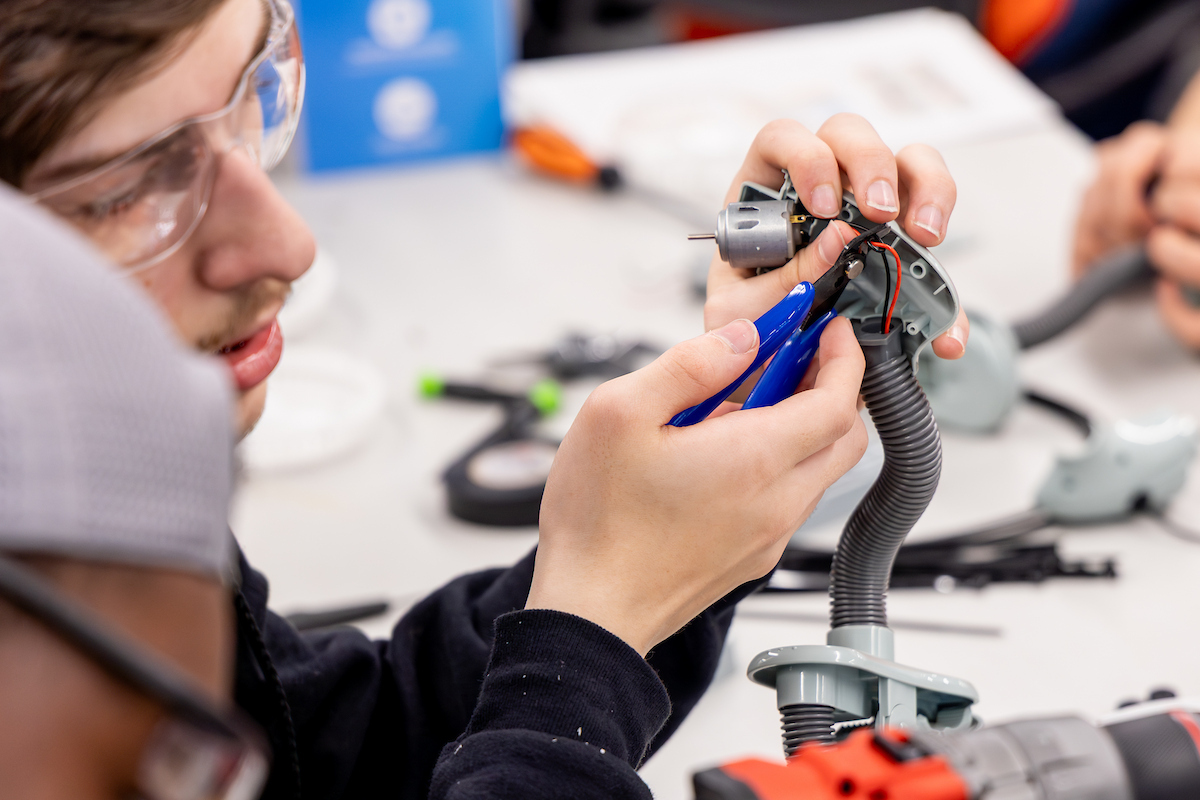
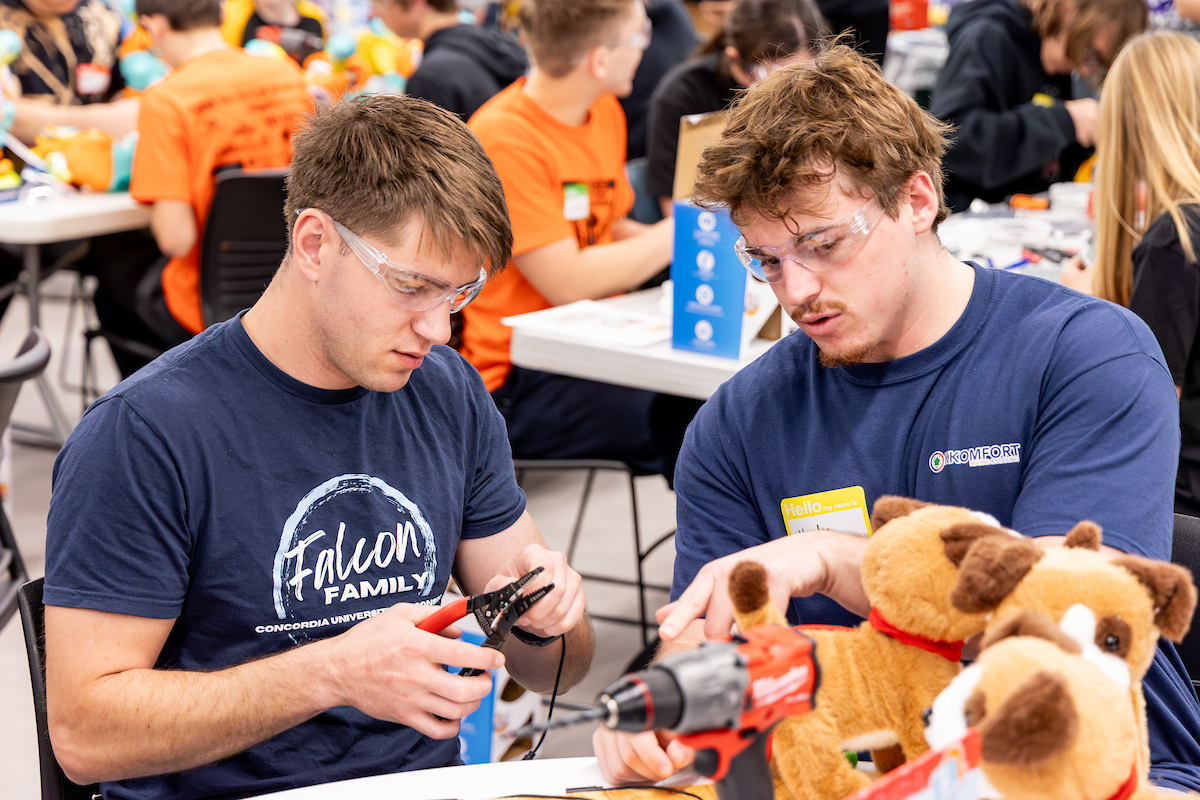
That’s where adaptive toy build days come in. Volunteers open commercially available toys, locate their activation circuits and add connections for external buttons. These modifications allow children to activate the toys independently, using larger buttons that are easier to press based on their physical abilities.
The process requires students to have patience and attention to detail. They must identify the appropriate wiring, solder new connections and secure them before reassembling each toy. A final test ensures the toys’ existing features and new adaptations work safely.
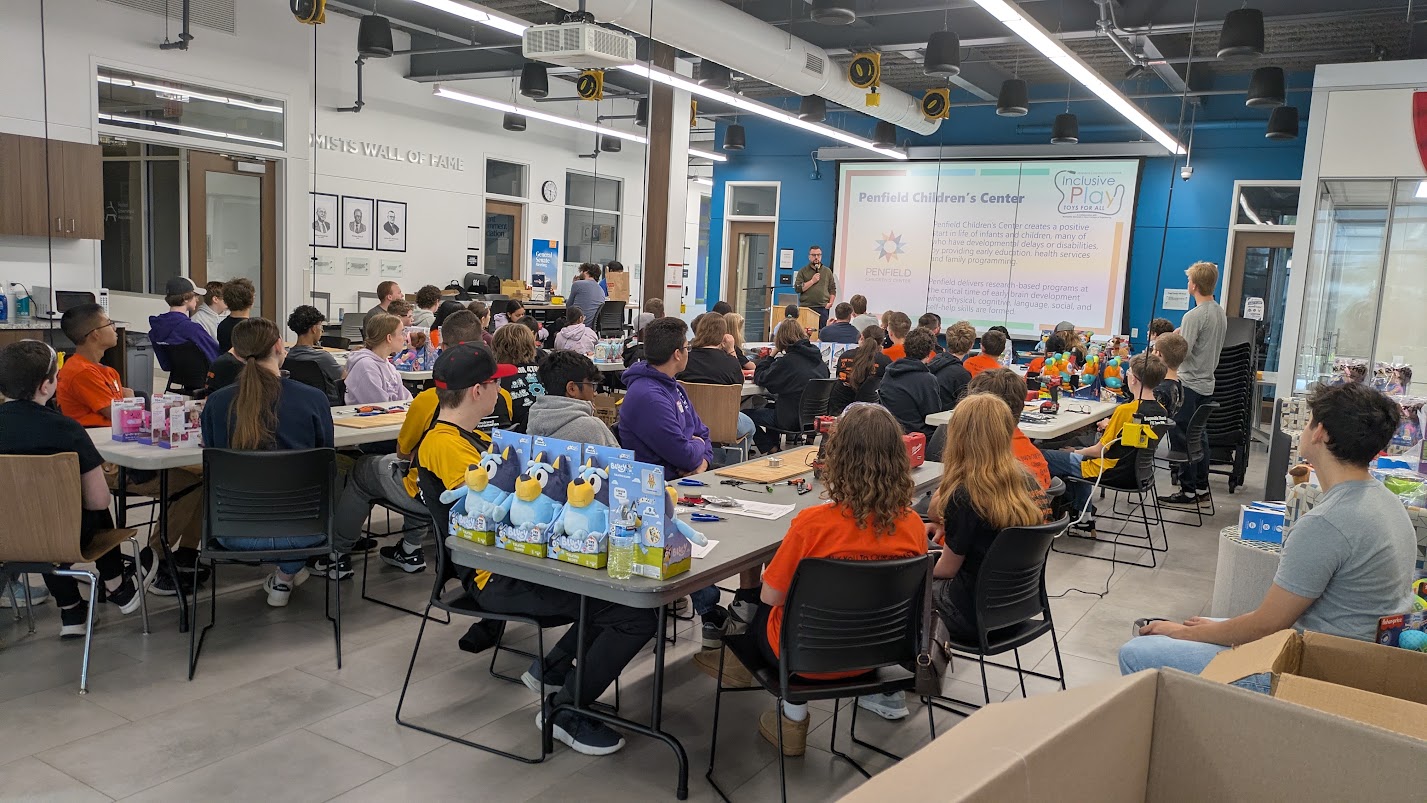
This event marked a milestone in Concordia’s growing involvement with Inclusive Play: Toys for All, an initiative developed through Penfield Children’s Center and Marquette University’s Opus College of Engineering.
Students leading students
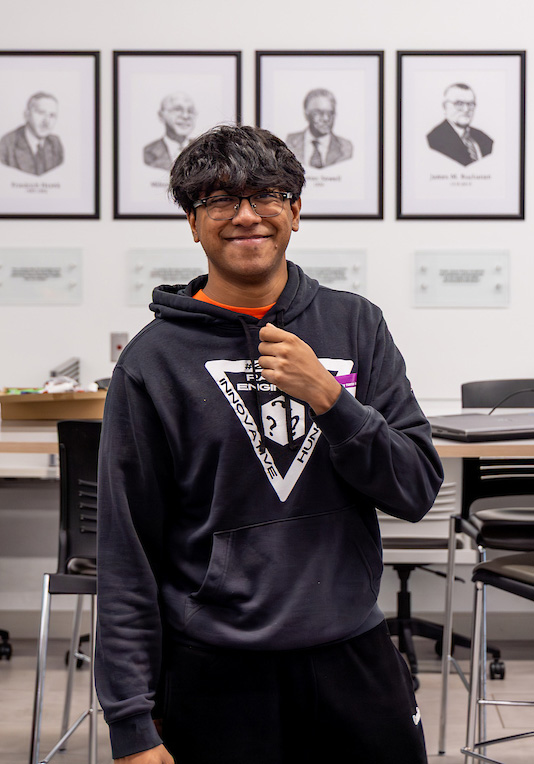
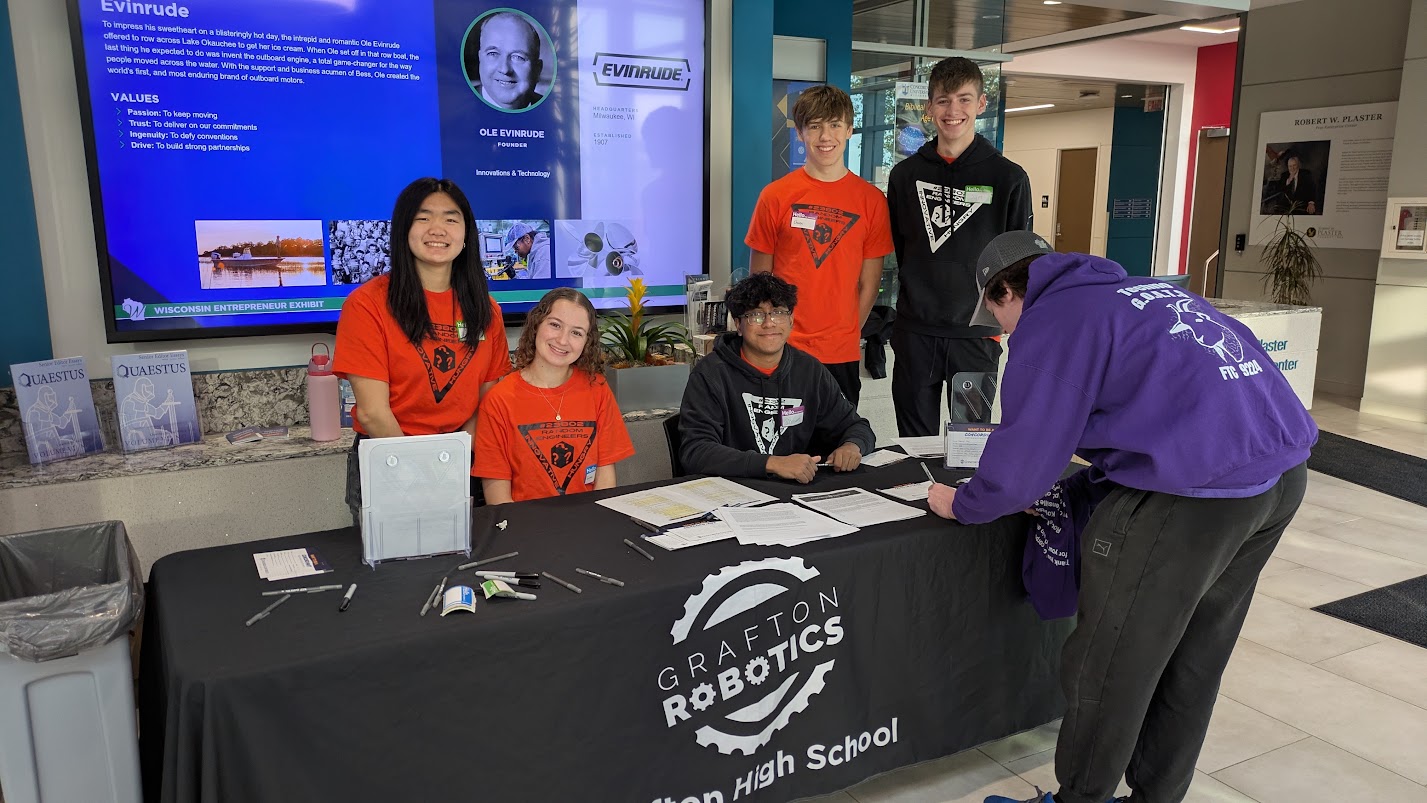
CUW engineering students Lucas Kearney and Evan Delvaux joined forces with Grafton High School seniors Shaunak Chaudhuri and Libbie Coleman, members of the Random Engineers robotics team, to organize the event. Together, they coordinated logistics, supplies, volunteers and participation from area high schools.
Kearney said the experience reinforced a lesson about vocation: The skills students develop through their education are ultimately meant to serve others, even when the work presents challenges.
“Solving problems to be of service of others is the real purpose to our education and skill development,” he said.
Chaudhuri said one of the highlights was meeting students from different schools and backgrounds who shared an interest in helping others.
“Though I’m on the business and marketing team, I can still use my strengths to make a difference!” he said. Organizing the event gave him an opportunity to put his communication and leadership skills to use, particularly when it came to encouraging participation.
High school robotics students from eight area teams had an opportunity to put their technical skills to work helping others. Participants came from Grafton, Whitefish Bay, Elm Grove, Mequon and Nicolet, as well as Heritage Christian and homeschool programs. Four students from Sheboygan Lutheran also participated.
Katie Eippert, an academic advisor in CUW’s Office of Undergraduate Advising who works with Grafton’s Random Engineers robotics team, helped connect the high school robotics community with Concordia. Kumpaty praised her involvement, recognizing the enthusiasm and connections she brought to the event.
“My team had so much fun working with the Concordia engineering students, and it was an incredible cause as well!” she shared afterward. “So cool to see all the toys created!”
A shared purpose
Concordia’s involvement began in 2023, when Kumpaty connected with Vladimir Bjelic, a speech-language pathologist at Penfield Children’s Center, through CUW professor Yiming Liao. Kearney, then a pre-engineering student, was also involved in the early efforts. Engineering students soon began designing and 3D printing adaptive buttons. They also participated in Inclusive Play: Toys for All build days at Marquette University in 2024 and 2025.
The project continued to grow. Students explored alternative designs during the 2024-25 academic year, and Delvaux received additional training in summer 2025. Concordia donated 50 adaptive buttons to Penfield in April 2026.
Seeing those early efforts come together at this event was a dream come true for Kumpaty. During his opening remarks, he drew from Isaiah 55, reflecting on God’s invitation to be a blessing to others and the assurance that His Word accomplishes its purpose. The passage also speaks of going out in joy and being led forth in peace, a message that resonated with Kumpaty as he watched his students guide high school participants through the builds.
The day also provided opportunities to connect beyond the workstations. Participants enjoyed conversations over lunch, and a Student Government Association representative stopped by to see the work firsthand, expressing appreciation and continued support for the project.
Afterward, Kumpaty described feeling overwhelmed with joy and gratitude to God as he reflected on how far the effort had come. “What a remarkable way God used you to lead the teams and complete the builds safely,” he wrote to the student leaders. “You are terrific and I thank God for you.”
More than a day’s work
Bjelic, who works primarily with young children through Milwaukee County’s Birth to 3 Program, knows what these adaptations can mean for families. Imagine watching your child activate a toy on their own for the first time. That simple action can help them understand cause and effect, encourage communication and create new opportunities to play with others.
Recognizing what a toy can mean to a child gave the day’s work a deeper purpose. Volunteers also gained insight into inclusive design and how engineering decisions can affect someone’s ability to participate in everyday activities.
Support came from across campus and beyond. CUW’s Student Government Association funded toy purchases through the Concordia Engineering Network. The engineering department helped secure supplies and accessories, while Milwaukee Tool provided many of the tools used at the workstations.
Although the event has ended, the most rewarding moments are still to come. Each adaptation has the potential to give a child greater independence, whether that means activating a favorite song, making a toy move or playing alongside a sibling. Sometimes, simply seeing a child smile is all the encouragement needed to keep going.
Kumpaty has summed up the purpose behind Concordia’s involvement in a few simple words: “Even if one child has benefited, it’s worth it.”
Want in?
Concordia University Wisconsin is a Lutheran higher education community committed to helping students develop in mind, body and spirit for service to Christ in the Church and the world.