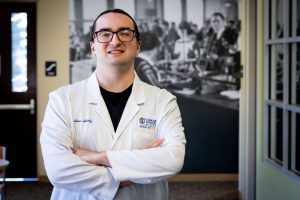
Mathew Hintz’s experience abroad offers insight into patient care and global practice.
Long before pharmacy school, Mathew Hintz, ’26, was drawn to Japan. As a kid, it started with an interest in robotics, history and culture. He remembers being fascinated by robots, samurai and castles—early interests that stayed with him as he grew older.
In high school, his curiosity expanded to include music and language. By the time he reached the University of Iowa (UIowa), Hintz chose to pursue degrees in both biochemistry and Japanese, pairing scientific study with a growing understanding of culture and communication.
That interest eventually brought Hintz halfway across the world.
Hintz is in his final year of the Doctor of Pharmacy program at Concordia University Wisconsin and is expected to graduate this May.
During his time at CUW’s School of Pharmacy, Hintz spent two months in Japan working alongside faculty and students at Matsuyama University. The experience gave him a firsthand look at pharmacy practice in another country.
Concordia’s draw
Hintz said Concordia initially caught his attention because of its connection to The Lutheran Church—Missouri Synod. “As a member of the LCMS myself, I thought the connection to the church would be a great opportunity to pursue growth in the faith while studying; it was quite a change of pace from being in public schools all my life,” he said.
What ultimately set Concordia apart, however, was the School of Pharmacy’s international partnerships.
Through the work of Dr. Uvidelio Castillo, professor of pharmacy, CUW has built partnerships with universities in Japan, including Matsuyama University and Chiba University. Those connections gave Hintz early opportunities to engage with visiting students and faculty, practice his Japanese and build relationships that later shaped his experience abroad. It was also during this time that he first met Professor Satoshi Okuyama.
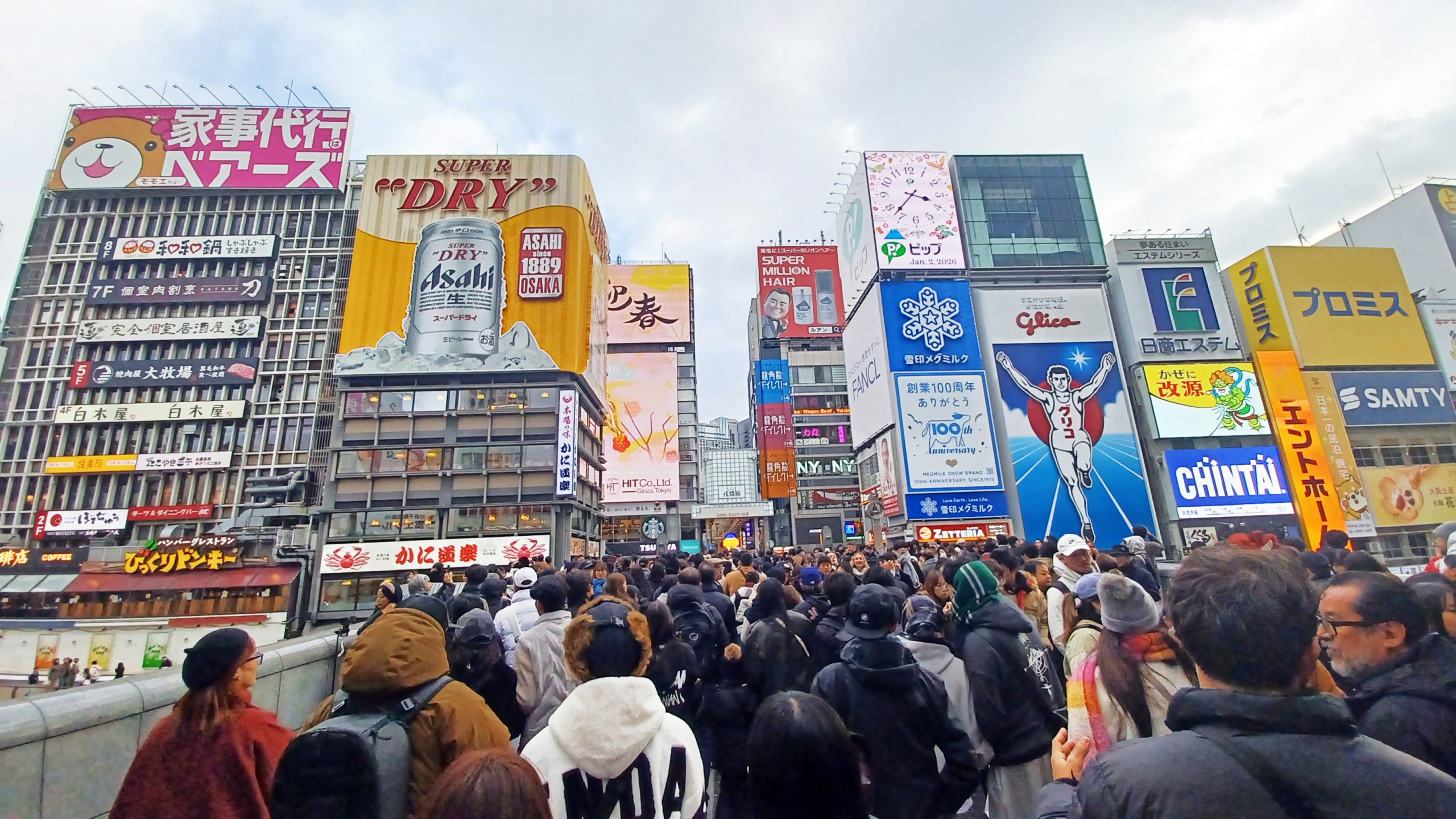
In 2023, he traveled with Castillo and a group of students and alumni to Tokyo, Kyoto, Osaka and Nara, gaining a broader understanding of the country’s culture and daily life. The experience strengthened his confidence in a new environment and confirmed his desire to return.
Castillo said Hintz demonstrated an early interest in global engagement, along with a clear ability to connect his academic background with pharmacy practice.
“What stood out was his drive to connect those areas with the pharmacy profession,” Castillo said. “Even before his rotation at Matsuyama University, he took initiative on campus, engaging with visiting faculty and students from Japan and building meaningful professional relationships.”
That foundation led to his return to Japan in 2025, where he continued his learning in a more immersive setting through faculty mentorship and CUW’s partnerships.
Learning across cultures
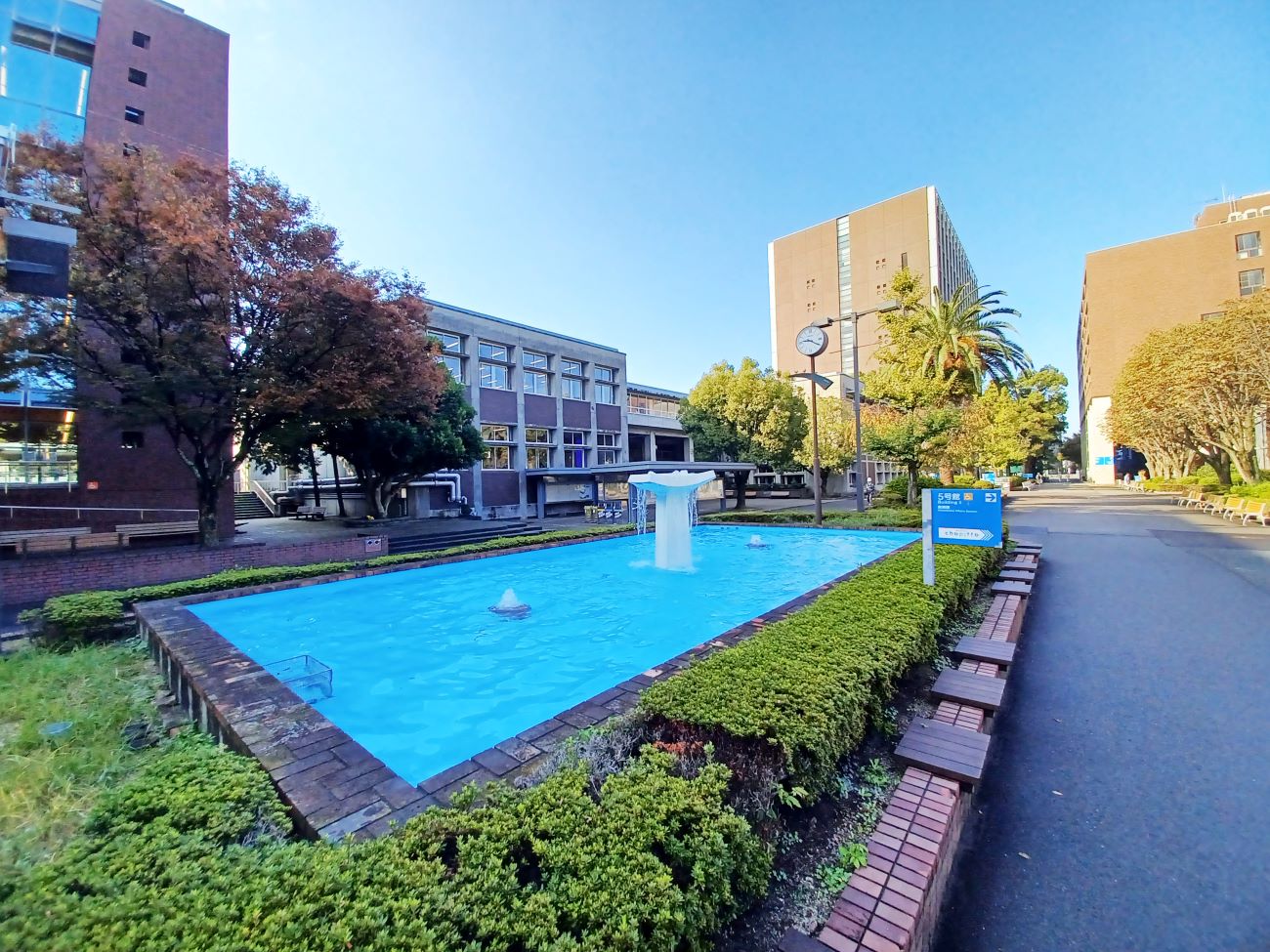
At Matsuyama University, his days followed a rhythm but rarely felt routine. He attended classes in the morning and spent afternoons in research labs, where he spoke with students about their projects, coursework and career plans.
Outside the classroom, he practiced kyudo, a traditional form of Japanese archery, with the university’s team—an activity he was first introduced to during his undergraduate years at UIowa. He also attended campus events, including a school festival, and connected with pharmacy and international students.
These experiences reflected a sense of community beyond the classroom. Time spent with Professor Satoshi Okuyama and his family, along with a visit from his own family in the Kansai region, reinforced CUW’s emphasis on relationships, vocation and global engagement.
“It was exciting,” Hintz said. “I was constantly learning. That included time in the classroom, conversations with students and experiencing the culture firsthand.”
Some days brought unexpected opportunities. He also gave presentations, participated in university events and appeared on a regional radio program.
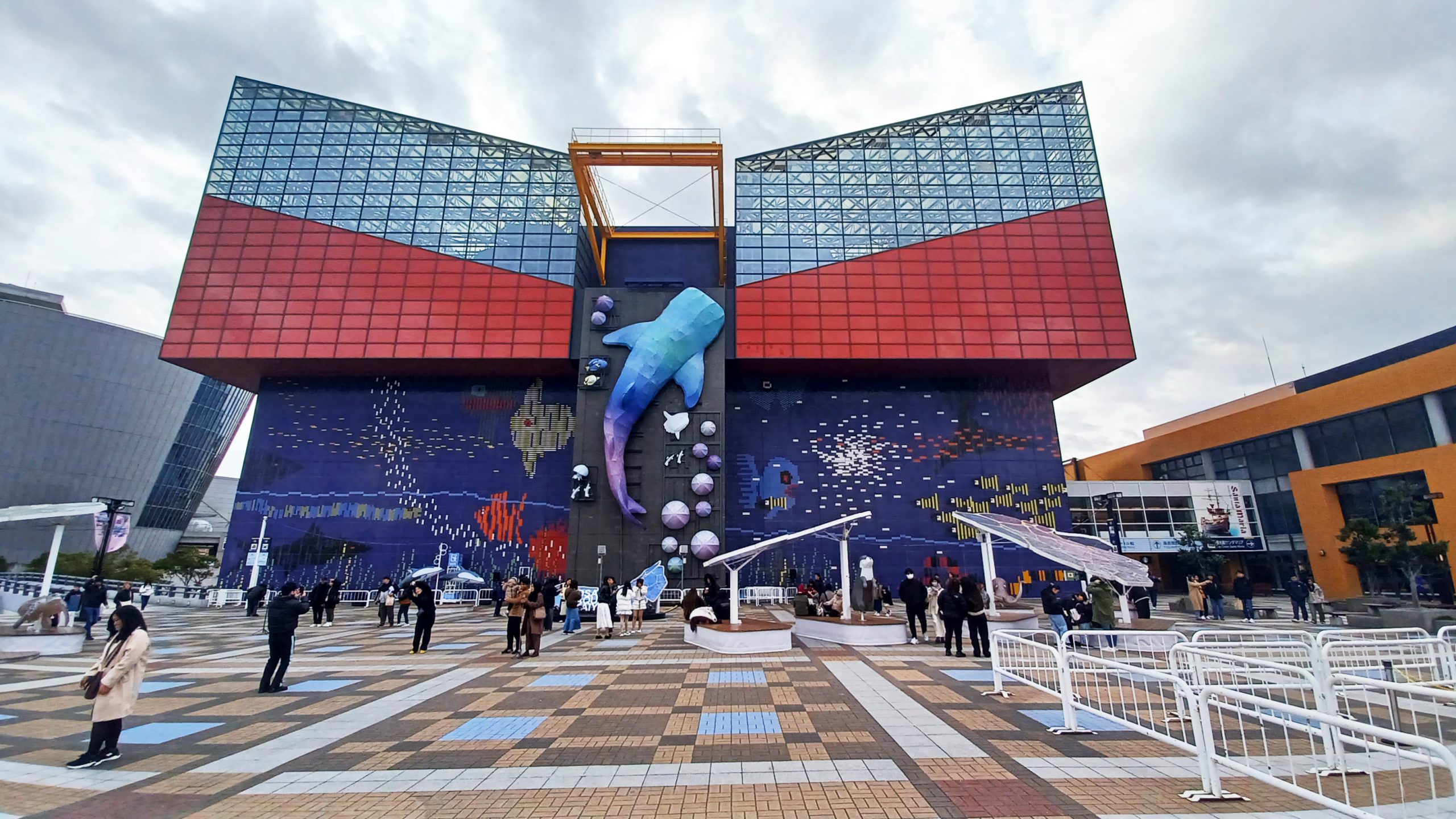
On weekends, he traveled throughout the region, often visiting a new location each day. He toured the Hiroshima Peace Memorial site and museum, explored local history museums and visited natural landmarks across the area.
Daily life also gave him a clearer sense of the pace, expectations and shared responsibilities that shape student and faculty life in Japan.
Rethinking pharmacy practice
Inside the pharmacy setting, Hintz noticed clear differences from what he had experienced in the U.S.
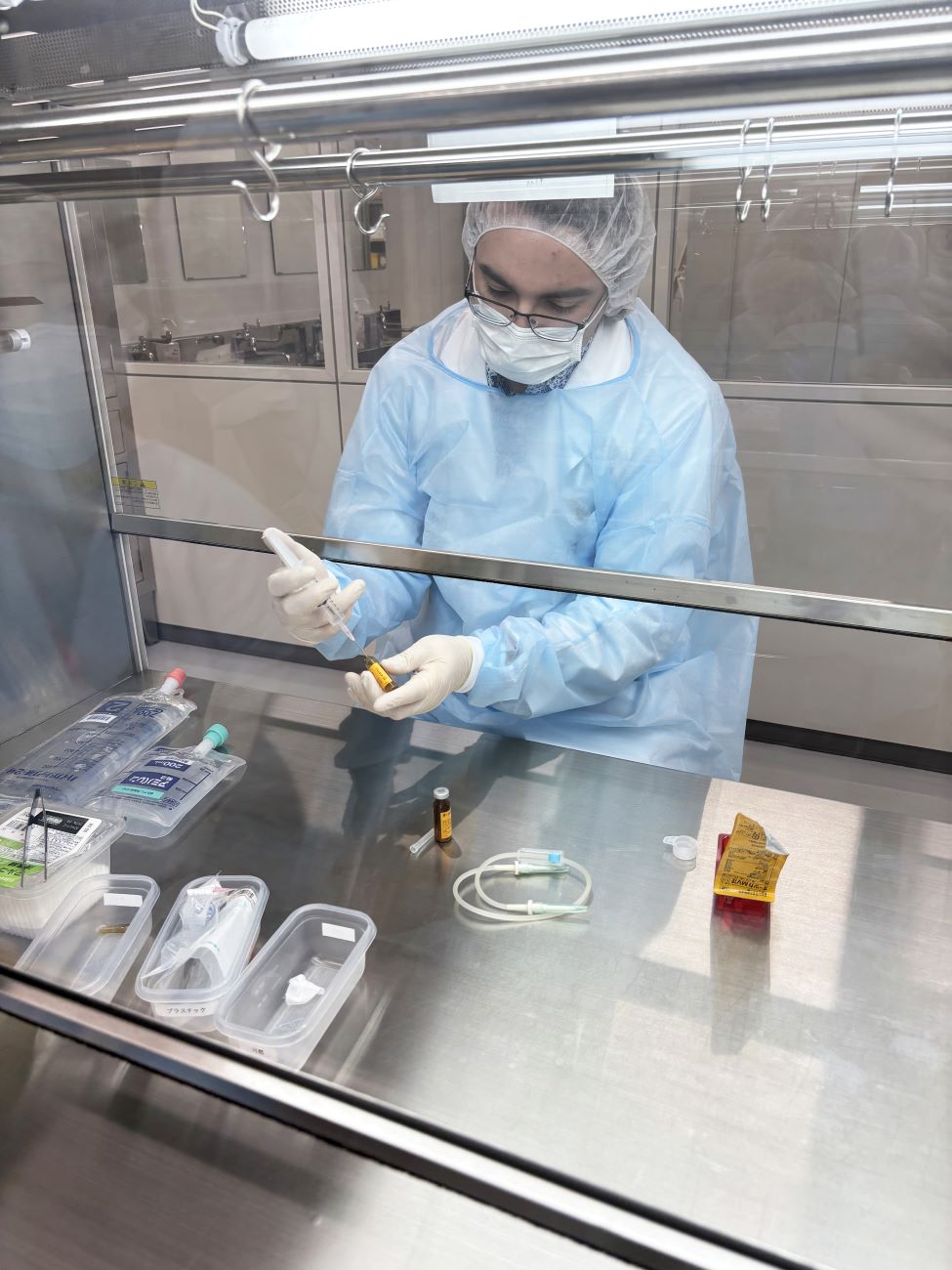
In Japan, pharmacies often rely on advanced automation, with machines packaging medications into clearly labeled, time-specific doses. He also observed a different staffing model, with pharmacists working in numbers similar to or greater than support staff. In some cases, prescriptions were bundled with instructions tied to specific times of day, while long-term care settings used calendar-style systems to help patients stay on track.
“There are practices there that could really improve how we approach care in the U.S.,” he said.
At the same time, the experience gave him a deeper appreciation for pharmacy practice at home, particularly the profession’s advocacy efforts and broader scope of practice.
Although legal restrictions prevented him from participating directly in patient care, Hintz remained engaged through research, presentations and academic work during what he described as an off-block rotation.
“It reinforced how important it is to keep growing the profession,” he said. “That means continuing to expand our knowledge and our role in patient care.”
One moment stands out. After a regional pharmacy conference, students and faculty gathered to celebrate their work together, continuing conversations outside of the formal setting.
“It was a chance to connect outside of the classroom,” Hintz said. “You really got to know people in a different way.”
A broader perspective
Back on Concordia’s campus, Hintz carries those experiences with him. He credits the School of Pharmacy with preparing him to adapt to a new environment and engage in an international setting.
Castillo said experiences like this reflect the value of CUW’s global partnerships, helping students grow both professionally and culturally through immersion in different healthcare systems.
“Having lived in Japan for five years while earning my PhD at Nagoya University, I have seen firsthand how much a pharmacist’s perspective can expand when they step into a healthcare system with entirely different rhythms and priorities,” Castillo said. “Experiences like Mathew’s at Matsuyama University are precisely why we have cultivated these global partnerships at Concordia. This type of immersion transforms a student from a clinical learner into an adaptable, innovative healthcare provider who understands that pharmacy is as much about community connection as it is about pharmacology.”
For Hintz, the time abroad did more than broaden his perspective. It helped define the kind of pharmacist he hopes to be.
Fast facts: Mathew Hintz’s time in Japan
What surprised you most about daily life?
Everyone seemed busy. Students, faculty and even families maintained full schedules. “There are substantial social and work obligations that quickly fill your time,” Hintz said. “I was surprised when people had free time.”
Did you pick up any Japanese phrases or customs?
Hintz had already spent several years studying the language and culture. While abroad, he picked up elements of the regional dialect and learned a few new idioms.
Favorite food?
Okonomiyaki stood out as his favorite. The savory dish varies by region, with styles from Osaka, Hiroshima, and beyond. Hintz said he has since tried making the Osaka-style version at home.
One word to describe the experience?
“Exciting.” For Hintz, the word reflects both the energy of the experience and the fast pace of daily life.
What should people understand about global pharmacy practice?
“Pharmacy is a broad field,” Hintz said. He noted that responsibilities can vary widely across countries, which makes continued growth and specialization important for the profession.
Want in?
Concordia University Wisconsin is a Lutheran higher education community committed to helping students develop in mind, body and spirit for service to Christ in the Church and the world.