
Social Work Month highlights three Concordia University Wisconsin students preparing to serve individuals and communities through advocacy, compassion and hands-on field experience.
March is Social Work Month, a time to recognize a profession grounded in compassion, advocacy and service to others. The National Association of Social Workers has named this year’s theme “Uplift. Defend. Transform.” — three words that reflect the daily work of social workers across the country.
At CUW, those ideas are not simply words on a poster. They are lived out through the students preparing to enter the field.
Three Bachelor of Social Work (BSW) students graduating in May — Jeremiah Crawford, Abby Ballos and Nina Seeger — represent the spirit of this year’s theme through their education, fieldwork and commitment to caring for others.
Their stories show what it looks like when compassion meets vocation.
Uplift: Jeremiah Crawford
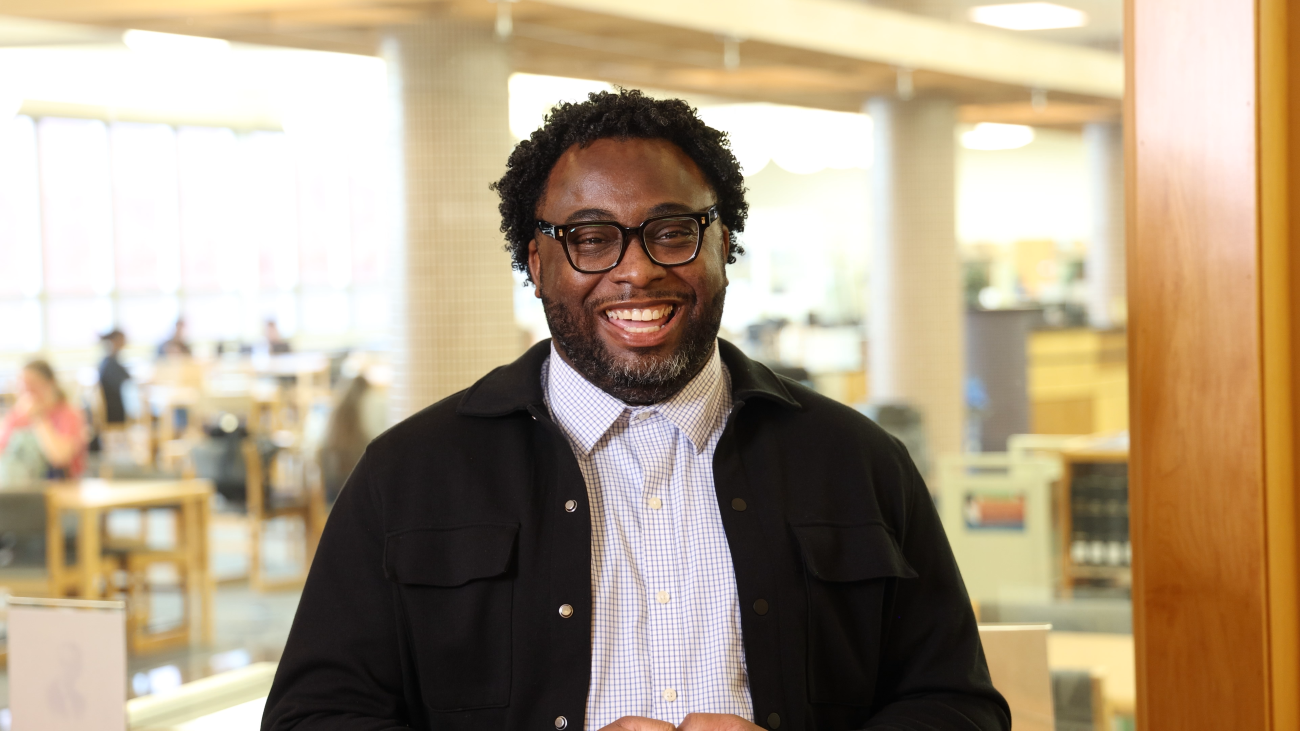
For Jeremiah Crawford, uplifting others begins with recognizing the dignity and worth of every person he encounters.
“I’m pretty sure if you looked up the word ‘uplift’ in the dictionary, Jeremiah’s smiling face would appear,” said Nichole Ostrowski, BSW program director.
Crawford’s journey to earning his BSW has not been simple. Along the way, he faced obstacles that could have derailed his goal, yet he pressed forward with determination.
“Jeremiah faced many challenges on his journey to earning his BSW, and he persevered even when he was told his goal was unattainable,” said Kari Klatt, MSW, CAPSW, BSW, field coordinator and clinical assistant professor. “That perseverance and dedication shine through in his academic work and in his work at his field agency, Bread of Healing Clinic.”
For Crawford, uplifting others means understanding the challenges people face and helping them move toward stability and hope.
“Uplift, in the context of social work, means improving a client’s specific set of unfortunate circumstances,” Crawford said. “It means offering a guiding hand that helps a client become self-sufficient in a world that can be cruel for those who feel invisible.”
That mindset carries into the classroom as well. Crawford said the relationships he has built with classmates have become one of the most meaningful parts of the program, and he often finds himself supporting others when they are overwhelmed.
“I have grown to adore my cohort,” he said. “When a classmate is distressed about an assignment or facing a difficult decision, many have reached out to me for support.”
In one instance, a classmate struggling with both coursework and personal loss asked for help. Crawford sat down with her to break down readings, organize assignments and create a plan to complete the work.
“She stays in constant contact with me,” he said. “I appreciate that she feels safe speaking with me about school and life.”
Faculty say that same spirit carries into Crawford’s work with patients and community partners. At Bread of Healing Clinic — a free medical clinic serving low-income individuals — he has sought additional training, attended community events and begun learning Spanish to better communicate with patients.
“Jeremiah truly embodies a social worker’s calling to uplift individuals, families, groups and entire communities,” Ostrowski said. “He deeply understands the dignity and worth of every person he serves.”
More than anything, Crawford believes social work begins with seeing each person as worthy of care and respect. At the same time, he recognizes how larger systems shape people’s experiences and opportunities.
“Because of that, he understands that social work is about uplifting others on many levels, from individual support to broader systems of change,” Ostrowski said.
For Crawford, hope grows through relationships and shared support — CUW extended its hand in both. “Hope cannot survive alone,” he said. “It requires a community to thrive.”
Defend: Abby Ballos
For Abby Ballos, social work means defending the dignity, safety and voice of people who often feel unheard.
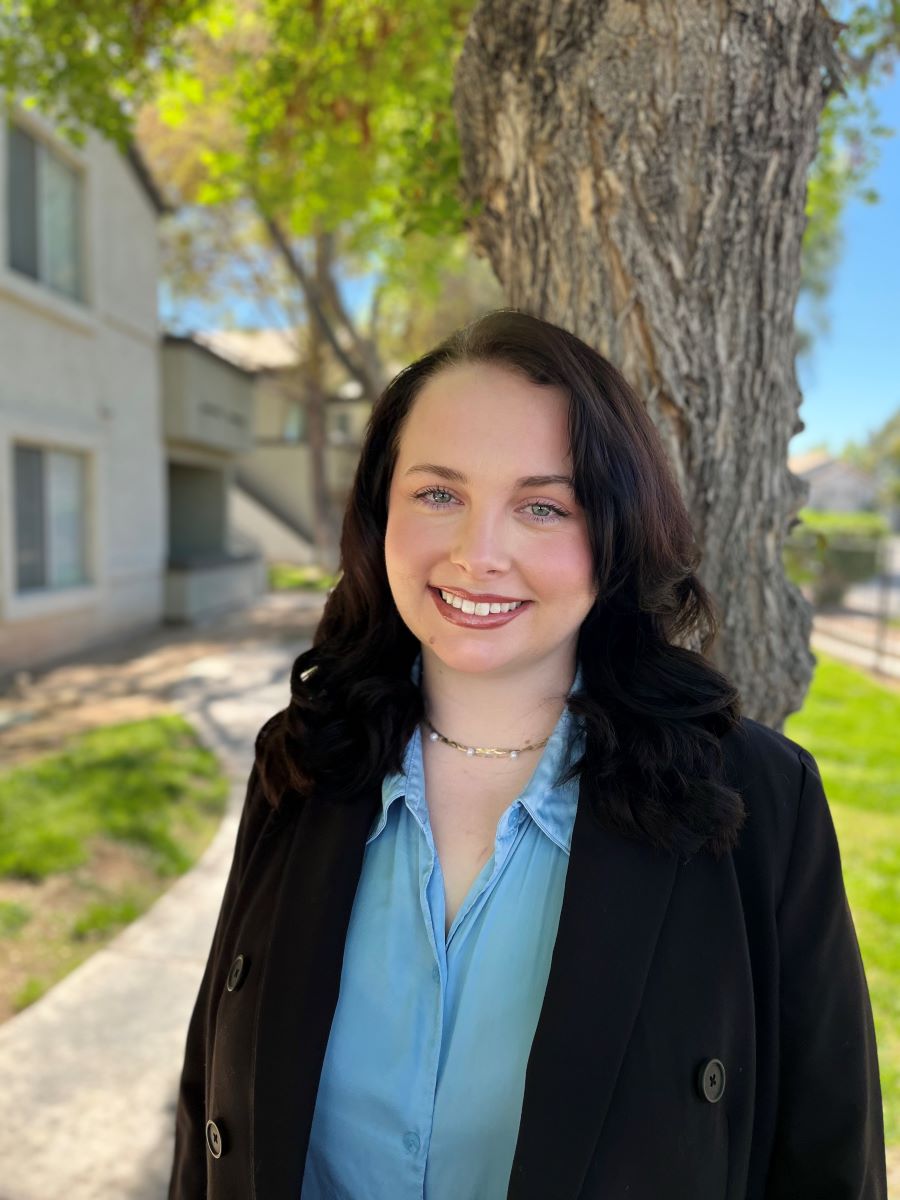
Ballos’ path to earning her bachelor’s degree in social work has taken her across the country. She began her studies as an on-campus student at Concordia before moving to Las Vegas, but her commitment to the profession and her connection to CUW eventually brought her back through the university’s online BSW program.
Faculty say that determination shapes the way she approaches both her studies and her work with clients.
“Abigail has had a unique journey to earn her degree,” said Klatt, who noted that Ballos chose to return to Concordia because of her dedication to social work and her strong connection to the university.
Ballos is expected to graduate in May 2026 with a bachelor’s degree in social work and a minor in psychology. Her interest in the field grew through conversations with her grandmother, who also worked as a social worker — conversations that helped clarify a calling she already felt.
“When I first felt called to social work, it was after a meaningful conversation with my grandmother,” Ballos said. “I just felt a fire light inside of me that social work and advocacy was what I wanted to do.”
Today, Ballos works with survivors of domestic and sexual abuse in Las Vegas, where she focuses on creating a space where women and children feel safe, respected and heard.
“Many of the clients that walk into the shelter have been through unimaginable situations where they may feel as though their voice will never matter,” Ballos said. “In those moments, it’s so important to remind them that they matter and people are here to listen.”
That belief shapes how she understands advocacy. “Defending clients to me means protecting them from anyone trying to take their voice or power away,” she said. “I never want anyone to feel like they don’t have a voice, because everyone does.”
Those who work with Ballos say she combines compassion with strong advocacy. “She approaches others with genuine compassion, seeking to understand her clients’ experiences without judgment,” Klatt said. “At the same time, she fiercely advocates for her clients because she understands the obstacles they face in obtaining safety and independence.”
Ballos also views feedback from instructors, supervisors and peers as an important part of her development. Her path through the program, she said, has not always been straightforward, but it has shaped her growth.
“My journey throughout this program has not been an easy or typical one,” Ballos said. “But through grace and forgiveness, I’ve been able to come back stronger than ever.”
She credits the guidance she has received along the way for helping her better serve others, noting, “Feedback from my professors and field instructor has been essential in helping ensure I am doing everything in my power to properly help those in need.”
Her perseverance and empathy continue to stand out within the program, faculty say. “Demonstrating true grit, Abigail persists through challenges with an unwavering commitment to supporting others,” Klatt said. “Her capacity for empathy shines through her academic work, peer interactions and field placement alike.”
Ballos believes relationships and advocacy are central to the work of social workers. As a survivor of domestic violence herself, she brings personal understanding to her work with clients.
“As a survivor, I have a deep understanding of the support women and children need,” she said. “Everyone who comes to the shelter is incredibly brave, and I do my best to help them feel safe again.”
For Ballos, the core values of social work — justice, dignity and respect — guide her approach. “Everyone has the right to be treated with respect, empathy and compassion,” she said. “If that’s ever threatened, I will be there to defend them.”
Transform: Nina Seeger
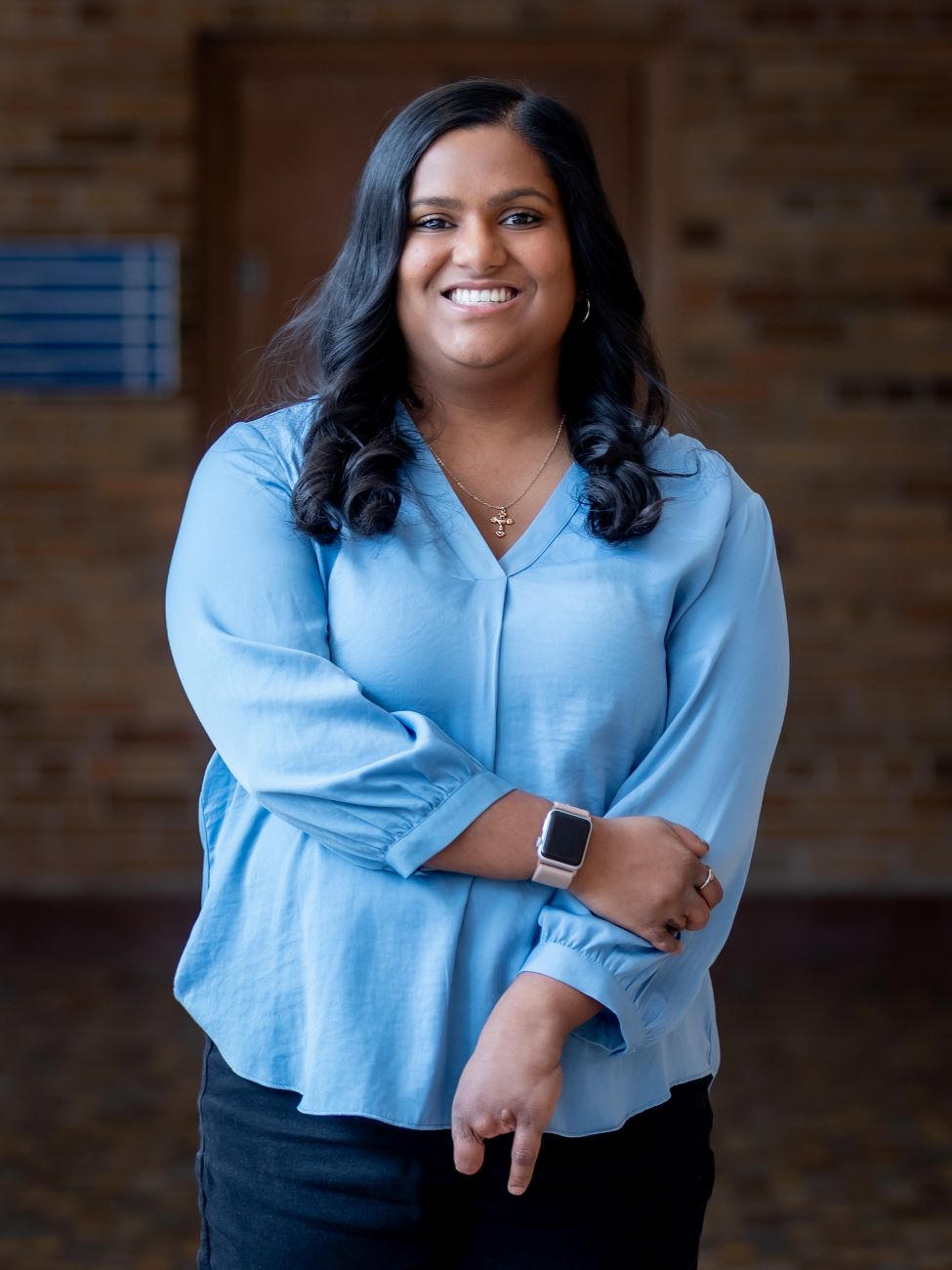
For Nina Seeger, transformation begins with compassion and the willingness to walk alongside people through life’s hardest moments.
The 22-year-old student from Edgerton, Wis., is pursuing a bachelor’s degree in social work with a minor in director of church ministries. She chose to combine these areas of study so she could care for both practical and spiritual needs, offering support while recognizing the importance of faith, encouragement and Christian community.
Seeger said her interest in social work began as she became more aware of the pain and brokenness many people experience, a realization that shaped her sense of calling.
“I first felt called to social work when I began to recognize how broken the world can be and how deeply people are hurting,” she said. “Seeing that suffering made me realize how much people need compassion, care and support. As a Christian, I know that I cannot save the world — salvation and restoration come through Christ alone. But I also believe Christ calls His people to serve their neighbors and care for those who are struggling.”
That calling also influenced her decision to attend Concordia. “When I first visited campus, it immediately felt natural and welcoming — almost like home,” she said. “I wanted to study social work somewhere my faith would shape and strengthen my education.”
Her field placement at Advocates of Ozaukee has helped her see what that work looks like in practice. At the shelter for those experiencing domestic and sexual violence, Seeger assists with client assessments, supports families staying there and helps respond to crisis hotline calls. The work is often unpredictable, and each interaction carries its own weight.
One experience early in her placement left a lasting impression. Seeger had been supporting a client who survived human trafficking. Over time, the client secured housing and prepared to leave the shelter. While helping load belongings into a car, the client paused and told Seeger they would not have reached that moment without her support.
The comment surprised her. When Seeger asked if they truly meant it, the client explained that the small, consistent moments of care mattered most — the daily greetings, the time spent listening and the sense that someone genuinely cared.
Experiences like that continue to shape how Seeger understands social work and the kind of change she hopes to support.
“Transformation means meaningful change that leads to growth, healing or restoration,” Seeger said. “Personally, it means being shaped by my faith and growing in humility, compassion and service to others. In social work, it often happens gradually through support, advocacy and relationships. From a Christian perspective, transformation ultimately comes from God’s work in people’s lives, but we have the privilege of walking alongside others as they move toward healing and hope.”
Faculty say those moments reflect the personal and professional growth they have seen in Seeger during her time at Concordia.
“I met Nina early in her time at CUW and have had the privilege of watching the steady transformation that unfolds throughout a student’s academic journey,” said Ostrowski. “Over the past year, because of the depth and experience of her field placement, I have seen that transformation accelerate in remarkable ways.”
Through her own internal growth, Ostrowski said, Seeger is becoming even more capable of helping transform the lives of the individuals and communities she serves.
“A key part of social work education is developing self-awareness and practicing reflexivity — learning to reflect on who we are, how we show up and how that shapes our work with others,” Ostrowski said. “Nina has embraced that process in a way that will serve her and those she supports throughout her career.”
For Seeger, lasting change begins with compassion, a value that guides both her perspective and her work. “People need to feel seen, heard and valued before they are able to begin healing or making changes in their lives,” she said.
After graduation, she hopes to continue walking alongside people facing difficult circumstances, focusing on both care and advocacy. She also plans to continue her education at Concordia Seminary, St. Louis, where she will pursue her Deaconess certification and a master’s degree in spiritual care.
“I hope to make an impact by helping people who are experiencing difficult situations,” Seeger said. “Most importantly, I hope that the work I do contributes to reflecting Christ’s love in the world.”
Celebrating Social Work Month
Social workers support individuals and communities every day, often quietly and without recognition.
“Social workers uplift, defend and transform individuals, families, communities and organizations every day — quietly, tirelessly and with heart,” Ostrowski said. “Social Work Month is a time to celebrate that impact.”
Later this month, Concordia’s social work program will host a panel of local social workers from 11:35 a.m. to 12:50 p.m. March 26 in the Terrace Room. The event is open to all and will allow students to hear from professionals whose daily work reflects this year’s theme.
Through Concordia’s focus on the whole student — mind, body and spirit — the program prepares graduates to serve with compassion, integrity and purpose.
Want in?
Concordia University Wisconsin is a Lutheran higher education community committed to helping students develop in mind, body and spirit for service to Christ in the Church and the world.
Are you interested in making a difference?
Do you want to learn more about the social work program at CUW?