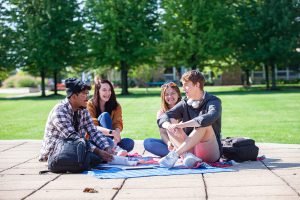
Listening to students is an important part of serving them well.
This fall, Concordia reviewed results from the Ruffalo Noel Levitz student satisfaction surveys, gathering feedback from traditional undergraduate, face-to-face graduate and online students. The surveys reveal what students value, where they are satisfied and where opportunities exist to improve their experience.
For Elizabeth Polzin, EdD, vice president of Student Success and associate professor of Education, the survey reflects a larger commitment to listening.
“Conducting a student satisfaction survey is one important way Concordia lives out its commitment to students,” Polzin said. “While we interact with students every day in classrooms, residence halls, advising conversations, athletic spaces, Chapel, student activities, etc., a survey gives us a broader and more systematic way to hear from them.”
That listening connects directly to Concordia’s mission.
“Concordia’s mission calls us to care about the whole student,” Polzin said. “Listening to students is one way we honor that mission.”
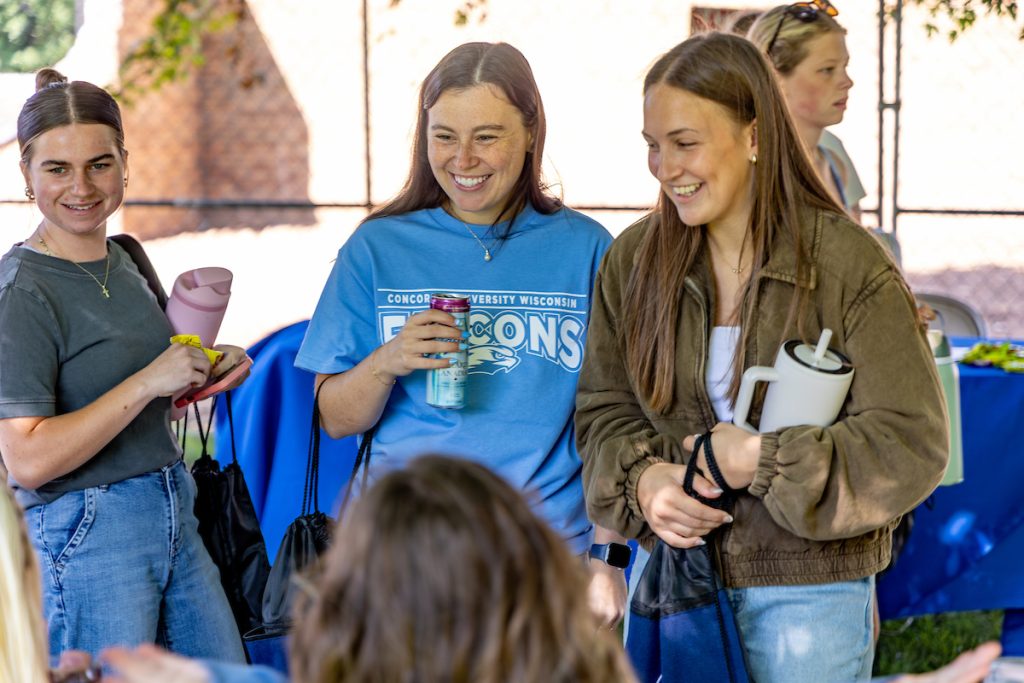
Listening across the student experience
The analysis included three Ruffalo Noel Levitz instruments that measures both satisfaction and importance, helping identify where student expectations and experiences align or differ. Results are also compared with Council for Christian Colleges & Universities institutions or national benchmarks, depending on the survey.
“Listening directly to students helps us understand not only what is working well, but also where there may be gaps between what students expect and what they experience,” Polzin said. “That perspective is essential if we want to continue improving the student experience in meaningful ways.”
Finding reasons for encouragement
Several findings from CUW’s traditional undergraduate students confirmed the strengths of the Concordia experience.
“It was encouraging to see students affirm that campus feels safe and secure, that instruction in their major field is excellent, and that they are experiencing intellectual growth at CUW,” she said. “Those are foundational pieces of the student experience, and they speak to the quality of our academic community and the care that faculty and staff bring to their work each day.”
Abbey Proctor, a senior studying biology with minors in Spanish and chemistry, has experienced that academic commitment through professors who connect learning with faith.
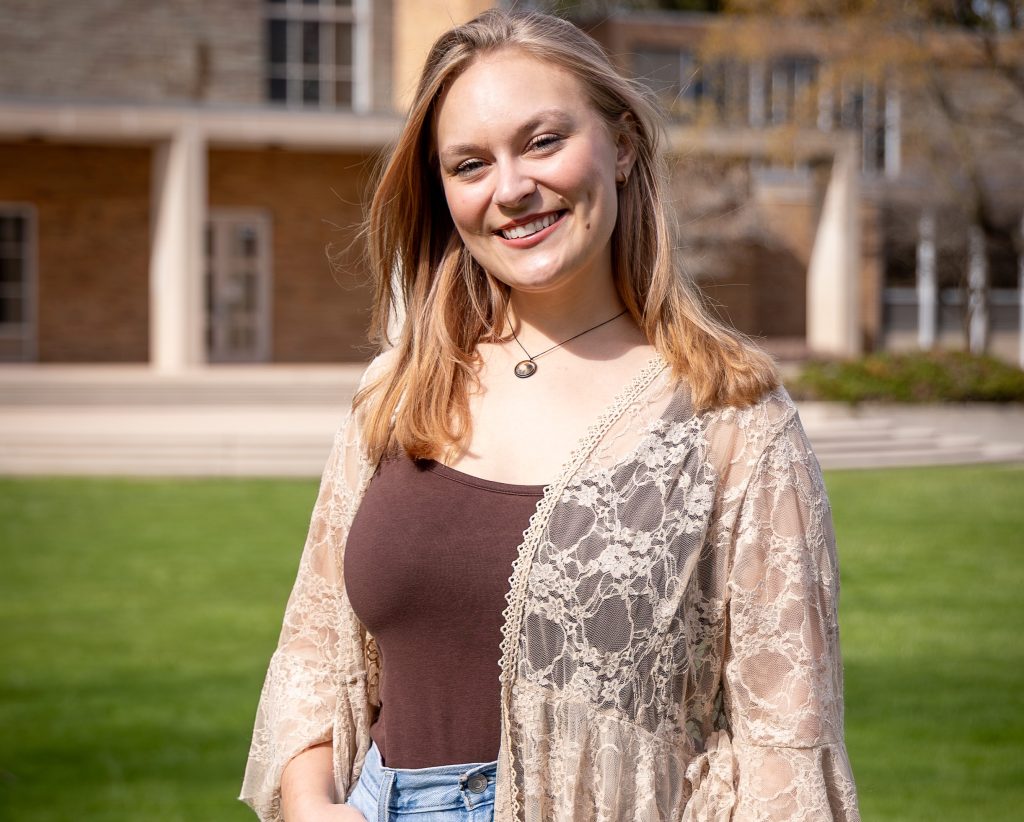
“The academic programs and faculty at CUW are some of the university’s strongest assets,” she said. “All of my professors have been wonderful, but the most memorable has been Dr. Tom Saleska, who taught general biology my freshman year. Even in a class of 30, he knew each student’s interests and would regularly ask about our activities, even going so far as to collect our favorite jokes and telling one or two each Friday before class.
“He, along with all the other science faculty, demonstrate the importance of the subject matter in our everyday lives and integrate a faith perspective, which has led to some of my most fascinating conversations as a biology student. As a result, I feel that I have not only gained a high level of knowledge in my field, but have learned to think critically across disciplines.”
The survey also affirmed an important aspect of Concordia’s Lutheran identity.
“I was also grateful to see students recognize opportunities for involvement in ministry, which is central to who we are as a Lutheran university,” Polzin said.
Relationships matter
Among traditional undergraduate students, several of the largest gaps compared with CCCU institutions involved relationships and individual support.
Academic advising was prominent, including advisors’ knowledge of major requirements. Other items addressed administrators’ approachability and faculty members’ attention to individual student needs.
Proctor described the personalized support she has received through advising.
“I am an organized and proactive person by nature, so I admittedly have not used CUW’s advising resources as much as other students might have,” she said. “My academic advisor knows this and instead takes a second when we pass in the hall to ask how my classes are going, check if I am registered on time, or see if I have any questions.
“I appreciate the understanding with which the academic and faculty advisors approach their students to tailor course progression, suggest experiences, and offer advice. My faculty advisor, Dr. Michael Young, has been of great help in planning my road to veterinary school, from application advice to encouraging me to take on a second minor.”
While Proctor’s experience demonstrates the value of individualized advising, survey findings point to opportunities to make that support more consistent.
Polzin said students also provided feedback about campus engagement, food access and connections with university leadership.
“We are grateful for that honesty because it helps us take meaningful action,” she said.
Polzin acknowledged that CUW is strengthening advising, adding fresh food options, creating opportunities for campus engagement through the Concordia Community Cup and developing the Presidential Student Representative Program to improve communication with university leaders.
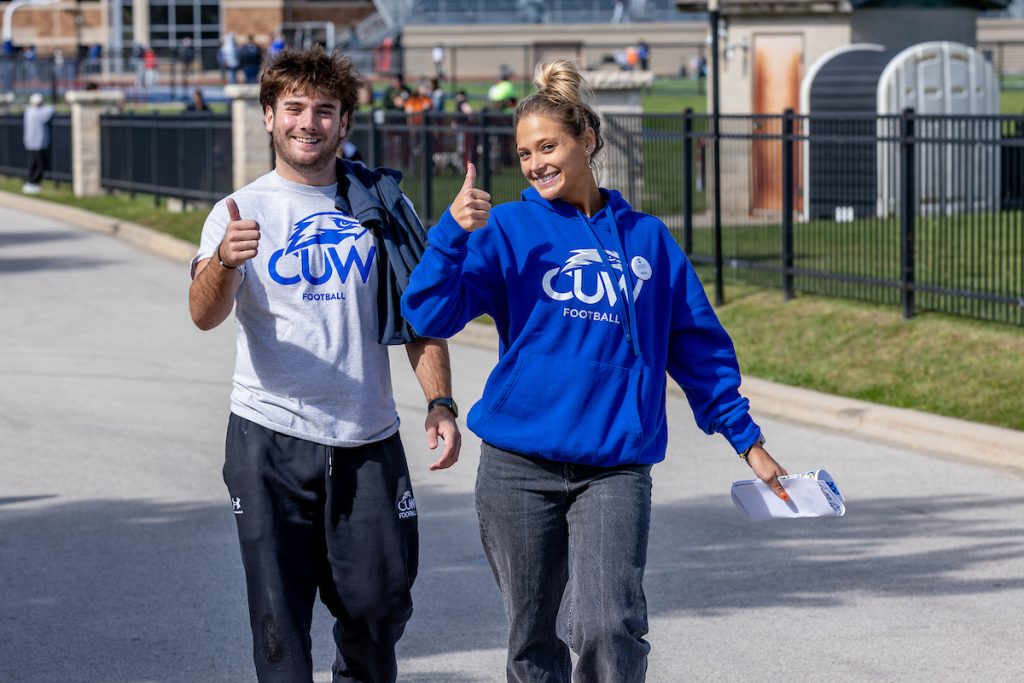
Building connections across campus
For Proctor, student employment and campus involvement have strengthened her sense of belonging.
“Being a student worker helps me feel quite connected to the campus community,” she said. “While I am only involved in one club (the Sustainability Club, which I co-founded last year), my three on-campus jobs keep me busy and foster connections with various departments.
“As a Student Ambassador, I have gotten to know many faculty and staff members as they meet with prospective students and have kept informed on their departments to share more accurate information on tour. Additionally, I work with students in all different majors and have met some of my best friends this way, even though we may have never taken classes together. I am unsure if any one group can do more to help the campus community feel more connected, but I would certainly encourage any student to find a job on campus.”
Her experience illustrates how opportunities beyond the classroom can foster meaningful relationships and a stronger sense of community.
Turning feedback into priorities
Among face-to-face graduate students, some of the largest gaps compared with national institutions involved the ease of processing payments, class scheduling, and convenient food options.
These findings help university leaders identify where improvements could have the greatest impact.
“Feedback like this helps Concordia prioritize,” Polzin said. “There are always many things a university could work on, but student input helps us identify which areas have the greatest impact on students’ sense of belonging, success, and overall experience.”
“It also helps us look for patterns rather than isolated concerns. Ultimately, this kind of feedback helps us focus our attention where it can make the most meaningful difference.”
An ongoing conversation
The Ruffalo Noel Levitz surveys offer a snapshot of the student experience, but listening continues beyond the results.
“I would simply add that surveys like this are part of an ongoing conversation,” Polzin said. “They are not a one-time event or a final word.”
Students should understand the importance of their participation. “I would want them (students) to know that their voices matter,” she said. “Concordia is better when students are honest with us about both what they appreciate and what they hope will improve.”
For Concordia, listening is part of serving students as whole people and living out the university’s mission.
“We are grateful to the students who shared their experiences with us,” Polzin said. “Their feedback helps us see Concordia through their eyes. Listening is not separate from our mission; it is part of how we live it out.”
Want in?
Concordia University Wisconsin is a Lutheran higher education community committed to helping students develop in mind, body and spirit for service to Christ in the Church and the world.