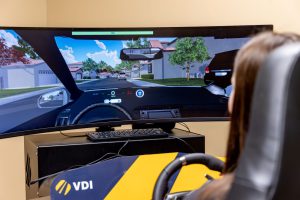
New driving simulator enhances driver assessment training for occupational therapy students.
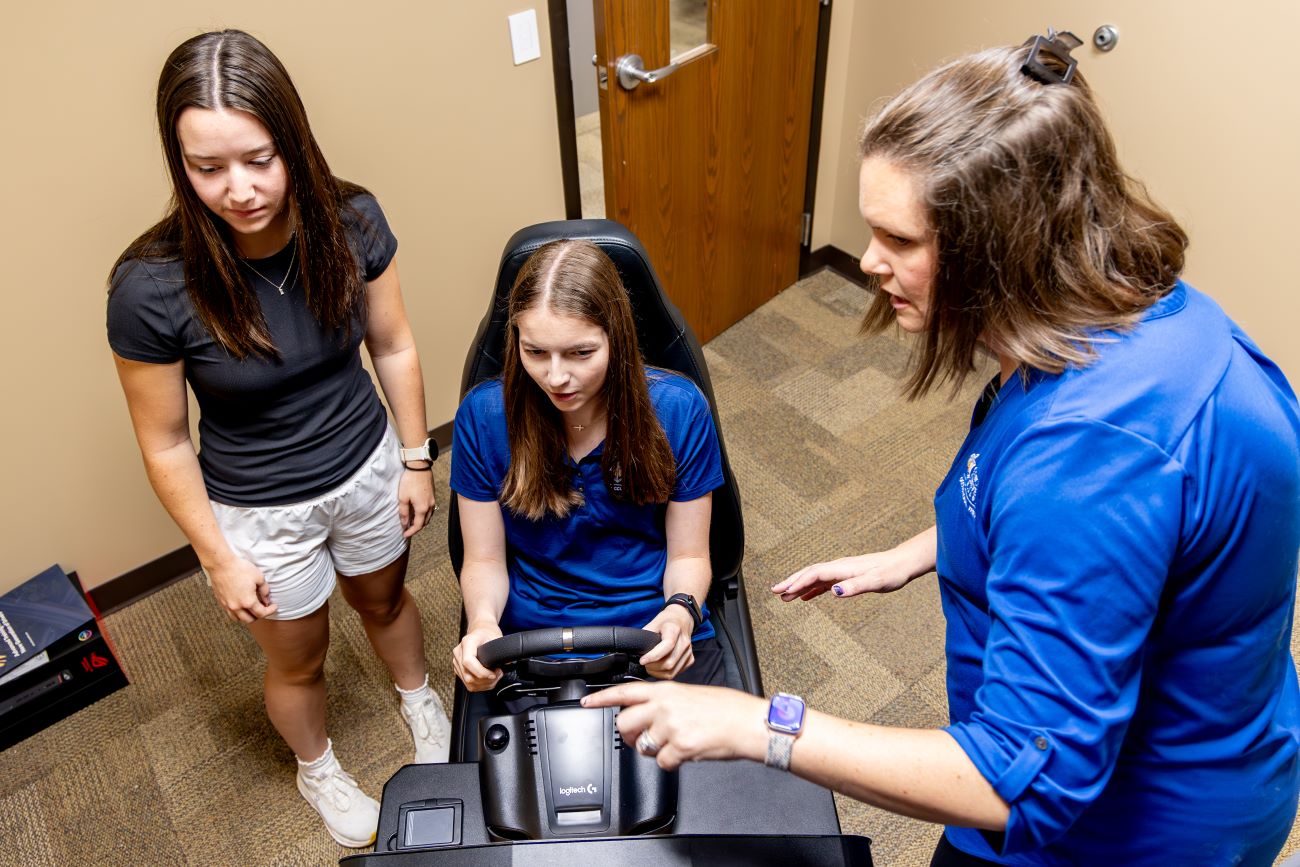
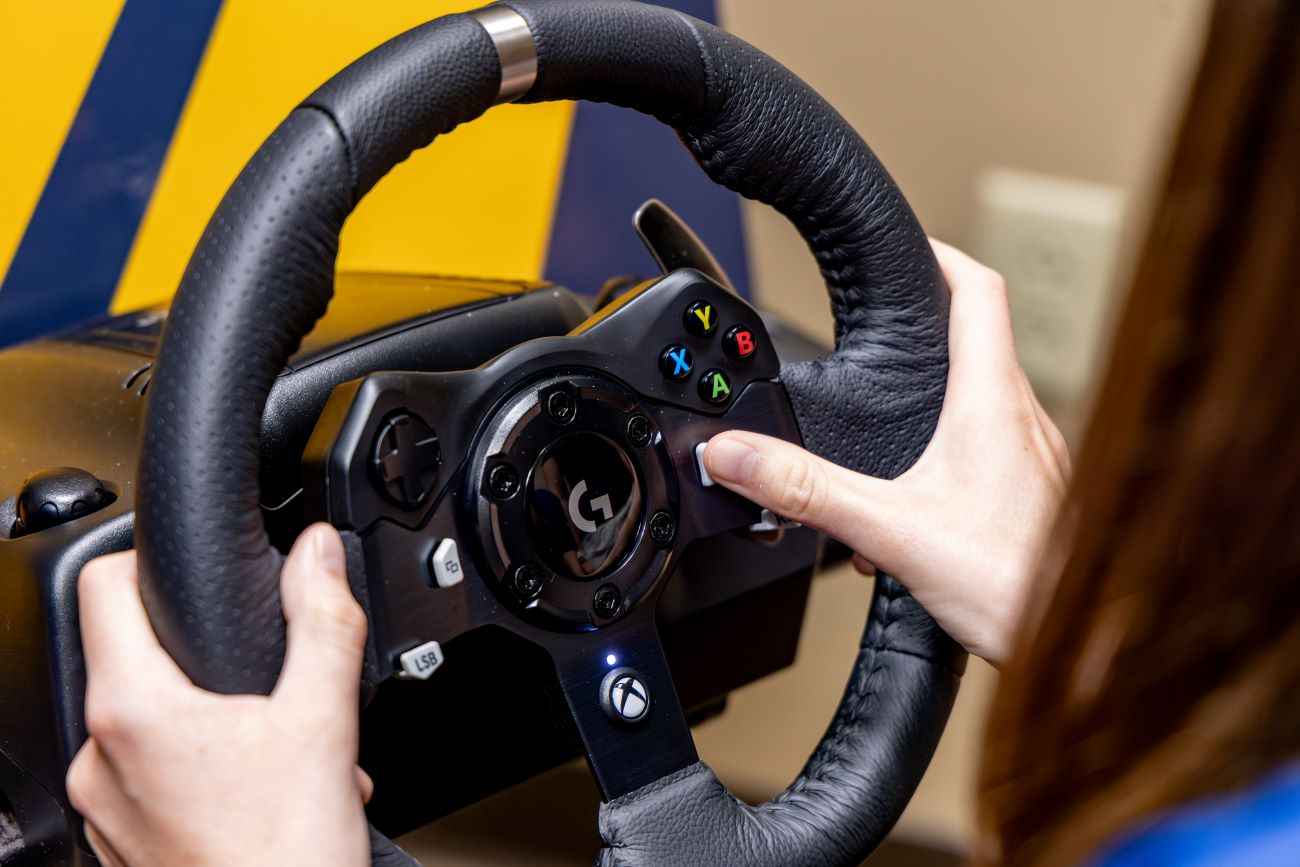
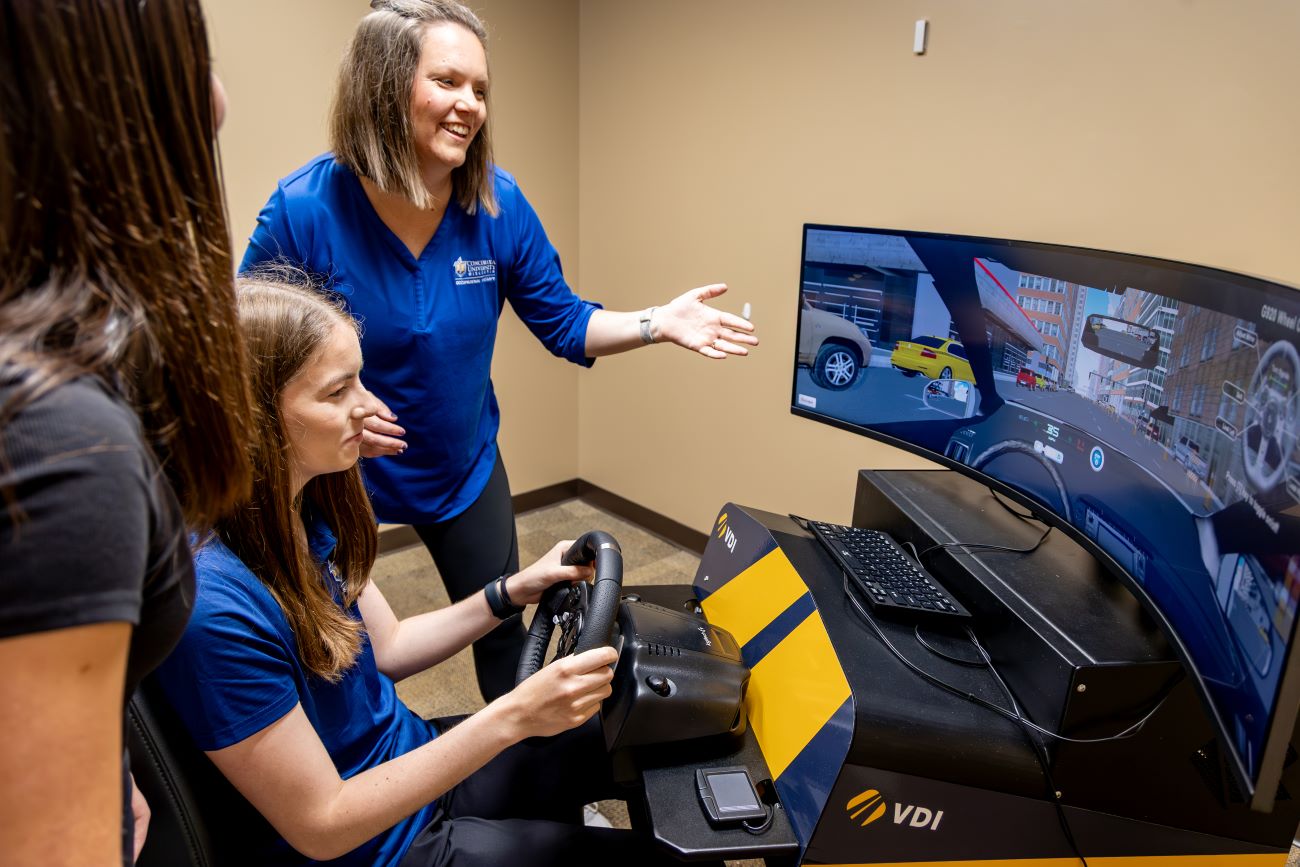
Thanks to a generous gift from the Kott Memorial Charity Trust, the new driving simulator brings classroom learning to life. Through realistic driving scenarios, occupational therapy students evaluate driving performance, strengthen clinical reasoning and apply what they’ve learned before working directly with clients.
“Driving simulators are an exciting and innovative teaching tool. They bring to life what students have read in their textbooks and give them opportunities for hands-on practice. As a professor, I’m always looking for ways to make that happen,” said Anne Martin, OTR/L, assistant professor of occupational therapy.
OT and driving go hand in hand
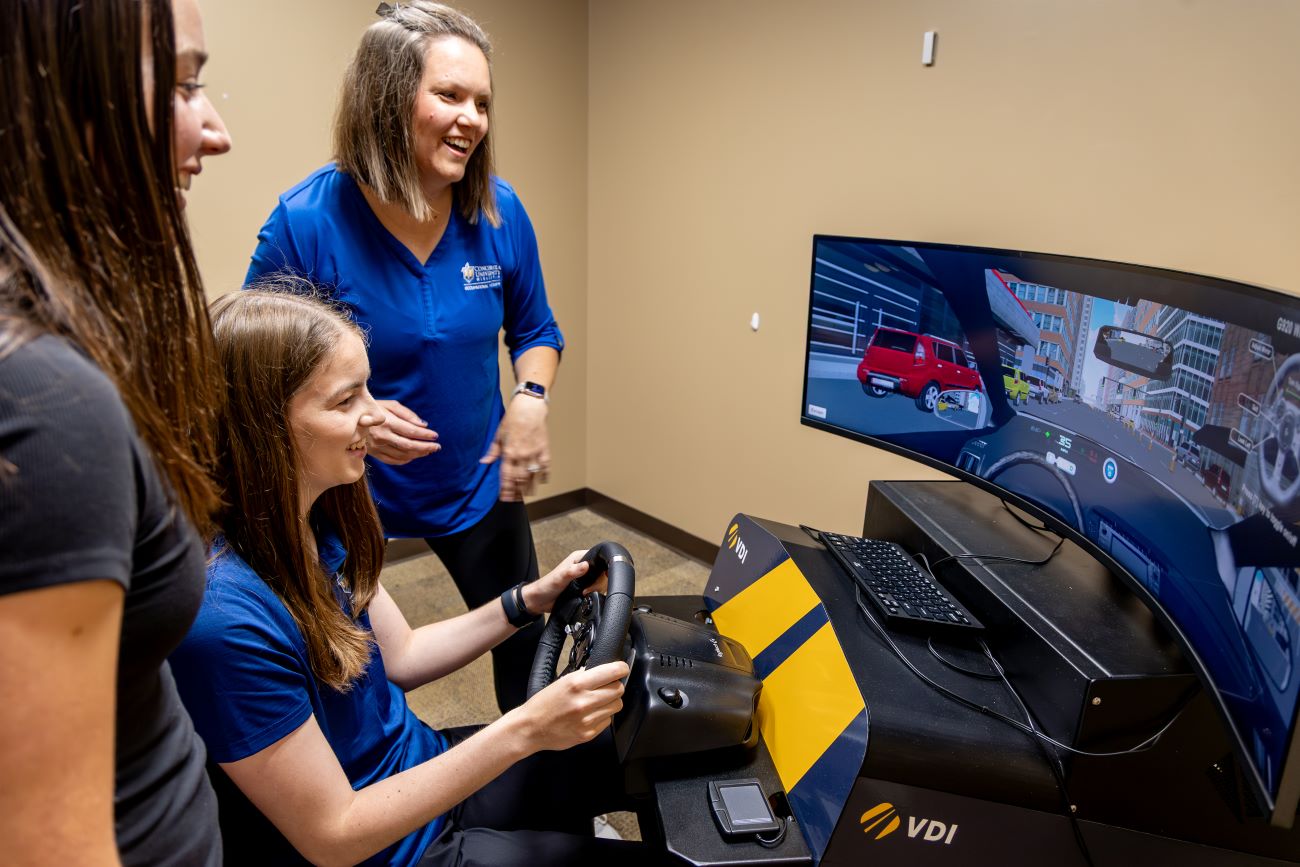
Driving is more than a convenience. It allows people to work, attend school, keep medical appointments, complete daily errands and stay connected to their communities. Occupational therapists help clients maintain or regain their independence by evaluating the physical, visual and cognitive skills needed to drive safely.
Behind the scenes, students learn to assess the roles, habits and routines that influence a person’s ability to drive. They also examine how injury, illness or changes in cognition affect driving. Those insights help them determine when occupational therapy interventions can support a client’s safe return to the road.
“It was a great experience to get a sense of what the driver simulator could do and what to observe and look out for when assessing a client’s driving ability,” said Anna Pace, a Doctor of Occupational Therapy student expected to graduate in 2027. “We learned how it could help us assess and provide safe, client-centered recommendations and interventions.”
Bridging the gap between textbook and practice
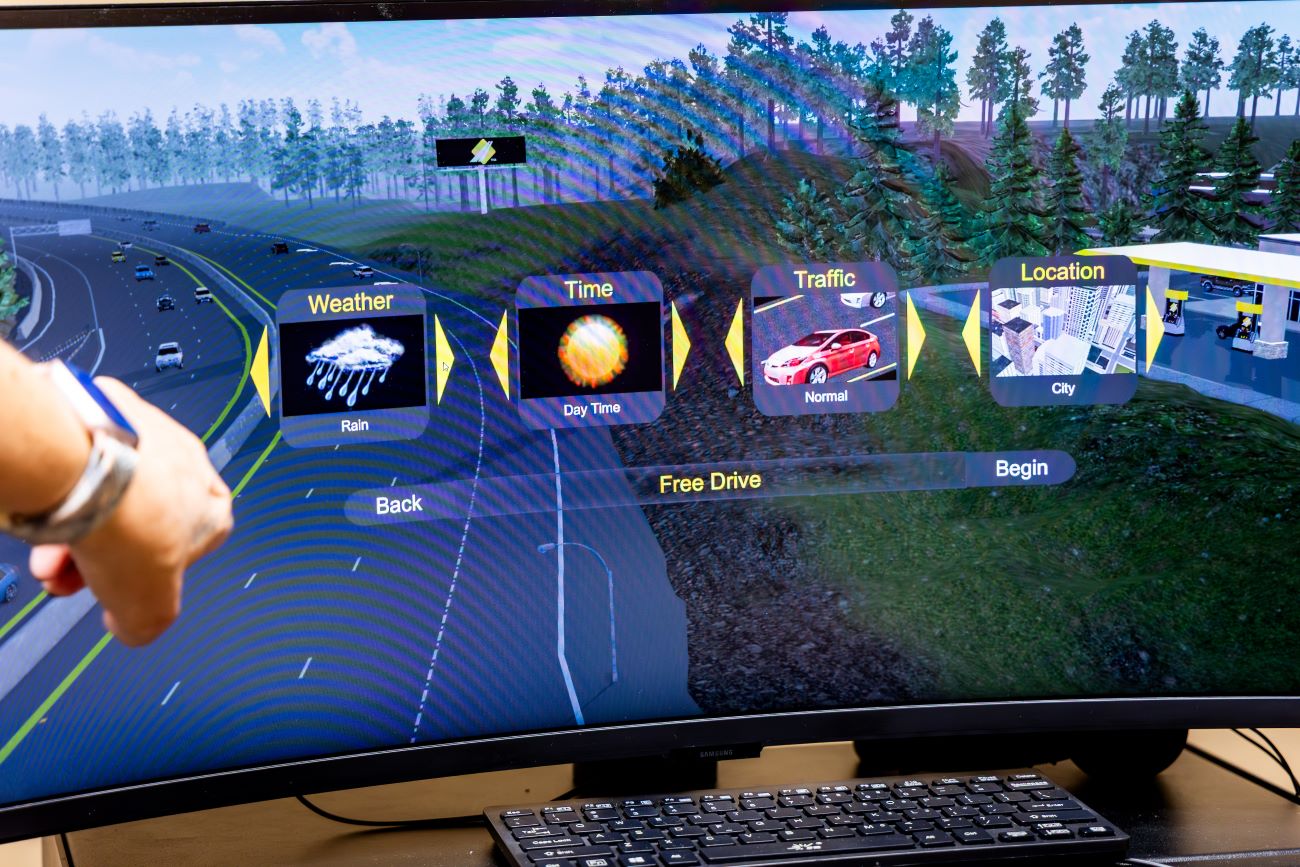
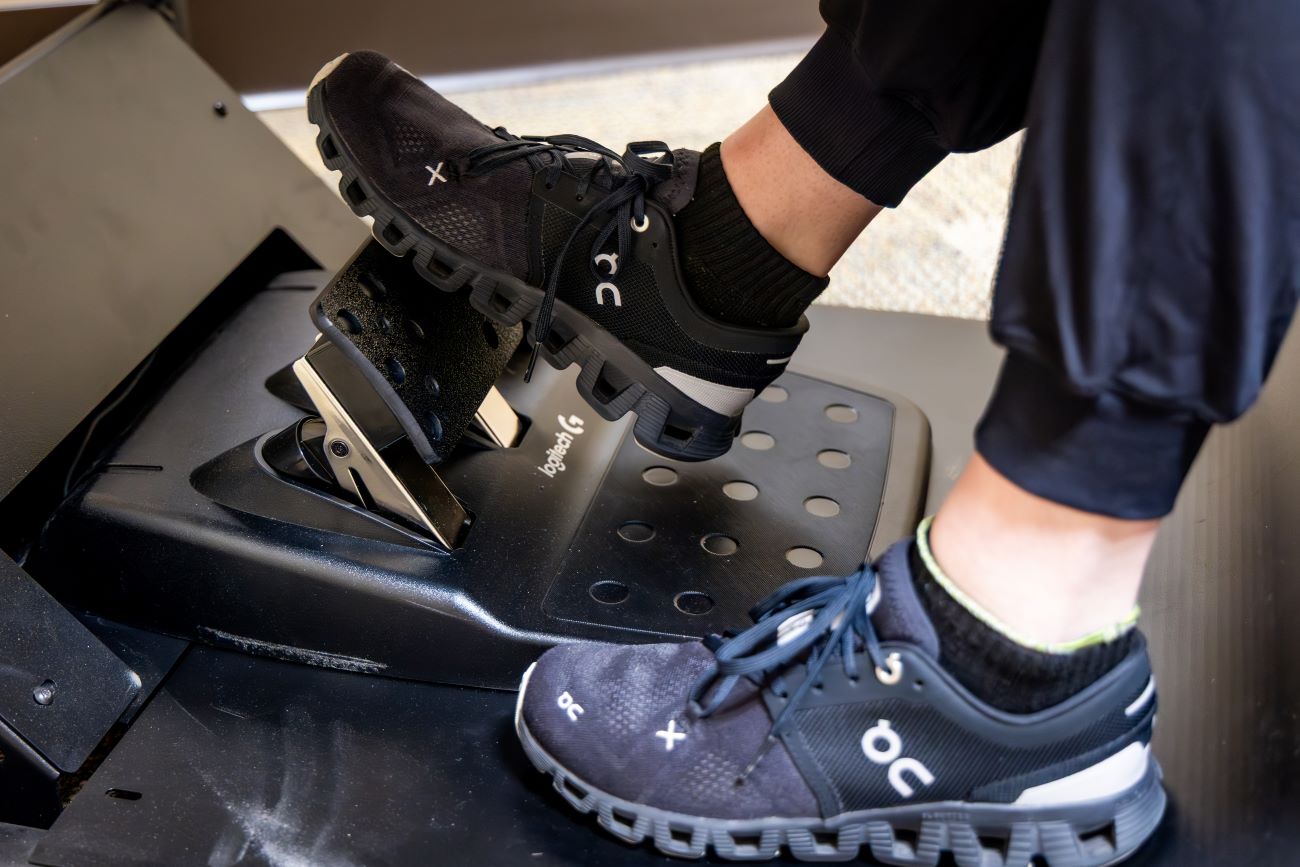
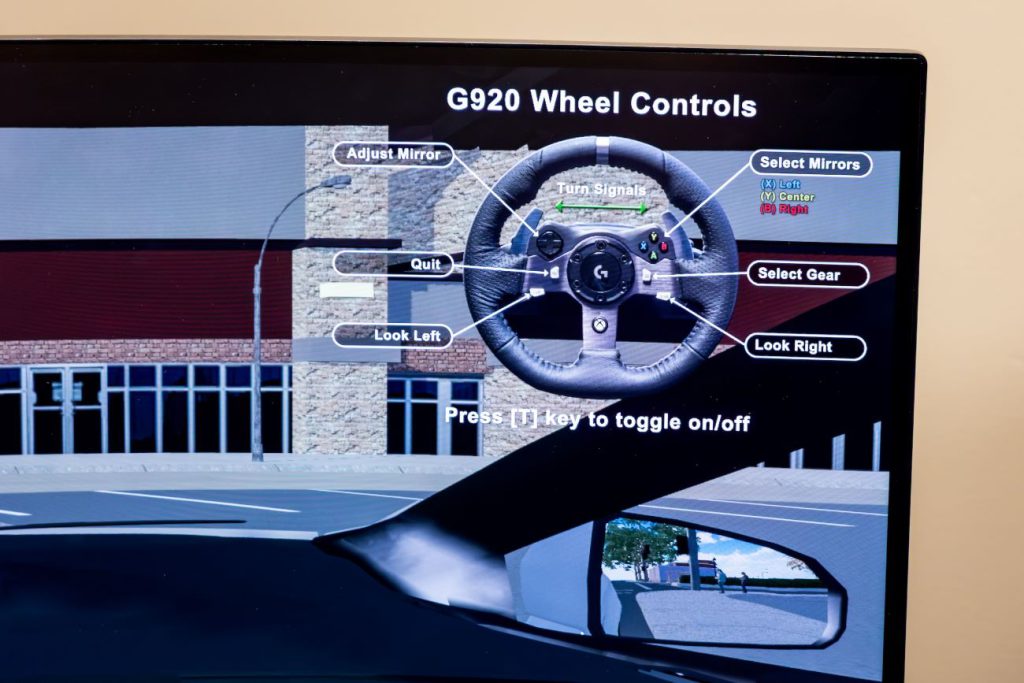
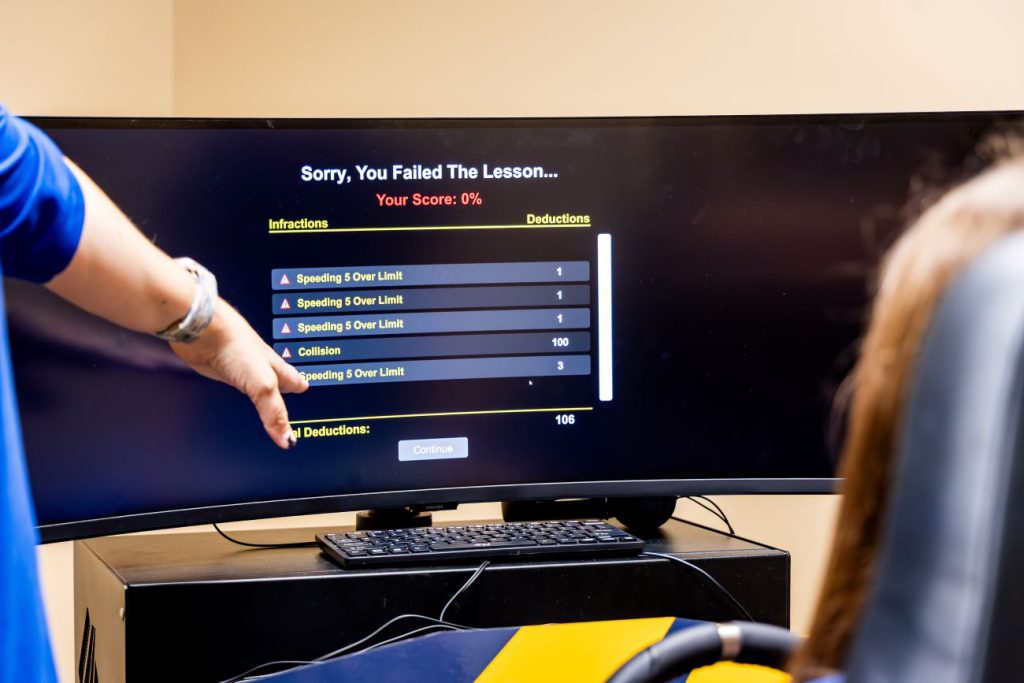
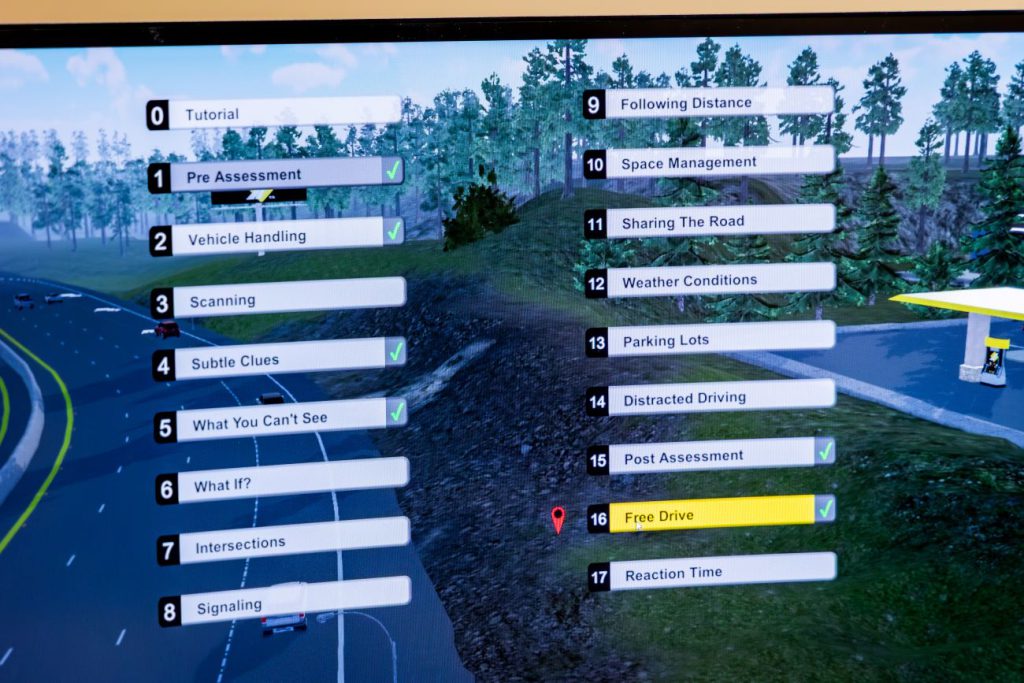
The simulator recreates a variety of driving conditions, from sunny afternoons to snowy evenings, during both daytime and nighttime travel. Learners experience suburban neighborhoods, rural highways, busy city streets and other driving environments. They also practice responding to distracted driving, speed control, reaction time and other scenarios that influence driving safety.
Martin said the simulator also gives students opportunities to practice communicating recommendations with clients—one of the most important aspects of occupational therapy. In doing so, it allows them to apply classroom learning in meaningful ways before entering fieldwork, preparing them to better serve the clients and communities they’ll one day support.
Anne Martin, OTR/L, assistant professor of occupational therapy, contributed to this article.
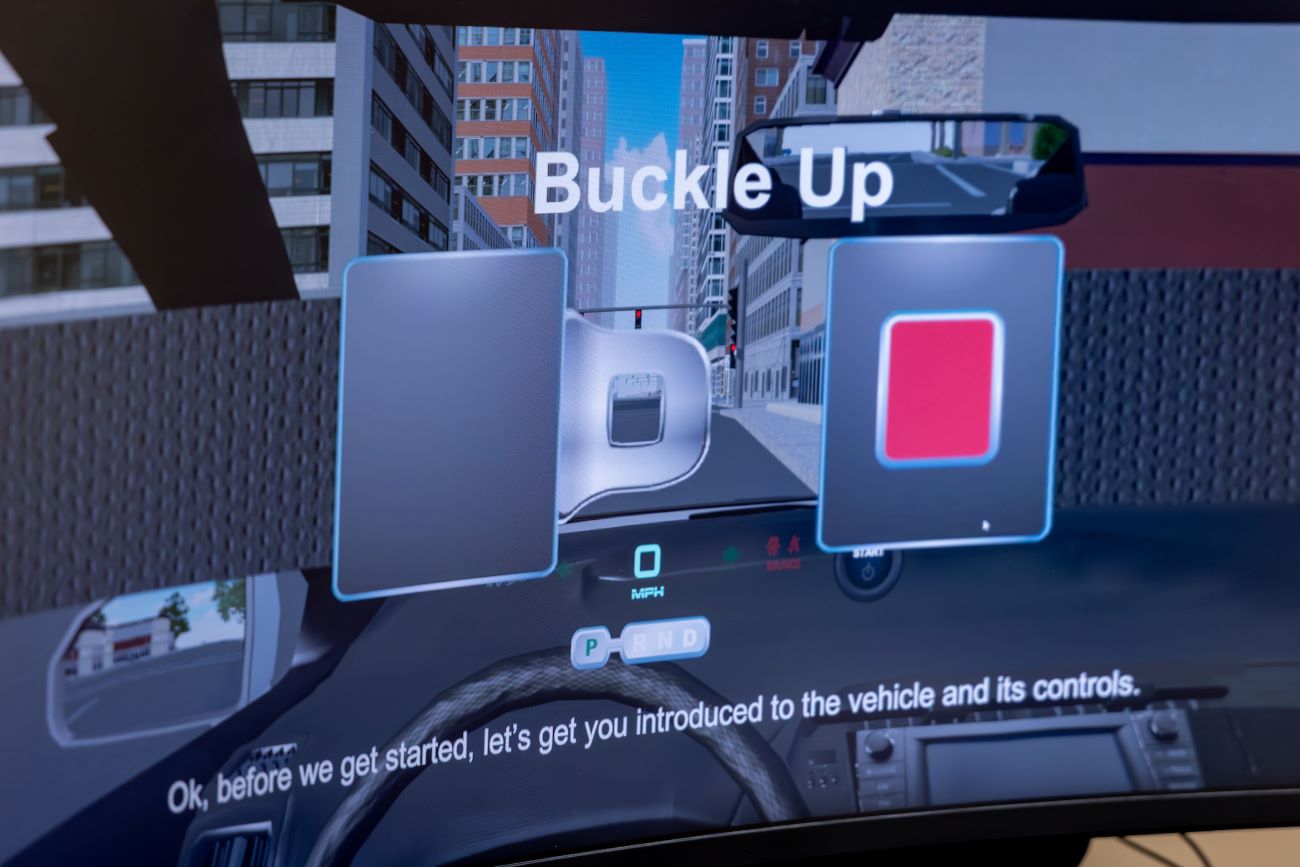
Editor’s note: The driving simulator was made possible through the generous support of the Kott Memorial Charity Trust, whose investment is helping prepare the next generation of occupational therapists.
Want in?
Concordia University Wisconsin is a Lutheran higher education community committed to helping students develop in mind, body and spirit for service to Christ in the Church and the world.