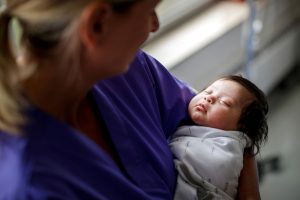
CUW’s MSN/MBA program prepares nurse practitioners for independent practice, healthcare leadership and serving rural communities across Wisconsin.
Starting Sept. 1, 2026, qualified nurse practitioners in Wisconsin will be able to work independently without physician oversight under the state’s new Advanced Practice Registered Nurse Modernization Act.
For many nurses, the law represents more than expanded responsibility. It creates a new path forward—one where advanced practice nurses can open clinics, care for underserved communities, and help address provider shortages across the state.
At CUW, the MSN/MBA dual-degree program was designed with that future in mind.
Students develop advanced clinical knowledge while also learning the business side of healthcare. Graduates earn both a Master of Science in Nursing and a Master of Business Administration with a healthcare concentration.
For those interested in independent practice, that combination matters.
Opening a clinic requires more than patient care knowledge. Nurse practitioners also need to understand budgeting, staffing, healthcare operations, insurance processes, compliance requirements and long-term planning.
“Many communities across Wisconsin still face limited access to healthcare providers,” said Jessica Leiberg, PhD, DNP, dean of the School of Nursing. “Nurse practitioners have an opportunity to help meet those needs, especially in rural and underserved areas.”
Across the country, more nurse practitioners are stepping into primary care roles as healthcare systems work to address physician shortages and rising patient demand. Wisconsin’s full practice authority law now creates more flexibility for APRNs to serve communities independently once they complete the required education, certification and clinical experience.
A different kind of graduate program

That shift also changes how nurses think about graduate education.
Instead of preparing only for hospital or clinic employment, some nurses are now considering what it would look like to lead their own practice or build healthcare services within communities that lack consistent access to care.
CUW’s MSN/MBA pathway helps students prepare for both sides of that responsibility.
Alongside advanced nursing coursework, students study leadership, finance, operations and healthcare management. The program also emphasizes ethical decision-making, compassionate care, and service to others through Concordia’s mission-centered approach to education.
“We want nurses to feel prepared not only to care for patients, but also to lead sustainable practices that strengthen their communities,” said Leiberg. “That requires both clinical preparation and business knowledge.”
Built for working nurses

The flexible structure allows working nurses to continue their education while balancing careers and family responsibilities.
For BSN-prepared nurses, the degree can support several career paths:
- Becoming a nurse practitioner
- Opening an independent practice
- Serving rural or underserved communities
- Leading healthcare teams or departments
- Moving into healthcare administration
As Wisconsin enters a new era for advanced nursing practice, Concordia’s MSN/MBA program reflects how the profession itself is changing.
Nurses are no longer only supporting healthcare systems from within them. Increasingly, they are helping build the future of healthcare in their own communities.
Interested in reading more on nursing? Concordia University Wisconsin helps address the healthcare workforce shortage
Want in?
Concordia University Wisconsin is a Lutheran higher education community committed to helping students develop in mind, body and spirit for service to Christ in the Church and the world.