Annual event gives junior social work students real-world experience while strengthening ties with the veteran community.
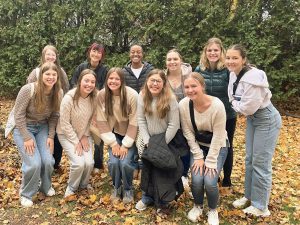
Each fall, the Concordia University Wisconsin Bachelor of Social Work program partners with the Veterans Services Office to provide junior social work students with a hands-on learning experience. This year marks the sixth year of this tradition, and its impact continues to grow.
On Nov. 20, students visited Boudicca House, a transitional housing program that supports single female veterans and female veterans with children, as well as Vets Place Central, which serves veterans experiencing housing instability.
These visits give future social workers an opportunity to practice intake and rapport-building skills with individuals who have volunteered to share their stories and perspectives.
A tradition that continues to grow
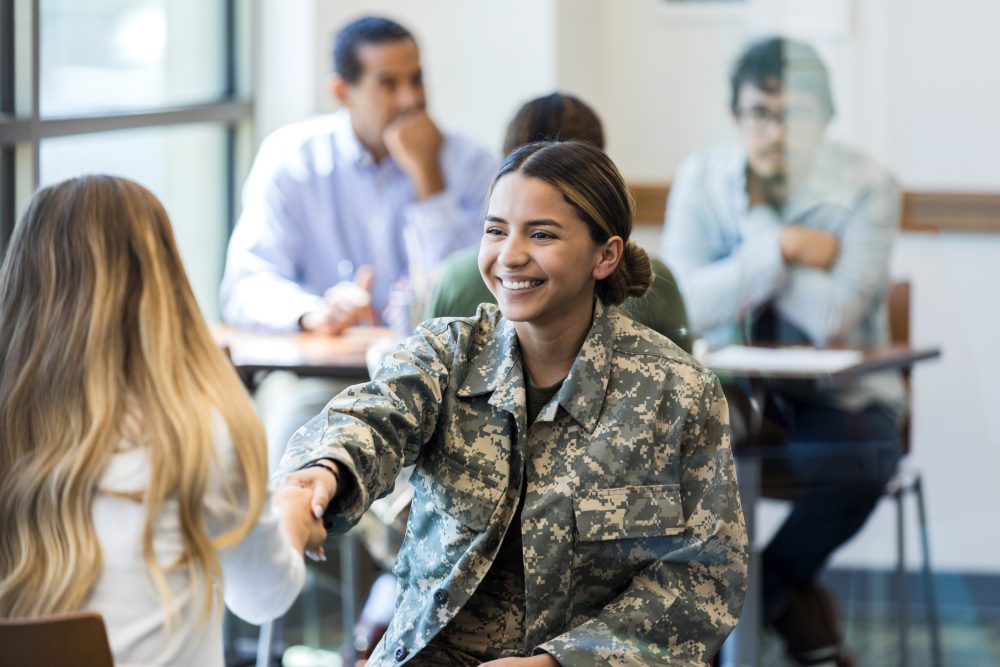
This annual event began six years ago by inviting veterans to campus for lunch and conversation with students. Those early interactions were meaningful, but feedback from participants helped the experience evolve into its current form.
Two notable changes strengthened the partnership:
1. Expanding voices: Including female veterans
Students now meet with both male and female veterans, ensuring a broader and more accurate representation of veteran experiences. Partnering with Boudicca House has given students deeper insight into the unique challenges female veterans may face.
2. Meeting veterans in their spaces
Instead of bringing participants to campus, students now meet veterans in familiar environments. This change has increased participation and helped veterans feel more comfortable and secure during interviews, resulting in richer and more authentic conversations.
A first step into real-world practice
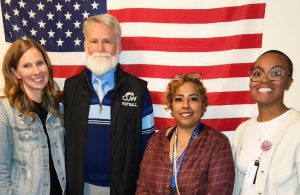
According to Nichole Ostrowski, MSW, CAPSW, director of the Bachelor of Social Work program, this event marks the first official opportunity for junior students to step outside the classroom and apply what they’ve learned.
“Social work is not a profession that can be learned through coursework alone. It requires real-world engagement, empathy and connection,” Ostrowski said.
Students echoed this sentiment throughout their reflections on the experience.
Building rapport and confidence
Junior Olivia Race shared that the experience helped her see how meaningful rapport building can be: “I learned a lot about effective interviewing. In particular, I gained valuable insight into building rapport. I began with simple, open-ended questions to show that I was genuinely interested in listening, and over time, the conversation flowed so naturally that neither of us wanted it to end. This experience reinforced my hope that I will be able to build similarly strong and trusting relationships with my future clients.”
A moment that impacted her deeply came from hearing about resilience amid hardship: “A moment that will stay with me was hearing a man who had been living in his car until just a week before our conversation talk about finding the positive in everyday things. It was a powerful experience that truly put things into perspective.”
Growing comfort in professional practice
For Adriana Skelding, the experience helped ease her apprehension about conducting interviews: “Before this experience, I was apprehensive about how it would go. I felt nervous about speaking with people who had endured multiple forms of trauma, especially since I had only just met them. However, the experience turned out to be incredibly positive… I truly enjoyed it. In fact, I found it so meaningful that I am now hoping to complete my senior year field placement working with the veteran population.”
She was especially moved by one conversation at Boudicca House: “A moment from the visit that will stay with me was witnessing the depth of the veterans’ struggles. While speaking with one veteran, I noticed her hesitation with certain questions… At times she began to cry. My heart broke for her. Even though I couldn’t fix everything for her, I was grateful that I was able to make her smile.”
Understanding the scope of social work with veterans
Courtney Bauer said the visit broadened her understanding of how social workers support veterans and their families: “Through this experience, I gained a clearer understanding of the wide range of services social workers provide to veterans, including mental health support, advocacy, housing assistance and more.”
She also reflected on the importance of rapport building and careful assessment: “When meeting with the veterans, we discussed some difficult topics, which made building rapport so important… As social workers, meeting clients where they are begins with establishing trust.”
One veteran’s message especially resonated with her: “A lady who served in the Navy… said she’s learned that having a hard day is okay, and that she does not need to wear a mask to hide her feelings. I feel this is important for everyone to hear.”
CUW’s BSW students spend their entire senior year in a field placement. Experiences like this one help prepare them by building confidence, communication skills and a stronger understanding of client-centered practice. Working with veterans offers lessons in resilience, trauma, identity and community support that cannot be learned from textbooks alone.
A partnership rooted in respect and service
This event is made possible through ongoing collaboration among:
- CUW’s Veterans Services Office
- Boudicca House
- Vets Place Central
- CUW’s Bachelor of Social Work program
Kari Metts, veterans outreach coordinator, has played a key role in building and maintaining relationships with community partners and supporting both students and veterans throughout the experience.
“Every year, I hope that the undergraduate social work students walk away with some gems shared from our veterans that they can keep in their toolbox, to see and respect our veterans,” Metts said. “In the words of Dr. Berdie Cowser, former transitional housing director, ‘Our veterans do not want a hand out, but a hand up.’”
Female veterans are a vulnerable, often overlooked population regarding their service and rising unhoused rates, according to Metts. “As a female veteran, I am glad that Sharon [one of the veterans] showed her strength, resilience and pride in her service to the students who were fortunate enough to interview and interact with her.”
Together, these partners create a powerful learning opportunity — one that strengthens students’ professional skills and highlights the importance of compassion and connection in social work practice.
Looking ahead
Each year, students describe this event as a formative moment in their journey. For some, it inspires a passion for serving veterans or other vulnerable communities. For others, it provides assurance as they prepare for their senior field placements.
As this tradition continues, CUW remains committed to honoring veterans’ stories, supporting community partnerships, and preparing social workers who are ready to serve with skill and heart.
Further reading
- “11 places social workers change lives”
- “From classroom to community: The ripple effects of Social Work Education run deep.”
- “Guiding Values of the Social Work Profession”
Want in?
Concordia University Wisconsin is a Lutheran higher education community committed to helping students develop in mind, body and spirit for service to Christ in the Church and the world. Concordia’s Bachelor of Social Work program combines rigorous academic training with hands-on field experience and a Christian worldview. Students even have the option to complete their BSW and Master of Social Work (MSW) in just five years. Learn more about CUW’s social work programs, or connect with BSW Program Director Nichole Ostrowski at Nichole.Ostrowski@cuw.edu.