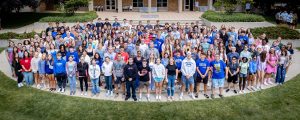
Why Hesed’s record enrollment is about more than numbers.
There are two sides to every story. This one just happens to help parents and caregivers breathe a little easier.
Since Concordia University Wisconsin took over the Hesed Transition Program from AbleLight roughly two and a half years ago, enrollment has climbed to a record 18 students for fall 2026.
But that number tells only part of the story, according to Elizabeth Polzin, vice president of Student Success.
“The continued growth of Hesed shows that our mission of preparing students for lives of service in the Church and the world truly extends to all learners,” Polzin said.
Program Director Erik Halling (’96) credits that growth to something Concordia has been very intentional about: making Hesed part of everyday campus life. Rather than existing as a program apart from the university, Concordia expanded opportunities for Hesed students to learn, serve and participate alongside their peers.
The university also revised the curriculum, expanded student support and placed a greater emphasis on campus involvement.
“We encourage participation in student organizations, academics, athletics, intramurals and other campus activities. The goal is to fully integrate our students into the university community,” Halling said.
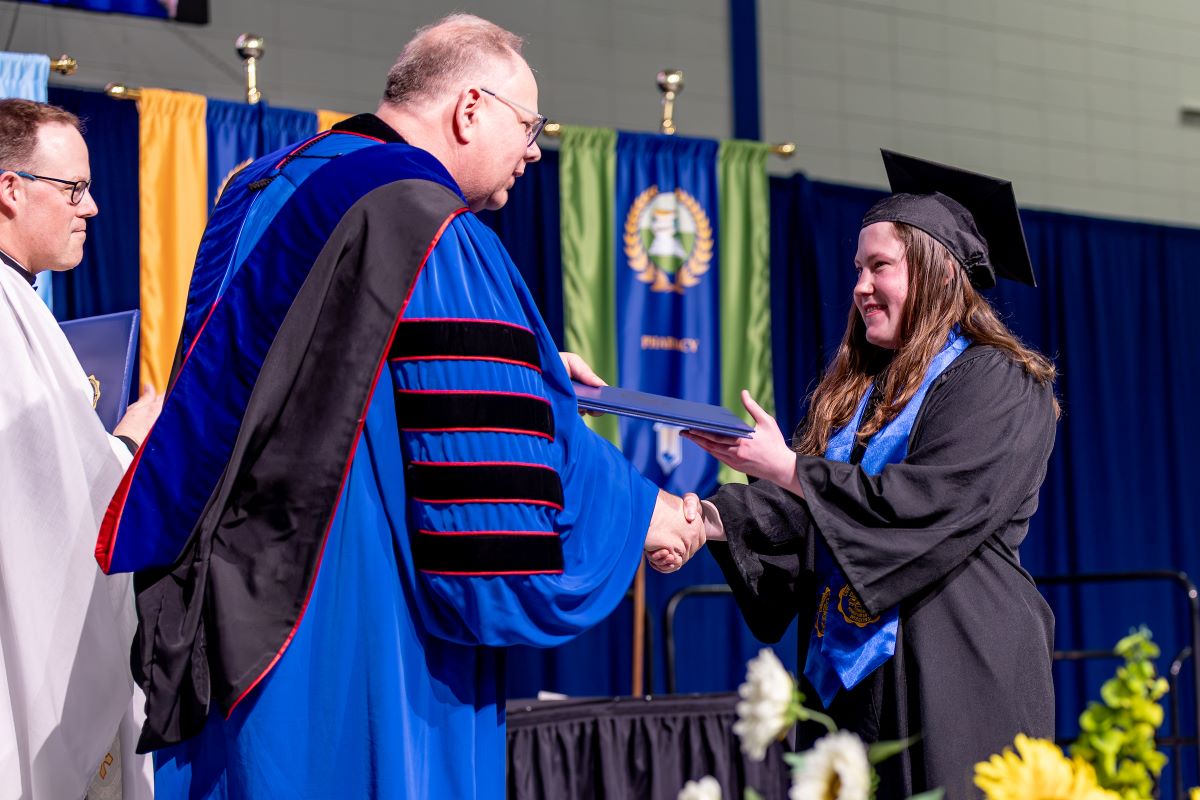
Choosing Concordia
Students who complete the Hesed Transition Program earn an Applied Learning Certificate that emphasizes the skills needed to increase their autonomy. What they learn helps with vocational exploration, independent living and self-advocacy.
Applicants may choose either a two- or three-year program and live on campus, making a certain level of independence an important part of the admissions process. They must have a documented intellectual disability and demonstrate the foundational skills needed to live successfully in a campus environment.
Halling said families are encouraged to understand exactly what Hesed is and what it means to attend CUW.
“We’re very transparent from the beginning that Concordia is a Christian university and that the Hesed program is grounded in the university’s mission,” he said.
Beyond a student’s diagnosis, Halling said the strongest applicants are those who genuinely want the college experience.
“They need to want to attend college,” he said. “They should want to participate, build friendships, become involved in campus life, develop new skills and prepare for competitive employment and independent living after graduation.”
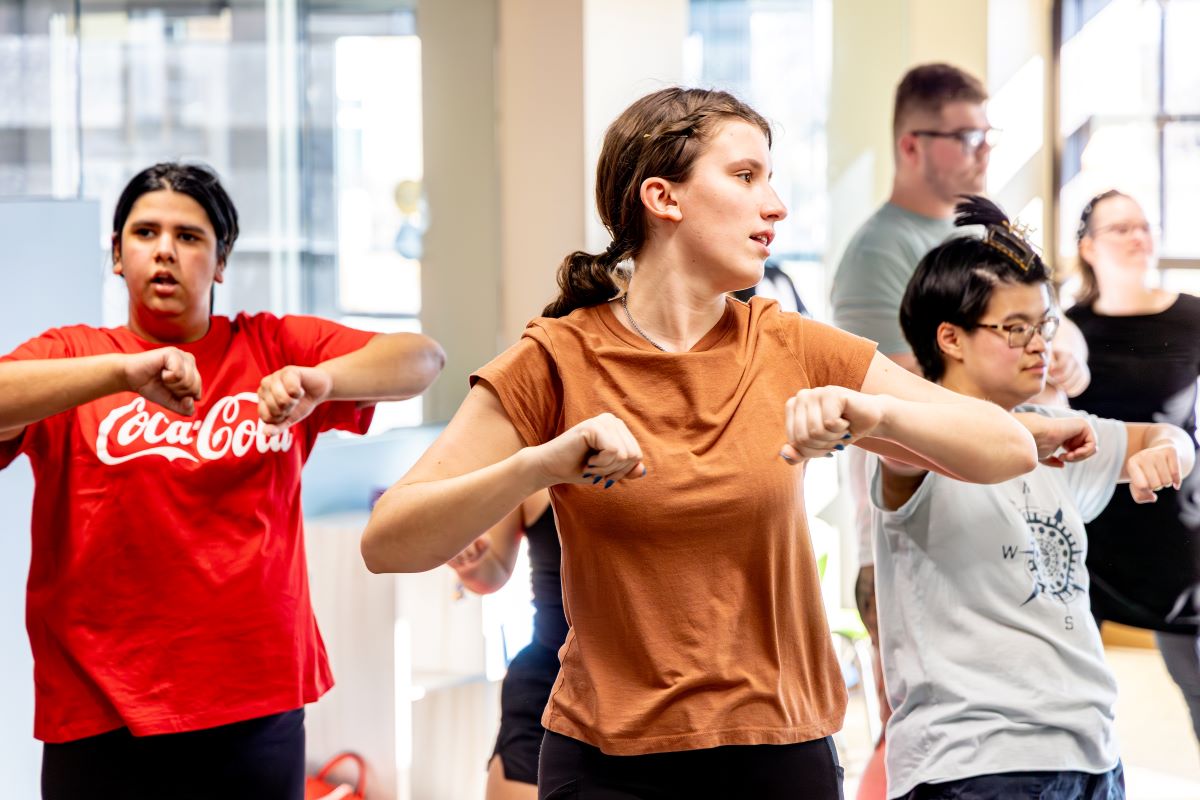
Is Hesed the right fit?
Parents or caregivers wondering whether Hesed is the right fit for their high school-aged student should look closely at the student’s abilities, personality and goals, Halling said.
Autism is a spectrum, and no two students are exactly alike. That’s why he encourages families to look beyond a diagnosis and honestly assess whether their student is ready for the responsibilities of college life.
Successful Hesed students can communicate their needs, express themselves in writing, advocate for themselves, manage personal care and stay on top of everyday responsibilities, such as cleaning their room and organizing their schedule.
“We support them with tools and coaching, but they need to arrive with a basic level of independence,” Halling said. “Our role is to build on those skills so they’re prepared to live independently with minimal support after graduation.”
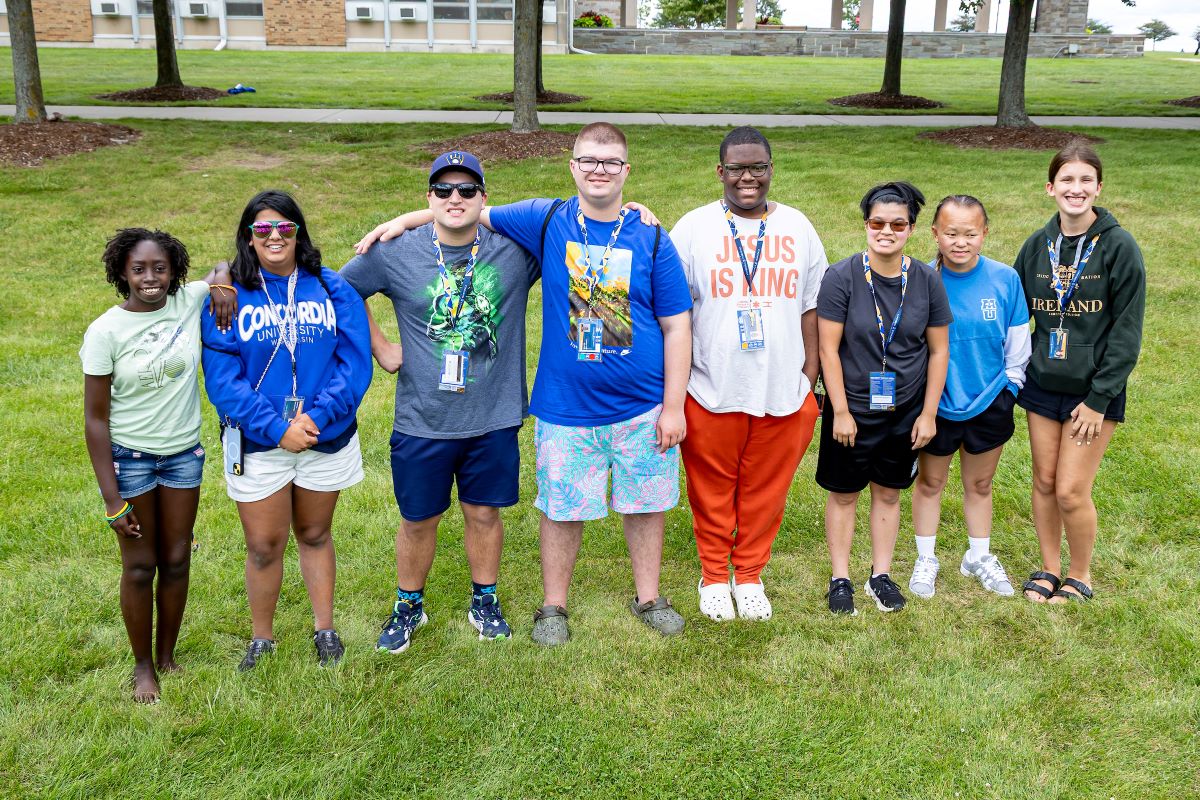
A community that cares
Many students enrolled in the Hesed Transition Program fall somewhere on the autism spectrum. Autism is a lifelong condition, and each person experiences it differently. At Concordia, every student is encouraged to discover where their God-given gifts may lead them.
According to the Centers for Disease Control and Prevention, an estimated 1 in 31 8-year-old children were identified with autism in 2022. In Wisconsin, 89.5% of students with autism received a high school diploma (Autism by the Numbers).
Graduating from high school opens the door to new opportunities, but it also brings another question for students and their families: What comes next?
Hesed offers one possible answer. Students have the opportunity to experience college while continuing to develop the skills they’ll need for employment and greater independence after graduation.
Families choosing Concordia’s Hesed Transition Program are searching for more than the autonomy that comes with college life. They are also looking for a community, and Halling has witnessed this firsthand. He said traditional undergraduate students have embraced Hesed students in a way that is really special.
That sense of acceptance can be seen through everyday campus interactions. Hesed students participate in student organizations, academics, athletics, intramurals and other campus activities alongside traditional undergraduate students. In doing so, opportunities for friendships and relationships happen naturally.
And Hesed students aren’t the only ones benefiting from those relationships.
According to Polzin, traditional undergraduate students learn empathy, patience and leadership through their interactions with Hesed students, lessons that aren’t necessarily learned sitting in a classroom. Faculty and staff are challenged to think differently about accessibility and belonging as well.
“Hesed reminds all of us that every member of our community has something valuable to contribute,” Polzin said.
So why does a program like Hesed work so well at Concordia? The answer, according to Halling, is simple.
“It is the perfect place for a program like this because everything we do flows from our faith and from the university’s mission,” he said.
Want in?
Concordia University Wisconsin is a Lutheran higher education community committed to helping students develop in mind, body and spirit for service to Christ in the Church and the world.