
Are you thinking about medical school? Learn how DO and MD programs compare and what each path could mean for your future.
If you’re planning a career in medicine, you’ve probably come across two degrees during your research: a Doctor of Osteopathic Medicine (DO) degree from an osteopathic medical school and a Doctor of Medicine (MD) degree from an allopathic medical school.
At Concordia University Wisconsin, students preparing for medical school have multiple pathways to becoming physicians. Whether your goal is a DO or an MD, CUW provides the academic foundation, faculty mentorship and medical school partnerships to help you take the next step.
At first, the difference between a DO and an MD may seem confusing. Are they both doctors? Can they practice in the same hospitals? Can they become surgeons? The short answer is yes.
Whether you earn a DO or an MD, you’ll become a licensed physician who can diagnose illnesses, prescribe medications, perform procedures and practice in every medical specialty.
What’s the difference? While both MD and DO programs prepare students to provide comprehensive patient care, osteopathic medical education includes training rooted in the principles and practices of osteopathic medicine.
“It’s important for students to understand the different pathways available to practice medicine because although the endpoint of becoming a physician is the same between MD and DO programs, the medical training and philosophies are slightly different, and students may find one a better fit than the other,” said Joseph Fisher, PhD, associate professor of natural science and CUW’s pre-med, pre-PA and pre-pharmacy coordinator.
Two degrees. One goal: Becoming a physician

No matter which path you choose, the route to becoming a physician looks very similar.
Your journey begins with earning a bachelor’s degree, completing your pre-med coursework, gaining healthcare experience and preparing for the Medical College Admission Test (MCAT). Throughout that process, you will receive personalized advising, hands-on learning opportunities and faculty mentorship as you prepare for medical school.
Whether you pursue a DO or an MD, you’ll enter the same residency accreditation system, with opportunities to pursue training across medical specialties.
If your goal is family medicine, emergency medicine, surgery, pediatrics, psychiatry or another specialty, both paths can get you there.
Why are we talking about DOs? Because Concordia has created a new opportunity for students interested in osteopathic medicine.

A new opportunity for you
Concordia University Wisconsin recently partnered with the Idaho College of Osteopathic Medicine (ICOM), creating a direct pathway for qualified students to pursue a Doctor of Osteopathic Medicine degree.
For Biomedical Science majors, the partnership expands the opportunities available after graduation while allowing students to remain connected to the supportive learning environment they experience on campus.
“This pathway is an amazing opportunity for CUW students looking for a seamless transition from undergraduate studies directly into medical school,” said Fisher. “ICOM shares many of the same values as CUW, and we know our graduates will be well supported when they begin their medical program.”
Founded to prepare physicians for rural and medically underserved communities, ICOM emphasizes primary care and helping meet healthcare needs where physicians are needed most. That mission aligns closely with Concordia’s commitment to educating graduates who serve others through their vocations.
“This is particularly exciting because ICOM’s focus is on preparing physicians for primary care, which is the area of greatest need,” added Dr. Leah Dvorak, professor of biology and special assistant to the president. “Students will study medicine on CUW’s beautiful lakeside campus and will learn alongside Concordia’s pharmacy, nursing, physical therapy, and other healthcare students, all of whom are preparing to serve others through their healthcare vocations.”
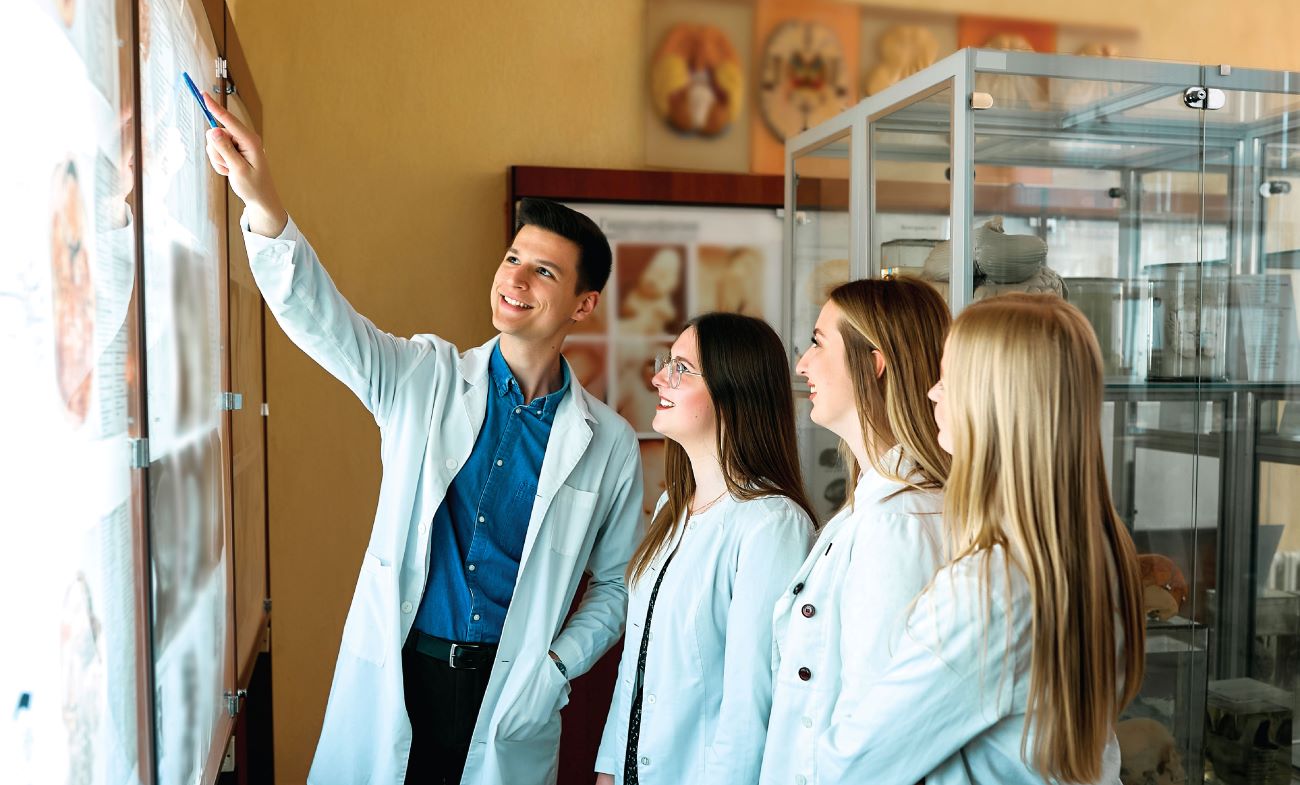
More pathways to medical school
One of the advantages of choosing CUW is that students interested in medicine don’t have just one pathway to medical school—they have multiple.
Students enrolled in CUW’s Bachelor of Science in Biomedical Science program may also be eligible for the Lake Erie College of Osteopathic Medicine (LECOM) Early Acceptance Program (EAP). Through the program, qualified students can reserve a seat at one of LECOM’s campuses while completing their undergraduate education at CUW.
Benefits of the CUW-LECOM pathway include:
- Early provisional admission to LECOM for students who continue to meet program requirements, including maintaining a 3.4 GPA.
- An MCAT waiver for eligible students who meet specific academic requirements, helping simplify the medical school admissions process.
- No requirement to submit an AACOMAS application, saving both time and application costs.
- A clear path to earning both a Bachelor of Science in Biomedical Science from Concordia and a Doctor of Osteopathic Medicine degree from LECOM.
“The provisional early acceptance and potential MCAT waiver make the LECOM pathway an outstanding opportunity for qualified students,” said Fisher. “Those benefits can simplify the medical school application process and provide added confidence as students work toward their goal of becoming physicians.”
Before deciding whether the DO pathway is right for you, it’s helpful to understand how a Doctor of Osteopathic Medicine differs from a Doctor of Medicine—and what the two have in common.
What’s the difference?
The differences between MD and DO programs are found primarily in their educational philosophies, training and historical areas of emphasis.
What is a DO?
A Doctor of Osteopathic Medicine (DO) is a fully licensed physician. Like MDs, DOs diagnose and treat illnesses, prescribe medications and practice across medical specialties. Osteopathic medical education also places an emphasis on how factors such as lifestyle, environment and overall well-being can influence a person’s health.
DO students receive training in Osteopathic Manipulative Medicine (OMM), a hands-on approach that uses manual techniques to diagnose and treat certain musculoskeletal conditions. Osteopathic medicine also emphasizes preventive care, patient relationships and serving communities with limited access to healthcare.
For CUW students, that focus complements Concordia’s commitment to educating the mind, body and spirit.
“Students often ask whether earning a DO degree limits their career options, and the answer is no,” said Kevin Wilson, DO, dean and chief academic officer at ICOM. “DO and MD physicians share the same scope of practice and can enter any medical or surgical specialty. At ICOM, we emphasize whole-person care while preparing students to match into primary care and highly competitive specialties alike.”
What is an MD?
The term allopathic medicine refers to the traditional model of medical education used by MD-granting institutions. MD programs provide extensive training in the biomedical sciences, clinical medicine, diagnosis and treatment as students prepare to practice across medical specialties.
MD programs have traditionally placed a strong emphasis on biomedical research, and graduates are more commonly found in academic medical centers and research-focused institutions. At the same time, both MDs and DOs pursue careers in research, teaching and clinical practice.
While DOs can practice internationally in many countries, MD credentials are more widely recognized around the world. Students interested in practicing medicine outside the U.S. should research licensing requirements in the countries where they hope to work.
Like DOs, MD physicians practice across every specialty and work in hospitals, clinics, research institutions and healthcare systems throughout the country.
For Matthew Lee, MD, assistant professor in Concordia’s School of Health Professions, whole-person care is something all physicians should strive for, regardless of the letters behind their name.
“The osteopathic philosophy is an important reminder of what excellent physicians strive to do every day: combine scientific excellence with genuine compassion, seeing not just the illness but the person who has it,” Lee said. “That commitment to whole-person care is something every future physician should embrace, and that starts at CUW.”
Does one degree offer more career options?
Both DO and MD graduates can pursue residency training across medical specialties.
Since 2020, DO and MD graduates have participated in the same residency accreditation system and can pursue training in specialties ranging from family medicine and internal medicine to surgery, dermatology and other specialized fields.
There are differences in residency match patterns between DO and MD graduates, particularly in some highly competitive specialties. If you are considering either pathway, you should think about your long-term career interests and work with your pre-med advisor to understand how your choice of an MD or DO program may factor into your residency goals.
Both degrees can lead to careers in:
- Surgery
- Pediatrics
- Emergency medicine
- Psychiatry
- Dermatology
- Family medicine
- Internal medicine
- And every other medical specialty
What about salary?
One of the most common questions asked is whether DOs and MDs earn different salaries. A physician’s salary depends on specialty, geographic location, years of experience and practice setting, rather than simply whether they earned a DO or an MD.
Why choose one over the other?
Choosing between osteopathic and allopathic medicine often comes down to your interests, career goals and the type of medical education you want to pursue. You may apply to both DO and MD programs or decide to focus on one pathway.
Osteopathic medical education includes OMM training and has historically had a strong presence in primary care and rural and medically underserved communities. Allopathic medical education does not include OMM training and has historically had greater representation in some highly competitive specialties and academic medicine.
Both pathways prepare you to become a physician, with opportunities to build relationships with patients, focus on preventive care and serve communities in need.
As you consider your options, look beyond the letters attached to the degree. Consider each medical school’s curriculum, residency outcomes, location, mission and approach to medical education, and talk with your pre-med advisor about which programs fit your goals.
Which path is right for you?
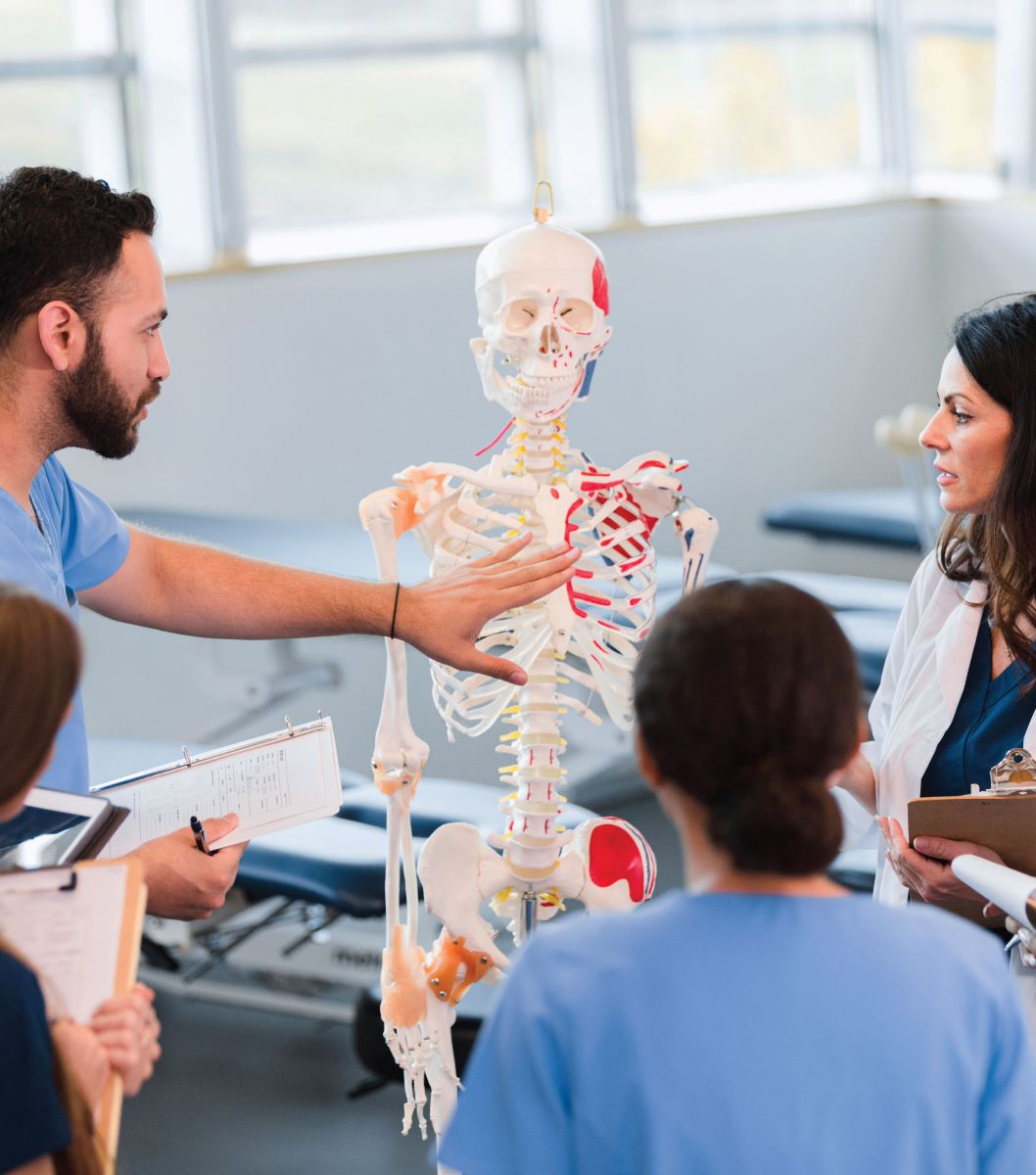
There isn’t one right answer.
As you compare DO and MD programs, consider your career goals, each school’s curriculum and mission, residency outcomes and the type of learning environment you’re looking for. If osteopathic medicine interests you, you may also want to consider whether OMM training is something you want as part of your medical education.
Whichever path you choose, both degrees can prepare you for a career as a physician.
The first step is choosing an undergraduate program that prepares you for success. The Biomedical Science major is designed to prepare students for admission to both DO and MD programs through rigorous academics, individualized advising, undergraduate research opportunities and partnerships with medical schools.
Whether your future leads to ICOM, LECOM or another medical school, CUW provides the foundation to help you pursue your calling as a physician.
Ready?
Every physician begins somewhere.
Here, you’ll find more than a strong science curriculum. CUW’s Biomedical Science major prepares pre-med students for application to both DO and MD programs. You’ll also become part of a community that challenges you academically, supports your professional goals and prepares you to serve others through a career in medicine.
Whether you’re pursuing a Doctor of Osteopathic Medicine or a Doctor of Medicine degree, Concordia offers the preparation, faculty mentorship and medical school partnerships to help you move confidently toward medical school and your calling as a physician.
Explore CUW’s Biomedical Science program and discover where your journey can begin.
Frequently asked questions
Is a DO the same as an MD?
Both are licensed physicians with similar education and training. Osteopathic medical education emphasizes a whole-person approach to care, considering how different aspects of a patient’s health and well-being are connected.
Is it harder to become a DO or an MD?
Admission to both programs is highly competitive. Both Allopathic and Osteopathic Medical schools consider many factors, including GPA, MCAT scores, healthcare experience, leadership and service. Generally speaking, the average GPAs and MCAT scores of students accepted to MD programs are higher than students accepted to DO programs.
Can DOs become surgeons?
Yes. DO physicians enter every medical specialty, including surgery.
Do hospitals treat DOs and MDs differently?
No. DOs and MDs train together, work side by side and are equally recognized throughout the U.S. healthcare system.
For more reading:
- CUW launches pathway partnerships to accelerate careers in medicine, dentistry and optometry
- New CUW–ICOM partnership opens doors to medical school
Want in?
Concordia University Wisconsin is a Lutheran higher education community committed to helping students develop in mind, body and spirit for service to Christ in the Church and the world.